Banneton vs Brotform Explained: What’s the Difference?
Every home baker hits the same wall at some point. You're staring at proofing baskets online and they all look like woven bowls. The banneton vs brotform explained simply: both are proofing baskets, but they handle dough differently.
Manufacturer specs indicate most sizes hold 500 grams to 1.5 kilograms of dough, with diameters from 7 to 10 inches. As of 2026, both styles cost roughly the same and are easy to find. The real difference shows up in how the dough behaves during the final proof.
Let's sort out which one you actually need.
Quick Answer: What's the Real Difference Between a Banneton and a Brotform?
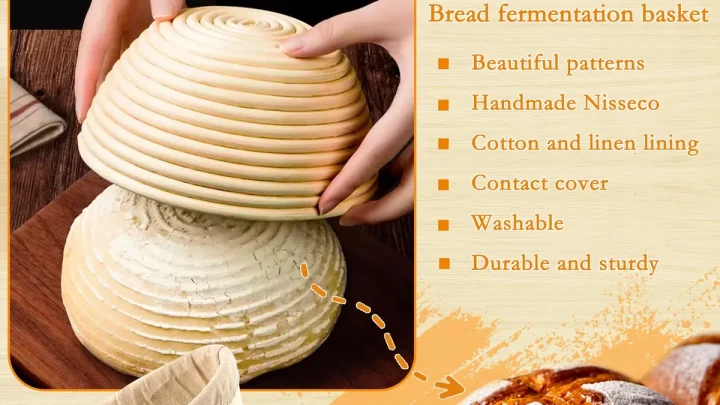
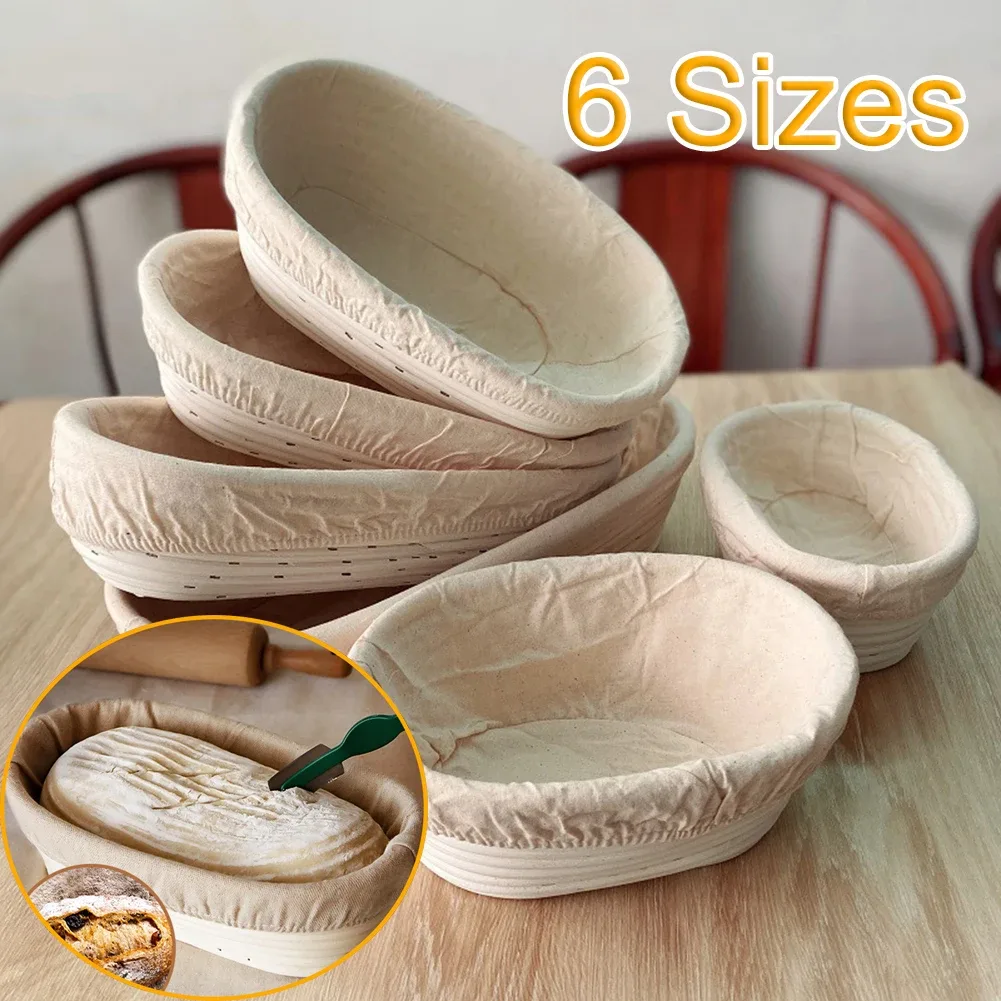
Both tools are proofing baskets. They differ in material, moisture handling, and crust pattern. Bannetons use coiled cane and leave spiral marks.
Brotforms use wood pulp and give a smoother finish.
Why Your Proofing Basket Matters More Than You'd Think
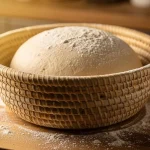
During the final proof, dough relaxes and spreads. Without walls, it flattens into a puddle. The basket holds it upright and keeps that round or oval form.
A proofing basket also manages surface moisture. It pulls humidity away from the dough, which firms the skin. That firmer skin makes scoring easier and helps oven spring.
The Bread Bakers Guild of America treats shaping and fermentation as core skills for a reason. Structure, moisture, and timing are what separate a flat disk from a tall, open-crumb boule. Your basket is part of that chain.
Banneton: The Coiled Cane Classic
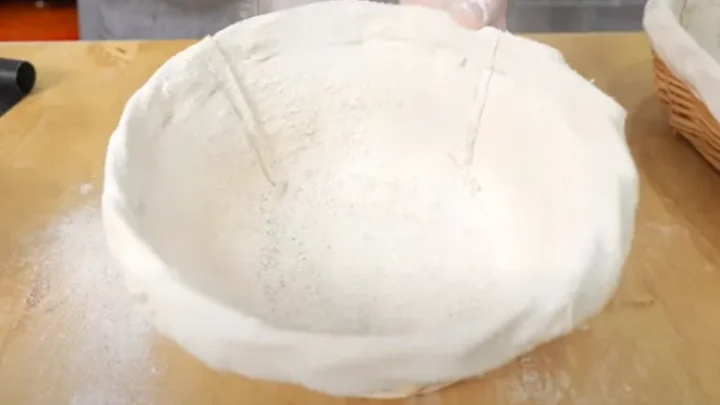
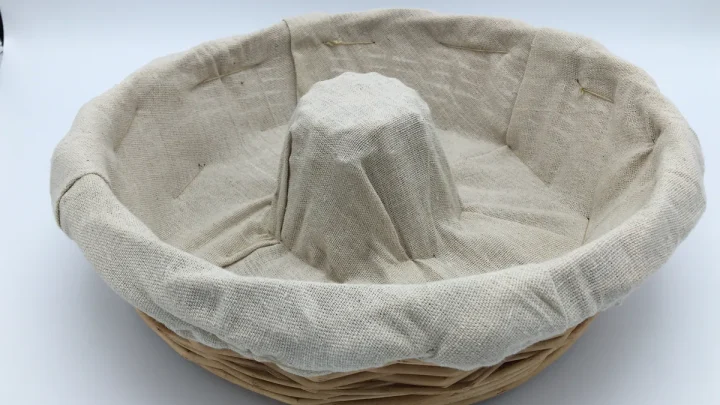
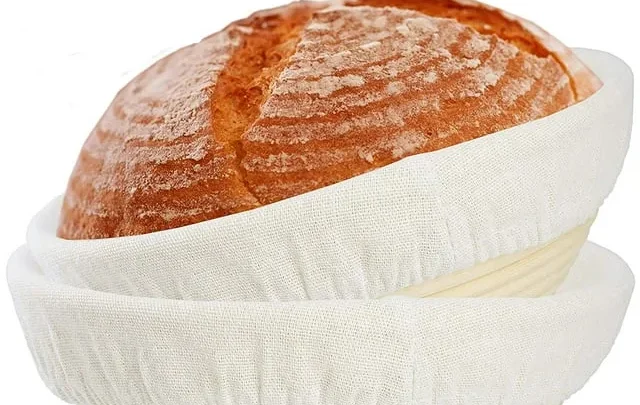
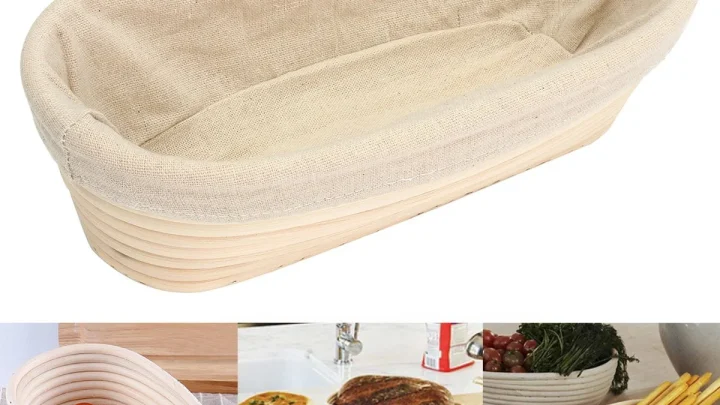
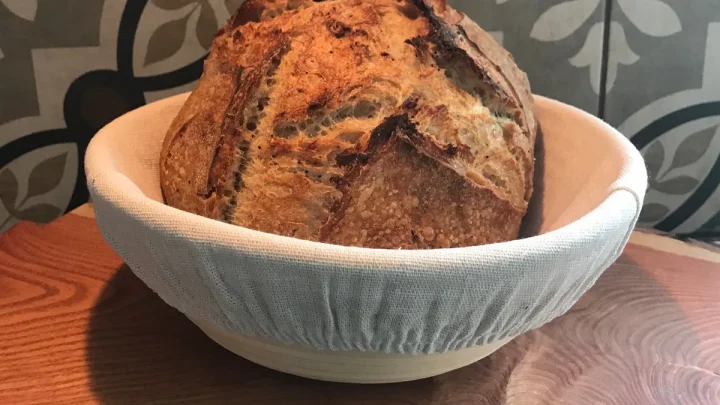
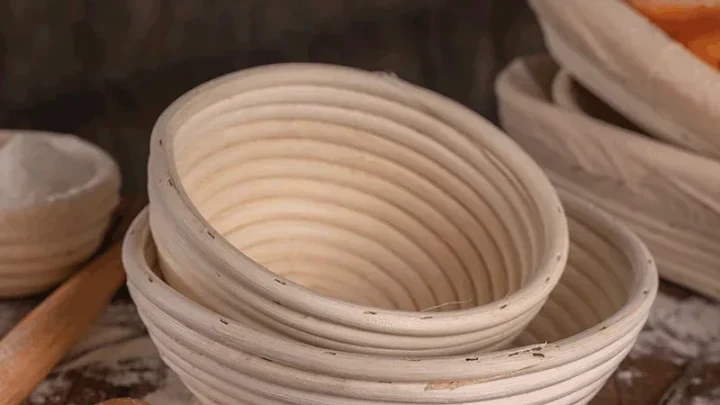
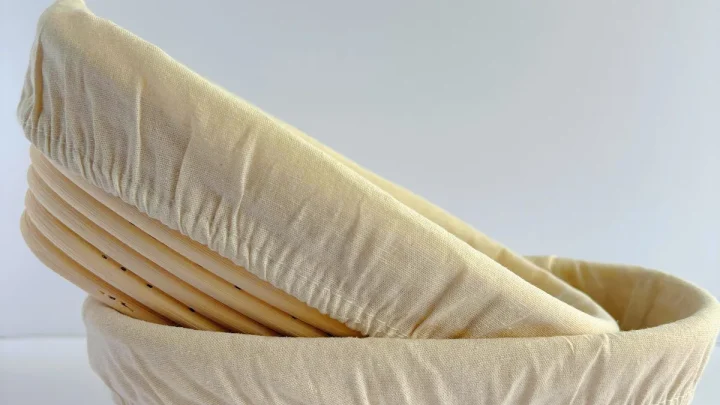
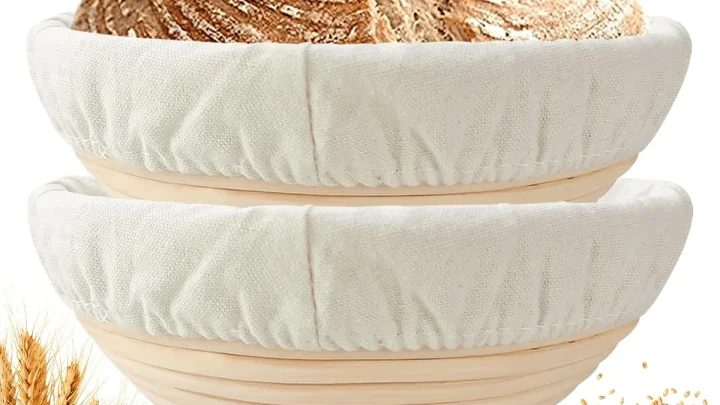
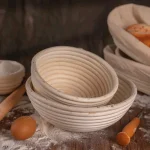
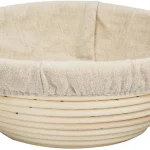
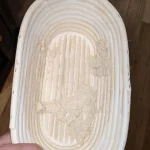
A banneton is the round or oval basket you see in most sourdough photos. It's made from coiled rattan or cane, with a textured interior that can be left open or covered with a linen liner. That spiral coil is the source of the pretty flour rings on artisan loaves.
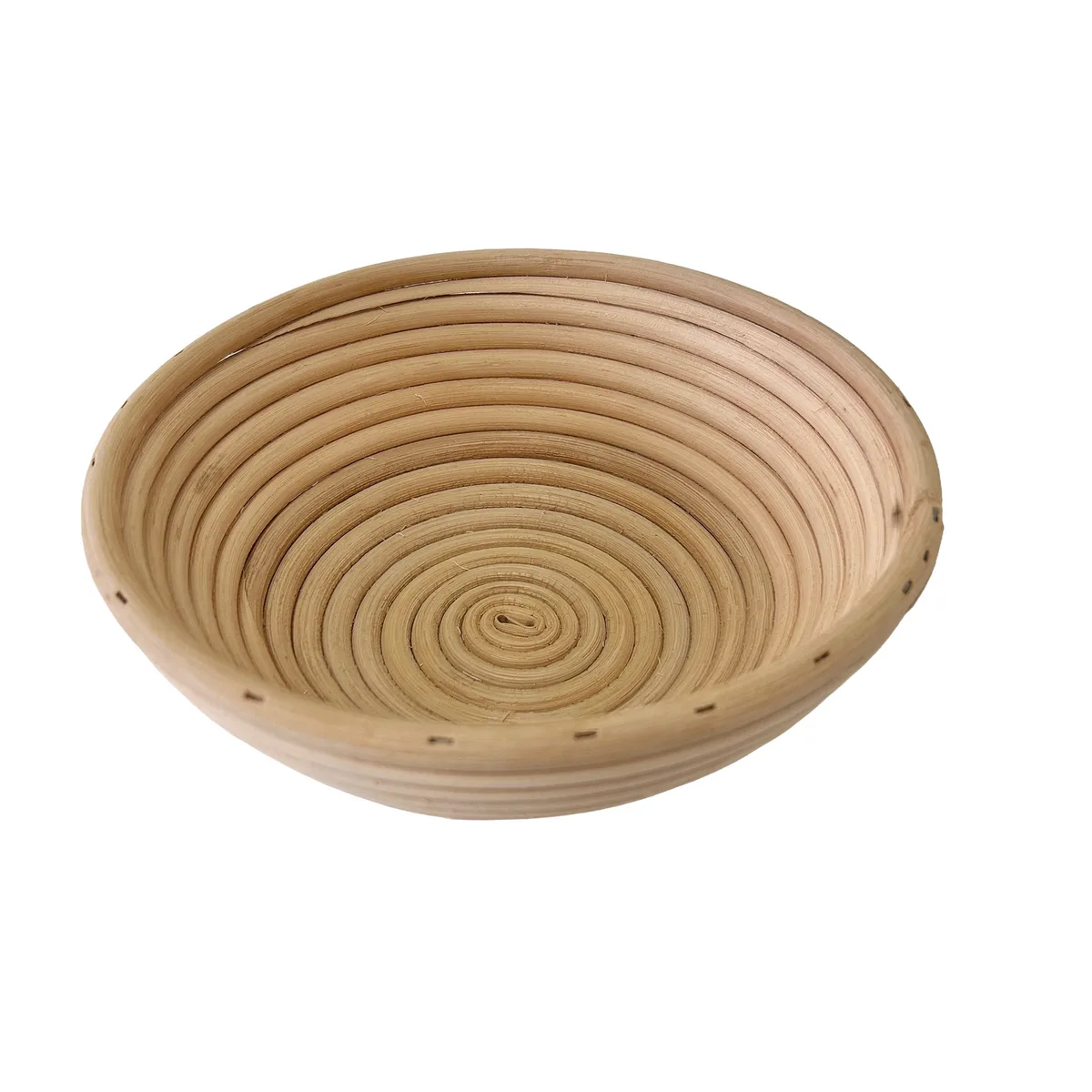
What a Banneton Does Well
- Holds stiff dough gently
- Wicks moisture from the surface
- Leaves a classic spiral pattern
- Great for rustic country loaves
Where a Banneton Struggles
- High-hydration dough can stick to the cane
- Deep spirals can tear a damp crust
- Needs thorough drying after each use
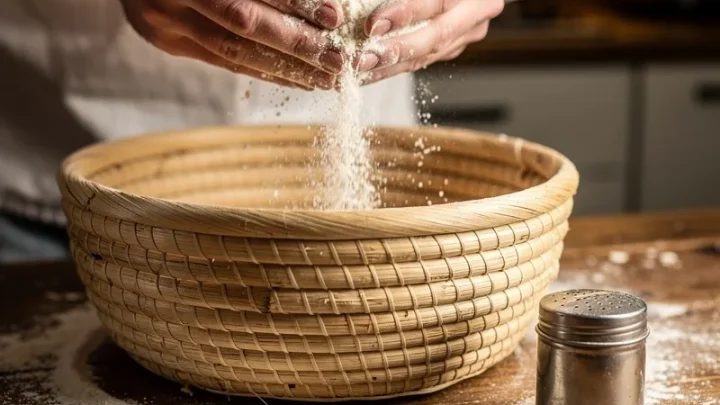
- Must be floured well before every proof
If you're working with dough above 75% hydration, the unlined weave can grab. A liner helps, but you're still fighting the pattern. Use a banneton when you want that distinct, coil-marked crust.
Brotform: The Wood-Pulp German Workhorse
A brotform is made from compressed wood pulp. Instead of cane coils, it's a smooth, dense shell. German bakers have used this style for decades, especially for dense rye and sourdough loaves.
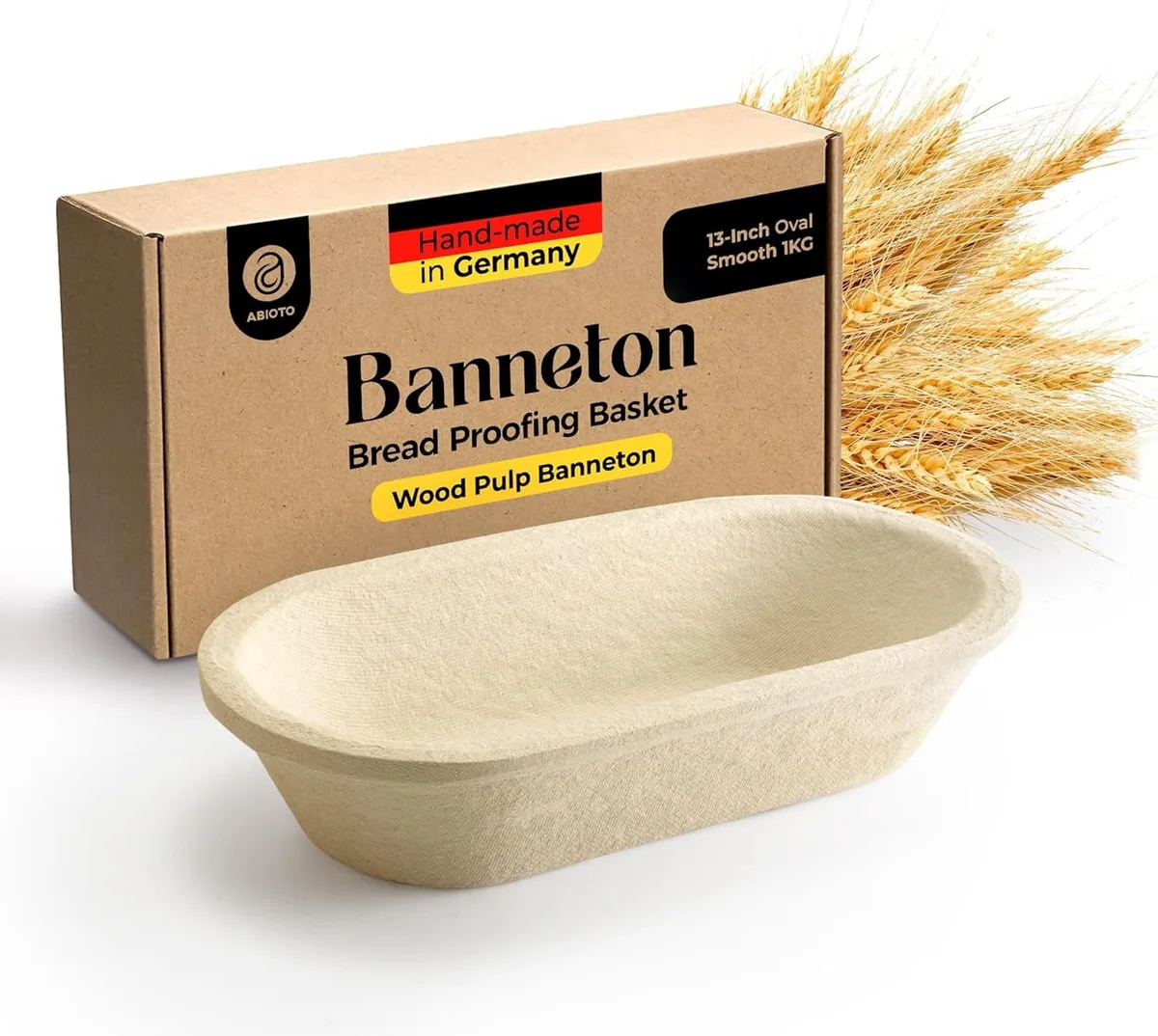
What a Brotform Does Well
- Absorbs moisture more aggressively
- Creates a drier surface for better scoring
- Leaves a much smoother crust pattern
- Handles sticky, high-hydration doughs better
Where a Brotform Struggles
- Doesn't leave those decorative spiral rings
- Can crack if dropped or soaked
- Dries slower after cleaning
- Some bakers find the smooth surface too plain
For artisan bakers chasing an open crumb, the drier skin is a big deal. A brotform gives you structure without leaving a heavy imprint. It's the quieter, more functional option.
Banneton vs Brotform: Head-to-Head Comparison
Both tools do the same job: hold dough during the final proof. The material changes the experience from there.
| Factor | Banneton | Brotform |
|---|---|---|
| Material | Coiled cane or rattan | Molded wood pulp |
| Surface texture | Spiral ridges | Smooth, slightly porous |
| Moisture wicking | Good | Better |
| Sticky dough | Can stick without a liner | More forgiving |
| Crust finish | Classic rings | Clean, barely patterned |
| Cleaning | Dry brush, air dry | Dry brush, air dry slower |
| Durability | Long-lasting | Can crack with rough use |
So which is better? It depends on the dough. For stiff, low-hydration sourdough, a banneton gives you that rustic look.
For sticky, high-hydration dough, the brotform earns its keep.
How to Choose Based on Dough Type and Hydration
The deciding factor is hydration, not the basket's name. Stiff dough at 65% hydration holds its shape in anything. Slack dough at 80% needs more help.
- 65% or lower: A banneton works perfectly. The dough stays firm and won't sink into the coils.
- 70% to 75%: Use a lined banneton or a brotform. The liner creates a gentle barrier against sticky dough.
- 75% to 80%: Go with a brotform. The wood pulp pulls extra moisture from the skin, giving you a dry surface that scores cleanly.
- Above 80%: Skip the basket entirely. Use a proofing container or a heavily floured liner to avoid tearing.
Rye dough behaves differently. It's sticky even at lower hydration. Aggregate feedback from sourdough bakers suggests a brotform handles rye better because the absorbent wall firms up the exterior faster.
Temperature matters, too. A warm kitchen around 78°F makes high-hydration dough looser. A cold retard below 45°F tightens it.
If you proof in the fridge, you can push the hydration boundary one step further.
Turning Out Dough Without Sticking or Tearing the Crust
The flip is the moment everything can go wrong. Wet dough can collapse under its own weight if the basket fights it. Here's how to make the turn predictable.
- Flour the basket generously, especially the bottom seam where dough contacts first.
- Let the dough proof until it looks puffy. A dome that barely springs back is ready.
- Lay a sheet of parchment across the basket's opening.
- Set a flat cutting board over the parchment.
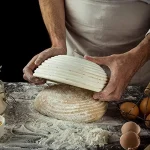
- Hold the board against the basket, flip both over, and place on the counter.
- Lift the basket straight up without twisting. Twisting drags the crust against the weave.
If the dough sticks, stop pulling. Use a dry pastry brush to sweep loose flour into the gap. For stubborn spots, slide a thin metal spatula between the dough and the basket wall.
For very wet dough, there's another trick. Chill the basket in the fridge for 15 minutes before turning out. Cold dough contracts slightly and pulls away from the weave.
Rice flour is your friend here. Gluten-free and absorbent, it doesn't form a gluey paste like wheat flour. Professional bakers often mix rice flour and all-purpose flour half and half for a non-stick surface that still browns nicely.
Proper Cleaning and Care: Keeping Mold Away and Loaves Coming Out Clean
The rule is simple: never let them stay wet. Mold spores settle into porous cane and wood pulp within hours.
- Brush out all flour residue after each use. A stiff pastry brush works best.
- If dough bits remain, scrape them off with a bench knife, not water.
- For stuck residue, wipe with a barely damp cloth, then dry immediately.
- Air dry the basket for 24 to 48 hours before storing.
- Store in a dry, ventilated spot. Skip plastic bags and sealed bins.
| Drying method | Banneton | Brotform |
|---|---|---|
| Air dry at room temp | 12 to 24 hours | 24 to 48 hours |
| Sun-dry outside | 2 to 4 hours | 4 to 6 hours |
| Oven at 170°F (off) | 1 hour | 1.5 hours |
If mold appears, don't scrub it wet. Wait for the basket to fully dry, then brush the surface aggressively. For a deep problem, light sanding with fine grit paper can remove surface mold.
If the mold has soaked into the material or smells musty, replace the basket. There's no safe way to salvage it.
Price, Sizes, and What to Buy
Proofing baskets are affordable. You'll pay between $10 and $30 for most quality options. The price reflects size, material, and whether a liner is included.
| Material | Typical price range | Expected lifespan |
|---|---|---|
| Rattan/cane banneton | $8 to $20 | 3 to 5 years |
| Wood-pulp brotform | $10 to $25 | 2 to 4 years |
| Linen liner (separate) | $5 to $15 | 1 to 2 years |
| Combo with liner | $15 to $30 | 3 to 5 years |
Size matters more than price. A 9-inch round basket fits a standard 750g to 1kg loaf. If you bake smaller test batches, an 8-inch holds 500g comfortably.
Batard bakers need an oval basket, usually around 12 to 14 inches long.
Don't buy a set if you're just starting. One basket matches most weekly baking habits. Add a second only when you're baking two loaves at once or proofing different doughs side by side.
Watch for cheap baskets with rough seams or varnish. Food-safe baskets should be untreated. Lacquered surfaces trap moisture and fail quickly.
Frequently Asked Questions
Does a banneton change how the bread tastes?
No. It changes texture and shape, not flavor. The dough absorbs nothing from the cane or wood pulp.
Taste comes from fermentation time and flour choice.
Can I use a brotform without a liner?
Yes. Many bakers prefer it that way. The smooth wood-pulp surface tolerates high-hydration dough better than unlined cane.
Just dust it well before each proof.
What's the biggest rookie mistake with proofing baskets?
Not drying them fully before storage. A damp basket grows mold within two days. The second biggest mistake is over-flouring with wheat flour, which creates a chalky crust and a paste that causes sticking.
Rice flour solves both problems.
How do I get the spiral pattern to show up?
Use an unlined banneton and generous rice flour. Press the dough gently into the basket so the weave imprints lightly. A cold retarded dough holds the pattern better during the bake.
Is there a reason to own both?
Yes, if you bake at different hydration levels. A banneton for rustic country loaves at 70%. A brotform for wet sourdough and rye at 80%.
Owning both lets the dough tell you which tool it needs.
Final Verdict: Which One Belongs in Your Kitchen?
Start with the dough you bake most. A 9-inch lined banneton covers most home bakers, from stiff country loaves to moderate hydration. It's forgiving, easy to clean, and leaves that classic artisan look.
If high-hydration dough is your regular project, get a brotform instead. The wood-pulp walls pull extra moisture, giving you a drier skin and cleaner scoring. You'll notice the difference on your first wet dough.
For bakers who do both, keep one of each on the shelf. A banneton for rustic 70% loaves. A brotform for sticky 80% sourdough and rye.
That combo gives you full control without compromise.
Don't overthink the purchase. Both baskets are affordable, durable tools that improve your bread's shape and structure. The real skill is in proofing, flouring, and turning out dough cleanly.
The basket just helps you do it well.
Buy the one that matches the bread you love. The other can wait.

Similar Posts