Choosing a Proofing Basket for Batard: What Actually Matters
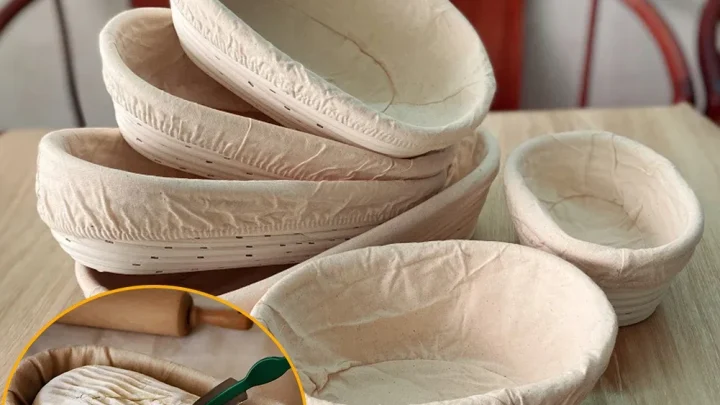
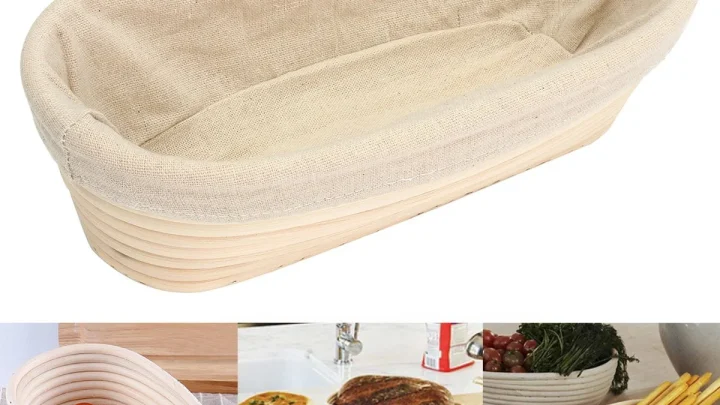
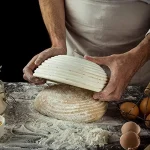
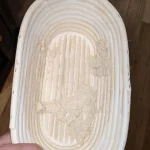
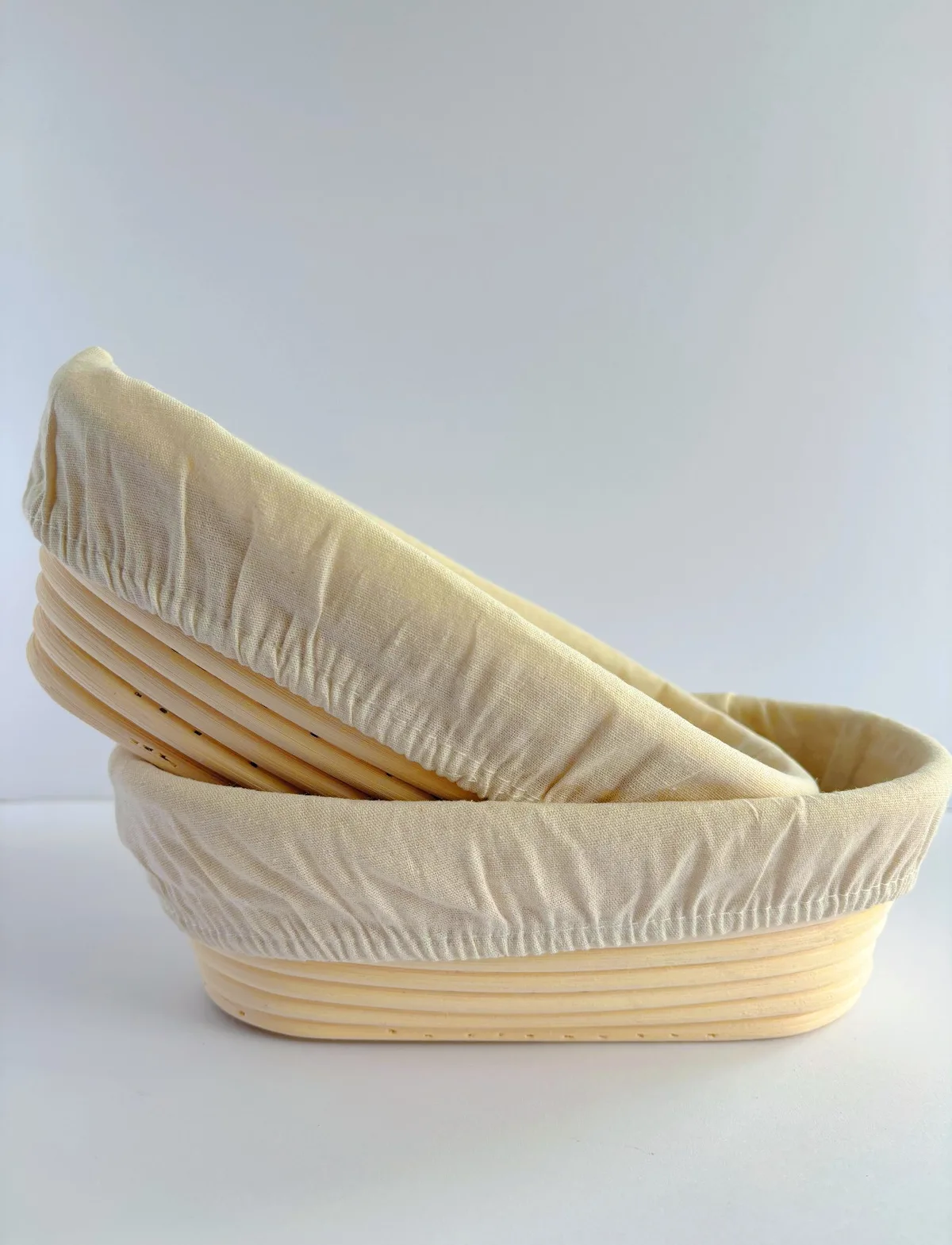
So, what proofing basket for batard should you use? The short answer is an oval banneton, not a round one. An oval supports the elongated loaf shape and keeps the dough snug.
Without it, your batard slumps sideways and bakes flat.
Standard oval bannetons, as of 2026, run roughly 9 by 4 inches up to 14 by 7 inches. A 10-inch oval comfortably holds a 750-gram batard, which fits most home Dutch ovens. Material and liner choice matter too, so let's break down what works.
Quick Answer
For a batard, use an oval banneton. A 10-inch basket handles a 750-gram loaf. Cane rattan wicks moisture for a crisper crust.
A linen liner makes cleanup easier. That's the short answer.
Why Shape and Size Matter
Batard means "elongated." A round banneton forces dough into a sphere, so you lose the classic silhouette. An oval basket holds the length and keeps the sidewalls tight.
Size is equally important. If the basket is too large, the dough relaxes and spreads flat. If it's too small, dough bulges over the rim.
Fill about 70 to 80 percent of the basket's volume.
Think about your bake. A 500-gram batard rattles around in a 12-inch oval. It proofs broader and flatter.
A 1-kilo loaf overflows a 9-inch basket. Match basket size to dough weight, not the other way around.
Material Breakdown: Cane Rattan vs Wood Pulp
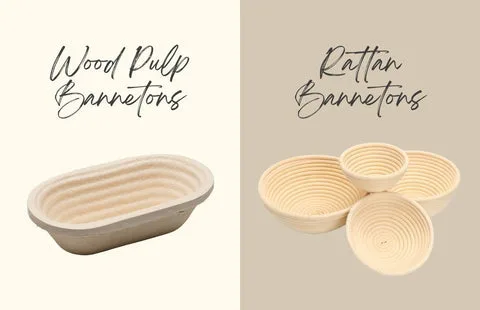
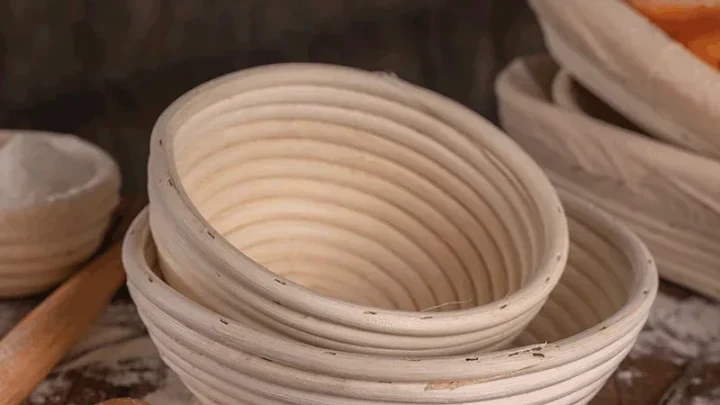
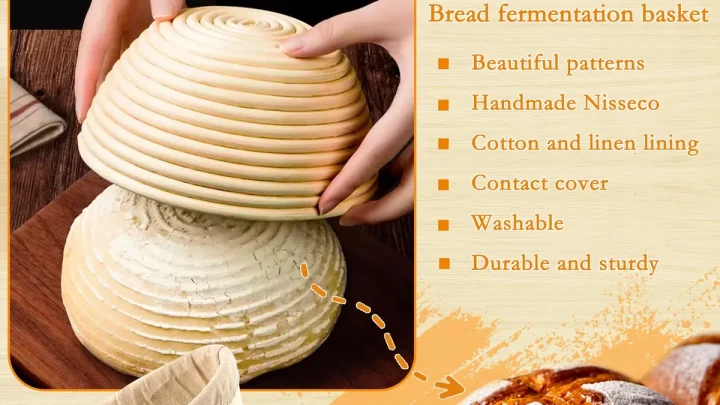
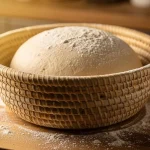
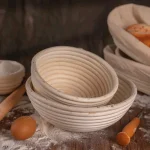
Cane rattan is the classic basket material. It's woven from natural reed, breathes well, and wicks moisture off the dough. That supports a crisp crust and creates those spiral flour marks.
Wood-pulp bannetons are molded from compressed cellulose fiber. They're smooth, sturdy, and often cheaper. But they absorb more moisture and cling to sticky dough unless heavily floured.
| Feature | Cane Rattan | Wood Pulp |
|---|---|---|
| Moisture wicking | Excellent | Moderate |
| Crust pattern | Classic spiral marks | Smooth, light marks |
| Sticking risk | Low with rice flour | Higher with wet dough |
| Cleaning | Brush out, air dry | Gentle wipe, air dry |
| Price | Slightly higher | More budget-friendly |
For high-hydration sourdough, cane rattan is the safer pick. For lean, stiff doughs, wood pulp works fine. Per the USDA Food Safety and Inspection Service, handle raw flour with care and keep baskets dry to avoid mold.
Lined vs Unlined: Which Interior Is Better?
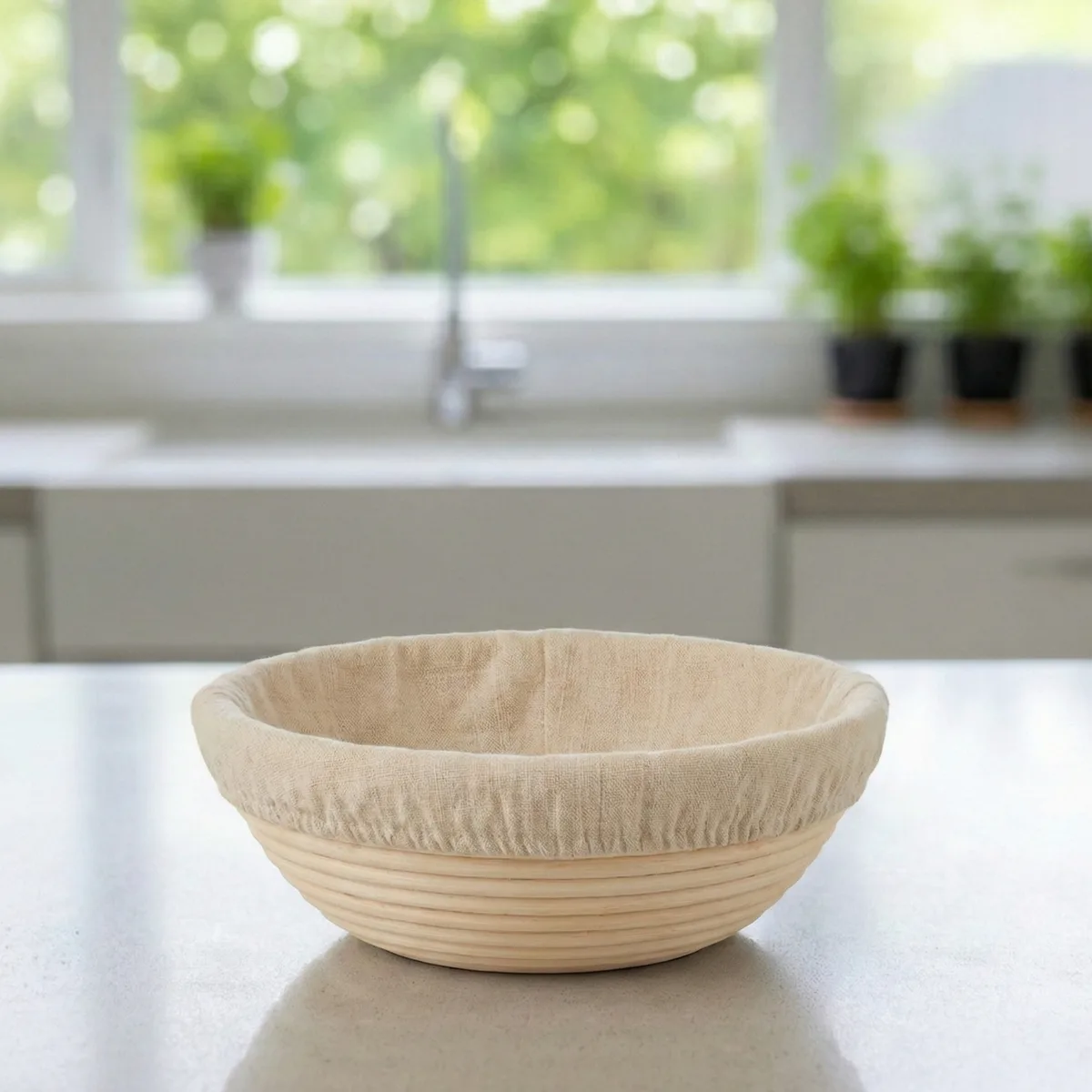
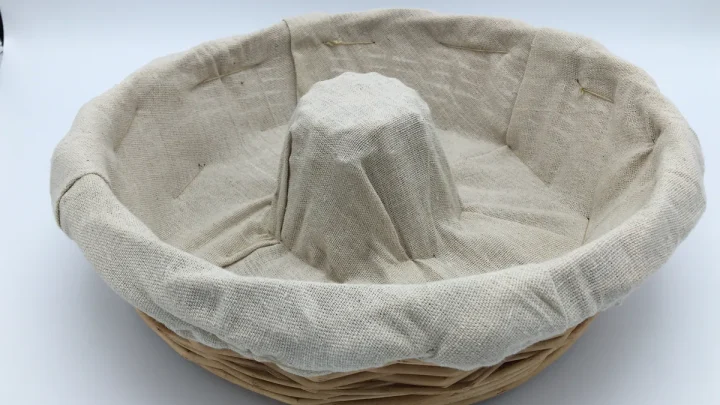
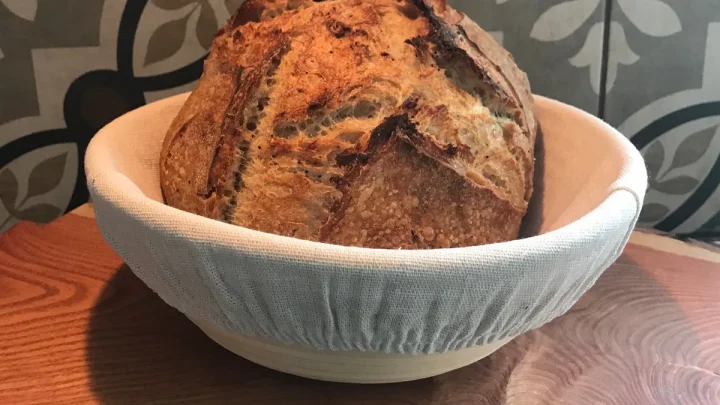
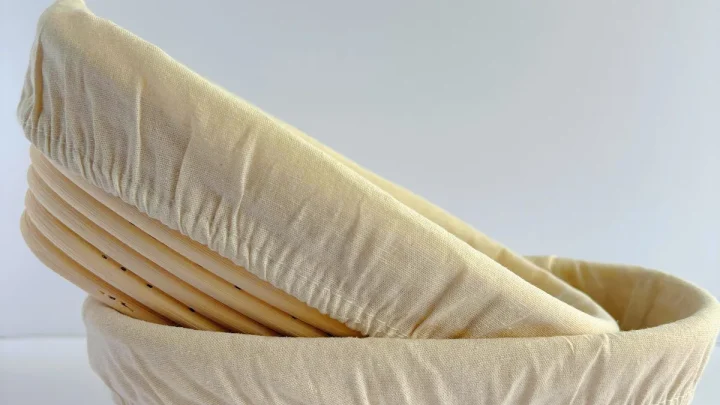
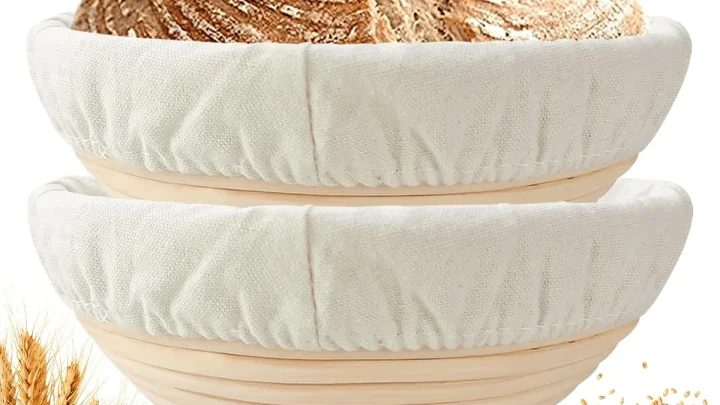
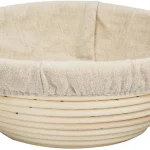
A lined banneton has a removable linen or cotton liner inside. An unlined basket lets dough sit directly on the cane or pulp.
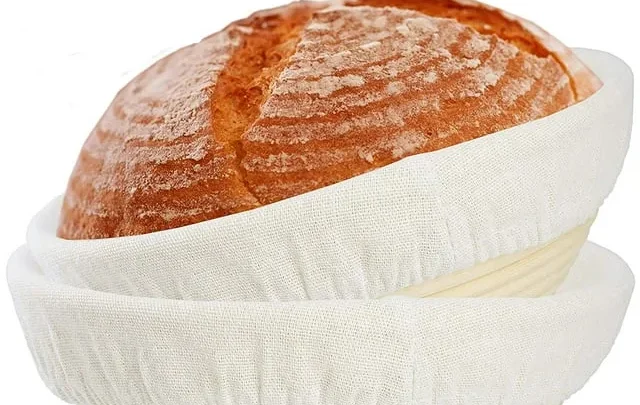
The liner is the fix for sticky dough. It peels away cleanly and can be washed separately. Less sticking, less flour, easier cleanup.
The downside is losing those bold spiral marks on the crust.
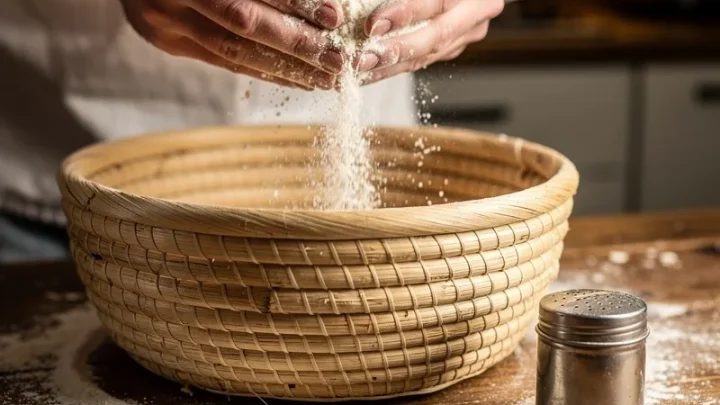
Unlined baskets deliver that artisan look, but demand careful dusting. Rice flour is the standard because it doesn't absorb into the dough like wheat flour.
So which one wins?
- High hydration (80% or more): lined basket.
- Overnight cold proofing: lined basket prevents sticking.
- Classic artisan look: unlined rattan with rice flour.
- Easiest cleanup: lined, every time.
Many bakers keep both. That covers every bake without compromise.
Sizing Guide: Dough Weight to Oval Basket Dimensions
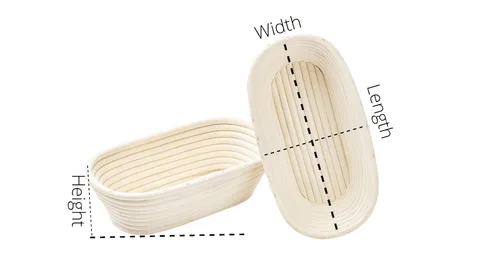
Manufacturer specs are fairly consistent, but sizes vary a little by brand. Weigh your dough after shaping, then use this guide:
| Basket Size | Dough Capacity | Best For |
|---|---|---|
| 9 x 4 inches | 500 to 600 g | Small batards, lower hydration |
| 10 x 5 inches | 700 to 900 g | Standard home sourdough |
| 12 x 6 inches | 1 to 1.3 kg | Large loaves, small batches |
| 14 x 7 inches | 1.3 to 1.5 kg | Oversized batards |
A 10-inch oval is the sweet spot for most home bakers. It matches a typical 500-gram flour and water recipe. It also fits most Dutch ovens.
Sizing affects scoring too. A snug basket keeps dough domed, so the lame cuts cleanly. A loose basket lets dough flatten, and the score opens like a crack.
Side-by-Side Comparison: Top Batard Basket Picks
Our research pulled feedback from verified buyers and manufacturer specs across three common styles.
| Basket Style | Material | Typical Capacity | Best For |
|---|---|---|---|
| Classic cane rattan | Woven natural reed | 500 g to 1.5 kg | Crisp crust, spiral marks, high hydration |
| Molded wood pulp | Compressed cellulose fiber | 500 g to 1.2 kg | Budget bakes, stiff dough |
| Cane rattan with linen liner | Cane plus removable cloth | 500 g to 1.5 kg | Sticky dough, fridge proofing, easy cleanup |
The classic cane basket wins for rustic aesthetics and moisture wicking. Buyer reviews consistently call the lined version the fix for failed unlined proofing.
Wood pulp is the cheapest, but doesn't breathe as well as cane. Dough sticks more often, and the crust becomes smoother. Pick it for dry, stiff doughs where sticking is less of a problem.
Best Basket for Each Baker: Use Case Recommendations
There's no single perfect basket. Your hydration, proofing schedule, and budget decide it.
- High-hydration sourdough: get a 10-inch lined cane basket.
- Classic spiral pattern: choose an unlined cane basket and dust with rice flour.
- Tight budget: a molded wood pulp oval works for dough around 65 to 70 percent hydration.
- Overnight fridge proofing: the lined basket is your friend.
- Small batches: two 9-inch ovals beat one 14-inch basket for flexibility.
Aggregate buyer feedback points the same way. The lined cane basket solves the two biggest batard complaints: sticking and hard cleanup.
Common Mistakes to Avoid When Proofing a Batard
Using a round basket for a batard. This is the most common error. The dough forms a sphere, so you lose the long loaf and get a squat, lopsided bake.
Buying the wrong size. A 500-gram loaf in a 12-inch basket spreads and flattens. A 1-kilo loaf in a 9-inch basket bulges at the rim. Weigh your dough after shaping.
Dusting with wheat flour instead of rice flour. Wheat flour absorbs into the dough and can glue the surface to the basket. Rice flour stays dry and slippery.
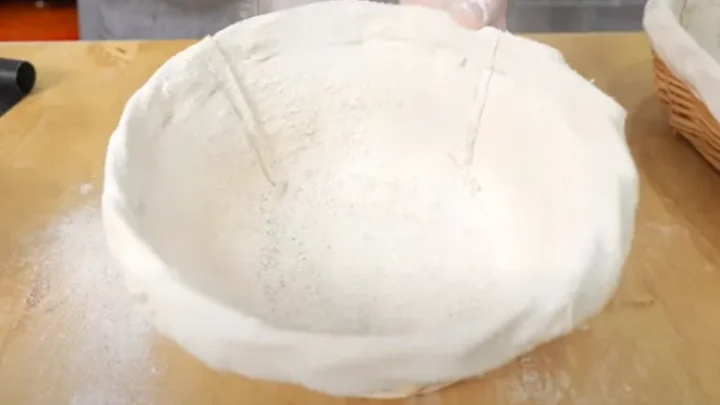
Skipping dust on the dough. Flour the basket interior, then lightly dust the dough's top before placing it seam-side down.
Ignoring liner tension. Wrinkled liner transfers creases into the dough. Smooth the liner flat before each use.
Washing raw cane baskets with soap and water. Water gets trapped in the weave and encourages mold. Use dry care instead.
Care and Cleaning: Keeping Mold and Sticking at Bay
Rattan and wood pulp need dry care, not soapy baths.
After each bake, let the basket dry completely. Brush out leftover flour with a dry pastry brush. That takes about 30 seconds.
If dough sticks and leaves dried chunks, don't soak. Rub it off with a dry cloth, then use a stiff brush. Some bakers use a plastic bench scraper for stubborn bits.
For deeper cleaning, spot-wipe with a barely damp cloth, then dry immediately. Put it in a warm oven at 170°F for 20 minutes, or set it in direct sunlight. That kills moisture before mold starts.
Store baskets where air circulates. Avoid sealed plastic bins and humid cupboards.
| Basket Material | Cleaning Method | Drying Method |
|---|---|---|
| Cane rattan | Brush out, dry cloth | Warm oven or sunlight |
| Wood pulp | Gentle spot-wipe only | Warm oven or sunlight |
| Linen liner | Machine-wash, air dry | Hang dry fully |
Price Breakdown: What You Get for $10 vs. $40
Batard baskets range from about ten to forty dollars. Here's what your money buys.
| Price Range | Common Features | Typical Quality |
|---|---|---|
| Under $15 | Wood pulp, unlined, smaller sizes | Works, but limited durability |
| $15 to $25 | Cane rattan, unlined or basic liner | Good balance of price and function |
| $25 to $40 | Premium cane, thicker weave, quality liner | Long-lasting, better craftsmanship |
The $10 basket is usually molded wood pulp. It proofs fine, but the surface absorbs moisture and can crack over time.
The $20 to $30 range gets you solid cane rattan. The weave is tight, edges are smooth, and it lasts years.
At the upper end, you're paying for larger sizes, thicker rattan, or a detachable liner. If you bake weekly, the extra few dollars are worth it. A premium basket easily lasts a decade.
DIY Alternatives: Couches, Bowls, and Towel Setups
No banneton? No problem. A few kitchen items can hold a batard.
A linen couche is the traditional baker's tool. It's a long pleated linen that cradles multiple loaves. It works well, but needs bench space and flour.
A mixing bowl lined with a lint-free towel also works. Flour it heavily with rice flour and treat it like a lined banneton. The downside is a wrinkled loaf with less even support.
A colander works too. Its holes let moisture escape, much like cane. Line it with a linen cloth for a mid-size batard.
| Alternative | Best For | Main Drawback |
|---|---|---|
| Linen couche | Multiple loaves | Needs space and flour |
| Bowl and towel | Quick experiments | Wrinkled surface, uneven support |
| Colander | Emergency basket | Shape limits, small capacity |
None match a real oval banneton for airflow and support. But they're perfect for testing the batard shape before you invest.
Frequently Asked Questions
Can I use a round banneton for a batard?
Not really. A round basket makes dough settle into a sphere. You lose the long batard shape.
Use a round basket for boules, and buy an oval for batards.
What size proofing basket do I need for a batard?
Weigh your dough after shaping. Use a 9-inch oval for 500-gram loaves. Use a 10-inch oval for 750-gram loaves.
Step up to 12 inches for 1-kilo batches.
Should I use a lined or unlined banneton?
Pick a lined banneton for sticky, high-hydration sourdough and overnight fridge proofing. Pick an unlined cane basket if you want classic spiral flour marks. Sticky dough creates fewer headaches with a removable liner.
How do I clean a cane proofing basket?
Brush out leftover flour after each bake. Wipe with a dry cloth. Let it dry completely in a warm oven or sunlight.
Never soak rattan in soapy water, since trapped moisture causes mold.
Can I proof batard dough without a banneton?
Yes. Use a lined mixing bowl, a colander, or a linen couche. Dust heavily with rice flour.
You lose uniform support and decorative pattern, but the loaf will still bake well.
Final Recommendation: Your Next Basket, Sorted
If you want one basket that covers nearly every scenario, grab a 10-inch oval cane banneton with a removable linen liner. It handles 750-gram batards, supports high-hydration dough, survives cold proofing, and cleans up fast.
Bakers who love decorative crust should choose an unlined cane basket instead. The spiral pattern is worth the extra rice flour. Everyone else can take the liner.
Budget bakers can start with a molded wood pulp oval. It works, but expect more sticking and a shorter lifespan. Upgrade once you confirm batard is your go-to shape.
The lined 10-inch oval cane banneton solves the most problems for the most bakers. That's the practical pick. That's the one to order.

Similar Posts