How to Store a Proofing Basket So It Never Molds
Mold on a proofing basket is one of those gut-punch moments every home baker dreads. Knowing how to store a proofing basket properly keeps that from ever happening. You grab your banneton off the shelf, ready to proof a loaf, and you either get a clean, flour-scented basket or a musty one covered in green dots.
That second version ends up in the trash.
The science here is simple: moisture is the enemy. In our research, the most common cause of basket failure is residual water trapped in cane or wood pulp. Food-safety research is clear that a damp banneton becomes a mold farm fast.
So smart storage starts with how quickly the basket dries after each bake.
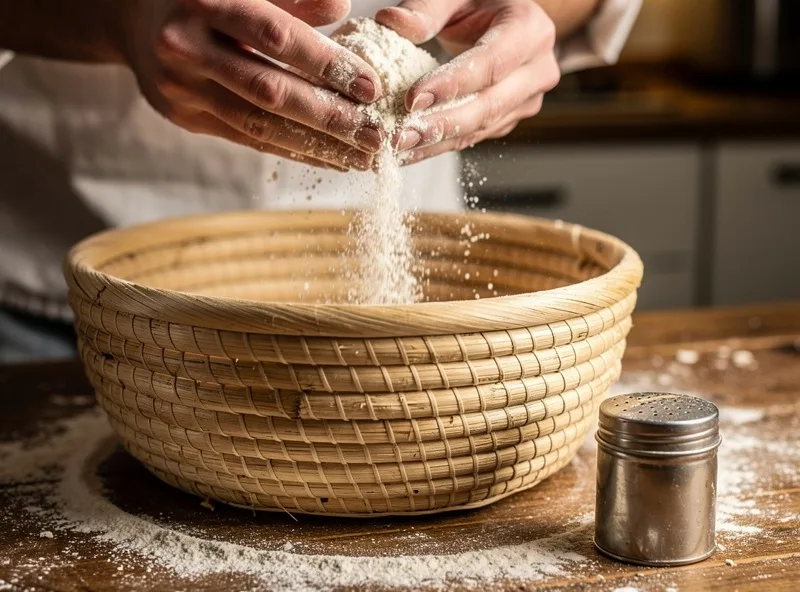
Quick Answer: Choose Your Storage Path by Basket Type, Baking Frequency, and Climate
Dry the basket completely after every use. Brush out all flour, then air-dry for 12 to 24 hours. Store cane bannetons in a breathable paper bag.
Store wood pulp bannetons in a dry cabinet. Keep both away from humidity above 60 percent.
What Actually Causes a Proofing Basket to Go Bad
The first step in storing a banneton right is understanding why they fail. Almost every ruined basket comes down to four things: moisture, heat, time, and neglect.
Mold is the big one. Cane and wood pulp are porous. They wick up water from dough and hold it deep inside the weave.
When a slightly damp basket goes into a dark cabinet, you've created the perfect environment for mold spores already floating around your kitchen. Per food-safety guidance from the National Center for Home Food Preservation, mold can appear on food-contact surfaces within 24 to 48 hours. That's not a slow process.
That's a weekend.
Cracking works on a slower clock. Cane strands expand when they absorb water and contract as they dry. Do that enough times, and the fibers split.
A basket soaked under running water will warp, crack, or both. Wood pulp baskets warp internally when they get saturated.
Rancid odor is the quiet killer. Flour trapped in the weave goes stale, then rancid. It doesn't look dangerous, but it transfers a sour, musty note to your next loaf.
Here's how these failures line up:
| Failure mode | Root cause | Typical timeline | | Mold | Residual moisture plus warm, dark storage | 24 to 48 hours | | Cane cracking | Repeated wetting, then fast drying | A few wet cleanings | | Warping | Wood pulp saturation | After one thorough soaking | | Rancid odor | Old flour left in the weave | 1 to 2 weeks |
The fix for all four is the same. Dry the basket fully. Keep the flour fresh.
Store it somewhere with air movement. The rest of this guide walks through exactly how.
Cane Bannetons: How to Store Them Without Cracking or Warping
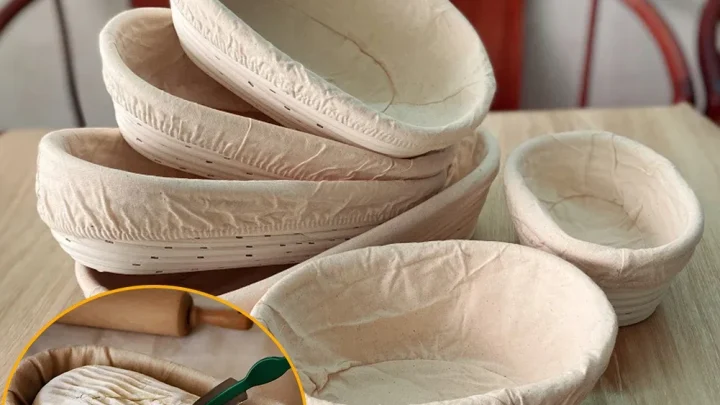
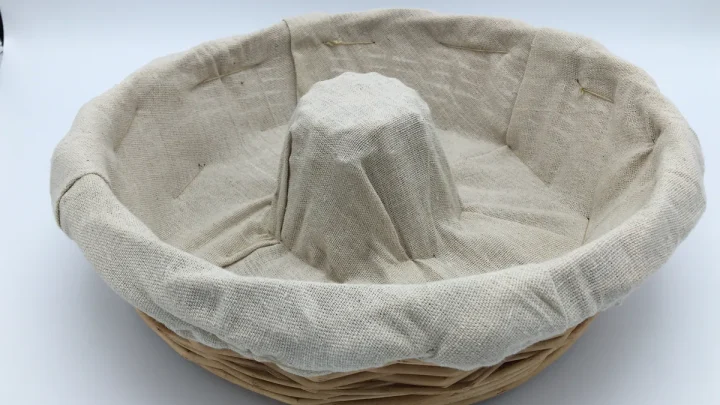
Cane bannetons are the classic rattan baskets most bakers picture when they hear "proofing basket." They're dense, absorbent, and genuinely durable when treated right. They also fail fast when stored wet.
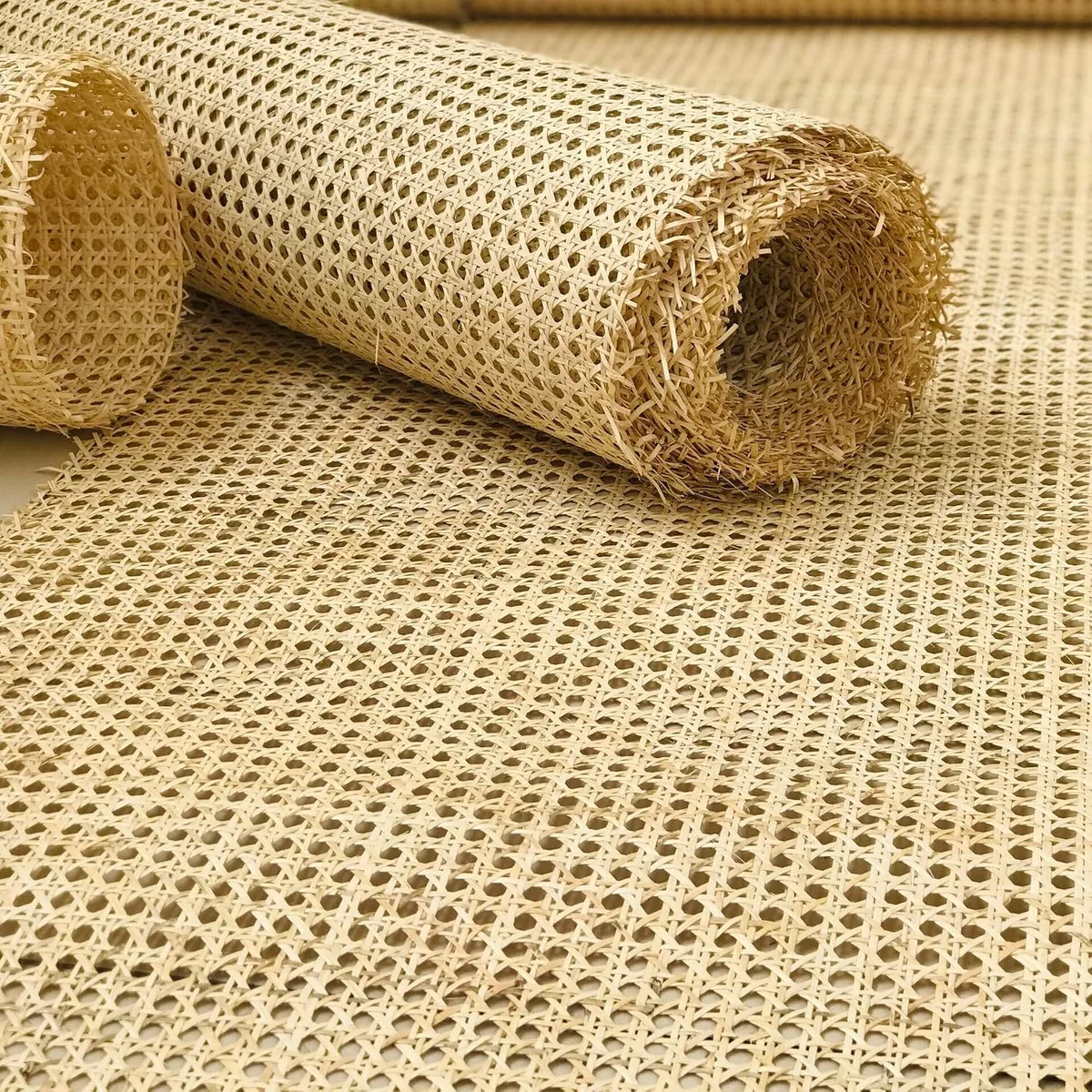
Follow this workflow after every bake:
- Knock the basket upside down over a sink or trash can. Most of the flour falls out on its own.
- Brush the remaining flour out with a dry pastry brush or a dedicated banneton brush. Don't use water.
- Leave the basket on the counter, liner side up, for 12 to 24 hours. Let the cane breathe.
- Rub a thin layer of rice flour into the weave before storing. This keeps the surface dry and seasoned.
- Store it in a paper bag or open cabinet. Airtight plastic containers trap moisture and speed up mold growth.
Use rice flour, not all-purpose wheat flour, for that final shake. Wheat flour can turn rancid and attract pests. Rice flour stays dry and neutral.
That's a small switch with a big payoff.
If your cane basket has a ring or seam that's starting to crack, that's your warning sign. The fibers have been wet too many times. You can slow the damage by skipping water entirely and conditioning the weave with rice flour after every bake.
Wood Pulp Bannetons: Lighter, Faster Drying, Different Storage Rules
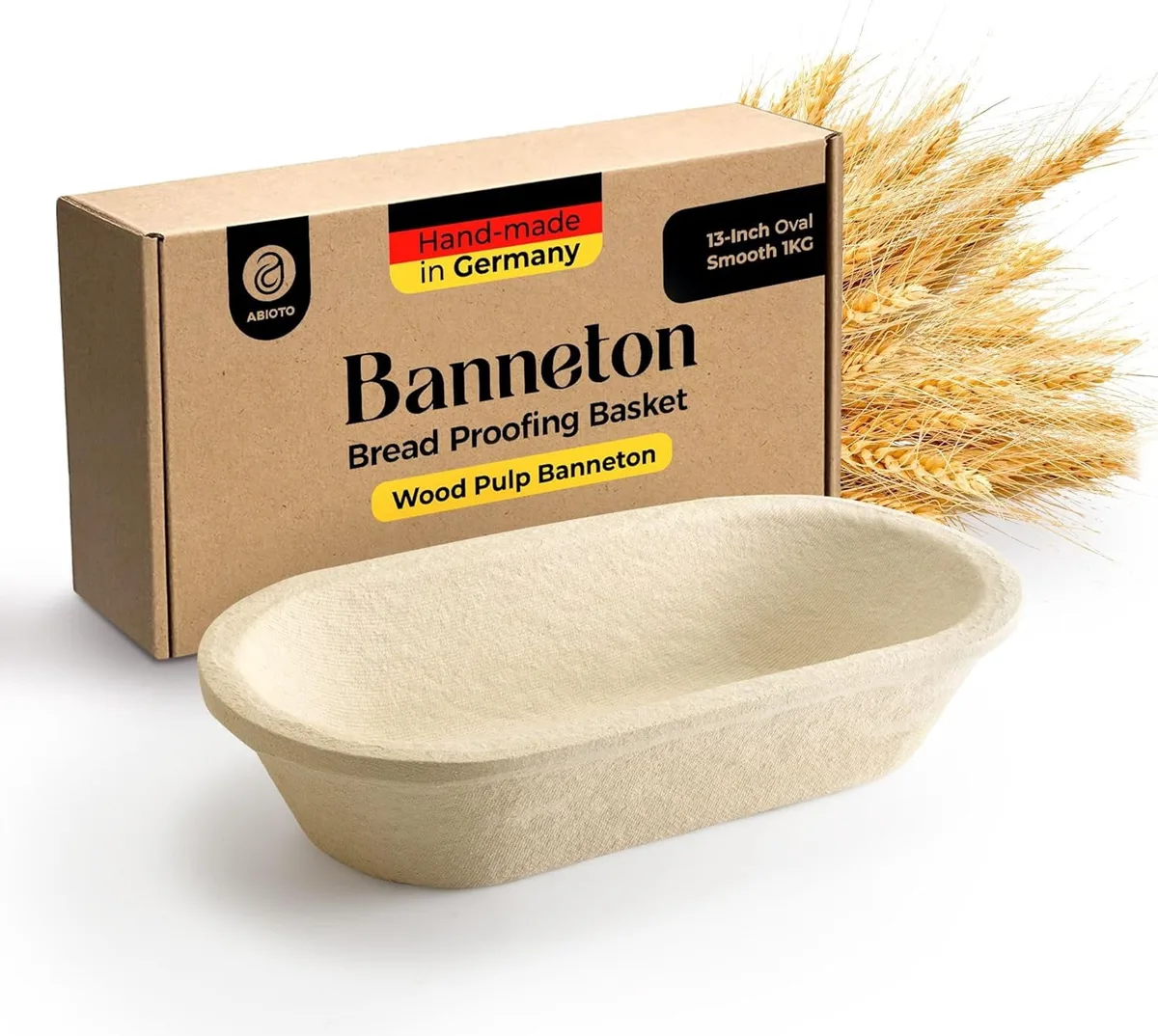
Wood pulp baskets look similar to cane at a glance, but they're a different animal. They're pressed and formed, so they're lighter and dry faster. They're also more brittle and less forgiving of moisture.
Dunk one in water and it swells, cracks, or loses its shape permanently.
Storage workflow:
- Brush out the flour immediately after baking. Don't wait until later. Stale flour in a wood pulp basket turns rancid fast.
- Air dry for 6 to 12 hours minimum. Wood pulp dries much faster than cane.
- Store it in a dry cabinet away from the stove or dishwasher. Both emit heat and steam.
- Never stack heavy things on top of the basket. The pulp dents or flattens under pressure.
If your basket came with a liner, remove it before storing. Wood pulp needs exposed airflow to shed moisture. A liner trapped against a damp surface can create mold without any visible sign until it's too late.
The key difference from cane is sensitivity. Wood pulp tolerates dampness less, so do a quick touch check before every use. If the surface feels cool or even slightly damp, give it more drying time.
How to Store a Banneton You Use Every Week
Baking every week changes your storage math. The basket is in constant rotation, so it never sits long enough to grow mold. But it also never fully rests, so your habits matter more than your storage spot.
Most weekly bakers do fine with a paper sack in a kitchen cabinet. Keep it away from the dishwasher and the stove. Those two appliances push heat and steam, which work against you.
If you bake more than once a week, leave the basket out on the counter, upside down, with the liner removed. Constant airflow keeps it ready.
The linen liner needs attention too. Pull it out and store it flat or loosely rolled, not tucked inside the basket. It holds moisture longer than the cane.
A damp liner is the first place mold shows up.
One habit matters more than anything: re-season the basket every two to three weeks. Rub a handful of rice flour through the weave after the basket is completely dry. The flour fills the microscopic gaps, keeps dough from sticking, and absorbs stray moisture while it sits.
As of 2026, the care guidance from major banneton manufacturers repeats the same one-line rule: dry before storing, every single time. Skip that and no storage spot will save you.
Here's how your baking cadence should shape your storage approach:
| Baking cadence | Storage spot | Key habit | | Every week | Paper bag in an open-air cabinet | Brush and dry after each use, then reseason monthly | | Every 2 to 3 weeks | Paper bag in the pantry | Add a fresh flour shake before storing | | Once a month or less | Airtight container or freezer | Dry fully, then freeze for 48 hours to kill pests |
How to Store a Banneton You Rarely Use (Long-Term Storage)
If you only bake once a month, your basket faces a completely different problem. It has plenty of time to grow mold, absorb odors, or become a hiding spot for pantry pests. Long idle storage needs a stricter routine.
The safe route is the same upfront work: dry thoroughly, brush clean, then season with rice flour. But after that, add two extra steps. First, place the basket in a breathable paper bag.
Second, drop a food-grade desiccant packet inside. That little packet absorbs the slow, silent humidity that builds up over weeks.
If you're storing a basket for more than a season, consider the freezer. Freeze a clean, completely dry, seasoned basket for 48 hours before putting it in long-term storage. That kills any insect eggs or larvae before they hatch.
Freezing is safe for cane and wood pulp as long as the basket is bone dry going in.
Check on stored baskets monthly. Give them a sniff test. If you catch any musty smell or grey flour, repeat the drying step immediately.
Catching it early prevents losing the whole basket to mold.
Storing Proofing Baskets in Humid Climates or Summer Months
Humidity above 60 percent makes everything harder. In our research, bakers in coastal or tropical areas report mold problems far more often than dry-climate bakers. Summer months in humid regions are the peak danger window.
The first line of defense is where you dry the basket. Never dry it near the sink, dishwasher, or stove. Steam from cooking re-wets the cane and restarts the clock.
Dry it in a room with constant airflow, or next to a dehumidifier if you have one.
For daily storage in these conditions, skip the paper bag. Use an open cabinet instead, and tape a small silica gel packet to the inside wall. Silica absorbs humidity before it reaches the fibers.
Replace the packet every six weeks.
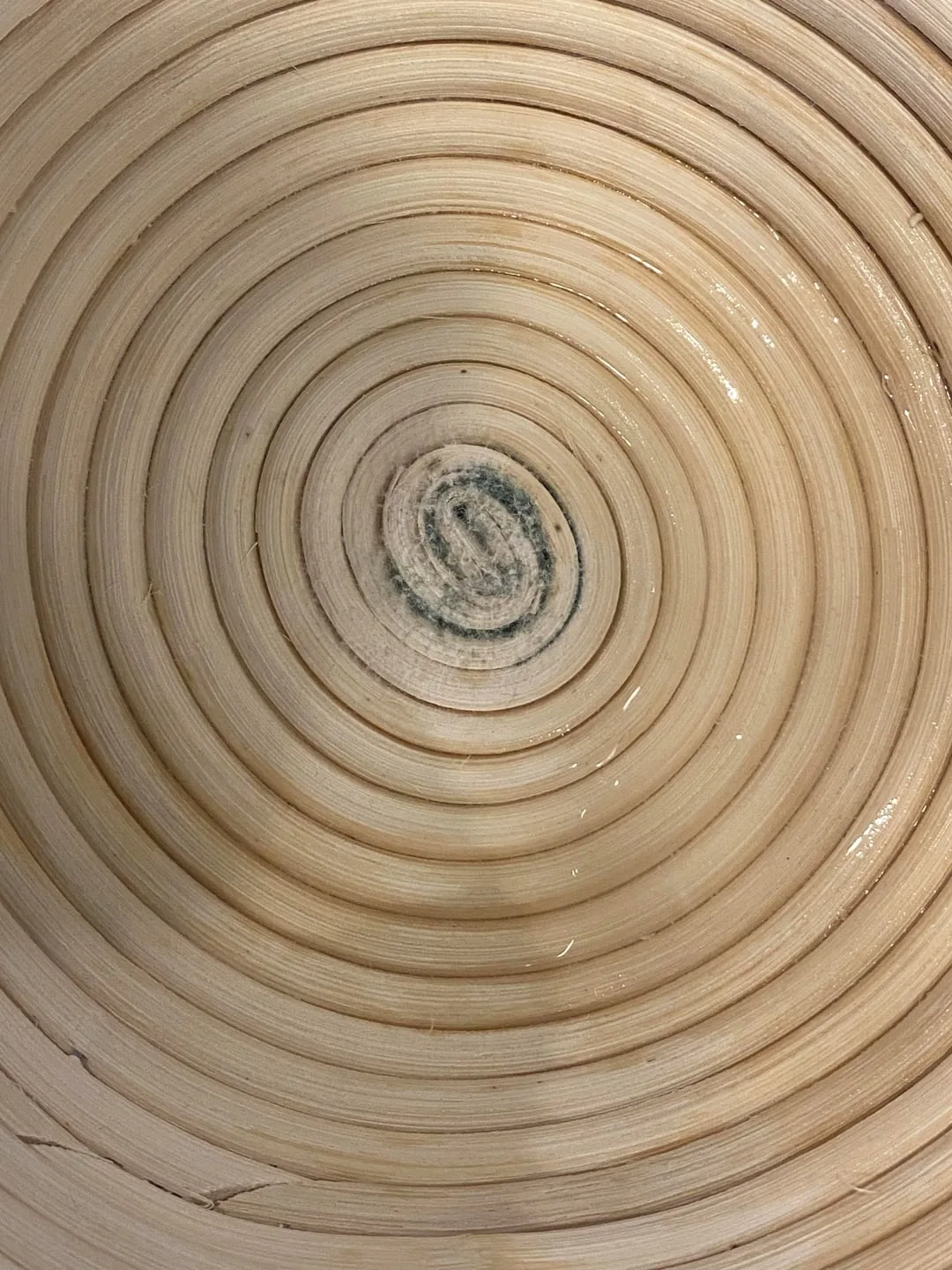
If your kitchen has a humid stretch, check the basket more often. Press your palm flat against the inner surface. If it feels cool or even slightly damp, it's holding moisture.
That cool feeling is your warning sign that mold has a foothold.
The Linen Liner Question: Store It Separately or Bundle It?
Remove the liner before storing the basket, every time. Liners absorb more moisture than the cane itself. A liner tucked inside a basket is the fastest mold setup in baking.
Store the liner flat or loosely rolled in the same cabinet. Don't fold it in quarters and leave it there. Tight folds trap dampness for days.
If the liner needs cleaning, wash it with warm water and a small drop of dish soap. Skip fabric softener completely. Its residue makes liners less absorbent and can transfer chemical smells to dough.
Air dry the liner fully before placing it back in the basket.
One practical tip from experienced bakers: buy a second liner. That way one is always clean, dry, and ready while the other is in use. It costs a few dollars and simplifies your entire baking routine.
How to Season Your Basket Before Storing to Prevent Mold and Stickiness
Seasoning is the bakery trick that keeps a proofing basket alive for years. It works like seasoning a cast iron pan, except you use rice flour instead of oil.
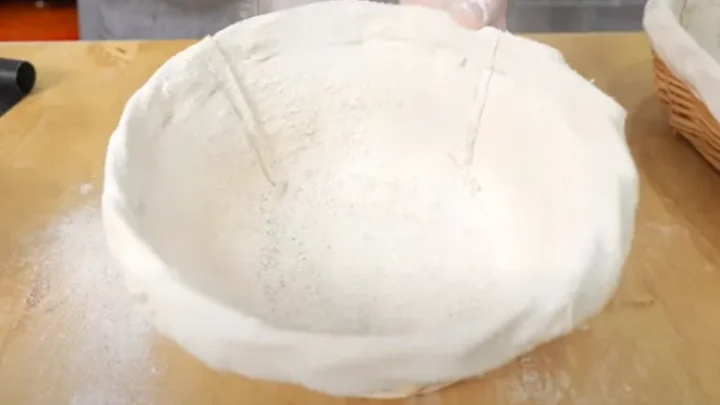
Here is the process: after the basket is completely dry, grab a handful of rice flour and rub it into the inner surface. Press it into the weave with your palm, covering every square inch. The flour forms a fine powder layer that stops moisture from touching the fibers.
Rice flour is the right choice, not wheat flour. Wheat flour absorbs humidity, turns rancid, and clumps over time. Rice flour stays dry and neutral.
It doesn't feed mold the way wheat flour does, and that's the entire point.
Re-season after every two to three bakes. The flour gradually builds into a micro-coating that helps dough release cleanly and keeps mold spores out. A well-seasoned basket is a low-maintenance basket.
Common Storage Mistakes That Shorten a Basket's Life
Some baskets die fast, and the cause is almost always a preventable habit. Here are the five biggest storage mistakes we see repeated across bakers.
Washing with running water. Water is the enemy of cane and wood pulp. It gets deep into the weave and swells the fibers. Even a quick rinse causes hidden damage.
Putting it away damp. You think it's dry, but it's not. Store a basket with any internal moisture and mold starts within hours. The 24-hour drying rule exists for a reason.
Sealing a damp basket in airtight plastic. Plastic bags and totes trap humidity. They create a greenhouse effect where mold explodes. If the basket is bone dry, a sealed bag is fine.
If it's even slightly damp, you're asking for trouble.
Drying in intense direct sunlight. Sun dries fast, but ultraviolet light weakens cane fibers and causes cracking. A bright shaded porch spot works better than a sunny windowsill.
Stacking heavy items on top. Baskets hold their shape when they carry nothing. A dutch oven resting on the weave flattens the basket permanently.
If you've made any of these mistakes, most baskets still recover with a full dry-out. But if mold has penetrated deeply or the fibers feel brittle, replace it. A ruined basket transfers off-flavors to your bread, and that's a cost no baker should ignore.
How to Rescue a Ruined Basket: Cleaning, Freezing, and Discard Criteria
Not every basket is doomed. Here's how to assess the damage and decide whether to save or toss.
White or grey mold on the surface. Brush off the visible mold outdoors. Wipe the basket with a dry cloth. Then let it sit in indirect sunshine for 3 to 4 hours.
Sunlight kills mold, but limit the exposure to protect the cane.
Green or black mold. That's deeper penetration. The mold has reached the internal fibers. Discard the basket and liner.
The spores are too embedded to remove safely.
Rancid smell without visible mold. The basket is riddled with stale flour. Brush it out and re-season with rice flour. Test again after 48 hours.
Freezing a salvageable basket. For pest eggs or early mold, freeze the clean dry basket for 72 hours. Thaw it, brush it out, and re-season. This works for cane and wood pulp.
Structural damage. Cracks on the cane weave, warping in wood pulp, or a loose seam means the basket is done. Replace it.
Your Storage Decision Guide (Based on Your Situation)
Use this quick matrix to determine the right storage path:
| Your situation | Storage move | | Weekly baker | Brush, dry 12 hours, keep in paper bag in an open cabinet | | Monthly baker | Season, freeze 48 hours, store with desiccant packet | | Humid climate | Silica gel, open cabinet, check monthly, air-dry 24 hours | | Long-term idle | Clean, season, freeze, store in breathable paper bag |
If you live in a humid climate, prioritize airflow over everything else. If you bake less than once a month, seasoning and freezing matter more. If you bake every week, a simple brush-and-dry routine is enough.
The final rule is simple. Never store a basket you wouldn't be happy to touch with your bare hands. If it feels damp, smells off, or shows any discoloration, fix it now.
Your next loaf will thank you.
Frequently Asked Questions
Should you wash a proofing basket with water?
No. Water damages both cane and wood pulp fibers. It causes swelling, cracking, and warping.
Use a dry brush and air to clean it. For deeper cleaning, use a damp cloth sparingly and dry the basket fully for 24 hours after.
How long does a banneton last?
A well-cared-for cane banneton lasts 5 to 10 years with regular use. Wood pulp baskets last about 2 to 4 years. Proper storage, seasoning, and moisture control extend the lifespan significantly.
Can you put a banneton in the freezer?
Yes, but only when it's completely dry. Freeze it for 48 to 72 hours to kill pest eggs. Thaw it at room temperature and brush out the flour.
Never freeze a damp banneton.
What's the difference between a banneton and a brotform?
A banneton is typically made from cane, rattan, or wicker. A brotform is a German-style wood pulp basket. They serve the same purpose, but brotforms are lighter and dry faster, while bannetons are more durable and traditional.
How do you get mold out of a proofing basket?
Light mold can be brushed off and treated with sunlight. Green or black mold means the basket is compromised. The spores penetrate deep into the fibers.
Discard it to keep your bread safe.
Can I store a proofing basket in a plastic container?
Avoid it. Plastic traps humidity and encourages mold growth. Use a breathable paper bag or open cabinet instead.
If you must use plastic, add a desiccant packet and check weekly.

Similar Posts