Seasoning a New Banneton: Simple Steps for No-Stick Proofing
If you just picked up a proofing basket and you're asking yourself how to season a new banneton, you're not alone. That fresh woven cane basket looks gorgeous, but it will absolutely grab onto your dough like glue if you skip this step. The good news is seasoning a banneton takes about ten minutes of hands-on time, plus a few hours to dry.
The magic is not oil. It's a simple combination of water and flour that conditions the natural fibers and creates a non-stick surface. In our research, most banneton manufacturers specify this same dry-seasoning method for cane and rattan baskets.
As of 2026, it's still the safest, most reliable approach, and it's exactly what we'll walk through here.
Why a New Banneton Needs Seasoning Before First Use
A brand-new banneton looks perfect, but the raw fibers are thirsty. They pull moisture out of the dough, which makes the dough stick to every ridge and crevice. That's why you need to build a flour barrier before your first bake.
The seasoning layer does three things. It smooths the rough surface. It keeps the basket from soaking up too much dough moisture.
And it makes the dough release cleanly after proofing.
Skip it and you'll likely lose a loaf or end up scrubbing cane under the tap. That's the fastest way to ruin a basket.
If you live somewhere humid, this step matters even more. Persistent moisture trapped in the fibers is the main reason old bannetons grow mold. USDA food safety guidance confirms that dry storage is the key to preventing mold growth, and the same rule applies to your proofing basket.
| Situation | What happens |
|---|---|
| Unseasoned basket | Dough sticks, tears, and leaves residue in the weave |
| Seasoned basket | Dough releases easily, keeps its pattern, basket stays clean |
Quick Answer: Seasoning Is Flour and Drying, Not Oil
Seasoning a new banneton means coating the inside with flour and letting it dry. No oil, no soap, no soaking. Mist the basket lightly with water.
Dust it evenly with rice flour. Let it dry fully before you bake.
Know Your Basket: Lined vs Unlined (Which Are You Working With?)
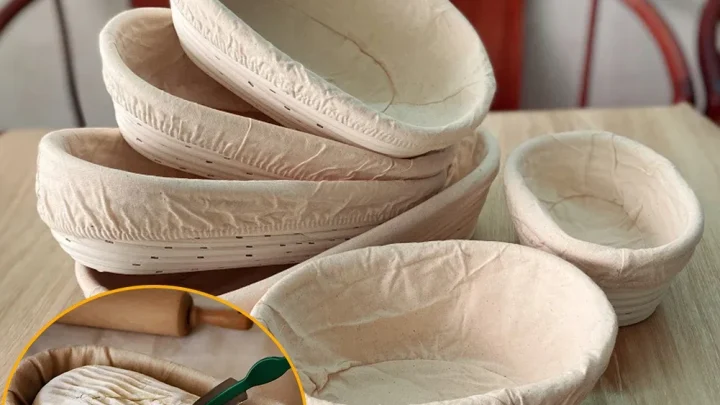
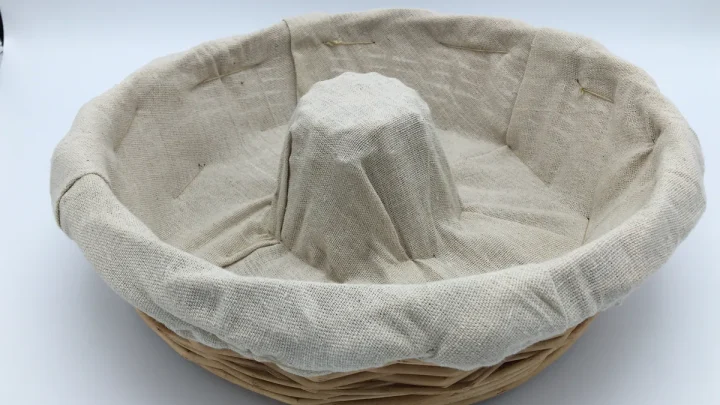
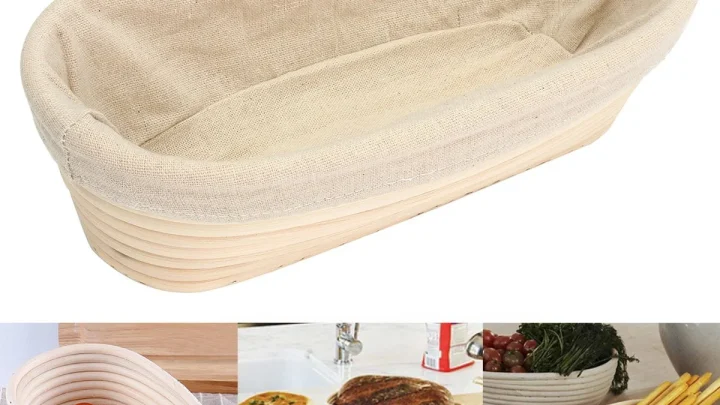
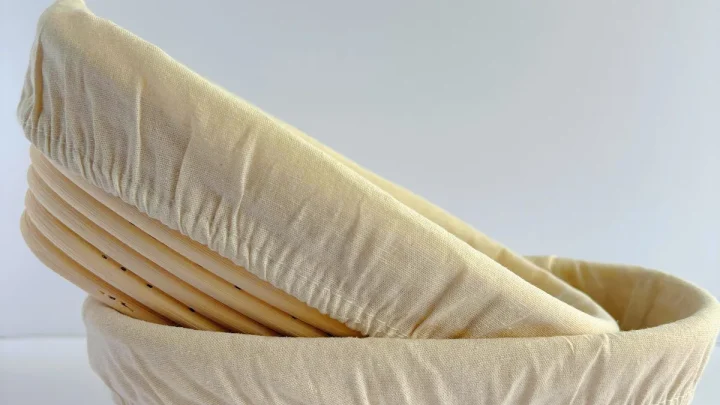
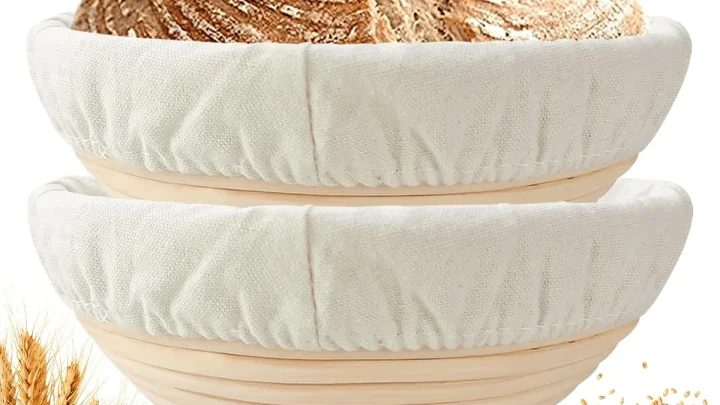
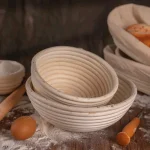
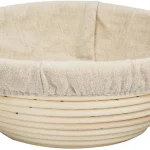
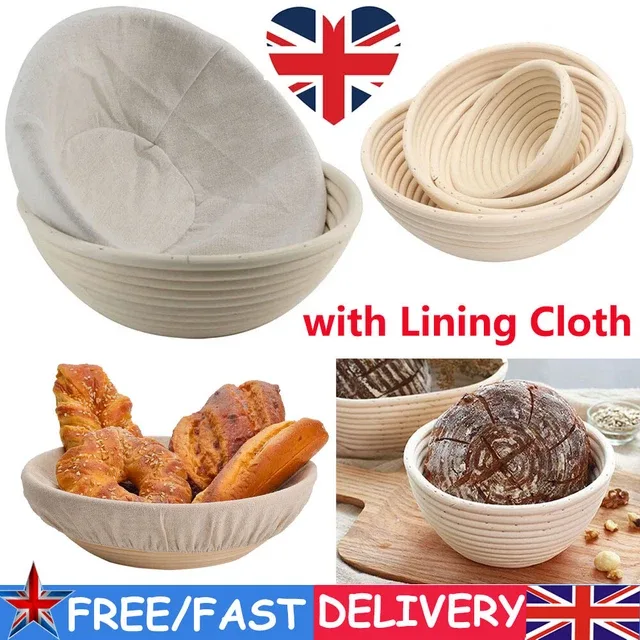
Before you start seasoning, figure out what you actually own. Unlined bannetons have a bare cane or rattan surface. Lined bannetons come with a removable cloth insert, usually linen, that sits inside the bowl.
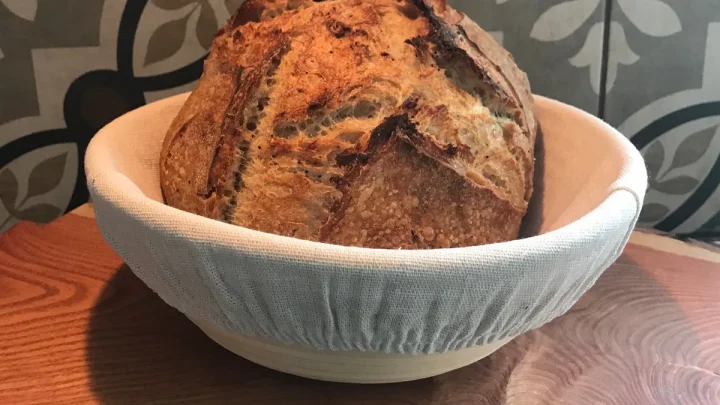
The seasoning method differs significantly. An unlined basket needs a spray of water to help the flour form a thin coating on the cane. A lined basket mostly just needs a generous dusting of flour worked into the cloth.
The liner acts as its own barrier, so you generally don't need to mist it.
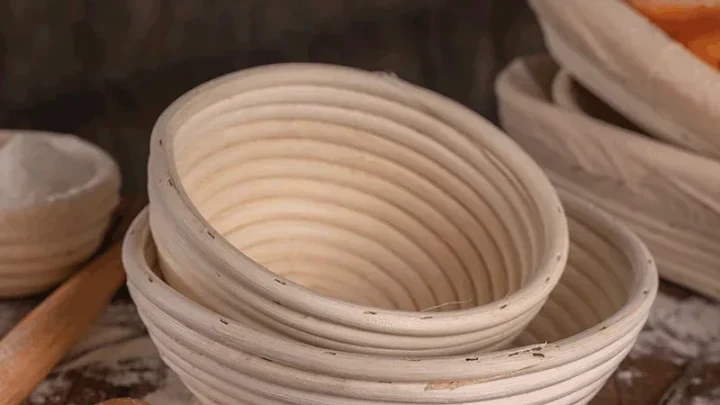
Still not sure? Look at the inside edge. If you see tight spiral grooves, it's unlined.
If you see fabric, it's lined. There are also wood pulp baskets, which we'll cover next.
Materials Matter: Cane, Rattan, and Wood Pulp Differences
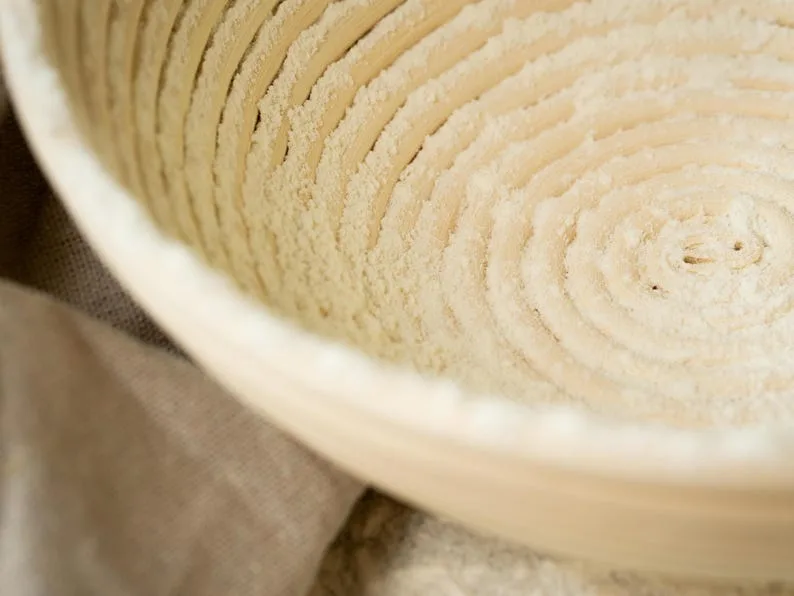
Most bannetons are made from one of three natural materials. Cane and rattan look similar and are often called the same thing, but they're actually different parts of climbing palms. Wood pulp is a modern alternative made from compressed paper fiber.
Cane and rattan are the classic choices. They're dense, absorbent, and hold up well when treated properly. Their main downside is that the weave has deep grooves where dough loves to hide.
Those grooves are exactly why flour needs to be worked in with a brush or your fingers.
Wood pulp bannetons are smoother and lighter. They don't have the same aggressive texture, so they need less flour overall. They also dry faster, which is a plus in humid climates.
The trade-off is that wood pulp can warp if you soak it, so you still have to treat it like a dry-only material.
| Material | Absorbency | Best for | Seasoning approach |
|---|---|---|---|
| Cane | High | Classic artisan loaves | Mist + flour, repeat 2 times |
| Rattan | High | Everyday sourdough | Mist + flour, repeat 2 times |
| Wood pulp | Medium | Humid climates, beginners | Light mist + light flour, repeat 1 time |
Step-by-Step Guide: How to Season a New Banneton
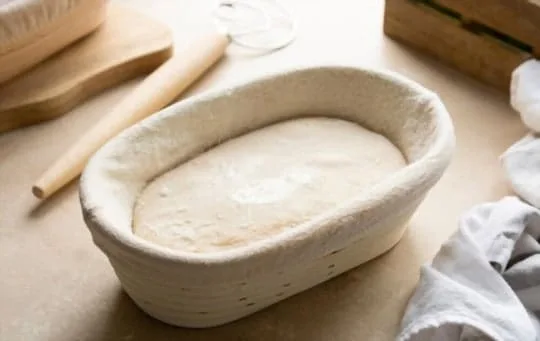
Here's the exact process, broken down by basket type. It takes about ten minutes of active work, plus drying time.
| Tool | Why it matters |
|---|---|
| Spray bottle | Add just enough moisture for the flour to stick |
| Rice flour | Dry, fine flour that resists clumping and sticking |
| Pastry brush | Work flour into the weave without damaging the cane |
| Clean towel | Cushion the basket while you work |
For Unlined Bannetons
Start with a light misting of the basket's inner surface. Don't soak it. You want the cane slightly damp, not wet.
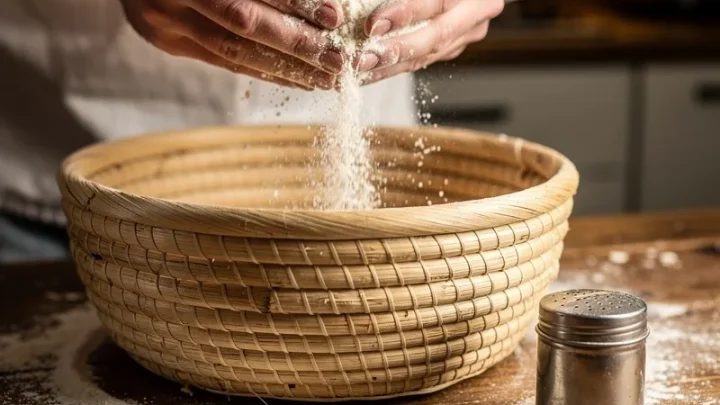
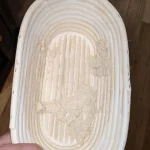
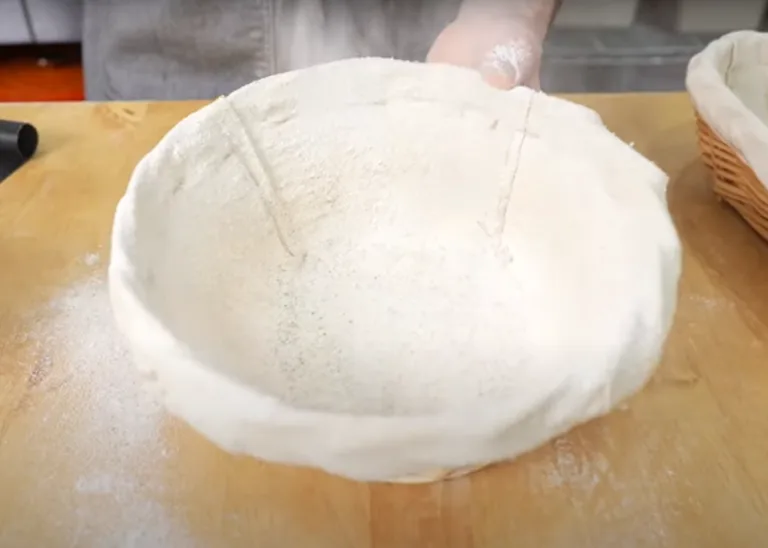
The moment the cane feels damp, add a generous layer of rice flour. Use your hand or a brush to press it into the grooves and spirals. The flour should form a thin paste-like coating.
Let the basket dry completely. This usually takes two to four hours at room temperature. Once dry, brush out the excess flour and repeat the process once more.
After the second dry, your basket is ready. It'll have a powdery, non-stick coating that stays through several bakes.
For Lined Bannetons
With a lined basket, skip the water. Mist the liner too much and it stays damp, which invites mold.
Instead, pour about two tablespoons of rice flour into the liner. Use your hand or a brush to spread it evenly across the bottom and sides. Make sure the corners get coated.
Let the basket sit for an hour or two, then brush out any loose flour. The thin layer that remains is all you need. Repeat after every few bakes rather than deeply seasoning all at once.
For Wood Pulp Bannetons
Wood pulp baskets are less demanding. They don't have the deep grooves of cane, so a single seasoning coat is usually enough.
Give the inside a very light mist, then dust with rice flour. Work it around with a brush until the surface looks evenly coated. Let it dry completely, which often takes just an hour or two in a dry kitchen.
You can start baking right after that. Wood pulp naturally releases dough a little better than cane, so don't overdo the flour or you'll leave white streaks on your crust.
Picking the Right Flour: Rice Flour vs All-Purpose vs Rye
Rice flour is the gold standard for bannetons, and for good reason. It has no gluten, so it doesn't turn into a sticky paste when it touches a damp dough surface. It just sits there as a dry barrier, then shakes off clean after the bake.
All-purpose flour works in a pinch, but it has a real downside. The gluten absorbs moisture from the dough and forms a gummy layer that bonds to the crust. You'll end up with floury blotches baked into your loaf, and a basket that needs a brush-out halfway through the process.
Rye flour is the artisan favorite. For a fine coat, a couple of tablespoons spread evenly gives you a reliable non-stick base. In our research, the biggest difference comes down to cost and availability.
Rice flour costs the most, but it lasts forever for this purpose, so one bag covers years of baking.
| Flour | Gluten | Stickiness after dough contact | Cost per use |
|---|---|---|---|
| Rice flour | None | Very low | Moderate |
| All-purpose | High | High | Low |
| Rye flour | Low | Low | Low |
Common Mistakes to Avoid: Oil, Soaking, and Other Banneton Killers
The most destructive myth in bread circles is seasoning a banneton with oil. Oil saturates the cane and never really dries. It goes rancid after a few weeks, smells terrible, and turns your basket into a greasy dust trap.
Don't do it.
Soaking is the other classic mistake. The natural fibers expand and break when they get fully wet. A soaked banneton swells, loses its shape, and develops cracks where mold hides.
Why Does Mold Appear So Quickly?
Mold shows up when the basket stays damp for more than a day. That usually happens from wrapping a warm, just-cooled loaf in the banneton or storing the basket while it's still slightly wet.
If you spot gray or black patches, your basket is done. White powdery spots are usually just flour. Mold discoloration is darker, fuzzy, and sometimes smells like a damp basement.
What If My Dough Sticks Anyway?
A little sticking happens even with a well-seasoned basket. The fix is to add another light dusting of rice flour right before placing the dough in.
If the dough still glues itself to the weave, your dough is too wet or your basket is too fresh. Give it another seasoning cycle, and adjust your next loaf with a slightly lower hydration.
Maintaining Your Seasoned Banneton: Cleaning, Drying, and Storing
The rule is simple: never wash an unlined banneton with water. We know it sounds counterintuitive, but the basket cleans itself with dry brushing.
After each bake, tip out the loose flour and give the inside a few firm taps. Use a stiff pastry brush or a bench brush to knock the residue out of the grooves. For stubborn bits, rub two baskets together or use a dry cloth, nothing else.
How Often Should You Deep Season?
Lined baskets need a fresh dusting every few bakes. Unlined baskets can go five or more bakes before the coating wears thin.
Keep the coating even rather than heavy. A solid dusting every few bakes keeps the surface ready for dough without leaving white streaks on the crust.
Storing Between Bakes
Store your banneton in a dry, well-ventilated spot, never inside a plastic bag. A cupboard that gets good airflow works, or just leave it on the counter, upside down so dust doesn't settle in the bowl.
In humid climates, a small silica gel packet placed near the basket helps pull moisture out of the air. Just keep it away from where you store your flour.
When to Reseason: Signs Your Basket Needs a Refresh
Your basket will tell you when it needs attention. Pay attention to these three signs.
- Dough starts sticking to areas that used to release cleanly.
- The interior looks smooth and dark, with no visible flour coat.
- After brushing, you still see residues clinging to the seams.
If you notice any of those, that's your signal to start over with a quick seasoning cycle.
Mist the interior lightly, dust it with rice flour, and work the flour into the grooves. Let it dry completely, then brush out any excess. Two hours later, you're back in business.
Is It Time to Retire a Banneton?
Cane baskets can last years with steady maintenance. But if the weave separates, the basket looks cracked, or you find deep mold staining, replace it.
A warped banneton turns the spiral pattern into an uneven mess. The dough will proof lopsided and the ear pattern will look nothing like the classic sourdough look.
FAQs About Banneton Care and Seasoning
Do I Need to Season a Banneton With Cloth Liner?
No. Lined bannetons don't need the mist-and-flour treatment. Just give the liner a good dusting of rice flour before your first bake and after every few uses.
Can I Use All-Purpose Flour for Seasoning?
Yes, but it's the least ideal option. All-purpose absorbs more moisture and can leave white streaks on the crust. Rice flour or rye flour give a cleaner release.
How Many Times Should I Season a New Banneton?
Unlined baskets benefit from two consecutive mist-and-flour cycles before the first bake. Lined baskets need one good dusting. Wood pulp baskets usually need just one light repeat.
How Do I Remove Flour Baked Into the Weave?
Wait until the basket is completely dry, then use a stiff brush to work the flour out. Press firmly and brush in the direction of the grooves.
Can I Put a Banneton With Dough In the Fridge?
Yes, that's a common way to slow proofing. Just be aware that cold climates increase condensation, so check periodically for moisture.
Is It Normal for the Basket to Smell a Bit Sourdough-y?
A mild, slightly sour smell is normal on a well-used cane basket. The sourness is a problem only if it smells musty or like mildew, which signals trapped moisture.
Final Decision Guide: Quick Steps for Your Next Bake
You've got the full picture now. Here's the fast, no-fluff version to keep on your counter.
| Your basket type | First-time seasoning | Drying time | Before every bake |
|---|---|---|---|
| Unlined cane or rattan | Mist, flour, dry, repeat once | 2 to 4 hours per coat | Light dusting of rice flour |
| Lined with linen cloth | Dust with rice flour, brush in | 1 to 2 hours | Fresh dusting in the seams |
| Wood pulp | Very light mist, flour, dry | 1 to 2 hours | Light dusting |
If you only remember three things
First, never use oil. Oil sits in the fibers, turns rancid, and ruins the basket. Second, never wash it with water.
A dry brush is the only cleaning tool you need. Third, rice flour beats all-purpose and rye for a clean, non-stick finish.
A quick troubleshooting cheat sheet
- Dough sticking? Add a second dusting of rice flour right before the dough goes in.
- Basket smells musty? Let it dry completely in open air, away from heat. If mold is present, toss it.
- Flour clumping on the loaf? Use a dry pastry brush to knock off excess after the basket has fully dried.
- Spiral pattern not showing up? You might be over-flouring. Use a light hand next time.
One last thing
A seasoned banneton is the difference between a frustrating bake and a beautiful sourdough ear. It's a tiny investment of time that pays off for years. You only need ten minutes and one bag of rice flour to get there.
So go ahead and season that basket. Your next loaf will thank you.

Similar Posts