What Proofing Basket for Sourdough? A Beginner’s Guide
Figuring out what proofing basket for sourdough is one of the first real decisions a new baker hits. It's a small purchase, but it changes how your loaf holds its shape, how the crust sets, and how cleanly the scoring pattern opens. The good news is that you don't need to spend much or buy five baskets.
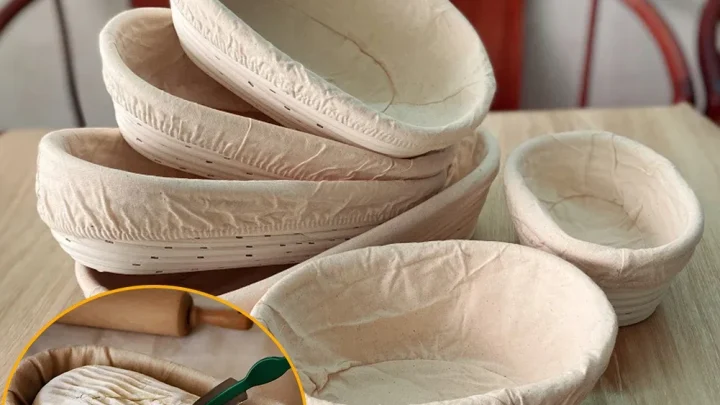
The main options are woven rattan cane and smooth wood pulp. Sizes run from 7.5 to 12 inches. Per manufacturer specifications, a 9-inch round basket handles 500 to 750 grams of dough at 70% hydration.
Nail that sizing sweet spot, and the rest of the process clicks into place.
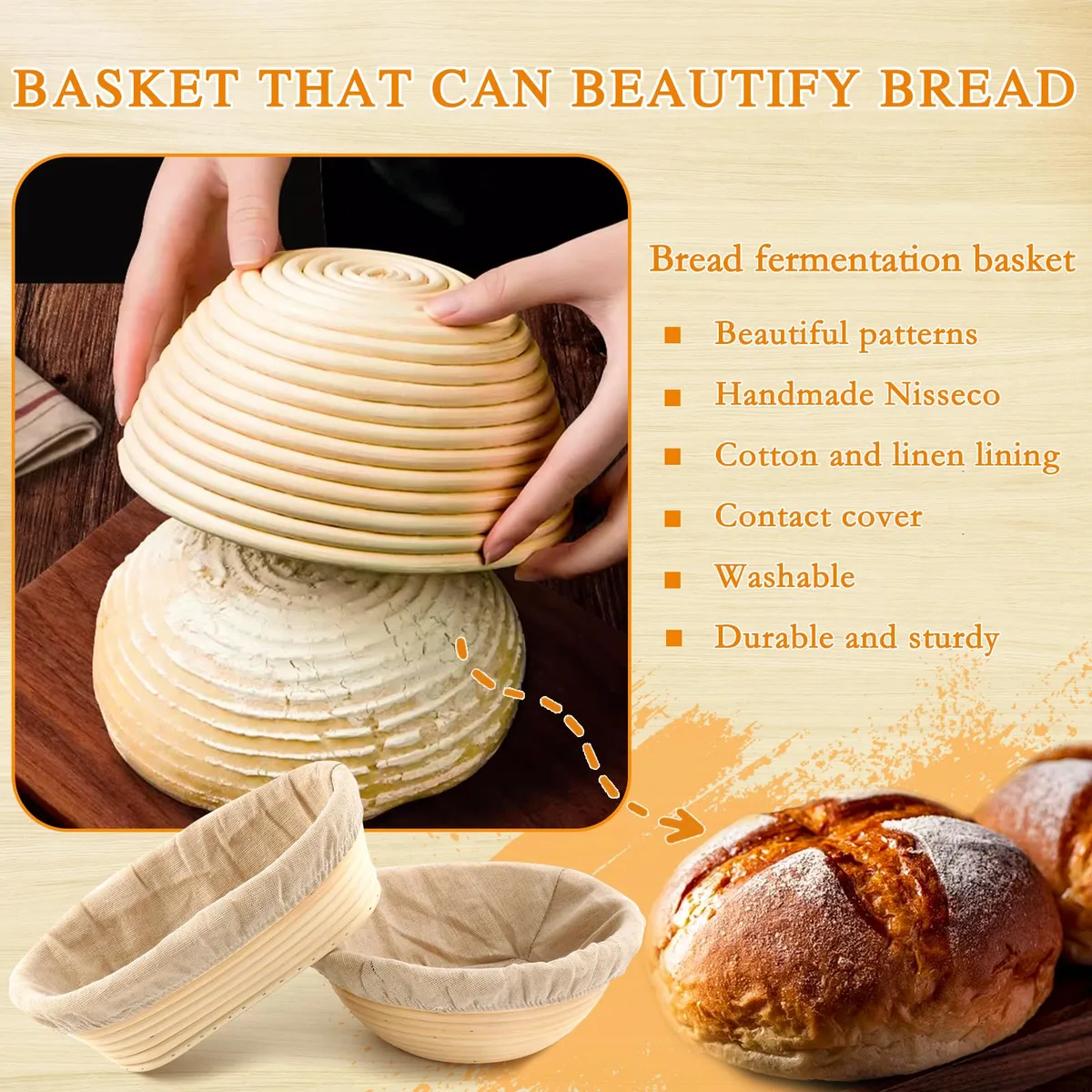
Why the Right Proofing Basket Actually Matters
During the final proof, dough relaxes and spreads. Without support, it flattens into a pancake. That's what the basket is for.
It holds the dough's shape, keeps tension in the gluten network, and lets the surface breathe.
Both cane and wood pulp baskets wick moisture away from the dough's skin. A slightly drier surface means better oven spring and cleaner scoring. Get this right, and you get a tall, ragged bloom instead of a flat blob.
The wrong basket causes a chain reaction. An oversize basket lets dough slump. An undersize one forces it to climb and spill.
A badly seasoned basket sticks, and you tear the crust just trying to remove the loaf.
The Bread Bakers Guild of America treats the proofing container as core equipment, not an afterthought. Choosing well is the difference between effortless bakes and constant wrestling.
Quick Answer: What Kind of Basket Should You Get?
For most home bakers, a 9-inch round cane banneton is the right call. It suits 500 to 750 grams of dough. It breathes well, costs under $25, and lasts years.
Add a linen liner if you want easier release. That's the short version, and it covers 90% of beginners.
Cane Banneton vs Wood Pulp Banneton: The Main Showdown
These two materials dominate the market. Each works, but they behave differently during proof, during release, and over years of use. Which one should you pick?
It comes down to the finished loaf you want and how much prep you're willing to do.
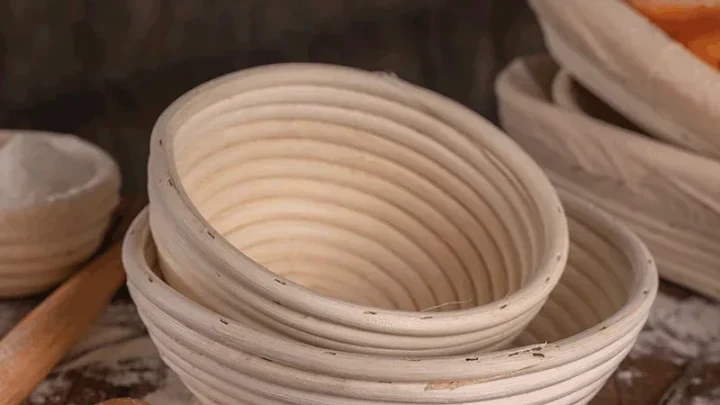
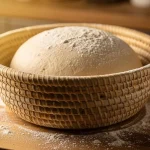
A cane banneton is woven from strips of rattan palm. The rough spiral texture leaves attractive rings on the dough. It's more breathable, so it handles the 75% and 80% hydration doughs that tend to sag.
The flip side is that it needs seasoning before first use, and you must dust it heavily with rice flour.
Wood pulp baskets are molded from compressed wood fiber. The surface is smooth, with no texture pattern. Dough releases more easily, which makes them great for novice bakers or very sticky doughs.
The tradeoff is less airflow, plus a sponge-like feel that absorbs moisture quickly.
| Feature | Cane banneton | Wood pulp banneton |
|---|---|---|
| Surface texture | Spiral ridges | Smooth |
| Dough pattern | Imprints rings | None |
| Breathability | High | Moderate |
| Release | Needs heavy dusting | Releases cleanly |
| Price | $20 to $40 | $12 to $25 |
| Weight | Heavier | Lightweight |
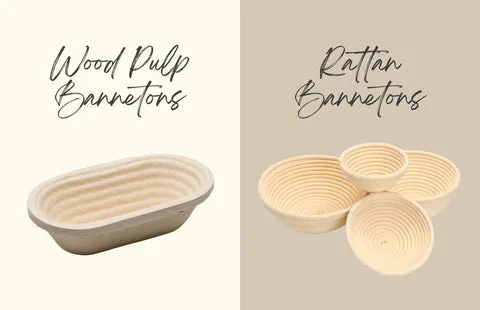
Choose cane if you want that classic artisan look and you don't mind seasoning your tools. Choose wood pulp if you bake often with high hydration and just want the dough out cleanly. As of 2026, both are widely available, and both hold up for years with proper care.
Our review of buyer feedback shows most bakers keep one of each. Cane for showstopping loaves, wood pulp for weeknight bakes. You really can't go wrong with either.
Round vs Oval vs Couche: Matching the Basket to Your Loaf
Shape matters more than people think. A round basket makes a round loaf. An oval makes an oval.
A couche makes several long loaves that support each other during proof.
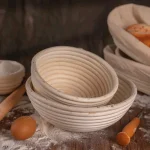
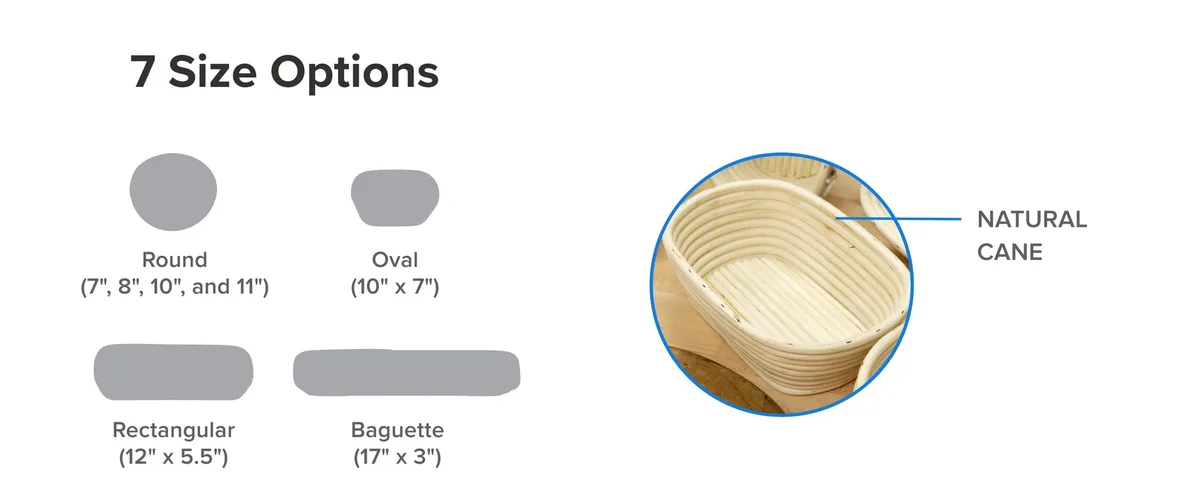
Round baskets run 7.5 to 10 inches wide. They're best for boules baked in a Dutch oven. Match the basket to the pot's width so the dough doesn't wedge against the sides.
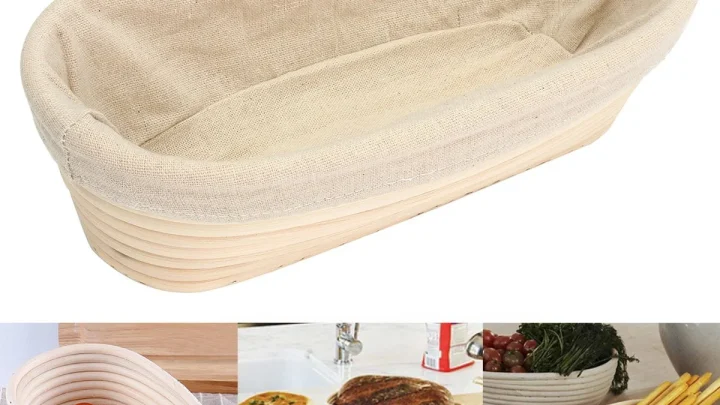
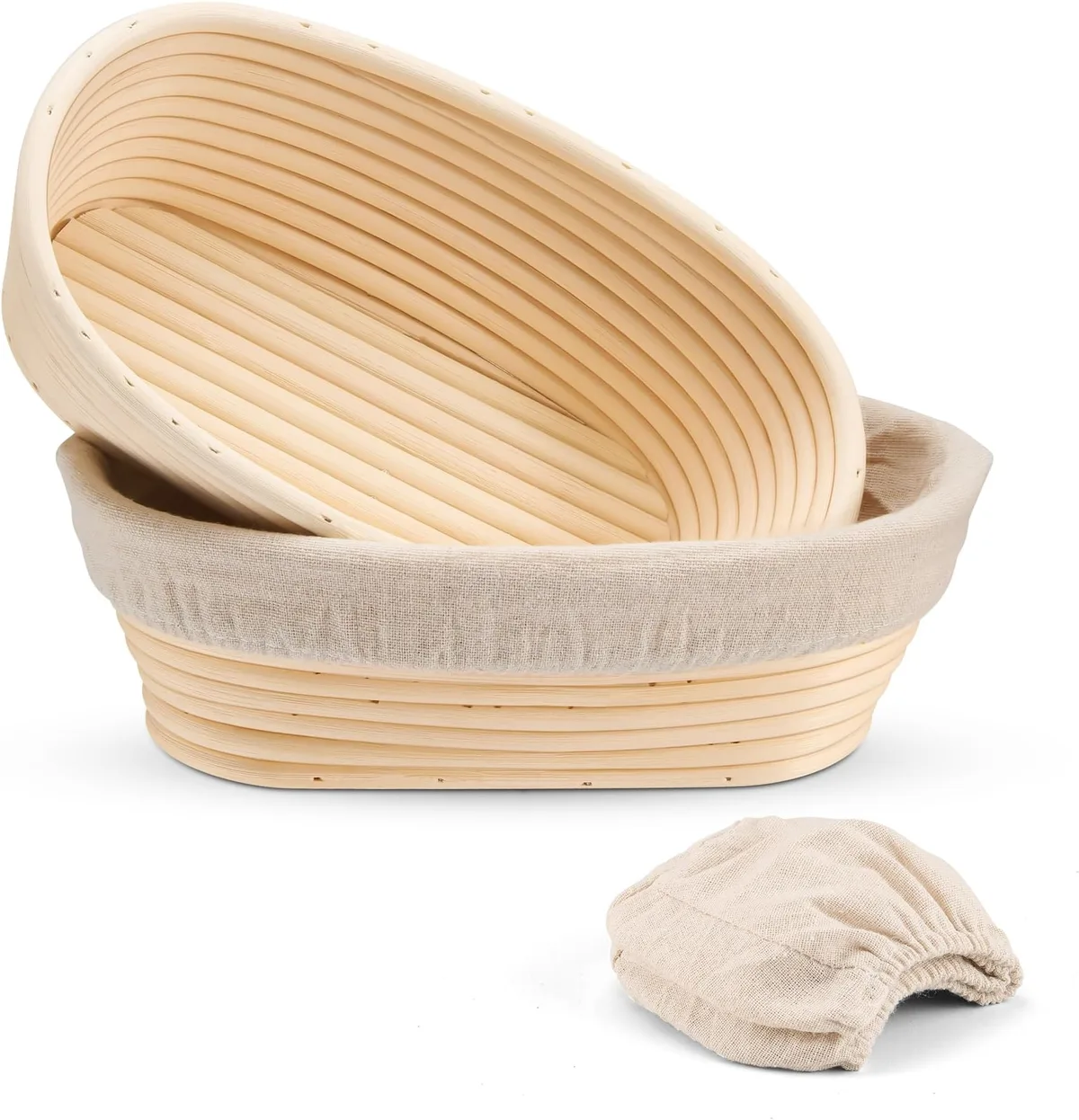
Ovals run roughly 9×6 or 10×7 inches. They suit batards, which slice into sandwich-friendly pieces. Many bakers find oval more versatile because a batard fits a toaster slot better.
A couche isn't a basket at all. It's a linen canvas folded into deep channels. It supports baguettes and bâtards while they proof.
It takes practice to fold and tuck, but it's cheap, stores flat, and lets you proof multiple loaves in one go.
Here's the simple framework: one loaf in a round Dutch oven means round. One loaf baked free-form or in an oval pot means oval. Multiple loaves from one batch means couche, eventually.
Lined vs Unlined: When to Skip the Cloth Liner
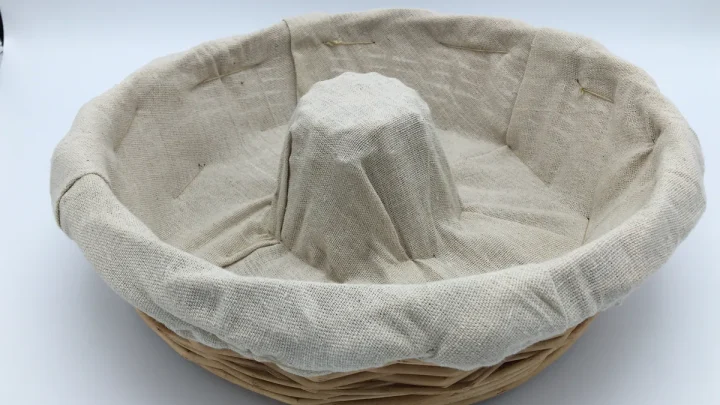
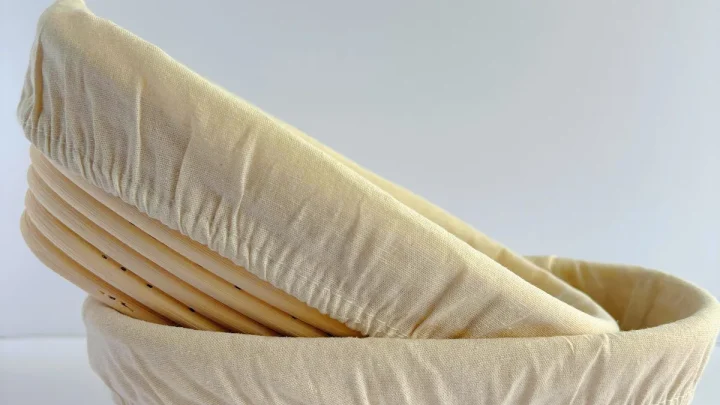
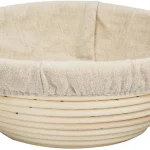
Most cane bannetons ship with a removable linen liner. Whether you use it changes the bake noticeably.
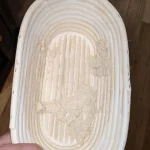
Unlined, the spiral ridges press into the dough's skin. Those rings show up after baking, and they give your scoring blade a natural guide. The catch is that you need a generous dusting of rice flour, or the dough sticks to the cane.
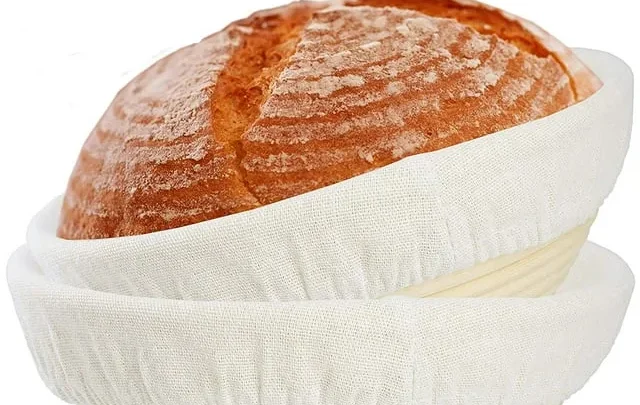
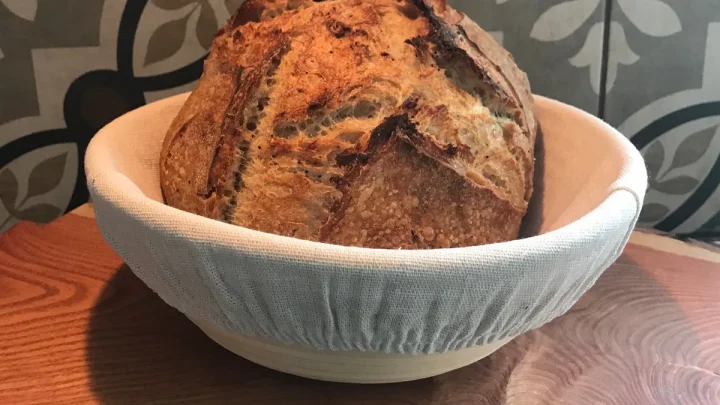
Lined, the cloth smooths the surface between dough and basket. Release is easier, with less flour and less sticking. That's a big win for sticky doughs, high hydration above 80%, or warm kitchen proofing.
- Unlined: classic look, heavier dusting, more control
- Lined: easy release, no pattern, gentler on slack dough
Most experienced bakers alternate. Remove the liner for low to mid hydration, and put it back for slack doughs. White rice flour beats all-purpose for dusting because it doesn't absorb into the dough overnight.
It releases cleanly every time.
Sizing Guide: Dough Weights, Basket Dimensions, and Hydration
Size is the most common mistake we see in recipe troubleshooting. A basket that's too big lets dough flatten. One that's too small forces it to mushroom over the rim.
Both ruin the final loaf.
Match the basket to the dough weight after mixing. A 9-inch round basket holds 500 to 750 grams of dough at 70% hydration. A 10-inch round handles 750 to 1,000 grams.
For 80% hydration dough, drop down one size, since wetter dough spreads more.
| Basket size | Dough weight (70% hydration) | Dough weight (80% hydration) |
|---|---|---|
| 7.5-inch round | 300 to 450 g | 250 to 400 g |
| 9-inch round | 500 to 750 g | 450 to 650 g |
| 10-inch round | 750 to 1,000 g | 650 to 850 g |
| 10×7-inch oval | 700 to 900 g | 600 to 800 g |
Weigh your dough before shaping. It takes two minutes and removes all guesswork. The numbers above are ranges, not limits.
Slack dough needs more room, while stiff dough can fill a basket more completely.
How to Use a Proofing Basket (Without Tearing Your Dough)
Using a banneton correctly is about preparation, not skill. Season it once, flour it properly, and handle the dough gently. Here's the process we recommend for a smooth release every time.
First, season a new cane basket. Spray it lightly with water, then rub a mixture of rice flour and all-purpose flour into the surface. Let it dry completely overnight.
This fills the tiny gaps where dough likes to catch.
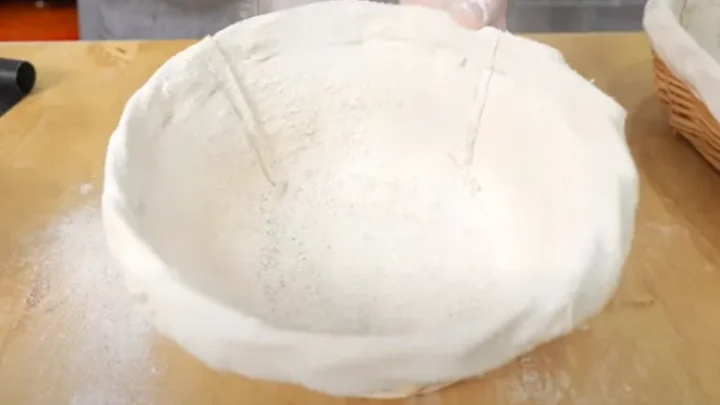
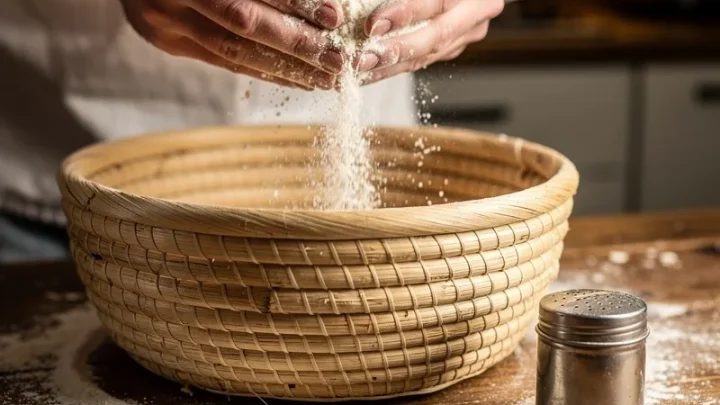
Next, dust the basket with rice flour. Use a small sieve for even coverage. Shake out the excess.
For an unlined basket, add a thicker coat on the bottom and sides. Rice flour works better than all-purpose because it stays dry and doesn't gelatinize against the dough.
Place your shaped dough seam-side up. This puts the smooth, tight skin facing down when you bake. Pinch the seam closed first so it doesn't split during the proof.
Cover the basket with a plastic bag or a damp cloth. A shower cap works great. This stops a dry skin from forming on top.
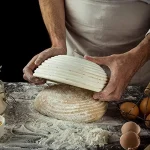
When you're ready to bake, chill the dough in the basket for 20 minutes. This firms it up and makes release easier. Invert the basket onto parchment or a peel in one swift motion.
If the dough sticks, gently coax it with your fingertips. Resist the urge to pull.
Common Proofing Basket Mistakes and How to Fix Them
Most baking failures trace back to four specific mistakes with proofing baskets. Fix these, and your loaves will improve overnight.
Using too little flour. The most common issue we see. Dough can stick to unlined cane, ruining the crust when you try to remove it. Use rice flour generously, especially on the seams.
Choosing the wrong size. An oversize basket allows dough to spread instead of rising. An undersize one forces it to bulge. Weigh your dough and check the size chart before you commit.
Skipping the seasoning step. A new cane basket without seasoning is rough. Flour alone won't prevent sticking. Spray, flour, dry, and repeat once before the first use.
Ignoring hydration levels. High-hydration dough at 80% or above needs a lined basket or a wood pulp basket. The liner absorbs excess moisture and keeps the dough from sticking.
Turning out too early. Cold dough releases cleanly. Room-temperature dough does not. Always chill the dough for 15 to 20 minutes before inverting.
Care and Maintenance: Keeping Your Banneton Mold-Free
Cane and wood pulp are natural materials. They absorb moisture, and if stored wrong, they grow mold. A little care prevents that.
After each bake, knock out the excess flour. Use a dry pastry brush to remove crumbs from the weave. Don't rinse the basket unless it's truly dirty.
For stubborn bits, wipe with a barely damp cloth, then let it dry completely.
Never use soap. The porous fibers absorb it, and your next loaf will taste like detergent.
Air drying is non-negotiable. A wet basket in a sealed bag is a breeding ground for mold. Dry it on a rack overnight.
Store it in a breathable cotton bag or open shelf, not in an airtight cabinet.
If mold does appear, don't panic. Scrub the affected area with white vinegar, let it dry in direct sun, then re-season the basket. In most cases, it's salvageable.
Real Scenarios: What Bakers Actually Reach For
Knowing the theory is one thing. Seeing how it plays out in real kitchens helps. Here are the patterns we've noticed in practice.
The beginner. One 9-inch round cane basket with a liner. It makes a solid boule, works with most recipes, and the liner forgives early mistakes. This basket gets the most use in the first year.
The high-hydration baker. Prefers wood pulp. Dough at 80% hydration is sticky and slack. The smooth surface releases without heavy flour, and the basket absorbs less moisture from the dough.
The batch baker. Owns two 9-inch ovals and a couche. Two ovals prove two loaves overnight, and the couche handles baguettes for the weekend bake.
The crust-focused baker. Uses an unlined cane basket with no liner at all. Those spiral marks become the scoring guide, and the flour-coated skin creates a dramatic contrast on the finished crust.
Every baker develops a preference after a few months. Start with one well-sized basket, learn the feel, and expand from there.
Price and Value: What You Get at $15 vs $40
Price differences in proofing baskets come down to materials, craftsmanship, and brand. A $15 wood pulp basket works fine for most home bakers. A $40 cane banneton with a thick linen liner and reinforced rim adds durability and a nicer finish.
| Price range | What you typically get | Best for |
|---|---|---|
| $12 to $20 | Wood pulp or thin cane, basic liner | Beginners, occasional bakers |
| $20 to $30 | Thick cane, quality liner, solid rim | Regular weekly bakers |
| $30 to $45 | Premium rattan, heavy linen, double-stitched edges | Long-term use, gift-worthy tools |
Our research shows the $20 to $30 range delivers the most value. The cane is denser, the liner holds up to washing, and the basket keeps its shape after years of use. Cheap baskets often lose the weave tension, which means loose spots in the dough.
That said, price doesn't dictate results. A $14 wood pulp basket produces the same oven spring as a $40 rattan one. The difference is feel, longevity, and the pattern on the crust.
If you bake once a month, save your money. If you bake weekly, buy the better tool.
Final Recommendation: Which Proofing Basket Should You Buy?
Start with one 9-inch round cane banneton with a removable linen liner. It covers 90% of home sourdough recipes, works for boules and Dutch ovens, and the liner forgives mistakes while you learn.
If you're baking batards instead of boules, pick a 10×7-inch oval. If you regularly push hydration past 80%, go with a 9-inch wood pulp basket. Whichever you choose, buy from a recognizable brand.
Verified buyer feedback confirms that cheap, unbranded baskets often splinter at the rim or stain the dough.
| Your situation | Best pick |
|---|---|
| First basket, standard boules | 9-inch round cane with liner |
| Sandwich loaves, batards | 10×7-inch oval cane |
| High hydration, sticky dough | 9-inch wood pulp |
| No Dutch oven, free-form loaves | 10-inch round, unlined |
| Batch baking multiple loaves | Two 9-inch ovals or a couche |
Season the basket properly, dust it with rice flour, and match the size to your dough weight. Do that, and the basket will serve you for years. When you're ready to expand, add an oval or a couche and play with shapes.
The perfect setup is less about brands and more about matching the tool to your recipe. One basket, sized correctly, beats a drawer full of the wrong ones every time. Pick the one that fits the loaf you bake most often.
Frequently Asked Questions
Do I really need a proofing basket for sourdough?
No, but it helps. A bowl lined with a floured kitchen towel works in a pinch. A banneton holds shape better, wicks moisture, and leaves that classic spiral pattern.
If you bake regularly, the small investment pays off.
What size proofing basket do I need for 1kg of dough?
A 10-inch round basket holds 750 to 1,000 grams of dough at 70% hydration. An 11-inch or 12-inch basket is safer for very wet dough or heavier batches. Weigh your dough before shaping to remove all guesswork.
Can I use a proofing basket without a liner?
Yes. Many bakers prefer unlined cane for the spiral crust pattern. Dust heavily with rice flour first.
For sticky, high-hydration dough, use the liner to guarantee a clean release.
How do I keep dough from sticking to my banneton?
Use rice flour, not all-purpose. Coat the basket evenly using a fine sieve, including the seams. Season new cane baskets before the first use, and chill the dough for 20 minutes before turning out.
How long do proofing baskets last?
With proper care, five to ten years. Brush out flour after each bake, dry it completely, and store it somewhere breathable. Wood pulp baskets deteriorate faster than cane if exposed to moisture, so drying matters most there.

Similar Posts