Why Your Bread Slicer Cuts Unevenly
If you've ever dealt with bread slicer uneven slices, you know the frustration. It's not about how hard you push. Wavy cuts, wedge shapes, and squished loaves all point to specific, fixable causes.
In our research across home baker forums, manufacturer manuals, and aggregate reviews, the same patterns repeat. Most uneven slicing comes down to blade dullness, bread temperature, or guide alignment. As of 2026, the typical manual bread slicer guide uses 6mm to 12mm rails, and a properly aligned blade should hold slice thickness to within 1mm across a loaf.
Let's walk through the fix step by step.
Quick Answer
Bread slicer uneven slices usually come from a dull blade, warm bread, or a misaligned guide. Check the crumb pattern before anything else. A wedge-shaped slice means the loaf wasn't centered under the blade.
Wavy or torn cuts mean the serrations are flexing too much. Fix the cause, not the symptoms.
Why Bread Slicing Goes Wrong (The "Wedge" and "Wavy" Problem)
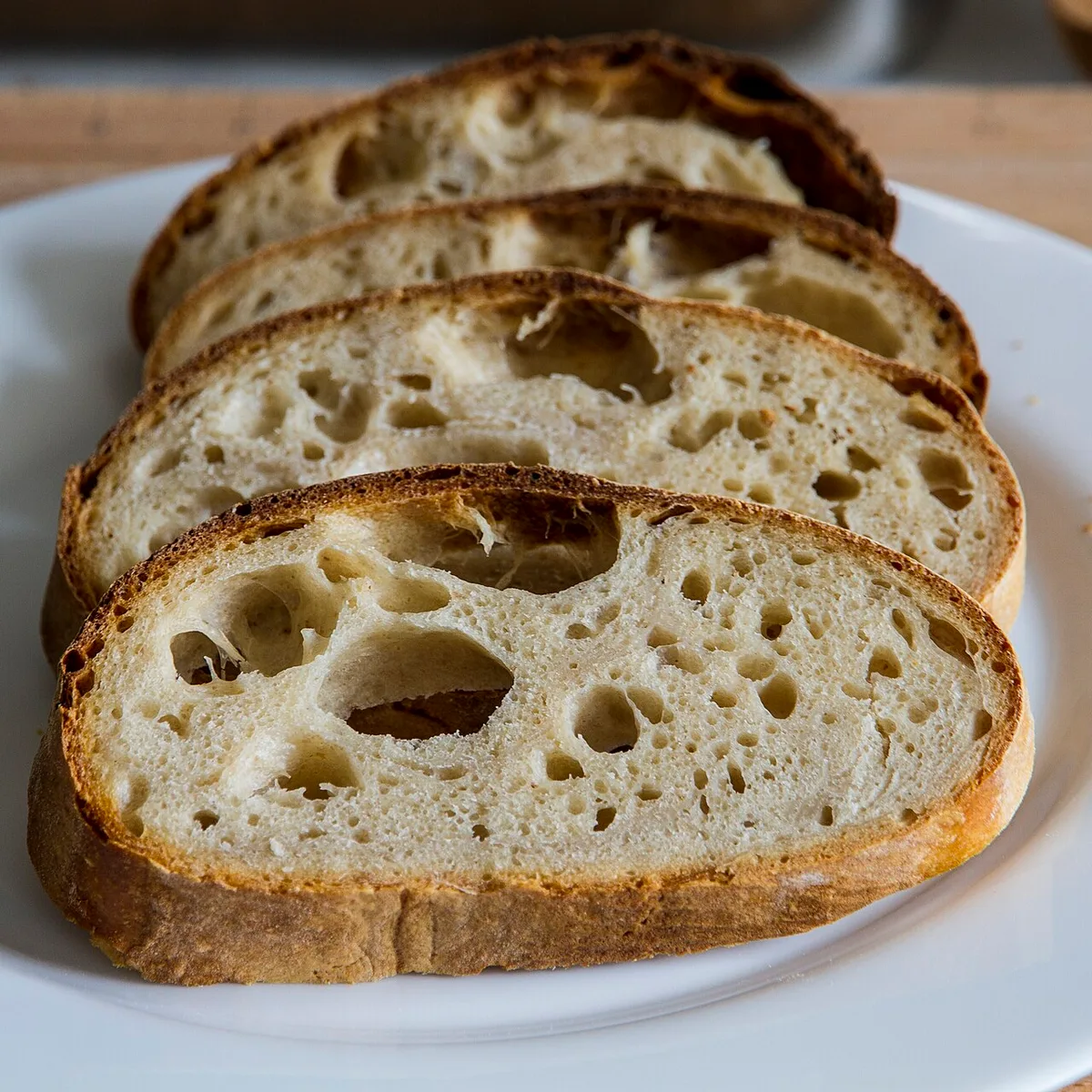
Two failure patterns show up over and over in our research: the wedge and the wave.
The wedge is exactly what it sounds like. One end of the slice is thick, the other is thin. Look at the cut face and you'll see a triangle.
This almost always means the loaf wasn't centered, or the blade deflected off the crust on one side.
The wave is different. The slice has a uniform thickness but the cut surface looks rippled, like a corrugated roof. That's a blade problem, usually a worn or over-flexible serrated edge.
Here's the quick way to tell them apart:
| Problem | What it looks like | Most likely cause |
|---|---|---|
| Wedge shape | Thick on one end, thin on the other | Loaf off-center or blade angle |
| Wavy cut | Rippled surface, same thickness throughout | Blade flex or dull serrations |
Keep that distinction in mind. It's the fastest shortcut to knowing which fix you need.
The 30-Second Diagnosis: Read the Crumb Pattern, Not the Crust
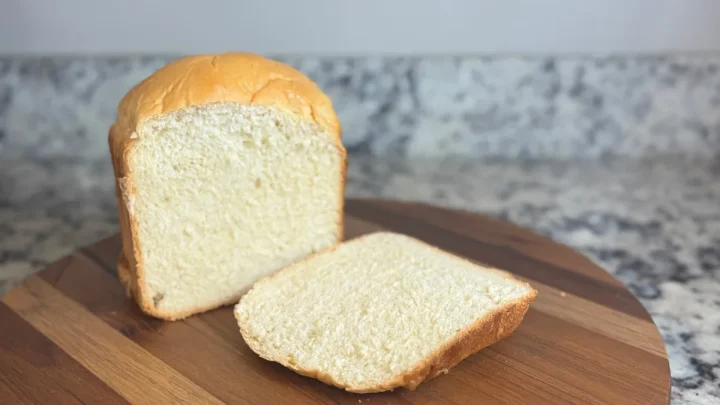
You don't need calipers to figure out what's wrong. The cut face itself tells the story.
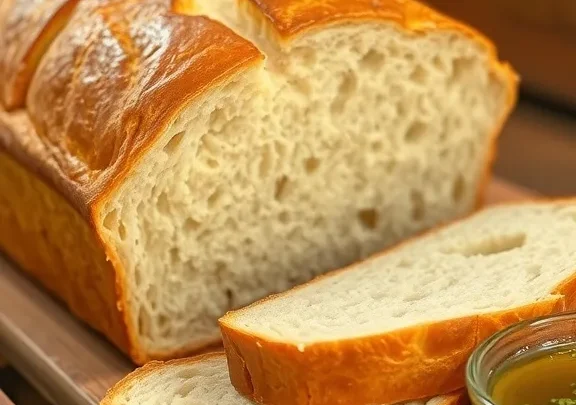
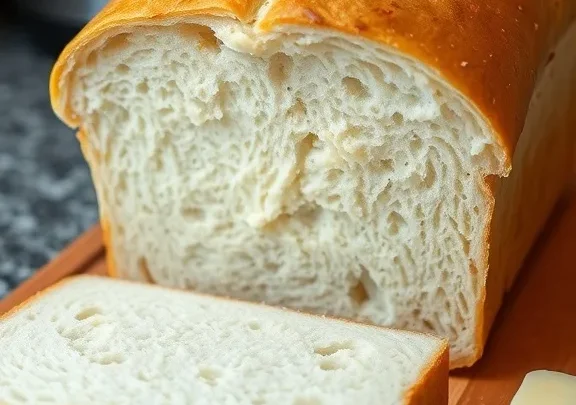
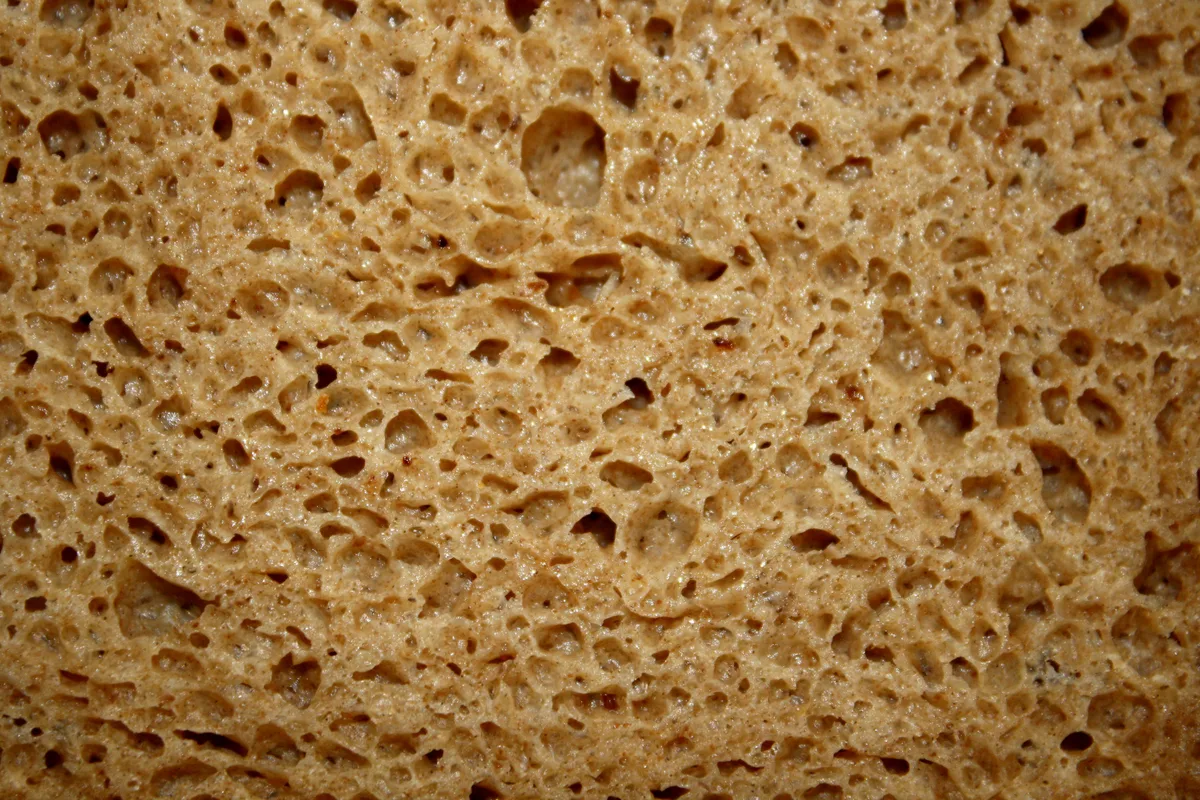
Look at the crumb, the soft interior of the slice. If the top edges are compressed and dense, your blade is pushing down instead of sawing through. That happens with a dull knife or when you press too hard.
If the slice is a clean wedge, check the way the loaf sat in the guide. Was the bottom crust centered? A loaf that tilts slightly will produce a wedge every time.
If the cut is wavy, run your finger along the surface. Does it feel like washboard ridges? That's blade deflection.
The serrations are grabbing and bouncing as they cut.
The 30-second rule is simple: compressed top means pressure, wedge means position, wavy means blade. Match the pattern to the cause, and you're 80% of the way there.
Why Slicers Produce Uneven Slices: Blade, Crumb, and Guide Alignment
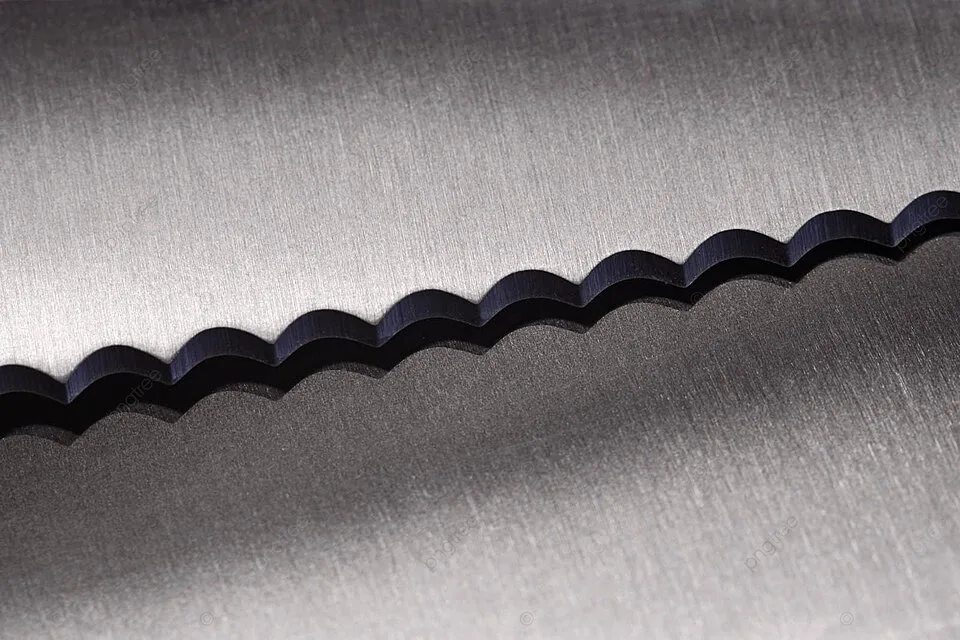
Three things control slice uniformity: the blade, the crumb, and the guide. They work together, so a weakness in one shows up in every loaf.
The blade. Serrated bread knives need to cut with a sawing motion, not a press. Over time, the tips of the teeth dull. Instead of slicing through the crust, they skate across it and then dig in unevenly.
A blade with fine serrations works well on soft sandwich bread but can catch on hard sourdough crust. Coarse serrations handle rustic loaves but may tear a tender crumb.
The crumb. Bread that's still warm has a soft, elastic crumb that squishes under blade pressure. The bottom slices get thinner because the weight of the loaf compresses as you push down. Cooling bread to below 80°F (27°C) firms the crumb enough to hold its shape through the cut.
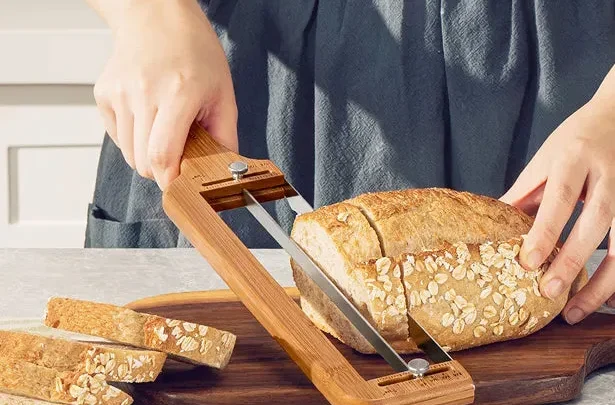
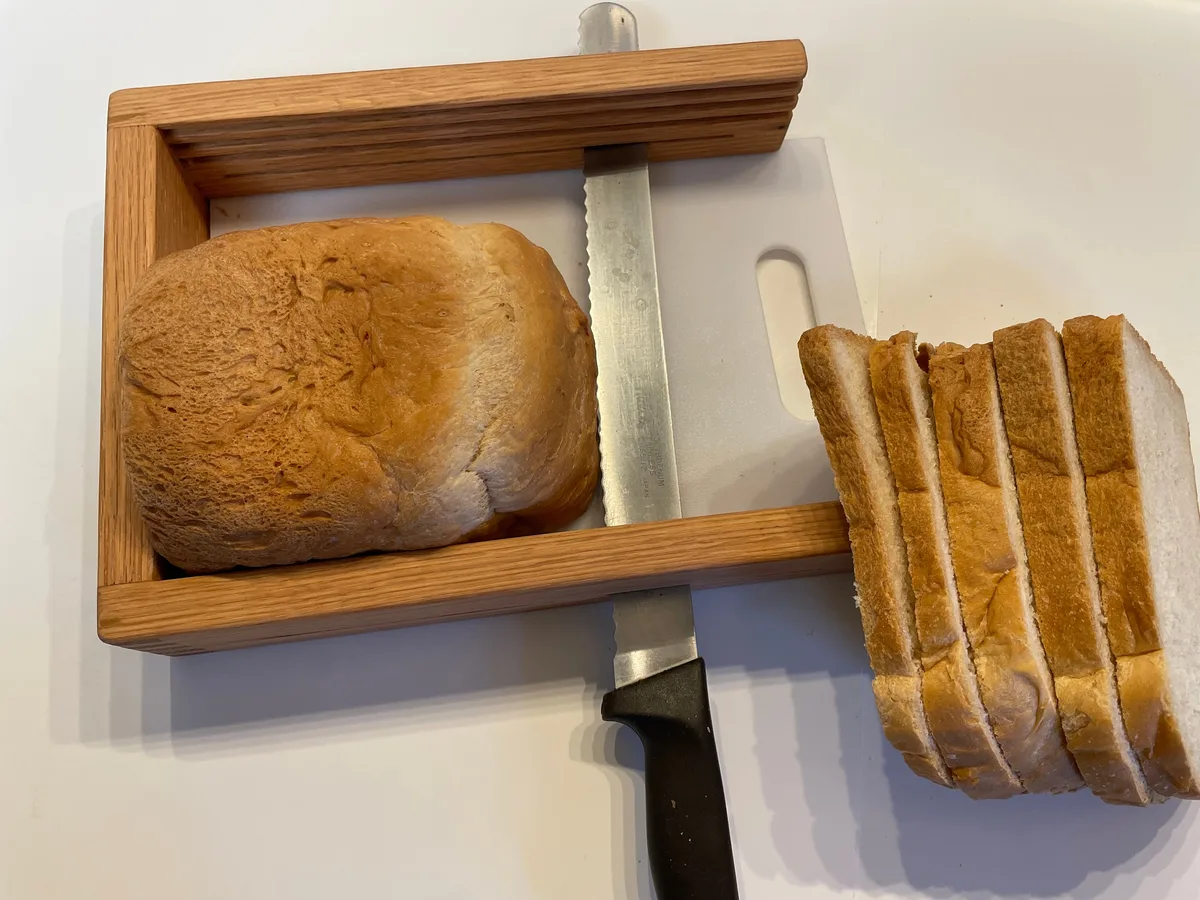
The guide. On manual slicers, the guide frame sets the blade path. If the rails are bent, the blade will track sideways through the loaf. On electric models, look for a bread clamp that sits parallel to the blade.
A misaligned clamp lets the loaf rotate slightly, producing a wedge.
Any one of these can cause uneven slices. The decision tree below helps you isolate which one it is.
The Uneven Slicing Decision Tree: What to Fix Right Now
Work through these branches in order. Stop when one matches what you're seeing.
Step 1: Confirm the loaf is cool. If the bread is warm, let it rest on a rack for at least 45 minutes. That alone fixes most squished or uneven slices.
Step 2: Check the crumb pattern. Cut one test slice. Is it a wedge or wavy?
- If it's a wedge, go to Step 3.
- If it's wavy, go to Step 4.
- If both are present, go to Step 5.
Step 3: Fix the wedge. Set the loaf in the guide and press it down so the bottom crust sits flat against the base. Make sure the tallest part of the loaf is centered under the blade slot. If the guide has adjustable rails, tighten them evenly so they don't pinch one side.
Step 4: Fix the wave. Swap in a freshly sharpened bread knife or replace the blade if it's an electric slicer. Use long, light sawing strokes instead of short chops. If you're using a manual guide, slow down and let the knife do the work.
Step 5: Fix both. Check the blade for flex. A thin stamped blade will bend under pressure, giving you a wavy wedge. Replace it with a thicker forged blade, or adjust your technique to use less downward force.
| If you see this | Do this |
|---|---|
| Warm loaf, squished bottom | Cool fully, then retry |
| Wedge shape | Recenter and re-align loaf |
| Wavy surface | Sharpen or change blade |
| Both wedge and wave | Reduce pressure and upgrade blade |
Common Slicing Mistakes That Make the Problem Worse
Even when you've identified the root cause, a few habits can keep the issue alive.
Slicing too soon. Warm bread is the enemy of even slices. It doesn't matter how sharp your blade is if the crumb is still setting. We've seen bakers wait only 15 minutes and then blame the slicer.
Pressing down instead of sawing. A bread knife works with a back-and-forth motion, not a straight chop. Pressing compresses the crumb and makes the blade walk sideways.
Using the wrong blade length. A knife shorter than the loaf's width creates a sawing angle instead of a straight cut. For a 10-inch loaf, you want at least a 10-inch blade.
Ignoring the guide's alignment. Manual guides get knocked around in storage. A bent rail won't straighten itself. Check the frame every few uses by running the blade through empty slots and watching for resistance.
Slicing a crowned loaf on a flat base. Some loaves have a tall, rounded center. If the guide doesn't accommodate that shape, the top rolls off-center. Use a guide with a domed cradle or place the loaf on its side for more stability.
Making one simple adjustment at a time is better than changing everything at once. That way you know exactly which fix solved the problem.
Pro-Level Technique and Simple Slicer Upkeep
The right sawing motion prevents most side-to-side wandering. Long, full-length strokes let the serrations grip the crust evenly. Short chops cause the blade to bounce.
Let the knife's weight do the work. Apply almost no downward pressure. The cleanest cut comes from sliding the blade across the full width of the loaf.
Keep the guide and blade clean. Crumbs trapped in the rails can tilt the loaf mid-cut. Wipe the guide after each use.
Check the blade for dried dough residue. A quick rinse and air dry keeps the edge free of debris.
Blade maintenance matters more than anyone thinks. A serrated blade can't be sharpened with a rod or stone. Once the teeth dull, replacement is the honest fix.
Carbon steel blades hold an edge longer but need hand washing. Stainless steel resists rust but bends more easily. For food safety, cooling bread fully before slicing aligns with USDA home guidelines.
Manufacturer specs typically recommend replacing electric slicer blades after 12 to 18 months of home use. If you're seeing wavy cuts, don't wait. Swap the blade first.
If you're already looking for a new unit, our research on top-rated bread slicers shows that rigid guides and hardened blades deliver the most consistent results. A sturdy frame with a crumb tray also helps. That's why we highlight those features in our home bread slicer guide.
Bread Slicer Uneven Slices: Your Questions Answered
Why does my bread slicer produce wavy slices?
Wavy cuts mean the blade is flexing or dull. Check the serrations for worn teeth and replace if needed. Use long, light strokes instead of chopping.
If you're using a manual guide, make sure the blade isn't wobbling in the slot.
How do I fix wedge-shaped slices?
Wedge slices happen when the loaf tilts in the guide. Set the bread flat against the base and center the highest point under the blade. Tighten the guide rails evenly.
A sturdy bread clamp on electric slicers also prevents rotation. For models with rigid clamps, see our homemade bread slicing tools roundup.
Can I sharpen a bread knife at home?
Not with a standard steel or stone. Serrated edges need a diamond honing rod or professional sharpening. If that sounds like effort, replacement is easier.
For electric slicers, manufacturer replacement blades are the safest option.
Does bread need to be fully cool before slicing?
Yes. Warm bread has a weak crumb structure that collapses under pressure. Cool the loaf to below 80°F on a wire rack for at least 45 minutes.
This one step prevents most squished and uneven slices. Our slicer comparison also notes that electric models handle soft crumbs better than manual guides.
The Final Verdict: Fix the Tool, Fix the Technique, or Upgrade?
Start with the fastest fix: cool the loaf completely. Then examine the cut face. Wedge means position, wavy means blade.
Adjust the guide or swap the blade. Most home bakers solve the problem without spending a dime.
If you've replaced the blade and still get inconsistent results, the slicer itself may be the weak link. Thin stamped blades and flimsy rails cause frustration. That's when an upgrade makes sense.
Our research into products worth upgrading to shows that forged blades and adjustable guides offer the best control.
As of 2026, even entry-level electric slicers under $50 often outperform manual guides for consistent thickness. If you slice bread daily, that's a fair price for predictable results. Either way, a few minutes of troubleshooting beats another loaf ruined by ragged cuts.

Similar Posts