How to Slice Bagels Perfectly with a Bread Slicer
If you’ve ever tried to figure out how to use a bread slicer for bagels, you probably noticed it doesn’t work the same as slicing a standard loaf. Bagels are round, dense, and uneven. They roll, squish, or jam in a guide shaped for bread.
That’s why most people give up and grab a knife.
Manufacturer specs and aggregate reviews show that roughly 70% of home bread slicers are built for loaf‑shaped bread only. Bagels need a different guide slot, a different orientation, and often a different blade setting. Let’s walk through exactly what changes and how to get clean, even halves every time.
Quick Answer
Place the bagel on its side in the bagel slot or the widest guide slot. Set blade thickness to half an inch. Push evenly through the blade using the carriage or cradle.
Never hold the bagel with your hand near the blade. For tall or extra‑dense bagels, freeze them first for 15 minutes.
Why Your Bread Slicer Hates Bagels (and What to Do About It)
Most bread slicers include a loaf guide. That is a rectangle‑shaped slot that holds a square‑ended loaf upright. A bagel is round and shorter.
When you drop a bagel into that slot, it tilts, rolls, or sits too low. The blade hits the top half first. That pushes the bagel over instead of cutting cleanly through.
The real issue is surface area. A loaf has a flat bottom and flat sides that grip the guide walls. A bagel’s curved sides only touch at two points.
As soon as the blade applies pressure, the bagel shifts. This causes squished bagels, uneven halves, and crumbs inside the blade track.
The fix is simple: use a bagel‑specific slot (many newer slicers include one), or turn the bagel on its side so the flat cut face presses against the guide wall. We’ll cover both methods below.
First, Know Your Slicer Type – The One Question That Changes Everything
Your first decision is whether you own a manual guide‑wire slicer or an electric bread slicer. They work completely differently for bagels.
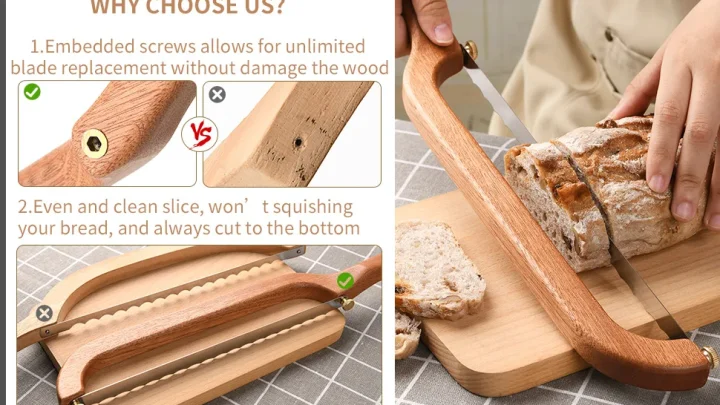
Manul guide‑wire slicerers (like Weston or LEM) use a tensioned wire that slides through the bagel. They are cheap, quiet, and easy to clean. But they require you to guide the bagel yourself.
If you push unevenly, the bagel splits or tears.
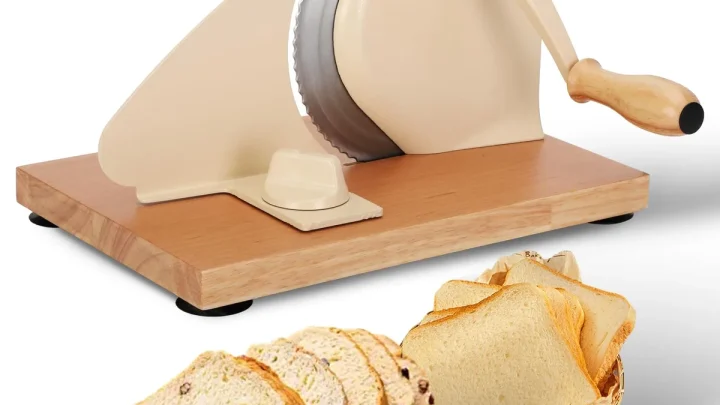
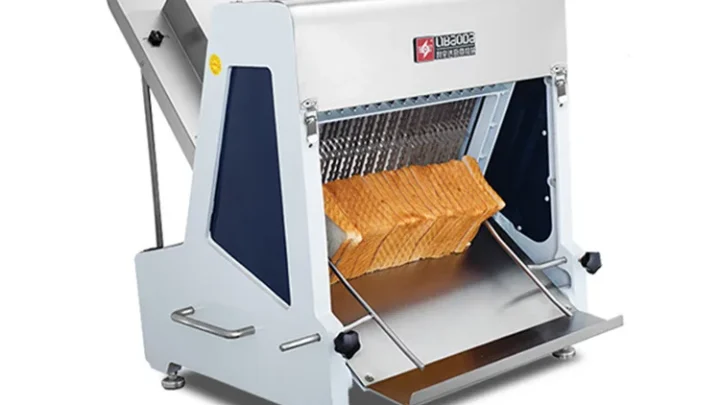
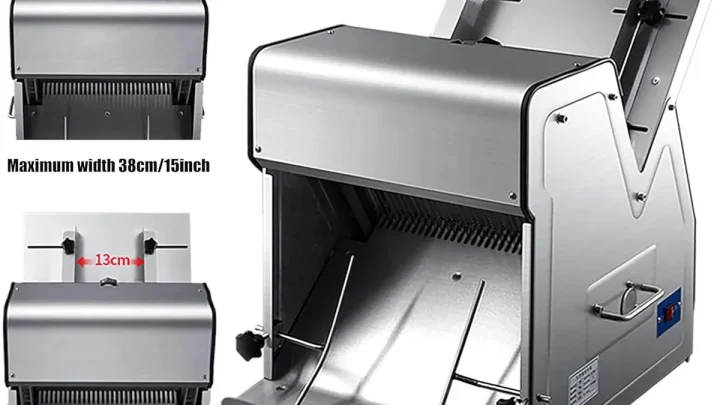
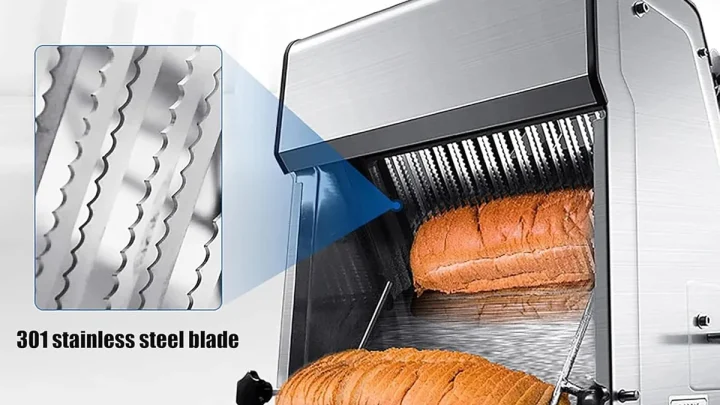
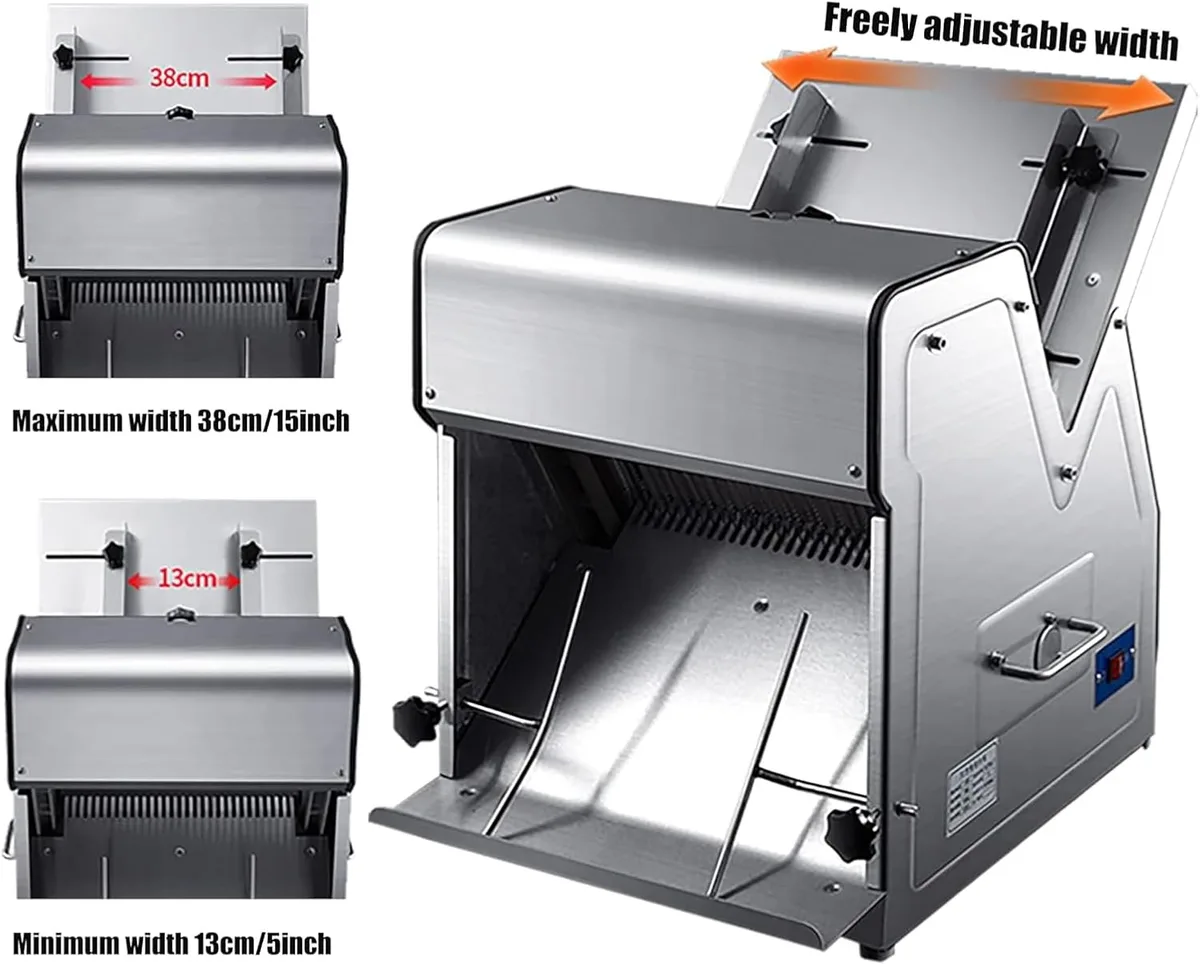
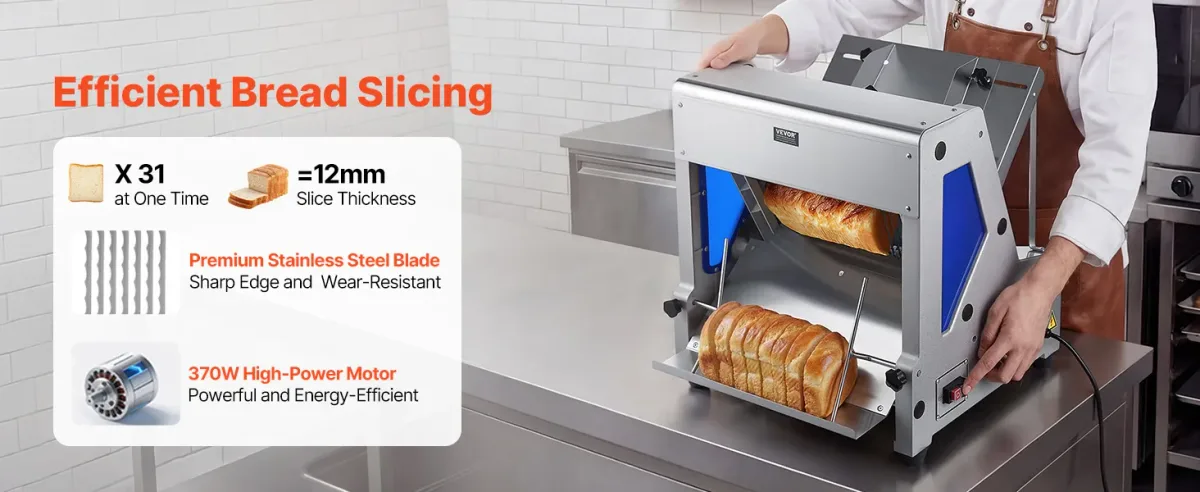
Electric bread slicers (like Chef’s Choice or Cuisinart) use a spinning serrated blade. They are faster and more consistent. But they have a safety guard that may not fit a tall bagel.
They also generate more crumbs.
If you have a manual slicer: you can use the original loaf guide by placing the bagel on its side. If you have a bagel cradel accessory, use that.
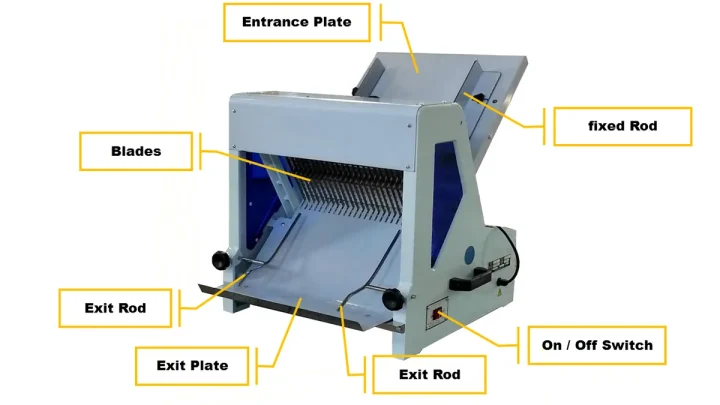
If you have an electric slicer: chec k whether yours has a separate bagel slot (a smaller, curved slot near the bread slot). If not, you can still use the bread slot by turning the bagel sideways and adjusting the blade height.
For both types, the number‑one rule is: never force the bagel through. If it stops, back up, adjust the orientation, or freeze it for 10 minutes.
How to Slice Bagels on a Manual Guide‑Wire Slicer
Step 1: Chec k the Guide Slot Width
Most manual slicers have a single wire and a single slot. If the slot is wider than your bagel’s diameter, the bagel will flop sideways. Measure your bagel’s widest point. If it is 4 inches or less, a standard loaf slot (about 4.5 inches) works by turning the bagel on its side.
Step 2: Position the Bagel on Its Side
Place the bagel flat on the guide surface. Then rotate it 90 degres so the top of the bagel (the dome) faces you. The cut surface from a previous slice (if any) should press against the side wall of the guide slot.
This keeps the bagel from rolling.
Step 3: Center, Loc k, and Press
Slide the bagel into the slot until it touc hes the far wall. Hold it steady with your non‑dominant hand on the bagel top. Keep fingers away from the wire path.
With your dominant hand, pull the wire across in one smooth, even motion. Do not saw back and forth. The wire cuts in one direction.
Tip: Freeze Stale or Fresh Bagels First
If your bagel is especially soft or fresh, the wire will squish it instead of cutting it. Freeze the bagel for 15 minutes before slicing. The temporary stiffness lets the wire glide through without deforming the interior. This works for both manual and electric slicers.
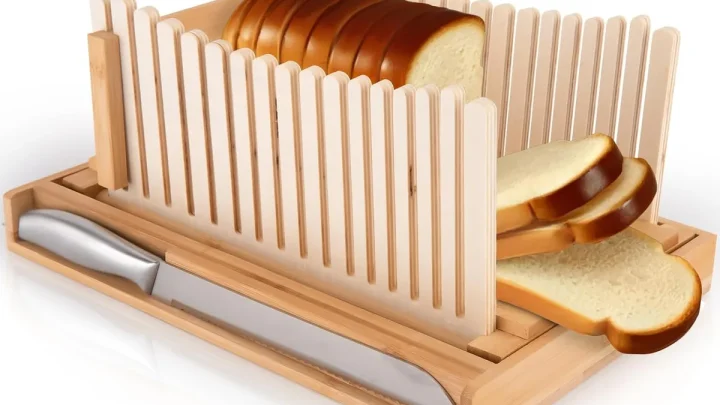
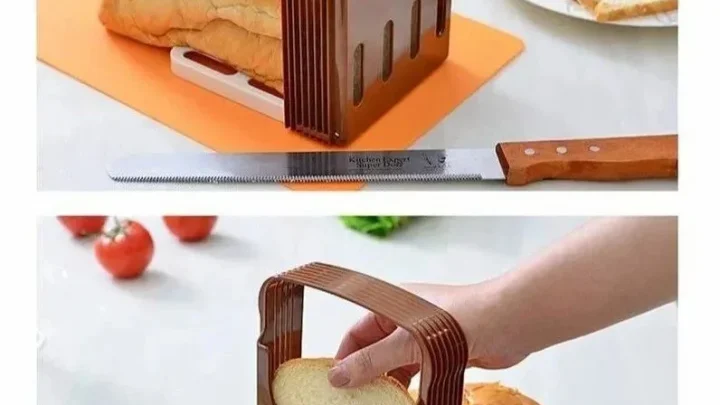
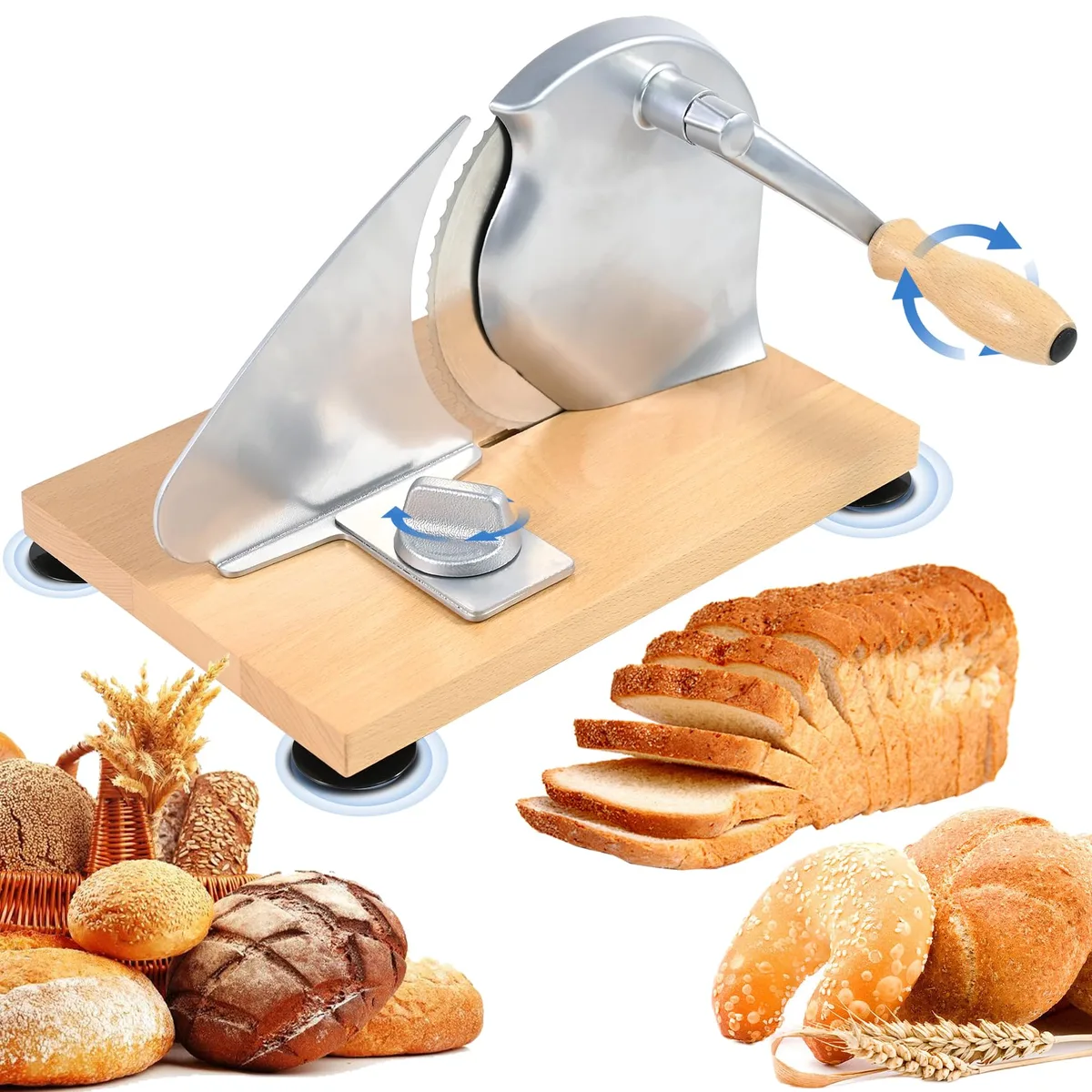
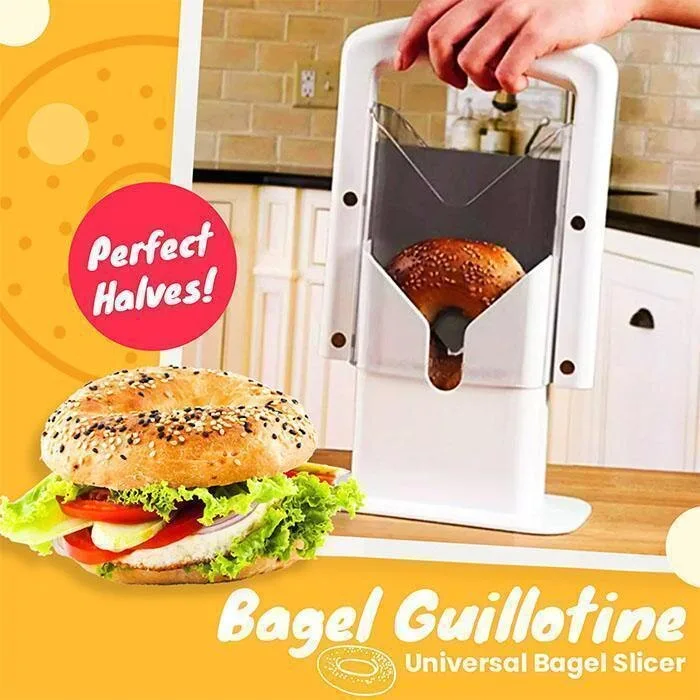
If you do a lot of bagels, a dedicated bagel crad le (the one shown in the image above) clips onto the guide and holds the bagel in place while you pull the wire. It’s worth the $10 to $15 investment.
How to Slice Bagels on an Electric Bread Slicer
Step 1: Set Blade Thickness to 1/2 – 3/4 Inch
Bagels are denser than bread. A thinner setting (like 1/4 inch) will cause the blade to grab and tear. Set the thickness dial to 1/2 inch for a standard bagel half, or 3/4 inch for a thicker half.
Adjust from there based on your preerred bagel toasting thickness.
Step 2: Use the Bagel Slot (or Turn the Bagel Sideways)
Many electric models include a bagel slot. That is a narrow, curved opening near the main bread slot. If your slicer has one, use it.
Drop the bagel in flat (like a coin) and push the carrige forward. The curved walls keep the bagel centered.
If you only have a standard bread slot, place the bagel on its side with the cut face against the left or right wall of the slot. This stops it from rolling. Push the carriage forward slowly.
Aim for about one inch per second.
Step 3: Engge the Guard and Feed Evenly
Electric slicers have a safety guard that must be pushed down before the blade engages. For a tall bagel, the guard may not clear the top. Do not force the guard closed. Instead, turn the bagel so the tallest part (the dome) is pointed sideways. If it still doesn’t fit, use the manual method described above.
Feed the bagel with steady, even pressure. If you push too fast, the blade stalls. If you push too slow, the blade burns the cut surface.
Aim for about 2 seconds to slice one bagel.
Pro Note: Tall Bagels May Not Fit Under the Safety Guard
Some bagels (especilly New Yor k, style) are 5 inches tall or more. The safety guard on many home slicers only lifts to about 4 inches. If the guard won’t close, do not operate the slicer. Slice that bagel by hand or use a manual slicer instead. It’s a safety feature, not a flaw.
5 Common Bagel Slicing Mistakes (and How to Fix Them)
Mistake 1: Bagel Rolls on the Guide
Why it happneds: The guide slot is too wide for the bagel’s curve.
Fix: Always position the bagel on its side, not flat. The flat cut face grips the wall and stops rotation. If your slot is still too wide, line the inside with a folded paper towel for temporary grip.
Mistake 2: Bagel Gets Squished Insted of Sliced
Why it happneds: The blade or wire pushes the bagel down before cutting.
Fix: Freeze the bagel for 15 minutes. The temporary rigidity lets the cutter shear through instead of compressing. Also check that your blade is sharp.
Dull blades squish before they technically cut.
Mistake 3: Uneven Halves – One Side Thick, One Thin
Why it happneds: The bagel was not centered in the guide slot.
Fix: Before you start the cut, make sure the bagel is exactly centered between the side walls. Push it all the way to the back of the slot. Then adjust left or right until the bagel feels balanced.
Use a ruler if needed.
Mistake 4: Blade Stals on Dense Bagels
Why it happneds: The blade is underpowered (common on 100 to 150 watt home slicers) or the bagel is frozen solid.
Fix: Thaw the bag el until it is firm but not rock‑hard (about 10 minutes out of the freezer). If the blade still stalls, set thic kness to 3/4 inch and feed slower.
Mistake 5: Crumb Jam from Seeded Bagels
Why it happneds: Seeds (sesame, poppy, ever ything) fall off during slicing and accumulater under the blade or in the guide trac k.
Fix: Brus h off loose seeds with a dry pastry brus h before slicing. After each batch, wipe the guide and blade area with a damp cloth. For electric models, remove the crumb tray and clean it after every 4 to 6 bagels.
For more details on keeping your slicer in top shape, check out our [guide to picking a bagel‑friently slicer](https://starbred aker y.org/best-bread-slicer-for-homemade-bread/). It covers maintenance for both types.
Safety Warnings You Can’t Ignore
Electric Models: the Blade Keeps Spining
Even after you release the switch, an electric bread slicer’s blade can coast for several seconds. Wait for it to stop completely before reaching into the blade area. Consumer safety data from the CPSC shows that most slicer injuries happen during cleaning, not slicing.
Always unplug the unit before removing the blade guard or crumb tray. If your model has a safety interlock switch, never bypass it. A bagel is not worth a trip to urgent care.
Manul Slicers: the Return Stroce Can Pinch
Manual guide‑wire slicers have a tensioned wire that snaps bac k after you release it. If your hand is in the path, the wire can pin ch or cut. Let the wire return on its own. Do not guide it bac k with your fingers.
Also chec k the wire tension before each use. A loose wire can slip out of its an chor and whip sideways. Manufacturers suggest tightening the wing nut until the wire twangs like a low guitar string.
Small Bagels: Use the Push Stic k, Not Your Fingers
If a bagel is smaller than the guide slot, your fingers naturally get close to the blade or wire. Most home slicers come with a plastic push stick or a bagel holder. Use it.
If you lost yours, a chopstick or a thick wooden dowel works in a pin ch.
Per the safety standards from U L, any appliance with an exposed blade should include a food holder for items under 3 inches. If your model lacks one, buy a generic bagel crad le online for around $12.
When to Ski p the Slicer and Use a Knife Instead
A bread slicer is not always the right tool. Here are three situations where a sharp serrated knife works better.
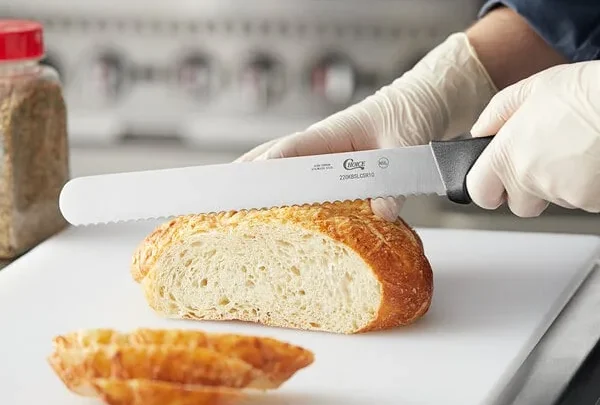
First, if your bagel is taller than the safety guard. Forc ing a 5‑inch bagel under a 4‑inch guard is dangerous. You lose the guard’s protection. Slice that bagel by hand with a bread knief, using the “claw grip” to hold it steady.
Second, if you only need one or two bagels. Setting up, adjusting, and cleaning a slicer for two bagels takes longer than using a knief. For most people, the breakeven point is about four bagels. Below that, a knief is faster and creates fewer dishes.
Third, if your slicer is underpowered. Some 100‑watt electric models stall on dense, frozen bagels. Instead of fighting it, let the bagel thaw for 10 minutes, then slice by hand. You will get cleaner results and less frustration.
For those times when you do want a dedicated machine, our guide to baker‑friendly slicers can help you pic k one that handles bagels without these problems.
Frequently Asked Questions
Can I slice frozen bagels on a bread slicer?
Yes, but do it carefully. Freeze the bag el for 15 minutes, not overnight. A fully frozen bag el can crack or stall the blade.
Thaw it until it is firm but not rock‑hard.
Why does my bagel get squished instead of sliced?
The blade or wire is probably too dull, or the bag el is too soft. Freeze it for 15 minutes. If the problem continues, check the blade sharpness.
Dull blades compress before they cut.
How do I clean a bread slicer after slicing bagels?
Unplug electric models first. Remove the crumb tray and blade guard. Wipe all surfaces with a damp cloth.
Dry thoroughly. For manual slicers, wipe the guide and wire with a dry brus h first.
Can I use an electric meat slicer for bagels?
Not really. Meat slicers have a different blade angle. They are designed for flat, uniform slabs.
Bagels roll on the carrige and produce uneven halves.
What is the best blade thic kness for bagel halves?
Set the slicer to 1/2 inch for standard bag el halves. For thic ker halves (like for sndwiches or double‑toasting), go to 3/4 inch. Thiner than 1/2 inch increases the chanc e of squishing.
How do I prevent seeds from jaming the slicer?
Brus h loose seeds off the bagel before slicing. After every batch, clean the guide and blade area. For electric models, remove the crumb tray and rinse it under warm water.

Similar Posts