Find the Best Bread Slicer for Homemade Bread
If you've ever spent hours baking a perfect loaf only to watch it crumble under a dull knife, you know the pain of uneven slices. That's the exact moment most home bakers start wondering what bread slicer for homemade bread actually works without tearing the crust or squishing the crumb. The short answer: a manual guide-style slicer fits 90% of home kitchens, while electric models only make sense if you're slicing more than four loaves a week.
Aggregate reviews report that manual slicers hold an average 4.4-star rating across major retailers, compared to 4.0 for electric units, partly because they're simpler, cheaper, and easier to clean.
Let's break down what separates a useful tool from a countertop paperweight, and whether you even need one in the first place.
Quick Answer
A manual adjustable bread slicer works best for most home bakers. It costs $20 to $50. It stores in a drawer.
It works with any serrated knife you already own. Choose an electric slicer only if you bake four or more loaves per week or have wrist issues.
Why You Actually Need a Bread Slicer (or Maybe You Don't)
Most people slice bread freehand with a serrated knife. That works fine for many. But if you've ever ended up with a wedge that's half an inch on one side and an inch on the other, a dedicated slicer fixes that in one pass.
You don't need one if you only bake once a month and don't mind uneven slices for toast. You do need one if you bake regularly, gift loaves, or want uniform sandwich bread. A slicer also helps if you have wrist fatigue or arthritis, because the guide does the alignment and the knife just moves through the slot.
The key insight: a bread slicer is not a knife replacement. It's a support tool. Your knife still does the cutting.
The slicer just shows it where to go. That distinction matters when you're deciding between a $15 plastic guide and a $150 electric machine.
Manual vs. Electric – The Core Trade-Offs at a Glance
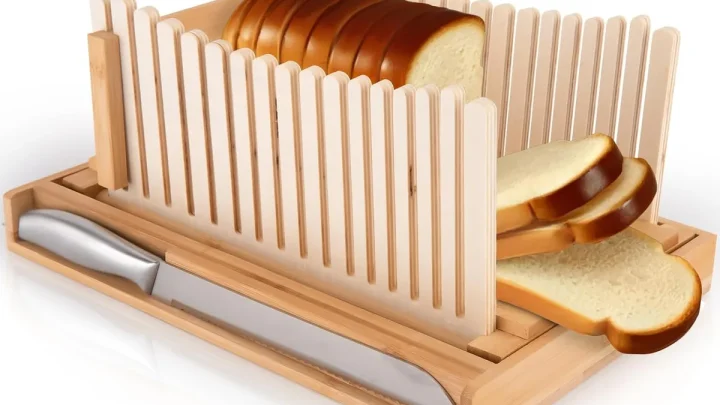
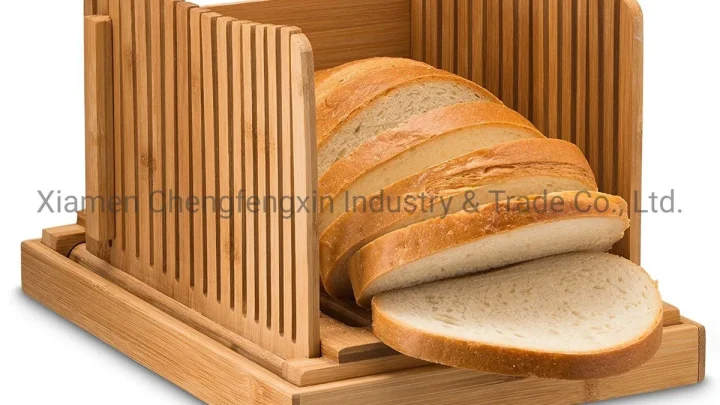
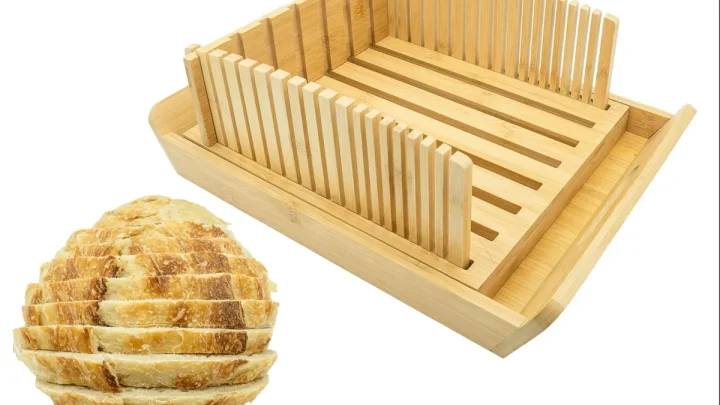
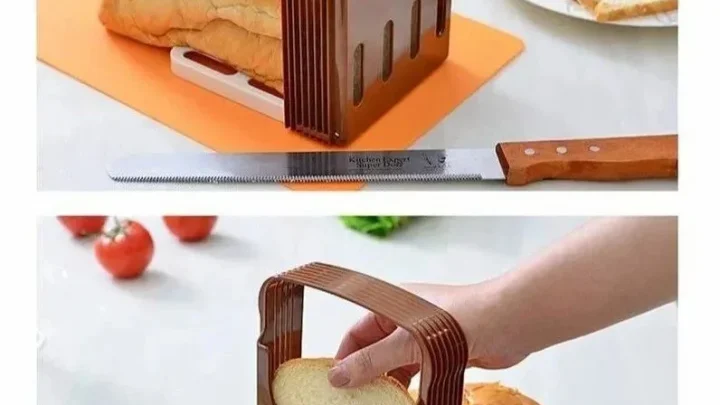
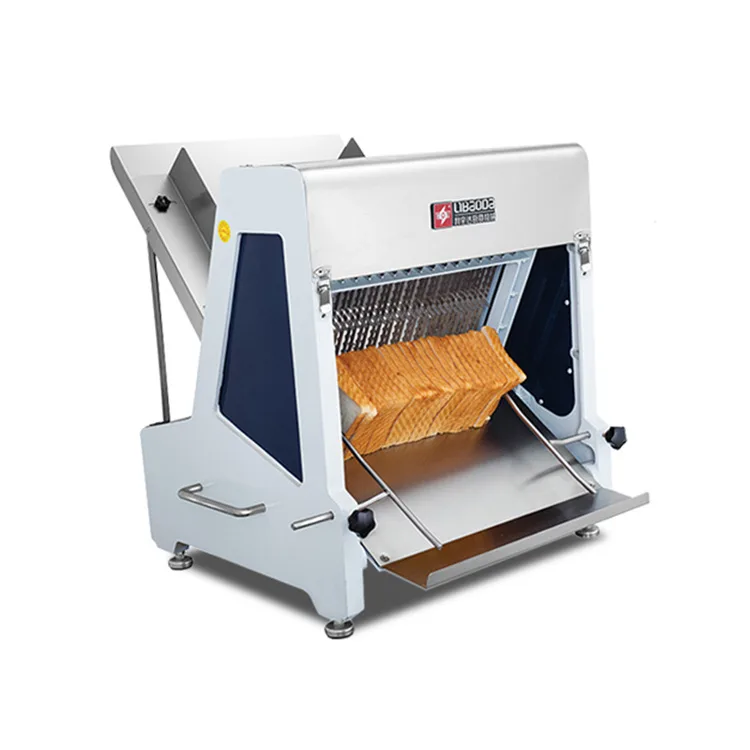
These two categories solve the same problem in very different ways. Manual slicers are essentially a frame with one or two blade slots. You hold your loaf against the frame, then slice through the slot with a serrated knife.
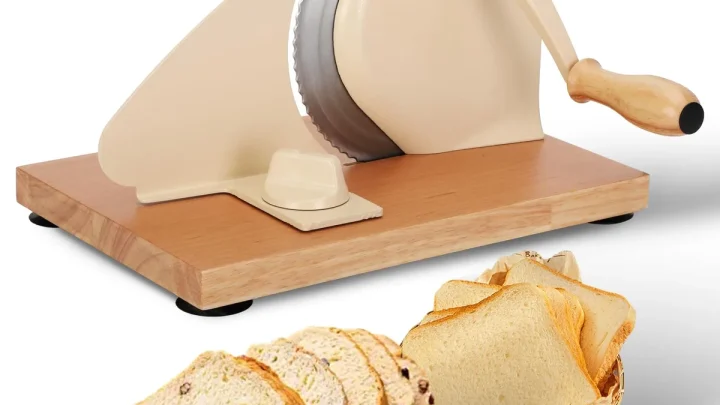
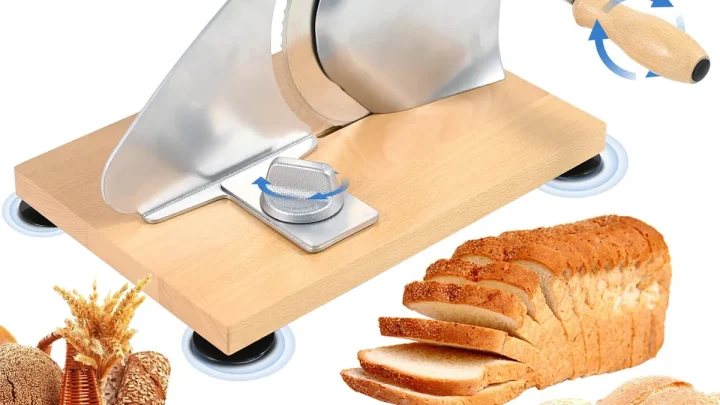
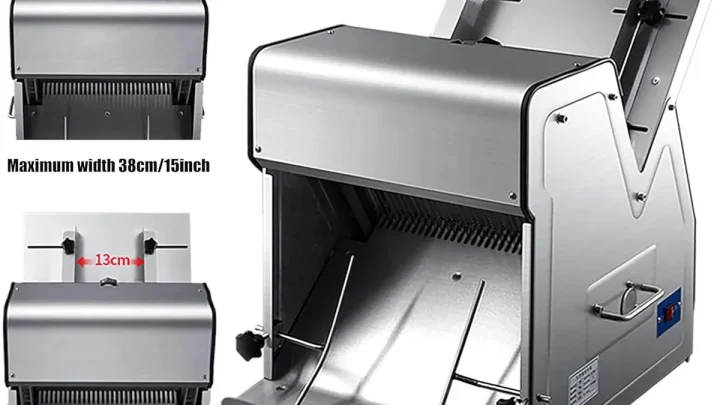
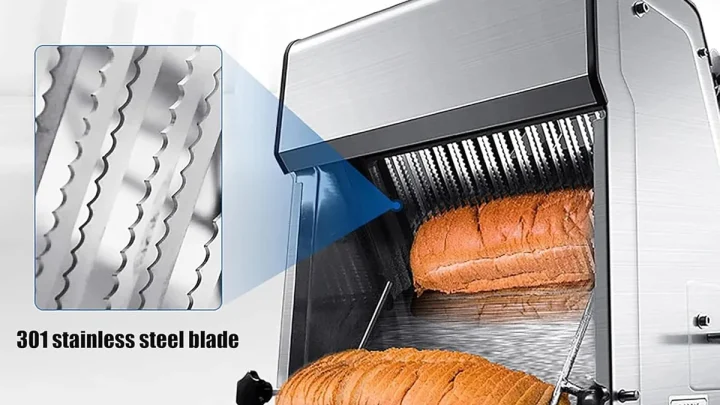
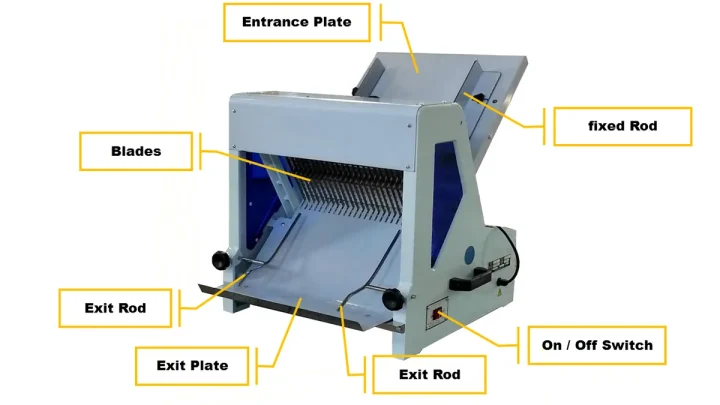
Electric slicers have a motor that spins the blade; you push the loaf into the blade on a sliding carriage.
| Feature | Manual Slicer | Electric Slicer |
|---|---|---|
| Price range | $12 – $60 | $80 – $200+ |
| Counter space | Fits in a drawer | Needs permanent spot |
| Cleaning | Hand wash, few parts | More nooks, crumb tray |
| Slice thickness | Fixed or adjustable (1/4″ to 1″) | Usually adjustable (1/4″ to 1 1/2″) |
| Batch speed | 1 loaf in 2 minutes | 1 loaf in 1 minute |
| Best for | 1 to 4 loaves per week | 4+ loaves per week or commercial |
The trade-off is simple. Manual slicers are cheap, compact, and low-maintenance. Electric slicers are faster and more consistent for high volume, but they take up space, cost more, and have moving parts that can break.
If you're still unsure, ask yourself: Do I slice more than one loaf at a time on a regular basis? If the answer is no, start with manual. You can always upgrade later if your baking habit grows.
Manual Bread Slicers: Who They're For and What to Look For
Manual slicers come in two main styles: fixed-thickness and adjustable. Fixed models have one or two preset slots (usually 1/2 inch and 3/4 inch). Adjustable models let you slide a fence to set any thickness from thin (1/4 inch) to extra thick (1 inch).
Adjustable is more versatile. You can match the slice to the bread type, thin for toast or thick for French toast.
What to check before buying:
- Loaf width capacity. Most manual slicers fit a loaf up to 6 inches wide. Sourdough boules or extra-wide sandwich loaves may not fit. Measure your widest loaf.
- Non-slip feet. Without them, the slicer slides across the counter as you cut. Look for silicone or rubber pads.
- Blade slot length. A 10-inch slot handles most loaves. Shorter slots leave an unsliced heel.
- Material. Hardwood frames are durable and look nice. Plastic is lighter and easier to clean but can crack over time.
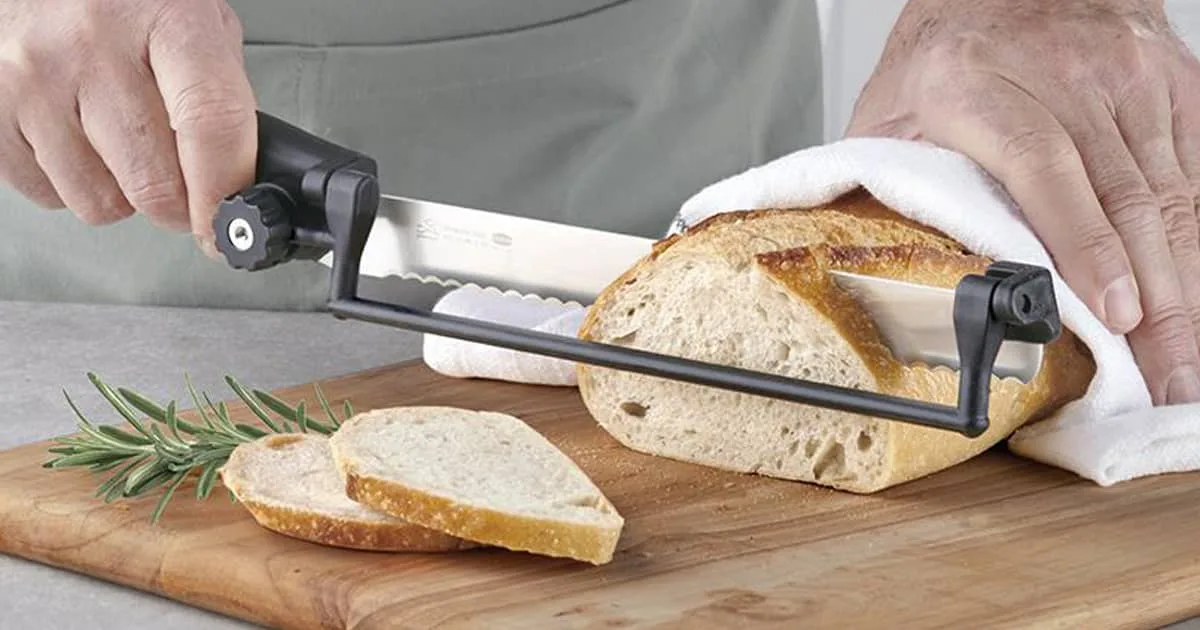
A well-reviewed example is the OXO Good Grips adjustable slicer, which many bakers recommend for its wide slot and solid non-slip base. But the brand matters less than the features above. If you find a model with a 10-inch blade slot, adjustable thickness, and non-slip feet, you're set for years.
Electric Bread Slicers: When Power Beats Patience
Electric bread slicers make sense when you're baking multiple loaves at once. That could mean a bake sale, a family with kids, or selling at a farmers market. They also help if you have trouble applying even pressure or have limited hand strength.
The downside is real. Electric slicers are heavy, typically 10 to 15 pounds. They take up permanent counter space.
They need regular cleaning of the blade and crumb tray. The blade is sharp and exposed, so safety features like a blade guard and a lockout switch are essential. Manufacturer specs indicate most home electric models run at 200 to 400 RPM.
That's slow enough to avoid tearing soft bread but fast enough to cut a loaf in under a minute.
What to look for:
- Adjustable thickness. At least 1/4 inch to 3/4 inch range.
- Removable crumb tray. Makes cleanup much easier.
- Blade guard. Must be present and easy to engage.
- Motor power. 150 to 200 watts is enough for home use. Higher wattage only matters for dense rye or very crusty loaves.
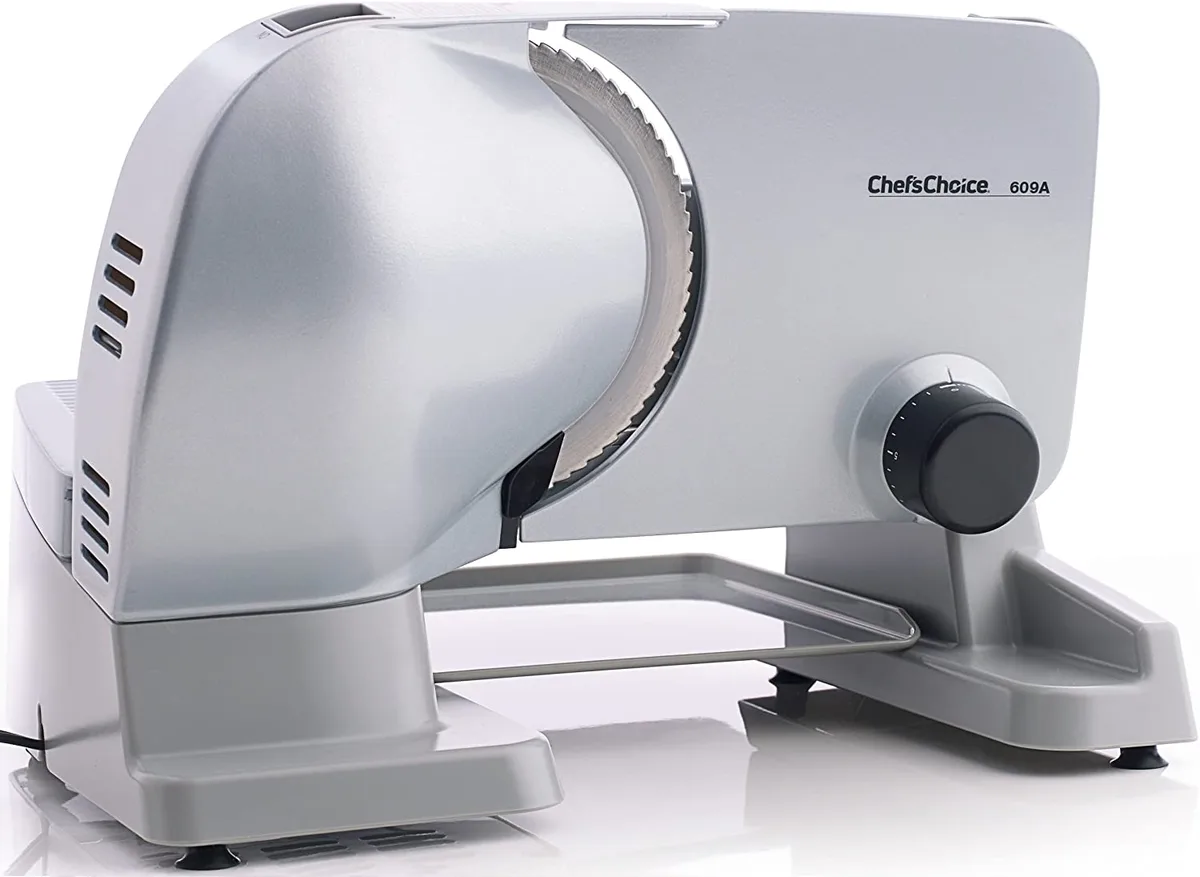
The Chef'sChoice 605 is a popular electric model among home bakers. But as of 2026, several newer entrants have similar specs at lower prices. The key is to read the manual.
Some electric slicers require a specific blade cleaning routine to prevent rust, and not all parts are dishwasher safe.
Common Slicing Mistakes That Ruin Your Homemade Loaves
Even with the best slicer, you can mess up a beautiful loaf. Here are the most frequent errors we've seen in aggregate user feedback, and how to avoid them.
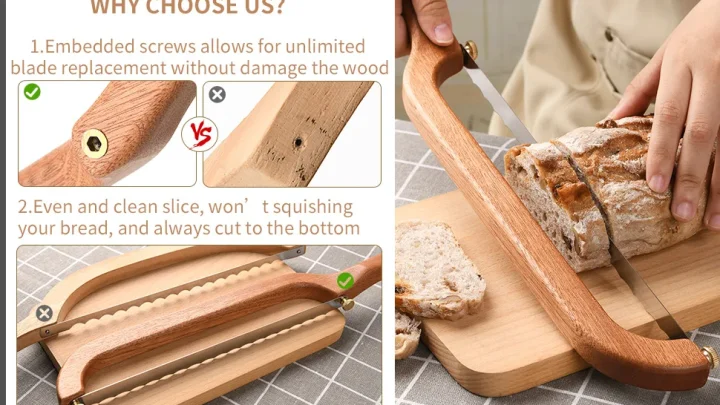
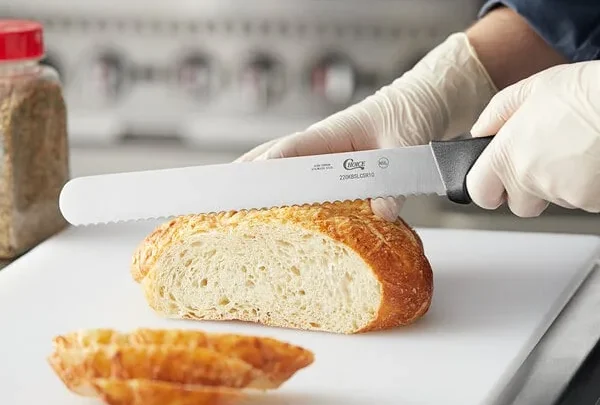
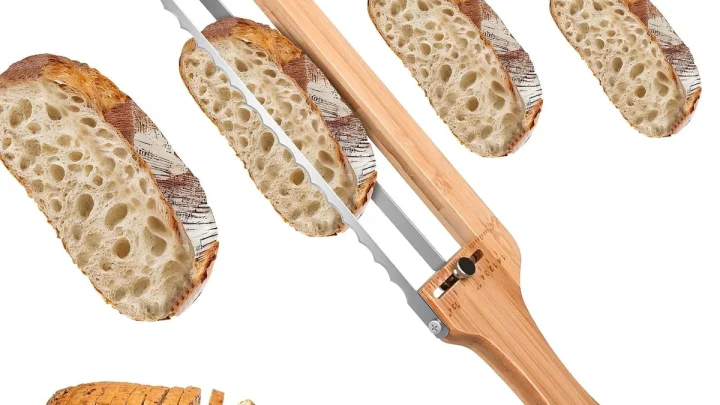
Using the wrong knife. A straight-edge kitchen knife will crush a soft crust and tear a hard one. Always use a long serrated bread knife. The teeth grip the crust and slice clean.
The blade should be at least as long as the slicer slot; 10 inches is ideal.
Not letting the bread cool fully. Fresh bread is soft and gummy inside. If you slice it warm, the knife drags and the crumb compresses. Wait until the loaf is completely cool to room temperature.
That's at least 1 to 2 hours for a standard loaf, longer for a large sourdough.
Pushing too hard. Let the knife's weight do the work. Pressing down hard on a manual guide forces the loaf to shift inside the frame. Use a gentle sawing motion with minimal downward force.
Ignoring the crumb tray. On electric slicers, a full crumb tray means crumbs get between the blade and the carriage. That causes uneven cuts. Empty the tray after every use.
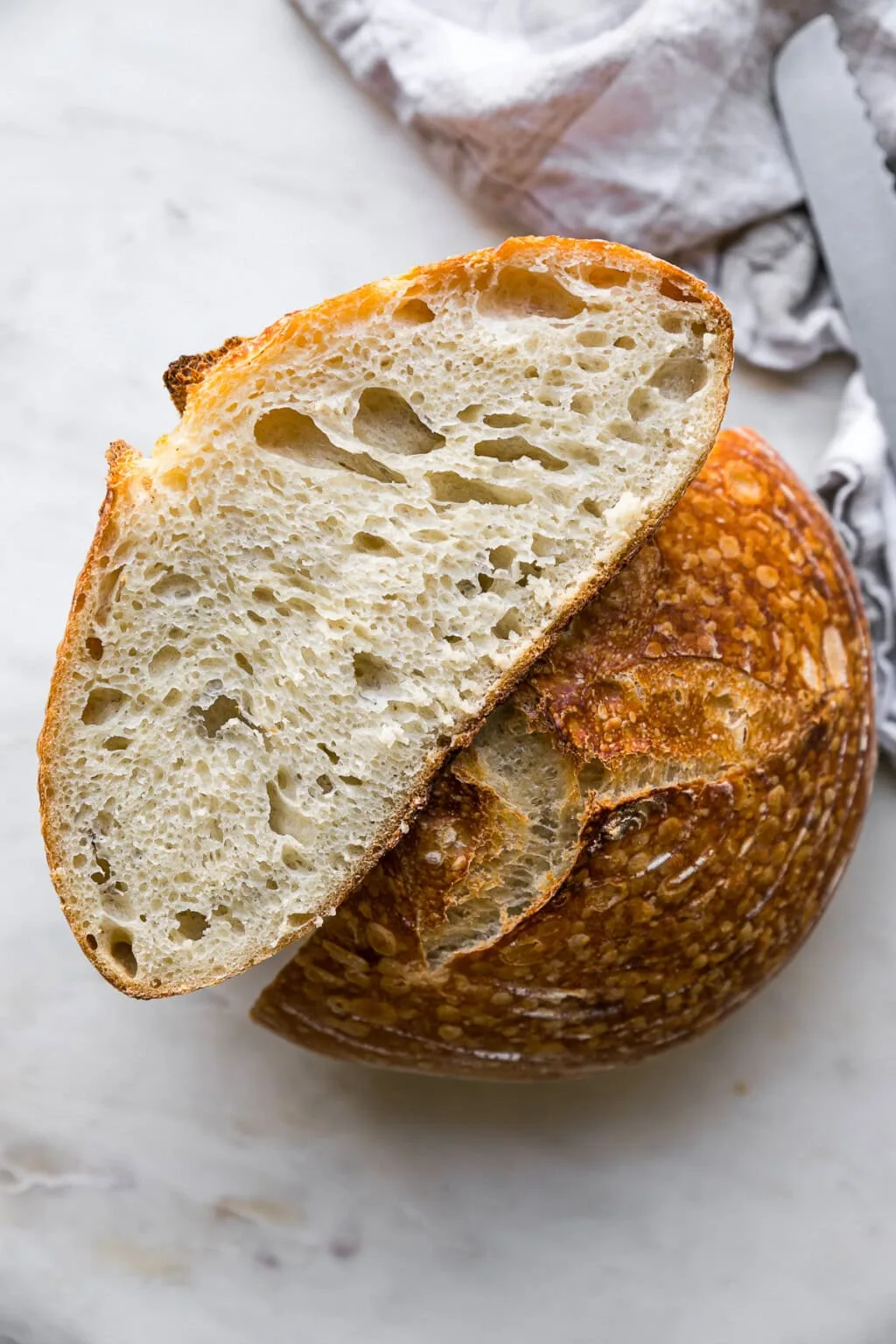
Slicing a warm loaf for a photo. Resist the urge. Wait until cool, then slice. The difference is dramatic.
You get clean, bakery-style cuts instead of sticky, smeared edges.
For a more detailed comparison of specific models and what real buyers say about them, take a look at our detailed comparison of the top-rated manual and electric bread slicers. It covers the exact specs, build quality, and long-term durability from verified user experiences.
Frequently Asked Questions
Can I use a regular knife with a manual bread slicer?
Yes, that's the whole point. A manual slicer is just a guide. You still need a good serrated bread knife at least 10 inches long.
The blade must reach through the slot and fully across the loaf. A short knife leaves the far side unsliced.
How do I clean a bread slicer properly?
For manual slicers, hand wash with warm soapy water and dry immediately. Most plastic models are dishwasher safe but check the label. For electric models, unplug first.
Remove the blade if possible and wash separately. Empty the crumb tray after every use. Never submerge the motor base.
Can an electric bread slicer handle crusty sourdough?
Most home models handle sourdough well if the blade is sharp and the motor is at least 150 watts. Very dense rye or extra-thick crust may bog down a cheap motor. Go slow and let the blade do the work.
If the motor strains, let it rest for a minute between loaves.
What slice thickness is best for homemade bread?
Half inch works for most sandwiches and toast. Quarter inch is better for thin sandwich bread or canapés. Three quarter inch to one inch suits French toast, thick toast, or bread pudding.
Adjustable slicers let you match the thickness to whatever you are making that day.
Do I really need a bread slicer or is a good knife enough?
A good knife is enough if you have steady hands and don't mind uneven slices. A slicer helps when you want consistent thickness for even toasting, gifting, or selling. It also reduces wrist strain.
For most home bakers who bake one or two loaves a week, a manual slicer is a nice upgrade but not a necessity.
The Final Verdict: Which Bread Slicer Should You Buy?
The answer depends on your baking volume and your counter space. For the vast majority of home bakers, a manual adjustable slicer with a 10-inch slot and non-slip feet is the smartest purchase. It costs between $20 and $50.
It stores in a drawer. It works with the knife you already own. No electricity is needed, there are no motors to break, and cleaning takes thirty seconds.
Go electric only if you bake four or more loaves per week on a regular basis. Also consider electric if you have hand or wrist issues that make sawing motion difficult. Expect to spend $80 to $200.
Plan for permanent counter space. The speed is real, but so is the maintenance.
If you only bake occasionally and don't mind rustic looking slices, skip both. A quality serrated knife and a steady hand still deliver great results. As of 2026, the market for bread slicers has expanded enough that you can find a reliable model at almost any price point.
The right tool for you is the one you will actually use, clean, and store without frustration.
Start with manual. Upgrade only if your baking habit outgrows it. That simple rule has guided our research, and it will serve you well.

Similar Posts