Pick the Perfect Proofing Basket for Artisan Bread
Trying to decide what proofing basket for artisan bread actually belongs in your kitchen can feel surprisingly complicated. Round or oval, cane or wood pulp, lined or unlined, it is a lot of choices before you have even mixed your dough. The truth is simpler than it looks once you understand what the basket is really doing for your dough.
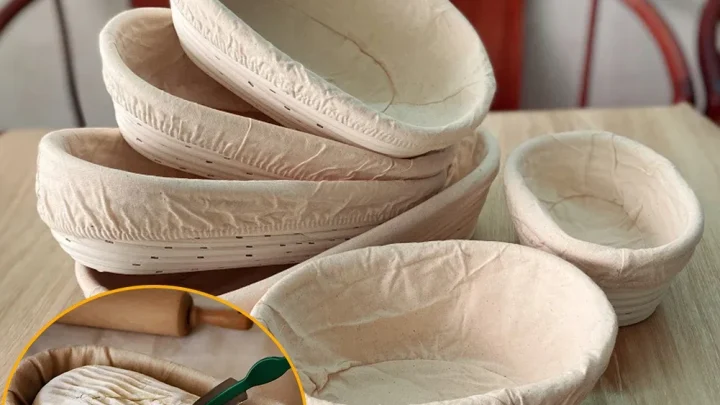
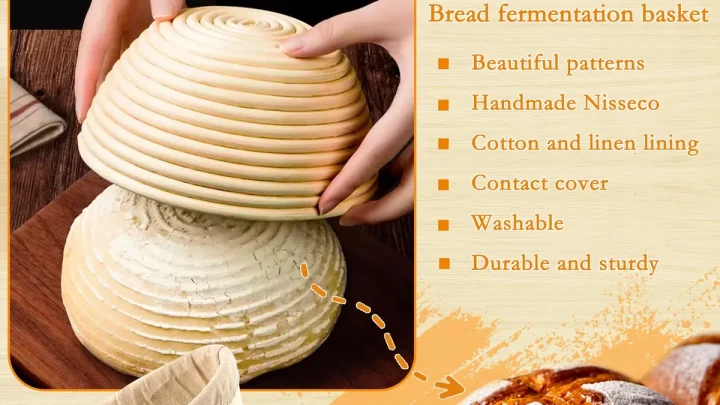
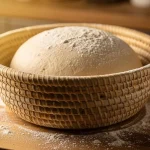
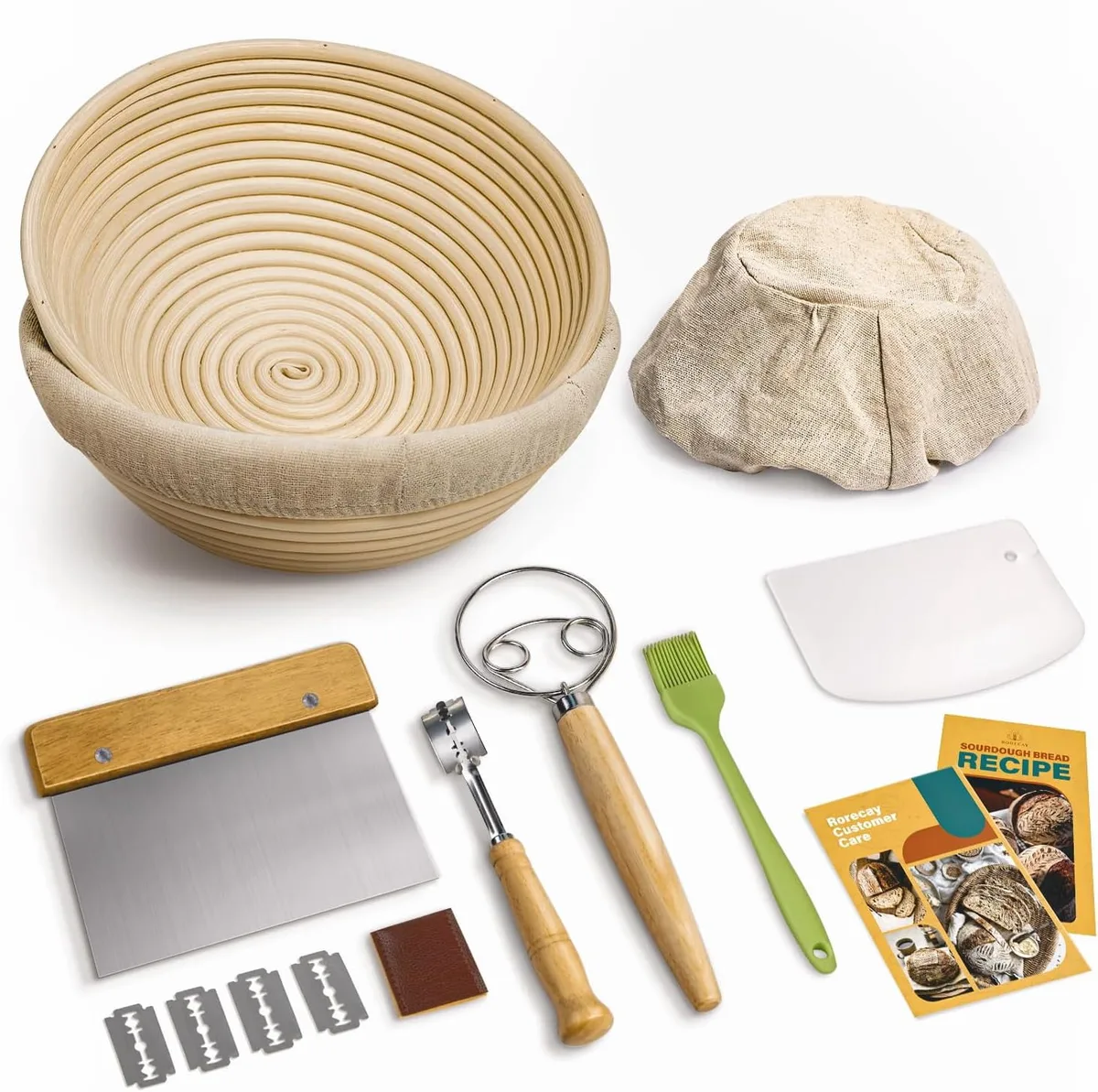
A banneton, also called a proofing basket or brotform, is a breathable container that supports dough during its final rise. Most standard baskets range from 8 to 10 inches across and handle dough batches between 500 grams and 1 kilogram. As of 2026, the classic choice among home bakers remains a 9-inch cane basket with a removable linen liner.
Once you know your dough's hydration and your intended loaf shape, the right basket picks itself.
Why the Right Proofing Basket Actually Matters
A good proofing basket does more than hold dough. It pulls surface moisture away from the dough's skin. That drier skin is easier to score and less likely to tear when you flip it onto the peel.
A basket also gives slack, high-hydration dough a stable wall to lean against during the final proof.
When dough hydrations climb to 75 percent or above, it spreads sideways in a plain bowl. The basket's curved sides train the dough upward, so it holds its shape and bakes taller in the oven. Material matters too.
Cane wicks moisture better than a slick metal or plastic bowl. That means when you turn the dough out, it releases cleanly and keeps the flour pattern on the crust.
Here is the shift in thinking that matters: the basket is not a storage container. Treat it like a shaping tool. Skip the right one and you compensate with harder shaping, extra flour, or a flat loaf.
Use the right one and the dough does the work.
Quick Answer: The Short Version
For most home bakers, a 9-inch unlined cane banneton is the best starting point. It holds 750g to 1kg of dough. It breathes well and keeps sticky dough stable.
Buy a separate linen liner if you prefer smooth flour-free crusts. Dust with rice flour, not wheat flour, to prevent sticking.
| If you bake… | Best shape | Best material | Starting size |
|---|---|---|---|
| Round sourdough boules | Round | Cane | 9-inch |
| Long sandwich-style loaves | Oval | Cane or wood pulp | 12-inch |
| High-hydration wet dough | Round | Cane with liner | 9 to 10-inch |
| Budget-friendly occasional loaves | Round | Wood pulp | 9-inch |
Cane vs. Wood-Pulp vs. Seagrass: Which Material Wins?
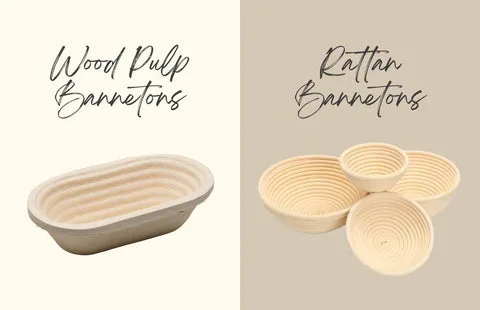
The material determines how much moisture the basket pulls from the dough and how long it lasts. Each one behaves differently with a wet dough.
Cane / Rattan Bannetons
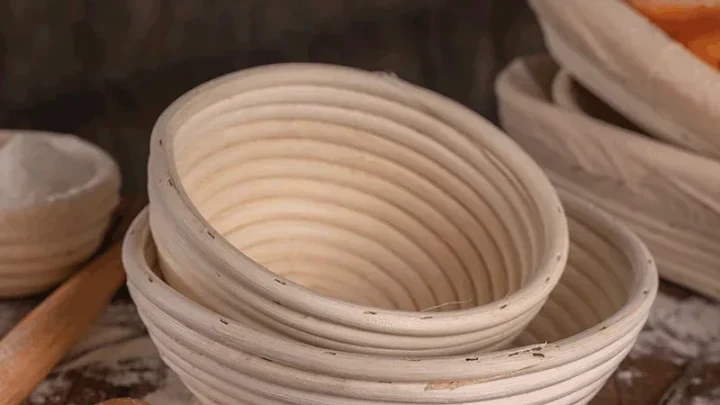
Cane is the traditional choice. It is spiraled rattan that breathes well, absorbs moisture, and stays strong for years if you treat it right. Unlined cane also leaves the classic spiral pattern on the crust.
If your dough is wet and sticky, cane earns its keep.
Research on dough behavior from the Washington State University Bread Lab confirms that hydration levels above 75 percent need a supportive proofing surface, not a plain bowl. Manufacturer specs show unlined cane baskets typically come in 8, 9, and 10-inch rounds, with oval versions around 12 inches long. The tradeoff is cost.
Expect to pay between $20 and $40 depending on size and brand.
Wood-Pulp Baskets
Wood-pulp bannetons are pressed from paper pulp, the same material used for egg cartons. They are lightweight, cheap, and less intimidating for beginners. They absorb moisture reasonably well, especially with a liner.
The downside is durability. They stain faster, wear out quicker, and do not create the same crisp spiral mark on your loaf.
A wood-pulp basket costs roughly $10 to $16. If you are testing whether a banneton is worth the counter space, it is a fine low-risk entry point. Just know you may replace it sooner than a cane basket.
Seagrass Baskets
Seagrass bannetons are less common. They are coarse, rustic, and strong, but the fibers trap flour and moisture, which makes cleaning a hassle. Seagrass works well for medium-hydration doughs in dry kitchens.
In humid climates, it is more prone to mold if you skip the drying step.
Which One Should You Pick?
- Use cane if you bake high-hydration sourdough and want a decorative crust.
- Use wood pulp if you want a cheap, functional basket for occasional baking.
- Use seagrass only if you live in a dry climate and like the rustic look.
Cane is the best long-term investment. Wood pulp is the smart budget compromise. Seagrass is for enthusiasts who are willing to maintain it.
Lined vs. Unlined: The Liner Question
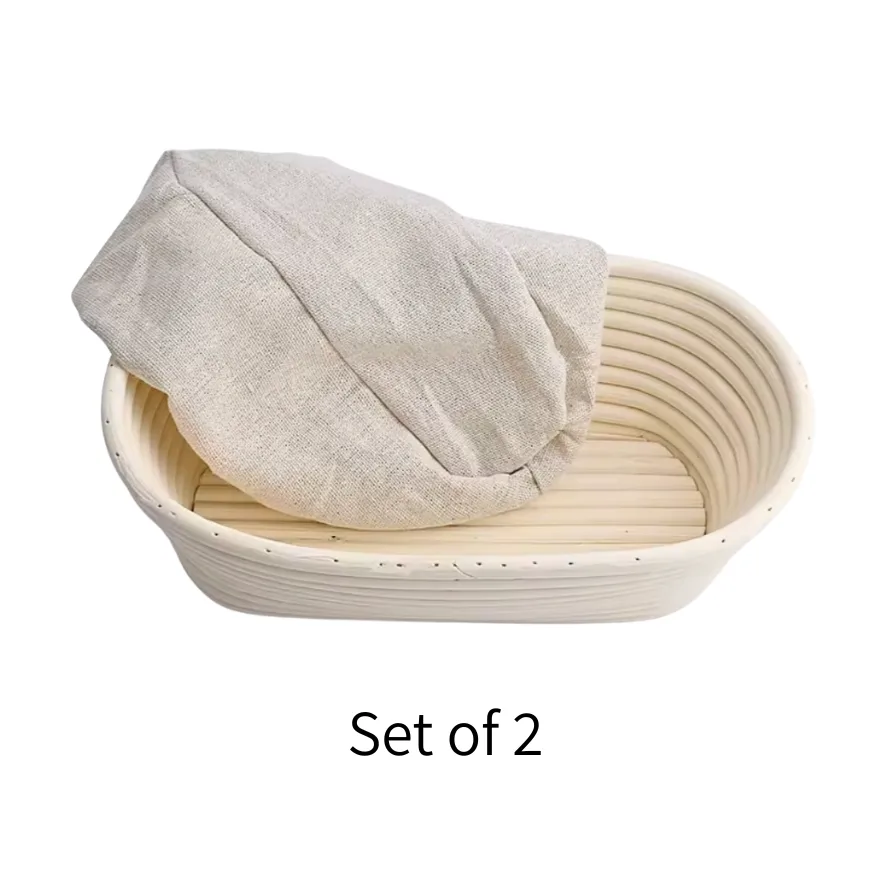
Some bannetons come with a cloth liner. Others use raw cane. This choice changes your crust and your cleanup.
Unlined cane leaves beautiful spiral rings on the outside of the loaf. Those rings are decorative, but they scream artisan. The catch is that raw cane grabs dough.
You need a generous dusting of rice flour. Even then, high-hydration dough can stick.
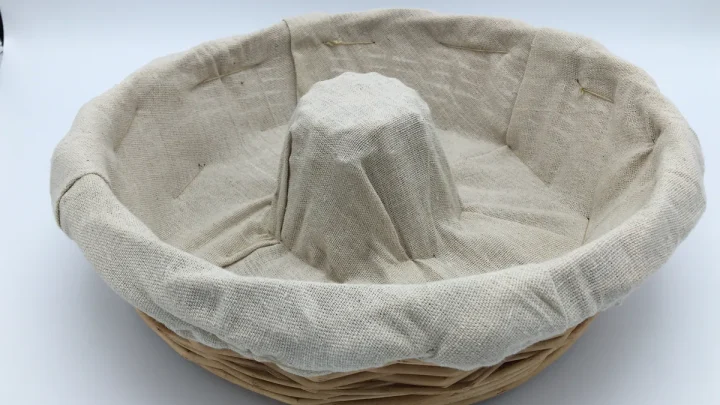
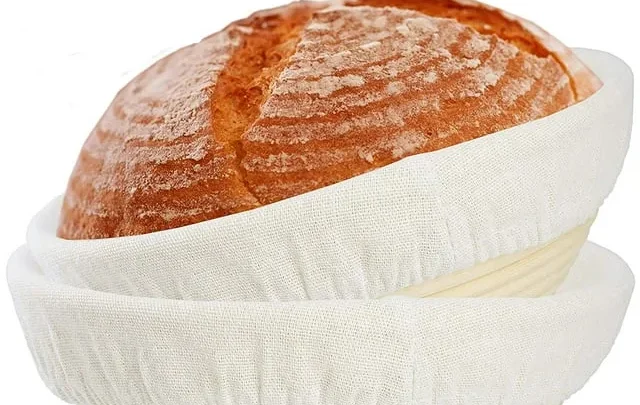
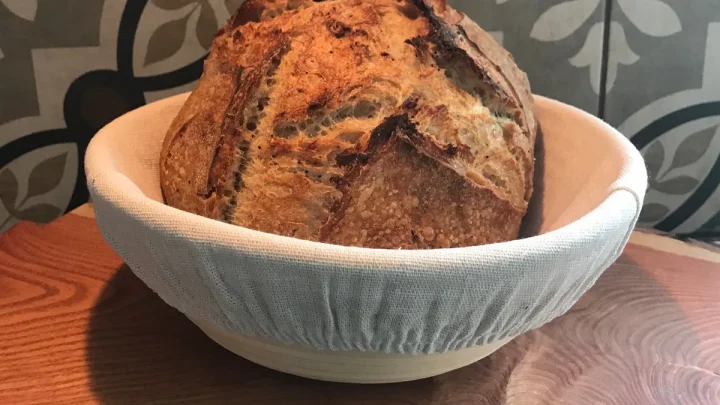
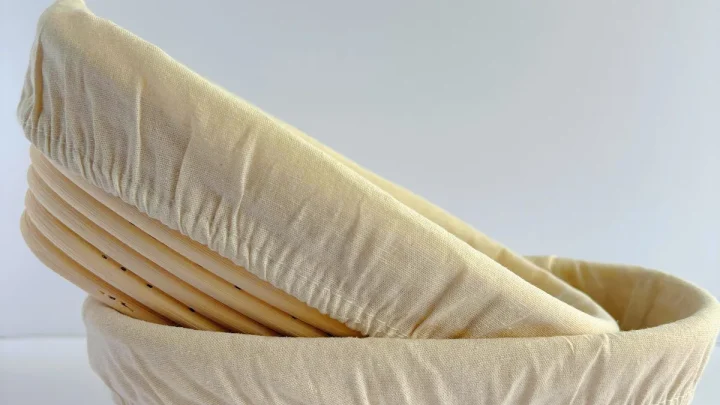
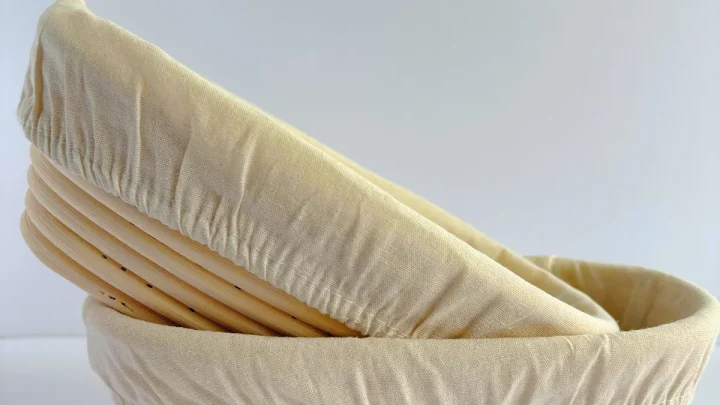
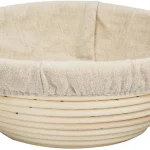
A lined banneton, usually fitted with linen or cotton, makes life easier. The cloth sits between the dough and the cane. It soaks up moisture and gives the loaf a smooth, unmarked crust.
Lined baskets release more cleanly, which is a real advantage for beginners. The liner is removable. You can pull it out, brush off the flour, and machine-wash it gently.
The basket itself never touches water. The King Arthur Baking Company also recommends brushing out excess flour after each use and air-drying the basket completely.
So which one? If you want the classic spiral pattern, choose unlined. If you prefer reliability and smooth crusts, choose lined.
Many bakers buy one of each. Use the lined basket for sticky high-hydration dough and the unlined one for medium-hydration rye or whole wheat loaves.
Even lined bannetons need rice flour. Cloth liners help, but they are not a substitute for proper dusting.
Round vs. Oval: Match the Basket to the Loaf
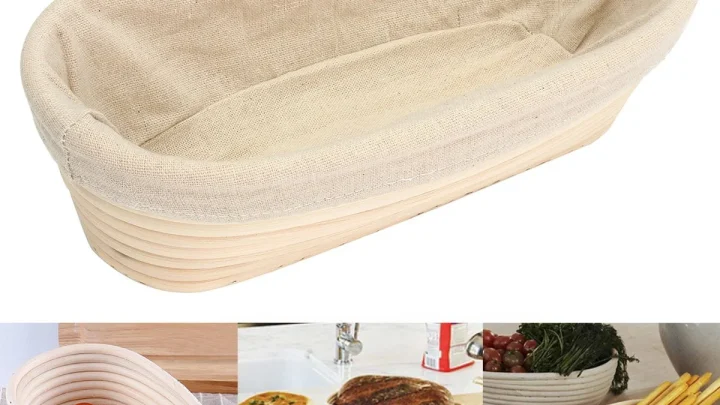
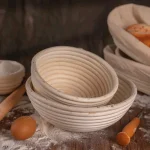
The shape should match the loaf you actually bake, not the one you plan to bake. Round baskets, called boule baskets, are for round loaves. Oval baskets, called batard baskets, are for longer loaves that become sandwich-style bread or rustic slippers.
Round Bannetons
A 9-inch round banneton is the most common size in home kitchens. It holds about 750g to 1kg of dough, which works for a standard sourdough loaf baked in a Dutch oven. An 8-inch basket handles 500g to 600g.
A 10-inch basket handles 1kg to 1.2kg.
Oval Bannetons
Oval baskets are measured by length. A 12-inch oval is the standard batard size and handles roughly 1kg to 1.2kg. The long shape gives you a loaf that fits on a baking stone or inside a long baker without wasted space.
If your dough outgrows its basket, you get a flat, wide loaf. Most banneton sizing in the US and European markets follows these batch sizes, so read the listing before you buy.
What Do Your Recipes Say?
If a recipe gives you the final dough weight, use it to choose. A 750g loaf needs a 9-inch round or a 10-inch oval. A 1kg loaf needs a 10-inch round or a 12-inch oval.
Bake one loaf at a time? Start with a 9-inch round and add an oval later.
Pros and Cons: Cost, Care, and Lifespan
Bannetons are not expensive, but they are not disposable either. A good cane basket should last years. A cheap wood-pulp basket may last a year or two with steady use.
| Material | Typical price | Lifespan | Mold risk | Best for |
|---|---|---|---|---|
| Cane / rattan | $20-$40 | 3-5+ years | Low if dried properly | Daily sourdough bakers |
| Wood pulp | $10-$16 | 1-2 years | Moderate | Beginners and occasional bakers |
| Seagrass | $15-$25 | 2-3 years | Higher | Dry climates and rustic loaves |
The real cost is care. Never submerge a banneton in water. The wood fibers swell, warp, and crack.
Instead, brush out loose flour after each use. If dough is stuck, scrape it gently with a dry brush or plastic scraper. Let the basket dry completely on a rack before storing it in a cabinet.
Mold is the only true enemy. In humid kitchens, air-drying is non-negotiable. Some bakers store their baskets in a warm oven with the pilot light on.
Others use a sunny windowsill overnight. The goal is the same: fully dry fibers that will not host mold.
Step-by-Step: How to Season and Use a New Banneton
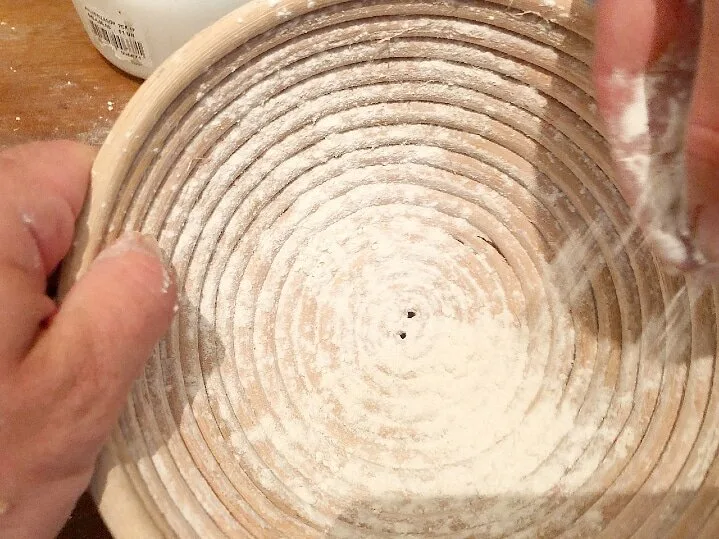
New bannetons are not ready out of the box. Cane baskets may have loose fibers or a factory smell. Seasoning sets the surface and improves release.
It takes five minutes.
1. Season the Basket
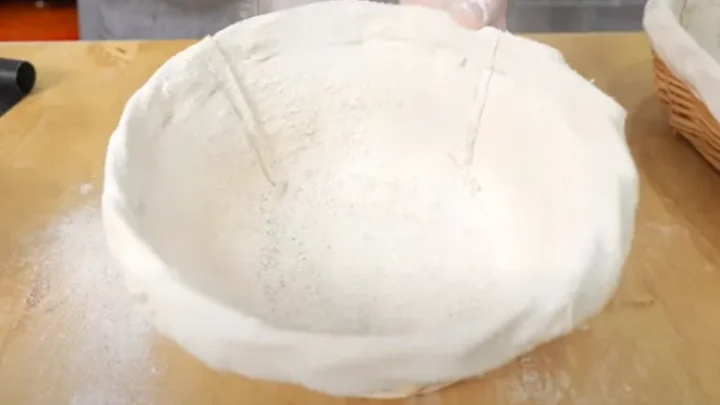
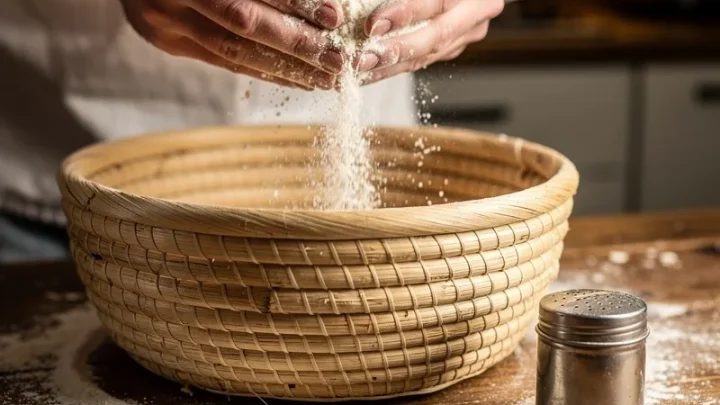
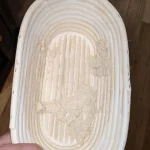
Mist the inside of the basket lightly with water. Not enough to soak it, just a fine spray. Then dust the whole inside with rice flour, working it into the crevices with your fingers.
Let it dry completely for a few hours. That flour layer seals the fibers and makes the surface smoother.
2. Use the Right Flour
Rice flour is the standard. It does not absorb into the dough the way wheat flour does. Use a 50/50 mix of rice flour and all-purpose flour if you want a bit more grip.
For high-hydration dough, go heavier on the rice flour. A 75/25 rice-to-wheat blend works well.
3. Shape and Place the Dough
Shape your loaf as normal. Place it seam-side up in the basket. The smooth side of the dough faces down, and the seam sits on top.
That way, when you flip it out, the seam becomes the bottom of the loaf.
4. Proof at the Right Temp
Room-temperature proofing goes for 2 to 4 hours, depending on your dough strength. Cold proofing in the fridge goes for 8 to 16 hours. Both work in a banneton.
Cold proofing has the bonus of making the dough firmer and easier to score.
5. Turn Out and Score
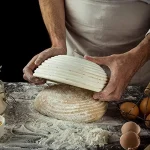
Flip the basket upside down onto parchment paper or a peel. The dough should drop out cleanly if you dusted well. If it sticks, gently coax the edges with your fingers.
Do not pull. Score the dough immediately and bake it.
Cleaning Between Uses
After each bake, brush out the excess flour. If the liner is removable, take it out and wash it in the machine. Air-dry everything fully before stacking or storing.
Mistakes to Avoid: What New Bakers Get Wrong
Every new baker makes at least one of these errors. Some are harmless. Others ruin a good loaf or wreck the basket.
Using Too Much Flour
A heavy flour layer creates thick, chalky streaks on the crust. It also clogs the basket fibers. A light, even dusting or a thin rice flour coating is enough.
Buying a Basket Too Small
A 500g dough in a 6-inch basket will overflow during the final proof. The dough flattens and sticks to whatever cover you use. Match the basket to your recipe weight before you buy.
Forgetting to Season a New Basket
Unseasoned cane is rough and dry. It grabs dough aggressively. Seasoning is not optional when you bake sticky, high-hydration dough.
Washing the Basket
Water destroys bannetons. It warps the wood, loosens the spiral coils, and invites mold. Use a brush, not a faucet.
Storing While Damp
Even a slightly damp basket can grow mold within days. Dry it fully, even if it means leaving it out overnight.
Ignoring the Liner
The liner is part of the system. Use it for wet dough. Skip it when you want a spiral mark.
Just do not mix it up mid-proof.
Quick FAQ: Banneton Questions Worth Answering
Do I really need a proofing basket?
No, but it makes a big difference. A mixing bowl and a floured tea towel can work for medium-hydration dough. For sticky, high-hydration sourdough, a banneton gives you better support, a drier skin, and a taller loaf.
It is the tool that removes the guesswork.
Can I use a mixing bowl and a tea towel instead?
Yes, in a pinch. Line a bowl with a clean, lint-free linen or cotton towel. Dust it heavily with rice flour and shape the dough seam-side up.
The results are decent. The downsides are fewer air channels and a less stable shape. For beginners, a banneton is a worthwhile upgrade.
Should I get an 8", 9", or 10" basket?
Match it to your dough weight. An 8-inch basket holds about 500g to 600g. A 9-inch holds 750g to 1kg.
A 10-inch holds 1kg to 1.2kg. If you usually bake a single loaf in a Dutch oven, a 9-inch round is the sweet spot.
Why does my dough always stick to the cane?
You need more dusting flour, and rice flour specifically. Wheat flour absorbs into the dough and glues it to the cane. Rice flour leaves a dry barrier.
Also check that your basket is properly seasoned before first use.
How do I clean a proofing basket without destroying it?
Brush out the flour after each use. For stubborn bits, use a dry plastic scraper. Leave it out to air-dry completely.
If you have a liner, wash it separately. Never submerge the basket itself in water. In humid climates, store baskets in a cool, dry spot with airflow.
Final Verdict: Which Basket Should You Buy?
The right basket comes down to your dough, your loaf shape, and your budget. There is no single perfect banneton for every baker.
If you bake high-hydration sourdough every week, get a 9-inch unlined cane round basket. It lasts for years and gives you that beautiful spiral crust. If you bake long sandwich loaves, add a 12-inch oval cane basket later.
If you are new to all this and want to keep costs low, a 9-inch wood-pulp basket is a fine start. It works for 750g to 1kg of dough and costs about $12. Upgrade to cane when you are sure the hobby is sticking.
If you hate cleaning stuff, go with a lined banneton. The liner pops out and goes in the wash. The basket stays dry and clean.
That tradeoff is worth it for many home bakers.
A simple buying rule: match the basket to the bread you bake most, not the one you plan to bake someday. Start with one good basket. Learn how it handles your dough.
Add a second shape or material later. That is how real bakers build their setup, one loaf at a time.

Similar Posts