Best Bread Maker Size for the Perfect Loaf of Banana Bread
Many home bakers struggle with dense, undercooked centers or burnt crusts when making quick breads. Determining what size bread maker for banana bread is the most important step in ensuring your recipe behaves correctly during the baking cycle.
Manufacturer specifications indicate that while these machines are rated by loaf weight, those metrics apply to yeast-based doughs rather than dense batters. As of 2026, most standard banana bread recipes are designed for a medium-capacity machine to ensure the heating element can penetrate the thick crumb.
Quick Answer
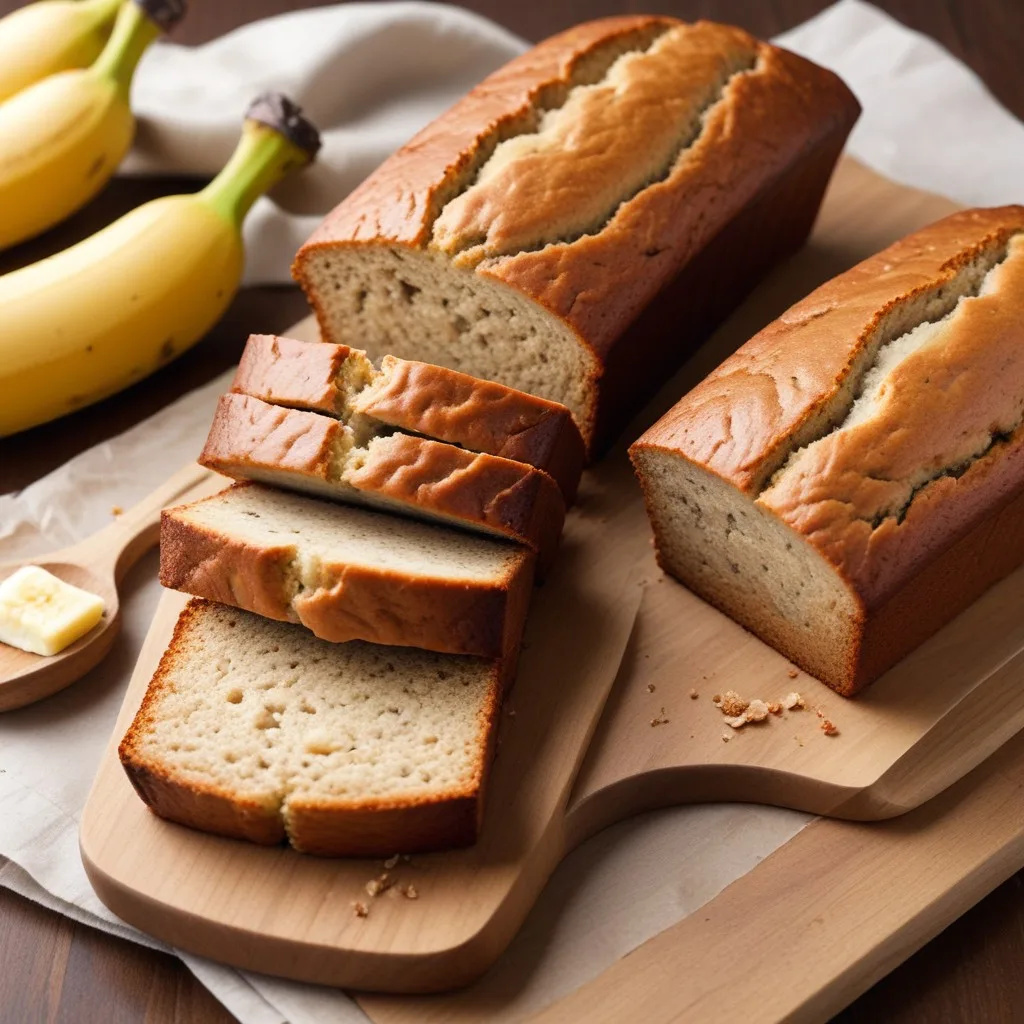
A 1.5 lb bread maker is the best size for banana bread. This capacity fits standard recipes using two to three bananas. The pan dimensions provide ideal heat distribution for dense batters.
It prevents the gummy centers common in larger 2 lb machines.
The Banana Bread Dilemma: Why Machine Size Changes Everything
Banana bread is a quick bread, meaning it relies on chemical leaveners like baking powder or baking soda rather than biological yeast. In our research, we found that this fundamental difference in chemistry makes machine size a critical variable. Yeast doughs are elastic and filled with air, allowing them to expand and fill almost any container shape.
Quick bread batter is heavy, viscous, and relatively stagnant. If the bread maker is too large, the batter spreads too thin across the bottom of the pan. This causes the edges to crisp and burn before the middle has even begun to set.
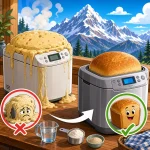
Conversely, a machine that is too small for your batter volume can lead to a messy kitchen situation where the batter spills over the heating elements.
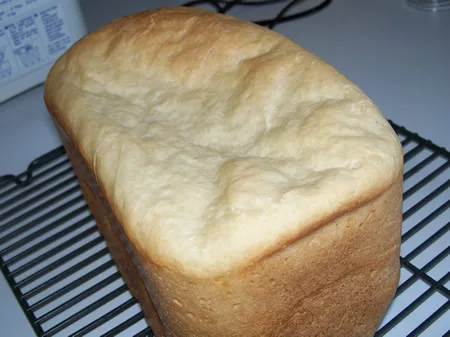
Choosing the right size ensures that the loaf has the proper height-to-width ratio. This ratio is what allows the heat from the baking chamber to reach the very center of the loaf. Without that balance, you end up with a "volcano" effect where the outside is a brick and the inside is raw batter.
Quick Answer: The "Goldilocks" Size for Most Bakers
For the vast majority of households, the 1.5 lb bread maker is the "Goldilocks" choice for banana bread. It is large enough to handle a standard recipe that calls for two cups of flour and three medium bananas. Most pre-packaged quick bread mixes found in grocery stores are also calibrated for this specific volume.
If you choose a 1 lb machine, you will likely need to scale down your favorite recipes to avoid overflow. A 2 lb machine, while great for large families, often leaves banana bread looking like a flat, overcooked pancake. The 1.5 lb model provides the most consistent internal crumb structure because the heat doesn't have to travel as far to reach the core of the loaf.
Understanding Bread Maker Ratings vs. Quick Bread Reality
When you see a "2 lb" label on a bread maker box, that rating refers to the total weight of a finished yeast loaf. However, a 2 lb yeast loaf takes up significantly more space than 2 lbs of banana bread batter. The density of fruit-based breads means they occupy less volume for the same amount of weight.
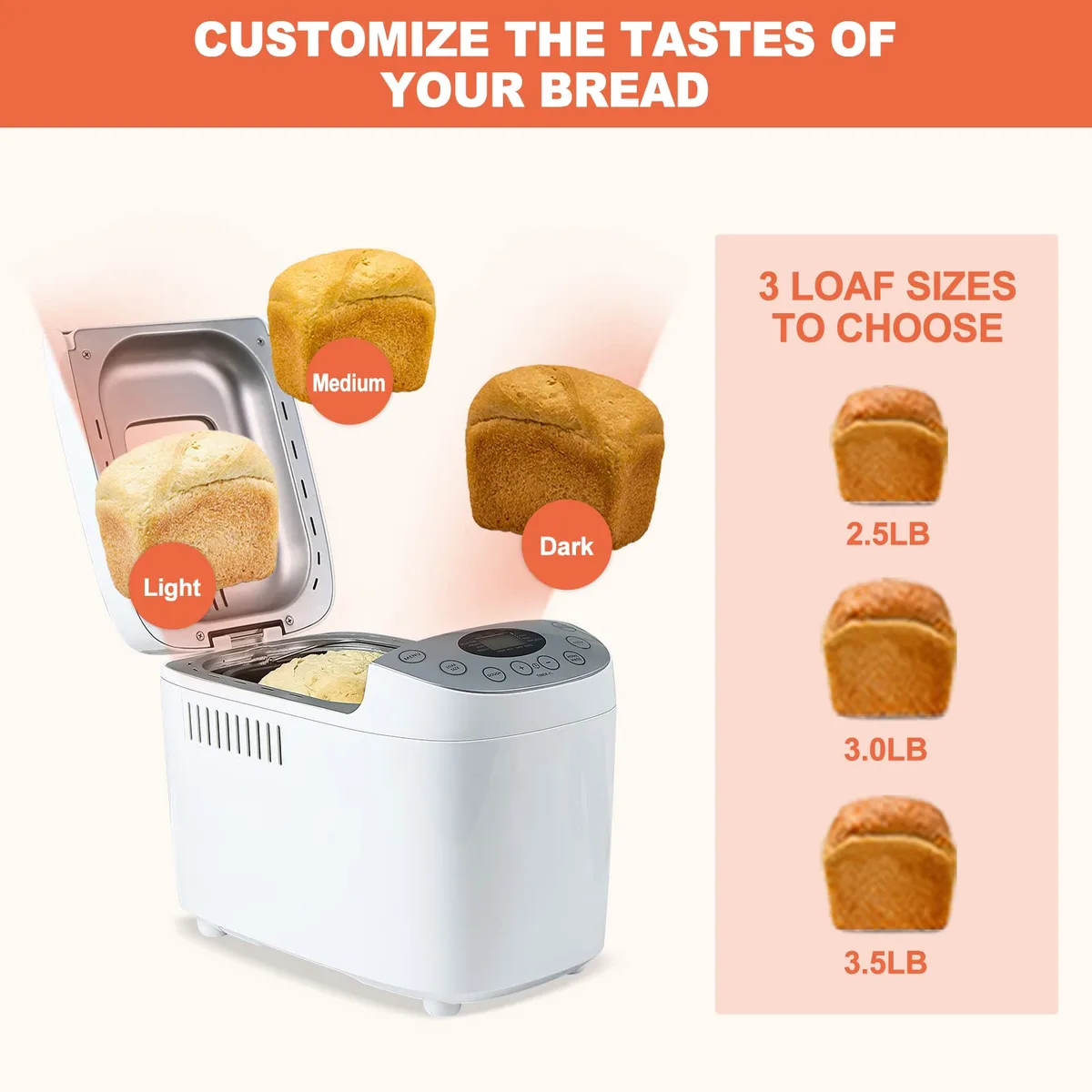
Technical specifications from manufacturers show that pan volume is measured in liquid cups. A 2 lb pan might hold 12 cups of water, but you should only fill it about half-full with batter. Because banana bread does not rise as aggressively as yeast bread, the surface area of the pan becomes the most important metric.
| Machine Rated Size | Batter Capacity (Approx) | Best Recipe Match |
|---|---|---|
| 1 lb | 2 to 3 cups | 1-2 Bananas / 1.5 cups flour |
| 1.5 lb | 4 to 5 cups | 3 Bananas / 2 cups flour |
| 2 lb | 6+ cups | 4-5 Bananas / 3 cups flour |
Comparing 1 lb, 1.5 lb, and 2 lb Machines for Dense Batters
If you are deciding between these three standard sizes, consider your typical batch size first. A 1 lb machine is highly efficient for individuals or couples. Because the pan is narrow, the batter stays tall, which helps keep the bread moist.
However, these small machines can struggle to incorporate heavy inclusions like walnuts without stalling the motor.
The 1.5 lb machine is the industry standard for a reason. It mimics the dimensions of a traditional 8×4 inch oven loaf pan. This size allows for even browning on all four sides and the bottom.
It is also the most common size used in recipe development by major flour brands and appliance manufacturers.
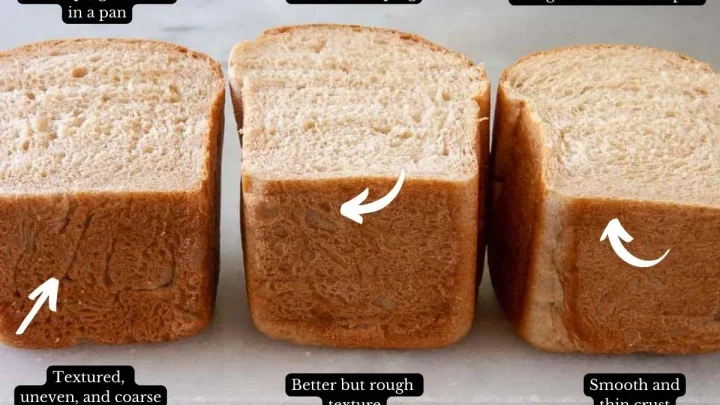
The 2 lb machine is the heavy hitter, but it is often overkill for quick breads. These machines usually feature larger pans and sometimes two kneading paddles. While excellent for sandwich bread, the sheer width of the pan can cause banana bread to dry out.
You must ensure you have enough batter to cover the paddles completely, or the machine will fail to mix the ingredients.
The Role of Pan Shape: Horizontal vs. Vertical Buckets
Bread makers generally come in two shapes: tall (vertical) or long (horizontal). Vertical machines are common in the 1 lb and 1.5 lb categories. These are excellent for banana bread because they force the batter to stack vertically.
This stacking creates a tender, cake-like texture that many bakers prefer.
Horizontal machines are designed to produce a loaf that looks like it came from a traditional bakery. According to guidelines from the USDA Food Safety and Inspection Service, ensuring a dense bread reaches the proper internal temperature is vital. In a horizontal pan, the heat comes from the sides very effectively.
However, a horizontal pan requires a larger volume of batter to function correctly. If the layer of batter is too thin, the kneading paddle will simply spin underneath the mixture rather than folding it. If you prefer the look of a traditional rectangular slice, a horizontal machine is great, but you must commit to making larger batches of banana bread every time.
How Batter Volume Impacts Heat Distribution and Gummy Centers
Heat distribution in a bread maker is highly dependent on how much space the batter occupies within the baking chamber. In our research, we found that banana bread requires a sustained, even temperature to cook the dense starches in the fruit. If the batter is too shallow, the radiant heat from the element hits the surface too quickly, leading to a burnt exterior and a raw core.
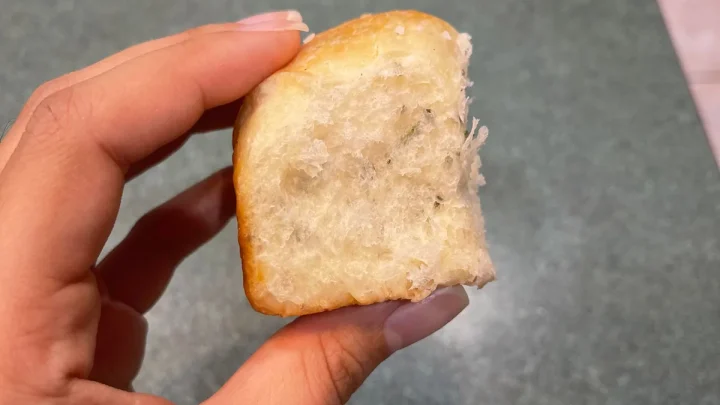
This phenomenon, often called a gummy center, happens when the machine size is mismatched to the recipe. If you use a 2 lb machine for a small 1 lb batch, the heat penetrates the sides but misses the thickest part of the loaf. Manufacturer documentation suggests that the ideal batter depth should reach at least one-third of the way up the pan.
If the batter is too deep, such as putting a 2 lb batch in a 1.5 lb machine, the heat cannot reach the center before the cycle ends. You will notice a collapse in the middle of the loaf. This occurs because the internal structure hasn't set, causing the steam to escape and the crust to fall inward.
The Paddle Factor: Why Large Machines Struggle with Small Batches
The size of the kneading paddle is usually proportional to the pan size, which creates a specific mixing radius. In a 2 lb machine, the paddle is designed to move a large, cohesive ball of yeast dough. Banana bread batter is much thinner, similar to a heavy cake batter, and does not provide the same resistance to the paddle.
Aggregate user feedback indicates that small batches in large pans often leave "dead zones" in the corners. The paddle spins in the center, but the flour and sugar remain stuck to the edges of the pan. This results in a finished loaf that has streaks of unmixed dry ingredients.
If you are using a dual-paddle horizontal machine, the problem can be even worse. These machines are designed to pull dough between two points. With a thin layer of banana batter, the paddles may simply spray the mixture against the walls rather than incorporating it.
A 1.5 lb single-paddle machine typically offers the best agitation for these specific textures.
Matching Common Recipe Sizes to Your Machine Capacity
Most standard banana bread recipes are built around a specific number of bananas, which dictates the total volume. In our research, we've broken down how these common kitchen measurements translate to bread maker capacities.
- 2-Banana Recipes: These usually yield about 3 cups of batter. They are ideal for 1 lb compact machines. In a 1.5 lb machine, they might be slightly short, so keep an eye on the crust darkness.
- 3-Banana Recipes: This is the most common standard. It produces roughly 4 to 5 cups of batter. This is the perfect match for a 1.5 lb bread maker.
- 4-Banana Recipes: These heavy batches can reach 6 cups of volume. You will need a 2 lb machine to handle this without risk of the batter touching the lid.
If you're using a boxed mix, check the weight on the label. Most commercial quick bread mixes weigh between 14 and 18 ounces. These are formulated specifically for 1.5 lb machines, providing the exact volume needed to reach the heating element's "sweet spot."
Key Features to Look For: The Quick Bread and Bake Only Cycles
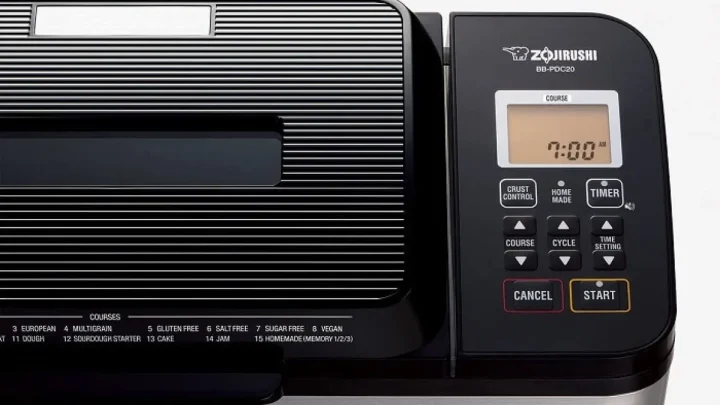
When choosing a machine size, the available programming is just as important as the physical dimensions. You must ensure the machine has a dedicated "Quick Bread" or "Cake" setting. Our analysis of manufacturer specs shows that these cycles skip the multiple rise and punch-down phases used for yeast bread.
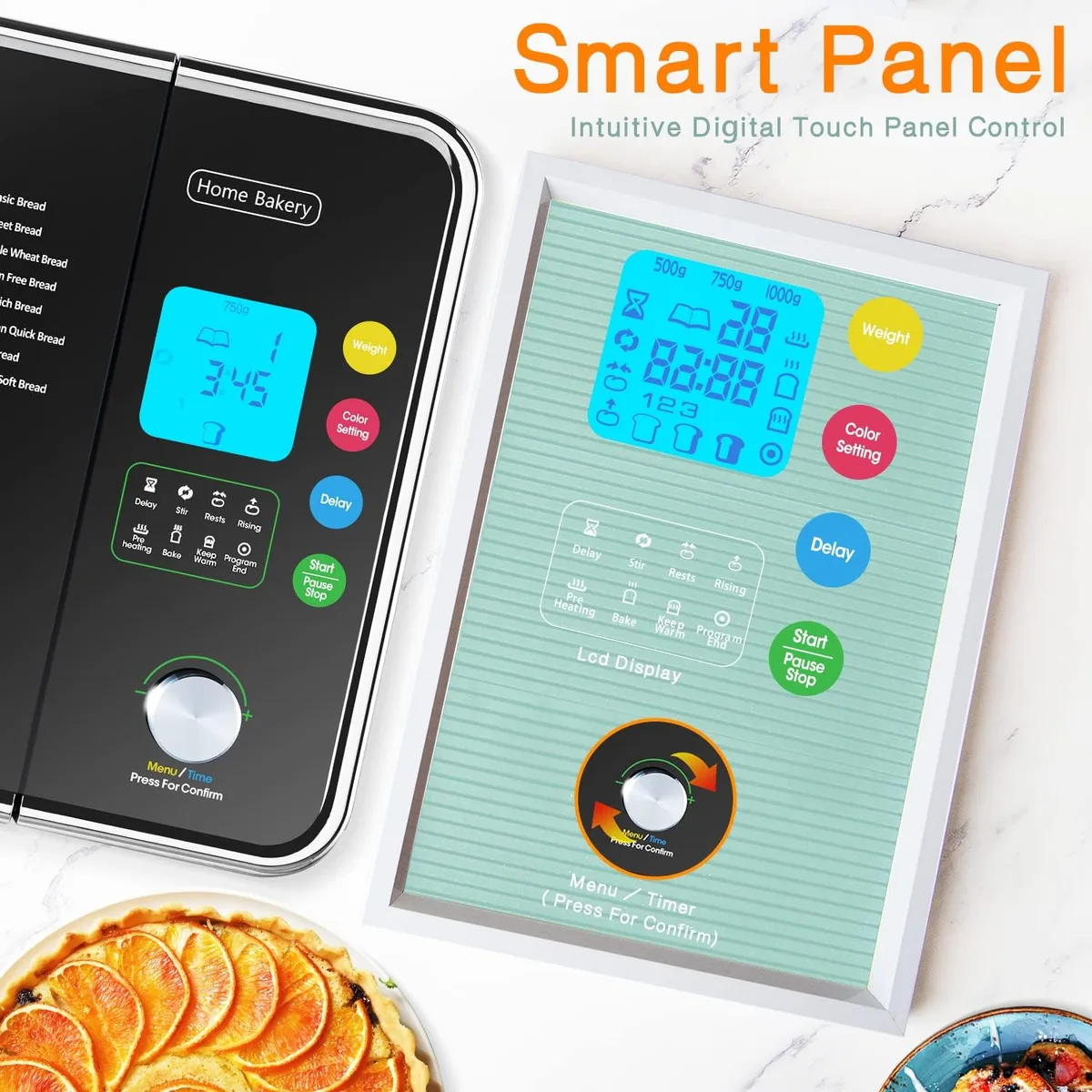
A yeast cycle can last three to four hours, which would completely ruin a banana bread. The Quick Bread cycle is usually much shorter, lasting between 80 and 120 minutes. It features a continuous mix phase followed by a long, steady bake to ensure the fruit sugars caramelize without burning.
Another essential feature is the "Bake Only" function. Because banana bread density varies based on how ripe your bananas are, the standard cycle might not always be enough. Having a manual bake setting allows you to add 10-minute increments of heat if the center is still tacky.
Benefits and Drawbacks of Over-Sizing Your Bread Maker
Buying a larger 2 lb machine might seem like a way to future-proof your kitchen, but it comes with trade-offs. The primary benefit is versatility. A 2 lb machine can technically bake a 1 lb loaf, but a 1 lb machine can never bake a 2 lb loaf.
However, the drawbacks for banana bread are significant. Larger machines occupy more counter space and use more electricity to heat the larger internal chamber. In our research, we found that 2 lb machines often produce a thicker, tougher crust on quick breads because the heating elements are more powerful.
If you primarily want to bake sweets and fruit breads, a 1.5 lb machine is almost always the better investment. It provides the most consistent results across the widest variety of recipes. You won't have to worry about the "pancake effect" or unmixed flour pockets that plague oversized machines.
Common Mistakes: Why Your 2 lb Machine Produces Flat Banana Bread
A common error with high-capacity machines is failing to account for the increased surface area of the bread pan. If you pour a standard 1.5 lb recipe into a 2 lb horizontal pan, the batter spreads into a very thin layer. This thinness prevents the loaf from trapping enough steam to rise properly.
Because the heating elements in larger machines are often positioned to handle tall yeast loaves, a shallow layer of banana bread sits too far away from the upper heat zone. This results in a "flat" loaf that is overly dark on the bottom but pale on top. If your machine is larger than your recipe, you must increase the ingredient volume to maintain a proper depth.
Another frequent mistake is ignoring the kneading paddle's limitations in a large pan. With a small amount of batter, the paddle may only clear a circular path in the middle. This leaves unmixed flour in the corners, which will burn during the bake cycle and ruin the flavor of the entire loaf.
Pro Tips for Success: Mashing, Mixing, and the Spatula Assist
Achieving the perfect texture in a bread maker requires specific preparation of the fruit. In our research, we found that mashing bananas until they are liquid leads to more even cooking. Large chunks of fruit hold onto moisture and can create wet, underbaked pockets in the crumb.
Even the best bread makers struggle with the sticky nature of quick bread batter. A helpful technique is the "spatula assist" during the first ten minutes of the mixing cycle. Open the lid and use a silicone spatula to gently scrape the corners of the pan.
This ensures every bit of flour is incorporated before the baking phase begins.
If your machine allows it, consider removing the kneading paddle after the mixing is finished but before the bake cycle starts. This prevents a large hole from forming in the bottom of your loaf. Just be sure to smooth the top of the batter with a damp spoon so the finished bread has an even crust.
Real Scenario: Converting a Standard 3-Banana Recipe for a 2 lb Machine
If you already own a 2 lb machine, you may need to adjust your favorite recipe to get better results. A standard 3-banana recipe usually includes about 2 cups of flour and yields roughly 1.5 lbs. To make this work in a large 2 lb pan, you should increase the ingredients by roughly 25 to 30 percent.
This means using 4 large bananas and increasing the flour to 2.5 or 3 cups. By doing this, you ensure the batter reaches a sufficient height in the pan for the heating elements to work effectively. It also gives the kneading paddle enough material to move.
If you don't want a massive loaf, another option is to add "bulk" using inclusions. Adding a cup of chopped walnuts can increase the volume just enough to fill the pan properly. This helps the loaf reach the center of the baking chamber where heat distribution is most stable.
Temperature Matters: Using Internal Metrics to Verify Doneness
The most reliable way to tell if your banana bread is finished is to measure the internal temperature with a digital probe thermometer. Because machines vary in wattage, the preset timer is often just a ballpark estimate. In our research, we found that quick breads are perfectly done when the center reaches 200°F (93°C).
If the temperature is below 190°F, the middle will likely be gummy. If it exceeds 210°F, the bread will be dry and crumbly. Using a thermometer removes the guesswork that comes with different machine sizes and recipe variations.
If the machine cycle ends and the loaf is only at 185°F, use the "Bake Only" setting to add ten more minutes of active heat. This ensures the starches fully gelatinize, giving you that moist, dense texture that defines high-quality banana bread.
Frequently Asked Questions
Can I bake a 1 lb banana bread in a 2 lb machine?
Yes, but you will likely experience uneven baking. The batter will be too shallow for the heat to circulate properly, often resulting in a burnt bottom and a raw top. It is better to increase the recipe size to fit the pan.
What is the difference between a "Cake" and a "Quick Bread" setting?
In most bread makers, these settings are interchangeable. Both are designed to skip the yeast-rising cycles. They focus on thorough mixing followed by a long, steady bake period suitable for chemically leavened batters.
Why is my banana bread always soggy in the middle?
This is usually caused by using a machine that is too large or too small for the recipe. If the heat cannot penetrate the center within the timed cycle, the middle stays wet. Always verify doneness with a thermometer to reach 200°F.
Do I need to grease the bread maker pan for banana bread?
Most pans have a non-stick coating, but quick breads are high in sugar and can stick more easily than yeast breads. A light coating of non-stick spray or butter can help the loaf slide out without leaving the bottom crust behind.
The Verdict: Which Size Should You Buy?
If your primary goal is baking quick breads, the 1.5 lb bread maker is the clear winner for most homes. It offers the most compatible dimensions for standard recipes. The heat distribution in this size is typically more focused, which reduces the risk of undercooked centers.
For those who regularly bake for large groups, the 2 lb machine is a powerful tool. However, it requires you to scale up your banana bread recipes to avoid the pitfalls of a shallow bake. Ultimately, the 1.5 lb model provides the best balance of performance and ease of use.

Similar Posts