How to Choose the Best Bread Maker for Perfect Bagel Dough
Making bagels at home starts with a heavy workout for your hands. If you want to skip the manual labor, learning how to choose a bread maker for bagel dough is the first step toward perfect results.
Bagel dough is significantly denser than a standard sandwich loaf. Standard machines often struggle with the 50% to 55% hydration levels required for that classic chew. As of 2026, research into small appliance durability shows that high-torque motors are essential for handling these stiff mixtures without internal damage.
Quick Answer
Choose a bread maker with a high-torque motor. Look for dual kneading blades. Metal gears are better than plastic ones.
A weighted base prevents the machine from moving. Ensure it has a dedicated dough cycle. These features handle stiff bagel dough safely.
Why Most Bread Makers Fail at Bagel Dough
Most people assume any bread machine can handle any recipe. This is a common mistake that leads to mechanical failure. Bagel dough uses a very low ratio of water to flour.
This creates a massive amount of resistance against the kneading paddle.
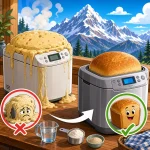
Standard machines are designed for soft, high-hydration breads. When you drop a dense bagel ball into a budget machine, the motor must work twice as hard. Aggregate reviews of entry-level models show that users frequently experience messy kitchen mishaps when the machine lacks the power to contain the dough.
Internal components like drive belts and plastic gears are the first to go. If the machine cannot maintain a steady rotation, it generates excessive heat. This heat can actually start to cook the yeast prematurely, ruining your rise before the cycle even finishes.
The Stiff Dough Challenge: Hydration vs. Motor Torque
Hydration is the math behind your bagel's texture. Most bread dough sits at 65% hydration or higher. Bagels, however, usually fall between 50% and 55%.
This lower water content makes the dough incredibly stubborn and firm.
Motor torque is the rotational force required to move this firm mass. According to manufacturer specifications for premium models, a motor with at least 500 watts is generally recommended for heavy-duty doughs. Anything less may result in a "stuttering" paddle that fails to develop the necessary gluten.
Without sufficient torque, the dough won't become smooth and elastic. You'll end up with a shaggy, under-kneaded mess. Proper gluten development is what gives a bagel its signature snap.
If your machine is underpowered, your bagels will turn out bready and soft rather than chewy.
Key Features That Distinguish a Bagel-Capable Machine
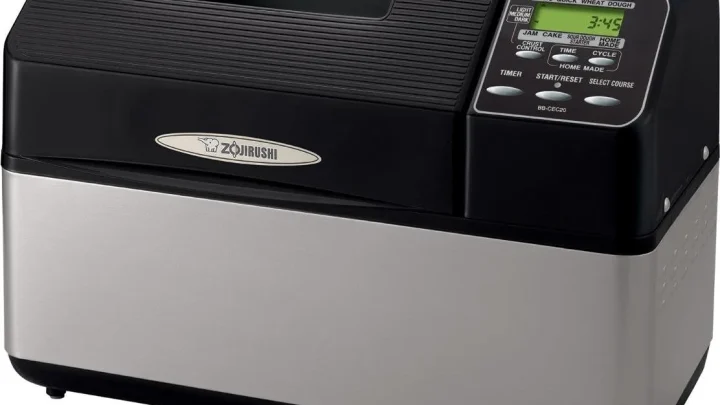
You need to look past the marketing fluff on the box. A "Bagel" button on the control panel is rare and often unnecessary. What you actually need is a machine built for structural integrity.
Check the weight of the unit before buying.
Heavy machines, often weighing over 15 pounds, use more metal and less plastic. This weight acts as an anchor. During a vigorous knead, a lightweight machine will vibrate violently.
This can cause the unit to slide right off your countertop.
Look for a machine with a reinforced drive system. Per UL safety standards, kitchen appliances meant for heavy loads should have thermal overload protection. This safety feature shuts the motor down if it gets too hot, preventing a fire or permanent motor death.
Dual Paddles vs. Single Blades: Which Wins for Dense Dough?
In our research of machine designs, dual-blade systems are the clear winners for bagels. A single paddle in a square bucket often results in the dough ball just spinning in circles. It never gets properly stretched or pressed against the sides.
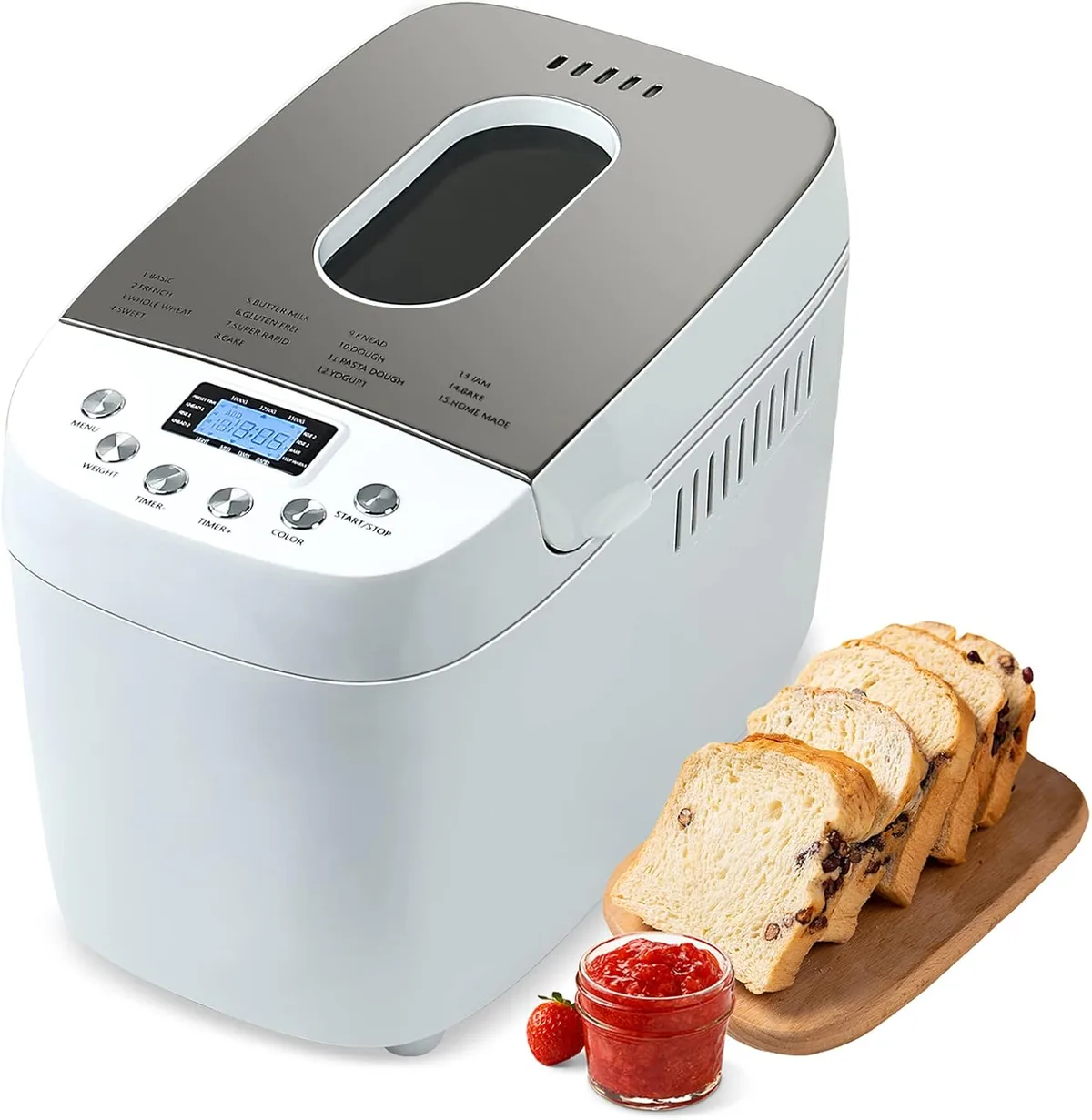
Dual paddles work in tandem to pull the dough back and forth. This mimics the human motion of folding and pushing. Because bagel dough is so stiff, the two blades share the load.
This reduces the stress on a single point in the drive system.
Horizontal pans usually house these dual blades. This layout provides more surface area for the dough to move. A vertical pan with a single blade is fine for a brioche, but it will likely struggle to fully incorporate the flour in a dry bagel recipe.
Why Motor Wattage and Gear Material Actually Matter
The motor is the heart of the operation, but the gears are the bones. Many affordable bread makers use nylon or plastic gears to save on costs. While quiet, these gears can strip their teeth when fighting against a dense 2-pound ball of bagel dough.
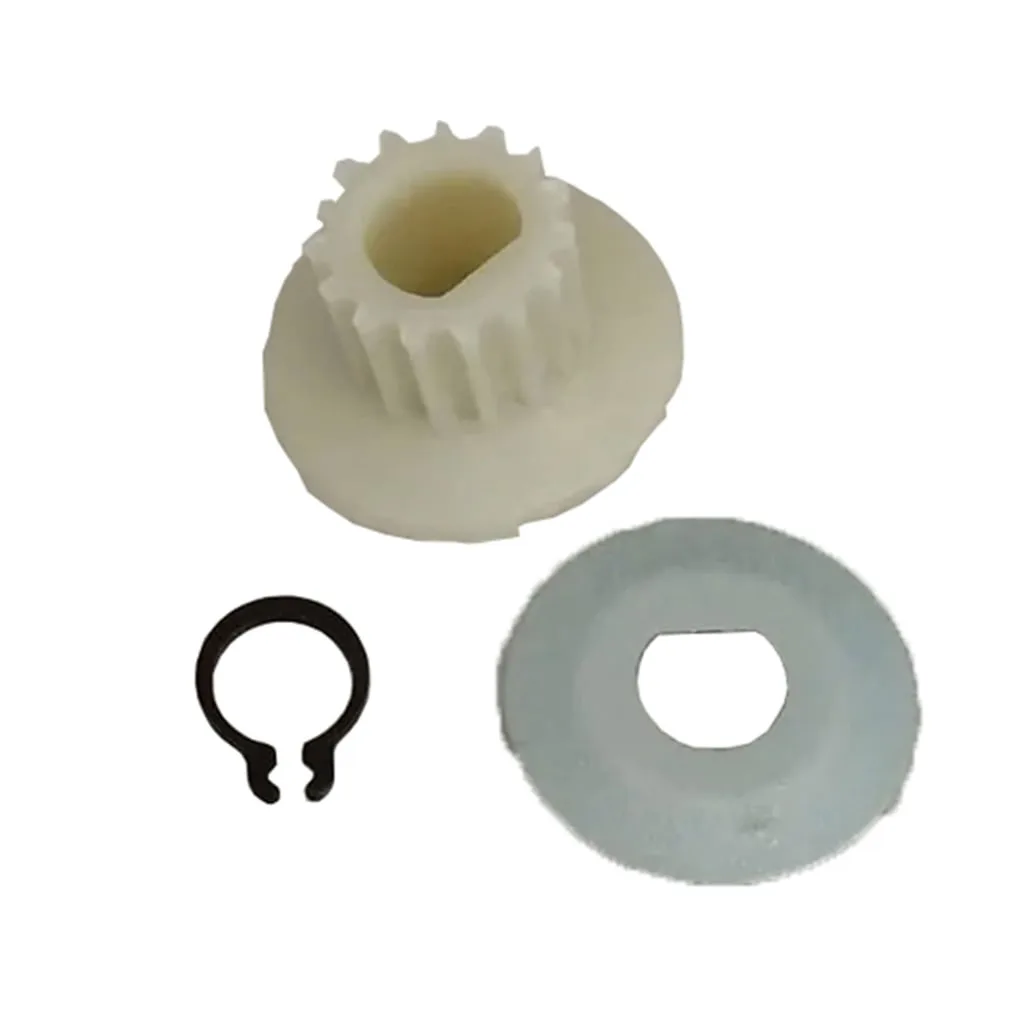
Manufacturer documentation for high-end brands often highlights the use of all-metal gearboxes. These are designed to withstand years of high-resistance kneading. If you plan to make bagels weekly, investing in metal internals is non-negotiable for longevity.
High wattage is also a good indicator of a resilient motor. An induction motor is the gold standard here. These motors are more efficient and stay cooler under load compared to cheaper brushed motors.
When a motor stays cool, it lasts longer and doesn't interfere with your dough's rising temperature.
Comparing the Top Bread Makers for Stiff Dough Handling
Choosing between top-tier machines requires looking at how they distribute force. In our research, the high-end horizontal models outperform vertical ones for bagel production. A horizontal pan allows the dough to stretch along a wider path, which helps develop gluten without over-compressing the core of the dough ball.
For those on a budget, look for machines that specify a "Whole Wheat" capability. Manufacturer specifications often indicate that these models use reinforced drive belts to handle denser grains. If a machine can pull through a heavy 100% whole wheat cycle, it has a better chance of surviving a bagel run.
| Machine Type | Motor Strength | Best For | Durability Rating |
|---|---|---|---|
| Premium Dual-Blade | 600W+ | Large batches & daily use | High |
| Mid-Range Single-Blade | 450W – 550W | Occasional bagel making | Moderate |
| Entry-Level Compact | Under 400W | Soft sandwich loaves only | Low |
The Walking Problem: Weight and Stability Benchmarks
A bread maker that "walks" is one that moves across the counter during the knead cycle. This happens when the internal force of the stiff bagel dough exceeds the friction holding the machine in place. Aggregate user reviews show this is a primary cause of accidental damage, as machines can literally vibrate off the edge of a counter.
To avoid this, prioritize machines with a high shipping weight. A unit that weighs 18 to 22 pounds is far less likely to migrate than a 7-pound plastic model. Rubberized suction feet are also a critical feature to look for.
These provide a mechanical grip that keeps the unit stationary even when the motor is under maximum stress.
If you already have a lighter machine, always place it on a non-slip silicone mat. Never leave an unweighted machine unattended during the first 15 minutes of the dough cycle. Check that the machine stays level to ensure the internal gears are wearing evenly.
Manual vs. Programmable Cycles: The Secret to Proper Gluten Development
Manual cycles are standard, but they don't always offer the flexibility bagels need. A standard "Dough" setting usually includes a preheat, a knead, and a warm rise. For bagels, you often want a longer knead and a much cooler rise to achieve that classic New York style chew.

Programmable machines allow you to bypass the heating element during the rise phase. Our research suggests that a "cool" rise prevents the yeast from over-activating. This allows the high-protein bread flour to hydrate fully without the dough becoming too airy or sticky.
If your machine isn't programmable, you can still manage the process. Simply turn the machine off once the kneading is done. You can then let the dough sit in the turned-off machine or move it to a bowl for a cold retard in the refrigerator.
This method yields a much better crust than a machine-heated rise.
Pros and Cons of Using a Bread Maker for Bagels
Using a machine for bagels offers a massive reduction in physical labor. Kneading a 50% hydration dough by hand can take 15 to 20 minutes of intense work. A machine handles this in one go, leaving your hands free for other kitchen tasks.
However, there are trade-offs to consider. Bread makers have a fixed capacity. If you try to double a recipe, you risk stripping the gears or causing the motor to seize.
You are also limited by the shape of the pan, which can sometimes leave small pockets of dry flour in the corners if the paddle doesn't reach.
- Pros: Saves time, reduces physical strain, provides a consistent temperature environment.
- Cons: Risk of motor burnout, batch size limitations, potential for unmixed flour in corners.
- Best Practice: Always use the smallest batch size recommended for your machine when making stiff doughs to prolong motor life.
Best For Each Use Case: Large Batches, Small Kitchens, and High Frequency
For large batches, a dual-blade, 2.5-pound capacity machine is the only viable choice. These models are built with the internal volume to move a large mass of dough without stalling. They are bigger and take up more counter space, so plan your storage accordingly.
If you have a small kitchen, you might be tempted by a compact, vertical machine. In this case, you must reduce your bagel recipe by half. Verified buyer feedback suggests that compact machines can handle a small 1-pound batch of bagel dough, provided you don't run multiple cycles back-to-back.
For high-frequency bakers making bagels every weekend, durability is the priority. Look for professional-grade machines with induction motors. These units are designed for longevity and can handle the heat generated by frequent, high-torque kneading sessions.
They cost more upfront, but they won't need to be replaced after a few months of heavy use.
The Hidden Risk of Motor Burnout and How to Prevent It
Motor burnout occurs when the internal windings of the motor overheat and melt because they cannot overcome the resistance of the dough. Stiff bagel dough acts like a brake on the kneading paddle. If the motor continues to draw power but cannot rotate, the heat builds up rapidly.
To prevent this, listen for a change in the machine's pitch. A healthy motor has a steady hum. If you hear a deep, rhythmic groaning or the motor sounds like it is struggling to complete a single revolution, the load is too high.
You should stop the cycle immediately to prevent permanent damage.
Allowing the machine to rest between batches is also vital. In our research, back-to-back cycles are a leading cause of failure in home appliances. If you are making multiple dozens, let the motor cool down for at least 30 minutes before starting the next batch of dense dough.
Mistakes to Avoid When Loading Bagel Ingredients
The order of ingredients significantly impacts how much stress is placed on the motor. Many people dump all the flour in first, which can trap the liquid at the bottom. This forces the paddle to plow through a dry, heavy mass from the very first second.
Always follow the manufacturer's recommended loading order, which is usually liquids first, followed by dry ingredients and yeast. For bagels, we recommend holding back a tiny portion of the flour. You can add it slowly as the machine starts to form a ball.
Don't use ice-cold water unless the recipe specifically calls for it. Cold water makes the proteins in the flour tougher to hydrate initially. This adds unnecessary resistance during the first few minutes of the knead cycle.
Warm water (around 100 degrees Fahrenheit) helps the dough come together more smoothly.
Pro Tips for Managing Stiff Dough in a Standard Machine
If you are using a standard machine for bagels, you can help the motor by doing a "pre-mix." Use a sturdy spoon to stir the water and flour together in a separate bowl until no dry spots remain. Then, move that shaggy mass to the bread maker pan.
This simple step removes the hardest part of the work for the motor. The machine can then focus on developing the gluten rather than struggling to incorporate dry powder into a solid mass. You'll notice much less vibration and noise from the unit.
Another tip is to monitor the dough ball's temperature. If the dough feels hot to the touch (above 90 degrees Fahrenheit) during the knead, the machine is working too hard. Open the lid for a few minutes to let heat escape, or finish the last few minutes of kneading by hand.
The Verdict: How to Make Your Final Selection
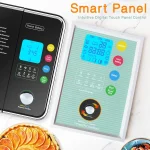
When you make your final choice, prioritize the drive system over the number of pre-set buttons. A machine with metal gears and a dual-blade system will always outlast a fancy plastic model with fifty cycles. Look for brands that offer replacement parts like belts and paddles.
If you bake bagels once a month, a mid-range machine with a high-torque motor is a smart investment. For those who bake weekly, the premium horizontal models are worth the extra cost. They provide the stability and power needed for professional-style results at home.
Ultimately, the best machine is one that doesn't force you to compromise your recipe. You shouldn't have to add extra water just to save your motor. A truly bagel-capable machine will handle that low-hydration dough and produce the chewy, dense texture you're after.
Frequently Asked Questions
Can I use a regular bread maker for bagel dough?
Yes, but you must be careful with batch size. Most standard machines can handle a small batch, but large or very dry recipes can burn out the motor. Always monitor the machine for signs of overheating or excessive vibration.
Why does my bread maker move during the bagel dough cycle?
Bagel dough is heavy and firm, which creates a lot of internal momentum. If the machine is too light or lacks rubber feet, this force causes it to shift. Always place your machine on a stable, non-slip surface during heavy kneading.
Is a stand mixer better than a bread maker for bagels?
A high-end stand mixer is excellent for kneading, but a bread maker provides a controlled, draft-free environment for the first rise. The bread maker is also more "set it and forget it," whereas a stand mixer usually requires more active supervision.
What happens if the dough is too dry for my machine?
If the dough is too dry, the paddle may seize or the drive belt could snap. If the motor is humming but the paddle isn't moving, the dough is too stiff. Add a teaspoon of water at a time until the paddle can rotate freely again.
Do I need a special bagel setting on the machine?
No, a standard "Dough" or "Pizza Dough" setting works perfectly for bagels. These settings handle the kneading and the first rise. You will still need to shape, boil, and bake the bagels in a traditional oven afterward.

Similar Posts