Common 2 lb Bread Maker Problems and How to Fix Them
If you have just pulled a sunken, gummy, or brick-like loaf out of your machine, you are likely dealing with common 2 lb bread maker problems. These larger machines offer great capacity for families, but their size makes them sensitive to small errors in measurement and temperature.
Most issues stem from the fact that a 2 lb loaf requires more structural support from gluten than a smaller 1 lb loaf. According to manufacturer specifications from brands like Zojirushi and Hamilton Beach, these machines operate within strict thermal windows to ensure the center of a large loaf reaches at least 190°F.
Quick Answer
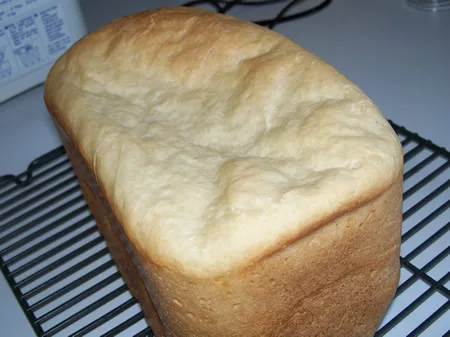
Common 2 lb bread maker problems include sunken tops, dense textures, and unmixed flour. These issues usually happen because of too much liquid or expired yeast. Large machines struggle to heat the center of the dough quickly.
Ensure your water is between 80°F and 90°F for best results. Always place liquids in the pan before dry ingredients.
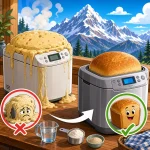
The 2 lb Bread Maker Diagnostic Flowchart
Troubleshooting a large bread machine requires a logical, step-by-step approach. Because the 2 lb setting uses more flour and water, the weight of the dough itself can become an enemy if the chemistry is slightly off. If your machine isn't producing a bakery-quality loaf, follow this diagnostic path.
If the bread rose beautifully but collapsed during the bake, your hydration is likely too high. Reduce your water by one tablespoon in the next batch. If the bread never rose at all, check the expiration date on your yeast.
Dead yeast is a frequent cause of failed baking attempts.
If the machine makes a loud thumping sound during the knead, the dough ball is too dry. This causes the motor to strain as it flings a hard mass against the sides of the pan. If the machine is silent but the paddle isn't moving, the drive belt may have slipped or snapped.
Why 2 lb Loaves Fail More Often Than Smaller Sizes
Size matters when it comes to the physics of baking. In a 1 lb machine, the dough is small enough that heat reaches the center almost instantly. In a 2 lb machine, the mass of the dough is significant.
This creates a larger cold spot in the middle that takes longer to bake through.
The height of a 2 lb loaf also presents a structural challenge. The air bubbles created by the yeast must support a much heavier weight of flour and water above them. If the gluten network is weak, the loaf will sigh and sink under its own gravity.
This is why bread flour is often a requirement for larger machines.
Environmental factors also play a bigger role with larger loaves. A cold kitchen can prevent a large mass of dough from reaching the necessary proofing temperature. Conversely, high humidity can make your flour hold extra moisture.
This small change can lead to a messy kitchen situation if the dough rises too aggressively.
Troubleshooting by Symptom: A Step-by-Step Decision Tree
To fix your bread, you must look at the specific way it failed. Most 2 lb bread maker problems fall into three distinct categories: rise issues, texture issues, and mechanical failures.
Problem A: The Loaf Collapsed or Sunk in the Middle
A sunken top happens when the bread rises too fast and the air bubbles pop before the heat can set the crust. Our research into manufacturer guidelines shows that this is almost always caused by an imbalance of yeast, liquid, or sugar.
- Check your liquid temperature: Use a thermometer to ensure water is under 90°F.
- Reduce yeast: Try cutting your yeast measurement by 1/4 teaspoon.
- Check salt levels: Salt controls yeast growth.
- Watch the sugar: Too much sugar acts as a stimulant for yeast, leading to an over-risen loaf.
Problem B: The Bread is Short, Heavy, and Dense
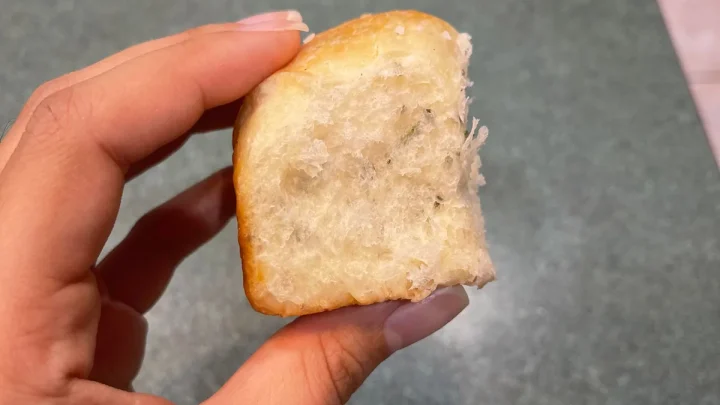
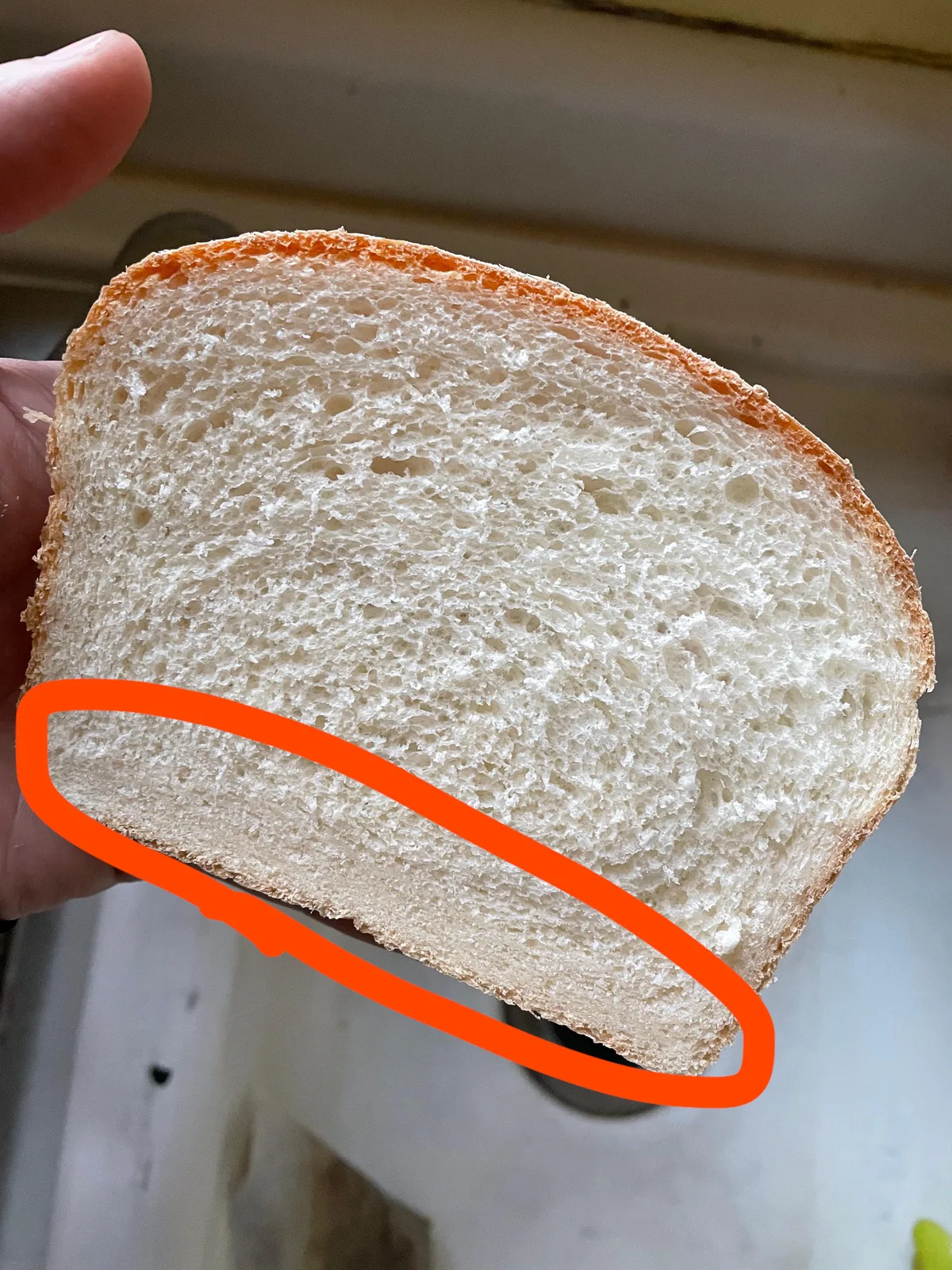
If your loaf looks like a brick, the yeast didn't do its job. This is often a sign of old yeast or incorrect flour types. For a 2 lb loaf, the density can make the bread nearly inedible in the center.
- Test your yeast: Mix a teaspoon of yeast with warm water and sugar. If it doesn't foam, it is dead.
- Use Bread Flour: All-purpose flour often lacks the strength to lift 2 lbs of dough.
- Measure by weight: Use a digital scale to ensure you aren't adding too much flour.
Problem C: The Crust is Burnt but the Center is Raw
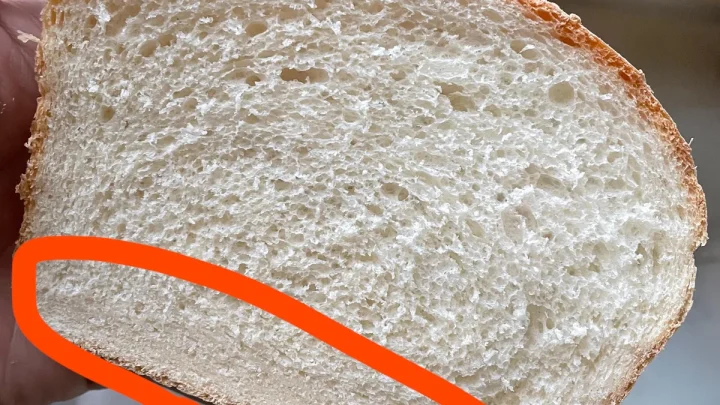
Large machines have a lot of dough to heat through. If the outside is scorched while the inside is doughy, the heating cycle is out of sync with the loaf size.
- Adjust Crust Color: Switch from "Dark" to "Light" crust settings.
- Avoid Sugar Overload: Excessive honey or sugar causes the crust to caramelize and burn before the center bakes.
- Check the Element: Ensure the heating element is not caked with old crumbs, which can cause hot spots.
Problem D: Flour Pockets and Unmixed Dough Corners
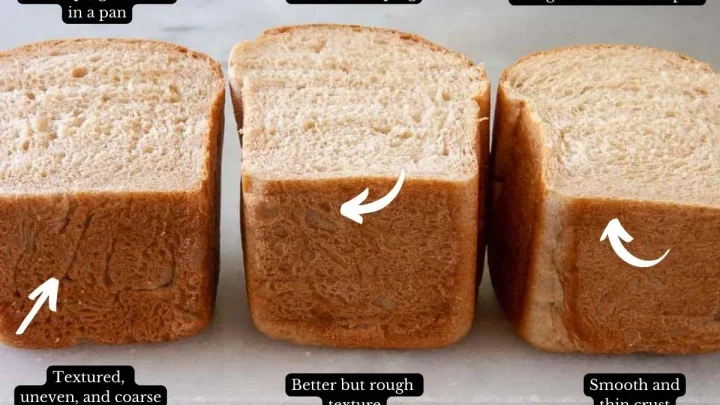
Large horizontal pans often have "dead zones" in the corners where the paddle cannot reach. This leaves dry flour baked into the side of your loaf.
- Assist the Machine: During the first five minutes of kneading, use a silicone spatula to scrape flour into the center.
- Check Paddle Fit: Ensure the paddle is pushed all the way down on the shaft.
- Correct Ratios: A dough that is too dry will stay in a ball and won't pick up loose flour from the corners.
The Golden Ratio Rule for 2 lb Machines
Getting the right balance of flour and water is the single most important step for large loaves. In our research, we found that a 60 percent to 65 percent hydration level works best for most 2 lb machines. This translates to roughly 10 to 11 ounces of water for every 18 ounces of flour.
If your dough is too wet, it won't have the strength to stand tall. If it is too dry, the motor will strain and the bread will be crumbly. Use a digital scale to verify these weights before you start the machine.
Critical Environmental Variables: Humidity and Room Temp
The air in your kitchen acts as an invisible ingredient. High humidity can make flour damp before you even start, which often leads to a sunken top. If the room is too cold, the yeast will stay dormant, resulting in a short, dense brick.
Aggregate reviews show that many bakers find success by adjusting water temperature based on the season. In winter, use water closer to 90°F to jumpstart the rise. In as of 2026, many high-end models now include ambient temperature sensors to adjust rise times automatically.
| Environmental Factor | Effect on 2 lb Loaf | Adjustment Needed |
|---|---|---|
| High Humidity | Sticky dough, sunken top | Add 1–2 tbsp extra flour |
| Low Humidity | Dry, crumbly bread | Add 1 tbsp extra water |
| Cold Kitchen | Short, dense loaf | Use slightly warmer water |
| Hot Kitchen | Over-proofing, sour smell | Use cold water from the fridge |
When to Adjust Yeast: Rapid Cycles vs. Standard Cycles
Rapid cycles are a frequent source of 2 lb bread maker problems because they force a fast rise. These settings require up to double the amount of yeast to work in a shorter timeframe. This often results in a loaf that tastes like chemicals or collapses under its own weight.
For the best texture, stick to the standard three or four hour cycles. If you must use a quick setting, ensure you are using a recipe specifically designed for it. Standard yeast cannot keep up with the heat acceleration of an express cycle.
Mechanical Red Flags: Noises, Smells, and Paddle Failures
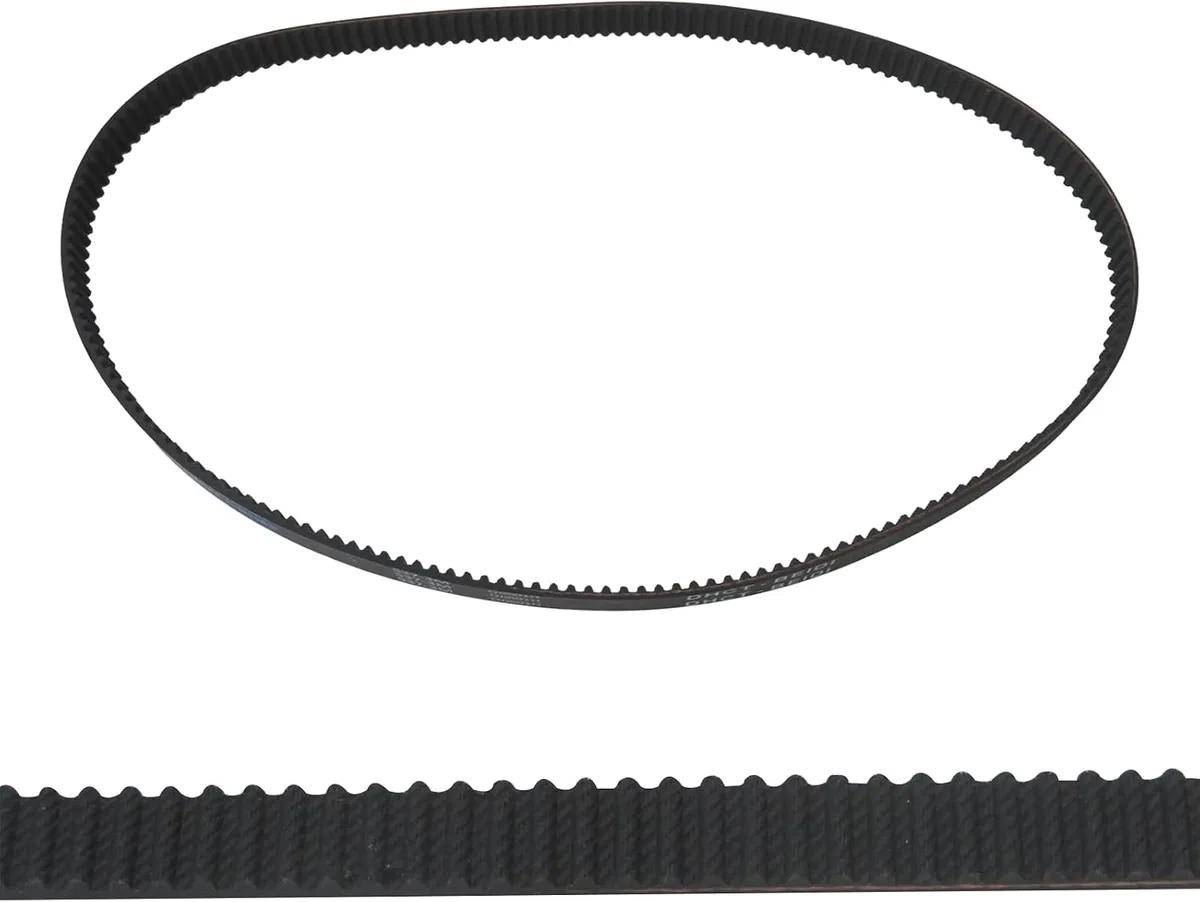
Listen to your machine during the first few minutes of the knead. A rhythmic thumping usually means the dough ball is too dry and is hitting the sides of the pan. A high pitched squeal could mean the drive belt is slipping.
If you smell burning, it is often a sign of a motor failure or a spill on the heating element. Unplug the unit and inspect the base for any debris. Regular cleaning of the paddle shaft prevents the seal from wearing out and leaking into the motor.
The Proper Order of Operations: Liquids vs. Dry Ingredients
Manufacturer specifications almost always recommend adding liquids to the pan first. This creates a barrier that prevents the flour from clogging the paddle mechanism. It also keeps the yeast dry and separate until the mixing begins.
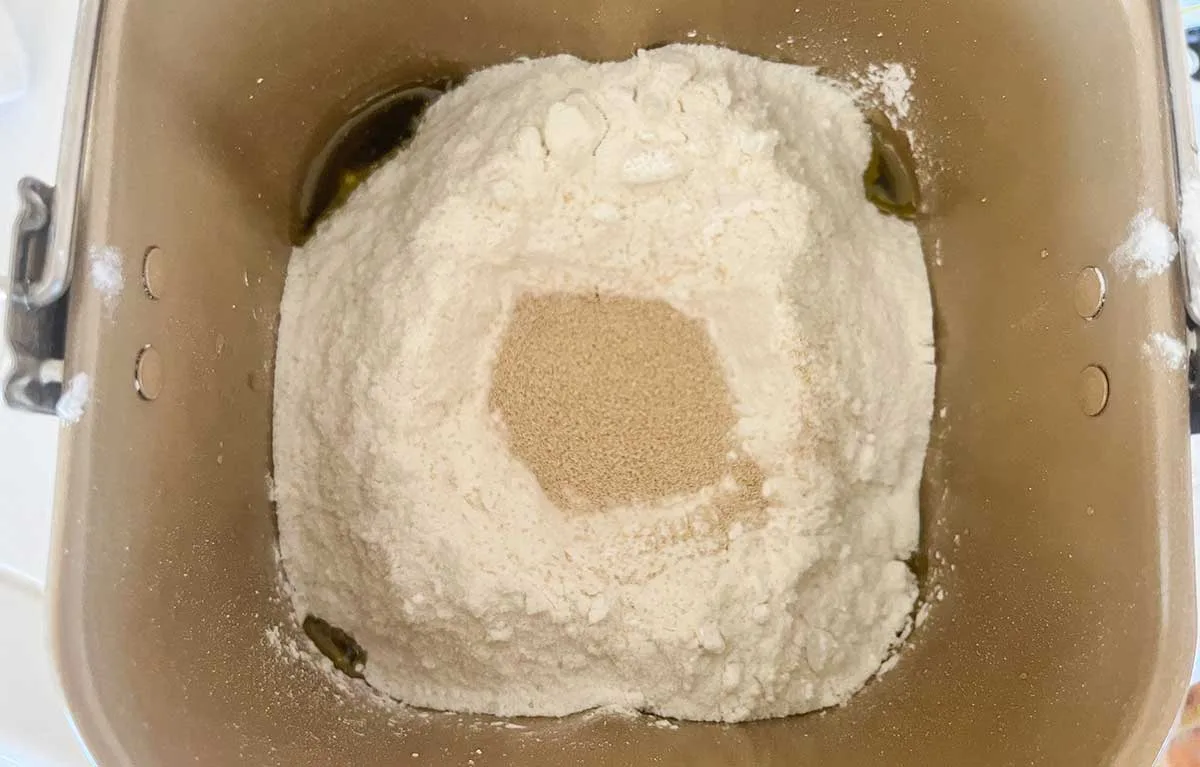
After the liquids, add your flour so it floats on top. Place your salt and sugar in the corners and make a small well for the yeast in the center. This specific stacking order ensures the yeast doesn't activate prematurely, which is critical for timed delay bakes.
Common Ingredient Mistakes That Ruin Large Loaves
Precision is non-negotiable when dealing with a 2 lb recipe. If you measure flour by the cup instead of by weight, you risk adding too much flour. This leads to a dry, shaggy dough that the motor cannot knead effectively.
Always use fresh yeast and high-protein bread flour. All-purpose flour often lacks the gluten strength needed to support the massive rise of a 2 lb loaf. If your yeast is older than six months, it may lack the power to lift the heavy dough ball.
Maintenance Habits to Prevent Mechanical Breakdown
Keep the kneading paddle shaft clean to protect the internal motor. If flour or liquid leaks through the pan seal, it can cause the gears to seize. Wipe the heating element after every use to prevent burnt crumbs from creating smoke hazards.
Inspect the drive belt annually for signs of fraying. A slipping belt is a common cause of unmixed flour and uneven textures. Proper maintenance ensures the machine handles the physical stress of large batches without overheating.
Decision Guide: When to Repair vs. When to Replace Your Machine
If your bread pan is leaking or the paddle is lost, buying a replacement part is a cost-effective fix. Most manufacturers sell these components for under $50. This is a smart way to extend the life of a reliable machine.
However, if the motor smells of ozone or the digital display shows fatal error codes like "EEE," it is usually time for a new unit. As of 2026, the cost of professional labor for internal repairs usually exceeds the value of the machine. Upgrading to a newer model often provides better temperature sensors for more consistent results.
Frequently Asked Questions
Why does my 2 lb loaf have unmixed flour in the corners?
This usually happens because the dough ball was too dry to sweep the corners of the pan. During the first five minutes of the kneading cycle, check the dough. Use a rubber spatula to push any stray flour into the path of the paddle.
Can I bake a 1 lb loaf in a 2 lb machine?
Yes, most 2 lb machines have settings for smaller loaves. However, you must use the specific 1 lb setting on the control panel. If you use the 2 lb setting for a small loaf, the machine will bake it for too long, resulting in a very hard crust.
What causes a mushroom top that overflows the pan?
Overflows happen when there is too much yeast or sugar for the pan's capacity. If you are using a 2 lb machine, ensure your recipe does not exceed 4 cups of flour. High-rising breads like brioche may need to be scaled down to a 1.5 lb setting to stay inside the chamber.
How do I stop the paddle from getting stuck in the bread?
You can remove the paddle before the final bake. Most machines have a final punch down about an hour before the end of the cycle. At this point, you can quickly lift the lid, remove the dough, take out the paddle, and put the dough back in.
Why is the top of my bread always pale?
A pale crust usually means the machine's heating element is struggling to radiate heat to the top of a tall 2 lb loaf. Try increasing the crust setting to "Dark." You can also try adding a small amount of sugar to the recipe to encourage browning.

Similar Posts