How to Choose the Best Bread Maker for Pizza Dough
Learning how to choose a bread maker for pizza dough saves your hands from a messy workout and ensures a professional grade crust every time. If you have ever wrestled with a sticky, elastic ball of dough on a Tuesday night, you know the frustration of manual kneading.
Manufacturer specifications indicate that as of 2026, the best machines focus on motor durability and internal temperature regulation rather than just baking presets. A high-torque motor is essential to handle the dense protein structure of pizza crust without stalling. This reliability is vital for creating a consistent, draft-free environment that is hard to replicate in a typical home kitchen.
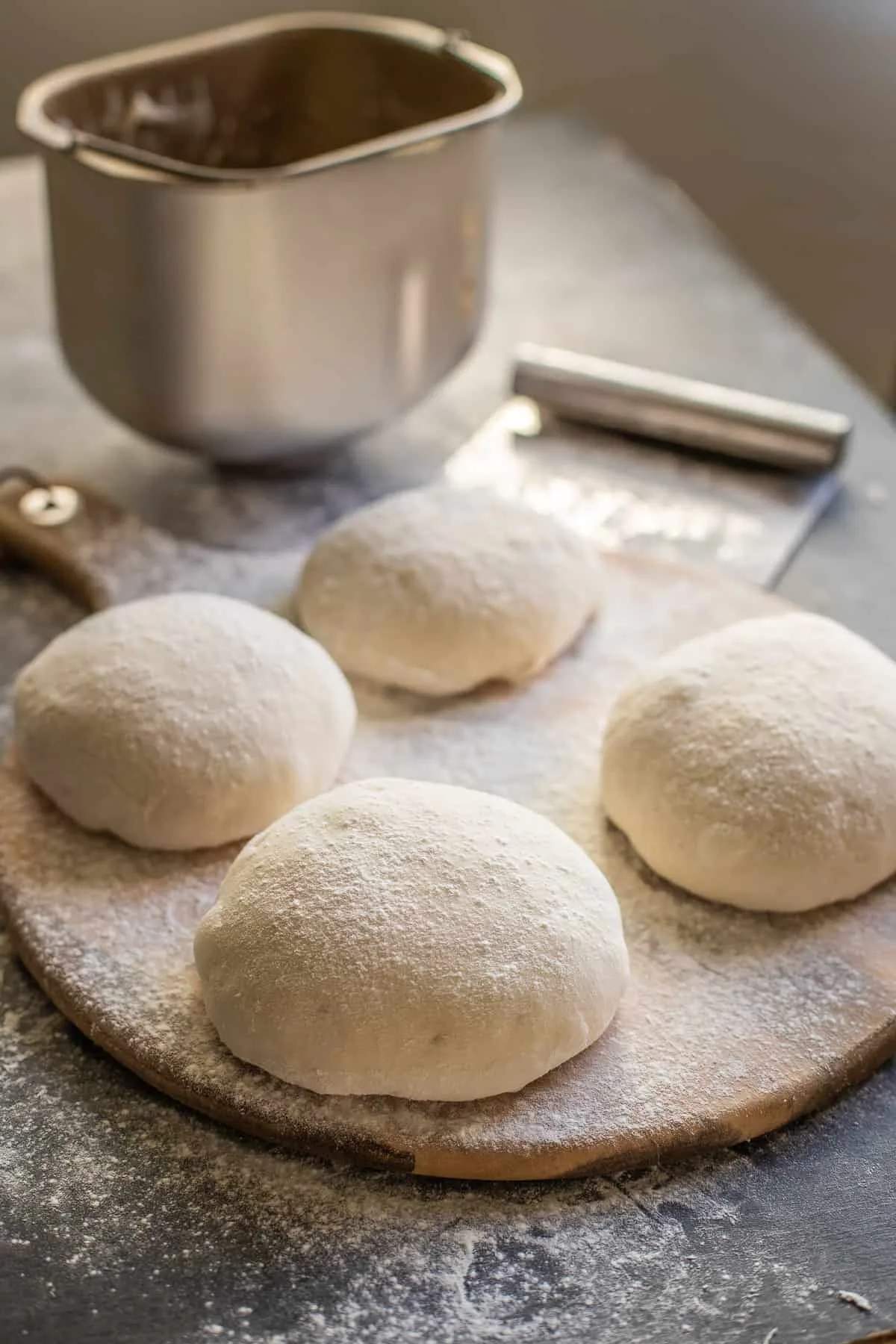
Quick Answer
Choose a bread maker with a dedicated dough cycle and a high-torque motor. Ensure it weighs at least 15 pounds to prevent walking. Look for dual kneading blades for larger batches.
Check for a viewing window to monitor hydration. Avoid lightweight plastic models that overheat during the rise.
Why the Right Bread Maker Changes Your Pizza Game
Most people buy a bread maker to produce a vertical loaf of sandwich bread. However, pizza dough requires a different approach to mechanical energy and fermentation. Using a machine allows for a hands-off bulk fermentation, which is the initial rise where flavor begins to develop.
The machine provides a consistent, protected environment. According to the USDA FoodData Central, the protein content in bread flour is higher than all-purpose flour. This makes the dough much harder for a machine to move.
A dedicated machine handles this resistance effortlessly. You can set the ingredients and walk away. By the time the cycle beeps, the gluten is fully developed and ready for shaping.
The Pizza Dough vs. Sandwich Loaf Dilemma
A standard loaf of bread is designed to be airy and soft. Pizza dough needs to be extensible, meaning it can stretch without snapping back like a rubber band. Many entry-level machines struggle with this because their "Dough" settings are too short.
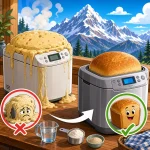
If the kneading time is insufficient, the crust will be dense and difficult to roll out. You might also encounter issues where the pan overflows because the yeast was overly active. This usually happens when the machine's internal heater stays on too long during the rise.
For pizza, you want a machine that prioritizes the mix. The heat should be minimal. High temperatures during the knead can actually damage the yeast before it has a chance to work.
Motor Torque: The Difference Between Kneading and Stalling
Pizza dough is significantly lower in hydration than a standard brioche or white loaf. This makes it thick, heavy, and resistant to turning. Research shows that budget machines often use belt-driven motors that can slip under pressure.
Look for a machine with a high-wattage motor, typically 500 watts or higher. A powerful motor ensures the paddle continues to spin even as the dough tightens. If the motor sounds like it is straining or thumping, it is likely underpowered for your recipe.
Heavy-duty machines often use metal gears instead of plastic ones. This prevents the internal components from stripping over time. A sturdy build also means the machine stays put on your counter during the high-speed kneading phase.
Single vs. Dual Kneading Paddles for Gluten Development
The number of blades in your machine dictates how well the dough is stretched. A single paddle works by spinning the dough against the side of the pan. This is fine for small batches but often leaves dry spots in larger quantities.
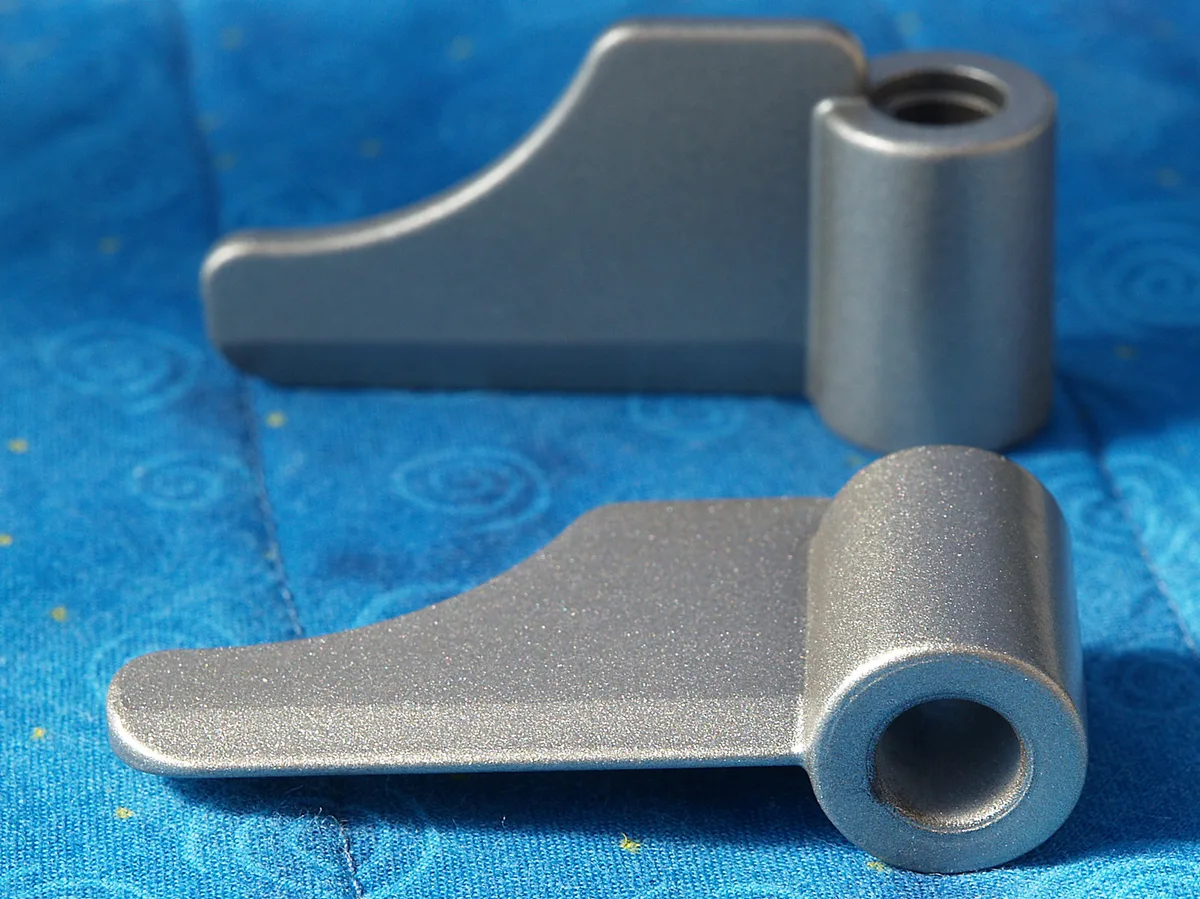
Dual blades move the dough in a figure-eight pattern. This mimics the stretching and folding action of a professional baker's hands. Aggregate user reviews suggest that dual-blade systems produce a much more consistent gluten windowpane.
| Feature | Single Paddle | Dual Paddle |
|---|---|---|
| Best For | Small batches (1lb) | Large batches (2lb+) |
| Dough Shape | Often stays in a ball | Stretches into a log |
| Mixing Efficiency | Good for wet doughs | Superior for stiff doughs |
| Cleanup | One shaft to clean | Two shafts to clean |
Temperature Control: Preventing the "Pre-Cooked" Dough Disaster
Yeast is a living organism that is highly sensitive to heat. Manufacturer specifications for many high-end machines include dual sensors. One sensor monitors the room temperature, while the other monitors the internal temperature of the pan.
If the machine gets too warm, the dough will rise too fast. This results in a sour flavor and a weak structure. A quality machine will actually delay the start of the cycle if the ingredients are too warm from the motor's friction.
As of 2026, premium models have started including cooling fans. These fans dissipate the heat generated by the motor during the 20-minute knead. This keeps the dough at a steady 78°F to 80°F, which is the ideal range for fermentation.
Comparing Top-Tier Brands: Zojirushi vs. Breville vs. Panasonic
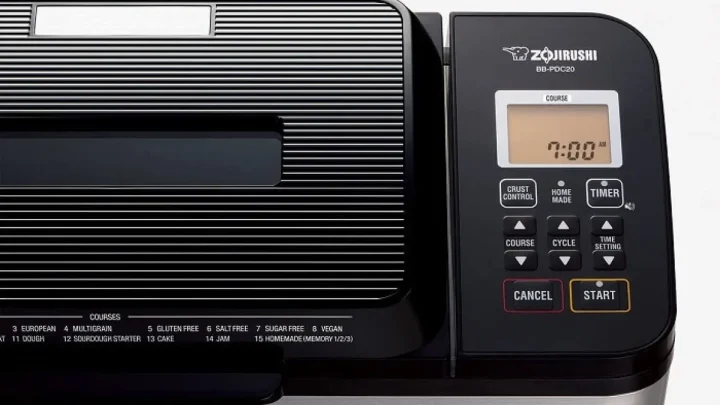
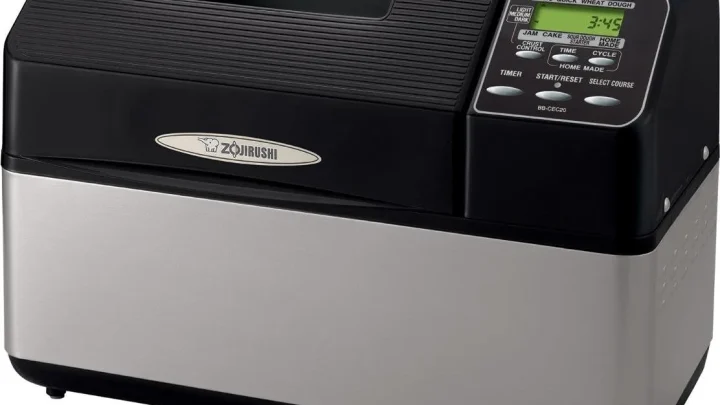
When evaluating market leaders, Zojirushi and Breville often sit at the top for heavy dough work. Zojirushi Virtuoso models feature a dual-blade system. This is widely considered the best setup for stretching pizza dough.
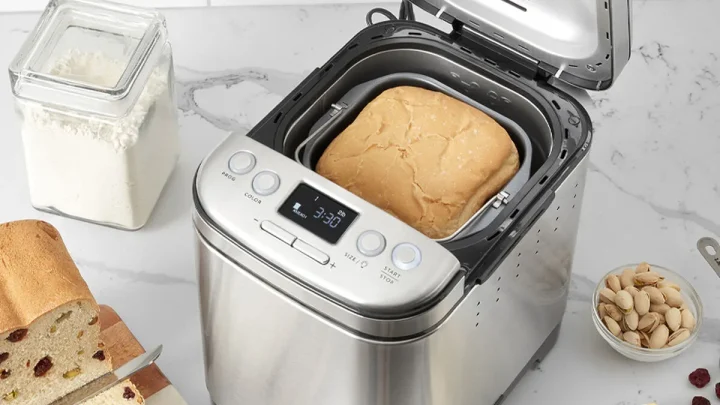
Breville machines, such as the Custom Loaf, focus on versatility. They feature a collapsible paddle that stays tucked away during the rise. While this is helpful for bread, pizza enthusiasts value it because it leaves a smaller footprint in the dough.
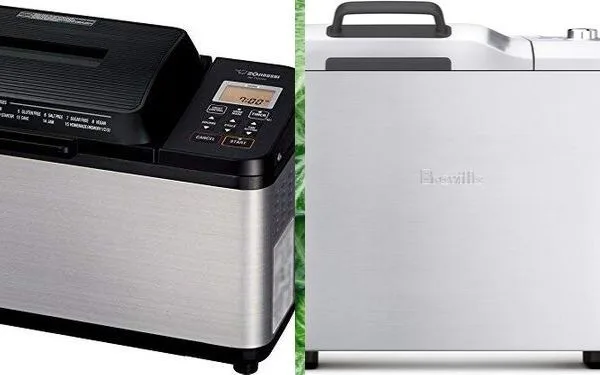
Panasonic models often take a different approach by using a specialized yeast dispenser. This ensures the yeast stays dry until the mixing begins. For pizza recipes that require a long delay timer, this prevents the yeast from activating too early in a humid pan.
Feature Comparison: Standard vs. Specialized Pizza Machines
A specialized pizza machine typically offers a shorter "Dough" cycle compared to standard bread makers. While a standard loaf might need a 90-minute cycle, pizza dough often only needs 45 to 60 minutes. Specialized cycles focus more on aggressive kneading than long proofing times.
Entry-level machines usually have a single dough button with no customization. This means you are stuck with whatever timing the manufacturer programmed. If the cycle is too long, you risk the dough becoming over-proofed and collapsing.
High-end machines allow you to bypass the rise altogether. You can program a 20-minute intensive knead and then remove the dough immediately. This is the preferred method if you plan to move the dough to the refrigerator for a cold ferment.
The "Dough-Only" Cycle: What Happens Inside the Pan
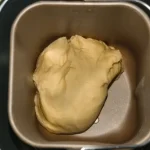
The dough cycle is a two-part process that handles the hardest parts of pizza making. First, the machine begins a slow stir to incorporate the flour and water. After a few minutes, it shifts into a high-speed knead to align the gluten proteins.
During this time, the machine creates a micro-climate. Even if your kitchen is cold, the insulation of the pan keeps the dough at a perfect temperature. This ensures the yeast grows at a predictable rate every time.
The cycle typically ends with a punch-down phase. The paddle gives a few quick turns to deflate the dough and redistribute the sugars. This step is vital because it prevents the dough from developing large air pockets that could ruin your crust.
Evaluating Pan Shape: Does Horizontal vs. Vertical Matter?
Pan shape is a major consideration when you are looking for top-rated brewers or other kitchen appliances. Vertical pans are tall and square. They are space-efficient but can sometimes leave dry flour in the bottom corners.
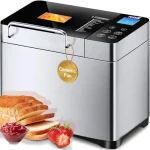
Horizontal pans are longer and rectangular. They almost always come with two kneading blades. This layout is better for pizza dough because it allows the dough to stretch side-to-side rather than just spinning in a circle.
If you plan on making larger 16-inch pizzas, a horizontal pan is the safer bet. It handles the higher volume of flour without the dough climbing up the drive shaft. Vertical pans are excellent for small, personal-sized batches.
Avoiding the "Walking" Machine: Weight and Build Quality
A common complaint with lightweight bread makers is that they "walk" across the counter. Pizza dough is dense and elastic. When the paddle hits the dough, it generates a significant amount of kinetic energy.
If the machine is made of thin plastic and weighs less than 10 pounds, that energy will move the whole unit. Verified buyer feedback often reports machines vibrating off the counter. To avoid this, look for a machine with a stainless steel body and rubberized feet.
Heavy machines, typically weighing 15 to 20 pounds, act as their own anchor. They absorb the vibration and stay silent. A machine heavy enough to stay put usually has a motor beefy enough to last for years.
Use Cases: Personal Pizzas vs. Large Family Batches
If you are only cooking for two, a 1-pound capacity machine is usually plenty. These compact units save counter space and are much easier to store. They use smaller pans that require less energy to mix.
For families, you will need a 2-pound or 2.5-pound capacity machine. This allows you to mix enough dough for three or four standard pizzas in one go. Trying to force a large recipe into a small pan can lead to the motor burning out.
Always check the maximum flour capacity in the manual. A "2-pound" machine doesn't mean it can handle 2 pounds of flour. It means the total weight of the finished dough should not exceed that limit.
Common Pitfalls: Why Your Machine-Made Dough Might Be Tough
Tough dough is usually the result of over-mixing or using the wrong temperature settings. If the motor runs for too long, the friction heat can tighten the gluten matrix too much. This makes the dough snap back when you try to stretch it.
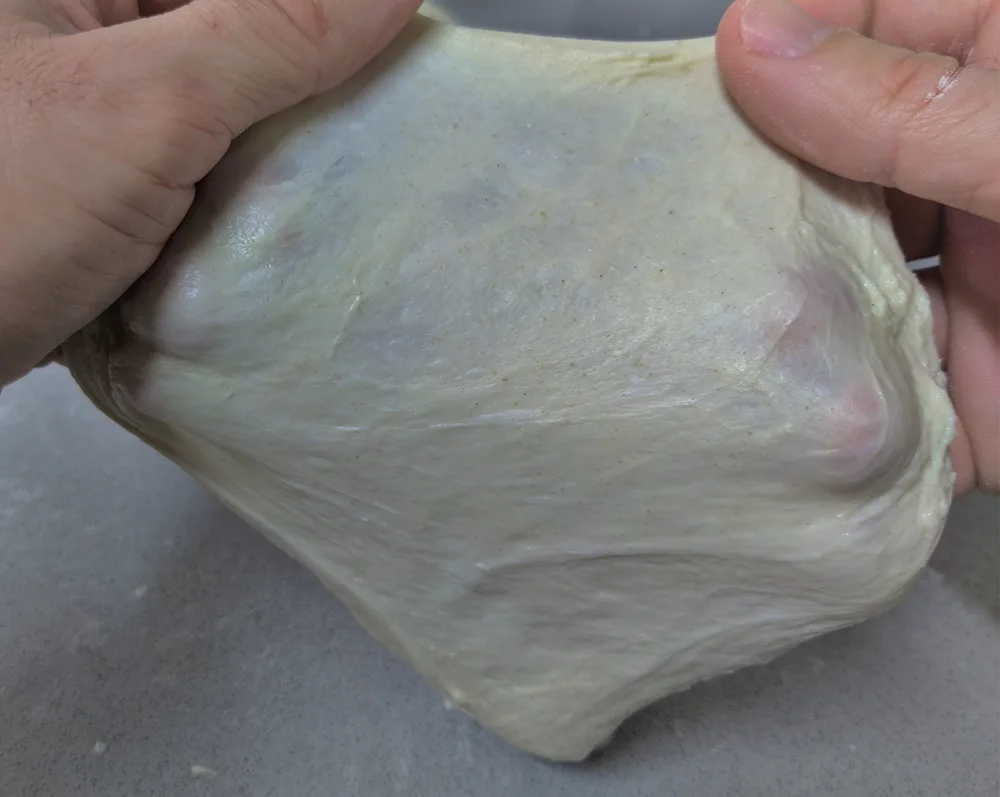
Another common error is failing to monitor the hydration during the first ten minutes. If the dough looks like dry crumbs, it will be tough. If it looks like a thick batter, it won't hold its shape.
Use the viewing window to check the consistency early. You can add a teaspoon of water or flour as needed to get a smooth, tacky ball. Getting this balance right in the machine prevents a dense, chewy crust later.
Pro Tips for Loading Ingredients to Protect Your Motor
The order you add ingredients determines how hard the motor has to work. Most manufacturers recommend adding liquids first, followed by dry ingredients, with yeast on top. This prevents the flour from forming a dry, heavy clump at the bottom.
Keep salt and yeast separate during the loading phase. Salt can kill yeast if they stay in direct contact for too long before mixing begins. This is especially important if you are using a delay timer.
If you are using high-protein bread flour, consider adding a teaspoon of olive oil to the liquid. The oil acts as a lubricant for the dough. It helps the paddle slide through the mixture more easily, which reduces the strain on the drive belt.
Maintenance: Caring for Paddle Seals and Drive Shafts
The drive shaft is the most vulnerable part of a bread maker. Over time, flour dust and water can leak past the seal and seize the bearings. If you hear a high-pitched squeak during the knead, the seal is likely failing.
Always remove the kneading paddle immediately after the cycle ends. Soaking the pan in hot water helps loosen any stuck dough around the shaft. Never use metal tools to scrape the paddle, as this will ruin the non-stick coating.
Check the underside of the pan for black dust or oil leaks. This is a sign that the internal bearings are wearing down. Prompt cleaning and proper drying will extend the life of these components by years.
Final Verdict: Which Machine Should You Buy for Pizza?
If you want the absolute best results, a horizontal, dual-blade machine is the clear winner. The stretching action is superior for developing the gluten needed for a thin, crispy crust. It provides the most versatility for different batch sizes.
For those on a budget, a heavy, single-blade stainless steel model is a reliable alternative. Focus on the machine's weight and motor wattage rather than the number of buttons. A simple, heavy machine will always outlast a flimsy one with extra features.
Ultimately, your choice depends on how often you bake. If pizza night is a weekly tradition, investing in a high-torque model is worth the cost. You will get consistent, professional results without the physical labor of hand-kneading.
Frequently Asked Questions
Can I use the "Rapid" setting for pizza dough?
It is not recommended because the rapid setting cuts the kneading and rising time in half. Pizza dough needs the full kneading time to develop gluten and the full rise time for flavor. Using a fast cycle often results in a dense, flavorless crust.
Should I leave the dough in the machine after the cycle ends?
You should remove the dough as soon as the cycle beeps. Leaving it in the machine can lead to over-proofing because the pan stays warm for a long time. Take it out, shape it into balls, and either use it immediately or put it in the fridge.
Why does my machine move across the counter during kneading?
This usually happens if the dough is too dry or the machine is too light. A dry dough ball is very stiff and creates a lot of kickback against the motor. Ensure your hydration is correct, and consider placing a silicone mat under the machine to keep it in place.
Is bread flour really necessary for pizza in a machine?
Bread flour is recommended because its higher protein content stands up better to intensive mechanical kneading. All-purpose flour can sometimes become over-worked and lose its structure. For a classic chewy pizza crust, bread flour provides the most consistent results.
How do I stop the paddle from getting stuck in the dough?
Lightly coat the paddle and the drive shaft with a tiny bit of vegetable oil before adding ingredients. This creates a barrier that prevents the dough from sticking to the shaft. Most modern machines also have a punch-down phase that helps loosen the dough from the blade.

Similar Posts