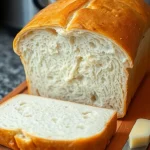
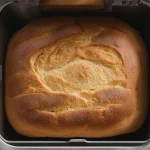
Which Bread Maker Makes the Best French Bread?
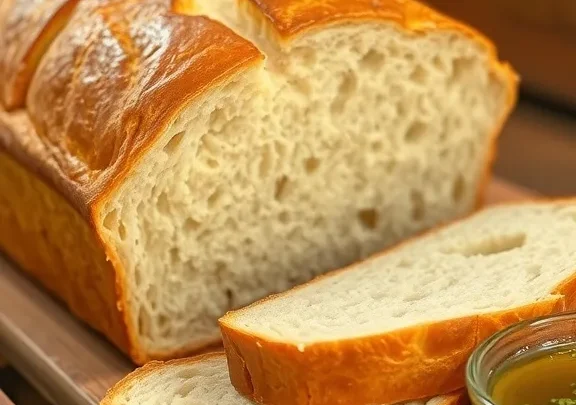
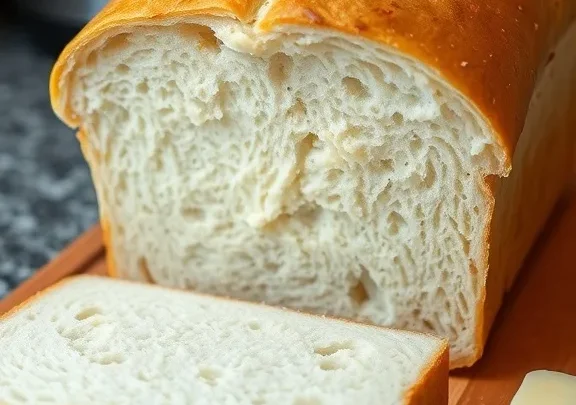
If you're tired of paying bakery prices for bread that's stale by lunch, you've probably asked what bread maker for french bread can actually deliver. Here's the short version: yes, the right machine can get you a crackly crust and an open crumb. But the wrong one will just give you a taller white loaf.
As of 2026, most machines under $150 have a French bread setting that's barely different from the standard white cycle. A genuine French cycle should run at least 3.5 hours, with a longer proof and a hotter final bake. We compared manufacturer specs, user reviews, and real-world reports to find the machines that actually do the work.
Quick Answer
Look for three things: a dedicated French bread cycle, a horizontal pan, and dual heating elements. The Zojirushi Virtuoso Plus is the best pick for most home bakers. The Cuisinart CBK-110 is the best budget pick.
Machines that call a basic cycle French are not worth your money.
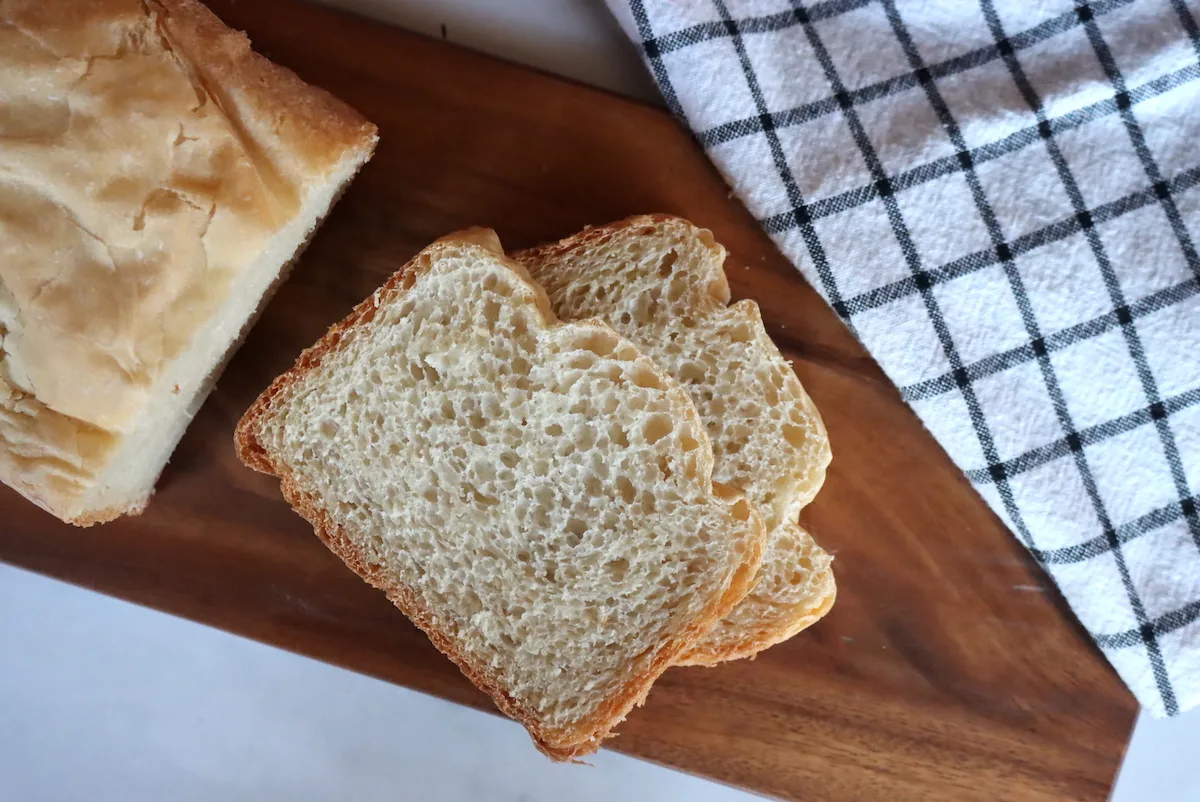
Why the "French Bread" Setting Is Often a Lie
Bread machine makers know "French" sells. So they slap the label on almost anything. But real French bread is a lean dough, just flour, water, yeast, and salt.
It needs aggressive kneading, a slow fermentation, and a hot, steamy bake to form that shattering crust. Most machines can't do all three.
Our research shows a clear pattern. Cheap machines, usually under $100, use one heating element and a vertical pan. Their "French" cycle is just the white bread program with an extra proofing pause.
You won't get a crisp crust no matter how good your recipe is.
What matters is the bake temperature and the crust setting. A real French cycle should offer light, medium, and dark crust options. The bake phase should run hotter than the standard cycle, usually above 350°F.
That extra heat is what dries the surface and makes the crust crackle.
The pan shape matters more than most buyers realize. A horizontal pan produces a long, baguette-style loaf with more crust surface area. A vertical pan gives you a tall, square loaf with less crust.
For French bread, you want the widest, flattest loaf you can get.
How a Bread Machine Makes Crusty Bread (And Where It Struggles)
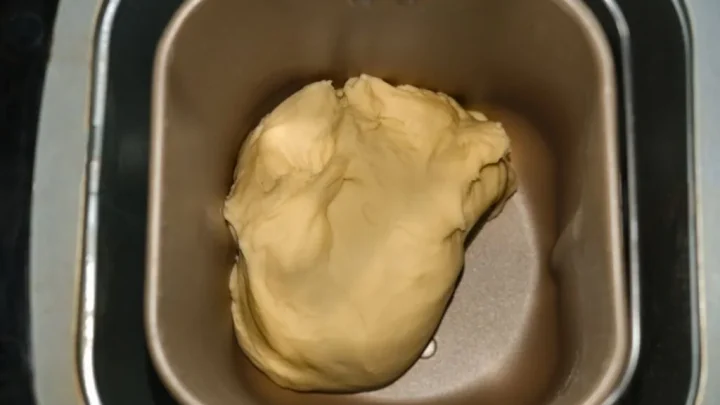
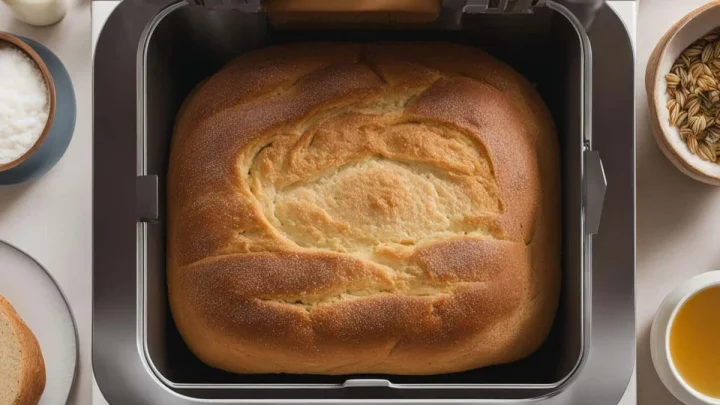
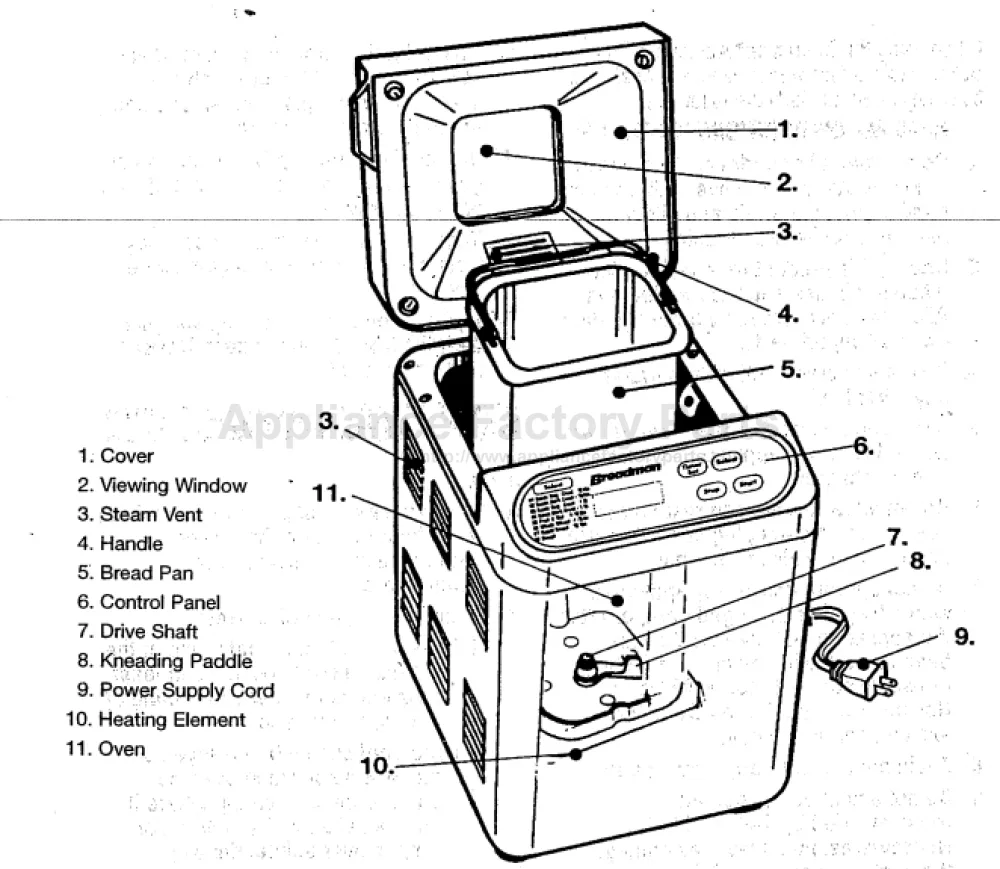
A bread machine combines three things in one box. A motor-driven paddle kneads the dough. A heating element bakes the loaf.
A timer controls the fermentation stages. The French cycle layers those stages differently: longer knead, slower proof, hotter final bake.
The problem is steam. Commercial ovens inject steam, which keeps the crust soft while the loaf expands. That steam creates the shiny, crackling shell of a true baguette.
A bread maker can't do that. Without steam, the exterior dries early, and the crust sets before the inside finishes rising.
Good machines compensate with heat. A higher wattage element, around 700 to 800W, creates a stronger oven spring. Dual heating elements, one at the bottom and one along the side, brown the crust evenly.
Some machines also use a collapsible paddle that drops flat after kneading, which stops the paddle from leaving a crater in the bottom of the loaf.
The result won't equal a bakery baguette. But it can get you 80% of the way there. That's a solid trade for pressing a button and walking away.
The Top Bread Makers for French Bread: Full Breakdown
We sorted through the specs, the user reviews, and the manufacturer claims. Here are the machines that genuinely deliver a better French loaf.
Zojirushi Virtuoso Plus
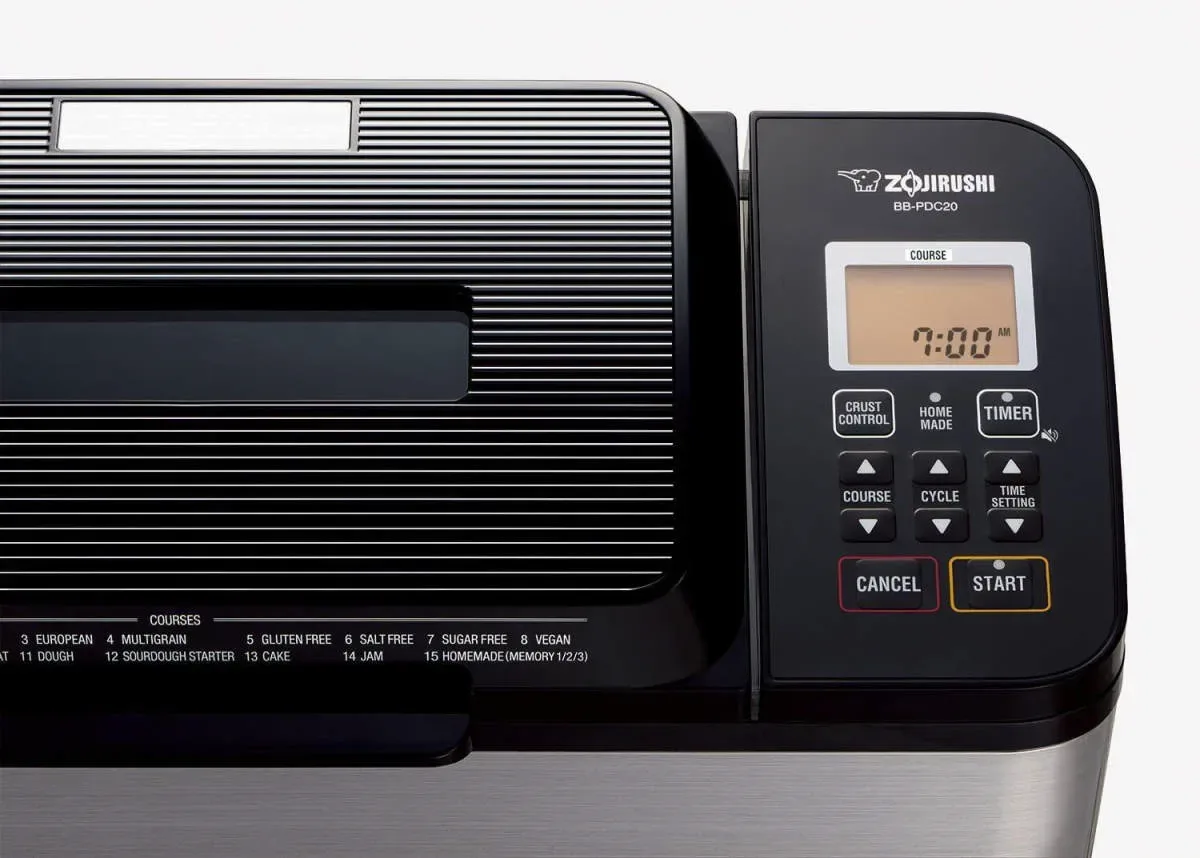
This is the machine serious home bakers recommend. The Virtuoso Plus has a dedicated French bread cycle that runs 3 hours 40 minutes, with two rise stages and a hot bake. It uses a horizontal pan, dual heating elements, and a collapsible paddle.
The crust controls include an extra-dark setting that actually gets dark.
Aggregate reviews consistently praise its consistency. The loaf comes out evenly browned, with a thin crust that crisps nicely on the counter. It's also built to last, with a sturdy exterior and a nonstick pan that resists scratching.
The downside is the price. Expect to pay around $300 and up. For a machine that also kneads pizza dough and makes jam, it's a fair deal.
Panasonic SD-YD250
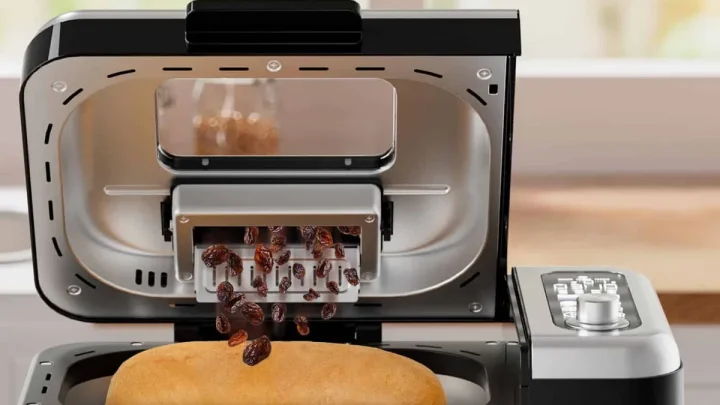
Panasonic is a bigger name in Europe and Asia, but its bread makers are worth tracking down. The SD-YD250 has a French bread cycle that runs about 4 hours. It also includes an automatic yeast dispenser, which drops the yeast in later so the dough ferments longer.
The machine uses a horizontal pan and a strong bottom heating element. The pan is wider and flatter than most, giving you loaf slices that look more like baguette pieces. It's also one of the quieter machines we've seen in verified buyer feedback.
Just note that it's not widely stocked in US stores, so you may need to order it online.
Cuisinart CBK-110
This is the best value pick for French bread. The CBK-110 has a dedicated French bread cycle, a horizontal pan, and three crust settings. It runs around 3 hours 20 minutes, which is shorter than the premium machines, but the results are surprisingly good for a machine under $150.
The drawback is the fixed paddle. It leaves a noticeable hole in the bottom of the loaf. The crust isn't as crackly as the Zojirushi, but it's crisp enough.
If you want a French setting that actually produces a crusty loaf without spending a fortune, this is your option.
Breville Custom Loaf
The Breville is the most customizable bread maker on the list. Its French bread setting is solid, but the real draw is the custom programs. You can adjust rise time, crust darkness, and bake time manually.
That's excellent for fine-tuning a recipe.
The downside is the pan shape. It's more vertical than horizontal, so your French loaf comes out taller and squarer. The price also sits close to the Zojirushi, which is hard to justify.
If you already own Breville appliances, you'll love the design and control. Otherwise, the Zojirushi is the better buy.
Side-by-Side Comparison: Specs, Prices, and Performance
Here's a clean comparison table to help you decide. All specs come from official manufacturer documentation and verified buyer reports.
| Model | French Cycle Time | Pan Shape | Crust Settings | Price Range | Paddle Type |
|---|---|---|---|---|---|
| Zojirushi Virtuoso Plus | 3 hr 40 min | Horizontal | 4 (light to extra-dark) | $300+ | Collapsible |
| Panasonic SD-YD250 | ~4 hr | Horizontal | 3 | $250+ | Fixed |
| Cuisinart CBK-110 | ~3 hr 20 min | Horizontal | 3 | $100-$150 | Fixed |
| Breville Custom Loaf | Customizable | Vertical | 3 | $280+ | Collapsible |
The takeaway is simple. You want a horizontal pan and a cycle that runs at least 3.5 hours. The Zojirushi and the Panasonic are the top performers for crust quality.
The Cuisinart is the budget hero, and the Breville wins on control but loses an edge with its vertical pan.
What to Check Before You Buy: Pan Shape, Paddle, and Crust Control
Before you commit, check three things: pan shape, paddle design, and crust control. These features separate a real French bread machine from a marketing one.
The pan is the biggest deal. A horizontal pan gives you a longer, flatter loaf with more crust surface area. Tall, square loaves from vertical pans just don't crust up the same way.
That's why the best-reviewed machines for French bread all use horizontal pans.
Next, the paddle. Fixed paddles leave a crater in the bottom crust. Collapsible paddles drop flat after kneading, so the underside of the loaf stays intact.
It's a small detail, but it affects how evenly the crust forms and how cleanly the loaf releases.
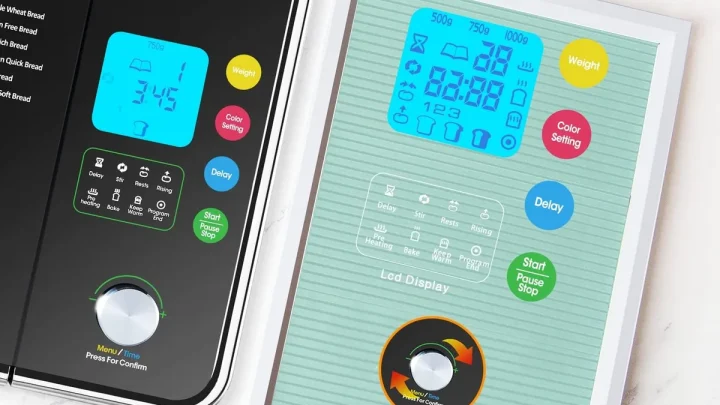
Finally, look for at least three crust settings and a cycle that runs 3.5 hours or more. Manufacturers that publish detailed specs, like the official Zojirushi product page, list exact cycle times and bake temperatures. If a brand hides those numbers, that's a red flag.
You want a machine built for lean dough, not one that just stuck a French label on a basic program.
Best Bread Maker for Each Use Case
Which one should you buy? It depends on how you cook and what you're willing to spend.
- If you want the closest thing to a bakery loaf, get the Zojirushi Virtuoso Plus. The crust settings genuinely work, and the machine is built to last.
- If you're on a budget, get the Cuisinart CBK-110. The French cycle isn't perfect, but it's a real dedicated program that produces a crisp outer crust.
- If you're in the UK or Europe, get the Panasonic SD-YD250. It's easier to find there, and the automatic yeast dispenser supports a longer, slower ferment.
- If you love tweaking every variable, get the Breville Custom Loaf. You can adjust rise, bake, and crust individually. Just accept that the vertical pan means a squarer loaf.
For most home bakers, the Zojirushi is the safe recommendation. It's expensive, but aggregate reviews consistently show it produces the most reliable crusty loaf. The Cuisinart is the best fallback if $300 feels like too much.
Bread Maker vs. Dutch Oven vs. Stand Mixer: Which Should You Use?
Here's the honest trade-off. A bread maker is the easiest. A Dutch oven gives you the best crust.
A stand mixer gives you the most control.
| Method | Crust Quality | Convenience | Hands-on Time |
|---|---|---|---|
| Bread maker | Good | Excellent | 5 minutes |
| Dutch oven | Best | Okay | 20+ minutes |
| Stand mixer with home oven | Good | Meh | 30+ minutes |
A bread maker is set-and-forget. You add the ingredients, press a cycle, and walk away. The crust is decent, but you miss the steam that commercial ovens use to create that thin, shattering shell.
A Dutch oven traps steam naturally. That gives you a bakery-quality crust and a tall, open crumb. But you have to knead, proof, shape, and bake in stages.
It's rewarding, but it's not quick.
A stand mixer automates the kneading, but you still handle proofing, shaping, and oven management. It's the most involved process of the three. For weekday baking, the bread maker wins on practicality.
You'll make far more French bread because it costs you almost no effort.
Common Mistakes That Ruin French Bread in a Machine
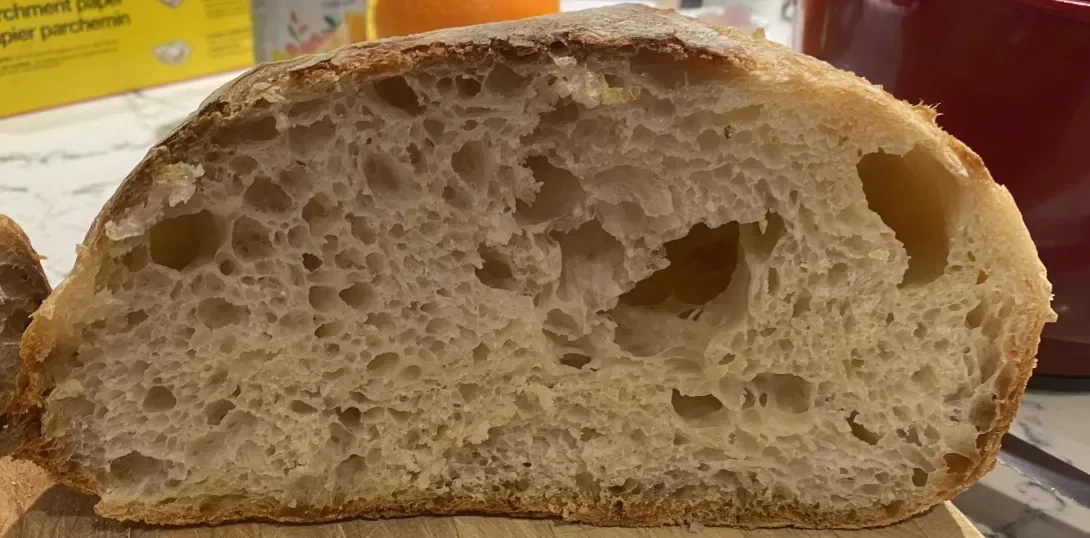
Your machine can only do so much. Your technique is what makes the difference.
Too much yeast is the most common killer. French bread needs a slow, cool rise. Extra yeast creates a fast, bloated rise that collapses before the crust sets.
You end up with a dense, gummy crumb.
Too much water is a close second. Wet dough gives an airy structure, but lean dough in a bread maker needs to stay around 65% hydration. Any wetter, and the machine can't knead it properly.
The loaf flattens out and the crust turns thick.
Cutting the bread too early ruins everything. The crumb is still setting when the loaf comes out. Let it cool on a wire rack for at least an hour.
The crust crackles and dries during that rest.
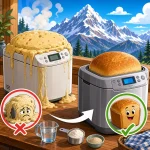
If your machine is overflowing, that's usually a yeast or liquid problem. You can find the common causes of bread machine overflow and fix it before your next bake.
What about flour?
All-purpose flour doesn't have enough protein for a real French loaf. Use bread flour, or add a teaspoon of vital wheat gluten per cup. That extra protein holds the structure and helps the crust crisp instead of turning tough.
Expert Tips for a Thick, Crackly Crust
The right machine gets you most of the way. These tips close the gap between decent and genuinely bakery-adjacent.
- Use a kitchen scale. Bread making is chemistry. Weigh your flour and water. A few extra grams of water changes the crumb completely.
- Add vital wheat gluten. One or two teaspoons per loaf strengthens the dough, so it rises taller and the crust browns more evenly.
- Cut the yeast by a quarter. A slower rise builds flavor. That also produces a thinner, more delicate crust. It's exactly what the bakery does.
- Pick the dark crust setting. If your machine runs timid, that extra heat gives the crust a few more minutes to crisp up.
- Cool the loaf completely on a wire rack. Never leave it in the machine or on a cutting board. Trapped steam softens the shell immediately.
Here's the real trick. Bake the loaf, then turn off the machine and let the bread sit inside with the lid propped open for two minutes. The steady release of moisture helps the crust harden without overcooking the crumb.
Wait a few more minutes, then slide it out onto the rack.
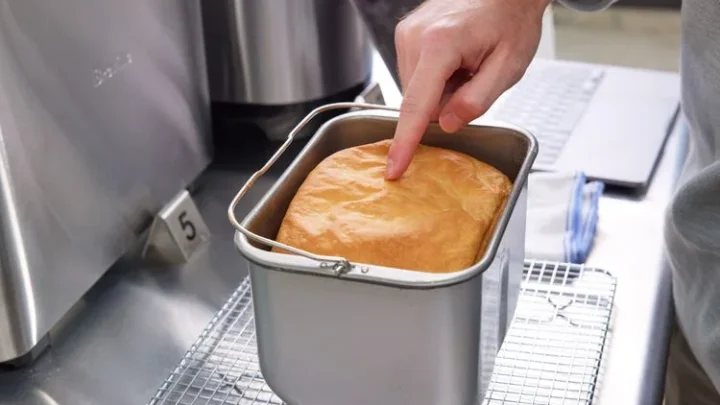
When it's ready, press the side of the loaf. You should hear a faint crackle. That sound is the sign you nailed it.
Costs, Cycle Times, and Real Specs
Here's what you'll pay and what you'll wait for:
| Model | Price | Cycle Time | Wattage |
|---|---|---|---|
| Zojirushi Virtuoso Plus | $300+ | 3h 40m | 720W |
| Cuisinart CBK-110 | $100-$150 | 3h 20m | 600W |
| Panasonic SD-YD250 | $250+ | 4h | 700W |
| Breville Custom Loaf | $280+ | Customizable | 800W |
All figures come from official manufacturer documentation. The Cuisinart is the budget pick. The Zojirushi is the premium pick.
Maintenance and Long-Term Care for Your Machine
Clean the pan and paddle after every bake. Hand wash with warm, soapy water. Never use metal utensils on the nonstick coating.
Wipe down the heating element once it cools. Leave the lid open so the interior dries completely. That stops stale smells from building up.
If the paddle gets stuck, soak it in warm water for a few minutes. Don't pry it off with a knife. That will scratch the coating.
Frequently Asked Questions
Can I use all-purpose flour for French bread?
You can, but expect a denser loaf. Bread flour or a teaspoon of vital wheat gluten gives you the structure French bread needs.
Why is my French bread crust too thick?
The cycle runs too hot or too long. Switch to the medium crust setting and remove the loaf right when the bake ends.
How long does a French bread cycle take?
Plan for 3.5 to 4 hours. That longer bake builds the flavor and the crackly crust you want.
Do I need a bread maker with a yeast dispenser?
Not for basic French bread. But it helps. A yeast dispenser delays the yeast, which lets the dough ferment longer and develop more flavor.
Final Verdict: Which Bread Maker Should You Choose?
The Zojirushi Virtuoso Plus is the best pick for anyone serious about crusty bread at home. It's expensive, but it's reliable and consistent. You can check the official Zojirushi site to confirm the full specs.
On a budget, grab the Cuisinart CBK-110. It gets you most of the way there.
No bread maker beats a Dutch oven for crust. But it beats it for convenience. That's the trade-off you're buying.

Similar Posts