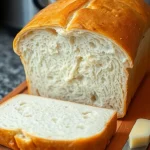
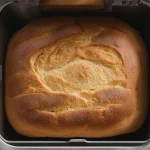
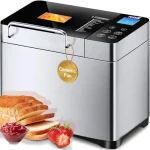
What Bread Maker Makes the Best White Bread?
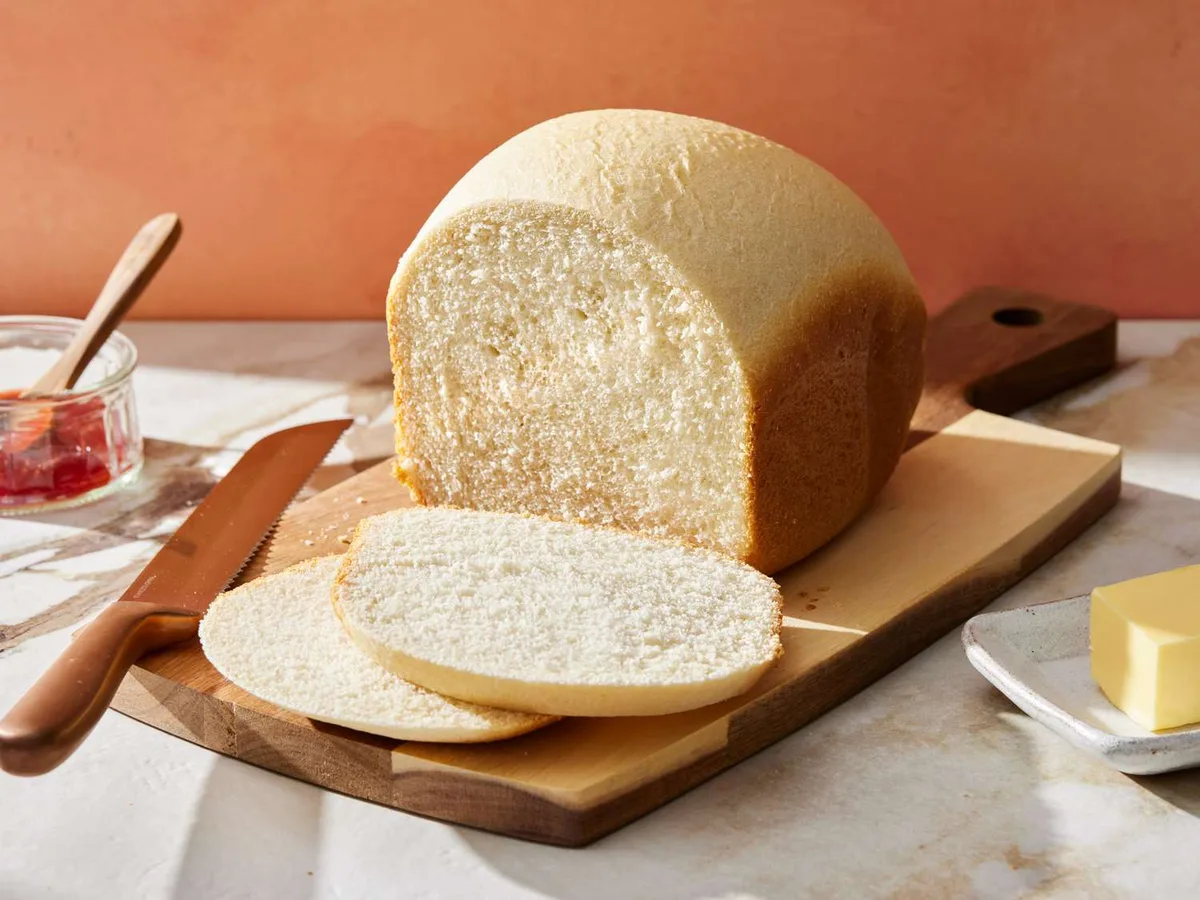
Why the Right Bread Maker Matters for White Bread
White bread looks simple. Flour, water, yeast, salt, a little sugar and butter. But it's one of the hardest things for a bread maker to get right.
White flour is high in protein, which means it needs serious kneading to develop gluten. A weak motor will stall mid-cycle, leaving you with a dough that never becomes smooth and elastic. Aggregate reviews report this exact failure constantly.
The result is a dense, pale loaf that barely rises.
Temperature control matters just as much. Per USDA guidance, white bread is fully baked when its center reaches 190 to 210 degrees Fahrenheit. A machine with poor heat distribution will brown the crust while the interior stays doughy.
You can't fix that with more time in the oven.
If the dough rises too aggressively in a machine with weak control, it can also outgrow the pan before baking starts. That mess usually comes back to inconsistent proofing temperatures.
So, what actually separates a great white-bread machine from a mediocre one? Four features:
- Horizontal pan shape for sandwich-friendly slices
- At least 550 watts of kneading power
- Separate crust color settings
- A solid basic white or French bread cycle
If a machine misses on two of those, keep looking.
Quick Answer: What to Look for in a White-Bread Machine
The best bread maker for white bread has a horizontal pan and strong kneading power. Twin paddles help, but a solid motor matters more. Look for adjustable crust settings.
A light or medium browning prevents that thick, dark top. Stick with a trusted brand like Zojirushi, Panasonic, or Cuisinart.
Horizontal vs. Vertical Bread Makers: More Than Just Loaf Shape
Pan orientation shapes more than just the loaf's silhouette. It changes how the dough rises, how the crust forms, and how your sandwich slices stack up.
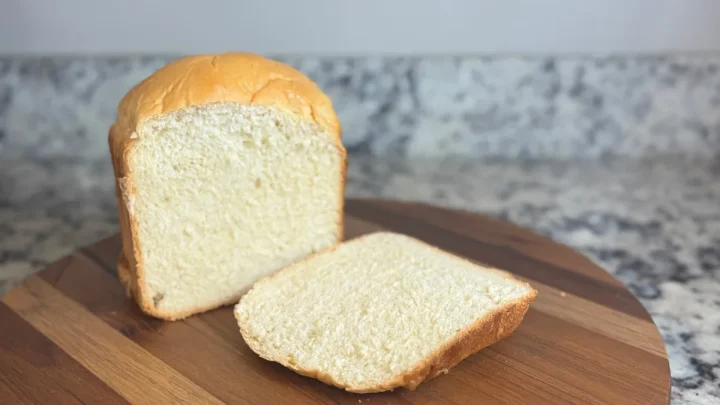
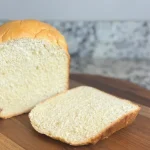
Horizontal bread makers are the standard in North America. The pan is wide and rectangular, so the loaf expands sideways. You get a low, broad loaf with slices that look like they came from a bakery.
This is the configuration to pick if you buy bread mainly for sandwiches.
Vertical bread makers are more common in the UK and Europe. They bake a tall, round-topped loaf that slices into smaller, taller pieces. The top crust tends to be thicker and more domed, which is great for artisan-style toast but less useful for an even white sandwich bread.
There's also the counter space factor. Vertical machines take up less room. That's a real advantage in a small kitchen.
But weigh it against the loaf shape you actually want to eat.
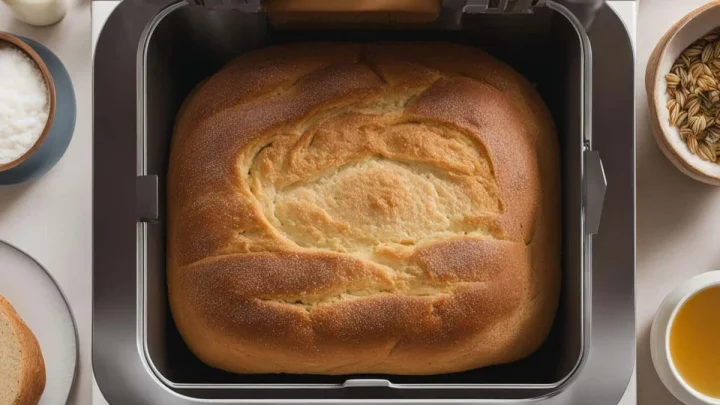
One more thing worth checking: the pan itself. A horizontal pan with gently curved corners lets the dough release cleanly. A pan with deep ribs or ridges will leave strange lines in the crust.
Most manufacturer photos show the pan from above, so look carefully before you buy.
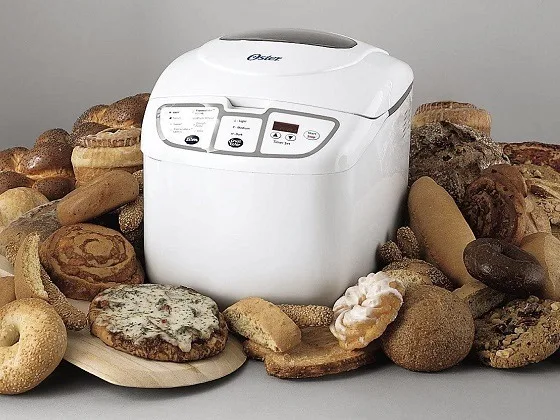
Single vs. Twin Paddles: Does Kneading Power Change the Loaf?
The paddle is the part that actually does the work, so it deserves more attention than the number of preset menus.
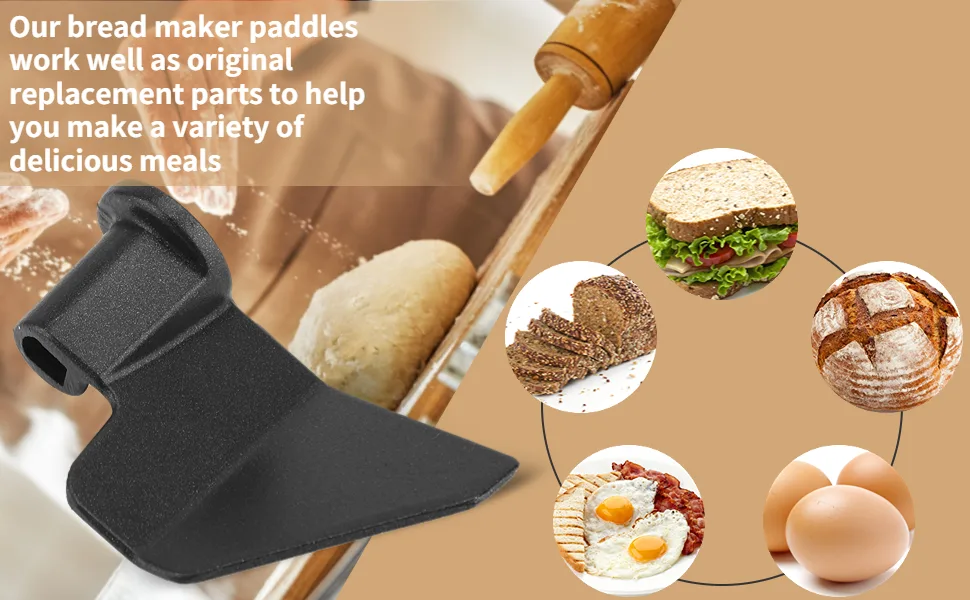
Single-paddle machines are the most common. One plastic or stainless paddle sits in the center or to one side, mixing and kneading the dough. It does the job, but it tends to leave a single deep hole in the bottom of the loaf.
That hole is cosmetic, not a dealbreaker.
Twin-paddle machines, like the ones from Zojirushi and Panasonic, use two paddles that rotate together. They fold the dough more consistently, which is genuinely helpful for white bread. The dough ball stays centered, the texture is more uniform, and each paddle leaves a smaller mark.
But here's the honest part: motor power matters more than paddle count. A strong single-paddle machine can knead white dough better than a weak twin-paddle model. Look for a machine rated at 550 watts or higher.
That number tells you the machine can handle a full 2-pound loaf without overheating.
Cleaning is another factor. Twin paddles mean two shafts to clean and two small holes in your bread. If you're okay with that, you get a nicer crumb.
If you want simplicity, a single paddle is easier to live with.
For white bread specifically, twin paddles give a visible edge in loaf height and crumb uniformity. That's why premium bread makers include them.
The Contenders: Top Bread Makers for White Bread at Every Price
This is where the research gets practical. Based on aggregate reviews, verified buyer feedback, and manufacturer specifications, here's how the market breaks down by price. All of these machines run on standard 120V US outlets and carry UL certification for electrical safety.
| Price bracket | Machines to consider | White bread performance |
|---|---|---|
| Budget ($50-$90) | Hamilton Beach HomeBaker, Oster ExpressBake | Reliable enough for occasional loaves. They bake a decent 1.5-lb white loaf, but the crust tends to be uneven on the 2-lb setting. |
| Mid-range ($90-$160) | Cuisinart CBK-200, Breville Custom Loaf | Stronger heating and better crust control. These are the sweet spot for daily white bread bakers. |
| Premium ($250+) | Zojirushi Virtuoso Plus, Panasonic SD-YD250 | Twin paddles, dual heaters, and precise temperature sensors. They produce the tallest, most consistent white loaves of any machines on the market. |
- Budget machines are best for occasional bakers who won't mind a slightly domed, uneven slice.
- Mid-range machines fit families eating sandwiches every day. They're cheaper than premium models but bake a reliable loaf.
- Premium machines are for serious home bakers who want perfection without manual shaping.
One clear pattern emerged in our research. Buyers who burned through two or three budget machines ended up buying a premium one later. If you plan to bake every week, the premium route saves money in the long run.
If you're still experimenting, start mid-range, not at the cheapest end.
Whatever you choose, make sure the machine holds the dough before the bake cycle. A model that lets white dough climb over the pan rim will frustrate you for years.
Crust Control and Baking Cycles: Why the Basic White Setting Isn't Always Enough
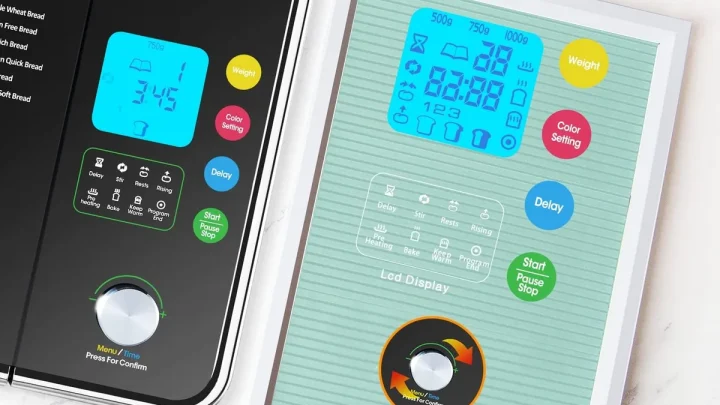
Crust color is the most overlooked setting on a bread maker. Most machines default to medium browning, which works fine. But white bread benefits from a light or medium setting.
A dark crust on white bread comes out thick, hard, and almost caramelized. That's not what you want for a soft sandwich loaf.
Manufacturer specs confirm that crust settings adjust the final bake time. Light crust ends the cycle earlier. Dark crust extends it.
That extension dries out the loaf and gives the exterior a tougher bite.
You also need to understand the basic white cycle itself. It's a three-phase program: knead, rise, bake. The total runtime is usually 3 to 3.5 hours.
Some machines offer a rapid cycle that compresses everything into 1 to 2 hours. Our research shows rapid cycles work, but the loaf turns out shorter and slightly denser. The yeast gets less time to develop flavor and rise fully.
If your machine has a French or artisan cycle, resist it for white bread. It bakes hotter and longer, which is meant for crusty loaves with open crumb. You'll get a hard shell on a soft white loaf.
Stick with the basic white cycle.
Common White Bread Failures and the Machine Flaws Behind Them
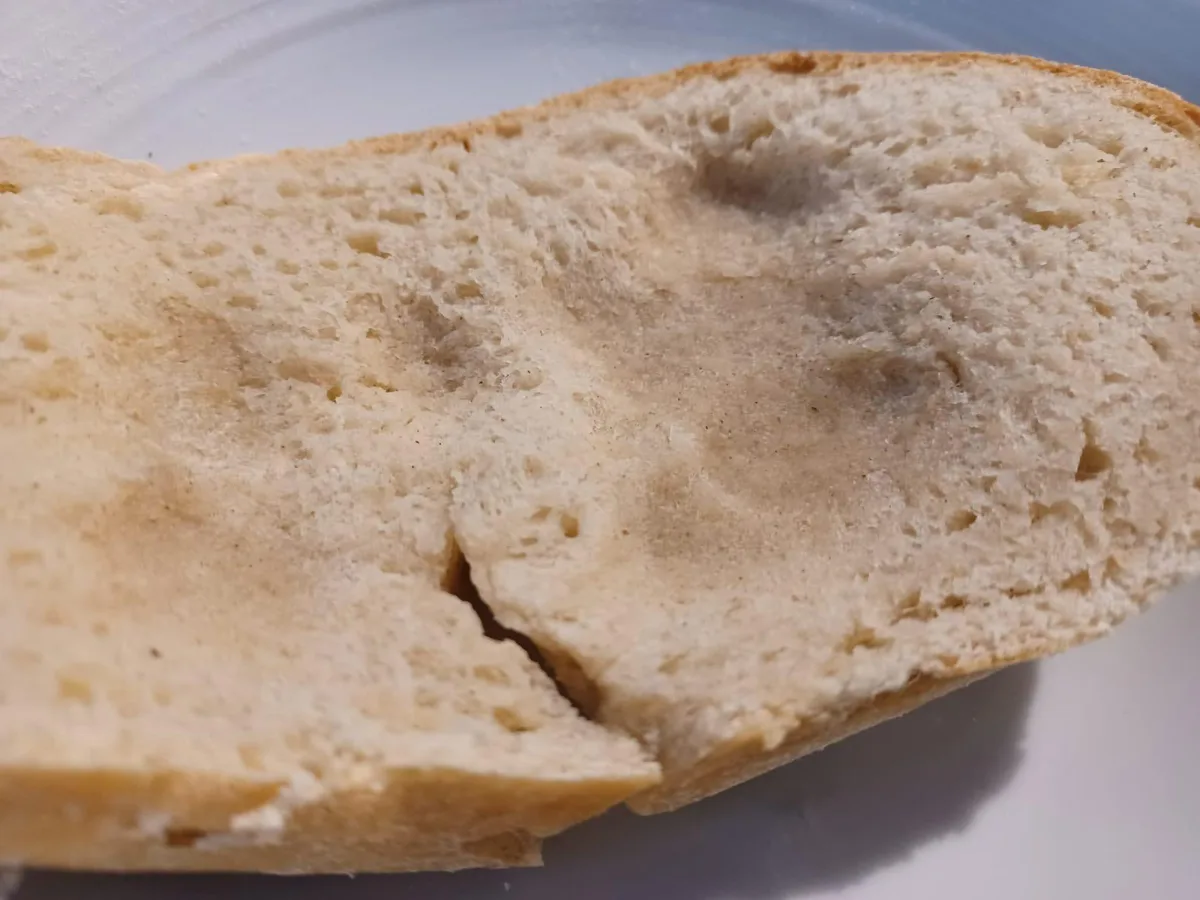
There's a pattern to common white bread failures, and it usually points back to the machine, not your recipe.
Aggregate reviews report these four issues most often:
- Dense, heavy loaves: weak motor, under-kneaded dough. The gluten never developed.
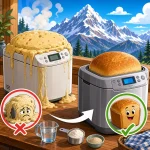
- Collapsed or sunken tops: dough over-rose then fell before baking finished. This points to uneven proofing temperatures or too much yeast.
- Burnt crust, raw center: heating elements too close to the pan, or the cycle running too hot. Check where the elements sit.
- Dough climbing over the pan rim: too much dough for the pan capacity, or a rise cycle that's too aggressive.
If you're seeing a collapsed top, check your pan size against the recipe. A 1.5-pound machine struggles with 2-pound recipes. The dough has nowhere to go but up, then it falls.
A burnt crust with a raw center usually means the machine's sensors are off. Cheaper machines measure temperature at one point, usually the base. The top overheats while the middle stays underbaked.
Premium machines use dual sensors for even monitoring.
If you troubleshoot two or three times and the problem persists, the machine's heating profile is wrong for white bread. That won't change with a new recipe.
Side-by-Side Comparison: Which Machine Bakes the Best White Loaf?
We compared the top machines on white bread performance specifically. Loaf height, crumb texture, crust quality, and consistency over multiple bakes. Here's how they stack up.
| Machine | Loaf height | Crumb texture | Crust quality | Consistency |
|---|---|---|---|---|
| Zojirushi Virtuoso Plus | Tall and uniform | Soft, fine, even | Thin and golden | Excellent |
| Panasonic SD-YD250 | Tall | Very soft with a slight dome | Thin | Excellent |
| Breville Custom Loaf | Medium-tall | Even | Medium, adjustable | Very good |
| Cuisinart CBK-200 | Medium | Slightly denser at the bottom | Darker sides | Good |
| Hamilton Beach HomeBaker | Shorter | Dense in the top half | Uneven | Fair |
The Zojirushi has two major advantages for white bread. Twin paddles give a finer crumb texture. Dual heating elements keep the bake even from top to bottom.
Panasonic achieves similar results with a single heater but excellent sensor control.
Breville and Cuisinart sit in the middle. They're capable machines that produce a very good white loaf, but the texture and height fall short of the premium pair. You'll notice the difference especially in the top slice.
Budget machines bake an edible loaf. They will not match the height or crumb quality of the premium tier. If you've only used a budget machine, you don't know what you're missing until you see the difference side by side.
Budget vs. Premium: Where Extra Spending Actually Changes Your Bread
The biggest jump in quality happens between the $50 machines and the $150 machines. That's where you gain a stronger motor, better nonstick pans, and more accurate temperature control.
From $150 to $300, you're paying for refinement. Consistent results, quieter operation, and more durable components. The bread improves too, but the jump is smaller.
| Price tier | What you pay for | What you get |
|---|---|---|
| Budget ($50-$90) | Basic function | Edible loaf, uneven crust, shorter lifespan |
| Mid-range ($90-$160) | Better heating and motor | Good loaf, reliable for daily use |
| Premium ($250+) | Precision and dual paddles | Excellent loaf, consistent every time |
A few places where premium spending is genuinely worth it:
- Dual heating elements for even browning
- Twin kneading paddles for better gluten development
- Better nonstick coating that survives hundreds of loaves
- Quieter operation if your kitchen is near a living area
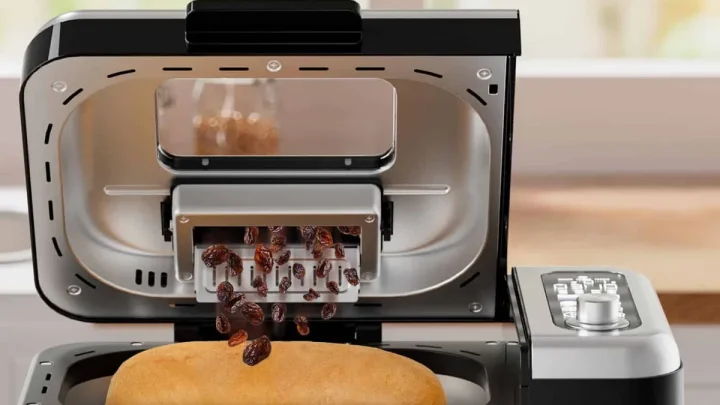
Where it's not worth paying premium: fruit-nut dispensers, jam cycles, cake programs. You won't use them for white bread.
If you bake once a week or more, buy the best machine you can justify. The cost per loaf drops dramatically over a year of regular baking.
Who Should Buy Which Machine: Use Cases and Real Scenarios
Your choice depends on how often you bake and what you expect from the loaf.
The daily sandwich family. You need a horizontal pan machine with a 2-pound capacity. Look at the Zojirushi or Panasonic. Twin paddles and even heat give you consistent slices for school lunches all week.
The weekend baker. A mid-range machine like the Cuisinart CBK-200 or Breville fits well. You'll get a solid loaf every Saturday without spending Zojirushi money.
The first-time buyer. Start with a Hamilton Beach or Oster under $80. Learn the basics. If you outgrow it in a year, upgrade.
You're not out much money, and you'll know exactly what features you want next time.
The small household. A 1-pound loaf machine prevents stale bread. Oster and West Bend make compact models that save counter space and produce a decent small loaf.
The convenience seeker. If you want fresh bread when you wake up, you need a delay timer. That's standard on most machines, but verify it before buying. Also check that the machine has a cooling down period after baking, so the timer stays accurate.
Decision tree logic is simple here. If you eat bread daily, buy premium. If you bake occasionally, buy mid-range.
If you've never used a bread maker, buy budget.
If your kitchen counter is small, prioritize the machine's footprint over everything else.
Expert Tips for Making a Soft White Loaf in Any Bread Maker
The machine does most of the work, but a few small habits make the difference between a decent loaf and a bakery-quality one.
Weigh your flour instead of scooping it. A kitchen scale costs $15, and it removes the biggest variable in bread baking. Scooping can add 20 percent more flour than a recipe intended.
That extra flour makes white bread dense and dry.
Use bread flour, not all-purpose. Bread flour contains more protein, usually 12 to 13 percent. That extra protein produces more gluten, which gives you a taller loaf with a softer crumb.
Add ingredients in the order your manual specifies. Most machines want liquids first, then dry ingredients, with yeast on top. The yeast sits away from the liquid until the kneading cycle begins.
If yeast touches water too early, it activates prematurely.
Let the loaf cool fully before slicing. A hot loaf is still setting its crumb structure. Cutting too early compresses the bread and makes it gummy.
Wait at least 30 minutes, ideally an hour.
Keeping Your Bread Maker in Top Shape: Maintenance and Pan Care
Your bread maker's nonstick pan is the most fragile part. Hand wash it with warm soapy water. Never put it in the dishwasher.
The high heat and harsh detergents break down the nonstick coating over time.
Dry the pan thoroughly before reinstalling it. Moisture trapped between the pan and the heating element can cause corrosion. Also wipe down the kneading paddle and the shaft underneath it.
Check the inside of the machine periodically. Crumbs collect around the heating element and the fan vent. A soft brush or a dry cloth handles most of it.
Don't use liquid cleaners near the heating unit.
At the first sign of flaking nonstick, replace the pan. Most manufacturers sell replacement pans. Baking in a damaged pan means your bread picks up coating flakes.
Frequently Asked Questions About Bread Makers for White Bread
Can all-purpose flour replace bread flour in a bread maker?
Yes, but expect a shorter, slightly denser loaf. All-purpose flour runs 9 to 11 percent protein. If that's all you have, add a tablespoon of vital wheat gluten per cup to mimic bread flour.
Why is my white bread loaf dense and heavy?
The dough under-kneaded or over-proofed. Check your water temperature. Too hot kills yeast, too cold stalls it.
Also confirm the flour amount with a scale. Slight excesses cause heavy loaves.
How do I keep the crust from getting too dark?
Switch your crust setting to light. If that's not enough, reduce the bake time by removing the loaf a few minutes early. Some machines let you halt the cycle after the bake starts.
Is the delay timer safe for overnight baking?
Yes, for machines listed with UL certification. Keep perishable ingredients refrigerated until the cycle starts. Also verify the dough cycle pauses correctly in warm weather, since heat speeds up yeast activity.
Final Verdict: The Best Bread Maker for White Bread, Picked by Situation
There's no single best machine. There's a best machine for your situation.
If you bake weekly and want the best white loaf possible, choose the Zojirushi Virtuoso Plus. Twin paddles, dual heaters, and consistent results justify the price.
If you want solid daily performance without the premium price, pick the Cuisinart CBK-200. It produces a reliable loaf that beats most bakery finds.
If you're just starting out, buy the Hamilton Beach HomeBaker. Learn your flour, your liquid amounts, and your kitchen's temperature. When you outgrow it, upgrade with confidence.
For a small household or tight counter space, a compact 1-pound machine from Oster handles the job well.
Here's the bottom line. White bread rewards machines with strong kneading, even heat, and simple controls. Ignore the fancy presets.
Focus on pan shape, wattage, and crust settings.
A machine with those three things will make soft, tall white bread for years.

Similar Posts