Is a 2 lb Bread Maker Right for You? Capacity Guide & Tips
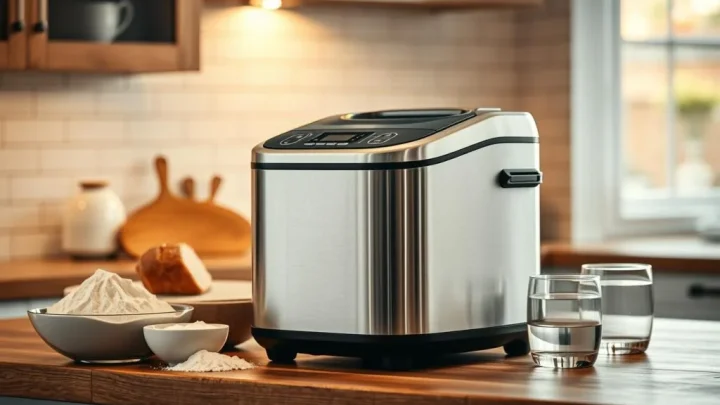
Deciding on the right equipment for your kitchen can feel like a chore when every box claims to be the best. The 2 lb bread maker explained simply is the most popular size for home bakers because it matches the volume of a standard grocery store loaf. It provides the flexibility to feed a family of four without leaving a mountain of stale crusts on the counter.
Most modern machines in this category offer adjustable settings to handle smaller batches, making them highly versatile for different needs. Our research into manufacturer specifications shows that a 2 lb capacity typically requires about 4 cups of flour. This size has become the industry standard for most recipe books and pre-packaged bread mixes as of 2026.
Quick Answer
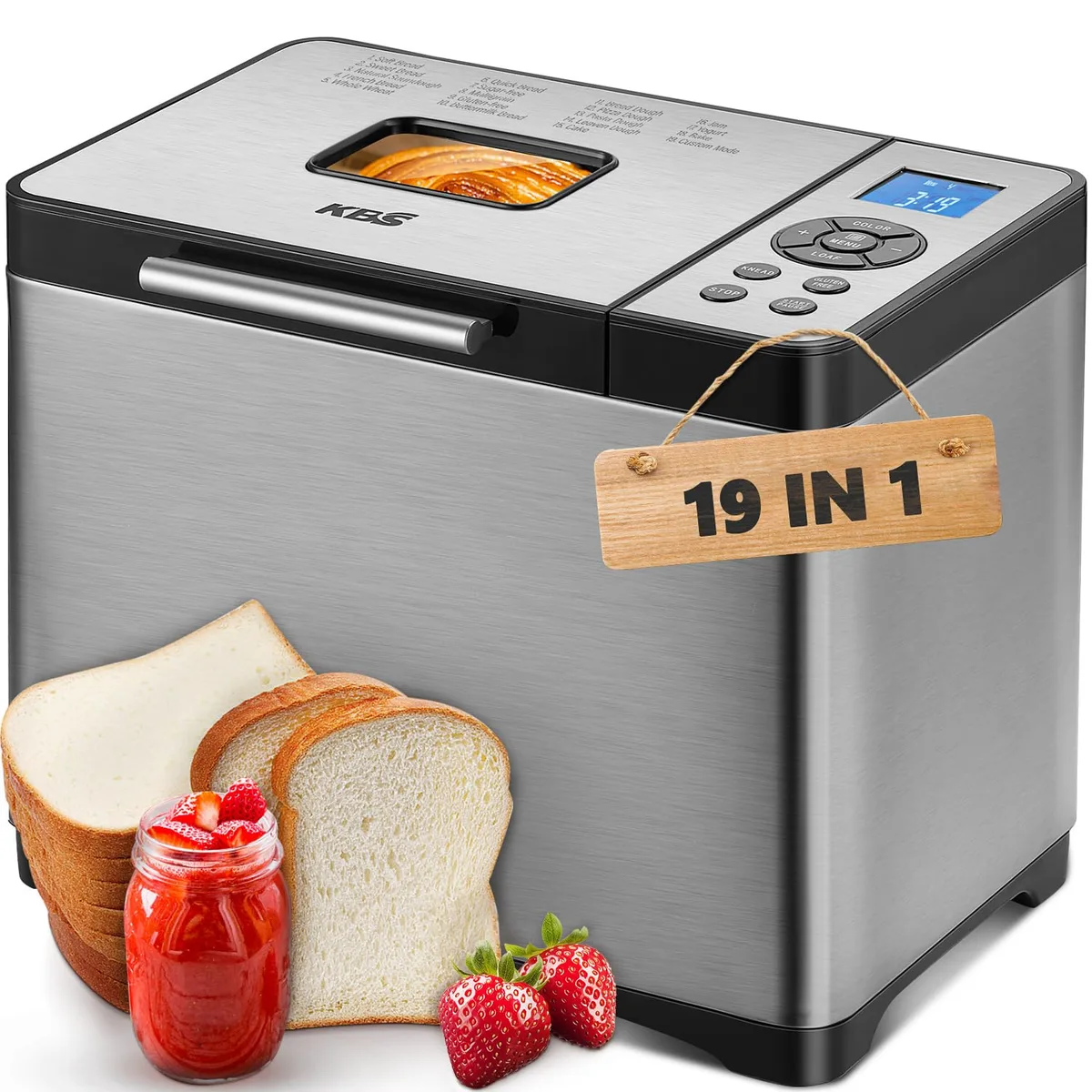
A 2 lb bread maker is an automated kitchen appliance designed to knead, rise, and bake dough weighing up to two pounds. It typically uses four cups of flour per loaf. This size fits a standard family of four.
Most models offer 1 lb and 1.5 lb settings. It is the most versatile choice for home use.
Understanding the 2 lb Capacity: Cups vs. Pounds
When you see 2 lb on a box, it refers to the weight of the finished loaf, not the weight of the machine itself. In the world of baking, weight is a more accurate measurement than volume. However, most people think in cups.
A 2 lb machine is designed to hold a dough ball made from approximately 4 to 4.5 cups of flour.
If you try to put that much flour into a 1 lb machine, you will likely run into trouble. We have found that using too much flour is one of the main reasons machines fail to finish a cycle. The 2 lb rating provides a safety buffer.
It ensures the dough has enough room to expand during the proofing stage without hitting the lid.
It is helpful to think of this capacity as the upper limit. You don't always have to bake a massive loaf. Most 2 lb units are programmed to handle smaller cycles.
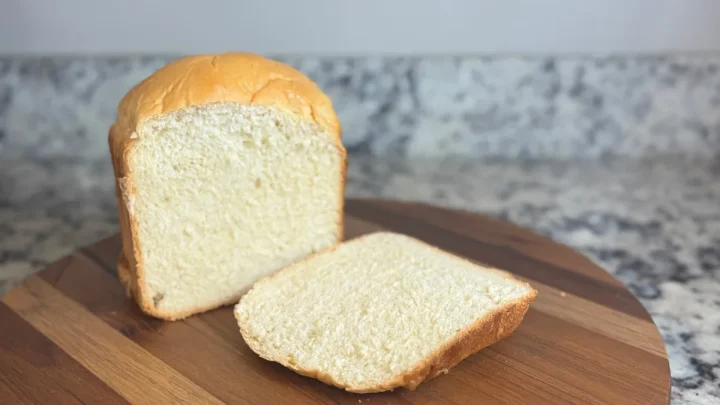
This means you can bake a 1 lb loaf for a weeknight dinner or a full 2 lb loaf for Sunday brunch using the same device.
Comparing Pan Shapes: Vertical vs. Horizontal Design
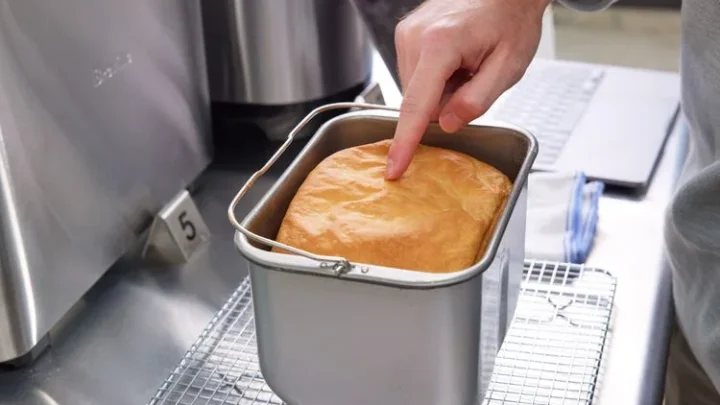
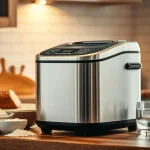
The shape of the baking pan changes the look and texture of your bread. Most affordable 2 lb machines use a vertical pan. This design saves space on your counter because the machine is taller than it is wide.
However, it produces a very tall loaf. The bottom slices are often smaller than the top, creating a "mushroom" shape.
Horizontal pans are the preferred choice for people who want traditional-looking sandwiches. These pans are wider and look like a standard loaf tin you would use in a conventional oven. They distribute the dough across a longer surface.
This leads to more even browning and a consistent slice size from end to end.
Our analysis of design standards suggests that horizontal machines usually require more powerful motors. They have to move dough across a larger floor area. While they take up more room on the counter, the trade-off is a loaf that fits perfectly in a standard toaster or lunchbox.
The Mechanics: Single Paddle vs. Dual Paddle Performance
The kneading paddle is the heart of the machine. In a 2 lb bread maker, you will find either one or two paddles at the bottom of the pan. Single-paddle machines are common in vertical models.
They work well for round or tall loaves but sometimes struggle to incorporate all the flour from the corners of the pan.
Dual-paddle systems are almost always found in horizontal 2 lb machines. Having two points of contact allows the machine to "pass" the dough back and forth. This mimicking of manual kneading creates a better gluten structure.
According to technical guides from manufacturers like Zojirushi, dual paddles are more efficient at handling heavy doughs like whole wheat or rye.
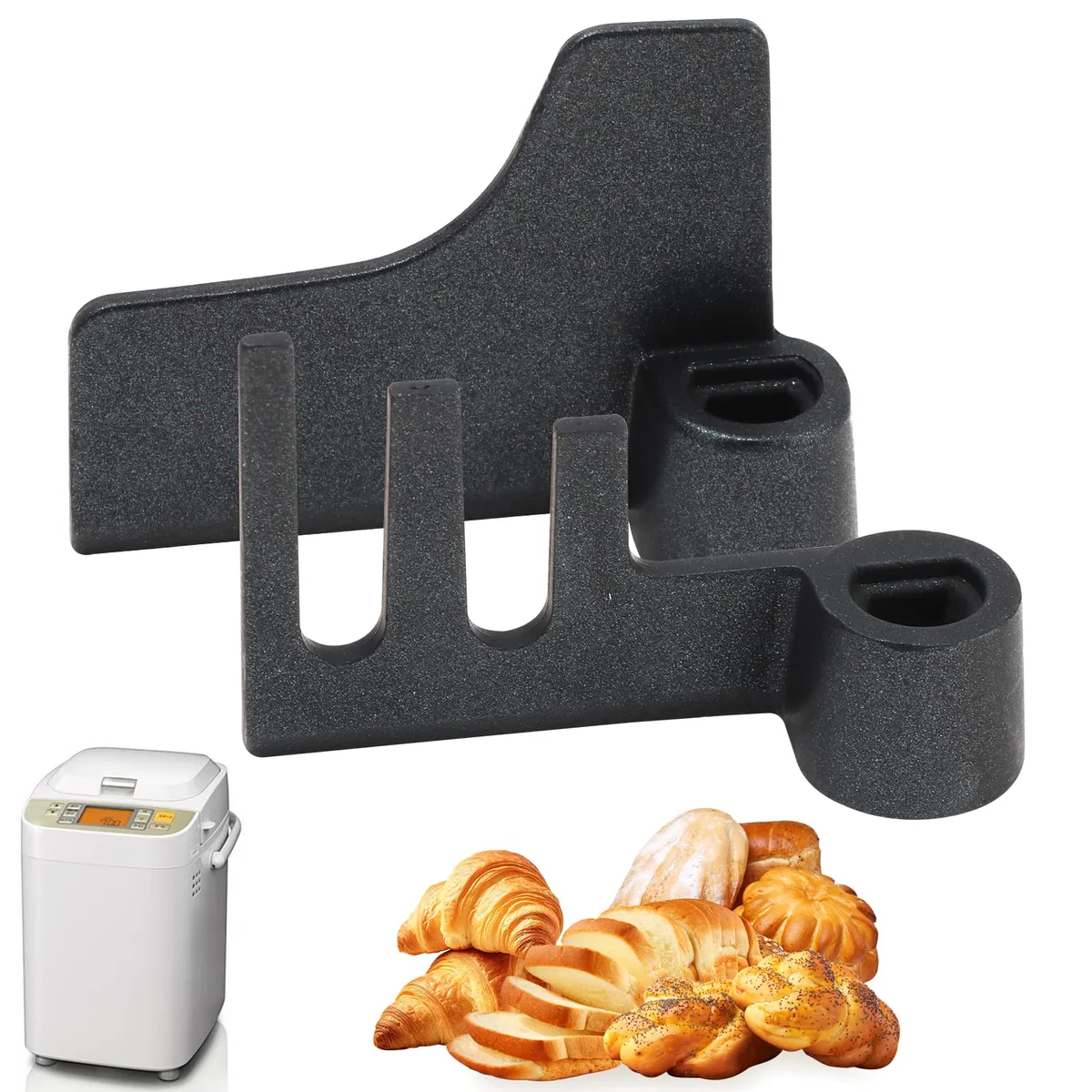
One downside to consider is the hole left in the bread. Every paddle stays in the dough during the baking process. A 2 lb loaf from a dual-paddle machine will have two small holes at the bottom.
Most users find this a small price to pay for the improved texture and thorough mixing that a two-paddle system provides.
Best For: Matching 2 lb Loaves to Your Household Size
Choosing the right size depends entirely on how fast your household eats bread. A 2 lb loaf is a significant amount of food. Since home-baked bread lacks the preservatives found in store-bought brands, it starts to go stale within two to three days.
This makes the 2 lb size ideal for families of three to five people.
If you live alone or as a couple, a 2 lb machine might seem like overkill. However, many people use the larger capacity to make dough only. You can use the Dough setting to mix a 2 lb batch, then take it out, shape it into rolls or two smaller loaves, and bake them in your oven.
This gives you the convenience of the machine with the flexibility of manual baking.
For those focused on health and nutrition, the USDA provides extensive resources on the benefits of whole grains. A 2 lb machine allows you to bake large batches of high-fiber bread that can be sliced and frozen. This is a great way to ensure you always have healthy options on hand without having to bake every single day.
Comparison: 1 lb, 2 lb, and 2.5 lb Machines Side-by-Side
Understanding where the 2 lb model sits in the market helps clarify its value. The 1 lb models are often called compact or mini machines. They are great for small apartments but limited in what they can do.
On the other end, 2.5 lb or 3 lb machines are massive appliances that often require a dedicated spot on the counter.
| Feature | 1 lb Machine | 2 lb Machine | 2.5 lb+ Machine |
|---|---|---|---|
| Flour Usage | 2 Cups | 4 Cups | 5+ Cups |
| Typical Paddles | 1 Paddle | 1 or 2 Paddles | 2 Paddles |
| Footprint | Small/Portable | Medium/Standard | Large/Heavy |
| Ideal For | Singles/Couples | Average Families | Large Households |
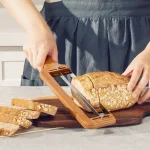
The 2 lb model is the "sweet spot" because it fits the widest variety of pre-made mixes. Most accessory kits, like bread slicer guides and storage bags, are designed specifically for this size. If you are a beginner, starting with a 2 lb machine is usually the safest bet because most online tutorials and recipes are written with this capacity in mind.
Vital Features to Look for in a 2 lb Model
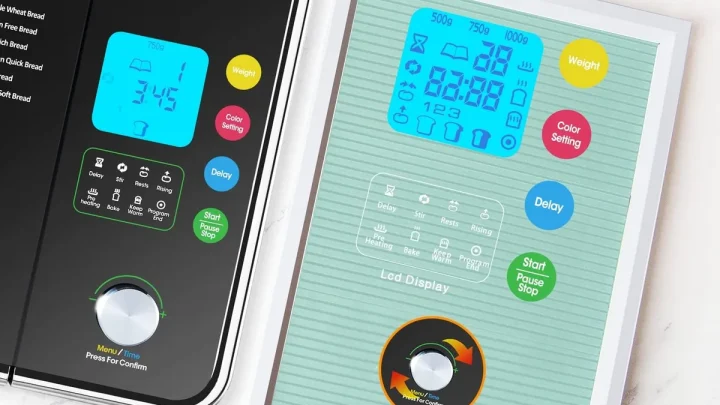
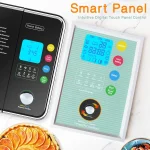
Not all 2 lb machines are built the same. When you are looking at different models, focus on the motor strength and the programming options. A 2 lb loaf of heavy whole grain bread requires a lot of torque to knead properly.
If the motor is too weak, the machine will vibrate excessively or even walk across your counter during the cycle.
A viewing window is another helpful feature. It allows you to check if the dough has the right moisture balance without opening the lid. Opening the lid during the rising or baking phase lets heat escape, which can cause the bread to collapse.
Being able to peek inside helps you decide if you need to add a teaspoon of water or flour during the first few minutes of kneading.
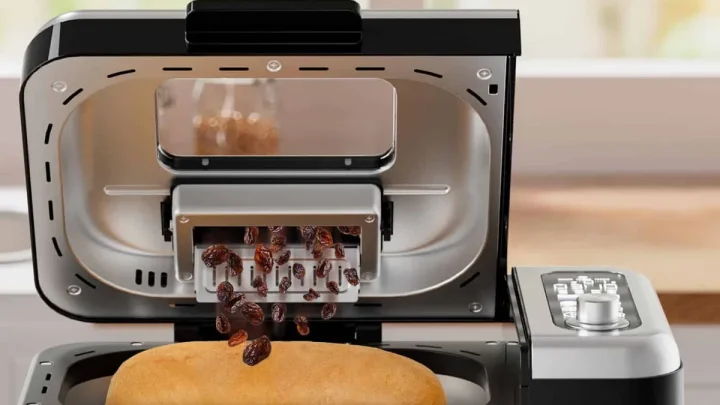
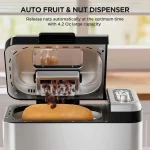
Finally, check for a fruit and nut dispenser. As of 2026, many mid-range 2 lb machines include an automatic hatch that drops add-ins at the perfect time. This prevents your raisins or walnuts from being crushed into a paste by the kneading paddles.
It is a small convenience that makes a big difference in the quality of your finished loaf.
The Sandwich Test: Why Horizontal 2 lb Loaves Win
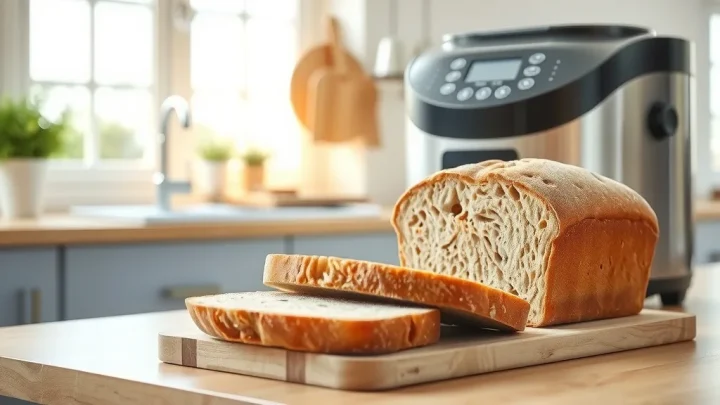
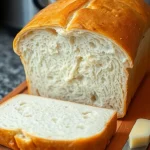
Standard sandwich bags and toasters are designed for rectangular slices. A horizontal 2 lb bread maker produces a loaf that fits these everyday items perfectly. Unlike vertical models that create tall, mushroom-shaped slices, horizontal units offer consistency from the first slice to the last.
Our research into consumer feedback shows that horizontal loaves also have a better crust distribution. Since the dough is spread over a wider area, the heating element can brown the sides more evenly. This prevents the top-heavy texture often found in tall, vertical loaves.
Real Scenarios: When a 2 lb Loaf is Too Much (or Too Little)
A 2 lb loaf is ideal for a family of four during a busy school week. You can get roughly 12 thick slices, which covers lunch for two kids and toast for the parents. If you are baking for a large holiday gathering, however, you might need to run the machine twice or opt for a 2.5 lb model.
For single users, a 2 lb loaf often goes stale before it is finished. In this situation, use the 1 lb setting if your machine allows it. Alternatively, bake the full 2 lb loaf, slice it immediately after cooling, and freeze half to maintain freshness.
Common Mistakes to Avoid with 2 lb Recipes
The biggest mistake with 2 lb recipes is using volume measurements instead of weight. Four cups of flour can vary significantly in weight depending on how packed the cup is. This leads to dough that is too dry to knead or too wet to rise.
Use a digital scale to ensure your flour weight is exact every time.
Another error is ignoring the temperature of your liquids. If your water is too hot, it will kill the yeast. If it is too cold, the 2 lb mass of dough won't rise in the allotted time.
Aim for lukewarm liquids, around 80 degrees Fahrenheit, for the most consistent results.
Ingredient Sequencing and Hydration for Larger Loaves
Proper sequencing prevents the yeast from activating too early. Put your liquids in first, then your dry ingredients, and save the yeast for a small "well" on top. This is vital when using the delay timer for an overnight bake.
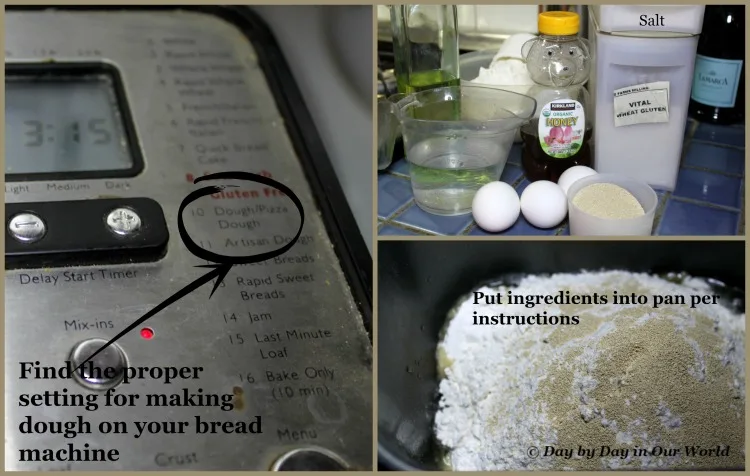
Hydration levels for a 2 lb loaf need to be precise. A dough that is too wet will often collapse under its own weight during the bake cycle. Most 2 lb recipes perform best at a 60 to 65 percent hydration ratio to maintain a strong internal structure.
Counter Space and Storage: Planning for the Footprint
Measure your counter clearance before buying a 2 lb machine. These units are significantly larger than standard toasters or blenders. Horizontal models require about 15 to 18 inches of width, while vertical models need extra overhead space to open the lid.
If you have low-hanging cabinets, a tall vertical machine may not open fully. This makes it difficult to remove the hot pan safely. Check the manufacturer's height specifications to ensure the machine fits comfortably in your designated baking station.
Pro Tips for Managing the Paddle Hole in Large Loaves
You can minimize the hole in your bread by removing the paddles before the final bake. Most machines signal a final punch down about an hour before finishing. Reach in with floured hands, lift the dough, and pull the paddles off the metal shafts.
If you miss the signal, don't worry. Wait until the bread is cool before trying to remove a stuck paddle. Use a small metal hook to gently pull it from the bottom.
This prevents tearing a large chunk out of your fresh 2 lb loaf.
Final Verdict: Who Should Buy a 2 lb Bread Maker?
A 2 lb bread maker is the best choice for families of three or more. It provides enough bread for several days of sandwiches and toast. The capacity handles the most common pre-made mixes and online recipes without risk of overflowing.
If you have the counter space, we recommend a horizontal dual-paddle model. It creates a traditional loaf shape that is much easier to slice and store. It is the most versatile tool for anyone serious about home baking as of 2026.
Frequently Asked Questions
Can I make a 1 lb loaf in a 2 lb machine?
Yes, most 2 lb machines feature settings for smaller 1 lb or 1.5 lb loaves. The machine automatically reduces the kneading and baking times for these smaller batches.
Why did my 2 lb loaf hit the lid?
This usually happens from over-proofing due to too much yeast or sugar. Using a 2 lb recipe in a machine with a smaller capacity will also cause this.
How many slices are in a 2 lb loaf?
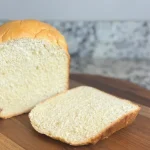
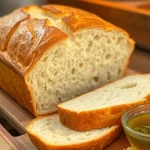
You can typically get 10 to 12 thick slices from a horizontal 2 lb loaf. This is roughly equivalent to a large standard loaf from a grocery store.
Is a 2 lb machine better than a 1 lb machine?
For most users, yes. The 2 lb capacity is more versatile because it can handle both small and large batches. A 1 lb machine is only suitable for single users with very limited space.
Do 2 lb machines take longer to bake?
Yes, a full 2 lb loaf requires more time to reach a safe internal temperature than a smaller loaf. Most standard cycles last between 3 and 4 hours.

Similar Posts