Everything You Need to Know About 1.5 lb Bread Makers
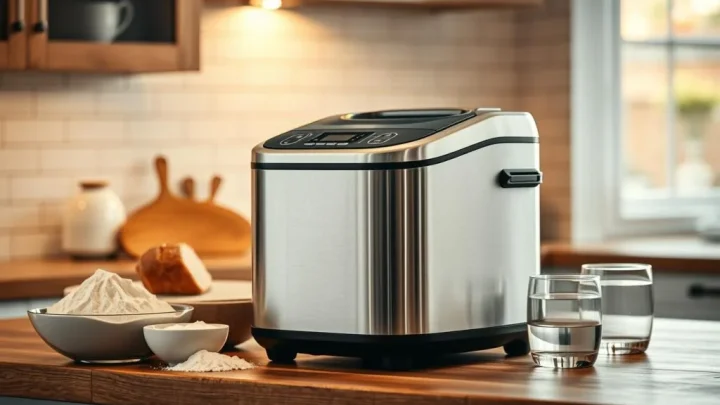
If you are looking to simplify your morning routine, the 1.5 lb bread maker explained is the best place to start. This specific size serves as the bridge between personal-sized loaves and the massive family loaves found in commercial bakeries. It offers a compact footprint on your counter while still providing enough surface area for standard sandwich slices.
Manufacturers typically design these machines for households of two to four people. According to industry specifications, a 1.5 lb machine usually accommodates approximately 3 cups of flour and yields roughly 10 to 12 slices. As of 2026, these mid-sized models remain the most sought-after choice for urban kitchens where storage space is at a premium.
Quick Answer
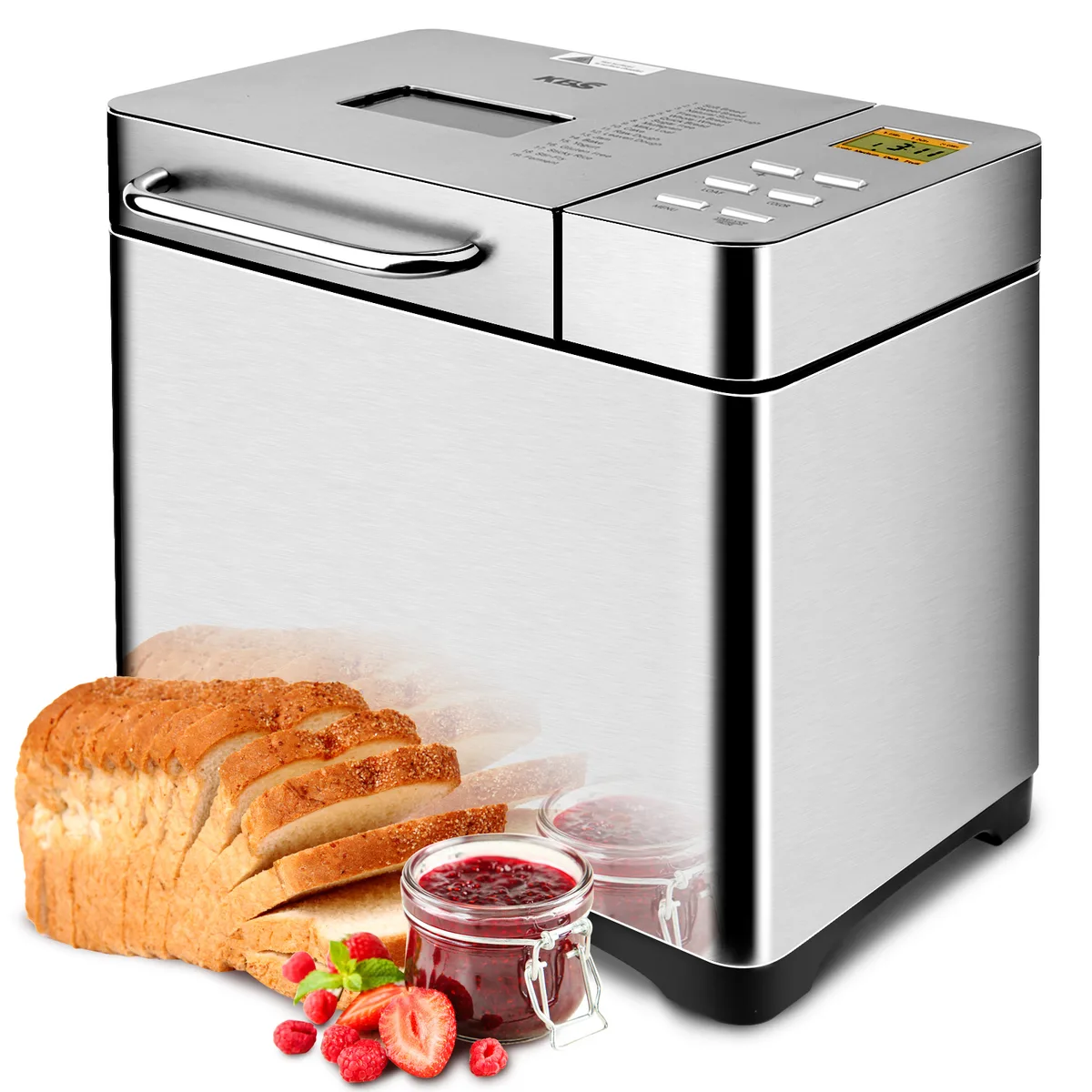
A 1.5 lb bread maker is an automatic kitchen appliance that produces a medium-sized loaf. It is designed for small families or couples. This size typically uses three cups of flour.
The machine automates kneading, rising, and baking. It fits well in kitchens with limited counter space. Most models offer various settings for different crust types.
Why the 1.5 lb Bread Maker Matters
The 1.5 lb bread maker occupies a unique niche in the world of home baking. While early bread machines were often bulky and intended for large families, modern consumers often prioritize efficiency. This size is large enough to handle a standard sandwich loaf but small enough that the bread is likely to be consumed while it is still fresh.
Freshness is a major factor because homemade bread lacks the chemical preservatives found in store-bought options. If you bake a 2 lb loaf for two people, you might find that the last third of the bread gets hard before you can eat it. The 1.5 lb capacity solves this by matching the average consumption rate of a small household.
Furthermore, these machines are often more approachable for beginners. The smaller motor and single-paddle design are less intimidating than high-end, dual-paddle commercial units. They allow you to experiment with different flour types without wasting large quantities of ingredients if a batch fails.
The Middle-Child Dilemma: Comparing 1 lb, 1.5 lb, and 2 lb Capacities
When choosing a machine, you have to look at the volume of the bread pan. A 1 lb machine is essentially a personal baker. It is great for single residents but often produces a loaf so small that it cannot be used for standard sandwiches.
On the other end, 2 lb machines are the heavy hitters. They produce huge loaves that are excellent for French toast or large groups.
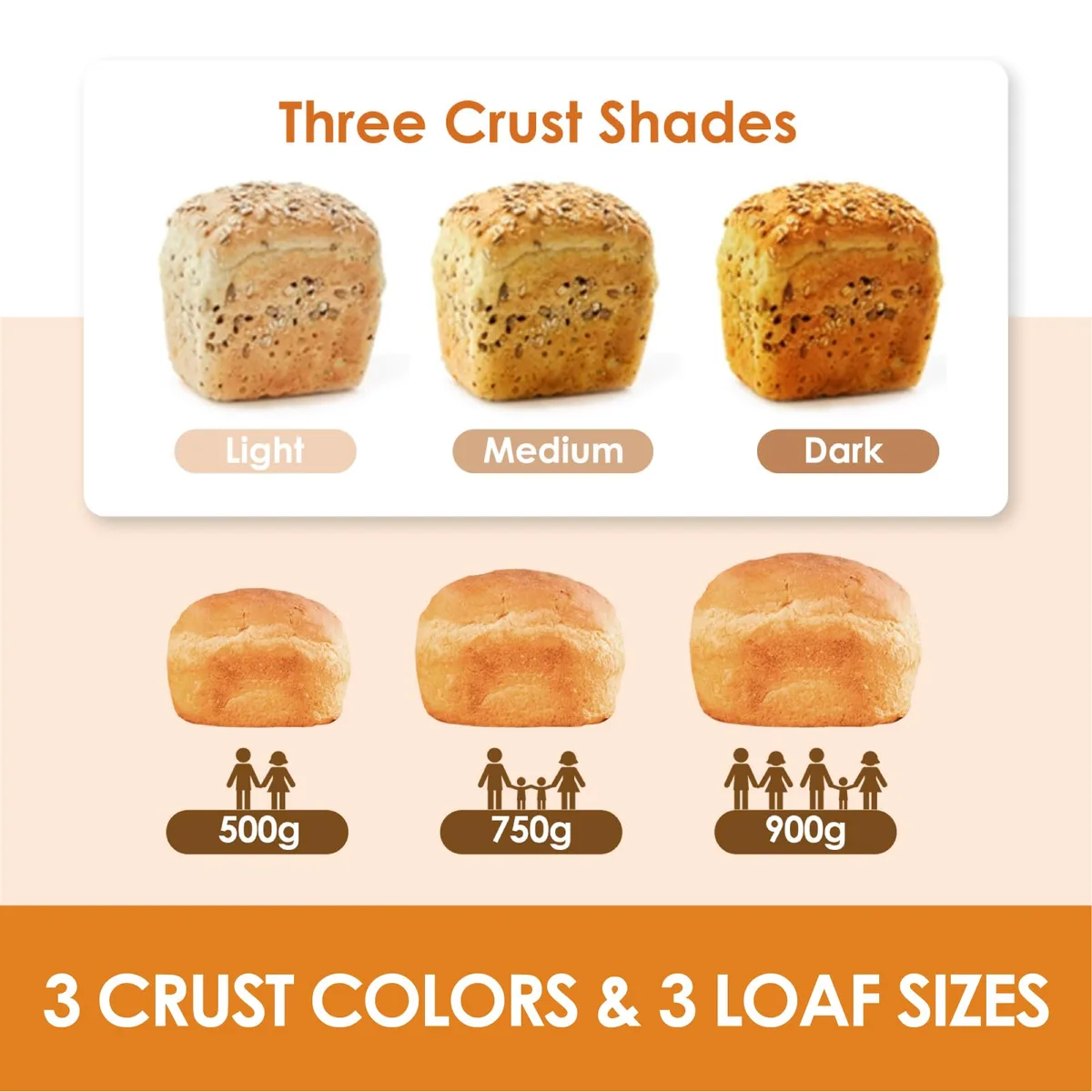
The 1.5 lb machine is the middle-ground option. It provides a more traditional slice shape than the tiny 1 lb models. It also avoids the excessive bulk of the 2 lb units.
Our research into equipment sizing through NIST standards shows that the thermal efficiency of a 1.5 lb chamber is often more consistent for achieving a medium-brown crust without drying out the interior.
| Feature | 1 lb Machine | 1.5 lb Machine | 2 lb Machine |
|---|---|---|---|
| Flour Usage | 2 Cups | 3 Cups | 4 Cups |
| Slices | 6-8 | 10-12 | 16+ |
| Best For | Singles | Couples / Small Families | Large Families |
| Machine Size | Ultra Compact | Average | Bulky |
How the 1.5 lb Capacity Affects the Baking Process
The capacity of your machine dictates more than just the final weight. It influences the rise room available during the fermentation phase. In a 1.5 lb machine, the headspace is calibrated specifically for a certain amount of yeast expansion.
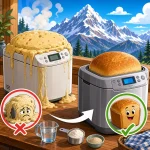
If you use a recipe meant for a larger machine, you risk a mess.
You might see the dough hitting the lid which ruins the crust and makes cleanup a nightmare. Heat distribution is also more focused in these models. Because the baking chamber is smaller, the heating element sits closer to the dough.
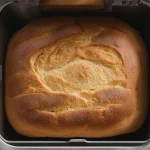
This often results in a more pronounced dome on the top of the loaf. You will notice that the sides of the bread might brown faster than the very top. Most 1.5 lb machines include a crust color setting to help you manage this proximity to the heat.
Key Components: Single Paddles, Heating Elements, and Tall Pans
The most critical part of a 1.5 lb machine is the kneading paddle. Unlike larger machines that may use two paddles to cover a long, rectangular pan, the 1.5 lb model almost always uses a single central paddle. This creates a circular kneading motion that is very effective for medium batches.
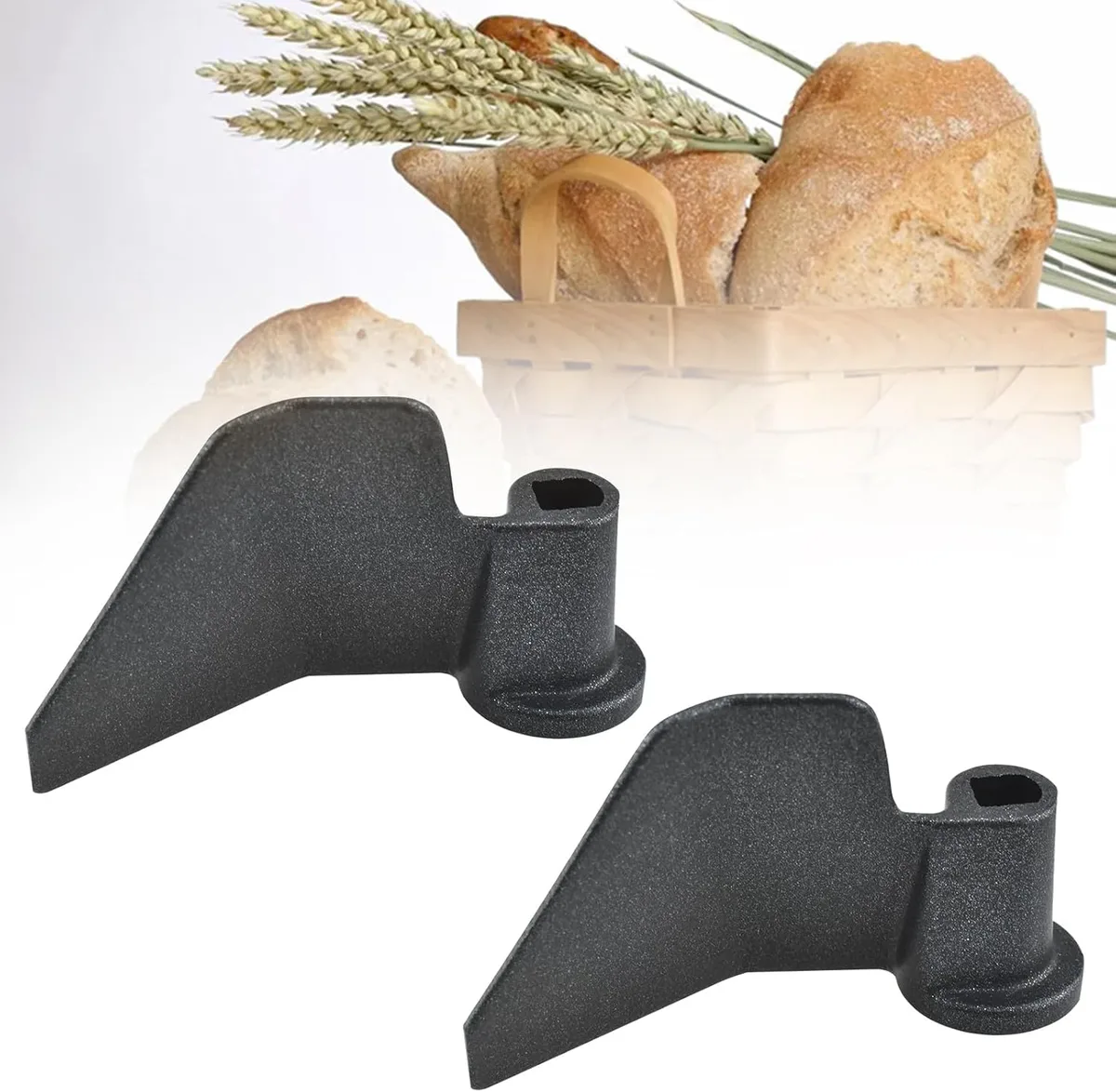
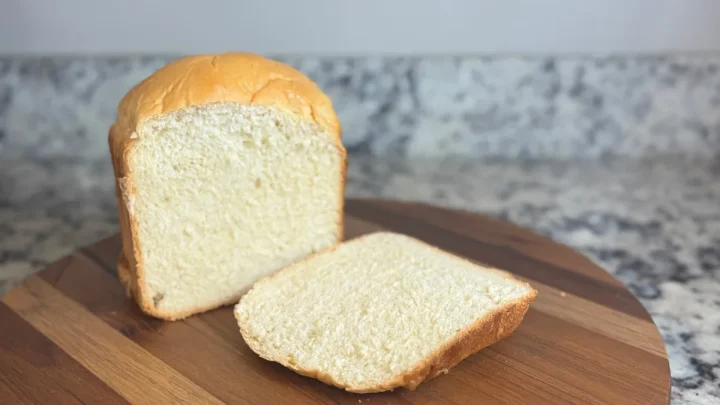
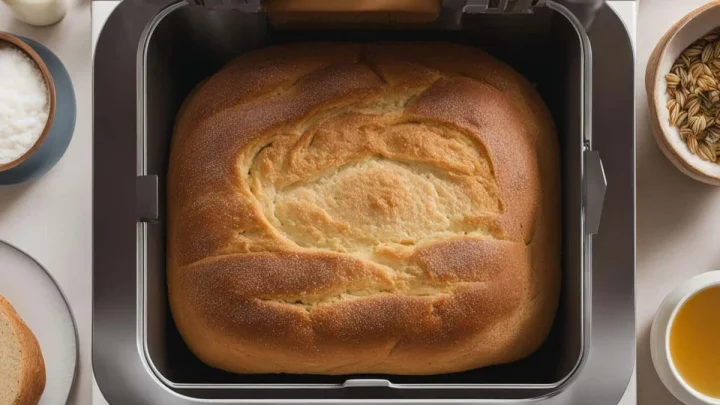
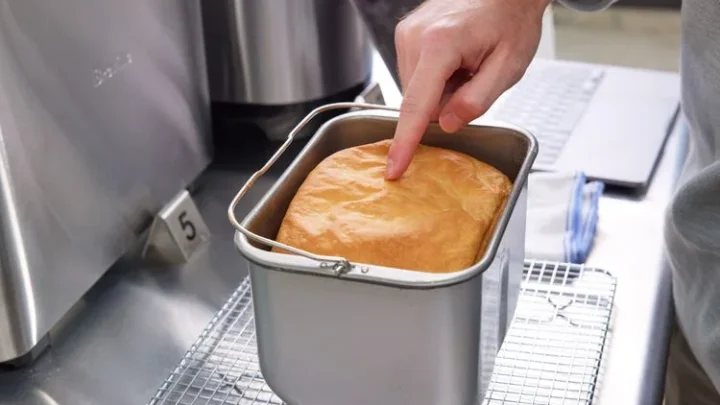
The pan design is another distinctive feature. Most mid-sized machines use a tall pan rather than a long one. This means the loaf grows upward rather than outward.
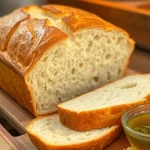
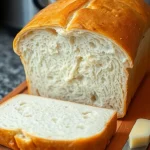
While the slices are square and great for toast, they may be taller than what you see in a plastic-wrapped loaf from the grocery store.
Inside the machine, the heating element usually wraps around the bottom of the chamber. In a 1.5 lb machine, the element is closer to the pan walls. This provides an even bake.
Manufacturer specifications from companies like Zojirushi emphasize that the non-stick coating on these pans is essential for the paddle to release the dough cleanly.
Best Use Cases: Who Truly Benefits from This Size?
If you live in a household of two or three people, this is likely your best option. It is perfect for those who want fresh bread for sandwiches throughout the work week. You can start a loaf in the evening using the delay timer, and it will be ready just as you wake up.
This size is also ideal for the weekend baker who likes to make specialty doughs. If you enjoy making homemade pizza or cinnamon rolls, the 1.5 lb setting provides just enough dough for two medium pizzas. It is a manageable amount of dough to work with by hand once the machine finishes the kneading cycle.
Finally, it is a great choice for those with dietary restrictions. If you are baking gluten-free bread, the 1.5 lb size is often the max capacity recommended by experts. Gluten-free dough is very heavy and lacks structural integrity.
A smaller 1.5 lb loaf is less likely to collapse under its own weight.
Scaling the Math: Adjusting 2 lb Recipes for a 1.5 lb Pan
Scaling a bread recipe is not as simple as cutting ingredients in half. Most bread machine cookbooks default to 2 lb recipes, which usually call for 4 cups of flour. If you try to run that in a 1.5 lb machine, the dough will likely overflow and jam the motor.
In our research, the most successful way to scale down is to use a 75 percent ratio. If a recipe calls for 4 cups of flour, use 3 cups. You must apply this same 0.75 multiplier to the water, salt, sugar, and butter to maintain the correct hydration levels.
The yeast is the one exception. While you can scale it down slightly, many bakers find that keeping the yeast amount close to the original helps the smaller loaf achieve a better rise. Use a digital scale to ensure your engine servicing of the recipe stays precise.
Vertical vs. Horizontal Loaves: Which Shape Should You Choose?
The orientation of your bread pan significantly changes the eating experience. Most 1.5 lb machines utilize a vertical pan, which means the bread expands upward. This results in a square, tall slice that is excellent for high-slot toasters.
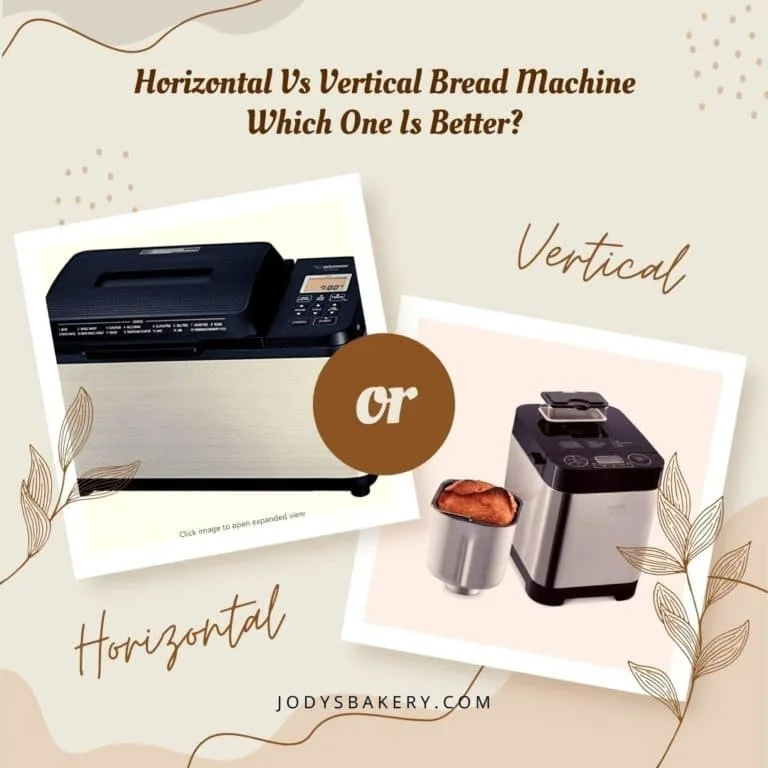
Horizontal pans are more common in larger 2 lb machines with dual paddles. These produce a loaf that looks like it came from a traditional oven. If you prefer long, rectangular slices for sandwiches, a vertical 1.5 lb loaf might feel a bit unusual at first.
If space is your main concern, vertical models are almost always better. They have a narrow base that takes up very little room on the counter. Horizontal machines require a much wider footprint to accommodate the elongated pan and the dual-drive motor system.
Pros and Cons of Choosing a Mid-Size Bread Maker
Every appliance involves a set of trade-offs. The 1.5 lb bread maker is built for efficiency, but it does have some limitations. Understanding these pros and cons will help you decide if it fits your lifestyle.
The Pros:
- Freshness: You finish the bread before it gets hard or develops mold.
- Portability: These units are light enough to move from the cupboard to the counter.
- Ease of Use: Single-paddle systems are much easier to clean and maintain over time.
- Energy Use: The smaller heating chamber draws less power during the baking cycles.
The Cons:
- Shape: Tall, vertical slices can be awkward for making certain types of sandwiches.
- Recipe Conversion: You will often need to do manual calculations for recipes found online.
- Power: Smaller motors might struggle with very heavy, multi-grain doughs.
- Holes: Since there is only one paddle, you will have one noticeable hole in the bottom.
Common Mistakes to Avoid with 1.5 lb Machines
The most frequent error is ignoring the liquid-to-dry ingredient order. Most manufacturers recommend adding liquids first. This creates a barrier that prevents the yeast from activating too early, especially if you are using a delay timer.
Another mistake is using the wrong type of yeast. Bread machines work best with instant or bread machine yeast. Active dry yeast requires a separate proofing step in warm water before you add it to the machine.
If you skip this, your 1.5 lb loaf will turn out dense and brick-like.
Temperature control is also vital for smaller batches. Because a 1.5 lb machine has less thermal mass, using ice-cold water can shock the yeast and stop the rise. Aim for room temperature liquids to ensure the motor can move the dough easily through its cycles.
Critical Specs: Wattage, Footprint, and Cycle Times
When comparing models, look closely at the wattage. Most reliable 1.5 lb bread makers fall between 450W and 600W. Higher wattage does not necessarily mean better bread, but it does help the machine maintain a steady temperature in a cold kitchen.
The footprint of these machines is usually around 10 inches by 12 inches. This is significantly smaller than the 18-inch width often required for horizontal 2 lb models. Always check the height clearance if you plan to keep the machine under low-hanging upper cabinets.
| Specification | Average Value | Importance |
|---|---|---|
| Wattage | 550 Watts | Heating and motor strength |
| Weight | 7-10 lbs | Portability and stability |
| Cycle Time | 3 Hours | Standard white bread duration |
| Delay Timer | 13-15 Hours | Planning for fresh morning bread |
Essential Programs: Basic, Dough-Only, and Gluten-Free Settings
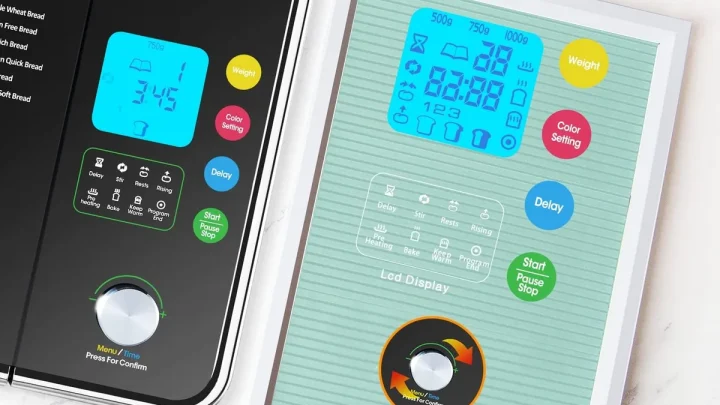
Every mid-sized bread maker comes with a suite of pre-programmed cycles designed to handle specific flour behaviors. The Basic or White cycle is the standard, offering the longest kneading and rising times to develop a strong gluten network.
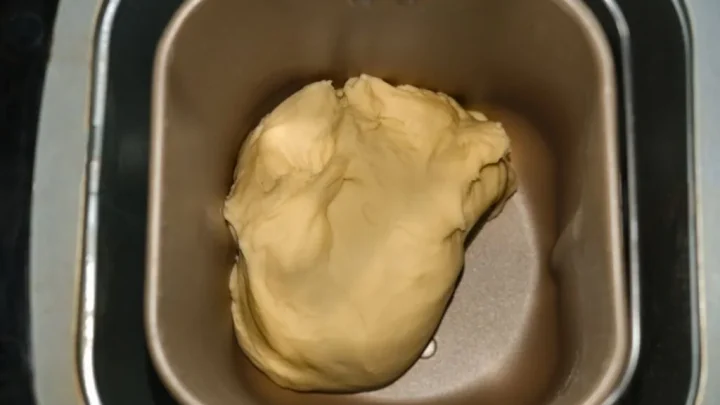
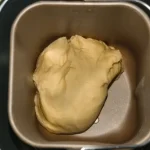
The Dough-Only setting is a favorite for those who want the machine to handle the messy work but prefer the shape of a traditional loaf. You simply let the machine knead and rise the dough, then pull it out to bake in your own oven. This is the best way to get a reliable machine experience while still having artisanal control.
Gluten-free programs are increasingly common as of 2026. These cycles skip the second rise because gluten-free dough lacks the elasticity to deflate and regrow. If your machine has this setting, it will usually provide a shorter, more intense mixing period to incorporate heavy starches.
Pro Tips for Achieving the Perfect 1.5 lb Crust
To get a bakery-quality crust, you need to manage the steam inside the baking chamber. While the machine does this automatically, you can help by making sure the viewing window is perfectly sealed. If you notice steam escaping through the lid, your crust may turn out tough or chewy.
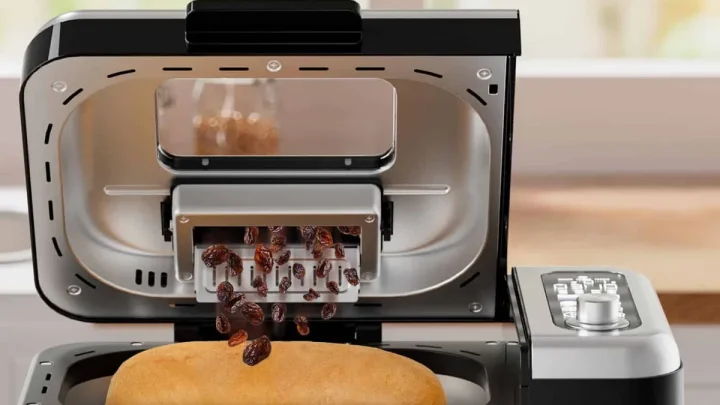
Applying a simple egg wash or a spray of water just before the baking cycle starts can dramatically improve the color. Some high-end 1.5 lb models allow you to pause the machine before the final bake. This gives you a chance to brush on melted butter or sprinkle seeds on top without collapsing the rise.
Temperature consistency is the final secret. If your kitchen is drafty or very cold, the machine has to work harder to maintain the internal heat. Try placing a folded towel over the top of the machine, being careful not to block the steam vents, to help insulate the chamber.
Maintenance and Long-Term Optimization for Compact Motors
The motor is the heart of your 1.5 lb machine, and it requires a bit of routine upkeep to last. Never submerge the entire bread pan in water. The seal around the kneading shaft can perish if it stays wet for too long, leading to leaks.
Always remove the kneading paddle immediately after the bread has cooled slightly. If you leave it in, the bread sugars will caramelize and glue the paddle to the shaft. If it does get stuck, fill the pan with warm, soapy water and let it soak for 30 minutes until it slides off easily.
Check the drive belt once a year if your machine allows for easy access. If you hear a high-pitched squeal or notice the paddle struggling to turn, the belt might be slipping. Keeping the internal chamber free of flour dust will also prevent the heating element from producing a burnt smell.
Final Verdict: The 1.5 lb Bread Maker Decision Guide
If you are choosing between sizes, the 1.5 lb model is the best all-around choice for most modern households. It balances the need for a substantial loaf with the reality of limited kitchen space. You will not feel like you are baking too much, yet you will have enough for a family breakfast.
Choose a 1.5 lb machine if you prioritize daily freshness over bulk. It is the most forgiving size for beginners and offers the widest range of affordable models on the market. While you might have to scale a few recipes, the quality of the bake is worth the extra few minutes of math.
Avoid this size only if you frequently host large dinner parties or have more than four people to feed daily. In those cases, the 2 lb machine remains the standard. For everyone else, the 1.5 lb bread maker is the smartest investment for your countertop.
Frequently Asked Questions
Can I bake a 1 lb loaf in a 1.5 lb machine?
Yes, you can successfully bake a smaller loaf in a larger pan. You just need to ensure the kneading paddle can still reach the ingredients. Most 1.5 lb machines handle 1 lb recipes quite well, though the loaf may be a bit shorter and wider than usual.
Why is my 1.5 lb loaf hitting the lid?
This usually happens if you used too much yeast or too much sugar. High sugar content feeds the yeast more quickly, causing an aggressive rise. It can also happen if your kitchen is very warm, which speeds up the fermentation process.
Do I need a special flour for a 1.5 lb bread maker?
Bread flour is highly recommended because it has a higher protein content than all-purpose flour. This protein creates the gluten needed to trap gas and make the bread rise. In a smaller 1.5 lb machine, that structural strength is vital for a tall loaf.
How many slices does a 1.5 lb loaf produce?
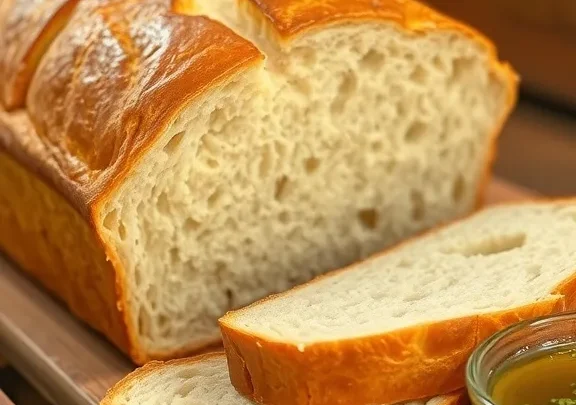
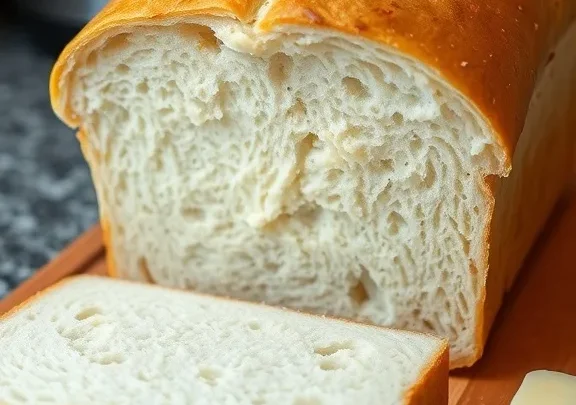
On average, a 1.5 lb loaf provides 10 to 12 slices. This depends on how thick you cut them, but the dimensions are generally standard for sandwiches. It is the perfect amount for a couple to finish in two or three days.

Similar Posts