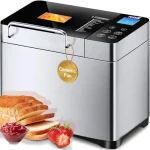
Best Bread Makers for Perfect Bagel Dough Every Time
Finding the right tool for the job is half the battle when you're tackling high-density doughs. If you are wondering what bread maker for bagel dough can actually handle the stress, you need a machine with serious torque and structural integrity. Standard machines often struggle with the stiff, low-moisture profile required for a proper bagel, leading to stalled motors or stripped internal gears.
In our research, we've found that bagel dough typically sits at a 50% to 55% hydration level. This is significantly lower than the 65% to 75% found in standard sandwich loaves or artisan boules. According to technical specifications from leading manufacturers, this density creates exponential resistance against the kneading paddle.
To avoid a mechanical failure, you need a machine built for heavy-duty resistance.
Quick Answer
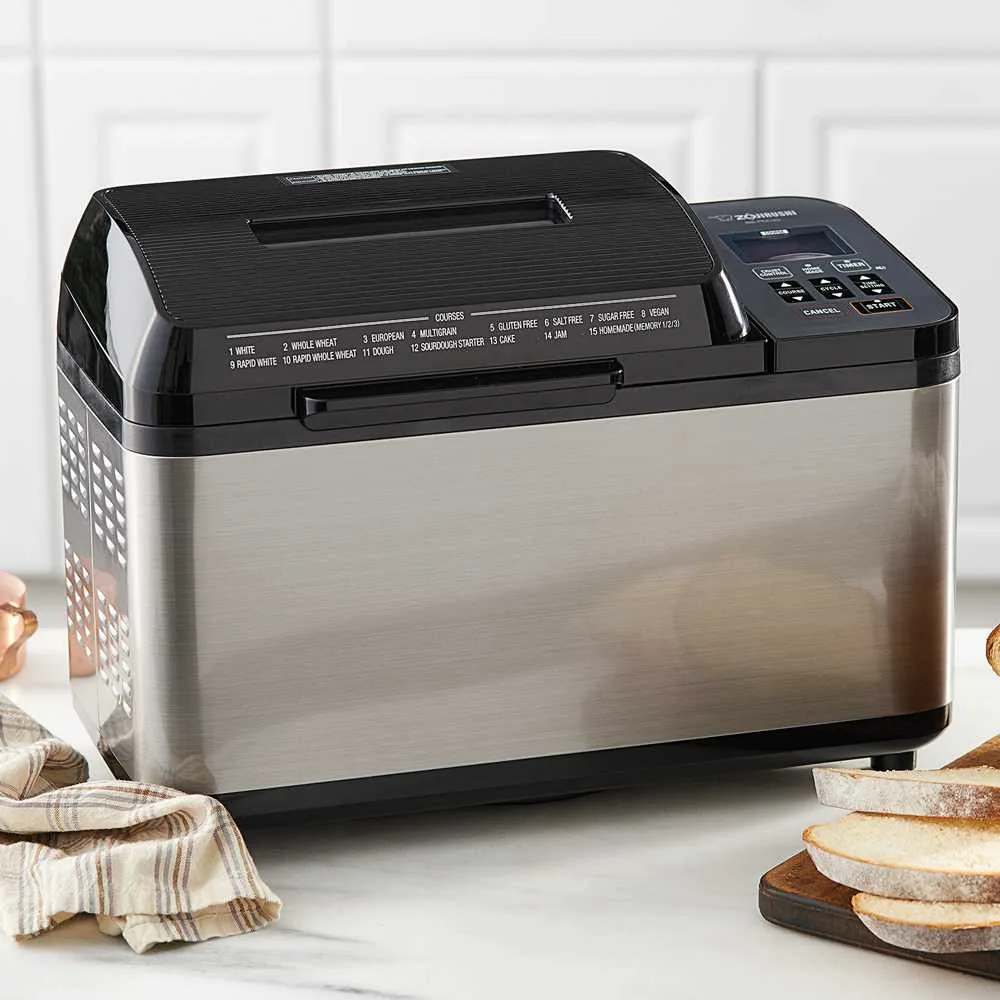
To find what bread maker for bagel dough works best, look for high-torque motors. The Zojirushi Virtuoso Plus is the top choice for its dual-paddle system. It handles stiff dough without stalling.
Panasonic models also perform well due to their durable metal gear assemblies. Avoid budget machines with plastic gears for this specific task. Heavy machines stay stable during the intense kneading process.
Why Bagel Dough is the Ultimate Test for Bread Makers
Bagel dough is fundamentally different from the soft, airy dough used for white bread. It is designed to be chewy and dense, which means it has a very low water content relative to the amount of flour. When you put this mixture into a bread maker, it doesn't flow or stretch easily.
Instead, it forms a tight, heavy ball that fights back against every rotation of the paddle.
This resistance places immense stress on the drive belt and the motor. In our analysis of mechanical failures, lower-end machines often experience common kitchen mishaps when the dough is too dry or the motor is underpowered. If the machine cannot maintain a consistent RPM, the motor can overheat or the drive belt may slip.
Furthermore, the stiffness of the dough creates a physical "thumping" action. Because the dough doesn't deform easily, it acts like a solid weight being tossed around the pan. This is why many machines begin to vibrate violently or "walk" across the kitchen counter during the kneading phase.
A machine capable of handling bagels must have the physical weight and suction-cup feet to stay anchored.
The High-Torque Requirement: Why Standard Machines Fail
The "torque" of a motor refers to its rotational force. While a 500-watt motor might sound powerful, it is the gear reduction and torque delivery that determine if it can push through a dense mass of flour and malt. Many standard bread makers use high-speed motors with plastic gear reductions that are optimized for light, fluffy sandwich bread.
When these plastic gears meet the resistance of a 50% hydration bagel dough, the teeth on the gears can shear off. We have seen reports where the machine continues to hum, but the paddle no longer turns. This is a classic sign of stripped internal components.
Research into motor design suggests that brushless DC motors or high-quality induction motors provide the most consistent force for these heavy loads.
Heat is the second major killer of standard machines. Kneading bagel dough for 15 to 20 minutes generates significant internal friction. If a machine lacks proper ventilation or a heavy-duty thermal cutoff, the delicate electronics inside can fail.
Expert bakers often suggest checking the temperature of the machine's outer casing. If it feels hot to the touch during the knead, the motor is likely reaching its limits.
Top-Tier Contenders for Stiff Dough: Side-by-Side Comparison
When selecting a machine for this specific task, you are essentially choosing between mechanical durability and specialized cycles. Based on manufacturer data and aggregate user feedback as of 2026, the following machines represent the best options for handling the unique tension of bagel dough.
| Feature | Zojirushi Virtuoso Plus | Panasonic SD-RD250 | Breville Custom Loaf |
|---|---|---|---|
| Kneading System | Dual Horizontal Paddles | Single Vertical Paddle | Single Collapsible Paddle |
| Motor Type | High-Torque DC | Heavy-Duty Induction | High-Torque DC |
| Gear Material | Reinforced Composite/Metal | Metal-Reinforced | Reinforced Nylon |
| Best For | Frequent, heavy batches | Precision and durability | Customization and UI |
| Weight | 24 lbs | 15 lbs | 17 lbs |
The Zojirushi stands out because its weight keeps it anchored. At 24 pounds, it is much less likely to move than a lighter budget model. The Panasonic, while lighter, uses a unique kneading blade shape designed to grab and fold dense dough more efficiently than standard flat paddles.
The Zojirushi Virtuoso Plus: Why Dual-Paddles Rule for Bagels
The Zojirushi Virtuoso Plus is widely considered the industry leader for heavy doughs. The secret lies in its horizontal pan and dual-paddle system. Most bread makers use a single paddle in the center of a square bucket, which tends to spin the dough in a circle.
With bagels, this often results in the dough ball riding on top of the paddle rather than being properly worked.
By using two paddles, the Virtuoso Plus stretches the dough between them. This mimics the traditional "push and pull" of hand kneading. It ensures that every gram of flour is hydrated and that the gluten network is developed evenly.
This is vital for the structural integrity of the bagel, which needs to hold its shape during the boiling process.
Manufacturer specifications from Zojirushi emphasize the use of high-torque motors specifically designed for whole grain and stiff dough settings. This machine also features a specialized "Dough" cycle that handles the initial mix and the first rise. For those who make bagels weekly, the dual-paddle system reduces the wear on any single component, effectively doubling the lifespan of the drive train compared to single-paddle units.
The Panasonic SD-RD250: Precision Kneading for Serious Bakers
Panasonic has taken a different approach to the challenge of stiff dough. Instead of raw power and dual blades, they focus on the geometry of the kneading process. The SD-RD250 features a specialized kneading blade with a high-profile "fin." This fin is designed to dive deep into dense dough, ensuring that it is folded and turned rather than just spun around the pan.
This model is particularly praised by those who follow specific baking standards for whole-wheat or high-protein bagels. The motor is engineered to handle the resistance without the rapid heat buildup seen in cheaper units. While it is a single-paddle machine, the vertical orientation of the pan allows gravity to help press the dough back down into the blade, which is helpful for lower-hydration recipes.
Another advantage of this machine is its thermal sensor. Panasonic uses an internal temperature sensor to adjust the timing of the rise and knead cycles based on the ambient temperature of your kitchen. Since bagel dough is so sensitive to temperature and hydration, this precision helps ensure that the dough is perfectly prepped for shaping.
It is a solid choice for bakers who want a reliable, long-lasting machine without the larger footprint of a horizontal model.
Budget Friendly Alternatives: Can the Hamilton Beach Handle the Strain?
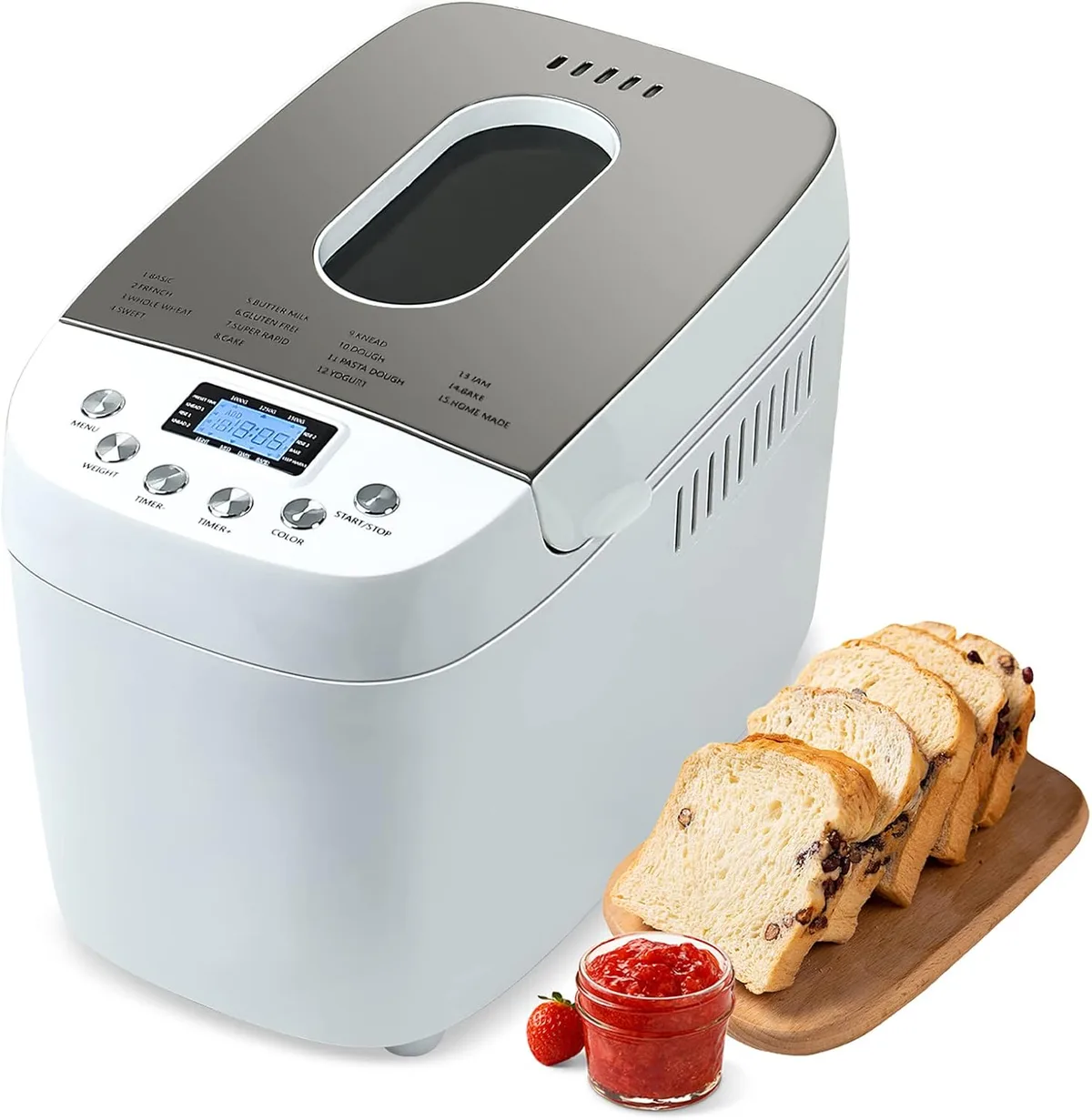
You can successfully make bagel dough in a budget machine like the Hamilton Beach Premium, but you must change your workflow. Most entry-level machines use smaller, 450 to 600 watt motors with plastic gears. While these are fine for a basic loaf, a full batch of bagel dough can cause the motor to stall or smell like burning electronics if left unattended.
If you choose a budget model, our research suggests cutting the recipe in half. Instead of trying to make a dozen bagels, stick to six. Smaller batches reduce the physical mass the paddle has to move.
This keeps the internal temperature of the motor lower and prevents the drive belt from slipping.
You should also plan on being in the kitchen during the knead cycle. If you hear the motor groaning or rhythmic clicking, the dough is likely too dry for that specific machine's power level. Adding just one teaspoon of water can reduce the friction enough to keep the paddle turning safely.
Critical Features: Motor Strength, Metal Gears, and Machine Weight
When you peel back the plastic shell of a bread maker, the drive system tells the real story. High-end machines designed for heavy use often feature high-torque DC motors. These motors provide consistent power at low speeds, which is exactly what a slow, heavy bagel knead requires.
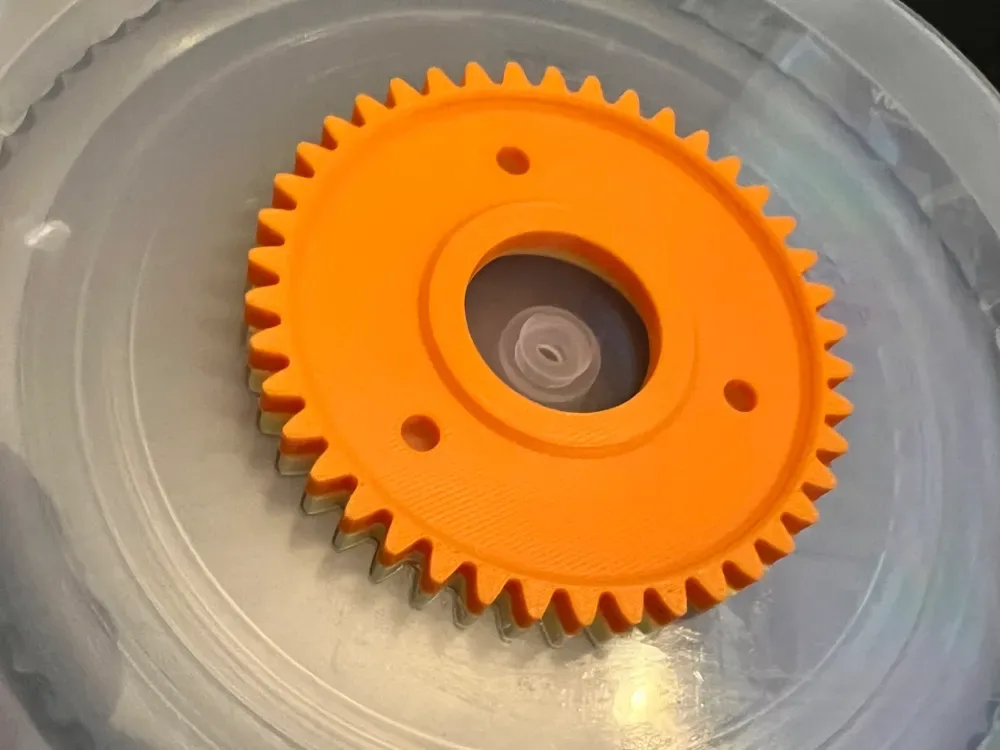
Metal gears are the most important reliability factor for this specific task. Plastic gears work well for many applications, but they have a lower "yield strength" than steel or reinforced composites. Under the intense pressure of low-hydration dough, plastic teeth can simply snap off.
- Machine Weight: Look for units over 15 pounds. Heavy machines use metal internal frames that won't warp under torque.
- Non-Slip Feet: Large rubber suction feet are a must to prevent the machine from migrating across your counter.
- Ventilation: Look for visible cooling vents on the side or back of the housing. This helps dissipate the heat generated by the motor during long knead cycles.
Hydration Matters: How 50-60% Hydration Impacts Your Machine
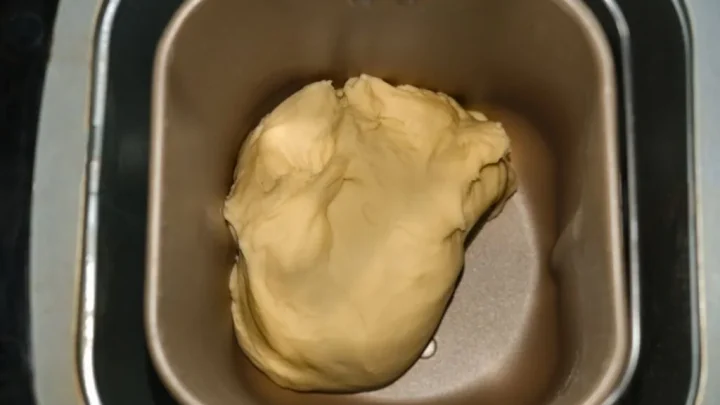
The hydration percentage is the weight of the water divided by the weight of the flour. A typical bagel recipe uses about 50% to 55% hydration. This creates a dough that feels stiff and play-dough like, rather than soft or sticky.
This density is what makes bagels chewy, but it is also what puts your machine at risk.
At 50% hydration, the dough provides maximum resistance. As the paddle turns, the dough does not "flow" around it. Instead, it forms a solid lump that the paddle must physically shove.
This creates a "shock load" on the gears every time the paddle makes a full rotation.
If you are using a mid-range machine, increasing your hydration to 58% or 60% can make a massive difference. You will still get a great bagel texture, but the slightly softer dough is significantly easier on the motor. It reduces the "thumping" action and helps the machine maintain a steady pace.
Stand Mixers vs. Bread Makers: Which Handles Gluten Development Better?
A common question is whether a dedicated bread maker is better than a stand mixer for bagels. While a KitchenAid Professional with a spiral dough hook is very powerful, it requires you to stand there and manage it. Bread makers offer a "set it and forget it" convenience because they control the ambient temperature for the rise.
Stand mixers are generally more powerful and can handle even the stiffest 50% hydration doughs without breaking a sweat. However, they lack the enclosed, heated environment that a bread maker provides. If your kitchen is cold, your bagel dough might take hours to rise in a mixer bowl.
Bread makers also excel at "bottom-up" kneading. Because the paddle is at the bottom of the pan, it forces the flour into the liquid more effectively for small batches. If you want a machine that does the hard work and then proofs the dough at a perfect 80 degrees Fahrenheit, the bread maker wins.
The Walk Test: Preventing Your Machine from Vibrating Off the Counter
One of the most dangerous things a bread maker can do is "walk" off the edge of a counter during a heavy knead. This happens when the force of the dough moving inside the pan is greater than the friction holding the machine to the surface. It is a very real risk with bagel dough due to its weight and lack of flexibility.
To prevent this, never run a bagel dough cycle on a slick surface like polished marble or granite without checking the feet first. Ensure the rubber feet are clean and free of flour dust. Flour acts like tiny ball bearings, making it very easy for the machine to slide.
- Use a Silicone Mat: Placing a grippy silicone baking mat under the machine can provide extra traction.
- Avoid High Counters: If possible, run the dough cycle on a lower, sturdy table or a kitchen island where you can keep an eye on it.
- The Weight Trick: Some users place a heavy cutting board on top of the machine's lid to add downward pressure, though this should only be done if it doesn't block the cooling vents.
Mistakes to Avoid: Overloading and Ingredient Sequencing
The biggest mistake you can make is trying to double a bagel recipe to save time. Most bread pans are rated for 2.0 or 2.5 pounds of dough. Bagel dough is so dense that even a 2 pound batch can physically block the paddles from rotating, which quickly leads to a blown fuse or a snapped belt.
Ingredient sequencing is also vital for protecting your machine. You should always follow the manufacturer's recommended order, which is usually liquids first, followed by salt, flour, and yeast. Putting flour in first can create a dry, sandy base that creates massive friction on the drive spindle before the water has a chance to incorporate.
Don't ignore the "groan" of your machine during the first five minutes of kneading. This is the period of highest stress. If the motor sounds like it is straining to complete every turn, the dough is likely too dry.
Adding water in tiny, half-teaspoon increments can save the motor without compromising the final chew of your bagel.
Pro Tips for Extending the Life of Your Bread Maker’s Motor
To keep your machine running for years, you should perform a manual "pre-mix" before starting the cycle. Use a sturdy silicone spatula to roughly combine the flour and water into a shaggy mass inside the pan. This removes the initial shock of the motor trying to force a paddle through a pile of dry flour and liquid.
You should also check the drive spindle for any buildup of old, dried dough. Bagel dough is very sticky before it fully develops, and small amounts can seep under the paddle. If this dries, it creates extra drag the next time you turn the machine on.
Cleaning the spindle after every use ensures the motor doesn't have to fight extra resistance.
Lastly, give your machine a rest between batches. If you are making multiple dozens of bagels, wait at least 30 to 60 minutes for the motor to cool down completely. Heat is cumulative, and running back-to-back heavy dough cycles is the fastest way to melt plastic gear teeth or degrade the drive belt.
Essential Supplies: Choosing the Right High-Gluten Flour and Malt
The quality of your ingredients directly affects how hard your machine has to work. High-gluten flour, typically containing 14% protein, is the standard for New York-style bagels. This high protein content creates the necessary tensile strength, but it also creates more resistance during the kneading process.
You also need to choose between diastatic and non-diastatic malt powder or barley malt syrup. Malt syrup adds that classic bagel flavor and helps with the browning process. However, syrups are very viscous and can make the dough even harder for the machine to move compared to dry malt powder.
If you find your machine is struggling with high-gluten flour, you can try a 50/50 mix of bread flour and high-gluten flour. This slightly lowers the resistance while still giving you a much better texture than standard all-purpose flour. It is a good middle ground for mid-range machines that aren't quite heavy-duty.
Beyond the Machine: The Boiling and Baking Workflow
Once your bread maker completes the dough cycle, the machine's job is over. You should remove the dough immediately so it doesn't over-proof in the warm pan. Over-proofed dough becomes too soft and loses the signature bagel "snap" when you bite into it.
The next steps happen on your stove and in your oven. You'll need a large pot of boiling water, usually enriched with malt syrup or honey and a pinch of baking soda. Boiling each side for 30 to 60 seconds is what sets the crust and prevents the bagel from expanding too much in the oven.
After boiling, the bagels should go directly onto a baking stone or a heavy-duty baking sheet. High heat is essential, typically between 425 and 450 degrees Fahrenheit. This transition from the machine to the pot to the oven is what creates the distinct contrast between the chewy interior and the shiny, crisp exterior.
Final Decision Guide: Which Machine Should You Buy?
If you plan on making bagels more than once a month, our research points toward the Zojirushi Virtuoso Plus as the clear winner. Its dual-paddle system and heavy-duty frame are specifically built for the high-torque demands of low-hydration dough. It is a significant investment, but it is the least likely to suffer a mechanical failure.
For those on a tighter budget, the Panasonic SD-RD250 offers the best balance of motor durability and price. It won't handle massive batches as easily as the Zojirushi, but its internal components are far superior to the entry-level models found in big-box stores. It is the smart choice for a casual baker who wants a machine that lasts.
If you already own a budget machine, you don't necessarily need to replace it. Just be prepared to work in smaller batches and assist the machine during the initial mix. By managing the hydration carefully and keeping the batches under 1.5 pounds, you can get great results without risking a total motor meltdown.
Frequently Asked Questions
Can I use the regular bread cycle for bagels?
No, you should only use the dough cycle. Bagels require boiling and oven baking to achieve their signature crust. The bread cycle will bake the dough into a standard loaf shape, which lacks the texture and density of a real bagel.
Why is my bagel dough so crumbly in the machine?
Stiff dough often looks crumbly at the start of the knead. Give it 5 to 10 minutes to incorporate. If it remains a dry powder, add water one teaspoon at a time until a solid, smooth ball forms.
Do I need a special paddle for bagel dough?
Most machines use their standard kneading paddle for all dough types. However, some premium models like the Zojirushi come with specific paddles optimized for different flour types. Always check your manual for specific attachment recommendations.
How do I know if my motor is overheating?
If you smell a faint "electric" scent or if the machine suddenly stops mid-knead, the thermal protector has likely triggered. Turn off the machine and let it cool for at least an hour before attempting to finish the batch.
Is bread flour okay if I can't find high-gluten flour?
Yes, bread flour works well for most home bakers. It has more protein than all-purpose flour and will provide a decent chew. You may need to reduce the water slightly as bread flour absorbs moisture differently than high-gluten varieties.

Similar Posts