What Size Bread Slicer for Your Sandwich Loaf?
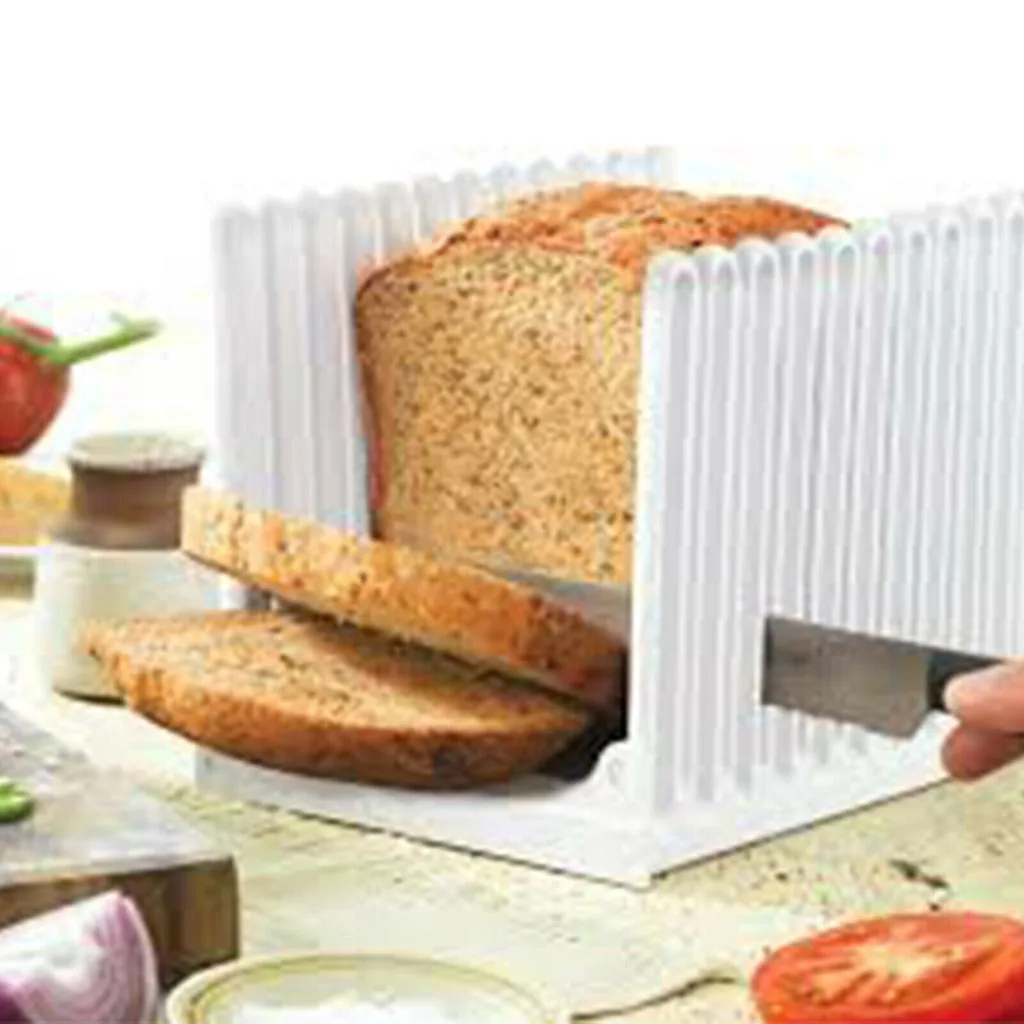
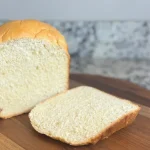
You've baked a gorgeous sandwich loaf. It's tall, it's golden, and it smells amazing. Now you need to slice it evenly without crushing the crumb or ending up with a wonky first piece.
The question "what size bread slicer for sandwich loaf" comes down to two numbers: your loaf's height and the slicer's blade diameter. Get those right and every slice comes out straight.
Most home bakers work with a standard 9×5-inch loaf pan. After baking, a typical loaf rises about an inch above the rim. That makes the final loaf roughly 5 inches tall and 9 inches long.
According to manufacturer specifications, blades range from 7.5 inches up to 12 inches. The right choice isn't complicated once you match those numbers.
Quick Answer
A bread slicer with a 9-inch or 10-inch blade fits most sandwich loaves. You need at least 5 inches of vertical clearance. Manual slicers work for occasional use.
Electric slicers handle taller or denser loaves better.
Why Slicer Size Actually Matters
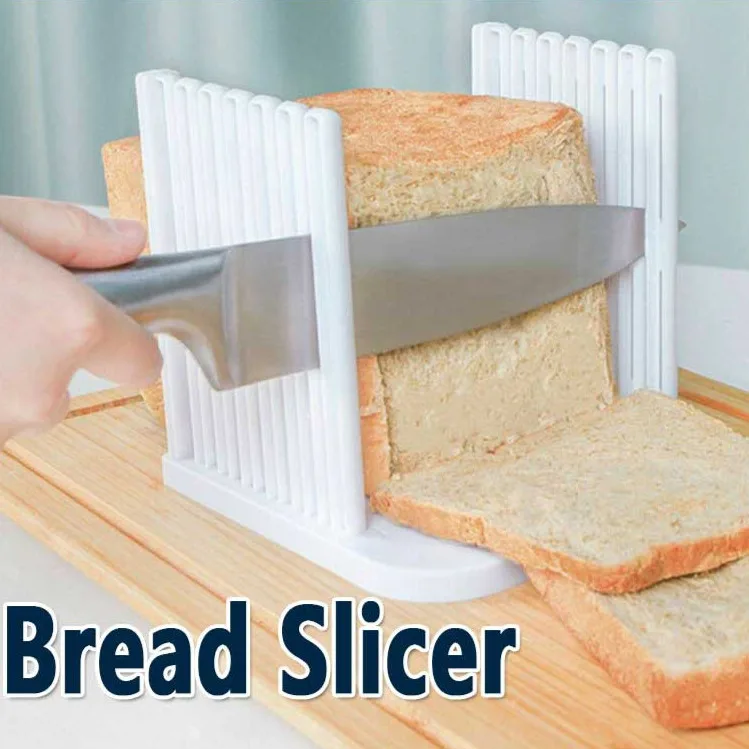
If your slicer is too small, the loaf's crown hits the top guard. That forces you to cut at an angle. Angled cuts look uneven and waste end pieces.
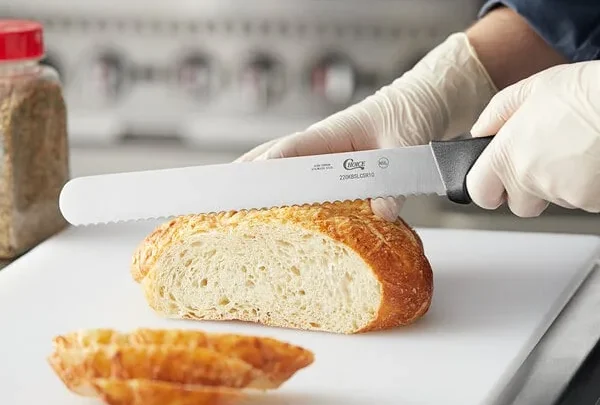
A blade that's too short can't finish a full slice in one pass. That means the blade stalls, tears the crust, or leaves a jagged edge. For a soft sandwich loaf, tearing is a real problem.
On the other hand, a slicer that's oversized for your baking habit takes up counter space you don't need. A 12-inch commercial model feels like overkill for one loaf a week.
Size directly affects both slice quality and the tool's footprint in your kitchen. Our research shows that most home bakers end up happiest with a 9-inch or 10-inch blade paired with 5 to 6 inches of clearance.
Key Measurements You Need to Know
Before you look at any slicer, measure your actual loaf. Don't rely on the pan size alone. Loaves can rise higher, especially with whole wheat or sourdough starters.
Three measurements matter:
- Loaf height. Measure from the bottom to the highest point of the crown. A standard 9×5 pan loaf usually hits 5 inches. A Pullman pan loaf can reach 6 inches or more.
- Loaf length. From heel to heel. Most sandwich loaves run 8 to 9 inches. Long artisan loaves may need a longer platform.
- Loaf width. Usually4 to 5 inches. This matters less for slicer fit but affects how stable the loaf sits on the carriage.
Manufacturer specs list "maximum bread height" and "maximum bread length." Compare your loaf's numbers to those specs. If your loaf is5.5 inches tall and the slicer says max height is5 inches, it won't work.
Also check the blade diameter. A9-inch blade typically cuts through a5-inch loaf fine because it extends above and below. But a7.5-inch blade on a5.5-inch loaf will struggle.
The Main Slicer Sizes and What They Fit
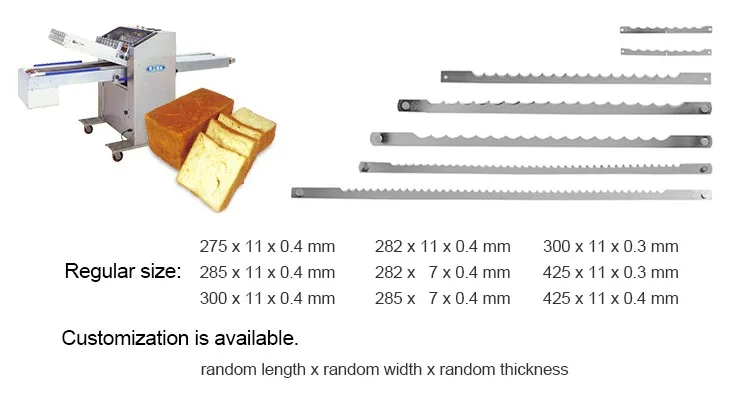
7.5 to 8.5 inches, Compact or manual models. These fit small loaves from an8x4 pan ( about4.5 inches tall). They're great for occasional use or a single person baking small batches. Not ideal for standard9x5 loaves.
9 inches, The sweet spot for most home bakers. This size handles standard sandwich loaves up to about5 inches tall. Many manual guillotine slicers and entry-level electric models use a9-inch blade. It's widely available and affordable.
10 inches, More clearance, more versatility. A10-inch blade can slice taller loaves up to6 inches. It's also better for cutting through very crusty bread because the blade has more surface contact. Many deli-style home slicers use10-inch blades.
12 inches, Commercial territory. Found in bakery and deli slicers. These can handle extra-tall artisan loaves and high volume. But they take up a lot of counter space ( often18 inches wide or more) and cost more.
Here's a quick reference table:
| Blade Size | Max Loaf Height | Best For | Counter Space |
|---|---|---|---|
| 7.5-8.5 in | 4.5 in | Small 8×4 loaves | Compact |
| 9 in | 5 in | Standard 9×5 sandwich | Moderate |
| 10 in | 6 in | Tall artisan, sourdough | Moderate |
| 12 in | 7+ in | Commercial, high volume | Large |
Manual vs Electric – Size Trade-Offs
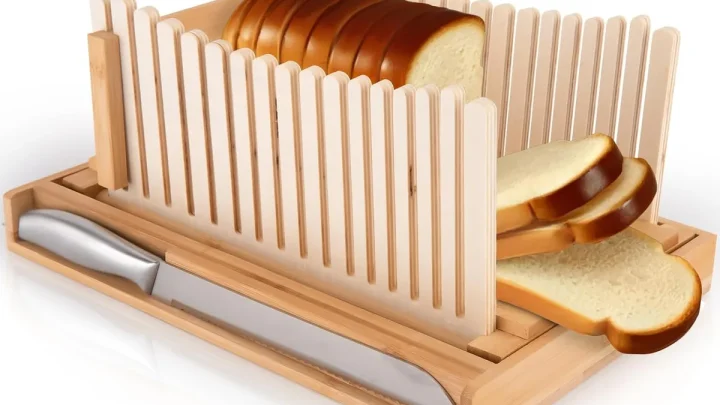
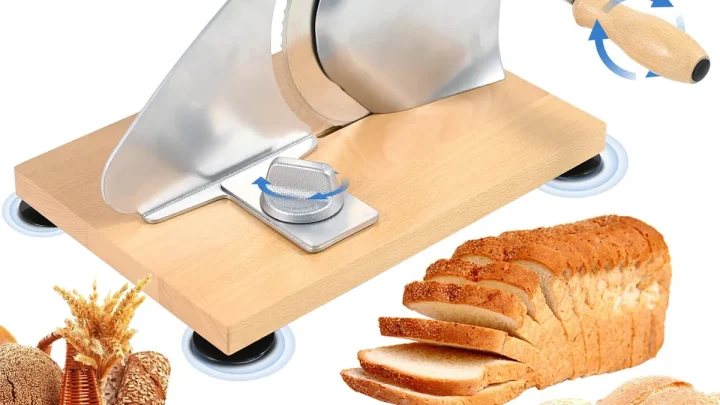
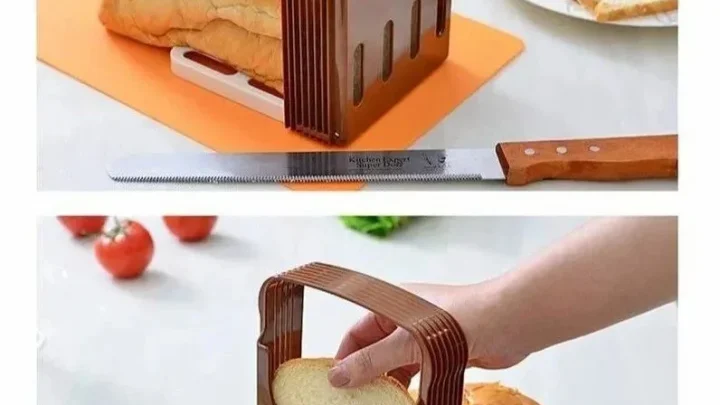
Manual slicers tend to be smaller and lighter. Most have a blade between8 and 9 inches. They rely on you pushing the loaf through the blade.
That's fine for soft bread, but a dense or crusty loaf takes more force.
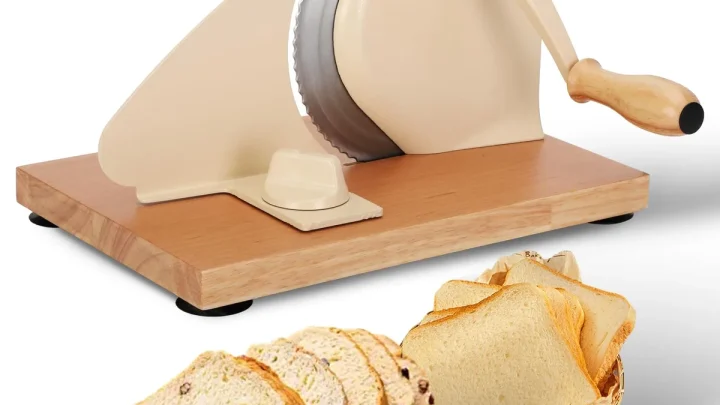
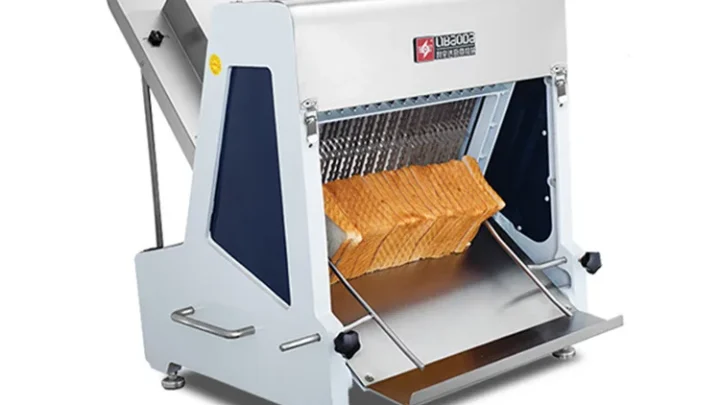
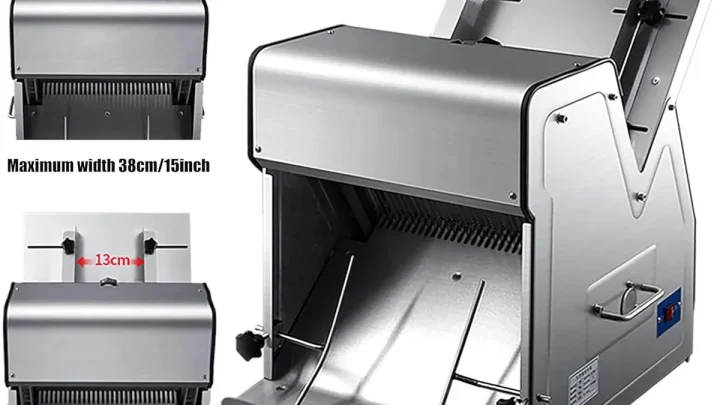
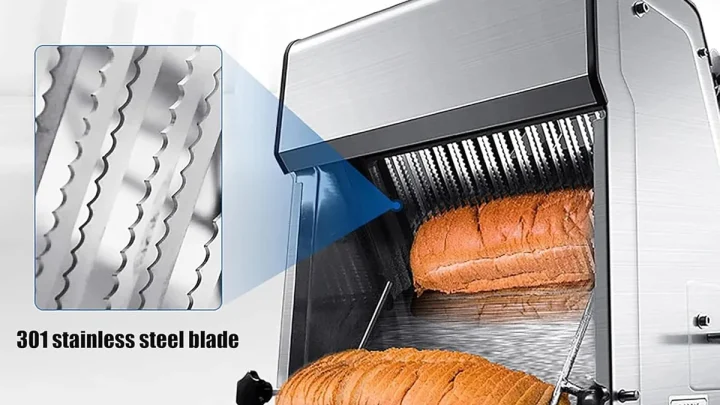
Electric slicers usually offer larger blades (9 to 12 inches) and powered cutting. They can handle taller, denser loaves without stalling. But they also weigh more (6 to 12 pounds) and need counter space near an outlet.
Size trade-off: A manual slicer with a9-inch blade is compact and easy to store. An electric slicer with a10-inch blade gives you more clearance but takes up three times the footprint.
Your choice depends on how often you bake and how tall your loaves get. If you bake one standard sandwich loaf a week, a9-inch manual slicer works perfectly. If you bake three or four loaves weekly, including tall sourdough, go electric with a10-inch blade.
Which Size Is Right for Your Loaf?
Start with your loaf height. Measure it after baking. The crown can be surprisingly tall.
If your loaf is4.5 inches or shorter: An8-inch or 9-inch slicer will work. Small manual models are fine.
If your loaf is5 to 5.5 inches: Choose a9-inch blade at minimum. A10-inch blade gives you wiggle room. Check the slicer's listed maximum bread height.
It should be at least5.5 inches.
If your loaf is6 inches or taller: You need a10-inch or 12-inch blade. Many electric slicers designed for home use offer10-inch blades. Look for models that explicitly state "tall loaf clearance."
If your loaf is longer than10 inches (say, a batard): The slicer platform must support the full length. Some manual slicers have a short base. Electric deli slicers usually have longer carriages.
For a standard9x5 sandwich loaf, the overwhelming majority of verified buyer feedback points to a9 or 10-inch slicer. That range covers nearly all typical home bakes.
One more thing: if you bake a variety of loaves (some small, some tall), an adjustable slicer with a removable height guard is worth the extra money. It lets you switch between loaf sizes without buying separate tools. That's a handy feature if you're exploring different styles, and it pairs well with some of the options covered in our roundup of manual bread slicer recommendations for homemade bread.
Common Sizing Mistakes to Avoid
Assuming the pan size equals the loaf size. A9x5 pan often produces a loaf that's actually5 inches tall. But if your dough rises higher, that loaf can hit5.5 or even6 inches. Measure after baking, not before.
Buying a slicer based on blade diameter alone. A9-inch blade sounds big enough. But the vertical clearance (the gap between the carriage and the top guard) might only be4.5 inches. Always check both numbers.
Ignoring loaf length. A standard sandwich loaf is9 inches. But some slicer platforms are shorter. If the loaf hangs off the back, it's unstable and the slices will be uneven.
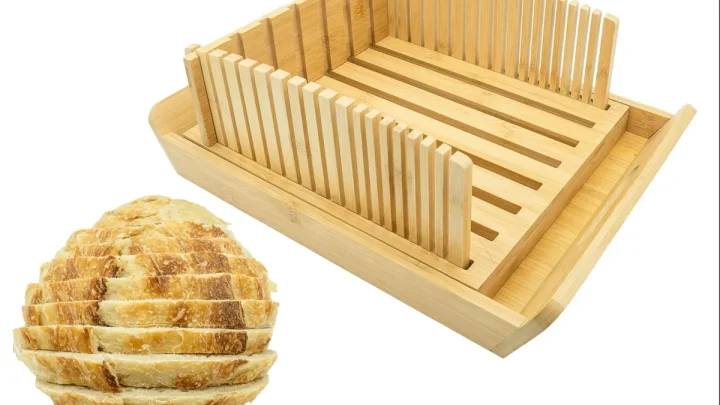
Thinking all manual slicers fit all loaves. Many manual guillotine models have a fixed height guard. If your loaf is taller than that guard, you either can't close it or you crush the crown. Look for adjustable or removable guards.
Choosing an electric slicer with no thickness lock. If the slice thickness dial slips during cutting, you get uneven pieces. That's frustrating for consistent sandwich prep.
Forgetting counter space. A12-inch commercial slicer needs about18 inches of depth and12 inches of width. Measure your counter before you buy.
Skipping the crumb tray check. Some slicers have a removable tray. Some don't. Without one, crumbs pile up under the blade and you have to tilt the whole machine to clean.
Frequently Asked Questions
Can I use a7.5-inch slicer for a standard sandwich loaf?
Not reliably. A7.5-inch blade typically clears only4 to4.5 inches of loaf height. Standard9x5 loaves usually exceed that.
You'll end up with angled cuts or crushed ends.
What is the best slicer size for tall artisan bread?
A10-inch blade is the minimum. Tall sourdough or no-knead loaves often reach6 inches. Look for a slicer that lists a maximum bread height of at least6 inches.
Do I need an electric slicer for sandwich bread?
Only if you bake frequently or deal with very dense loaves. For one or two standard loaves per week, a manual9-inch slicer works fine. Electric is better for volume and for tall, crusty bread.
How do I measure my loaf for a slicer?
Let the loaf cool completely. Stand it upright. Measure from the bottom to the highest point of the crown.
Also measure the length from heel to heel. Compare both to the slicer's maximum specs.
Can a bread slicer handle gluten-free loaves?
Yes, but choose carefully. Gluten-free loaves are often more crumbly. A slicer with a sharp blade and a gentle feed mechanism works best.
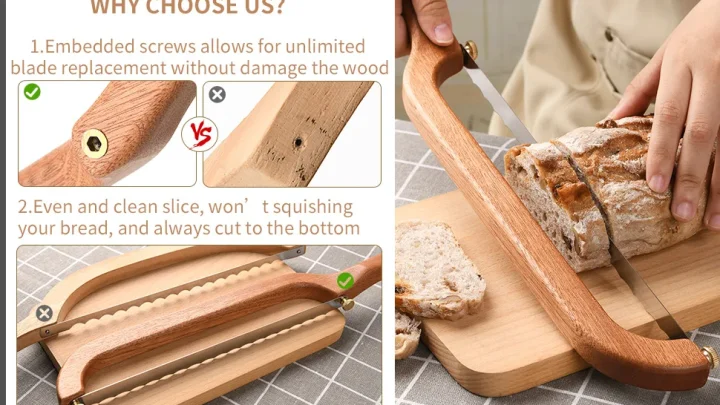
A fixed-width manual slicer with a wire blade can reduce crumbling.
The Bottom Line
Matching a bread slicer to your sandwich loaf comes down to two numbers: loaf height and blade clearance. Most home bakers are well served by a9 or 10-inch slicer with at least5 inches of vertical clearance.
If you bake standard9x5 loaves weekly, a manual slicer with a9-inch blade is compact and affordable. If you bake tall artisan breads or several loaves at once, step up to a10-inch electric model.
Measure your actual loaf before you buy. Compare it against the manufacturer's listed max height and length. That one step saves you from wasted money and uneven slices.
As of2026, the market offers solid options at every size. Stick with the specs that match your baking routine. Your sandwiches will thank you.

Similar Posts