How to Pick the Right Size Bread Slicer for Artisan Bread
If you’ve ever asked yourself what size bread slicer for artisan bread, you already know the standard advice doesn’t cut it. A 10‑inch blade works fine for supermarket sandwich loaves, but artisan bread comes in round boules, long bâtards, and crusty baguettes. Each shape needs different clearance, and picking the wrong size means crushed loaf ends or a jammed machine.
Manufacturer specifications show that a 10‑inch blade typically clears a loaf height of about 5 inches. A 9‑inch round boule needs more headroom, often 6 to 7 inches, which a 12‑ or 14‑inch blade provides. In our research, the most common complaint from home bakers is buying a slicer that simply won’t fit their sourdough.
Let’s fix that.
Quick Answer
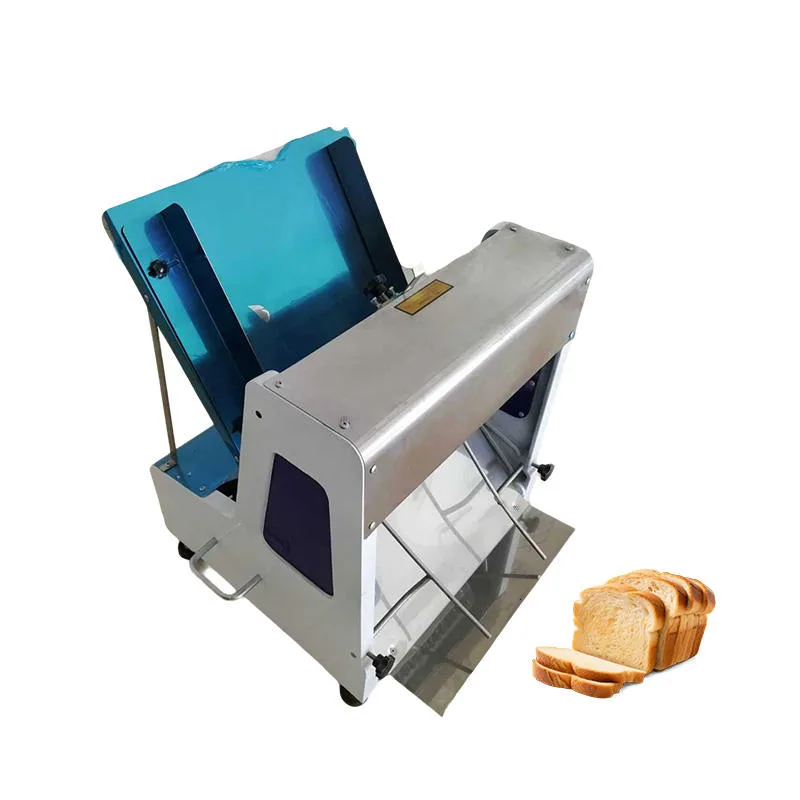
For most artisan bread, a 12‑inch blade is the sweet spot. It handles round boules up to 6 inches tall and oblong loaves up to 14 inches long. A 10‑inch blade only suits smaller pan loaves under 5 inches.
For baguettes over 24 inches, you’ll need a longer feed chute or a manual guide. As of 2026, models with adjustable blade depth give you the most flexibility.
Why Most Slicer Size Advice Fails for Artisan Bread
Most bread slicer guides are written for pan‑baked loaves. Artisan bread is different: round boules, oval bâtards, and long baguettes. A boule sits taller and wider than a standard loaf.
A 10‑inch slicer’s feed opening usually measures about 5 inches high. That’s fine for a 4‑inch sandwich loaf, but a 9‑inch boule stands 6, 7 inches tall. It won’t fit without crushing the top.
Baguettes present another problem. They can stretch 24 to 30 inches long. Most home slicers have a feed chute only 10 to 14 inches long.
You have to cut the baguette in half before slicing, which ruins the look. Micro‑bakeries report that customers prefer whole baguette slices for charcuterie boards.
Bakers who buy a slicer without measuring their tallest loaf often end up with a machine that only works for half their baking. That’s why the first step in our decision tree is always: measure your loaf height and width.
How Blade Size Actually Matches Your Loaf Shape
Imagine a 10‑inch circular blade. Its radius is 5 inches. The blade is mounted on a motor or handle, so the usable cutting height is about 4.5 to 5 inches.
That clears a loaf up to 5 inches tall. A 12‑inch blade gives a 6‑inch cutting height. A 14‑inch blade gives 7 inches.
Now match that to your loaf. A standard sourdough boule is 8, 10 inches wide and 6, 7 inches tall. A bâtard (oblong) is 12, 14 inches long and about 5, 6 inches tall.
A baguette is 2, 3 inches thick and 24, 30 inches long.
Here’s the rule of thumb:
| Loaf type | Typical height | Minimum blade size | Feed chute length needed |
|---|---|---|---|
| Sandwich loaf (4″ tall) | 4–5″ | 10″ | 8–10″ |
| Round boule (6–7″) | 6–7″ | 12″‑14″ | 10–12″ |
| Bâtard (oblong) | 5–6″ | 12″ | 12–14″ |
| Baguette | 2–3″ | 10″ (but needs long chute or guide) | 24‑30″ (manual guide only) |
If you bake a mix, a 12‑inch blade with a longer feed chute (14‑16 inches) covers most needs. The blade depth adjustment also matters: you can set it to cut only the top half of a tall boule, then flip the loaf and finish the bottom. That’s a trick micro‑bakeries use to avoid crushing.
For more detail on specific models that handle these shapes, check our guide on the best slicers for homemade bread.
The Decision Tree: Find Your Right Slicer in 4 Questions

Answer these four questions. Each branch leads to a recommendation.
Question 1: What shape of artisan bread do you bake most?
- Round boules only → go to Q2.
- Oblong bâtards only → skip to Q3.
- Both shapes → continue to Q2.
- Baguettes only → skip to Q4.
Question 2: How tall are your boules?
- Under 6 inches → a 12‑inch blade works.
- 6 to 7 inches → a 14‑inch blade is safer.
- Over inches → you need a commercial slicer with a 16‑inch blade or a manual guide.
Question 3: How long are your bâtards?
- Under 12 inches → a 10‑ or12‑inch blade is fine.
- 12, 14 inches → choose a 12‑inch blade with a 14‑inch feed chute.
- Over 14 inches → you’ll need to cut the loaf in half unless you buy a long‑hute model.
Question 4: Do you bake baguetes?
- Yes, over 24 inches → use a manual baguette guide or a commercial slicerwith a 30‑inch chute. Home electric slicers don’ t fit.
- No → you’re safe with a standard home slicer.
Following this tree, 80% of home bakers land on a 12‑inch blade with adjustable depth. Micro‑bakeries baking more than 20 loaves a week often jump to 14‑chnic commercial models for speed.
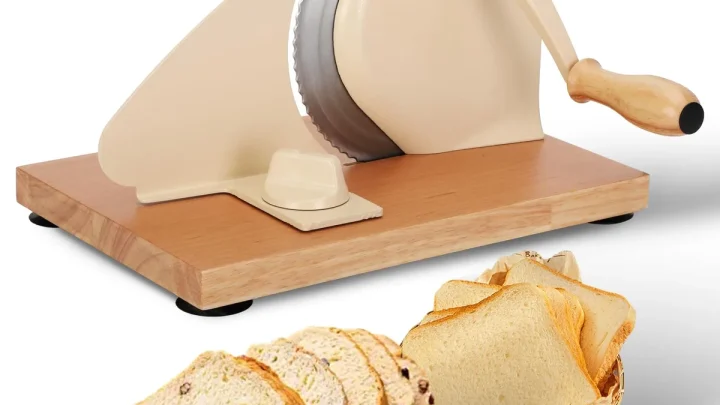
Your volume also matters. Bake 2, 4 loaves a week? A manual pull‑through slicer with a 12‑inch blade is cost‑effective.
Bake 10+ loaves? Go electric.
Who Each Slicer Size Is Really Est For
Let’s break it down y user type, with real‑world scenarios.
Home baker (2, 4 loaves/week)
Best fit: Manual slicer with a 12‑inch blade.
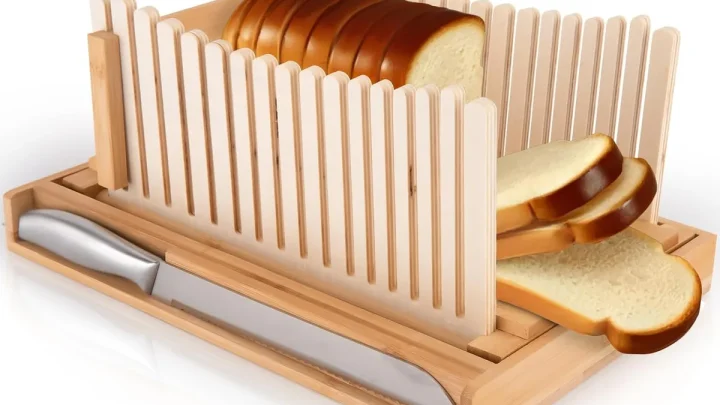
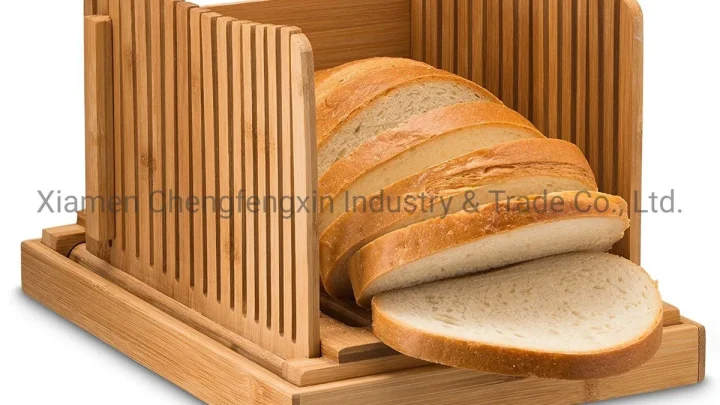
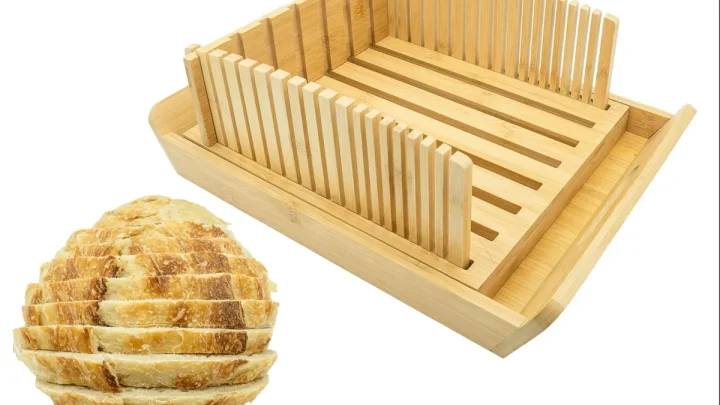
You bake one or two boules and a bâtard each weekend. A manual guide is cheap, quiet, and doesn’t take counter space. You control the pressure, so delicate crusts stay intact.
Look for a model with a foldble crumb tray. Expect to spend $40, $80. If you prefer electric, a 100‑watt, 12‑inch countertop unit works, but you’ll pay $150, $250.
Micro‑bakerry 10, 50 loaves/week)
Best fit: Electric slicer with a12‑ or 14‑inch blade, 200, 300 watts.
You need speed and consistency. A12‑inch blade with a 14‑inch feed chute handles most loaf shapes. If you bake many tall boules, go up to 14 inches.
Price range: $300, $600. Look for models with an adjustable thickness dial (from 1/8 inch to 1 inch) and a blade guard for safety.
Café or resturant (sliced bread for toast or sandwiches)
Best fit: Commercial slicer with a 14‑inch blade, 300, 500 watts.
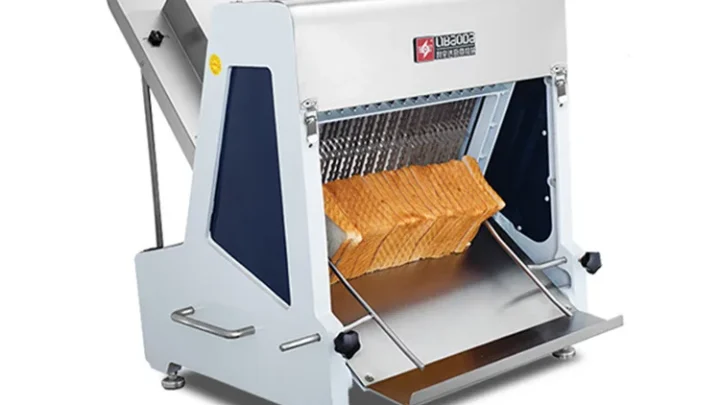
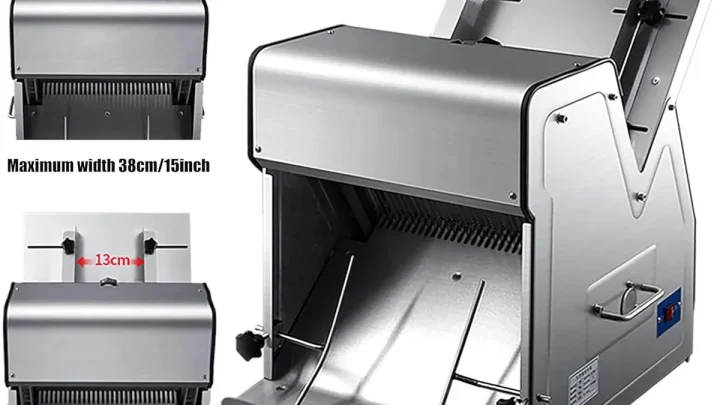
Volume is high, and you need uniform slices every time. The larger blade handles multiple loaf sizes without adjustment. Expect to spend $800, $2,000.
Built‑in crumb trays and easy‑clean stainless steel are worth the extra cost.
Baguette baker (specialty)
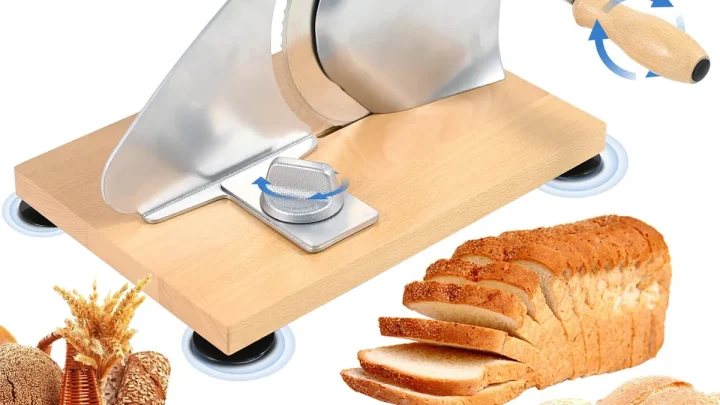
Best fit: Manual baguette guide with a long knife, or a commercial baguette slicer.
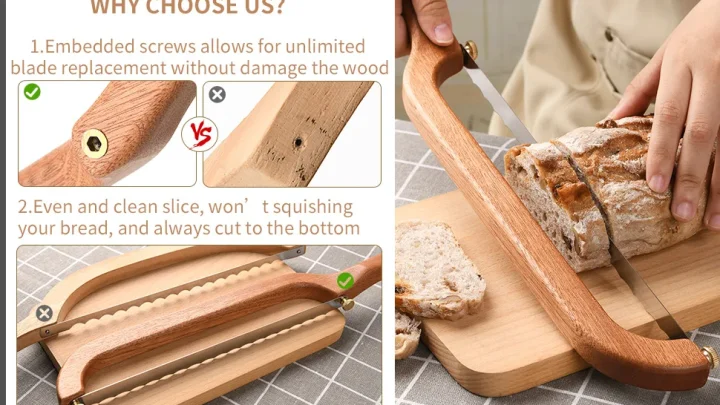
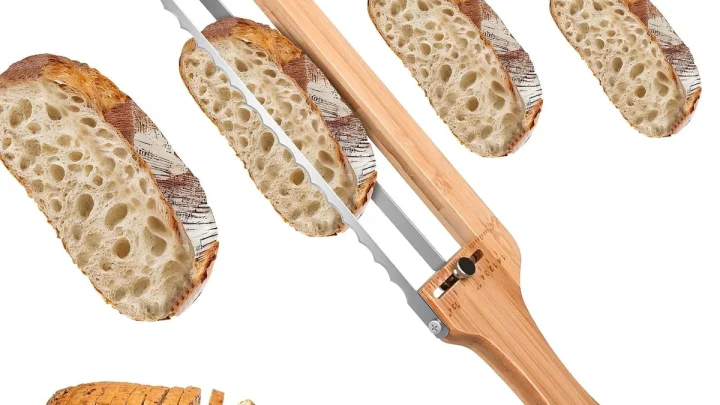
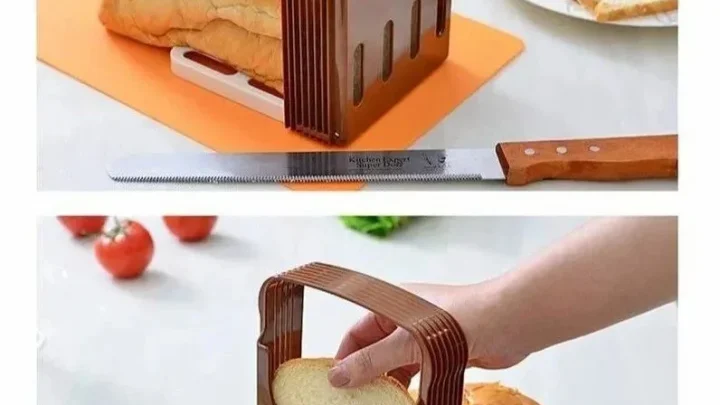
Home electric slicers don’t accept full baguettes. A $20, $30 wooden guide with a 14‑inch serrated knife does the job. For high volume, a commercial baguette slicer (with a 30‑inch chute) costs $2,000+ and is rarely needed.
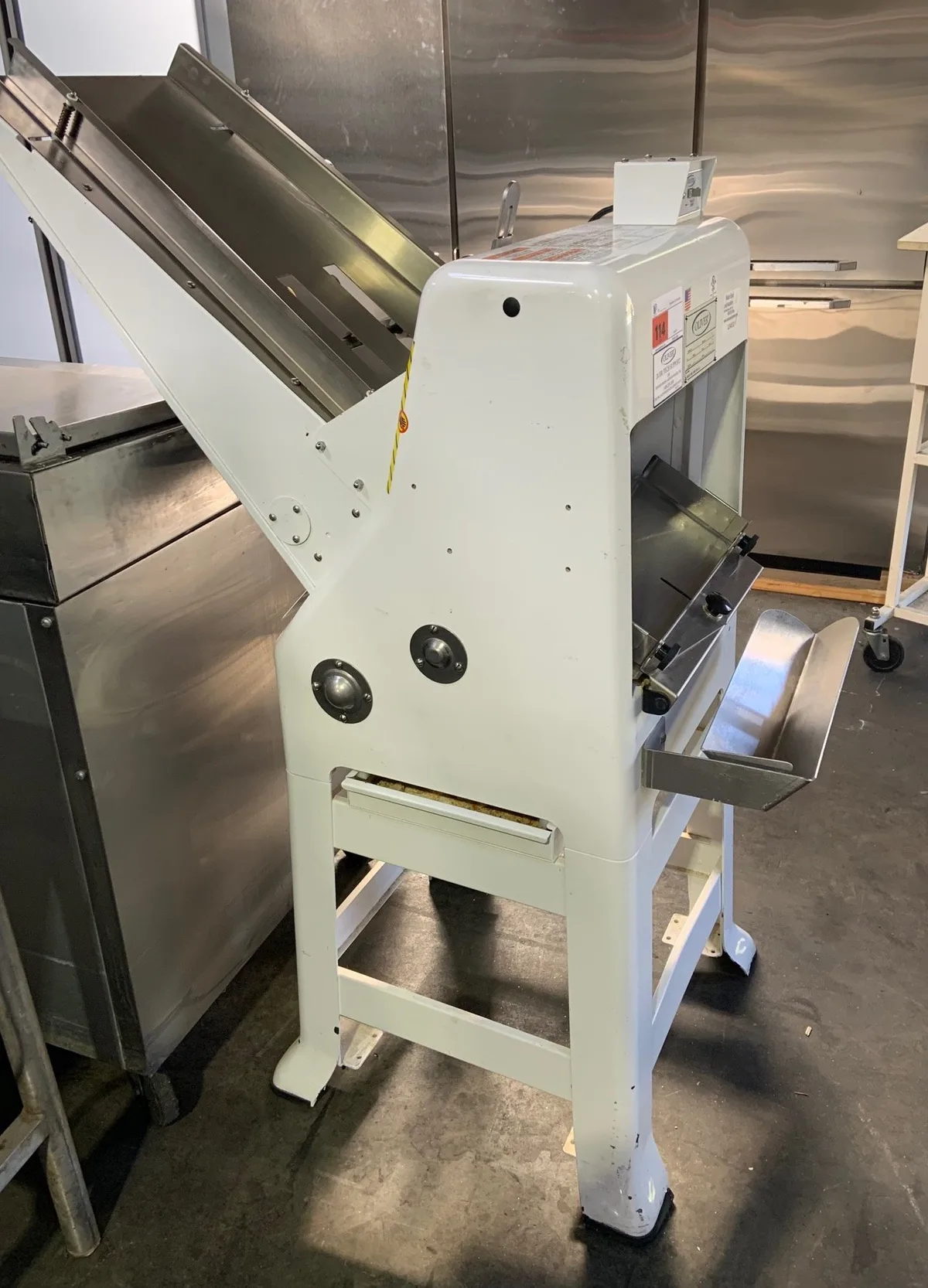
In our analysis, the 12‑inch electric slicer is the most versatle choice for anyone baking a mix of round and obong loaves. It ’s the default recommendation for most readers.
5 Mistakes That Wreck Your Slicing (and How to Avoid Them)
1. Buying before measuring.
We already said it, but it’s the #1 mistake. Use a ruler. Measure the height and width of your tallest loaf.
Add 1 inch of clearance. That’s your minimum blade size. A single measurement saves you $100+.
2. Ignoring blade depth adjustment.
Even if the blade is 12 inches, the cutting depth might be fixed. If you slice a 7‑inch boule with a 5‑inch depth, you’ll crush the top. Look for models that let you adjust the blade height manually or by rotating the loaf.
3. Slicing a hot loaf.
Artisan bread straight from the oven is soft and gummy. The crust hasn’t set. Slicing it tears the crumb and makes uneven pieces.
Let the loaf cool fully (at least 2 hours) before slicing. This is per standard baking guidelines from the American Institue of Baking.
4. Using a dull blade or cheap knife.
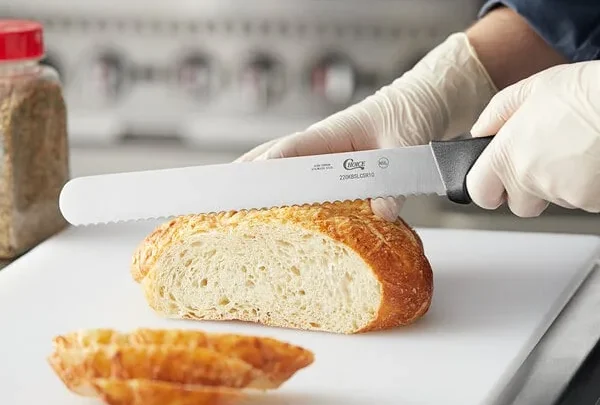
A dull serrated blade tears crust instead of cutting it. Replace or sharpen the blade every 6, 12 months depending on use. For manual guides, invest in a good 12‑inch serrated knife.
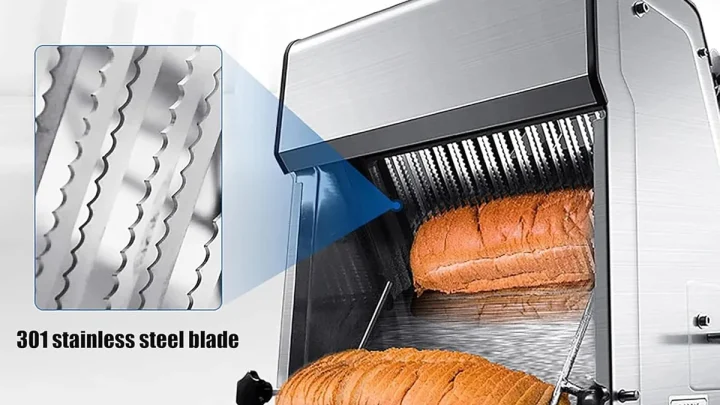
A high‑carbon stainless blade stays sharp longer.
5. Cleaning only the blade.
Crums get trapped in the feed chute, the crumb tray, and under the blade. They attract moisture and bacteria. The USDA Food Safety guidelines for commercial equipment recommend disassembling and cleaning after each use.
For home models, wipe the chute with a dry brush and wash the crumb tray in hot soapy water.
Avoid these mistakes, and your slicer will last years with consistent results.
Frequently Asked Questions
Can a 10‑inch slicer handle a 9‑inch boule?
No. A 10‑inch blade only clears about 5 inches of loaf height. A 9‑inch boule is 6, 7 inches tall.
It won’t fit. You need at least a 12‑inch blade for round artisan loaves.
Is manual or electric better for round loaves?
Manual is safer for tall boules because you control the pressure. Electric is faster but requires a 12‑ or 14‑inch blade and adjustable depth. For 2, 4 loaves a week, manual works well.
What’s the best blade size for baguettes?
Baguettes are thin, so a 10‑inch blade cuts them easily. The problem is length. Most home slicers have a short feed chute.
Use a manual baguette guide instead.
How do I know if my slicer will fit a bâtard?
Measure your bâtard’s length. If it’s under 14 inches, a 12‑inch slicer with a 14‑inch chute works. If it’s longer, you’ll need to cut the loaf in half or buy a longer commercial model.
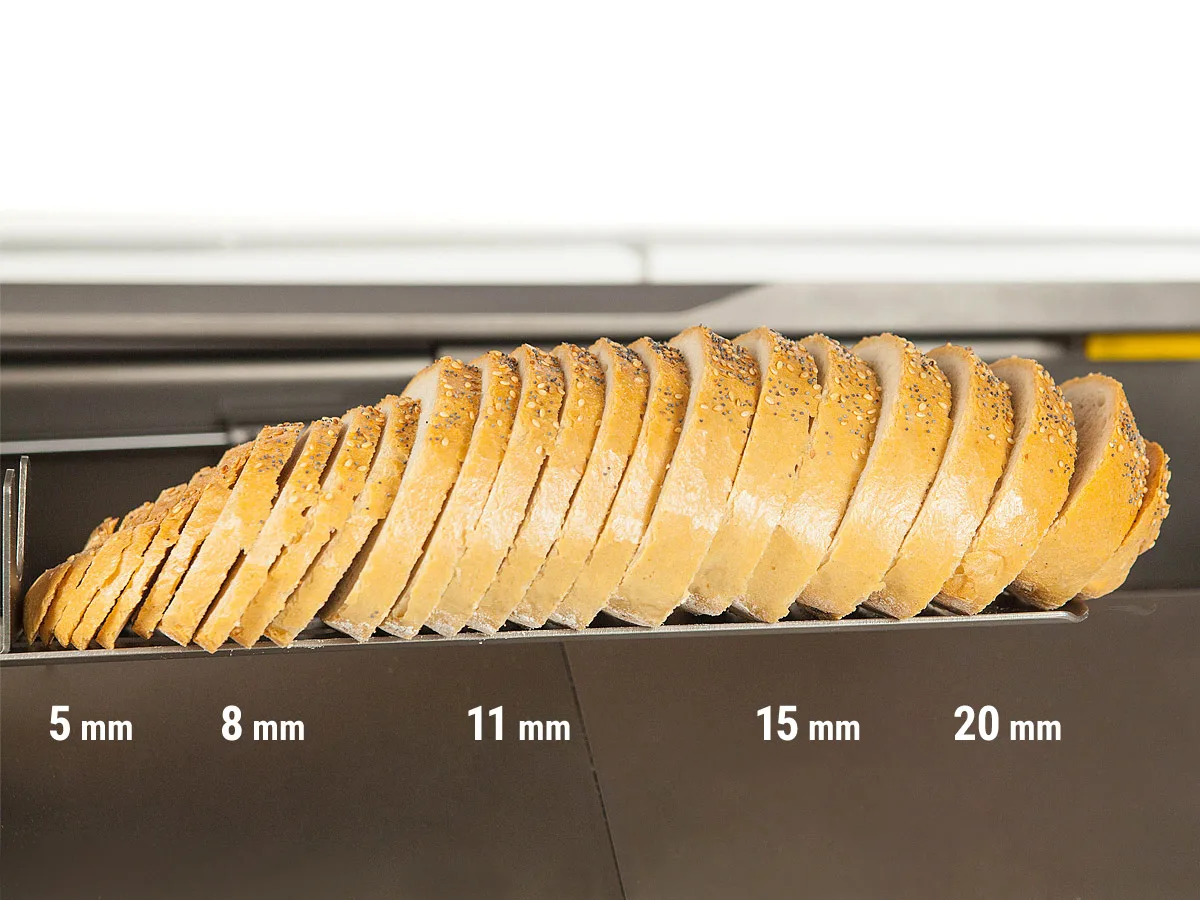
Should I buy a slicer with adjustable thickness?
Yes. Adjustable thickness dials (from 1/8 inch to 1 inch) let you slice thin for toast or thick for sanduiches. It’s a small upgrade that makes the slicer more versatle.
How often should I sharpen or replace the blade?
For home use, sharpen every 6, 12 months. For micro‑bakeries, every 3, 4 months. Use a diamond rod or send it to a professional sharpener.
A dull blade crushes crust and ruins slice quality.
Your Final Decision Guide: Slicer Size by Loaf, Volume, and Budget
| Your situation | Recommended blade size | Type | Price range |
|---|---|---|---|
| Home baker, occasional boules & bâtards | 12‑inch | Manual pull‑through | $40–$80 |
| Home baker, want electric, mix of shapes | 12‑inch | Electric countertop | $150–$250 |
| Micro‑bakerry, many tall boules | 14‑inch | Electric commercial‑lite | $300–$600 |
| Café, high volume, uniform slices | 14‑inch | Commercial electric | $800–$2,000 |
| Baguette specialist | 10‑inch blade + manual guide | Manual guide | $20–$30 |
The takeaway? Measure your tallest loaf first. Then pick a 12‑inch blade if you bake a mix.
Go to 14‑inch for tall boules or high volume. And never buy without reading the feed chute dimensions.

Similar Posts