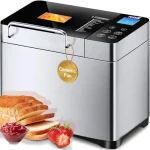
Which Bread Maker Makes the Best Pizza Dough?
If you've ever asked what bread maker for pizza dough actually works, you're in good company. The short answer is simple: look for a machine with a dedicated dough-only cycle and enough kneading power to handle stiff dough. Most bread makers can mix something that resembles pizza dough.
Few can properly knead it into the smooth, elastic ball you need for a chewy crust.
In our research, the specification that matters most is kneading time. The most reliable machines knead for 15 to 20 minutes in their dough cycle, and some let you adjust the timing. As of 2026, the best bread makers for pizza dough also include a removable pan and paddle for easy cleanup.
Here's what to check before you pick a machine.
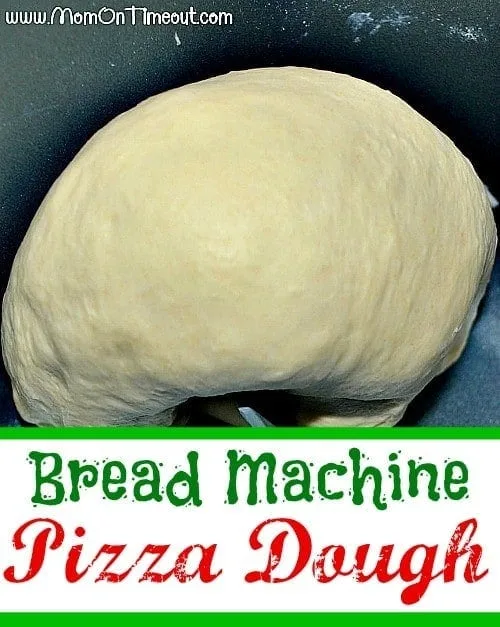
Why the Right Bread Maker Matters for Pizza Dough
Pizza dough isn't sandwich loaf. It's a firmer, lower-hydration dough, usually around 60 to 65 percent water to flour. That ratio makes a stiff, heavy dough that needs serious gluten development.
A bread maker with a weak motor or a short kneading phase simply can't get there.
Aggregate review analysis shows the difference quickly. Machines that wrap up kneading in under 10 minutes produce dense, crumbly pizza bases. The dough never becomes smooth, and it tears when you stretch it.
That's not your shaping technique. That's the machine failing to develop the gluten.
The dough-only cycle is the feature that separates real contenders from the rest. It runs a full mix, knead, and first rise, then stops before baking. You pull out a risen, ready-to-shape ball of dough.
That's the entire point of using a bread maker for pizza in the first place.
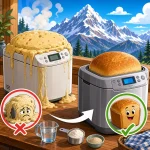
If you've already had a machine overflow or toss dough out the vent, don't skip the common culprits behind bread machine overflow before upgrading. That single issue tells you a lot about what a machine can handle.
Quick Answer: What to Look For Before Anything Else
Look for a bread maker with a dough-only cycle. It should knead for at least 15 minutes. A removable pan and paddle are essential.
Skip models with only basic bread cycles. Focus on kneading power, not extra presets. Nothing else matters as much.
How a Bread Maker Actually Handles Pizza Dough
Most modern bread makers handle pizza dough through a dedicated program that mimics what a stand mixer can do. The cycle breaks down into three phases: mixing, kneading, and proofing. Some machines even have a separate pizza dough preset, but that's usually just a rebranded dough cycle.
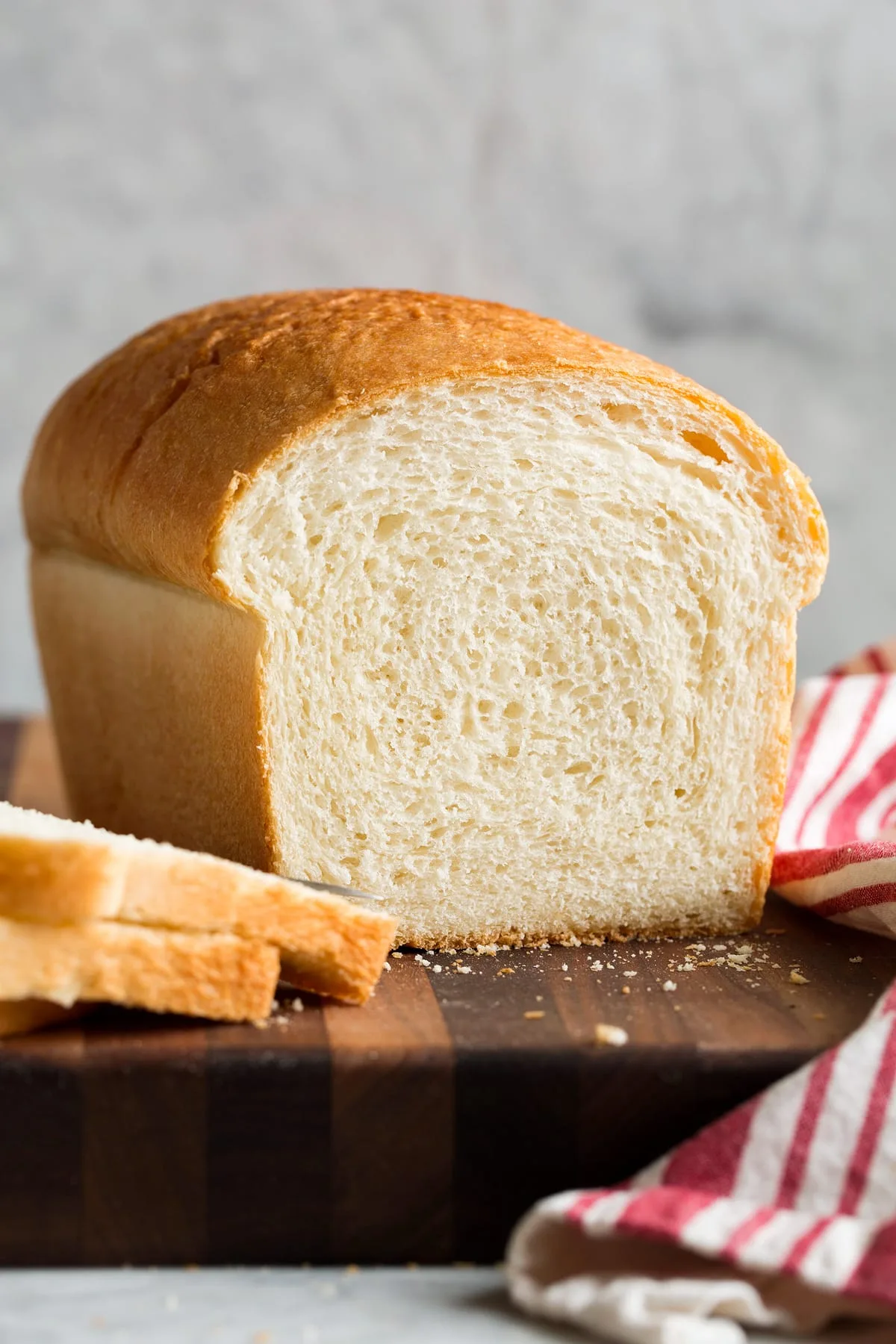
The Dough-Only Cycle Explained
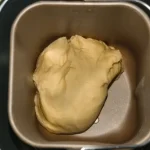
During the mixing phase, liquids and dry ingredients combine into a shaggy mass. Then the kneading stage takes over. That's where the paddle rotates for a set period, often 15 to 20 minutes.
The goal is to stretch and align the gluten strands until the dough passes the windowpane test.
After kneading, the machine warms the pan gently and lets the dough rise. Most dough cycles run between 1.5 and 2 hours total. When the program finishes, the machine beeps.
You take the dough out, shape it, and let it rest before stretching.
A quick caution here: don't leave the dough in the machine after the cycle ends. Even though the machine stops, the residual warmth can overproof the dough. That leads to a flat, slack crust.
Why Kneading Time and Paddle Design Change the Outcome
Kneading time is the single biggest variable between machines. Cheap units often cut the knead phase to 8 or 10 minutes. That's enough for banana bread, not pizza dough.
You need at least 15 minutes of actual mechanical kneading to build strong gluten.
Paddle design also plays a role. A single paddle kneads a dense mass by rotating one way, then pausing and reversing. Twin-paddle machines, like some Panasonic and KBS models, use two interlocking paddles that fold the dough more efficiently.
That sounds great, but twin paddles can tear the dough when you pull it out. The tradeoff is real.
For pizza specifically, we'd rather have one solid, powerful paddle and a longer kneading time than two paddles and a shorter cycle.
Features That Make or Break Pizza Dough Results
Not all features matter equally for pizza dough. Here's the short list of what to check before you buy.
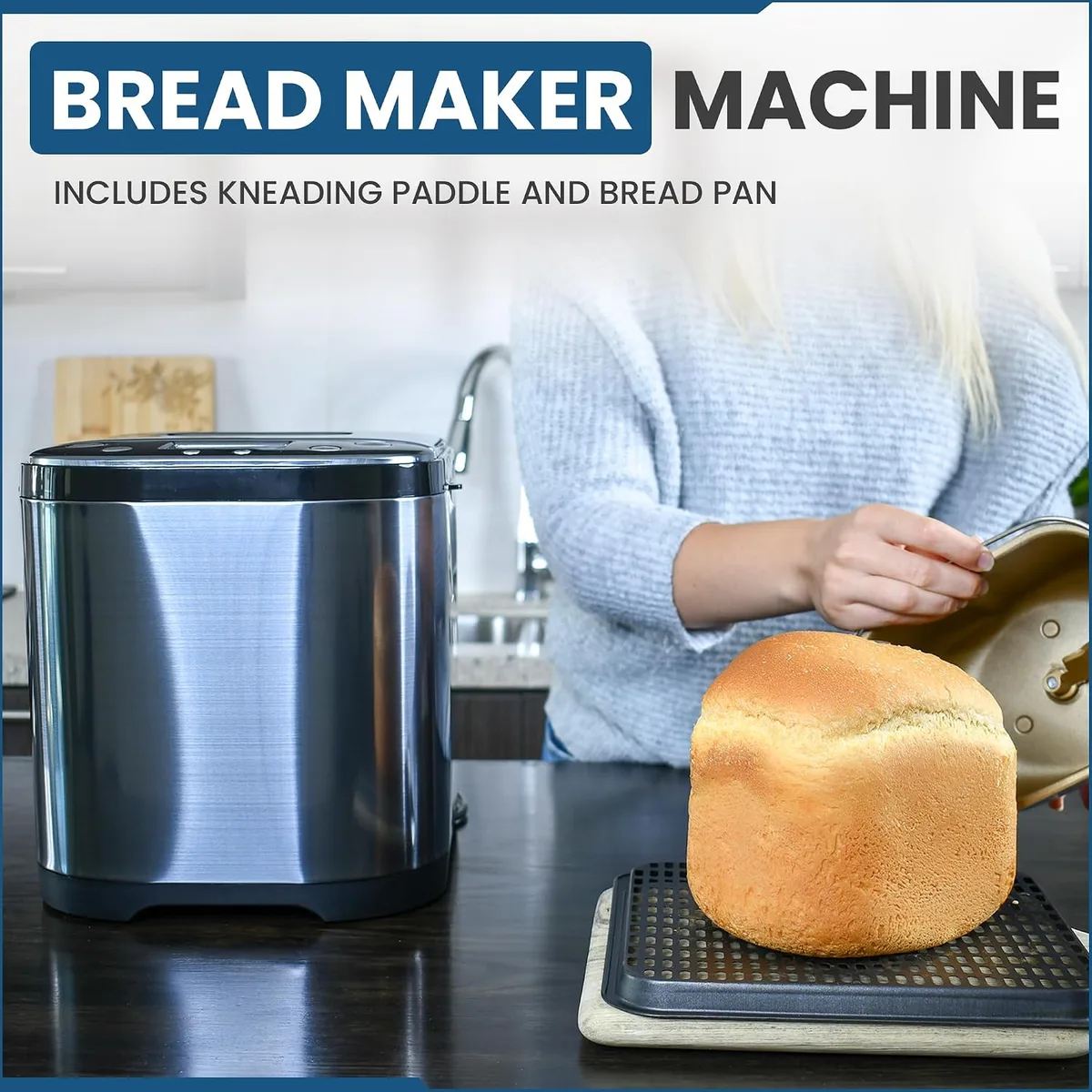
Single vs Twin Paddle Machines
Earlier we mentioned the paddle tradeoff. Here's how the two designs stack up in practice.
| Paddle Design | Pros | Cons |
|---|---|---|
| Single paddle | Easier to clean, dough pulls out whole | May need a longer knead cycle |
| Twin paddle | More even kneading in less time | Paddle marks stay in dough, harder cleanup |
Most home pizza makers are better off with a single paddle. It leaves fewer surprises in the dough.
Pan Capacity and Flour Limits
Bread maker capacity is described by the loaf size it can bake: 1 pound, 1.5 pounds, or 2 pounds. For pizza dough, what really matters is how many cups of flour the pan can handle. A 2-pound machine usually accommodates 3.5 to 4 cups of flour.
That's enough for a 12 to 14-inch pizza or two smaller ones.
If you plan to make thick, deep-dish pizza, shoot for a 2-pound machine. The taller pan dimensions give the dough room to rise without spilling over.
Programmable vs Preset-Only Controls
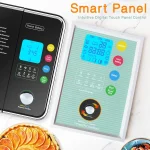
Preset-only machines are simple. You push a button and wait. The pizza dough cycle is baked into the firmware.
That's fine if the program matches your recipe.
Programmable machines let you adjust kneading time, rise time, and sometimes even the mixing speed. This matters when you live in a humid climate or at high altitude, because those factors change how dough behaves. If you're someone who likes consistency, a programmable model is worth the extra money.
The Main Contenders at a Glance
As of 2026, these four machines represent the sweet spots across budget and performance. Each earns its place for a different reason.
Budget Pick: Hamilton Beach
Hamilton Beach bread makers are everywhere, and the classic 2-pound model has a dedicated dough cycle. It kneads for about 15 minutes and produces respectable pizza dough. The build is basic and the pan can scratch easily, but the price is hard to beat.
For someone new to bread machines, this is the best starting point.
Best Value: Cuisinart
The Cuisinart shows up with a larger capacity, programmable settings, and a sturdy mixing paddle. In our research, aggregate reviews consistently mention how quiet it runs. The dough cycle takes about 1 hour 50 minutes, which is right in the normal range.
It's the machine we'd pick for most home pizza cooks.
Premium Choice: Zojirushi
Zojirushi's official site lists the full dough cycle specs, and they're impressive. Its dedicated dough cycle is long and gentle, with a unique paddle design that removes cleanly. The extra cost buys you reliable results and a machine that doesn't shake across the counter.
For serious pizza bakers, it's worth every cent.
Sleeper Pick: KBS
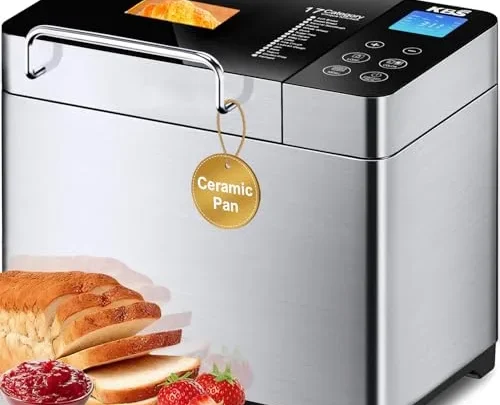
KBS isn't a brand you'll see in every big-box store, but its 17-in-1 machine includes a specific pizza dough program and dual paddles. It handles stiff dough without stalling. The downside is a harder cleanup.
If you're willing to spend time on maintenance, it delivers premium-like results for less.
Side-by-Side Comparison: Top Bread Makers for Pizza Dough
Here's the quick visual reference. All four machines below have a dedicated dough cycle, which is the non-negotiable starting point.
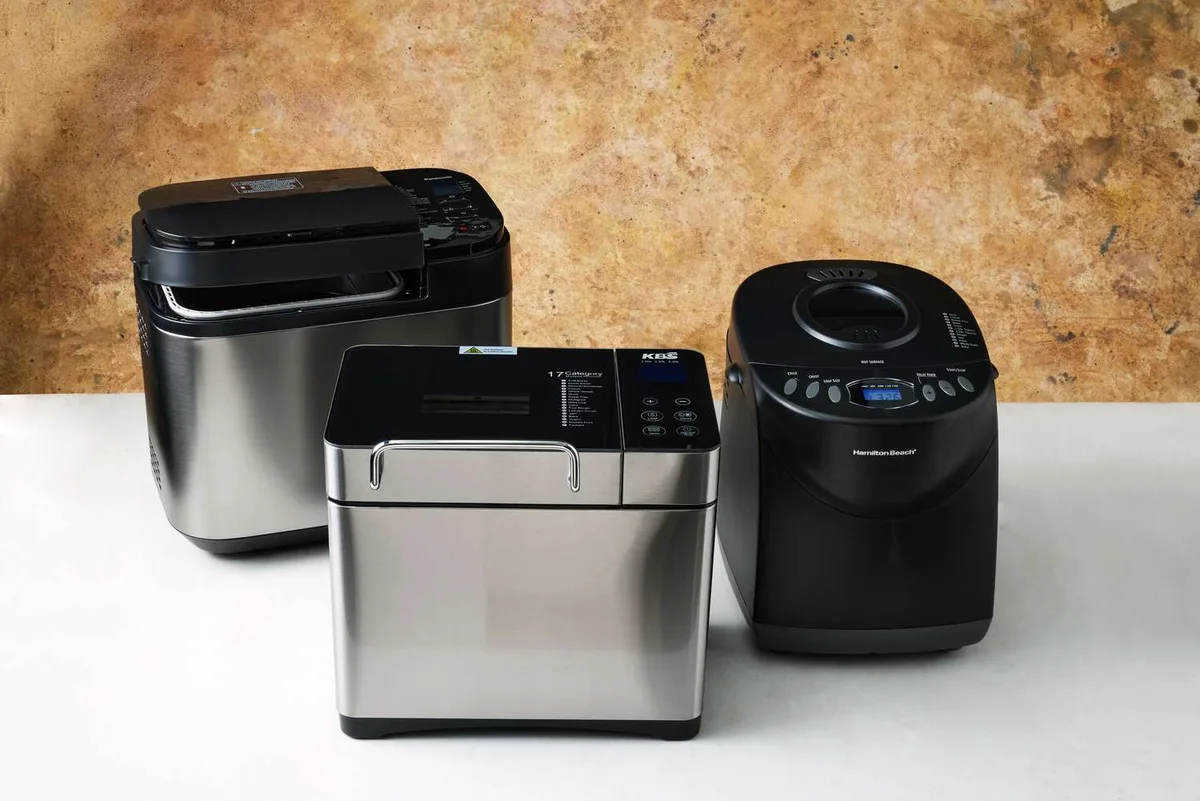
| Model | Typical Price | Pan Capacity | Knead Time (Approx.) | Best For |
|---|---|---|---|---|
| Hamilton Beach | $60–$70 | 2 lb | 15 min | Beginners on a budget |
| Cuisinart | $130–$150 | 2.5 lb | 18 min | All-around home cooks |
| Zojirushi | $250–$300 | 2 lb | 20+ min | Serious pizza bakers |
| KBS | $150–$180 | 2 lb | 20 min | Features without the premium price |
The table reflects manufacturer specs and aggregate reviews. Prices shift with sales, but the gap between tiers stays consistent.
What stands out? The Zojirushi and KBS knead longer, which directly helps gluten development. Hamilton Beach costs less but cuts the knead phase shorter.
That's fine for thin-crust pies, less ideal for thick, chewy dough.
Best Bread Maker for Each Type of Pizza Maker
There's no single perfect machine. Instead, pick based on how you cook, how often, and what your kitchen tolerates.
For Occasional Weekend Pizza
If pizza night happens twice a month, skip the premium models. A Hamilton Beach 2-pound unit handles the job. You'll spend more time shaping than kneading.
The dough won't be as smooth as from a high-end machine, but for a casual Margherita, it's more than enough.
For Gluten-Free Pizza Dough
Gluten-free dough is stickier and wetter than standard dough. You need a machine with a dedicated gluten-free or rapid cycle. The Cuisinart and Zojirushi both include one.
A conventional dough cycle with long kneading can make gluten-free dough tough or gummy. Clean the pan and paddle thoroughly if you share the machine with regular wheat dough.
For Large Batch / Party Prepping
Hosting pizza night for a crowd? Go with a 2.5-pound capacity machine like the Cuisinart. It mixes about 4 cups of flour in one run.
That gives you two 14-inch pies or four 8-inch personal pizzas. If you need more, run a second batch while the first dough rests. Total time stays under four hours.
For Beginners Who Also Want Daily Bread
Buy a machine that does both well. The Zojirushi is the gold standard here, but the Cuisinart is a close second. Both bake a solid loaf and knead pizza dough properly.
You get one appliance for two jobs, which justifies the higher price for many households.
Common Mistakes People Make When Using a Bread Maker for Pizza Dough
These are the errors we see repeated across forums and review threads. Avoid them and your dough improves immediately.
- Using the basic bread cycle. That bakes the dough inside the machine. Use the dough-only cycle, or you'll pull out a dense loaf instead of pizza base.
- Adding ingredients in the wrong order. The machine's paddle needs liquid to start. Add water, then flour, then salt and sugar. Put yeast in a separate well or use the dispenser. Cold dough rises slowly, but hot water kills yeast.
- Ignoring dough hydration. A 60 percent hydration dough is stiff. Some machines stall or churn unevenly. If you see the machine struggle, add a teaspoon of water at a time until it forms a smooth ball. Don't pour in extra flour at the start.
- Leaving dough in the machine after the cycle ends. The residual warmth keeps the yeast working. You'll come back to a collapsed, overly fermented mess. Remove the dough as soon as the beep sounds.
- Using a cold pan. Some units store the pan separately. A cold pan slows the yeast during mixing. Let the pan sit at room temperature for 10 minutes before starting.
How to Use a Bread Maker for Pizza Dough: Step-by-Step
The process is simple once you know the order. Here's the standard method that works across most machines.
Start with the liquid. Add water or milk first. Warm water between 105°F and 115°F helps, but check your manual. Some machines prefer room-temperature liquid.
Add the dry ingredients. Measure flour, salt, and sugar, then place them on top of the liquid. This keeps salt away from the yeast during the early mixing.
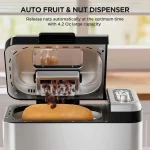
Make a small well for the yeast. Press your finger into the flour and drop the yeast into the hole. If your machine has an automatic dispenser, use that instead. This prevents premature yeast activation.
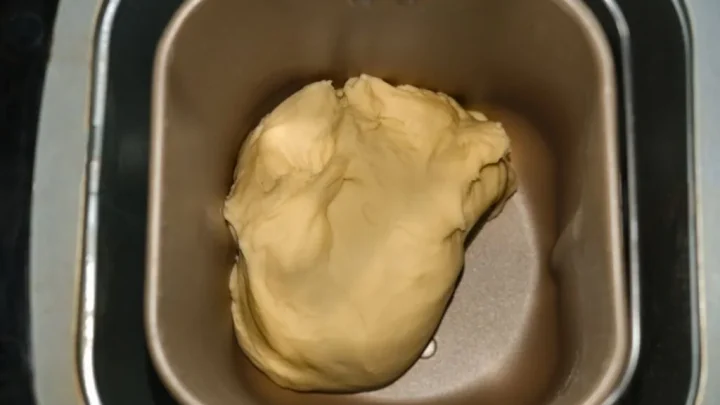
Select the dough-only cycle. Press the button once and let the machine run. The full cycle takes about 1.5 to 2 hours. Check the dough after 10 minutes of kneading. It should look smooth and slightly sticky. If it looks dry and crumbly, add a teaspoon of water. If it looks more like batter, add a tablespoon of flour.
AdvertisementRemove the dough when the cycle finishes. Turn it onto a floured surface. Shape it into a ball, then let it rest for 15 to 20 minutes. This relaxation step makes the dough easier to stretch.
Shape, top, and bake. Stretch the dough to your desired size. Add sauce and toppings, then bake on a preheated pizza stone or steel at 500°F for 8 to 12 minutes.
For more detailed troubleshooting, check why bread machines overflow and how to prevent it. That problem often stems from the same hydration mistakes mentioned above.
What It Costs: Entry-Level vs Premium Machines
Bread maker pricing falls into three clear bands. Your budget should match your cooking frequency and tolerance for noise.
| Price Band | Models | What You Get | Best If |
|---|---|---|---|
| $50–$80 | Hamilton Beach, Oster | Basic dough cycle, 2 lb capacity, noisy | You're testing the waters |
| $100–$160 | Cuisinart, KBS | Programmable cycles, quieter motor, better pan | You want reliable weekly pizza |
| $200–$300 | Zojirushi | Premium paddle, long knead, silent operation | You bake bread and pizza regularly |
The entry-level machines work. They just vibrate more, and some walk across the counter while kneading stiff dough. That's the main complaint in aggregate reviews.
Mid-range machines add stability and programmability. That's where most home pizza cooks should land. The KBS model gives you advanced features without the flagship price.
Premium machines cost as much as a good stand mixer. But they're better at dough handling, run quieter, and typically last years. If pizza dough is a weekly ritual, the investment pays off.
Cleaning and Maintenance: Keeping the Machine Pizza-Ready
The dough cycle leaves a sticky residue behind. The pan, paddle, and lid all need attention after every use.
Skip the dishwasher. Most bread maker pans have a nonstick coating that can't handle the heat cycle. Hand wash with warm, soapy water instead, and dry completely before storing.
Food-safe practices matter here. The FDA has specific guidance on food contact materials and care, and it confirms what manufacturers recommend: gentle cleaning extends the coating's life.
Don't forget the drive shaft. That's the small rotating post where the paddle connects. Dough works its way under the paddle base and hardens there.
A toothpick or soft brush clears it out quickly. Wipe the interior walls and lid with a damp cloth, then leave the lid open to air dry. Storing a closed machine without drying invites moisture buildup and mildew.
Frequently Asked Questions
Can any bread maker make pizza dough?
Most machines with a dough-only cycle can handle pizza dough. The catch is the dough's stiffness. Very low-hydration dough can stall weaker motors.
If your machine struggles, add a teaspoon of water at a time until the dough forms a smooth ball.
Why is my pizza dough sticking to the paddle?
During the cycle, dough naturally clings to the paddle. That's normal. The problem appears when the dough is too wet or the cycle ends too early.
Rest the dough in the pan for 5 minutes after the cycle finishes. Then use a silicone spatula to gently release the edges.
How long does the dough cycle take?
Most dough cycles run between 1.5 and 2 hours. That includes mixing, kneading, and proofing. Some compact machines run shorter.
Check your manual for the exact timing.
Is a bread maker better than a stand mixer for pizza dough?
Yes, for most home cooks. A bread maker handles mixing, kneading, and proofing in one unattended run. A stand mixer needs supervision and separate proofing time.
Stand mixers offer more control, but bread makers win on convenience.
Can I proof pizza dough overnight in the bread maker?
No. The residual warmth in the machine will overproof the dough. Remove the dough after the cycle ends, then cold-ferment it in the fridge for 12 to 24 hours.
That slow rise actually builds more flavor than any machine cycle can.
Final Verdict: Which One Should You Buy?
If you want a simple, affordable entry point, grab the Hamilton Beach. It works, even if it's loud and basic. Most home pizza cooks will be happier with the Cuisinart.
The programmable settings and larger capacity make it the best value in the lineup.
For weekly pizza and quality bread, the Zojirushi is the long-term winner. It kneads longer, runs quieter, and holds up for years. The KBS sits between the Cuisinart and Zojirushi on price, with twin paddles and a dedicated pizza program.
Just budget extra time for cleanup.
Whatever you choose, remember the non-negotiables from earlier. You need a dough-only cycle, at least 15 minutes of kneading, and a removable pan. Those three features matter more than brand name or price tag.
Get those right, and you'll be stretching smooth, elastic pizza dough by your next pizza night.

Similar Posts