Small Bread Makers: A Complete Guide to Compact Baking
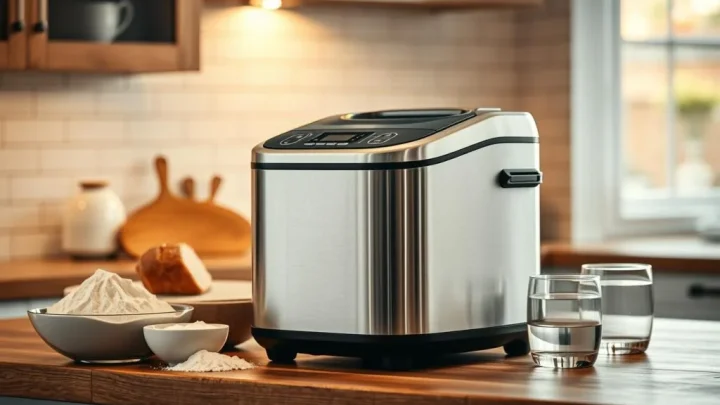
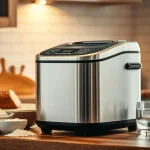
Finding the right kitchen balance often feels like a constant battle for counter space. If you have been looking for a way to enjoy fresh loaves without the bulk, having the small bread maker explained helps clarify why these compact units are becoming a staple in modern homes. They solve the specific problem of too much bread that often plagues solo bakers or couples living in smaller apartments.
Manufacturer specifications indicate that a standard small machine typically occupies about 30% less space than a full-sized 2lb alternative. Most of these units are designed to produce a 1lb loaf, which is roughly the size of a large grapefruit. This shift toward smaller footprints reflects a growing trend in urban living as of 2026.
Quick Answer
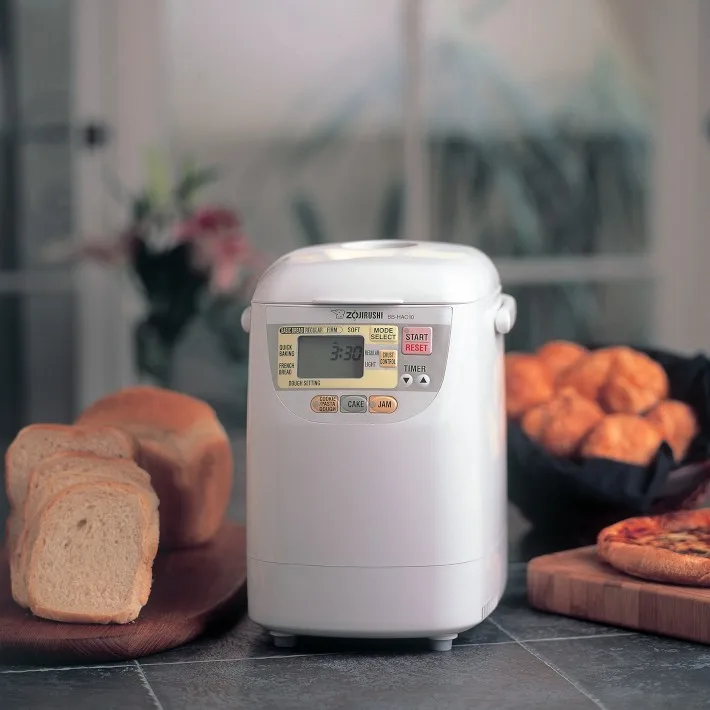
A small bread maker explained is a compact kitchen appliance designed for 1lb or 1.5lb loaves. These machines use a vertical baking pan to save counter space. They are ideal for individuals, couples, or small kitchens.
Small units use less power than standard 2lb models. They ensure fresh bread without leftovers going stale.
The Problem With Standard Bread Makers
Standard bread machines are often built for large families. They produce loaves weighing 2lb to 3lb. For many people, this is simply too much food to consume before it spoils.
Because homemade bread lacks the preservatives found in store-bought options, it can go stale in just two days.
Our research into user feedback reveals a common frustration with bulky machines. They are often too heavy to move and too tall to fit under standard kitchen cabinets. This leads many owners to hide them in a basement or garage.
Once an appliance is out of sight, it rarely gets used for everyday baking.
Large machines also require more ingredients and more power. If you only want a few slices for a morning toast, heating up a massive 2lb chamber is inefficient. This waste of energy and ingredients is a primary driver for the shift toward more modest, compact alternatives.
Why Tiny Loaves Are Taking Over Modern Kitchens
The rise of the 1lb loaf is a response to changing household demographics. More people are living alone or in two-person households than ever before. In these settings, a small machine provides exactly what is needed for a single meal or a day of sandwiches.
Smaller loaves also allow for more variety. You can bake a fresh loaf of herb bread on Monday and a cinnamon raisin loaf on Wednesday. When you make large batches, you are often stuck eating the same flavor for an entire week to avoid waste.
Compact machines are also favored by those following specific diets. If you are baking gluten-free or keto recipes, the ingredients are often more expensive. Making smaller batches reduces the financial risk if a recipe doesn't turn out perfectly.
It also keeps your specialized bread at peak freshness.
Vertical vs. Horizontal: The Great Shape Debate
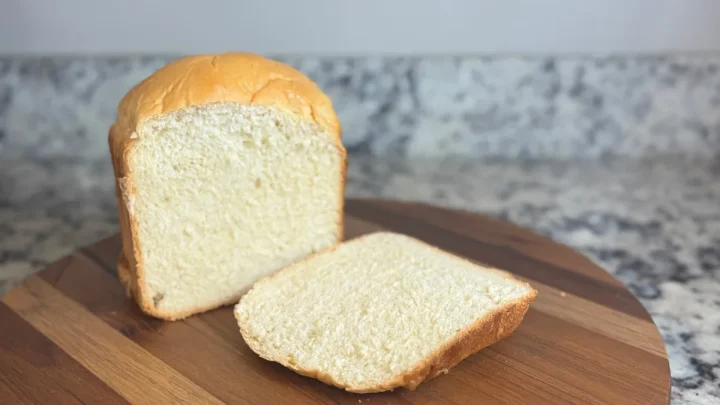
The most noticeable difference in small machines is the shape of the bread. To keep the machine's footprint small, manufacturers usually utilize a vertical pan. This means the bread rises upward rather than outward, resulting in a tall, square-topped loaf.
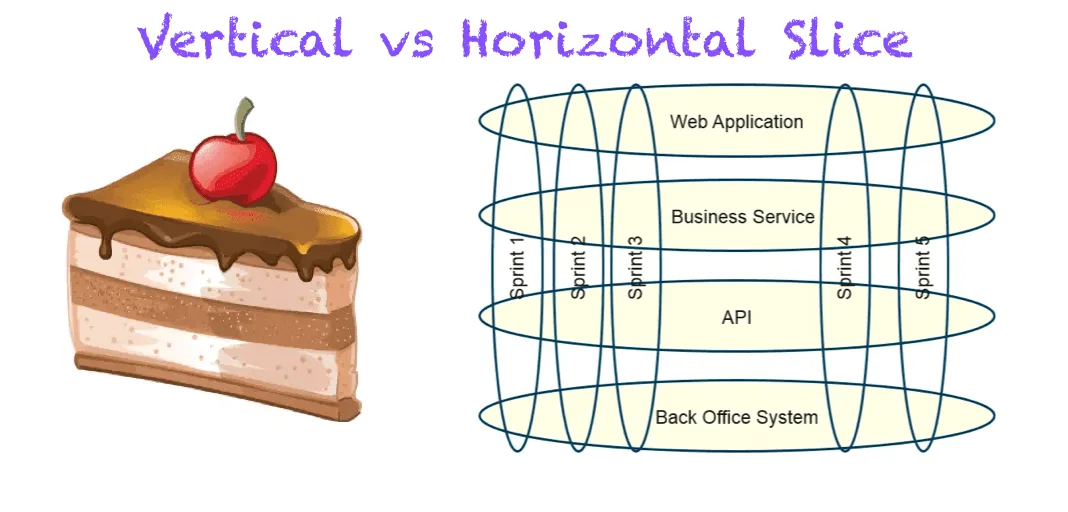
Vertical machines are much easier to store in narrow cabinets. However, the slices will look different than what you see at a commercial bakery. Instead of a long rectangle, you get a smaller, more concentrated square.
Many users find these tall slices are actually better for fitting into standard toasters.
Horizontal machines exist in the small-capacity category, but they are rare. They take up more room on the counter because the pan must be wider. Most people prioritize the space-saving nature of the vertical design.
If you have ever dealt with a messy kitchen accident, you know that vertical pans can also be slightly more forgiving with dough containment.
Key Differences Between 1lb and 2lb Machines
When comparing these two classes, the differences go beyond just the size of the bucket. The motor in a 1lb machine is generally smaller and tuned for lighter loads. This makes them quieter during the kneading cycle, which is a major plus for apartment dwellers.
| Feature | 1lb Compact Machine | 2lb Standard Machine |
|---|---|---|
| Average Width | 8 to 10 inches | 12 to 16 inches |
| Power Draw | 450W to 550W | 700W to 900W |
| Cycle Time | 2.5 to 3 hours | 3 to 4 hours |
| Best For | Singles, Couples, RVs | Families of 4 or more |
The heating elements are also positioned differently. In a small machine, the element is closer to the dough because the chamber is tighter. This can lead to a very consistent crust color, but it also means you must be careful with sugar content.
High-sugar doughs can brown too quickly in the concentrated heat of a smaller unit.
Standard machines often feature dual kneading paddles. Small machines almost exclusively use a single paddle. While one paddle is plenty for a 1lb dough ball, it does mean the machine has to work a bit harder to incorporate dry flour from the corners of the pan.
Anatomy of a Compact Bread Maker: What’s Inside?
Despite their size, these machines are packed with technology. The core is the motor, which sits in the base and drives the kneading shaft. Surrounding the pan is a high-grade heating element designed to reach specific temperatures for proofing and baking.
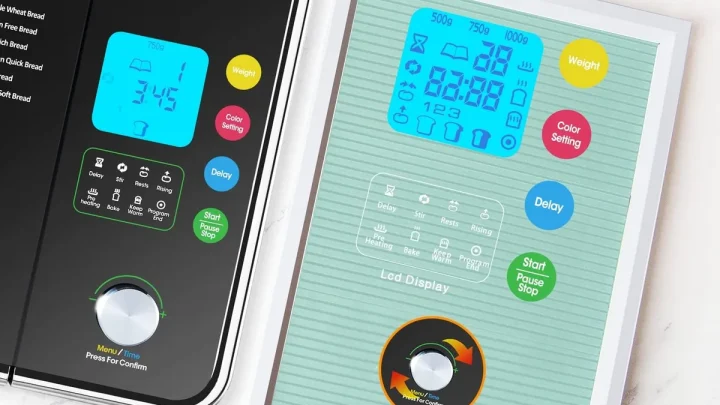
The control board is the brain of the operation. It manages the timing for the various stages: rest, knead, rise, and bake. Even basic small models typically include at least 10 to 12 pre-programmed cycles.
These often cover basic white bread, whole wheat, and even a dough only setting for making pizza or rolls.
You will also find a thermistor inside, which is a sensor that monitors the internal temperature. This is vital for safety and consistency, ensuring the bread reaches an internal temperature of at least 190°F. A viewing window on the lid is also common, allowing you to check the rise without releasing heat.
Real-World Benefits of Going Small
The most immediate benefit of a compact machine is the reduction in food waste. Our research indicates that a single person or couple rarely finishes a 2lb loaf before mold sets in. By switching to a 1lb capacity, you ensure that every slice is eaten at peak freshness.
Smaller machines are also significantly more energy efficient. Because the baking chamber is tighter, it requires less wattage to maintain the high temperatures needed for a crispy crust. If you live in an RV or a home with older wiring, the lower power draw is a major technical advantage.
Portability is another factor that often goes overlooked. Most 1lb bread makers weigh between 7 and 10 pounds, making them easy to move. You can keep it in a pantry and only bring it to the counter when you are ready to bake.
This helps keep your kitchen looking uncluttered.
The Hidden Drawbacks of Downsizing Your Loaf
You should be aware that smaller machines come with specific compromises. The most common complaint in user reviews is the size of the paddle hole. Because the loaf is smaller, the hole left by the kneading blade occupies a larger percentage of the bottom slices.
Texture can also be slightly different in a vertical pan. Since the dough has less surface area at the top, it can sometimes become dense if the yeast isn't perfectly active. The vertical rise also means the top of the loaf might be paler than the sides because it is further from the heating element.
Finally, the motor strength in budget compact models can be a limitation. If you enjoy heavy, grain-filled breads with lots of nuts and seeds, a small machine might struggle. These dense ingredients require more torque than a standard white flour dough.
Overloading a small motor can lead to premature wear.
Best Use Cases: Who Actually Needs a Mini Machine?
Small machines are specifically designed for low-volume users. If you only eat bread for breakfast toast or the occasional weekend sandwich, a 1lb model is your best bet. It allows you to have that fresh-baked smell in your house without committing to a massive loaf.
They are also perfect for travelers and nomads. People living in tiny homes or converted vans often rely on these machines because they fit into standard overhead storage. Since they use less power, they are easier to run off a portable power station or a modest solar setup.
Bakers with dietary restrictions also benefit from the smaller scale. Gluten-free ingredients like almond flour are significantly more expensive than wheat. Baking in small batches reduces the cost of experimenting with new recipes.
It also ensures your specialty bread doesn't sit around and get crumbly.
Choosing Your Machine: Feature Comparison Matrix
When you start shopping, you will see a wide range of prices. A basic unit might only have three settings, while a premium model offers customized programming. Knowing which features actually matter will help you avoid overspending.
Most users find that a delay timer is the most important convenience feature. It allows you to add ingredients at night and wake up to the smell of fresh bread. However, if you use this feature, you cannot use perishable items like fresh milk or eggs.
| Feature to Check | Why It Matters |
|---|---|
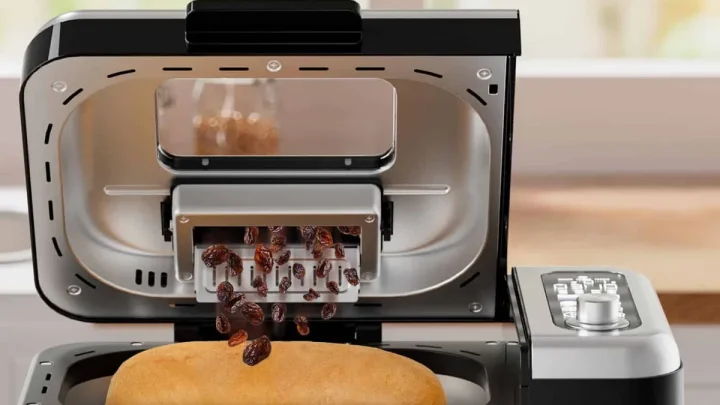
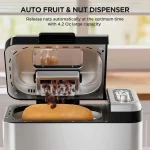
| Fruit/Nut Dispenser | Automatically adds mix-ins at the right time. |
| Viewing Window | Lets you check the rise without opening the lid. |
| Crust Color Settings | Essential if you prefer a very soft or very crunchy exterior. |
| Non-Stick Quality | Higher-end ceramic coatings last longer than basic PTFE. |
The Precision Factor: Why Small Batches Need Scales
In our analysis of baking failures, the number one cause is inaccurate measurement. This is especially true for small machines. When you are only using two cups of flour, being off by even two tablespoons can ruin the hydration of the dough.
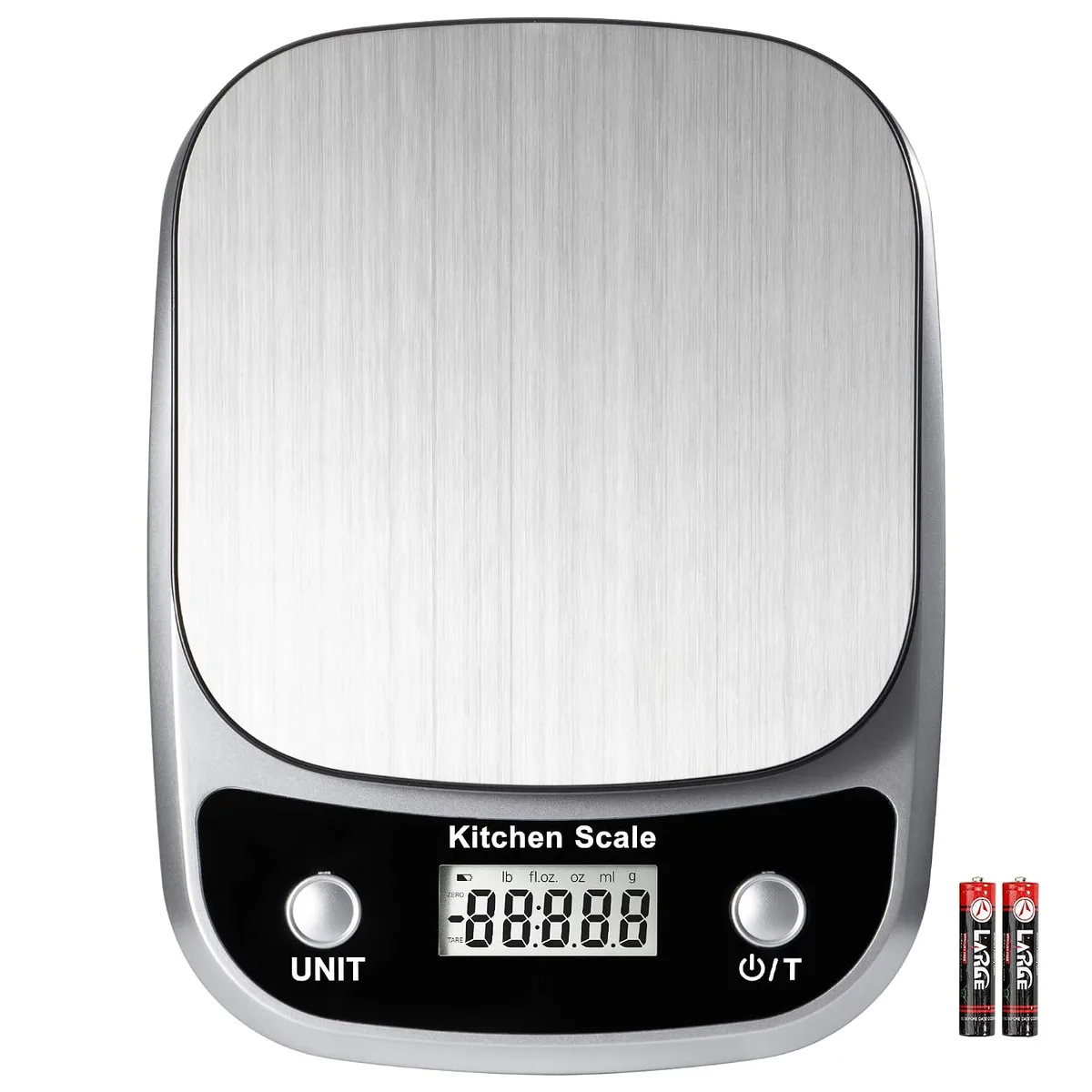
Measuring by volume with cups is notoriously inconsistent. Depending on how much you pack the flour, a cup can vary by as much as 20 grams. In a small 1lb loaf, that 20 grams represents a huge shift in the flour-to-water ratio.
This often leads to the dough hitting the lid or failing to rise.
Using a digital scale and measuring in grams is the best way to ensure success. Most professional recipes and manufacturer manuals now provide weights alongside volume measurements. If you want consistent results every time you hit start, a cheap kitchen scale is a mandatory partner.
Proper routine maintenance for your machine starts with keeping measurements exact.
Common Mistakes to Avoid with Small-Capacity Baking
One of the most frequent errors is using the wrong type of yeast for the selected cycle. If you use standard active dry yeast on a rapid bake setting, the dough will not have enough time to rise. This results in a dense, brick-like loaf that didn't fully expand before the baking element kicked in.
Another common pitfall is the temperature of your liquids. If the water is too cold, the yeast stays dormant. If it is too hot, you might kill the yeast entirely.
For small machines, using room-temperature liquids is usually the safest bet to ensure steady fermentation.
Finally, resist the urge to open the lid during the baking phase. Every time you open it, the internal temperature drops significantly. In a small machine with less thermal mass, this can lead to a collapsed top or a pale, undercooked crust.
Trust the viewing window to monitor your progress.
Maintenance Tips for Long-Term Motor Health
To keep your machine running smoothly, you must keep the spindle and paddle area clean. Over time, flour and bits of dough can seep under the kneading blade and bake onto the shaft. This creates friction that forces the motor to work harder, which can lead to overheating.
Manufacturer documentation often suggests soaking the pan in warm, soapy water to loosen stuck bread. However, you should never submerge the entire pan if it has exposed bearings on the bottom. Wipe the outside with a damp cloth and only soak the interior to protect the mechanical seal.
Regularly check the underside of the pan for signs of wear, such as dark oil spots or a wobbling shaft. If you notice the paddle is becoming loose, it may be time for a replacement pan. Keeping the machine's upkeep a priority will extend its lifespan by several years.
Final Verdict: Is a Small Bread Maker Right for Your Countertop?
Deciding on a small bread maker comes down to your daily eating habits and available space. If you find yourself throwing away half of every store-bought loaf you buy, the 1lb machine will pay for itself in reduced waste alone. It is the ultimate tool for fresh, on-demand baking without the bulk.
However, if you have a large family or you host big dinners frequently, you will likely find the small capacity frustrating. You would have to run the machine three times just to have enough rolls for a holiday meal. In that case, a standard horizontal 2lb machine is a much better investment.
For the urban dweller, the RV enthusiast, or the health-conscious solo baker, the compact choice is almost always the winner. It offers the perfect mix of convenience and performance without dominating your kitchen. It makes baking feel less like a chore and more like a simple part of your morning routine.
Frequently Asked Questions
Can I use 2lb bread machine recipes in a small machine?
You cannot use full 2lb recipes directly because the dough will overflow the pan and potentially damage the heating element. You must mathematically scale the ingredients down by half. For the best results, look for recipes specifically developed for 1lb or 1.5lb loaves to ensure the hydration ratios are correct.
Why is my small loaf so dense and heavy?
A dense loaf is usually caused by either old yeast or too much flour. Since small machines are sensitive to measurement errors, verify your flour weight with a digital scale. Also, ensure you aren't adding too many heavy mix-ins like seeds or nuts, which can weigh down the dough and prevent a proper rise.
Do small bread makers have a gluten-free setting?
Many modern compact models include a dedicated gluten-free cycle. This setting is programmed with a single, long rise rather than the double-rise used for wheat breads. Because gluten-free dough doesn't require traditional kneading, this specialized cycle ensures the best possible texture for alternative flours.
How do I stop the paddle from getting stuck in the bread?
To prevent a large hole in your loaf, you can briefly pause the machine after the final punch down and before the last rise. Lightly flour your hands, lift the dough, and remove the paddle from the shaft. Place the dough back in the pan to finish the cycle for a hole-free bottom.
Is it cheaper to make bread in a small machine than buy it?
While the initial cost of the machine is an investment, the cost per loaf is typically lower than high-quality bakery bread. You are essentially paying for flour, water, and a few cents of electricity. When you factor in the lack of food waste, a small machine is very cost-effective for solo households.

Similar Posts