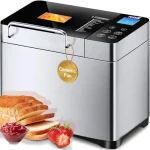
What Is a Horizontal Bread Maker? Features and Benefits
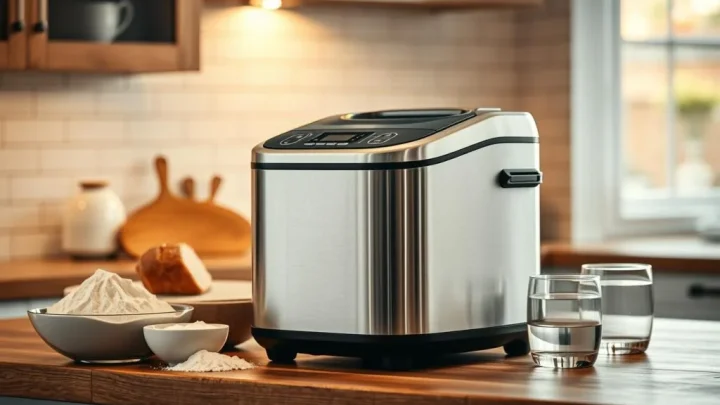
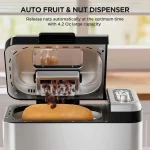
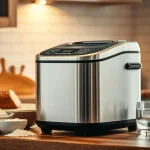
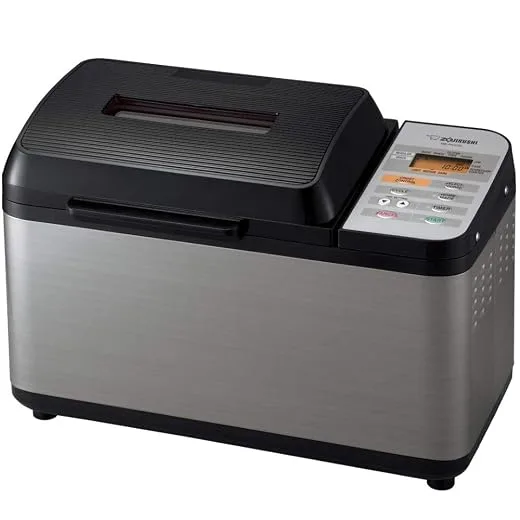
Many home bakers eventually realize that the standard vertical bread machine produces a specific, tall, blocky loaf that doesn't fit in a toaster or make a symmetrical sandwich. A horizontal bread maker explained simply is a machine designed with a rectangular pan to mimic the shape of traditional oven-baked bread. These units prioritize a familiar loaf profile while automating the labor-intensive stages of mixing, kneading, and proofing.
Manufacturer specifications indicate that these machines typically occupy a larger footprint than their vertical counterparts to accommodate the elongated baking chamber. In our research of current 2026 appliance standards, the horizontal design often features advanced motor arrays to handle larger dough volumes. Understanding this mechanical shift is the first step toward better home baking results.
Quick Answer
A horizontal bread maker uses a long, rectangular pan instead of a tall, square one. This design produces traditional, sandwich-style loaves. Most models use two kneading paddles for better dough consistency.
These machines are larger and often more expensive than vertical models. They provide more even browning and a better crust texture for daily use.
The Traditional Loaf Dilemma: Horizontal vs. Vertical
The primary frustration with entry-level bread machines is the "bucket" shape of the final product. Because vertical machines save counter space, they force the dough to expand upward rather than outward. This results in a loaf that is often too tall to fit into a standard toaster slot without being cut in half.
In our research of kitchen workflows, we found that vertical loaves also suffer from structural issues. The weight of the dough can cause the center to compress, leading to a dense bottom and a mushroom-like top. A horizontal machine solves this by distributing the dough weight across a wider base.
This allows for a consistent rise without the risk of structural collapse common in tall, narrow pans.
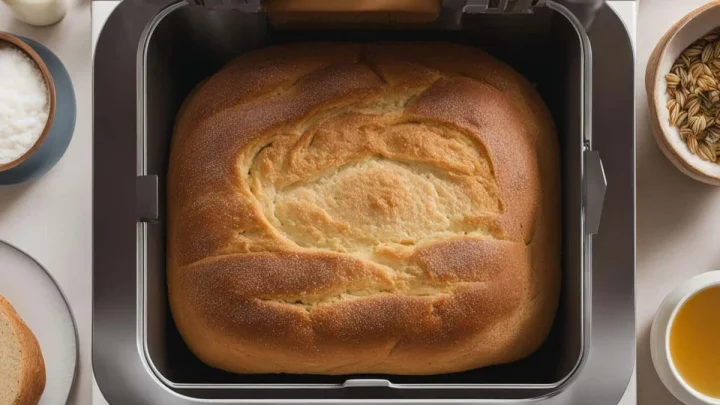
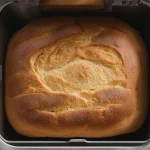
The horizontal format isn't just about aesthetics, it changes how heat reaches the dough. In a vertical chamber, the heat often concentrates at the bottom and sides, leaving the top crust pale. Horizontal units have more surface area exposed to the heating elements.
This creates a more uniform Maillard reaction, which is the chemical process responsible for that golden-brown, flavorful crust.
Core Explanation: How Dual-Paddle Systems Work
The most significant mechanical difference in a horizontal bread maker is the kneading system. Because the pan is elongated, a single central paddle cannot reach the far corners of the rectangular space. To solve this, manufacturers use a dual-paddle system where two small blades spin in tandem to move the dough back and forth.
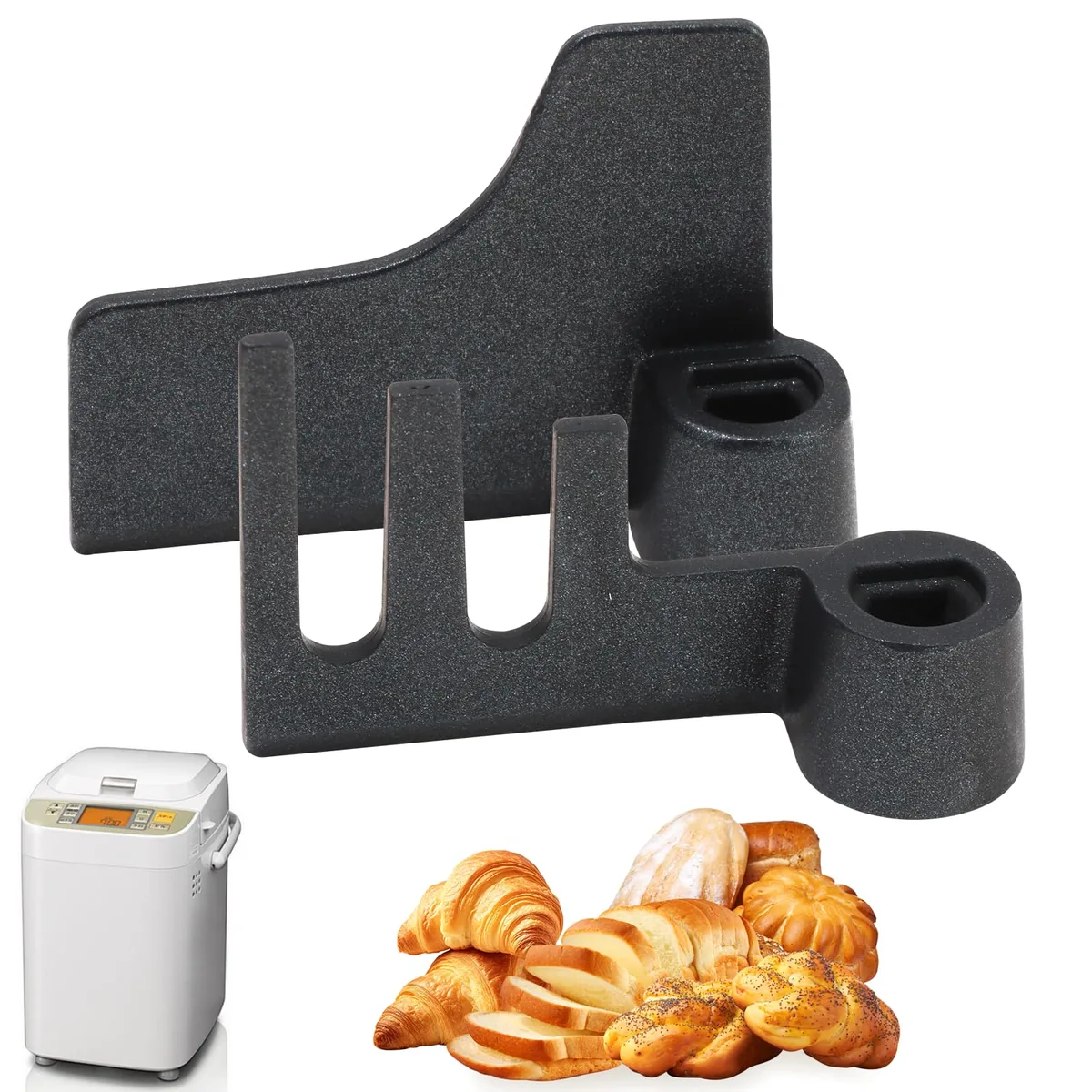
Our analysis of manufacturer blueprints shows that these paddles often rotate in opposite directions or at staggered intervals. This creates a stretching action similar to hand-kneading. This motion is critical for developing a strong gluten network, which is the protein structure that traps gas and allows bread to rise.
Without this dual action, the dough would simply sit in one end of the pan, resulting in an uneven, lopsided loaf.
| Feature | Dual-Paddle System | Single-Paddle System |
|---|---|---|
| Dough Coverage | Full pan reach | Centralized only |
| Gluten Stretch | High (mimics hand-kneading) | Moderate (rotational only) |
| Motor Load | Distributed across two shafts | Concentrated on one shaft |
| Loaf Size | Ideal for 2lb to 2.5lb | Best for 1lb to 1.5lb |
The Sandwich Factor: Evaluating Slice Consistency and Crumb
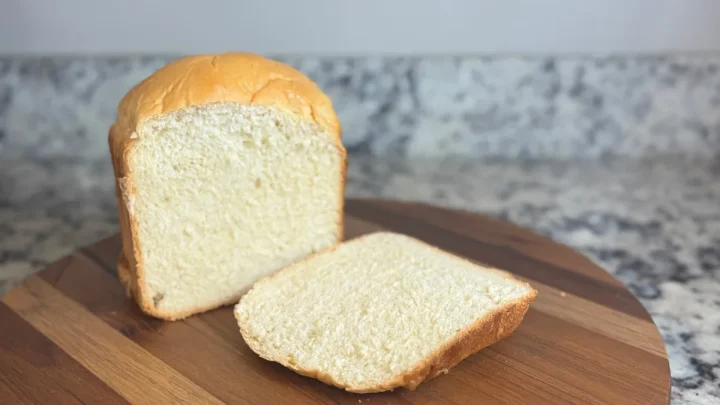
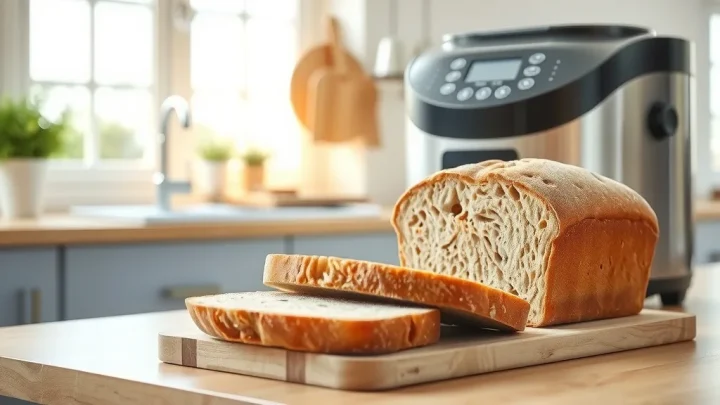
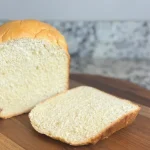
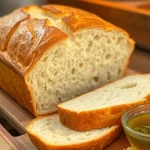
For families who prep school lunches, the "sandwich factor" is the most compelling reason to choose a horizontal machine. Vertical machines produce slices that vary wildly in size from the top of the loaf to the bottom. In contrast, a horizontal loaf provides a uniform height throughout the entire length of the bread.
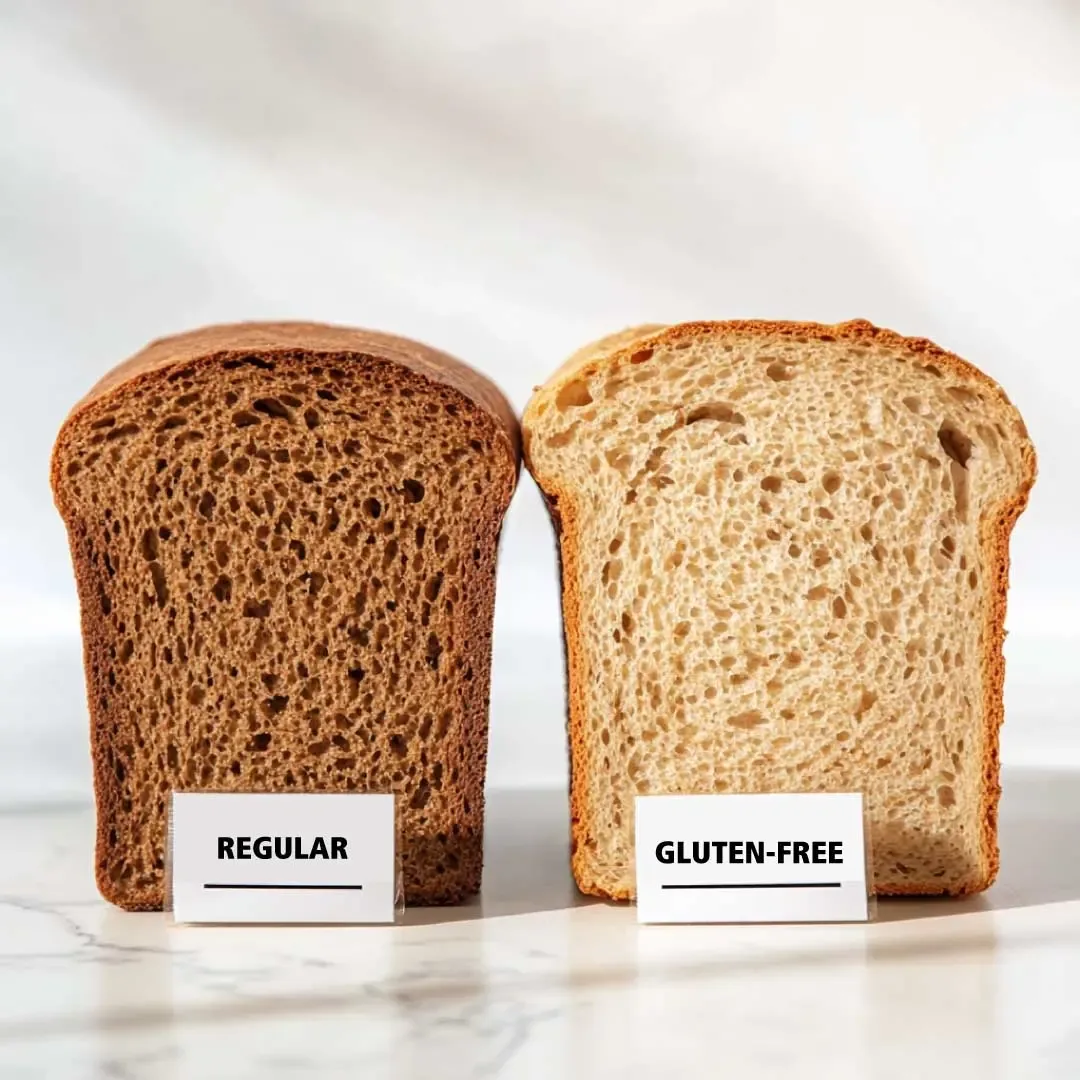
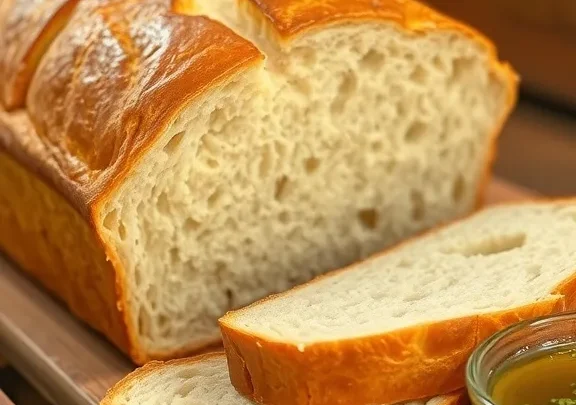
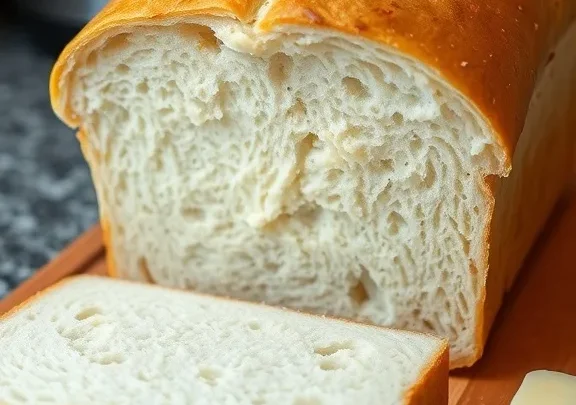
Beyond the shape, the internal texture, known as the crumb, tends to be more open and airy in horizontal models. Because the dough isn't struggling to climb a narrow vertical chimney, the air bubbles can expand more freely. This creates a lighter mouthfeel that is closer to what you would find at a professional bakery.
Aggregate reviews from long-term users frequently mention that horizontal slices hold up better to heavy fillings. The even distribution of yeast activity means there are fewer large air pockets that can cause a sandwich to fall apart. If you find your current machine is producing irregular results, the physical dimensions of the pan may be the hidden culprit.
Key Features to Look For in a Horizontal Machine
Not all horizontal machines are created equal, and as of 2026, the market has split into budget and premium tiers. If you are comparing models, the heating element configuration is the most vital spec to check. Look for machines that include a secondary heating element in the lid, as this ensures the top of your loaf is as crispy as the sides.
Another essential feature is a custom programming mode. High-end horizontal makers allow you to adjust the length of the knead, rise, and bake cycles. This is particularly helpful for specialty flours.
For example, the USDA provides extensive data on the protein content of different grains, and whole-wheat doughs often require a longer soak and rise time than white flour to achieve the same volume.
- Lid Heaters: Prevents "pale top" syndrome by browning the upper crust.
- Collapsible Paddles: Reduces the size of the holes left in the bottom of the bread.
- Pause Function: Allows you to remove the paddles before the final bake for a cleaner loaf.
- Dual Sensors: Internal and external thermometers adjust bake times based on kitchen temperature.
Horizontal Pros: Better Kneading and Even Heat Distribution
The primary advantage of the horizontal design is its superior handling of heavy doughs. When making rye, whole grain, or seeded breads, the motor in a vertical machine can struggle with the resistance. Horizontal machines typically use more robust, high-torque motors to drive the dual-paddle system, making them the preferred choice for hearty, dense recipes.
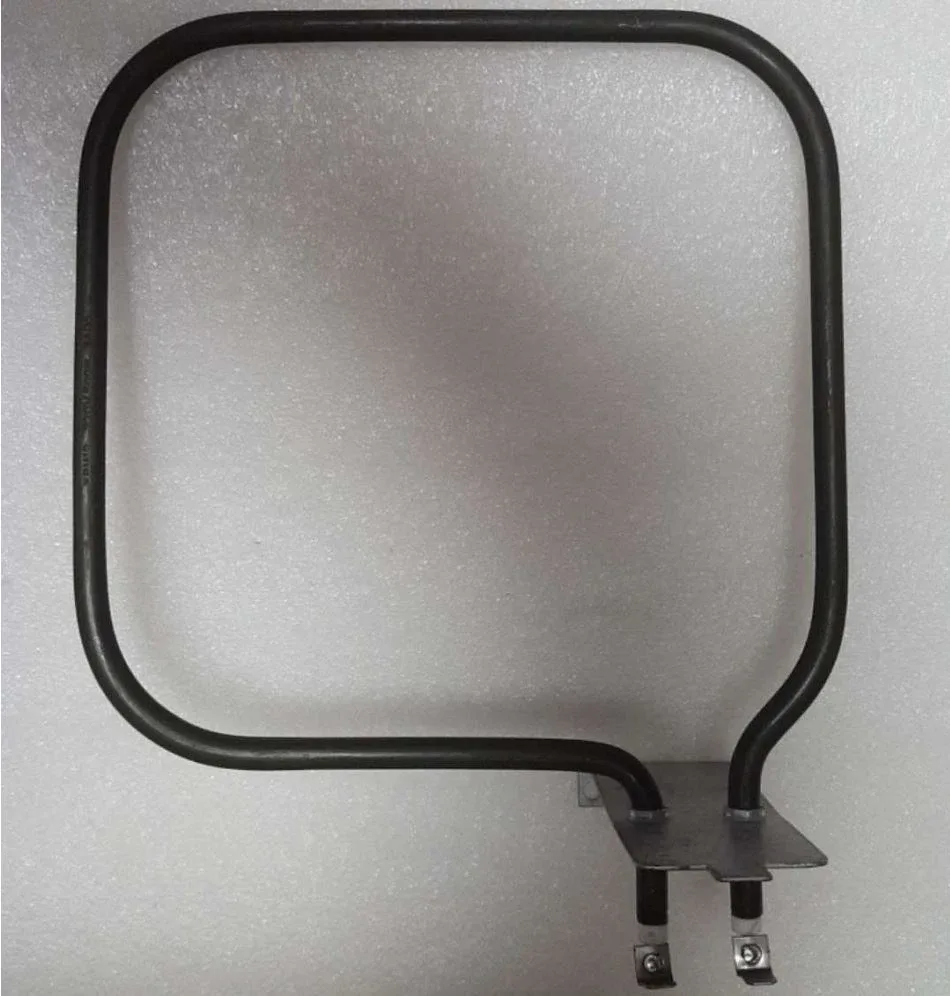
Even heat distribution is another win for this format. Many horizontal models now incorporate convection fans. These fans circulate hot air around the rectangular pan, eliminating hot spots.
Our research into thermal dynamics shows that convection baking can reduce total bake time by up to 10 percent while producing a more resilient crust.
Finally, the larger capacity of these machines makes them more efficient for meal prepping. Most horizontal units are designed for 2-pound or 2.5-pound loaves. This means you can bake once and have enough bread for a family of four for several days.
Managing your baking schedule becomes much easier when you aren't forced to run the machine every single morning just to keep up with toast demand.
Horizontal Cons: Counter Space and the "Two-Hole" Bottom
The most immediate drawback of a horizontal bread maker is its physical size. Because the baking chamber is oriented like a standard loaf pan, the machine casing must be significantly wider. In our research of kitchen appliance dimensions, these units often measure between 16 and 19 inches in width.
This can be a deal breaker for anyone with limited counter space or low-hanging upper cabinets.
Beyond the footprint, the dual-paddle design creates a specific aesthetic issue. Since there are two kneading blades, you will have two distinct holes or craters in the bottom of your finished loaf. While this does not affect the flavor or texture, it can make the bottom couple of inches of your sandwich slices look a bit ragged.
There is also the matter of mechanical complexity. Two drive shafts and two paddles mean more moving parts that require cleaning and maintenance. Aggregate user feedback indicates that over several years of use, the seals around these shafts may be more prone to wear than a single-shaft vertical unit.
Keeping the seals clean is vital for routine upkeep and preventing motor strain.
Comparing Leading Horizontal Models to Vertical Alternatives
When you look at the current market for 2026, the gap between horizontal and vertical models usually comes down to the intended frequency of use. Vertical models are excellent for the "set it and forget it" casual baker. They are often lighter, easier to store in a pantry, and much cheaper, with many quality options under one hundred dollars.
Horizontal models occupy the premium tier of the market. Manufacturers like Zojirushi and Breville dominate this space by focusing on specialized cycles. These machines are built for enthusiasts who want to experiment with vegan recipes, sourdough starters, or gluten-free blends.
The dual-paddle systems in these high-end units provide the torque needed for these often difficult doughs.
If you are deciding between the two, consider your toaster. Vertical loaves are often too wide or too tall for standard two-slice toasters. A horizontal loaf fits perfectly every time.
If you prioritize sandwich-ready bread and have the budget, the horizontal design is the clear winner for functionality.
Best Use Cases: Who Should Invest in a Horizontal Maker?
A horizontal bread maker is the right choice for anyone who uses their machine more than twice a week. If you are a parent making daily lunches, the consistency of rectangular slices will save you time and reduce food waste. Children often reject the crusty mushroom head of a vertical loaf, but they usually accept a standard rectangular slice.
These machines are also the gold standard for gluten-free baking. Gluten-free dough does not behave like traditional wheat dough. It is often stickier and more like a thick batter.
Manufacturers have found that the dual-paddle system is far more effective at incorporating heavy gluten-free flours without leaving dry pockets in the corners of the pan.
- Large Households: Perfect for those needing 2lb to 2.5lb loaves to feed a crowd.
- Artisan Experimenters: Best for those who want to use the dough only setting to prep loaves for a Dutch oven.
- Toast Lovers: Ideal for anyone tired of squashing or trimming their bread to fit the toaster.
- Health-Conscious Bakers: Great for handling dense, fiber-rich sprouted grain or seed-heavy recipes.
Common Mistakes: Avoiding the "Corner Flour" Trap
The most common frustration with rectangular pans is the corner flour issue. Because the pan is long, dry flour can sometimes get stuck in the corners where the paddles can't quite reach. In our research of user troubleshooting guides, this usually happens if the liquid-to-dry ratio is slightly off or if the flour is dumped in too quickly.
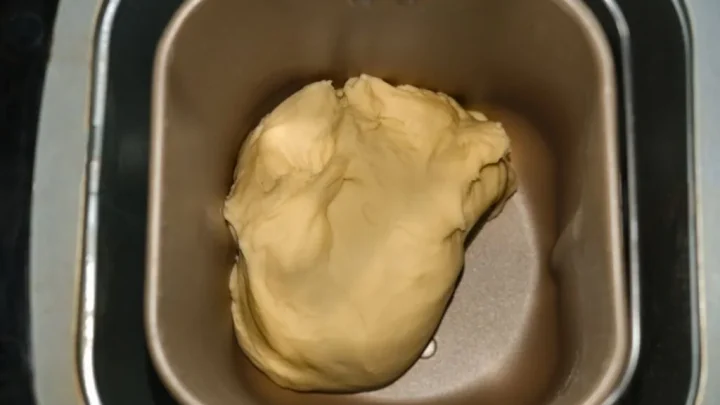
To prevent this, we recommend a nudge technique during the first five minutes of the kneading cycle. Use a small silicone spatula to gently push any stray flour from the corners toward the center. This ensures every gram of ingredient is incorporated into the dough ball.
Be careful not to touch the moving paddles with your tool while the machine is running.
Another frequent error is ignoring the order of ingredients. Most horizontal machines require you to add liquids first, followed by dry ingredients, with the yeast placed in a small well on top. This keeps the yeast away from the salt and water until the mixing starts.
Following the manufacturer's suggested ingredient sequencing is the best way to ensure a reliable rise.
Understanding the Cost: Are the Premium Features Worth It?
Horizontal bread makers typically cost between $250 and $450, which is a significant jump from the $60 vertical models found at big-box retailers. This price difference covers more than just the shape of the pan. You are paying for higher-quality internal components, such as stainless steel heating elements and heavy-duty drive belts designed for long-term durability.
Many of these premium machines also include specialized sensors. For instance, some models have internal thermometers that measure the ambient temperature of your kitchen. If your house is cold in the winter, the machine will automatically extend the rise time to compensate.
This level of automation is why premium machines produce more consistent results than budget models.
Whether the cost is worth it depends on your long-term goals. If you bake one loaf a month, the extra $200 is hard to justify. However, if you consider that a high-quality loaf of bakery bread now costs five or six dollars, a horizontal machine can pay for itself within a year of regular use.
You are investing in a reliable machine that is built to last a decade rather than a season.
Expert Tips for Maximizing Gluten Development in Long Pans
Strong gluten development in a horizontal pan relies on the tension created between the two paddles. To get the most out of this mechanical action, ensure your water temperature is between 80 and 90 degrees Fahrenheit. This temperature range helps the proteins bond quickly without prematurely activating the yeast.
Our research into baking science suggests that using high-protein bread flour over all-purpose flour is especially helpful in horizontal machines. The extra protein provides the structural support needed for the loaf to span the length of the rectangular pan. If the dough feels too slack during the first knead, add one tablespoon of flour at a time until it forms a smooth, tacky ball.
Maintenance Guide: Caring for Dual Drive Shafts and Seals
Long-term durability of these machines depends on keeping the dual drive shafts clean and lubricated. After each bake, remove the pan and check the undersides of the paddles for baked-on residue. If flour or sugar builds up around the shafts, it can cause the seals to friction-burn and eventually leak.
Never submerge the entire baking pan in water, as this can damage the internal bearings located on the bottom. Instead, fill the pan with warm, soapy water and let it soak while sitting on your counter. Wipe the drive studs inside the machine base with a damp cloth to remove any crumbs that could interfere with the motor connection.
Decision Guide: Finding the Right Fit for Your Kitchen
The choice to go horizontal often boils down to your primary use case. If your main goal is to replace grocery store sandwich bread, a horizontal machine is almost always the superior investment. It provides the shape and slice consistency that vertical machines simply cannot match.
If you have a very narrow kitchen or only bake occasionally, the vertical format remains a practical, space-saving choice. However, for those who value crust texture and a traditional aesthetic, the extra counter space is a fair trade. Consider your weekly bread consumption and choose the tool that matches your lifestyle.
Frequently Asked Questions
Why does my horizontal loaf rise unevenly on one side?
This usually happens if the machine is not on a level surface or if the ingredients were not distributed evenly. Ensure the machine is flat and that you add the flour in a level layer over the liquids. If the problem persists, the dough might be too dry, preventing the paddles from centering the mass.
Can I use vertical bread machine recipes in a horizontal pan?
Yes, you can use most recipes as long as the total flour volume matches the pan capacity. Most horizontal pans are designed for 3 to 4 cups of flour. If you use a small 1lb recipe in a large horizontal pan, the dough may not reach both paddles, leading to poor kneading and a flat loaf.
Do horizontal bread makers take longer to bake?
The total cycle time is usually similar, but the rise phases may be slightly longer to accommodate the larger loaf. High-end models often take 3 to 4 hours for a standard cycle. This allows enough time for the dual paddles to develop the gluten and for the convection heat to penetrate the core of the rectangular loaf.
Are the holes in the bottom bigger with two paddles?
The holes are not necessarily larger, but there are two of them instead of one. Most modern horizontal machines use slim, streamlined paddles that leave smaller marks than the chunky blades found in older vertical units. You can also minimize this by removing the paddles manually after the final punch-down.
Final Recommendation: The Verdict for Home Bakers
If you are serious about home baking, the horizontal bread maker is the most logical upgrade you can make. It bridges the gap between the convenience of an automated appliance and the quality of an oven-baked loaf. The dual-paddle system ensures that even the heaviest whole-grain doughs are kneaded to perfection.
While the higher price and larger size are valid considerations, the long-term benefits of better toast, better sandwiches, and more reliable results are significant. Focus on models with convection fans and lid heaters for the best experience. By following the correct ingredient order and maintaining the drive shafts, you can enjoy bakery-quality bread in your own kitchen for years to come.

Similar Posts