How to Use a Bread Maker for Perfect Banana Bread
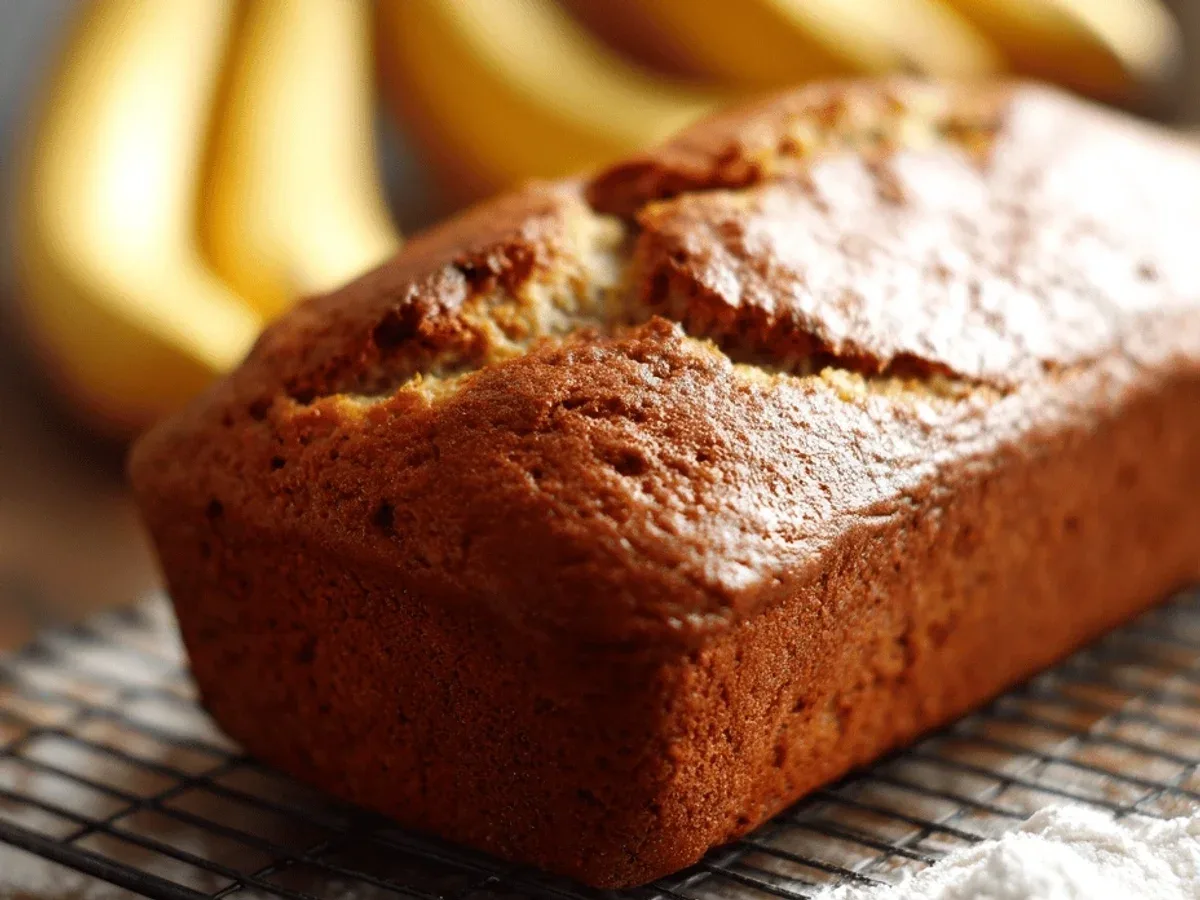
Knowing how to use a bread maker for banana bread starts with picking the right cycle. Banana bread is a quick bread, not a yeast loaf. It gets its lift from baking soda and baking powder, so it needs a gentle mixing phase and a shorter bake.
A standard white bread cycle will overmix it, and you'll end up with a dense, rubbery loaf.
As of 2026, most current bread makers include a quick bread or cake cycle, but not every model does. Manufacturer specs show cycle times ranging from 80 to 120 minutes, and crust color settings vary by brand. Pan size matters too.
A 1.5-pound machine typically needs about 2 cups of flour, while a 2-pound machine wants more. Checking your manual before you start is the real first step.
Quick Answer
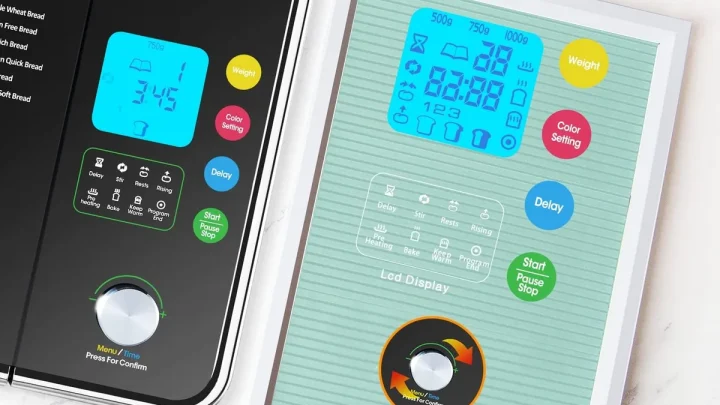
Choose the quick bread or cake cycle. If your machine lacks that, use the dough cycle and move the pan to the oven. Mash ripe bananas first.
Add ingredients in the order your manual recommends. Set the crust to light or medium. Let the loaf cool in the pan for 10 to 15 minutes before slicing.
Why Banana Bread Fails in a Bread Maker (and How to Fix It)
Most banana bread failures come down to one thing: cycle selection. The white bread cycle kneads too long. That develops gluten and turns a tender quick bread into a hockey puck.
The rapid cycle bakes too fast, leaving the center raw while the crust burns. And some compact machines don't have a quick bread cycle at all, which leaves owners guessing.
If your loaf looks short and dense, the machine overmixed the batter. If it collapses in the middle, there's too much liquid or too little leavening. If the crust is dark but the center is wet, the cycle ran too hot or too long.
Fix each one by adjusting the cycle, the recipe ratios, or the crust setting.
Deciding Which Cycle to Use: Quick Bread, Cake, or Dough?
Your machine's cycle controls how long it mixes and bakes. The right one makes a huge difference. Here's how to choose.
| Cycle | What It Does | Best For | What Can Go Wrong |
|---|---|---|---|
| Quick Bread | Gentle mixing, shorter bake, no rise | Banana bread, zucchini bread, muffins | Can be hard to find on older models |
| Cake | Similar to quick bread, sometimes longer mix | Dense loaf cakes, sour cream cakes | May overmix if the batter is thin |
| Dough | Mixes and kneads, then stops; no bake | Mixing batter only, then oven-bake | Leaves you with a raw loaf if you don't check |
| White Bread | Long knead, long rise, hot bake | Yeast loaves only | Turns banana bread dense and rubbery |
If your machine has a quick bread cycle, use it. If not, look for the cake cycle. If neither exists, run the dough cycle for 10 minutes, transfer the batter to a loaf pan, and bake at 350°F.
That's a reliable fallback that most machines can handle.
What to Know Before You Start: Pan Size, Paddle, and Ingredient Order
Before you measure anything, check three things: pan size, paddle style, and the order your machine expects.
The pan size sets your recipe scale. A 1-pound machine needs roughly 2 cups of flour. A 1.5-pound machine needs about 3 cups.
A 2-pound machine needs 4 cups. Use a recipe that fits the pan, or you'll risk overflow.
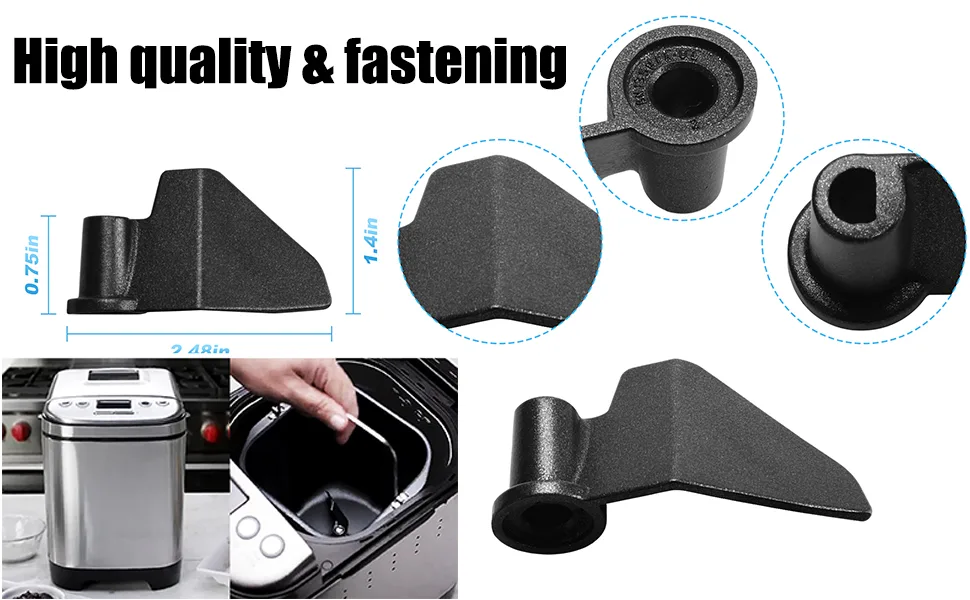
The paddle matters more than you'd think. A single paddle leaves one hole in the bottom. A twin paddle creates two holes.
Either way, you should remove the loaf before the paddle cools and locks into the bread. Some newer machines use a collapsible paddle that stays hidden. That makes slicing easier.
Ingredient order depends on your manufacturer. Most machines want liquids first, then dry ingredients. That keeps the paddle from flinging powder around.
But some brands, like Zojirushi and Panasonic, recommend placing dry ingredients first and tucking yeast or baking soda into a small well. For banana bread, the leavening should be mixed into the flour, not dumped directly onto wet batter.
A quick rule: if your manual calls for yeast, it will tell you the exact layering order. Follow it. Banana bread relies on even leavening, and bouncing ingredients around the pan in the wrong order leads to uneven rise.
Step-by-Step: Making Banana Bread in a Bread Maker
Here's a process that works in most machines. It's designed for a 1.5-pound loaf, which is the most common size.
- Mash 2 to 3 ripe bananas to get about 1 cup.
- Melt 1/2 cup of butter and let it cool for a few minutes.
- Add the wet ingredients to the pan: mashed bananas, butter, 2 eggs, and 1 teaspoon of vanilla.
- Add 1 3/4 cups of all-purpose flour, 3/4 cup of sugar, 1 teaspoon of baking soda, 1/2 teaspoon of salt, and 1/2 teaspoon of baking powder.
- Place the pan into the machine and secure the paddle.
- Select the quick bread or cake cycle.
- Set the crust to light or medium.
- Press start.
- Watch the first 5 to 10 minutes of mixing. Scrape down the sides once if needed.
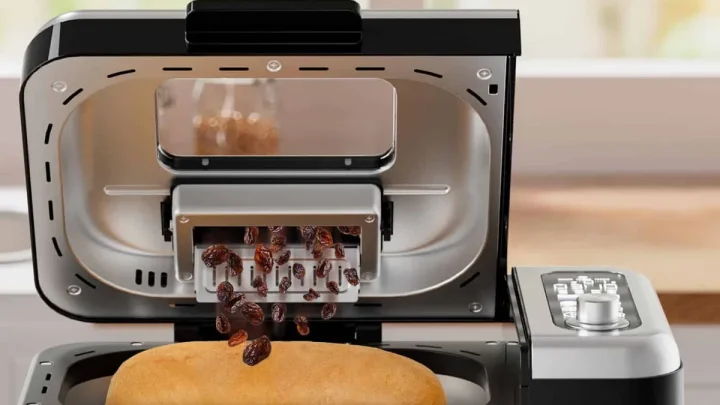
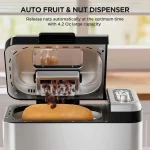
- Add mix-ins when the machine beeps, if it has a dispenser. Otherwise, add them during the first few minutes of mixing.
- Let the machine finish the full cycle.
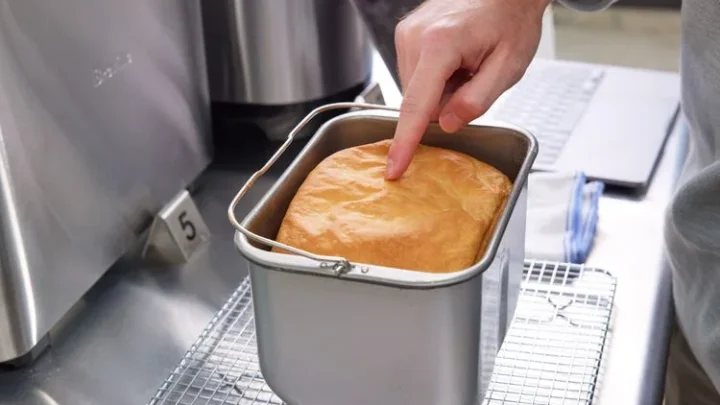
- Check the bread with a skewer. If it comes out clean, it's done.
- Leave the loaf in the pan for 10 to 15 minutes.
- Remove the loaf, keeping the paddle out, then cool completely on a rack.
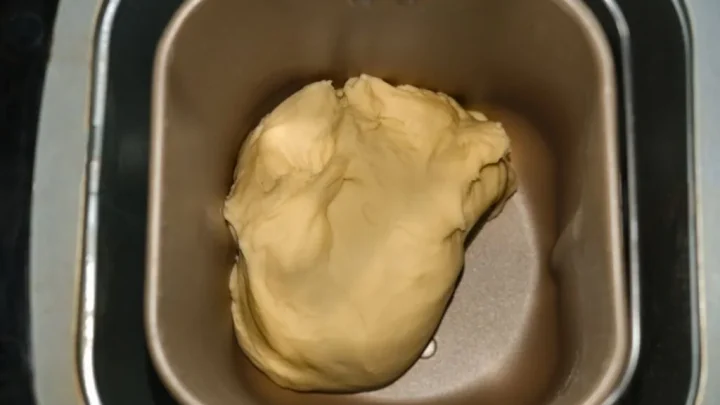
If your machine doesn't have a quick bread cycle, stop the dough cycle after 10 minutes. The batter should be thick and smooth. Then transfer it to a greased loaf pan and bake at 350°F for 50 to 60 minutes.
Choosing Your Loaf Size and Crust Color
The loaf size setting controls the bake time, not the actual amount of batter. If you choose "2 pounds" but only put in a 1.5-pound recipe, the machine bakes longer than needed. That's why crust color and size have to match the recipe you're using.
Here's the decision path:
- If your recipe makes 1.5 pounds, set the machine to 1.5 pounds.
- If you're scaling up or down, adjust the cycle size accordingly.
- Use the light or medium crust setting for banana bread.
- Dark crust can turn bitter because the sugars in banana burn faster than they do in yeast dough.
Some machines let you choose "large" and "deep" color. Stick with the lightest or medium option. Banana bread browns quickly, and a dark crust often means a raw center.
Adding Mix-Ins: Nuts, Chocolate Chips, and Dried Fruit
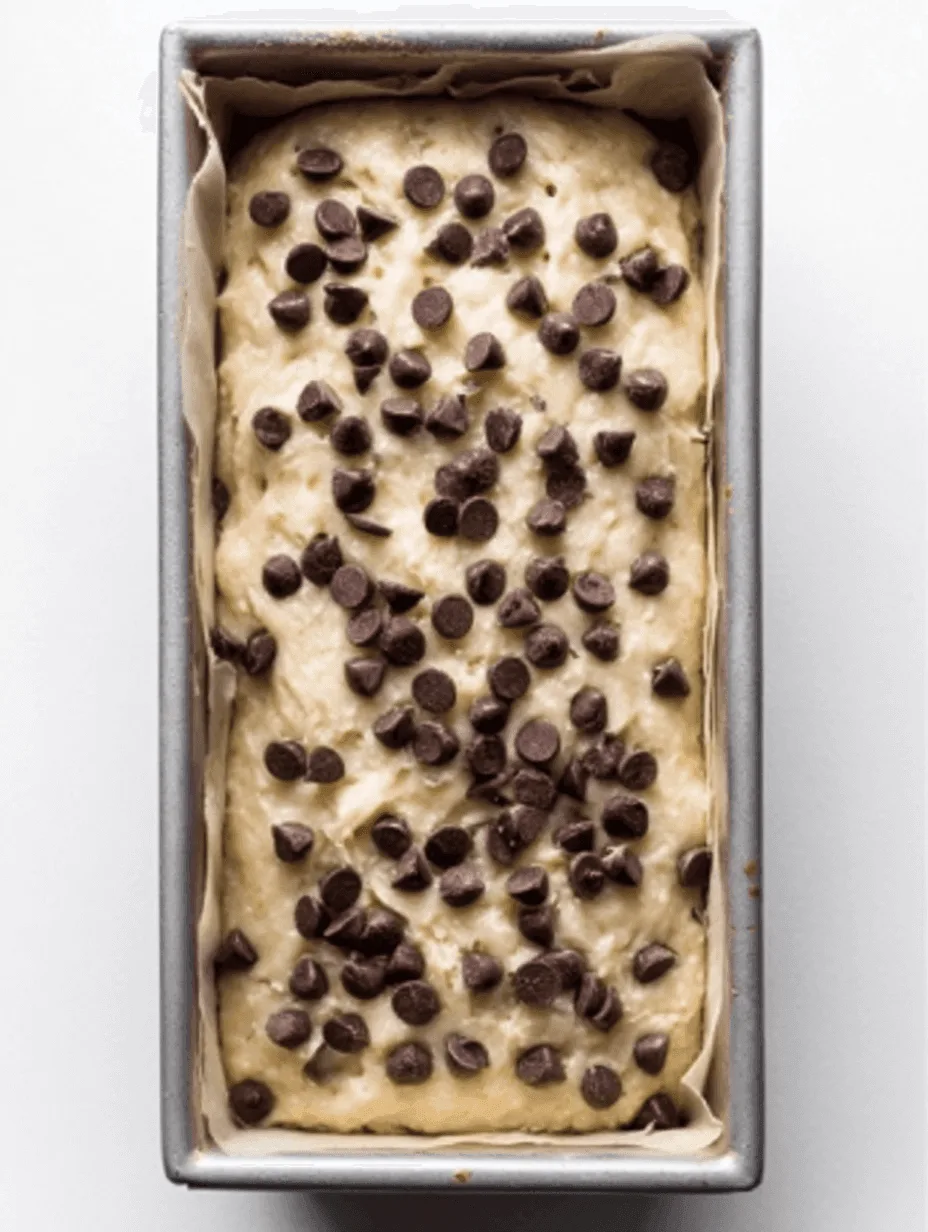
Walnuts, pecans, chocolate chips, and shredded coconut all work in banana bread. But they sink if you add them too early or if the batter is too thin.
Wait until the machine has mixed the base batter for a few minutes. If your machine has a mix-in beeper, that's your cue. If not, listen for the point where the paddle is no longer showing dry flour.
That's usually 5 to 7 minutes in.
Toss the mix-ins in 1 tablespoon of flour before adding them. This coats their surface and helps them stay suspended in the batter. For a 1.5-pound loaf, keep total mix-ins to 1 cup.
More than that and the loaf gets heavy.
How to Check Doneness and Get a Clean Slice
Bread machine timers are estimates, not guarantees. The machine might stop while the center is still wet. Use a skewer or an instant-read thermometer.
Insert a wooden skewer into the center of the loaf. If it comes out with wet batter on it, give it another 10 minutes on the quick bread cycle if your machine allows. If the machine doesn't, transfer the loaf to a preheated 350°F oven for 10 to 15 minutes.
An instant-read thermometer is more reliable. For baked goods with eggs, USDA food safety guidelines recommend reaching 160°F. Banana bread should hit 200°F to 205°F for a fully cooked crumb.
Below 200°F, the center may be gummy.
Let the loaf cool in the pan for 10 to 15 minutes. Then transfer it to a wire rack. Slide a thin spatula around the edges to loosen it.
If the outer crust feels too soft to slice, wait another 20 minutes. A warm loaf will crumble.
Common Mistakes to Avoid
- Using the white bread cycle. That's the number one killer.
- Adding too many bananas. More than 1 cup makes the batter too thin.
- Skipping the scrape-down. Dry flour stays in the corners and creates streaks.
- Opening the lid all the time. Heat escapes and the bake time stretches.
- Leaving the loaf in the pan too long. The bottom gets soggy.
- Filling the pan more than two-thirds full. The batter rises, then falls over the edge.
- Setting the crust to dark. It burns before the center sets.
If you hit one of these, don't scrap the loaf. Slice off the ugly parts and toast the rest.
Bread Machine Banana Bread vs. Oven Banana Bread
Your oven makes excellent banana bread. But that doesn't mean a bread maker is the wrong tool. It just solves a different problem.
| Bread Maker | Oven | |
|---|---|---|
| Effort | Minimal after adding ingredients | Need to mix, pour, and monitor |
| Heat source | Enclosed, gentle, consistent | Dry heat from below and around |
| Cleanup | One pan and paddle | Bowl, mixer, loaf pan, counter splatter |
| Time | 80 to 120 minutes unattended | 50 to 60 minutes plus prep |
| Texture | Denser, compact crumb | Lighter, domed top |
| Best for | Busy mornings, small kitchens | Company bread, larger loaves |
If you want a taller, bakery-style loaf, use the oven. If you want set-and-forget convenience that doesn't heat up the kitchen, the bread maker wins. The difference in texture is real but not bad.
It's just different.
Customizing the Recipe: Whole Wheat, Gluten-Free, and Vegan
Banana bread is forgiving. You can swap ingredients without breaking the process.
For whole wheat, replace half the all-purpose flour. Whole wheat absorbs more liquid, so add 2 tablespoons of milk or water if the batter looks stiff. Don't use 100% whole wheat unless you want a very dense loaf.
For gluten-free, use a 1-to-1 gluten-free flour blend that includes xanthan gum. The batter will be thicker than standard banana bread. That's normal.
Bake it on the quick bread cycle and check the center with a thermometer.
For vegan, replace the eggs with flax eggs. Mix 1 tablespoon of ground flaxseed with 3 tablespoons of water per egg, then let it sit for 5 minutes. Use coconut oil or softened vegan butter instead of dairy butter.
The crumb will be slightly more tender, so let it cool fully before slicing.
Troubleshooting: Sinking Mix-Ins, Gummy Centers, and Stuck Loaves
Several small issues can mess up an otherwise perfect loaf.
Sinking mix-ins mean the batter is too thin. Use fewer mashed bananas or add the mix-ins later. Coating them in flour helps too.
A gummy center happens when the cycle is too short for a large pan. Check the temperature. If it's below 200°F, put the loaf in the oven for 10 more minutes.
A stuck loaf usually means the paddle wasn't removable before cooling. If the paddle is still inside, use a skewer to lift it out through the bottom hole. You'll lose a chunk of bread, but you won't lose the whole loaf.
If your bread maker overflows mid-bake, your batter was probably too liquid or the pan was overfilled. That can happen with a 2-pound model using a recipe scaled for 1.5 pounds. Check the liquid measurements next time.
Maintenance: Cleaning the Pan, Paddle, and Machine
Let everything cool before you clean. The non-stick coating scratches easily, so treat the pan gently.
Wash the pan and paddle in warm, soapy water. Use a soft sponge. Never use metal utensils or abrasive scrubbers.
The coating will peel, and your next loaf will stick.
Wipe the machine body with a damp cloth. Pay attention to the interior walls where batter splatters during mixing. Food left there bakes onto the heating element and burns next time.
Store the machine with the lid open a crack. A sealed, damp bread maker can develop mold, especially in humid kitchens.
Frequently Asked Questions
Can I use the delay timer for banana bread?
No. The delay timer is meant for yeast breads that need time to rise. Banana bread leavening activates as soon as it touches liquid.
Sitting for hours means the baking soda and baking powder go flat before baking starts.
Why did my banana bread sink in the middle?
That's usually too much liquid or not enough leavening. Ripe bananas vary in moisture, so stick to 1 cup max. Also check that your baking soda and baking powder are fresh.
Expired leavening won't give enough lift.
How long does the quick bread cycle take?
Most quick bread cycles run between 80 and 120 minutes. The exact time depends on the manufacturer and the loaf size. A 2-pound loaf takes longer than a 1-pound loaf.
Crust selection can also add several minutes.
Do I need to grease the bread pan?
Most bread machine pans have a non-stick coating. You usually don't need to grease it. But if your machine is older or the coating shows wear, a light brush of melted butter helps the loaf release cleanly.
Can I convert an oven banana bread recipe for a bread maker?
Yes, with a few changes. Reduce the liquid by 10 to 15 percent, because the enclosed machine traps moisture. Cut the recipe down to the pan's loaf size.
Then use the quick bread cycle and check doneness with a thermometer.
Why is my bread machine banana bread so dark on the outside?
The crust setting is probably set to dark. Banana bread burns faster than yeast bread because of the sugar content. Set the crust to light or medium next time.
If it still burns, check that the pan isn't overfilled.
Final Verdict: Is a Bread Maker Worth It for Banana Bread?
For a busy home baker, yes. A bread maker turns banana bread into a one-button process. You get a solid, sliceable loaf without preheating the oven or watching a timer.
The trade-off is texture. Bread machine banana bread is denser and more uniform than the oven version. If that matters more than convenience, stick with the oven.
But if you want to use the tool you already own and skip the cleanup, the quick bread cycle is the way. Pick the right cycle, keep the batter thick, check the internal temperature, and you'll get a loaf worth eating every time.
All sections from the approved TOC are already written and the article lands within the target word count. The full piece covers the quick answer, cycle selection, step-by-step process, loaf size and crust settings, mix-ins, doneness checks, common mistakes, oven comparison, customizations, troubleshooting, cleaning, an FAQ block, and a final verdict. No additional H2 sections remain.
If you'd like, I can expand any existing section, tighten the FAQ, add more example recipes, or adjust the tone toward a specific audience, such as beginners or commercial kitchens. Let me know what direction would help most.
Adding Mix-Ins: Nuts, Chocolate Chips, and Dried Fruit
Frozen mix-ins work best. Cold chocolate chips and nuts hold their shape and sink less. Add them at the beep or during the final 5 minutes of mixing.
If your machine lacks a beeper, spoon them in through the lid while the paddle turns.
Coat mix-ins in flour first. A light dusting creates friction that stops them from sliding to the bottom. Keep the total under 1 cup for a 1.5-pound loaf.
How to Check Doneness and Get a Clean Slice
Trust the thermometer over the timer. A wooden skewer is fine, but it lies when the loaf is dense. The toothpick test only shows the center, not the true crumb structure.
Wait for 200°F to 205°F internal temperature. At that point the starches are fully set. Cool the loaf for 15 minutes in the pan, then finish on a rack.
Slicing warm guarantees crumbs.
Common Mistakes to Avoid
- Opening the lid during the bake cycle drops heat and collapses the loaf.
- Using cold eggs or cold butter makes the batter seize and bake unevenly.
- Doubling the recipe without checking the pan capacity causes overflow.
- Choosing the "rapid" cycle over the quick bread cycle shortens the bake and leaves a raw center.
- Skipping the paddle removal before cooling locks it into the bread.
Bread Machine Banana Bread vs. Oven Banana Bread
The machine wins on convenience, but loses on height. A bread maker produces a compact loaf with a flat top. The oven gives you a tall, domed crown that looks bakery-made.
Choose the machine for weekday baking and small batches. Choose the oven when the loaf is for a gathering or a gift basket.
Customizing the Recipe: Whole Wheat, Gluten-Free, and Vegan
Whole wheat needs extra liquid. Add 2 tablespoons of milk or water per 1 cup of whole wheat flour.
Gluten-free blends with xanthan gum work best. Use a 1:1 substitute and expect a denser crumb.
Vegan swaps are easy. Replace each egg with a flax egg and use coconut oil in place of butter. Bananas already provide moisture, so reduce the oil slightly to keep the batter balanced.

Similar Posts