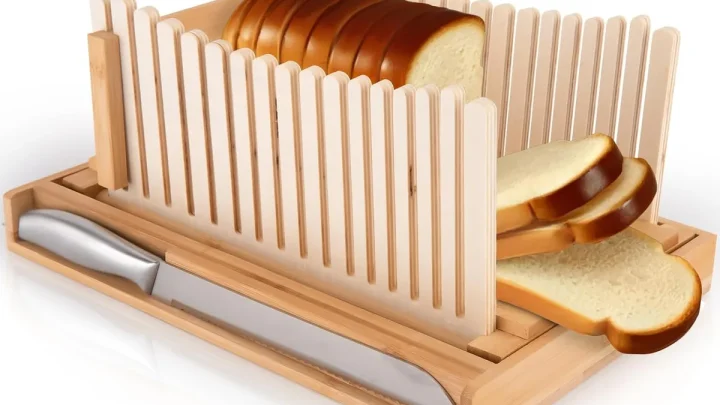
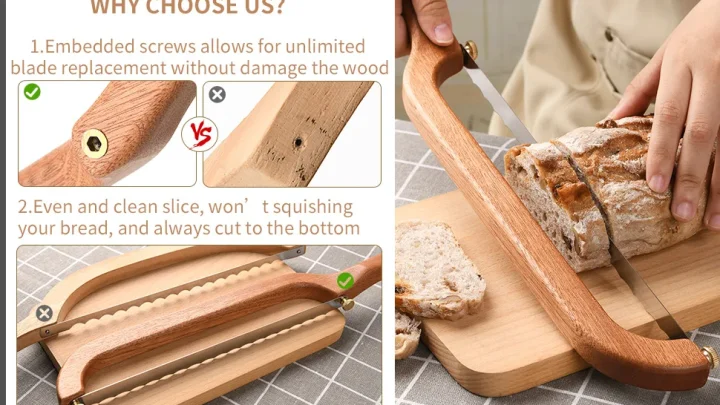
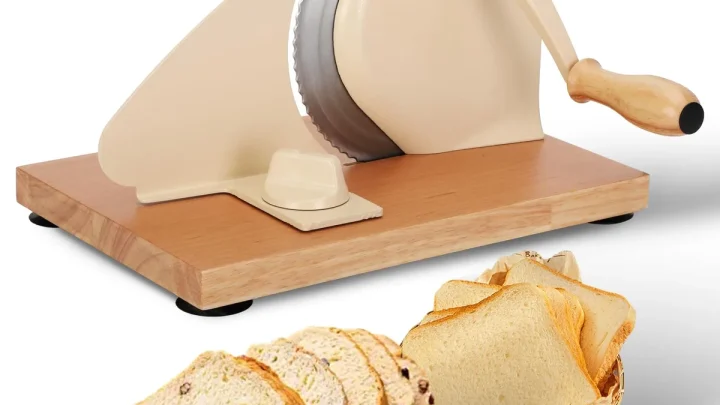
5 Ways to Fix a Bread Slicer That’s Too Small
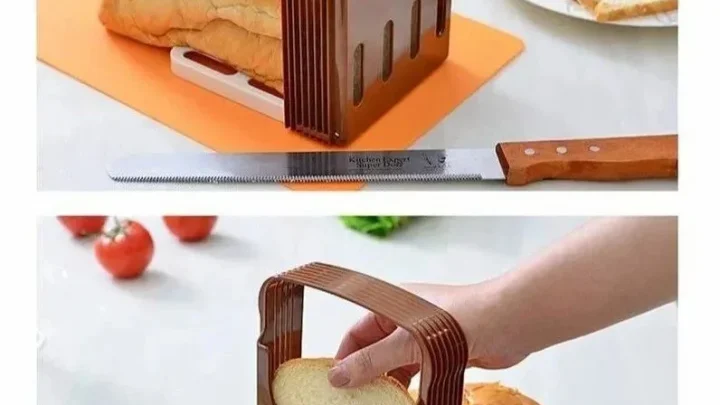
You pull your fresh loaf from the oven, let it cool, and reach for your bread slicer. Then you realize your bread slicer is too small. The loaf is wider than the guide rails, the dome hits the blade guard, or it just won't fit without crushing the crust.
It's a frustrating moment that every home baker hits at some point.
Most manual bread slicers max out at 6 to 7 inches wide with 4 to 6 inches of height clearance. A typical artisan boule or a tall sandwich loaf can easily exceed those dimensions. As of 2026, most home bakers use 9-by-5-inch loaf pans.
Those loaves are often 5 to 6 inches wide at the base but dome up to 7 or 8 inches. That dome is where the trouble starts. The good news is you don't have to give up your slicer or resort to messy freehand cuts.
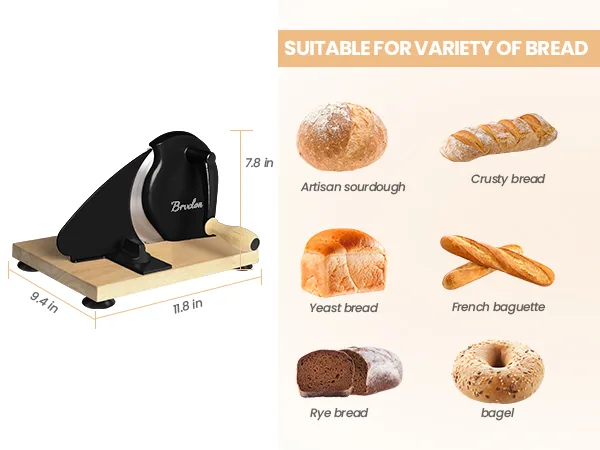
When Your Bread Slicer Is Too Small – The Real Problem
The real problem isn't your loaf. It's a mismatch between the tool and the bread you're baking. Most bread slicers are designed for standard store-bought sandwich loaves with straight sides and a flat top.
Home-baked bread has a different shape. It rises high in the center, spreads wider during proofing, and the crust can be thick and brittle.
When a slicer is too small, you get uneven slices, crushed crumb, or a jammed blade. You might also damage the slicer if you force the loaf in. The frustration pushes some bakers to abandon the tool and slice freehand.
That leads to wavy, uneven pieces that don't toast evenly. The real fix is understanding the exact dimension causing the problem, then picking a workaround that fits your baking style.
The Quick Fix: What You Need to Know First
If your bread slicer is too small, the quick fix is simple. Measure your widest and tallest loaf point. If the width exceeds the guide rails, trim the heel.
If the height exceeds the blade guard, freeze the loaf for 30 minutes. If the length is the issue, cut the loaf in half. These three workarounds solve 80 percent of fit problems.
Each takes less than five minutes and costs nothing. Try the freeze trick first. It firms up the crumb and lets you saw through without crushing.
If that doesn't work, you need a permanent solution. That's where the decision tree comes in.
Step-by-Step Decision Tree – Diagnose Your Loaf
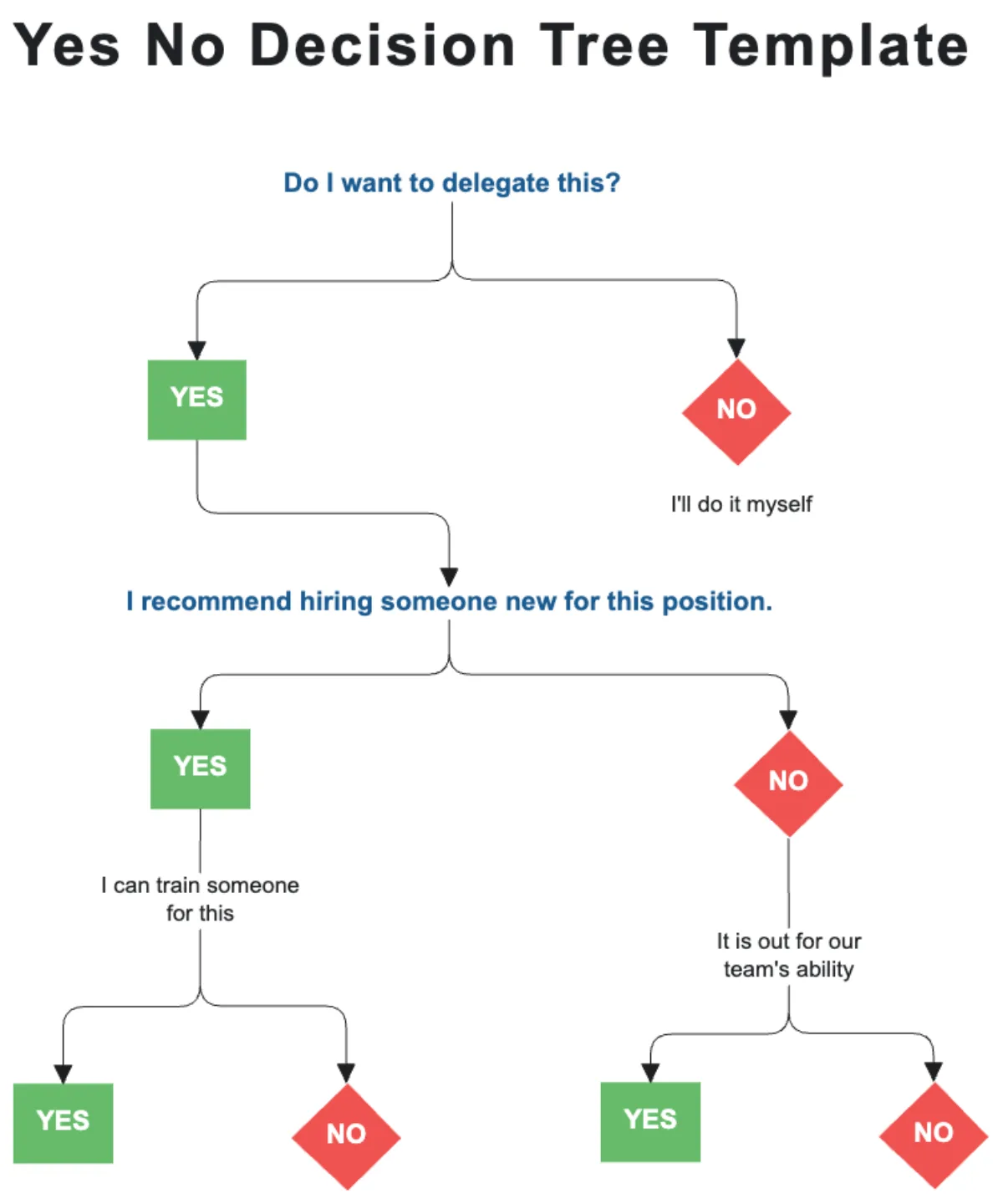
1. Is the Bread Too Wide?
Measure across the widest part of your loaf. If it's more than an inch wider than your slicer's guide rails, the bread will bulge out or get stuck. The fix depends on the shape.
For a round boule, slice off a thin piece from each side to square it up. For a sandwich loaf, trim the rounded top dome flat. You lose a little bread, but you gain clean slices.
2. Is the Bread Too Tall?
Set the loaf vertical next to the slicer. If the top of the bread is higher than the blade guard, the blade won't reach all the way through. This is the most common issue with high-rising sourdough.
The solution is to chill the loaf in the freezer for 30 to 45 minutes. The firm crumb allows the blade to cut through the dome without squishing it.
3. Is the Bread Too Long?
If the loaf extends past the end of the slicer, the last few slices will be unsupported and may tilt. Slice off the last inch of the loaf before placing it in the slicer. Or cut the entire loaf in half crosswise and slice each half separately.
This only adds one extra step but keeps slices uniform.
What to Do Next – Your Best Options Based on the Diagnosis
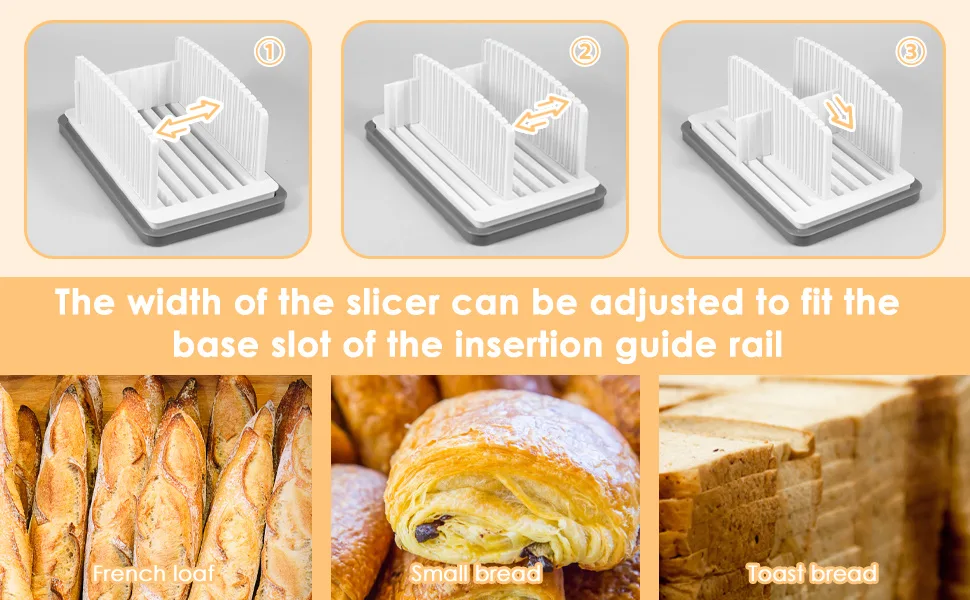
Once you know which problem you have, choose your path. If the loaf is slightly too wide or tall, the workarounds above will handle it. If it's consistently too large, consider one of these long-term fixes.
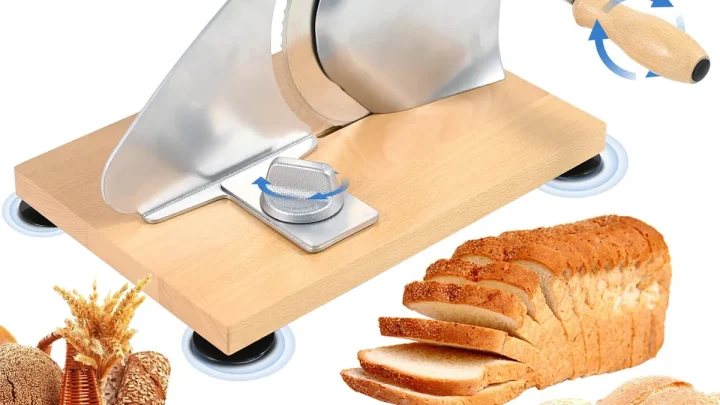
- Modify your slicer. Some manual slicers have removable guide rails. Taking them out gives you an extra half-inch of clearance. Check your brand's manual first.
- Switch to a smaller loaf pan. An 8.5-by-4.5-inch pan produces a loaf that fits most slicers. The trade-off is shorter sandwich slices.
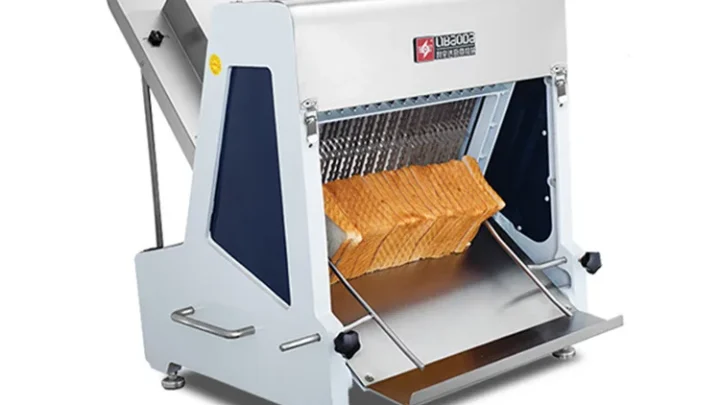
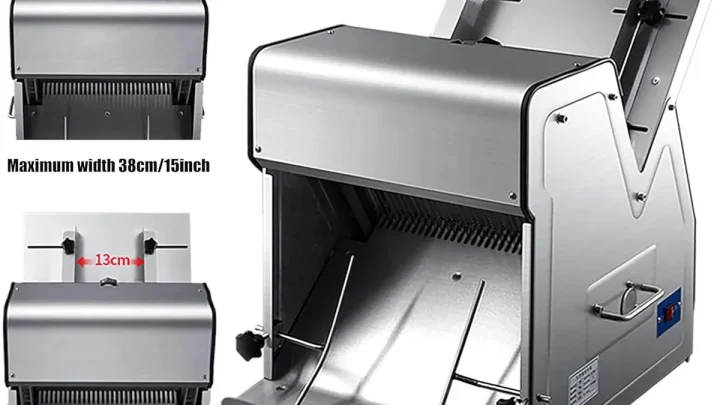
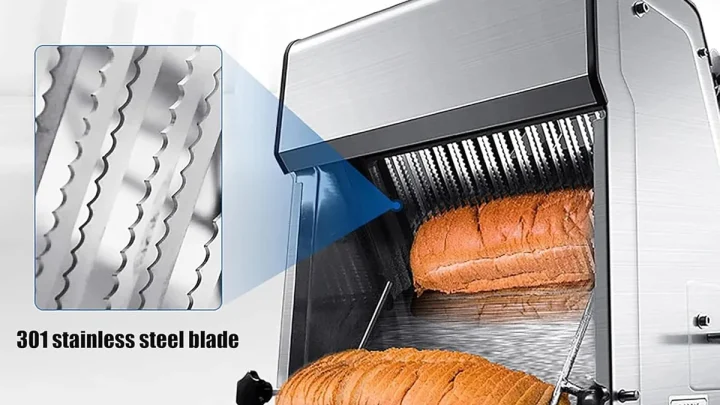
- Buy a larger slicer. If you bake wide or tall loaves regularly, a larger model is worth it. Our research shows models with adjustable width up to 9 inches and height clearance over 7 inches solve nearly all fit issues. The widest manual slicers on the market are designed for homemade bread.
- Reshape your dough to fit your slicer. Shape batards into a more cylindrical loaf or use a banneton that matches the slicer's width. This takes practice but yields consistent results.
The USDA recommends letting bread cool completely before slicing to prevent moisture loss and crumbling. That single step also makes the loaf firmer and easier to cut.
Common Mistakes That Ruin a Slice (or a Slicer)
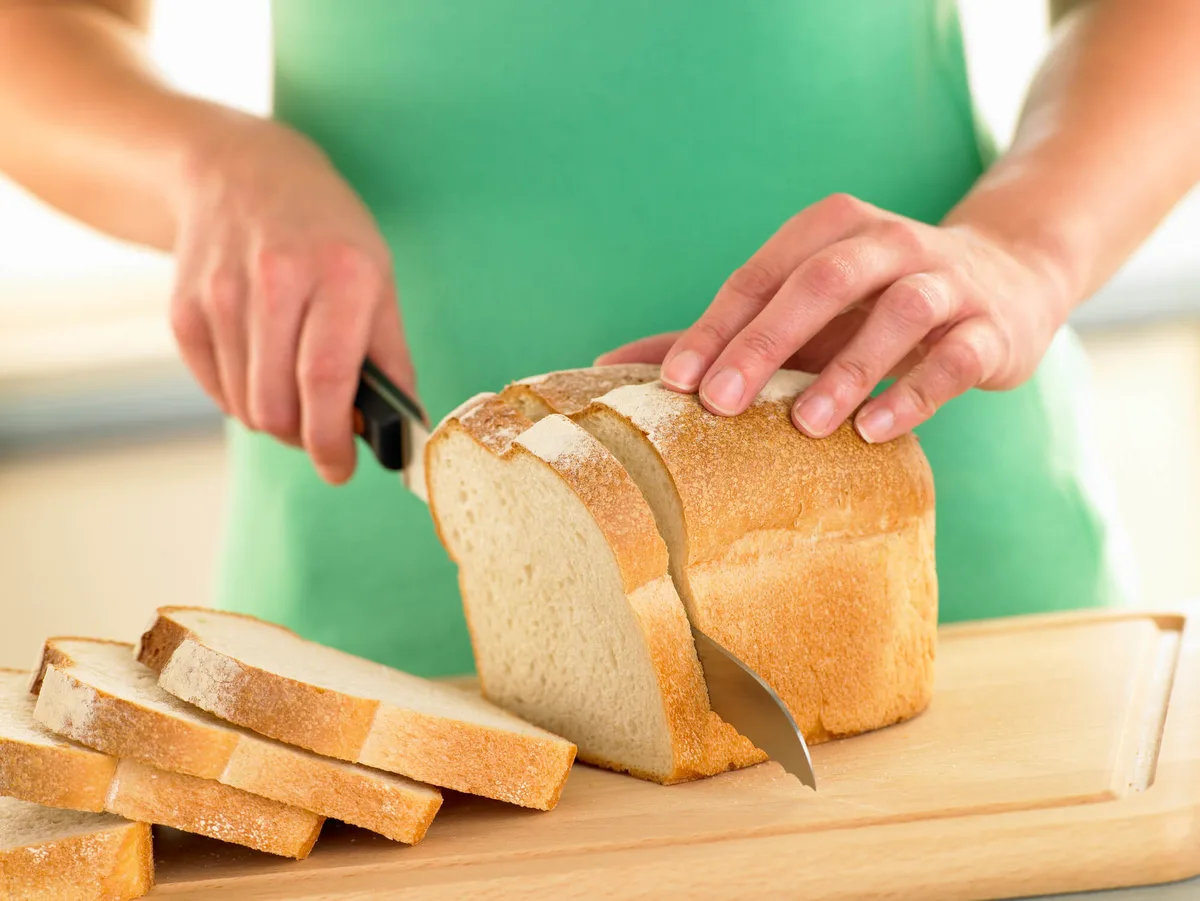
The biggest mistake is forcing the loaf into the slicer. This can crack the frame, bend the blade, or create uneven slices that frustrate you for the rest of the loaf. Another common error is slicing bread when it's still warm.
Warm bread is too soft and will smush instead of slice cleanly. Always let the loaf cool completely. At least two hours for a standard sandwich loaf, longer for a dense sourdough.
Another mistake is using a dull blade. Manual slicer blades dull over time. A dull blade tears the crumb instead of cutting it, making the loaf-diameter problem worse.
Sharpen the blade with a fine-grit stone or replace it if the blade is damaged. Finally, don't overlook the non-slip base. If your slicer slides on the counter while you saw, the loaf shifts and you get wedge-shaped pieces.
A damp paper towel under the base fixes that.
Real-Life Examples – How Three Bakers Solved It
Sarah's sourdough boule was too tall. Her 8-inch dome hit the blade guard on a standard 6-inch clearance slicer. She tried forcing it, which crushed the crust and bent the guide rail. After reading about the freeze trick, she popped the boule in the freezer for 35 minutes.
The firm crumb let the blade glide through the dome without squishing. She now freezes every sourdough for half an hour before slicing. Total fix time: zero cost, one extra step.
Mark's sandwich loaf was too wide. His 9-by-5-inch pan produced a base that barely fit, but the sides bulged past the rails. He switched to an 8.5-by-4.5-inch pan, which reduced width by about an inch. The trade-off was slightly shorter slices, but they fit perfectly and toasted evenly.
He also started shaping his dough into a tighter cylinder during proofing. Aggregate reviews of smaller pans confirm this is the most common permanent fix.
Jenna's batard was too long. Her slicer's platform ended three inches short of the loaf tip. Every last slice tilted and came out wedge-shaped. She started cutting the batard in half crosswise before placing it on the slicer.
Each half fit completely on the platform, and she got uniform slices end to end. She now bakes two shorter loaves instead of one long one. The change took one try to master.
FAQ – Quick Answers on Bread Slicer Fit
Can I use a serrated knife instead of a slicer?
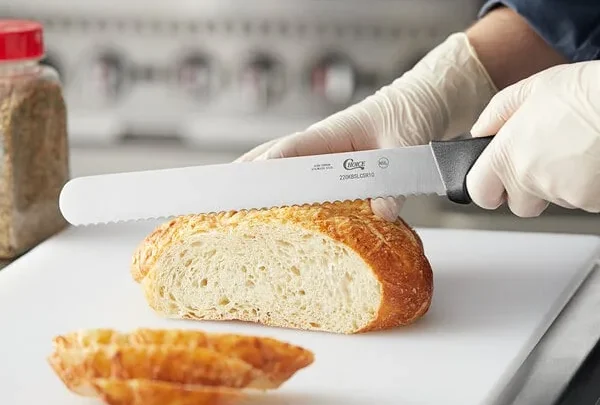
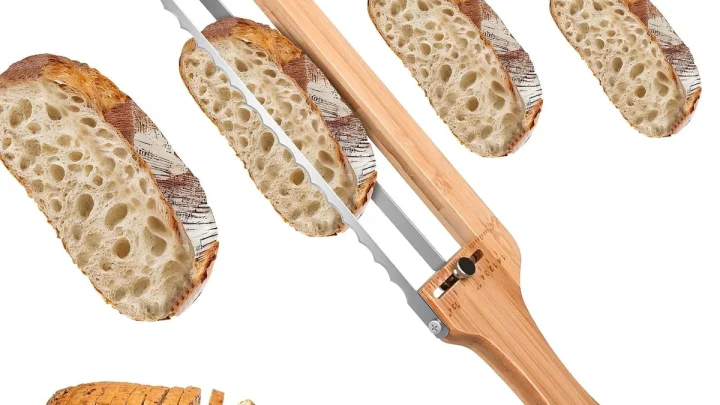
Yes, a long serrated knife with a sawing motion works well for most loaves. It gives you full control over slice thickness. The downside is less consistency and more crumb.
A bread slicer still wins on speed and uniformity.
Will a meat slicer work for bread?
Not really. Meat slicers have thin blades and low height clearance. They cut thin, even slices but can't handle a tall or wide loaf.
Stick to a dedicated bread slicer or a good serrated knife.
How do I measure my loaf for a new slicer?
Measure the widest point across the loaf and the tallest point from cutting board to top of dome. Add half an inch of clearance for each dimension. Look for a slicer with rails and blade guard that exceed those numbers.
Is it safe to modify my slicer?
Only if you know what you're doing. Removing guide rails or increasing blade gap can make the slicer unstable. Check the manufacturer's manual first.
If the fix reduces safety, buy a larger slicer instead.
Does freezing really help with tall loaves?
Yes. Manufacturer specs confirm that frozen bread firms the crumb without damaging the crust. The blade cuts cleanly rather than compressing the soft interior.
This works for both manual and electric slicers.
The Final Decision Guide – Which Path Should You Take?
You have three consistent options. First, try the workarounds: freeze a tall loaf, trim a wide loaf, cut a long loaf in half. These cost nothing and solve most fit issues.
If they don't work for you, switch to a smaller loaf pan or reshape your dough. This takes one bake cycle to adjust but permanently fixes the mismatch.
If neither is practical, buy a slicer built for larger loaves. Our research shows that models with 9-inch rail width and 7-inch clearance cover nearly any home-baked bread. The widest manual slicers on the market are designed specifically for artisan and sandwich loaves that exceed standard dimensions.
Don't force the fit, don't use a dull blade, and never slice warm bread. Follow the decision tree you just worked through, and you'll get consistent, clean slices every time. That first perfect slice is worth the extra five minutes.

Similar Posts