What Size Bread Slicer for Homemade Bread?
If you've ever typed "what size bread slicer for homemade bread" into a search bar, you know the answer is never simple. Every slicer claims to handle "large loaves," yet your tallest sourdough still ends up squashed. The secret is that a slicer's size isn't one number.
It's four: height clearance, loaf width, blade reach, and slice thickness.
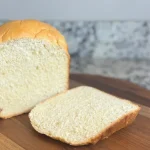
Most home slicers, as of 2026, are designed around a standard 9×5-inch loaf pan. After baking and cooling, that loaf typically stands 4 to 5 inches tall and spans about 4 inches wide. The moment you bake a boule in a 10-inch banneton, those numbers are off the charts.
That's where people buy the wrong slicer.
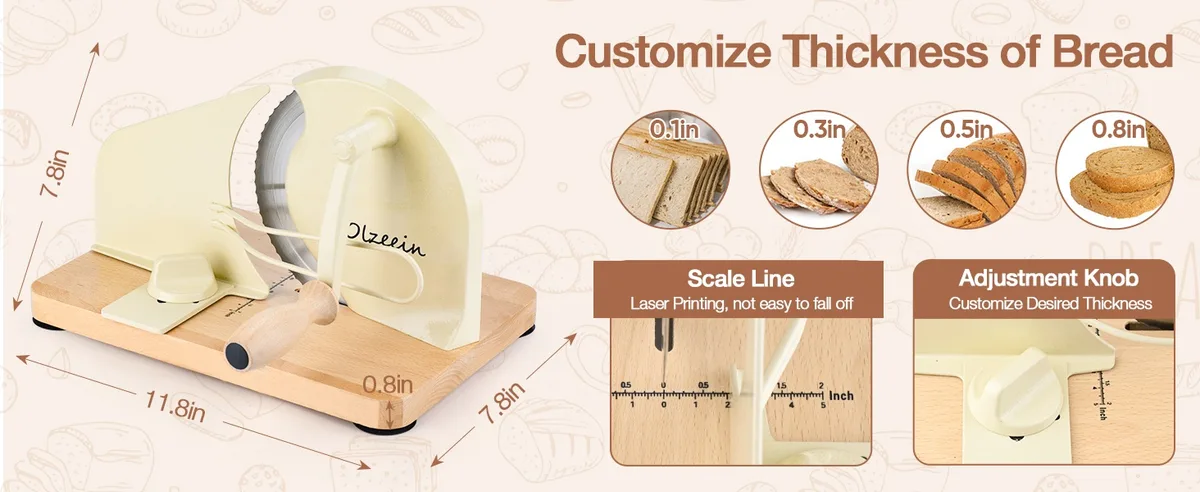
Quick Answer
Standard sandwich loaves need 6 inches of height clearance and a 6-inch blade. Tall sourdough? Add 2 inches.
Rule of thumb: measure your cooled loaf, then add an inch. That's the minimum slicer size to fit.
Why Most Home Bakers Buy the Wrong Size Bread Slicer
The mistake isn't picking a low-quality machine. It's picking one sized for the pan, not the final loaf. Dough rises, spreads, and the crust sets in ways a spec sheet can't predict.
A loaf proofed in a 9×5 pan might look harmless. Wait until it's baked: many come out 4 inches wide and 5 inches tall or more. That's already pushing a slicer with a 4.5-inch throat.
Aggregate reviews and baker forum feedback point to the same culprit: throat height. Buyers obsess over blade diameter and price, then ignore the gap between the cutting deck and the top guard. As of 2026, several popular home electric slicers list a max clearance of just 5 inches.
That works for squashy supermarket loaves. It fails for crusty homemade bread.
There's also the shape factor. Round boules roll. Pull-through slicers expect a squared-off loaf sitting flat.
When the bread is taller than the slot, you crush the crumb before you even cut. The result? A jammed blade, torn crust, and a valuable loaf ruined.
Here's the larger lesson: the "size" of a slicer only matters relative to your actual bread. Two bakers can own the same model and get wildly different results. One bakes 4-inch sandwich loaves.
The other bakes 6-inch-tall sourdough. Same slicer, opposite outcomes.
What "Size" Actually Means on a Bread Slicer
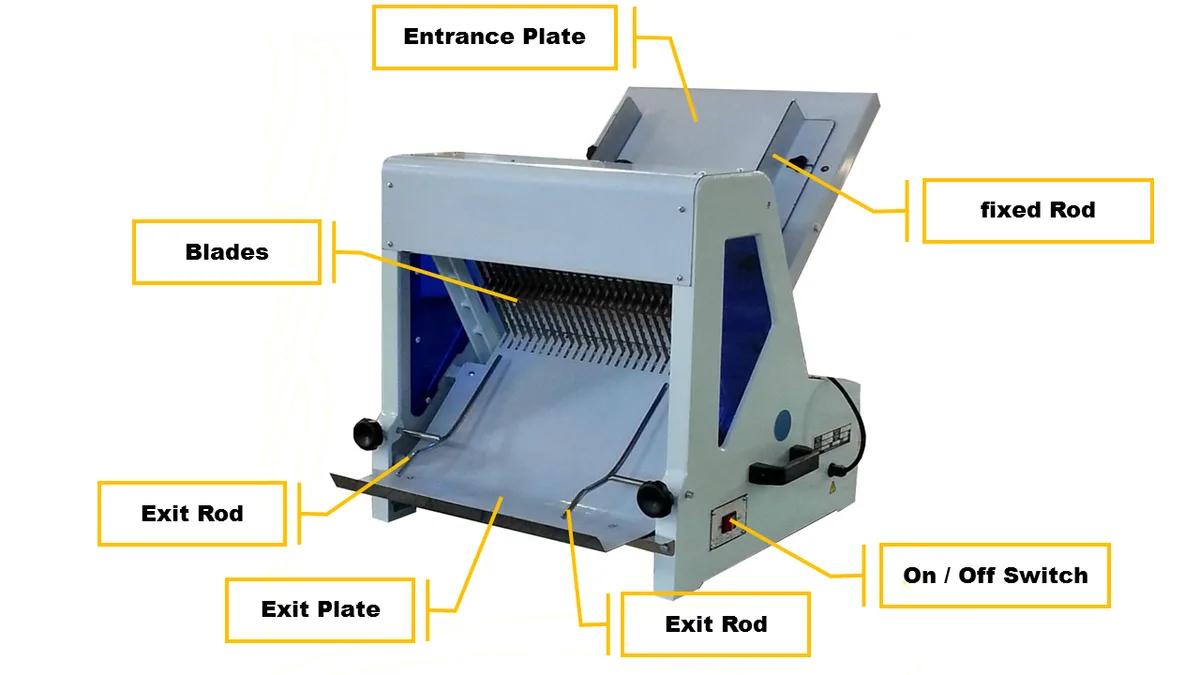
Understand these four measurements and you'll never check a spec sheet blindly again.
Height clearance: the dimension everyone forgets
Height clearance is the vertical space between the cutting deck and the guard above it. It decides whether a tall boule fits at all. Electric slicers often list this as max food height.
Manual slicers sometimes leave it out entirely.
Measure your tallest loaf from cutting board to the highest point of the crust. Add an inch for wiggle room. A 5-inch loaf needs at least 6 inches of clearance.
A 6-inch boule? Seven inches, minimum.
Width, blade length, and slice thickness: the other three numbers that matter
Width is how far the loaf extends from side to side. Electric slicers use a round spinning blade, so the usable width is roughly 2 inches less than the blade diameter. A 10-inch blade usually handles loaves up to 8 inches wide.
Manual units use the slot width instead, which is often 9 to 12 inches long.
Slice thickness is the last number. Most home slicers adjust from about 4mm up to 20mm. That's a paper-thin sandwich slice to a thick Texas toast cut.
If you only want one setting, fine. If you want both, check the full dial range.
Measuring your loaf before you shop: a quick 2-minute method
Use a ruler, not a guess. Bake the loaf as you normally would, let it cool completely, then measure:
- Height: from the board to the crown of the loaf.
- Width: at the widest point, usually near the middle.
- Length: from end to end.
- Slice target: the thickness you want most often.
Add one inch to the height and one to the width. Those are the minimum specs for a slicer that won't crush your bread. Then compare the actual capacities of popular models before you commit.
Manual Slicers, Electric Slicers, or Slicing Guides? The Sizing Trade-offs
This is the fork in the road. Each option handles size differently, and none is perfect.
Manual pull-through slicers: cheap, compact, but picky about loaf shape
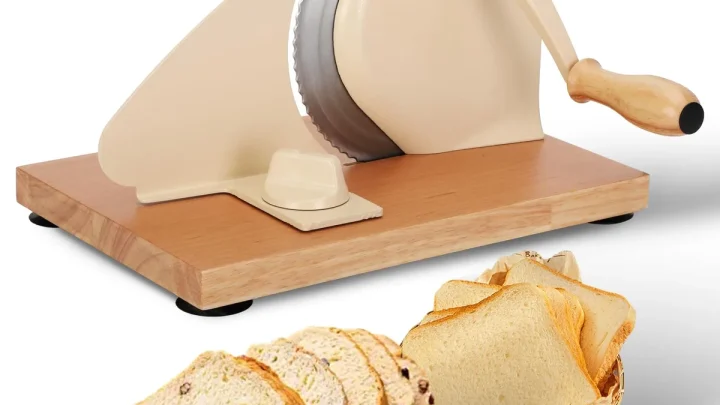
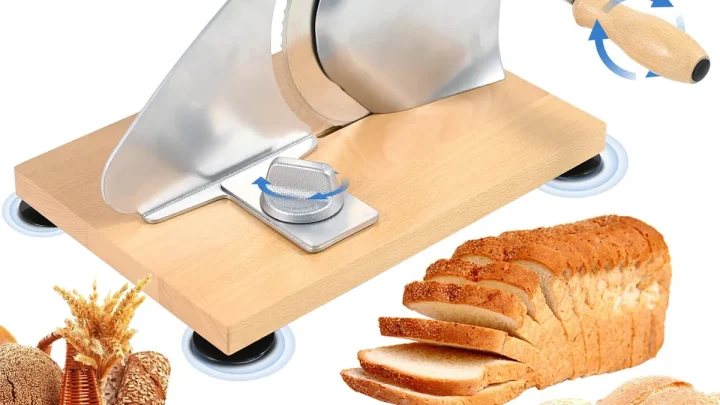
Manual slicers are the best value if your bread fits. Most home models give you 5 to 6 inches of height clearance and a cutting slot around 9 to 12 inches long. A standard sandwich loaf slides through without issue.
A tall sourdough boule? Not a chance.
They also require a flat, dense crumb. Soft, high-hydration bread compresses as it rides through. If you bake rustic loaves with an open crumb, you'll probably end up with flattened slices.
Electric slicers: flexible on width, sometimes short on clearance
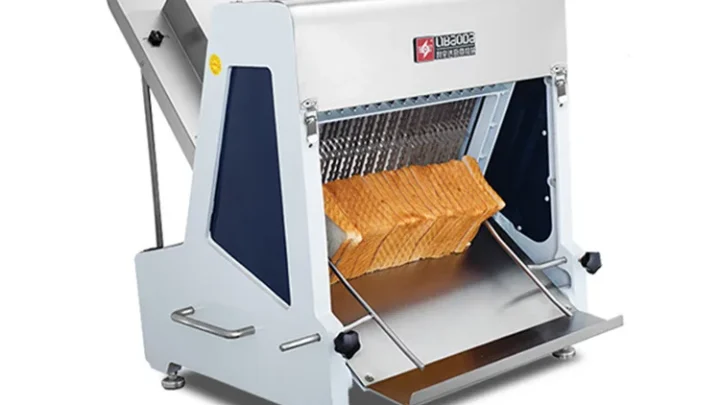
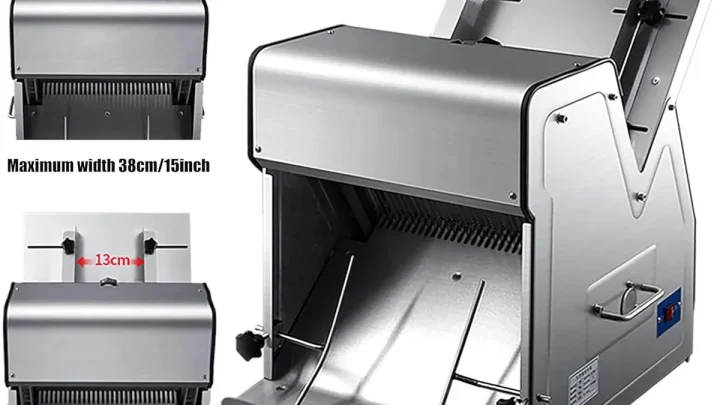
Electric slicers handle more width because the blade sits horizontally. A 10-inch blade model can take a wide loaf, but check the throat height carefully. Several popular units only allow 5 inches.
That's fine for a 9×5 sandwich loaf. For a crusty boule, it's useless.
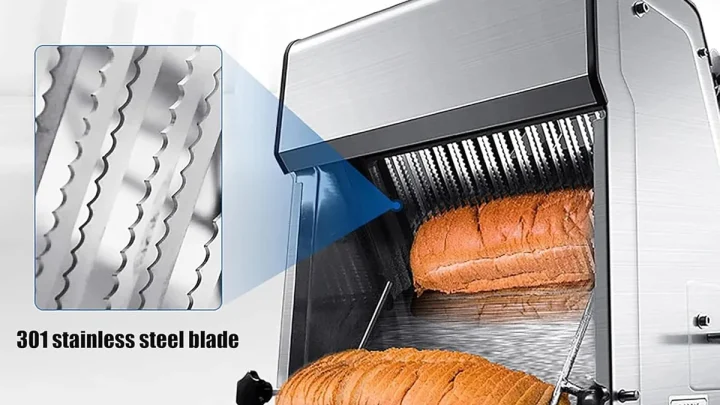
Electric also means motor-driven slicing. Firmer breads cut evenly. Very soft breads can still smear unless you freeze the loaf for 20 minutes first.
Slicing guides and jigs: the "no new gadget" option that works
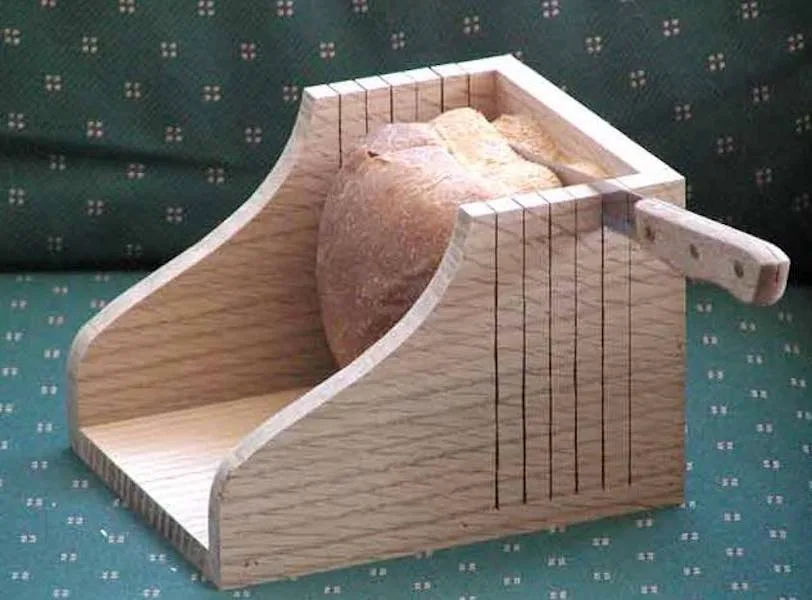
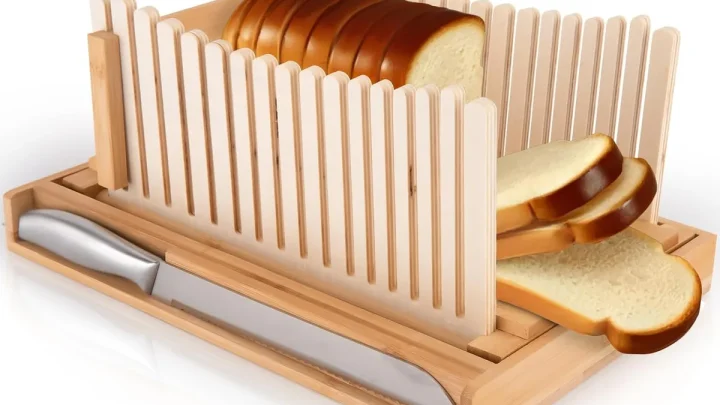
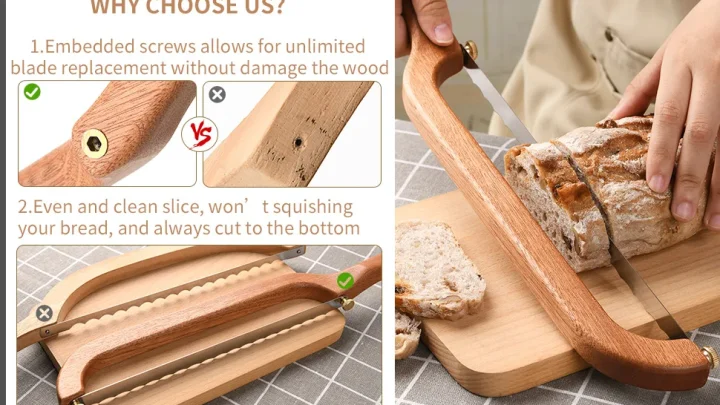
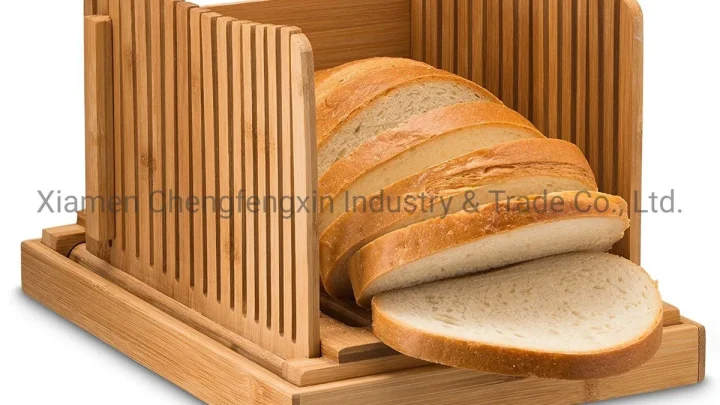
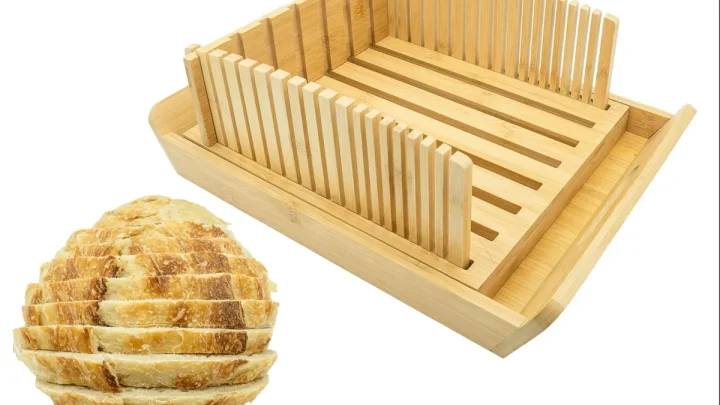
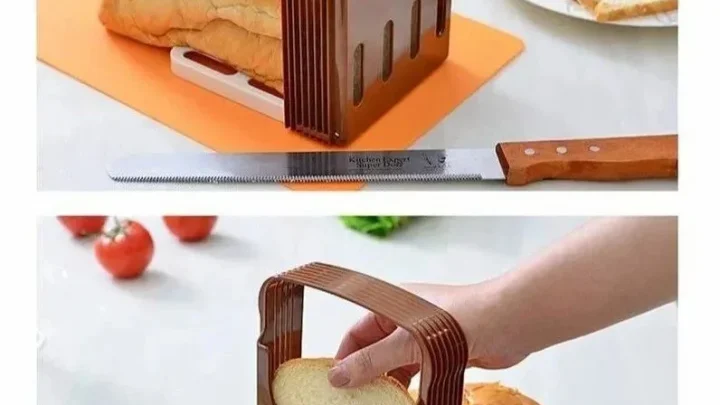
You don't need a machine if your knife is sharp. A slicing guide or jig is a wooden or plastic frame that holds the loaf steady while you cut downward. Many are adjustable, so they'll fit any loaf size you can make.
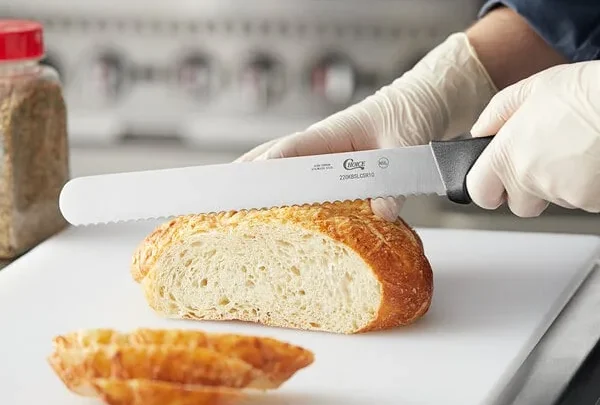
They take up almost no space and cost far less than an electric unit. The only catch? You still need your own arm and a good serrated knife.
For one or two loaves a week, that trade-off is usually worth it.
The Slicer Size Comparison Table: Capacities, Limits, and Real-World Fit
Here's how the common options stack up based on manufacturer specs and verified buyer reviews.
| Slicer type | Typical height clearance | Typical width / blade | Best for | Watch out | | Manual pull-through | 5–6 inches | 9–12 inch cutting slot | standard sandwich loaves | tall round boules won't fit | | Compact electric | 4.5–5.5 inches | 7.5–8 inch blade | low sandwich loaves | max clearance under 6 inches | | Full-size electric | 6–8 inches | 10-inch blade | wide and tall loaves | countertop space and cleanup | | Slicing guide / jig | adjustable | adjustable | any loaf that fits the frame | takes some hand strength and knife skill | | Sharp serrated knife only | unlimited | unlimited | all loaf shapes | requires a steady hand and consistent stroke |
Best Slicer Size for Your Bread Routine
Standard 9×5 sandwich loaves: the easiest fit
Any slicer with 6 inches of height clearance and a 6-inch-wide opening handles these. That covers most manual pull-throughs and compact electric models. You'll pay less and take up less counter space.
You don't need a commercial unit.
Tall sourdough boules and artisan rounds: where clearance bites
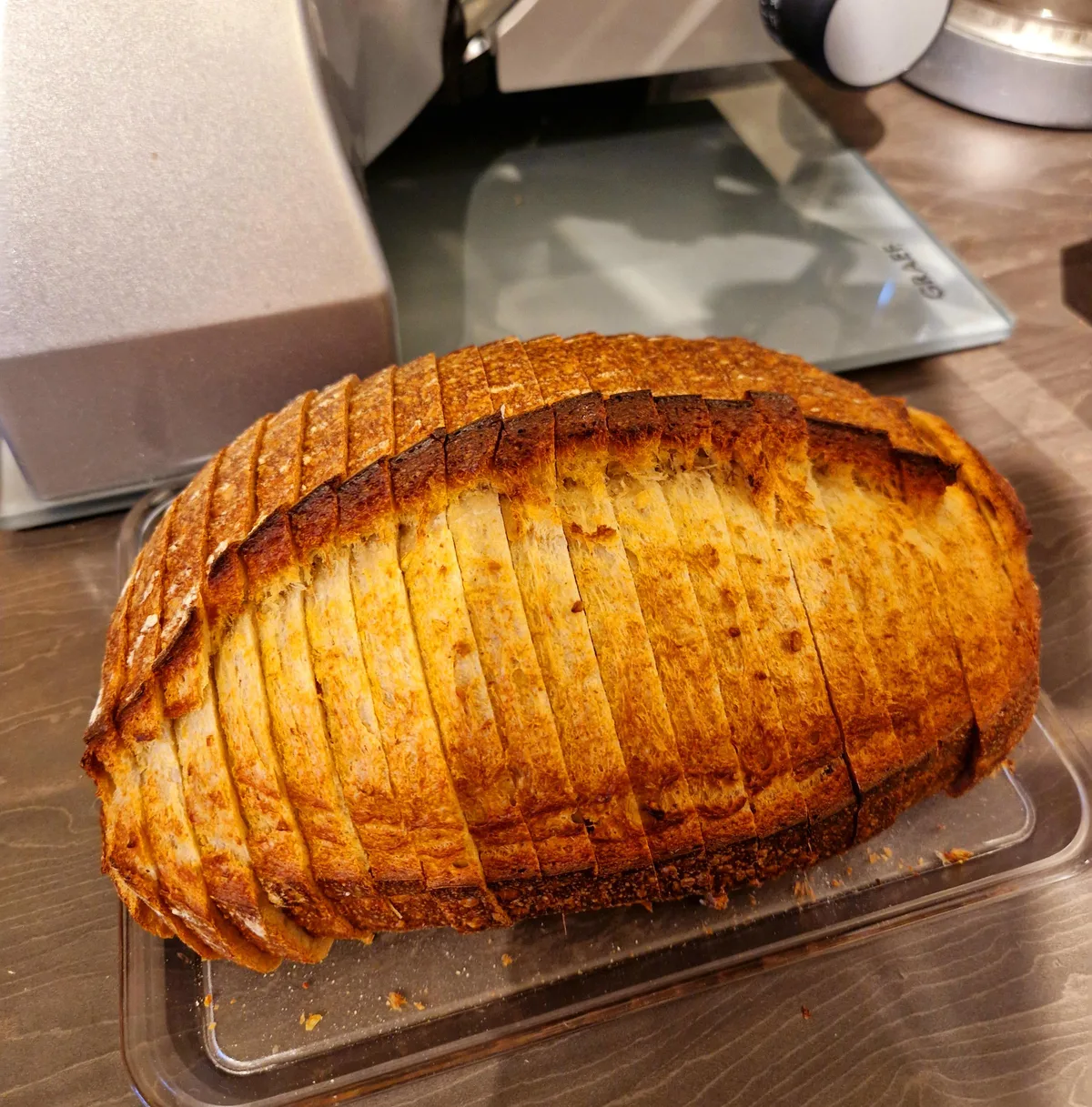
This is where most home slicers fail. A boule from a 10-inch banneton can measure 5 inches tall and 9 inches wide. Look for a full-size electric slicer with at least 7 inches of max food height.
Some manufacturers list 8 inches. That's the safe zone for tall, round bread. A manual slicer with a small throat will crush it every time.
Bulk baking, freezer prep, and selling at a market: when bigger makes sense
If you bake four or more loaves at once, slicing speed matters. A full-size electric unit with a 10-inch blade and an easy-clear crumb tray will save you 20 minutes per batch. If you're selling slices at a farmers market, check local cottage food rules first.
Many require food-safe equipment and certified surfaces. That can push you toward a commercial-adjacent model with an NSF rating and UL certification.
Uniform slices also stack better in the freezer. They toast evenly, too. Once you've handled a week's worth of bread in one sitting, the bigger slicer starts to earn its counter space.
Mistakes to Avoid When Choosing a Bread Slicer
Buying on spec sheets alone is the biggest trap. Blade diameter gets all the attention, while height clearance gets ignored. You end up with a machine that can cut a wide loaf but can't fit a tall one.
Here are the most common slip-ups we see in verified buyer reviews and bread forums.
Mistake #1: Measuring the pan instead of the loaf. Dough rises in the oven. A loaf from a standard 9×5 pan can hit 5 inches tall after baking. Let it cool completely, then measure the real bread you plan to slice.
Mistake #2: Assuming a pull-through slicer fits round loaves. These units expect flat, long bread. A round boule rolls around inside the slot and gets crushed by the guide rails. If you bake artisan bread, look for an open-cutting surface or a slicing guide.
Mistake #3: Ignoring slice thickness range. You might only want 1/2-inch toast now. Later you'll want thin sandwich slices. Check the full dial range, not just the minimum.
Mistake #4: Overshooting the size entirely. A commercial-style slicer with an 8-inch throat is overkill for two loaves a week. It eats counter space and costs five times more. Buy for your weekly routine, not your dream bakery.
Frequently Asked Questions
Do I really need a bread slicer for homemade bread?
Not if you slice one or two loaves a week with a sharp serrated knife. Slicers help when you batch-bake, need uniform slices for freezing, or struggle with hand strength.
What size slicer fits a standard 9×5-inch loaf?
Look for 6 inches of height clearance and a cutting slot at least 6 inches wide. Most compact electric and manual pull-through slicers meet this. Check the max food height on the spec sheet.
What clearance do I need for tall sourdough?
Go with at least 7 inches of clearance. Sourdough boules often reach 5 to 6 inches tall. A full-size electric slicer or an adjustable slicing guide handles them best.
Can I slice bread before it cools?
No. Warm bread has a soft, sticky crumb that smears and tears. It also gums up the blade.
Wait two to three hours after baking.
Final Verdict: Measure the Loaf, Then Choose the Slicer
The process is simple. Bake, cool, measure height and width, then add one inch to each number. Those two adjusted numbers become your minimum requirements.
Manual pull-through slicers suit standard sandwich loaves. Full-size electric slicers handle tall sourdough and bulk batches. A slicing guide works for anyone who wants even cuts without buying another appliance.
If you're ready to compare specific models, our roundup of top-rated slicers shows which ones actually match those measurements.
One last thing. The best slicer size isn't universal. It's the one that fits your loaves, your counter, and your baking routine.
Get those three numbers right and you only buy once.

Similar Posts