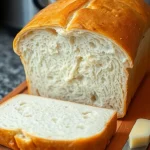
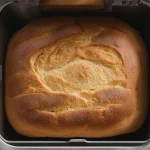
What’s the Best Bread Maker for Gluten-Free Bread?
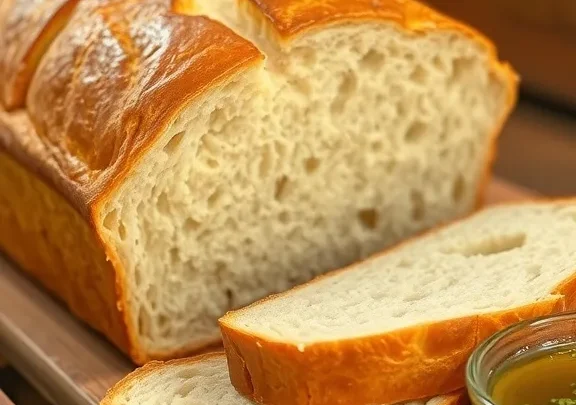
If you're asking what bread maker for gluten free bread, you already know the struggle. Store-bought GF loaves are pricey, small, and often taste like cardboard. A dedicated machine changes that, but only if you pick the right one.
Most bread machines handle wheat flour beautifully. Gluten-free dough is another story.
Gluten-free dough is a batter, not a stretchy dough. It needs a gentler kneading cycle, a longer rise, and a hotter bake to set properly. As of 2026, most mid-range machines include a dedicated gluten-free program.
Prices range from $60 to $350, and the right choice depends on your kitchen habits and health needs.
Why This Comparison Matters
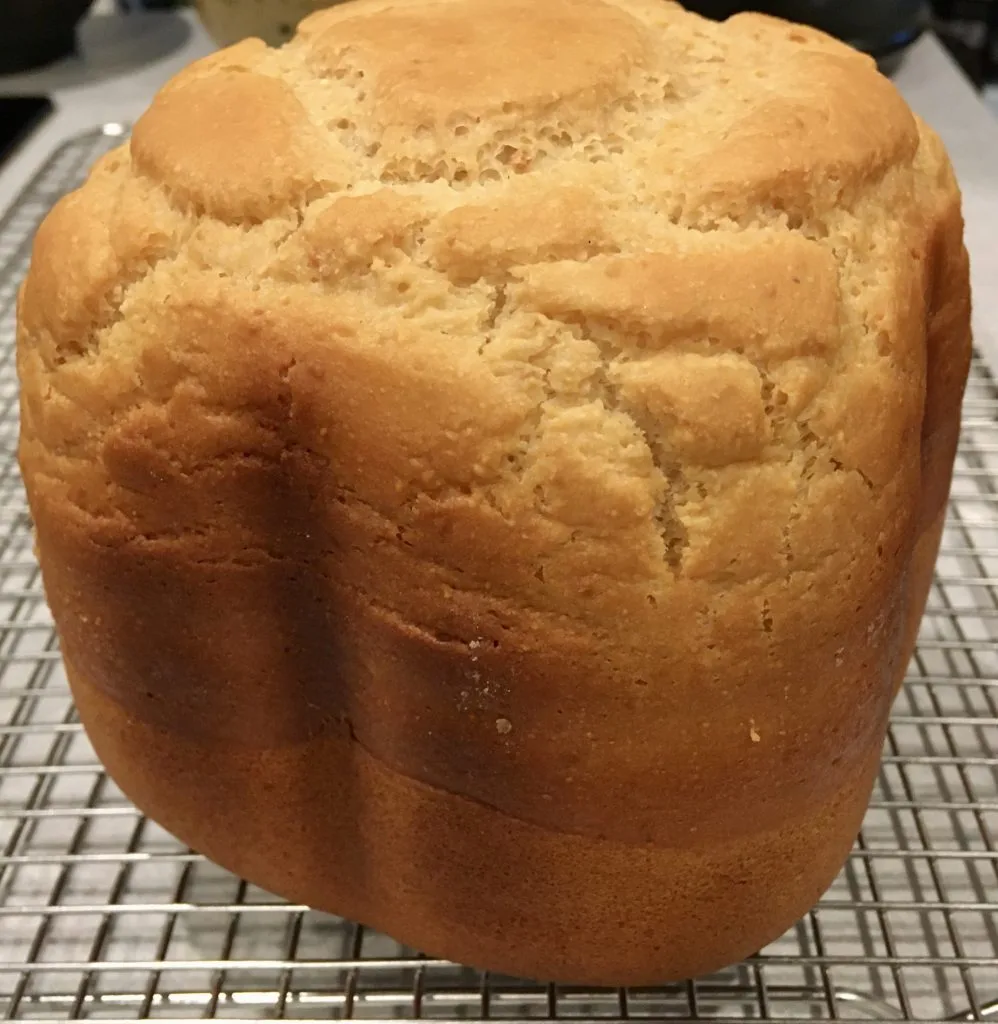
Choosing the wrong machine means dense, gummy loaves that end up in the trash. Gluten-free baking follows different rules than wheat baking. A standard bread machine doesn't automatically adapt.
That's why the comparison matters more than you'd think.
For people with celiac disease or gluten sensitivity, cross-contact is a real health risk. A machine that once baked wheat bread can leave traces of gluten in the pan seams and paddle. A dedicated gluten-free machine removes that worry completely.
The models below are the ones most discussed in gluten-free baking communities. Our analysis pulls from manufacturer specifications and verified buyer feedback. We focus on what actually affects your finished loaf, not flashy extras.
Quick Answer: What to Look for in a Gluten-Free Bread Maker
Buy a machine with a dedicated gluten-free cycle. Look for a horizontal loaf pan and removable kneading paddles. Choose adjustable crust settings and a viewing window.
- A true gluten-free cycle. This is the single most reliable predictor of success.
- Removable kneading paddles. They make cleanup easier and leave smaller holes in the loaf.
- Horizontal loaf pan. It gives you standard sandwich-shaped slices.
- Crust color control. GF bread browns fast before the middle sets.
- Viewing window. You can check progress without lifting the lid and collapsing the loaf.
Zojirushi and Panasonic lead the pack. Budget models like Cuisinart and Hamilton Beach work too, but they may need more attention during the first few bakes.
How Gluten-Free Bread Baking Differs in a Machine
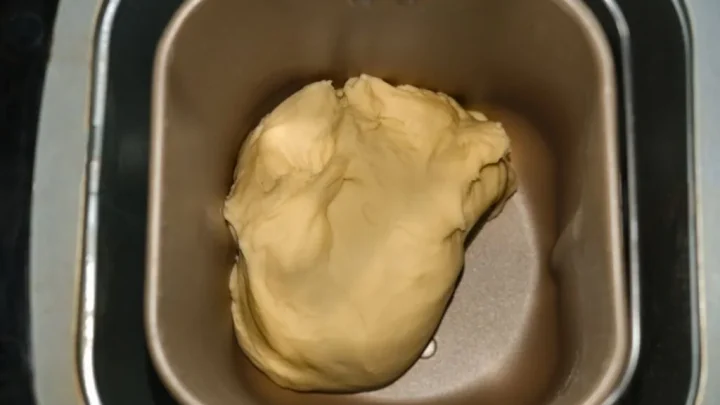
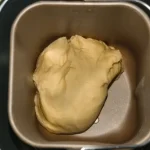
Gluten-free dough is wetter and stickier than wheat dough. It doesn't stretch or form a smooth ball. Instead, it needs a mixing process that folds and aerates the batter without overworking it.
Over-kneading is the biggest problem. Wheat gluten strengthens with kneading, but gluten-free batters break down. The result is a flat, tough, or overly dense loaf.
A dedicated GF cycle controls kneading speed, rise time, and bake temperature separately. That's why the preset matters more than high-wattage motors.
Hydration also plays a big role. Gluten-free flours absorb liquid differently than wheat flour. Some blends need more water, some need less.
Most GF cycles include a longer rise so starches and gums can hydrate fully.
Another common issue is overflow. Too much yeast or a delayed timer with fresh ingredients can cause a mess. Understanding the most common causes of bread machine overflow helps you avoid the same mistake.
According to the Celiac Disease Foundation, dedicated equipment reduces the risk of cross-contact. This is especially important in mixed households where one person eats gluten-free and the rest don't.
The Top Gluten-Free Bread Makers at a Glance
Zojirushi Home Bakery Virtuoso Plus
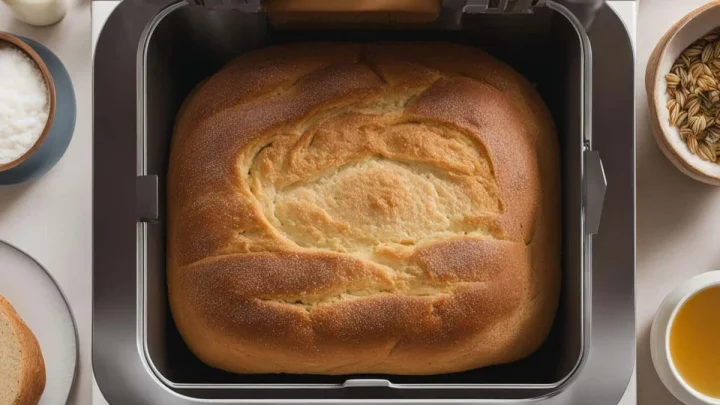
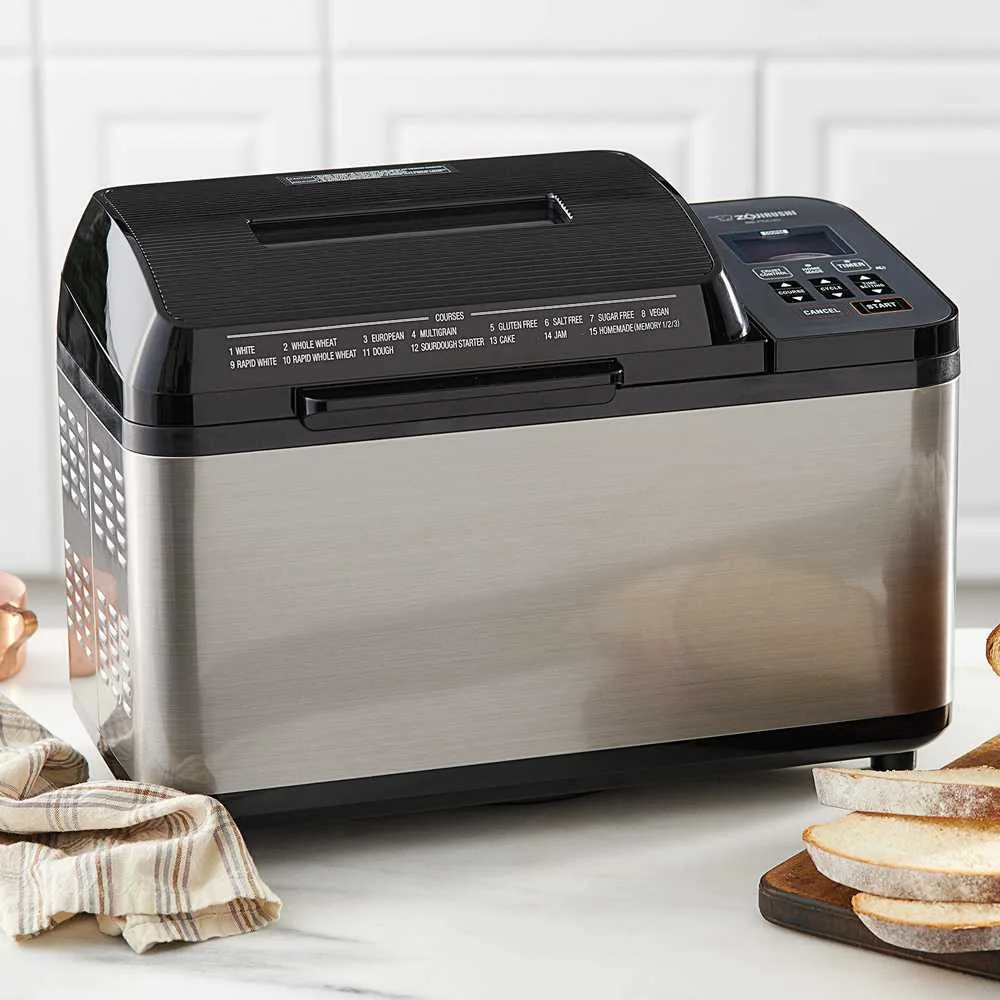
The Zojirushi Home Bakery Virtuoso Plus is widely considered the gold standard. It has a dedicated gluten-free cycle that takes about two hours and 20 minutes. The horizontal pan produces slices that look like regular sandwich bread, which makes toast and sandwiches feel normal.
It's also one of the quietest machines we've seen in research.
Zojirushi Home Bakery Mini
The Mini is the smaller sibling, designed for 1-pound loaves. It keeps the same dual-blade kneading system and gluten-free program. This model suits single people or couples who want fresh bread without leftovers.
Its compact size fits easily on a crowded countertop.
Panasonic SD-YD250
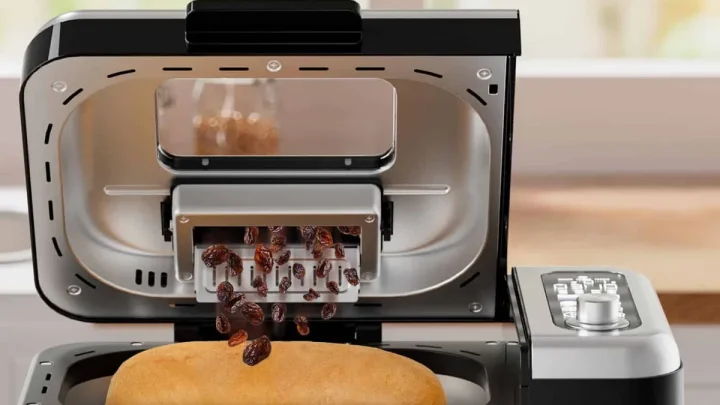
Panasonic is a huge name in bread machines outside North America. The SD-YD250 has a gluten-free program and a raisin and nut dispenser. Its home baker mode lets you customize the recipe and baking process manually.
This model is especially popular in the UK and Australia.
Cuisinart CBK-200
The Cuisinart CBK-200 is a solid mid-priced option with a 2-pound capacity. It has 12 preset programs, including a dedicated gluten-free setting. The machine also offers three crust shades and a delay timer.
It's a reliable workhorse for families.
Cuisinart CBK-110P1
The CBK-110P1 is the budget-friendly Cuisinart. It makes 1-pound or 1.5-pound loaves and includes a gluten-free cycle. The controls are simple, and the compact footprint works well in small kitchens.
You trade some precision for a much lower price.
Hamilton Beach 29885
Hamilton Beach offers one of the most affordable machines with a gluten-free setting. The 29885 has a 2-pound capacity and a view window. It's not as refined as the Zojirushi, but it gets the job done for occasional gluten-free bakers.
The bread pan is nonstick and dishwasher safe.
Breville BBM800XL Custom Loaf
The Breville BBM800XL is the most customizable machine on this list. It lets you program every phase of baking, including knead time, rise time, and bake temperature. That's perfect for gluten-free bakers who like experimenting with flour blends.
It also has a collapsible paddle that leaves almost no hole in the loaf.
Side-by-Side Comparison: Loaf Size, GF Cycles, and Price
Here's how the top models compare at a glance. Prices and specs reflect manufacturer listings as of 2026.
| Model | Loaf Sizes | Dedicated GF Cycle | Approximate Price | Best For |
|---|---|---|---|---|
| Zojirushi Virtuoso Plus | 1 lb, 1.5 lb, 2 lb | Yes | $300 to $350 | Serious home bakers |
| Zojirushi Mini | 1 lb | Yes | $250 to $280 | Singles and couples |
| Panasonic SD-YD250 | 1 lb, 1.5 lb | Yes | $200 to $250 | Customization fans |
| Cuisinart CBK-200 | 1.5 lb, 2 lb | Yes | $100 to $130 | Families on a budget |
| Cuisinart CBK-110P1 | 1 lb, 1.5 lb | Yes | $70 to $90 | First-time buyers |
| Hamilton Beach 29885 | 1.5 lb, 2 lb | Yes | $60 to $80 | Occasional baking |
| Breville BBM800XL | 1 lb, 1.5 lb, 2 lb | Yes | $250 to $300 | Recipe experimenters |
Price alone doesn't tell the whole story. The Zojirushi models cost more because they heat more evenly and knead more gently. The budget machines can still bake a good loaf, but you may need to babysit the first few batches.
Best Bread Makers for Different Types of Gluten-Free Bakers
The right machine depends on your household size, your health needs, and your budget. There isn't a single best choice for everyone. Let's break it down by real-world situations.
For Celiac Households
If you have celiac disease, a dedicated machine is non-negotiable. Even trace gluten can cause damage, so sharing a machine that has baked wheat bread is risky. The Zojirushi Home Bakery Virtuoso Plus is the safest pick here.
It's easy to clean thoroughly, and its dedicated GF cycle delivers consistent results.
If you only need one loaf at a time, the Zojirushi Mini works just as well. Both models have removable paddles and a smooth pan surface that doesn't trap old flour. Pair them with certified gluten-free flour blends and you're covered.
For Budget-Conscious Beginners
Starting with a budget machine makes sense if you're not sure how often you'll bake. The Cuisinart CBK-110P1 and the Hamilton Beach 29885 both have dedicated gluten-free cycles. They won't produce the same perfect rise as a Zojirushi, but they'll make a decent loaf once you dial in your recipe.
Expect a learning curve. Budget machines tend to heat unevenly, so the crust may be darker on one side. That's fixable by rotating the pan mid-cycle, but it takes practice.
For Small Kitchens and Single Loaves
If counter space is tight or you're baking for one, a 1-pound machine is the smart move. The Zojirushi Mini is compact and quiet, but it costs as much as a full-size model. The Cuisinart CBK-110P1 is cheaper and almost as small.
Choose the Mini if you want reliability. Choose the Cuisinart if you're watching your wallet.
What Features Actually Matter for Gluten-Free Loaves
Not all bread machine features matter equally for gluten-free baking. Some are essential. Others are just marketing noise.
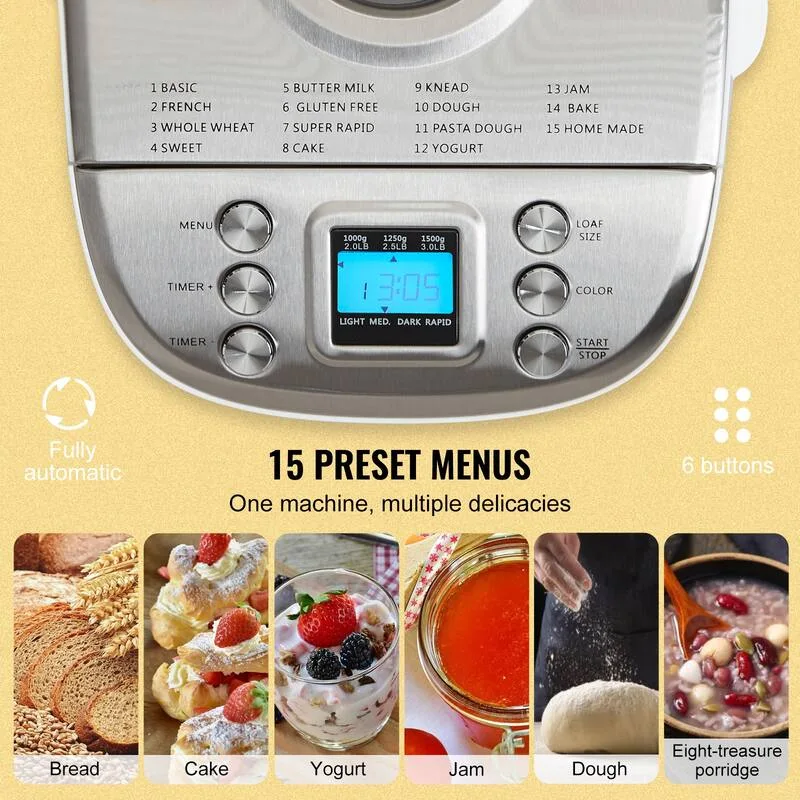
Here's what actually makes a difference:
- A true gluten-free cycle. It controls kneading speed, rise time, and bake temperature specifically for wet batters.
- Removable kneading paddles. They reduce the hole left in the bread bottom and make cleanup much easier.
- Horizontal loaf pan. It gives you sandwich-shaped slices. Vertical pans make taller, squarer slices that don't fit standard toasters.
- Crust control. Gluten-free dough browns quickly. A light or medium crust setting prevents burning before the middle sets.
- A viewing window. You can check the bake without lifting the lid and collapsing the loaf.
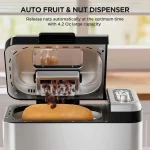
Skip extra features like automatic fruit and nut dispensers. They're not worth the price bump for gluten-free baking. Same with keep-warm cycles, which can dry out a loaf quickly.
If your machine doesn't have a dedicated GF cycle, you might still get good results. Use a manual program and shorten the kneading time. Add an extra rise period.
It's fiddly, but some budget models can be hacked that way.
Gluten-Free Bread Machine Mistakes to Avoid
The most common failures come down to a few repeatable mistakes. Avoid these and you'll save yourself plenty of baking failures.
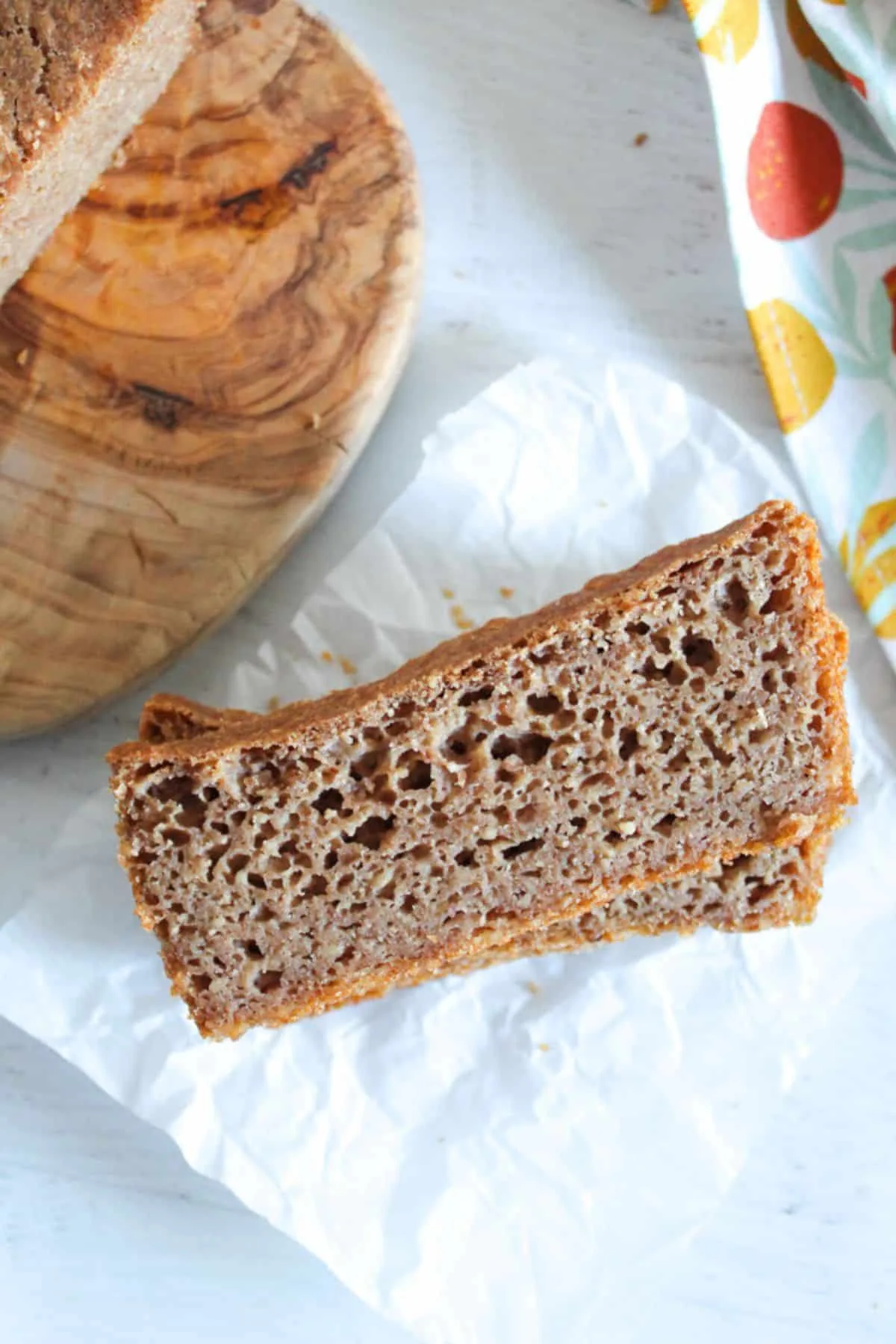
Using a wheat bread recipe. Gluten-free batter needs more liquid and a longer rise. Wheat recipes produce a dry, dense brick in a GF machine.
Over-kneading the batter. It looks smooth and shiny, so you let it run longer. That destroys the structure. Trust the preset cycle instead.
Peeking too early. Lifting the lid releases heat and steam. The loaf can sink before it sets. Use the viewing window and wait.
Slicing while warm. Gluten-free bread is delicate when hot. It crumbles easily. Let it cool on a rack for at least an hour.
Ignoring the delayed timer with fresh ingredients. Milk, eggs, and yogurt can spoil while sitting in the machine. Use a timer only with non-perishable ingredients.
Another common frustration is a pan overflowing. The causes range from too much yeast to a timer that's too long. The main reasons behind an overflowing pan are easy to spot once you know what to check.
Pro Tips for Getting a Tall, Tender Gluten-Free Loaf
A good gluten-free loaf needs a few more adjustments than a standard wheat loaf. These tips come straight from the patterns we see across gluten-free baking forums and verified reviews.
Weigh your ingredients. Gluten-free flours settle and compress differently. A kitchen scale gives you accurate grams instead of shaky cups. A 1:1 by weight ratio of flour to liquid is a common starting point, but check your blend's instructions.
Use room temperature liquids. Cold ingredients slow the yeast and shorten the rise. Warm water around 105°F to 110°F helps the yeast activate quickly.
Add a binder if the recipe calls for it. Xanthan gum and psyllium husk powder trap air and add structure. Don't swap them without adjusting the recipe.
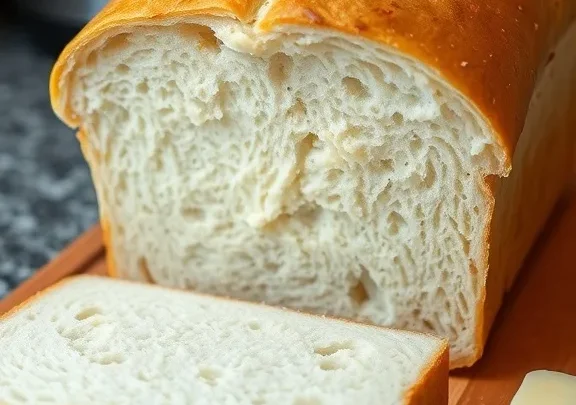
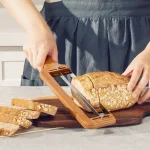
Let the loaf cool completely before slicing. Use a serrated knife and a gentle sawing motion. For soft crusts, store it in an airtight bag. For crisp crusts, leave it exposed to air for a few hours.
If the center is still doughy, bake it longer. Most machines have an extra bake or bake-only function. Run it for 15 to 20 minutes more. Check with a thin skewer.
It should come out clean.
Freeze slices for convenience. Gluten-free bread goes stale fast at room temperature. Freeze it in a zip-top bag and toast straight from the freezer.
Dedicated Machine vs. Regular Machine with a GF Cycle
There's an important difference between a dedicated gluten-free machine and a standard machine that has a gluten-free cycle. A dedicated machine is used only for gluten-free baking. A regular machine with a GF program can still be used for wheat bread when you want it.
If you live with someone who eats wheat bread, you need to decide whether sharing is safe. For someone with celiac disease, even residue in a paddle hinge or pan seam can be a problem. Washing thoroughly helps, but it doesn't guarantee total removal.
A dedicated machine eliminates that worry completely.
If you're gluten-sensitive but not celiac, a regular machine with a GF cycle might be fine. Clean the pan, paddle, and shaft with hot, soapy water after every wheat bread bake. Run a cleaning cycle with warm water and white vinegar before your first gluten-free loaf.
One note: no bread machine is certified gluten-free by any official body. The machine itself is not a food product. Certification applies to your flours, mixes, and binders.
Pick a machine that's easy to clean and commit to using only GF ingredients if you want the safest setup.
Costs and Long-Term Value: Is a Gluten-Free Bread Maker Worth It?
The math works out if you bake regularly. Store-bought gluten-free bread costs $6 to $9 per loaf. Homemade loaves cost between $3 and $5 in ingredients.
That's a $3 to $5 saving per loaf.
| Machine Price | Store-Bought GF Loaf | Homemade GF Loaf | Break-Even Point |
|---|---|---|---|
| $80 | $7 | $4 | About 27 loaves |
| $150 | $7 | $4 | 50 loaves |
| $350 | $7 | $4 | 117 loaves |
If you bake once a week, a $150 machine pays for itself in about a year. There's also the value of control. You choose certified gluten-free flours, skip preservatives, and avoid cross-contact entirely.
If you bake less than once a month, a machine might not be worth it. Frozen GF bread from the store works fine for occasional use. But if you miss warm, fresh bread, the investment pays off in convenience alone.
Maintenance and Cleaning: Keeping Your Machine Cross-Contact-Free
A clean machine is a safe machine. The pan, paddle, and kneading shaft need hot, soapy water after every use. Use a soft sponge to protect the nonstick coating.
Scratches can trap crumbs, which is a real concern for celiac households.
Never submerge the machine base in water. Wipe it down with a damp cloth instead. Run a cleaning cycle with warm water and white vinegar once a month.
That removes residue, odors, and any lingering flour particles.
Pay special attention to the paddle hinge and shaft seam. These areas hide old dough and gluten residue. A small brush helps reach tight spots.
Let every part air dry fully before reassembling. Moisture leads to mold, and mold ruins the next loaf.
FAQs About Gluten-Free Bread Makers
Can I use a regular bread machine for gluten-free bread?
Yes, if it has a dedicated gluten-free cycle. These cycles use a shorter knead and a longer bake. Without that preset, the batter gets over-kneaded and collapses.
Do I need a dedicated bread machine if I have celiac disease?
Yes, it's strongly recommended. Trace gluten can linger in the pan seams, paddle hinge, and shaft. Even a thorough washing doesn't guarantee full removal.
A dedicated machine removes that risk entirely.
Why does my gluten-free bread turn out dense or gummy?
It usually means over-kneading, under-baking, or too little liquid. Weigh your ingredients, trust the GF cycle, and add extra bake time if the center is still raw.
What's the best flour blend for a gluten-free bread machine?
Certified gluten-free bread mixes are the easiest starting point. They're formulated for machine settings. If you blend your own, adjust the xanthan gum and liquid levels carefully.
Final Verdict: Which Gluten-Free Bread Maker Should You Choose?
So, which machine wins? It depends on your priorities.
- Best overall for most households: Zojirushi Home Bakery Virtuoso Plus. Reliable, quiet, and produces consistent sandwich loaves.
- Best for singles and couples: Zojirushi Home Bakery Mini. Perfect 1-pound loaves without taking over the kitchen.
- Best for budget-conscious beginners: Cuisinart CBK-110P1. Affordable, simple, and includes a real GF cycle.
- Best for first-time buyers unsure about commitment: Hamilton Beach 29885. Low risk and decent results.
Whichever you pick, start with certified gluten-free ingredients. Clean the pan thoroughly after every bake. Give your first few loaves some grace.
Gluten-free baking has a learning curve, but the right machine makes the climb much easier.

Similar Posts