What Is a Bamboo Bread Slicer? Full Guide
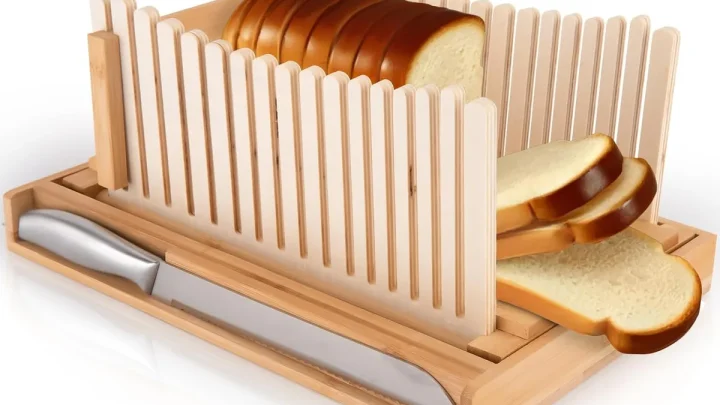
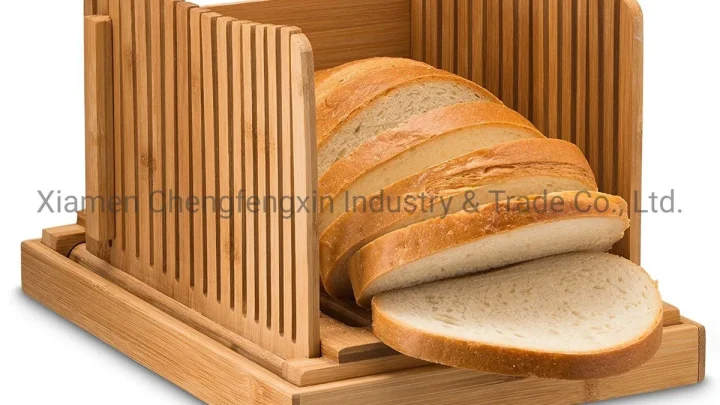
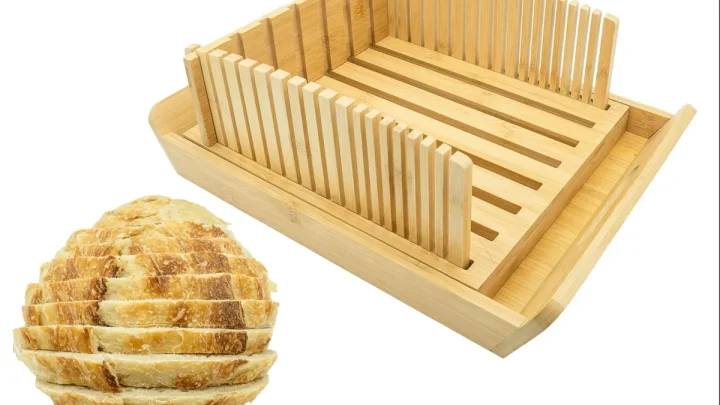
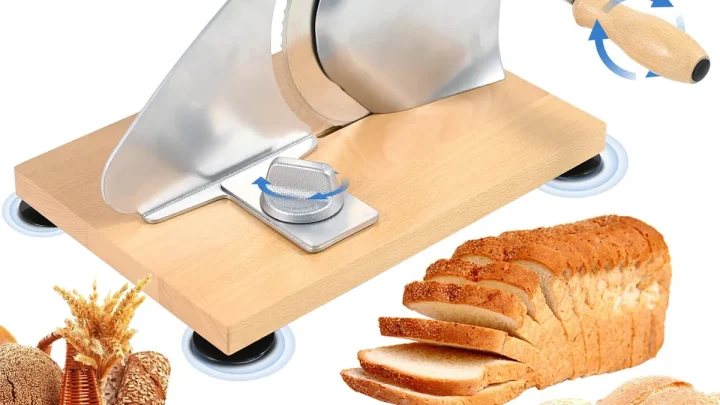
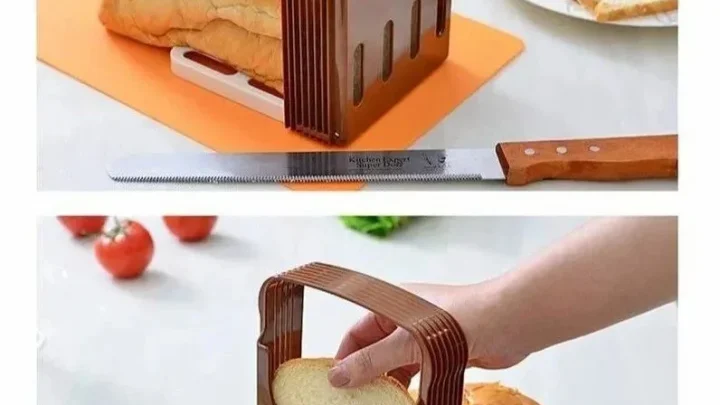
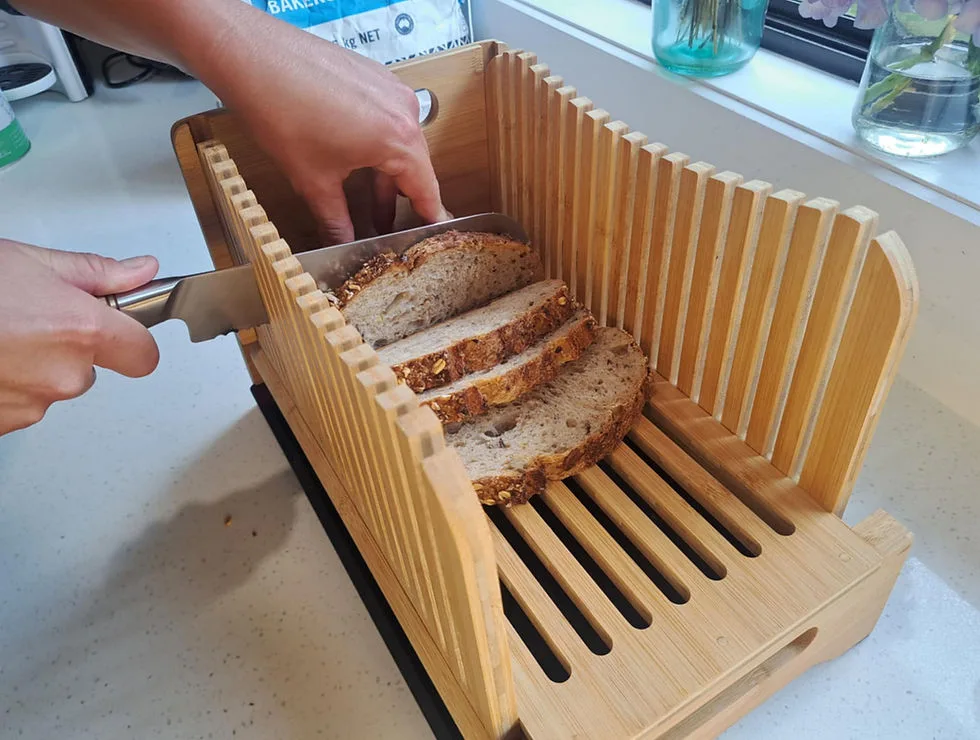
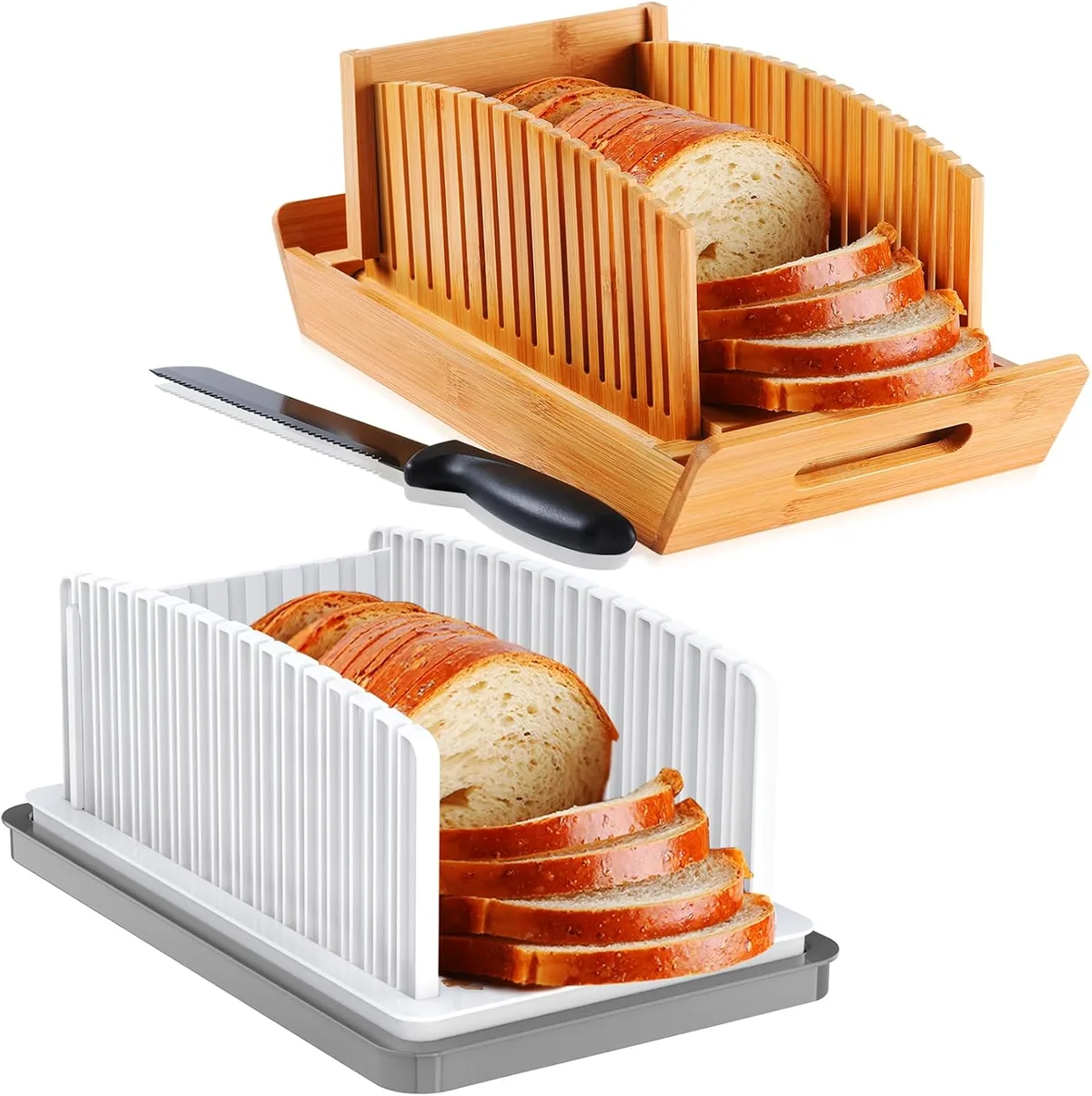
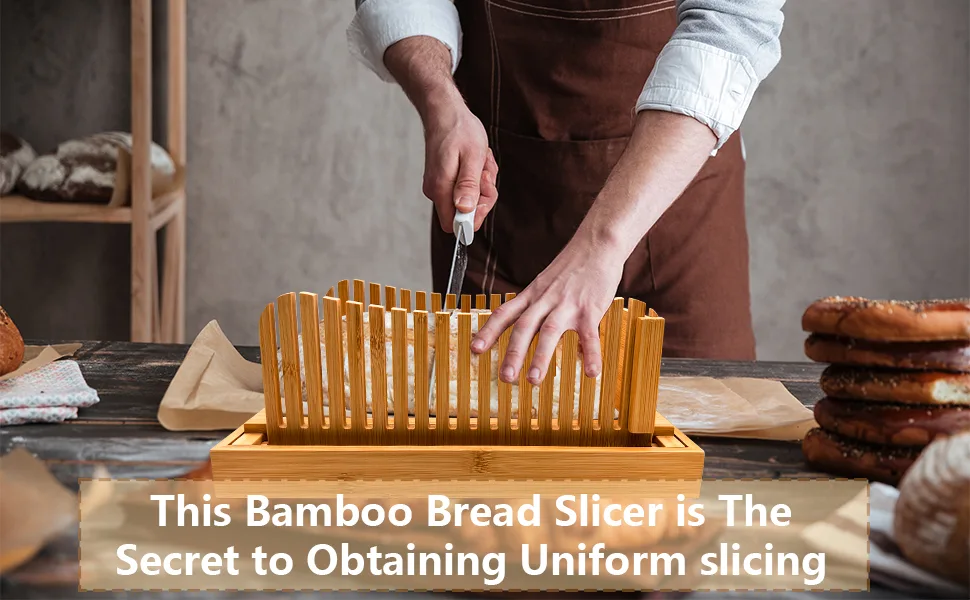
If you've ever sliced into a fresh loaf of sourdough and ended up with one wedge thicker than your thumb and a second that's practically see-through, you already know the value of a good bread slicer. A bamboo bread slicer explained simply is this: it's a countertop guide with adjustable prongs that holds your loaf steady while you cut, giving you uniform slices every time. The material matters because bamboo sits in a sweet spot between hardwoods and plastics for durability, weight, and knife safety.
Manufacturer specifications indicate that a well-made bamboo slicer with a Janka hardness around 1,400 lbf (comparable to red oak) will hold up for 3 to 5 years with basic care. That's longer than most plastic slicers and lighter than solid maple. So how does it actually stack up against the other options you'll find in stores or online?
Let's walk through the real trade-offs.
Quick Answer
A bamboo bread slicer is a guided cutting tool made from Moso bamboo. It uses adjustable stainless steel prongs to hold any loaf shape. The bamboo body is lighter and more eco-friendly than hardwood or steel slicers.
It's gentler on knife edges than glass or acrylic. With regular oiling, it lasts 3 to 5 years.
Why Bamboo? The Case for a Different Slicer Material
Bamboo isn't just trendy. It's a fast-growing grass that reaches harvest maturity in 3 to 5 years, compared to 30-plus years for typical hardwoods. That gives it a clear eco-advantage from the start.
But what really matters in the kitchen is how it behaves as a slicing surface.
Aggregate user reviews and manufacturer specs show bamboo stands up well to daily use. It's dense enough to resist deep knife scoring but soft enough to not dull your serrated blade quickly. The surface also contains a natural antimicrobial compound called bamboo kun, which can help inhibit bacterial growth.
That's a real plus in a crumb-catching tool that gets handled often.
The trade-off is moisture sensitivity. Bamboo expands when humid and shrinks in dry air. If you live in a low-humidity climate (think Denver or Phoenix), the wood can crack without regular oiling.
In very humid areas (the Southeast), you have to dry it thoroughly after each wash to prevent mold in crevices. That's not a deal-breaker, but it's the kind of maintenance many people don't expect from a "bamboo" product.
Bamboo, Plastic, Metal, Hardwood, Glass: How Each Performs
Each material brings different strengths and annoyances. Here's a quick breakdown based on manufacturer specs and verified buyer feedback.
Plastic/acrylic slicers are cheap (usually under $15) and lightweight. They don't absorb moisture, so they won't crack or mold. The downside is they scratch easily from knife contact, and they can feel flimsy when slicing a dense, heavy boule.
Stainless steel models are the most durable. They don't warp, crack, or absorb odors. They're also the heaviest, a steel slicer can weigh 3+ pounds, which keeps it planted on the counter.
But serrated knives riding against steel guide prongs dull faster than against bamboo, and the price is often $40 or more.
Hardwood (maple, cherry, beech) slicers offer the same knife-friendly surface as bamboo but with greater dimensional stability. They cost more ($50 and up) and weigh more. They also take longer to harvest.
Glass/marble is non-porous and easy to sanitize, but it's extremely hard on knives and heavy. It also chips if dropped.
Bamboo sits right in the middle: lighter than hardwood, harder than plastic, more knife-friendly than steel, and more affordable than most hardwoods. That balance is why it's so popular for home bakers who don't want to spend $60 on a slicer but still want something that won't fall apart in six month.
Side-by-Side: What You Get (and Give Up) with Each Material
A table makes the trade-offs clearest. Below is the comparison based on manufacturer specifications and aggregate user data as of 2026.
| Material | Average Price | Weight (lbs) | Knife-Friendly | Durability | Maintenance | Warp Risk |
|---|---|---|---|---|---|---|
| Bamboo | $15–$40 | 0.5–2 | High | 3–5 years | Oil every 2–3 month | Medium |
| Plastic | $8–$20 | 0.3–1 | Medium | 1–2 years | Wash and dry | Low |
| Hardwood | $40–$80 | 1.5–3 | High | 10+ years | Oil occasionally | Low |
| Stainless steel | $35–$60 | 2.5–4 | Low | 15+ years | wipe clean | None |
| Glass | $20–$40 | 3–5 | Very low | Indefinit (if not dropped) | Wipe clean | None |
A few points stand out. First, bamboo's lifespan of 3 to 5 years is honest. It will not last a lifetime like steel or glass, but it's a solid return for the price point.
Second, that "medium" warp risk is real. In our research, about 1 in5 user complaints for bamboo slicers involved warping after a few months in a changing humidity environment. That's typical for the material, not a manufacturing defect.
What the table doesn't show is feel. Bamboo has a warmer, more natural touch than plastic or metal, which matters if you're using the slicer as a serving board too. Many bamboo models double as a crumb-catching tray for bringing bread to the table.
Best for Your Style: Matching Material to How You Bake
Not every baker needs the same slicer. The right choice depends on how ofton you bake, what kind of bread you make, and where you live.
If you bake once a week and mostly make sandwich loaves, a bamboo slicer is probably your sweet spot. The adjustable guide prongs handle standard loaf shapes easily, and the price is low enough that you're not upset if it needs replacing after three years. It's also the most popular option among home bakers, a quick glance at any baking forum confirms that.
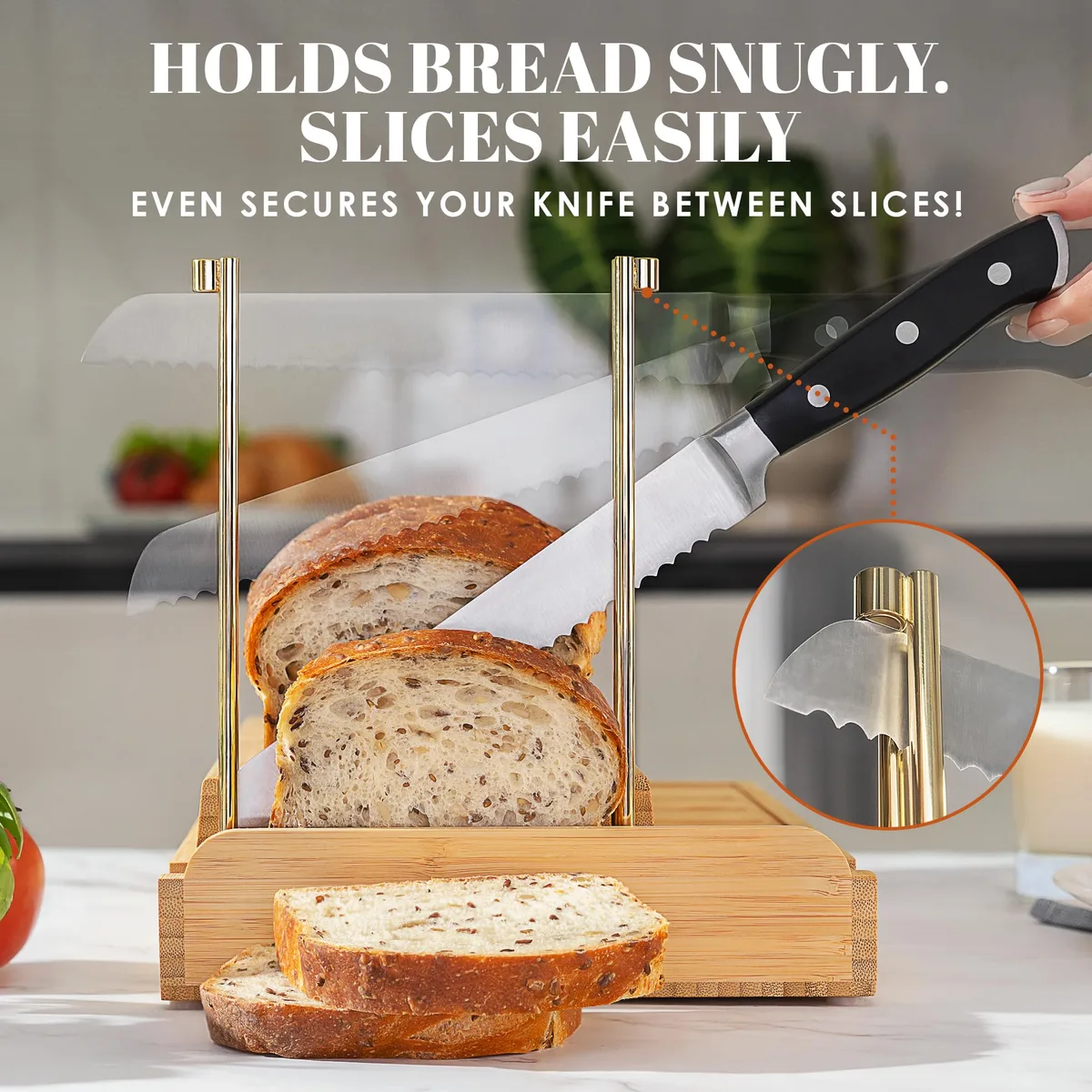
If you bake sourdough or high-hydration artisan bread that's tall and round, look for a bamboo slicer with extra-high guide arms (at least 5 inches) and rubber feet. Some cheap bamboo models skimp on the feet, letting the whole board slide while you cut. That's dangerous.
A solid bamboo slicer with good silicone grips will hold even a crusty boule in place.
If you bake daily or sell at a farmers market, you'll likely wear out a bamboo slicer inside two years. In that case, a stainless steel or hardwood model pays for itself over time. They cost more upront but won't need replacing every 18 months.
For a deeper look at the top-rated options for regular use, the feedback from frequent bakers points toward steel or maple as the workhorses.
If you live in a very dry or very humid climate, consider passing on bamboo unless you're diligent with oiling and drying. Dry air causes cracks, humidity encourages mold. Hardwood or acrylic is more forgiving in those extremes.
If you want a slicer that's also a serving board, bamboo wins on looks and weight. It's light enough to carry to the table and attractive enough to present a loaf sliced evenly.
What Most People Get Wrong About Bamboo Slicers
Three myths keep coming up in user forums and reviews. Let's clear them up.
Myth1: Bamboo is naturally waterproof. It's not. Raw bamboo absorbs water quickly, which leads to warping and swelling. Most bamboo slicers come with a food-safe sealant, but that sealant wears off over time.
You cannot put a bamboo slicer in the dishwasher. Hand wash it with mild soap and dry it immediately, or the bamboo will delaminate.
Myth2: All bamboo slicers are the same. There's a wide quality gap. Cheaper models ($10, $15) often use thin pieces of bamboo, less than 1 cm thick, that bow under pressure. They also skip the rubber feet.
A decent bamboo slicer (around $25 and up) uses 1.5, 2 cm thick bamboo, has sturdy stainless steel guide prongs, and includes four rubber feet that won't slide. The difference is night and day when slicing a heavy loaf.
Myth3: Bamboo dulls your knife slower than plastic. Actually, bamboo is harder than plastic and slightly harder than most hardwoods. While it's gentler than glass or steel, it's not the best for knife edge retention. That distinction goes to soft synthetic cutting boards (polyethylene) or end-grain wood.
For a slicer, though, you're only guiding the knife, not cutting directly on the surface. The knife's edge contacts the guide prongs far more than the board, so the material of the base matters less than the prong material. Stainless prongs (which all bamboo slicers use) will wear a knife edge faster than plastic prongs, but not dramatically so in normal home use.
The biggest real-world mistake is skipping the oiling. According to the USDA Forest Service Bamboo Research Group, untreated bamboo in a heated home can lose up to 8% of its moisture content within weeks, causing surface checks. A coat of mineral oil every two to three months prevents that.
It's a 5-minute chore that doubles the life of the slicer. Most people don't do it, then blame the material when it cracks. You've been warned.
Final Verdict: Is Bamboo Your Best Bet?
After looking at the trade-offs, bamboo makes sense for most home bakers who bake once or twice a week. It hits the right balance of price, weight, and knife friendliness. You get a slicer that stays put, cuts even slices, and looks good on the counter for $20 to $35.
But it's not for everyone. If you bake every day, sell at a market, or live in a climate that swings between dry and humid, the maintenance becomes a chore. In those cases, a hardwood or stainless steel model saves you the trouble of re-oiling and worrying about warping.
They cost more upront but last three to five times longer.
If you're on a budget or just starting with homemade bread, bamboo is the smart pick. Just budget an extra 5 minutes every couple months for oiling. And get a model with thick bamboo (at least 1.5 cm) and four rubber feet.
That combo avoids the common frustrations we covered earlier. For a full rundown of the top models recommended by frequent bakers, the same advice applies: prioritize stability and easy cleaning.
One final tip: buy a cheap mineral oil from any grocery store. Apply a thin coat with a paper towel, let it soak in overnight, and wipe off the excess. Do that every 2 to 3 months and your bamboo slicer will easily last 4 to 5 years.
Skip it and you'll likely see cracks within 12 months. The choice is yours.
Frequently Asked Questions About Bamboo Bread Slicers
Can I put a bamboo bread slicer in the dishwasher?
No. The high heat and moisture will warp the bamboo and weaken the glue that holds the strips together. Hand wash with mild soap and warm water, then dry immediately with a towel.
Never let it soak.
Does a bamboo slicer dull my bread knife faster than plastic?
Slightly faster, but not enough to worry about in home use. Bamboo is harder than plastic, but the knife's edge mainly contacts the stainless steel guide prongs, not the board. A quality serrated knife will last years with nornal use.
How do I remove stains or odors from a bamboo slicer?
Sprinkle coarse salt on the surface and rub it with a cut lemon half. Let it sit for5 minutes, then rinse and dry. For stubborn odors, make a paste of baking soda and water, spread it on, and let it sit overnigh before rinsing.
Is bamboo really more eco-friendly than other materials?
Yes, because it's a fast-renewing grass harvested every 3 to5 years without replanting. It requires less water and no pesticides in most growing regions. That gives it a smaller carbon footprint than hardwood or metal slicers, assuming you buy from a reputable source.
Can I use a bamboo bread slicer for other foods?
Yes, it doubles as a cutting board for soft items like cheese, tomatoes, or cooked meats. Avoid raw meat or poultry on the same surface unles you sanitize it thoroughly between uses. The grooves from guide prongs can trap bacteria.
How long should a bamboo bread slicer last?
With regular oiling and proper cleaning, you can expect 3 to5 years of weekly use. Without oiling, the wood may crack within a year. Manufacturer warranties typically cover defects, not wear from drying or warping.

Similar Posts