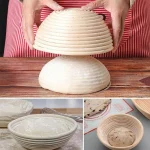
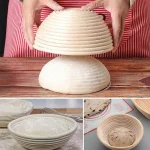
Find the Perfect Proofing Basket Size for Rye Bread
Figuring out what size proofing basket for rye bread you need feels confusing, because most banneton sizing charts assume wheat dough. That assumption falls apart the moment you shape a sticky, dense rye dough. It doesn't rise like wheat dough.
It doesn't hold its shape. It often spreads flat or climbs the walls unevenly.
The answer comes down to dough weight, hydration, and how much rye is actually in your mix. As of 2026, manufacturer specifications still list basket capacities using wheat dough. That leaves rye bakers guessing.
Our research shows a 1kg rye dough has roughly the same volume as a 700g wheat dough. That one difference changes the basket size you need.
Quick Answer
Use a basket one size smaller than you would for wheat dough. A 500g rye loaf fits an 8-inch round basket. A 750g rye loaf needs a 9-inch round basket.
A 1kg rye loaf belongs in a 10-inch round basket or a 12-inch oval. Mixed rye-wheat blends can follow standard wheat sizing.
The Problem: Why Rye Dough Doesn't Fit the "Standard" Banneton Rule
Most proofing basket guides use wheat dough as the baseline. They tell you a 1kg loaf needs a 10-inch basket, no matter what flour you used. That advice works fine for a springy, gluten-rich wheat dough.
It fails for rye.
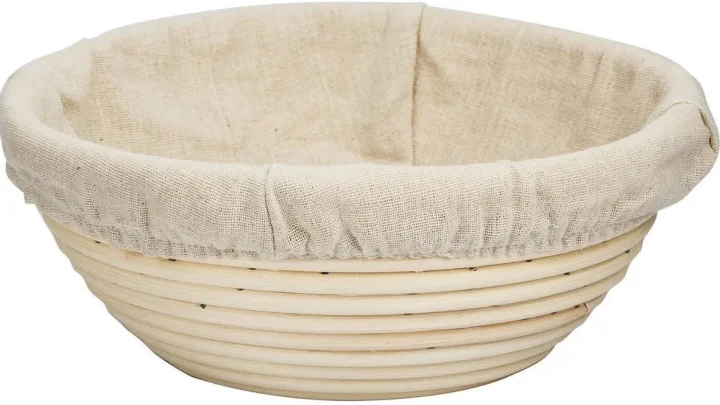
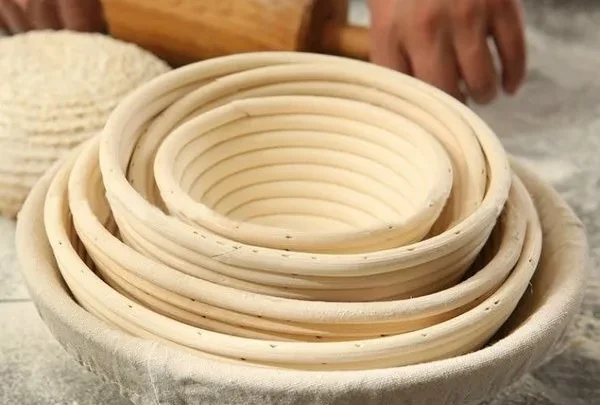
A proofing basket, also called a banneton or brotform, holds dough during its final rise. It gives the dough structure and shape while it ferments. For wheat dough, the gluten network does most of that work.
For rye dough, the basket has to do almost all of it.
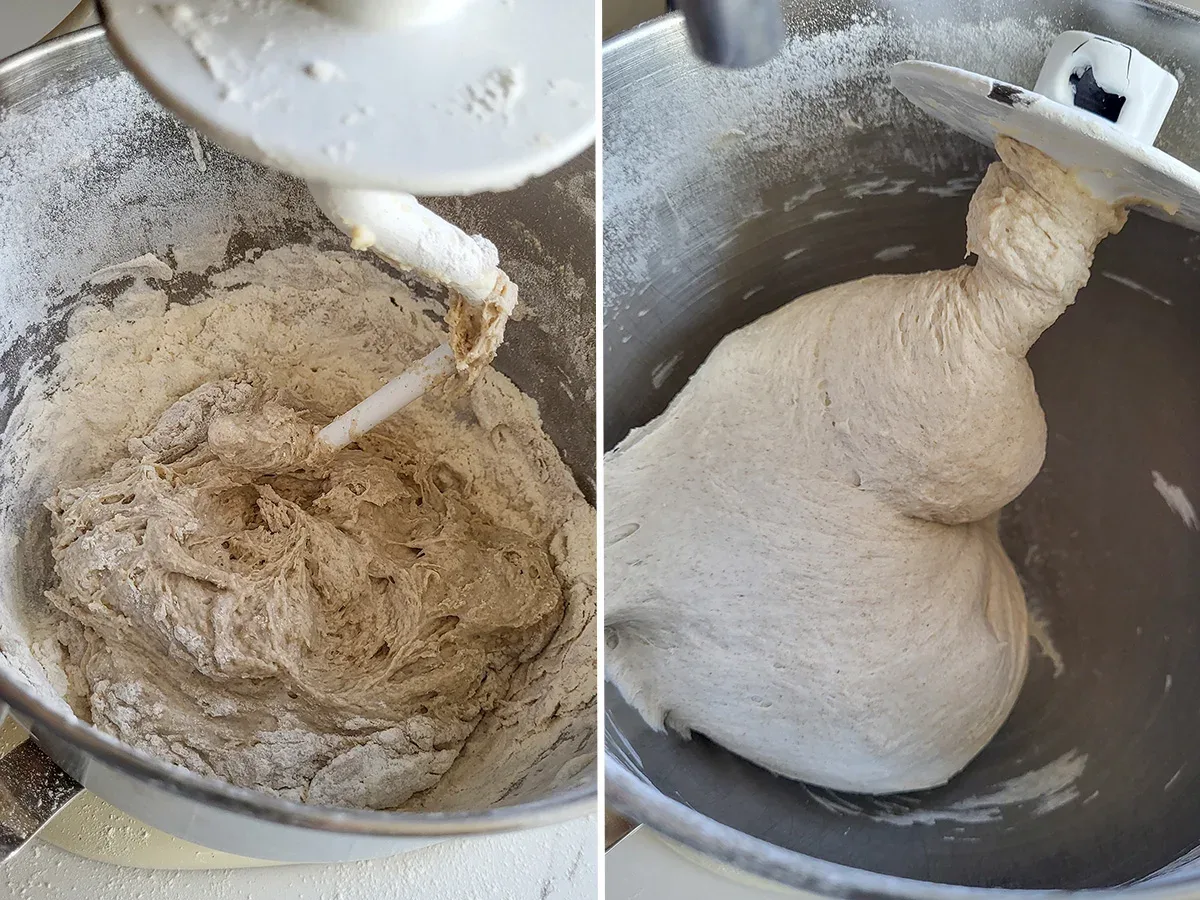
Rye flour has very little gluten. Without gluten, the dough can't trap gas the same way. It stays dense and slack.
It wants to spread outward, not upward. If your basket is too large, the dough won't fill it. Instead, it flattens into a wide, heavy disc that bakes into a brick.
That's why the generic charts feel wrong when you try them. They're not designed for rye. The right size is smaller than the standard recommendation, often by a full inch of diameter.
How Rye Dough Behaves During Proofing
Rye dough proofing is a different process from wheat dough proofing. Wheat dough expands as fermentation produces gas. The gluten stretches and traps that gas.
Rye dough can't do that. Most of the gas escapes, so the loaf barely rises.
A typical wheat dough doubles in volume during the final proof. A typical 100% rye dough might increase by only 30 to 40 percent. This is a big deal when you're choosing a basket.
You need a vessel that matches the final proofed volume, not the raw dough weight.
Hydration makes the behavior even harder to predict. Pure rye doughs are often mixed at 75 to 85 percent hydration because rye flour absorbs so much water. That high moisture makes the dough sticky, tacky, and very slack.
It doesn't hold a proud dome. It slowly slumps toward whatever shape your basket gives it.
A mixed dough with at least 50 percent wheat behaves differently. The wheat gluten provides structure, so the dough rises more. That means standard wheat-based basket sizing actually works for those blends.
You only need to overshoot or undershoot when the rye content dominates.
Research from the Washington State University Bread Lab confirms that rye's low gluten content limits its gas retention. That's not a baking flaw. It's just the nature of the flour.
Once you understand it, choosing the right basket becomes much easier.
The Real Sizing Decision Tree: Matching Basket to Dough Weight
You can memorize a chart, but the logic matters more. Here's the process we use to match any rye dough to the right proofing basket.
Step 1: Weigh Your Final Dough After Shaping
Don't guess based on the recipe's total flour weight. Your final dough weight includes flour, water, starter, and salt. That's the number that determines basket size.
Weigh it right after your first shape, before the dough goes into the basket.
Step 2: Determine Your Hydration Level
Hydration is the percentage of water relative to flour. For example, 750g of water with 1,000g of flour is 75 percent hydration. The higher the hydration, the more the dough spreads.
High-hydration rye dough behaves like it's heavier than it is. Low-hydration rye, around 65 to 70 percent, holds its shape much better.
Step 3: Choose Round or Oval Based on Your Loaf Style
A round banneton produces a boule, perfect for rustic hearth loaves. An oval basket creates a bâtard or a sandwich-style loaf. The shape affects the size you need.
Ovals hold more dough for the same listed diameter because they are longer.
Step 4: Check the Basket's Actual Capacity in Grams
Most baskets list a dough weight capacity, not just a diameter. Look for that number. A basket rated for 1kg of wheat dough will comfortably hold about 700 to 800g of pure rye dough.
If you're using a mixed dough with 50 percent or more wheat, the standard rating applies.
Step 5: Adjust for the Type of Rye Dough
| Dough Type | Basket Size | Notes |
|---|---|---|
| 500g 100% rye | 8-inch round | Snug fit prevents spread |
| 500g rye-wheat blend | 8-inch round | Standard wheat sizing works |
| 750g 100% rye | 9-inch round | Tight fit, proofs upright |
| 750g rye-wheat blend | 9-inch round | Standard wheat sizing works |
| 1kg 100% rye | 10-inch round or 12-inch oval | Dough will look low in basket |
| 1kg rye-wheat blend | 10-inch round or 12-inch oval | Wheat structure supports more rise |
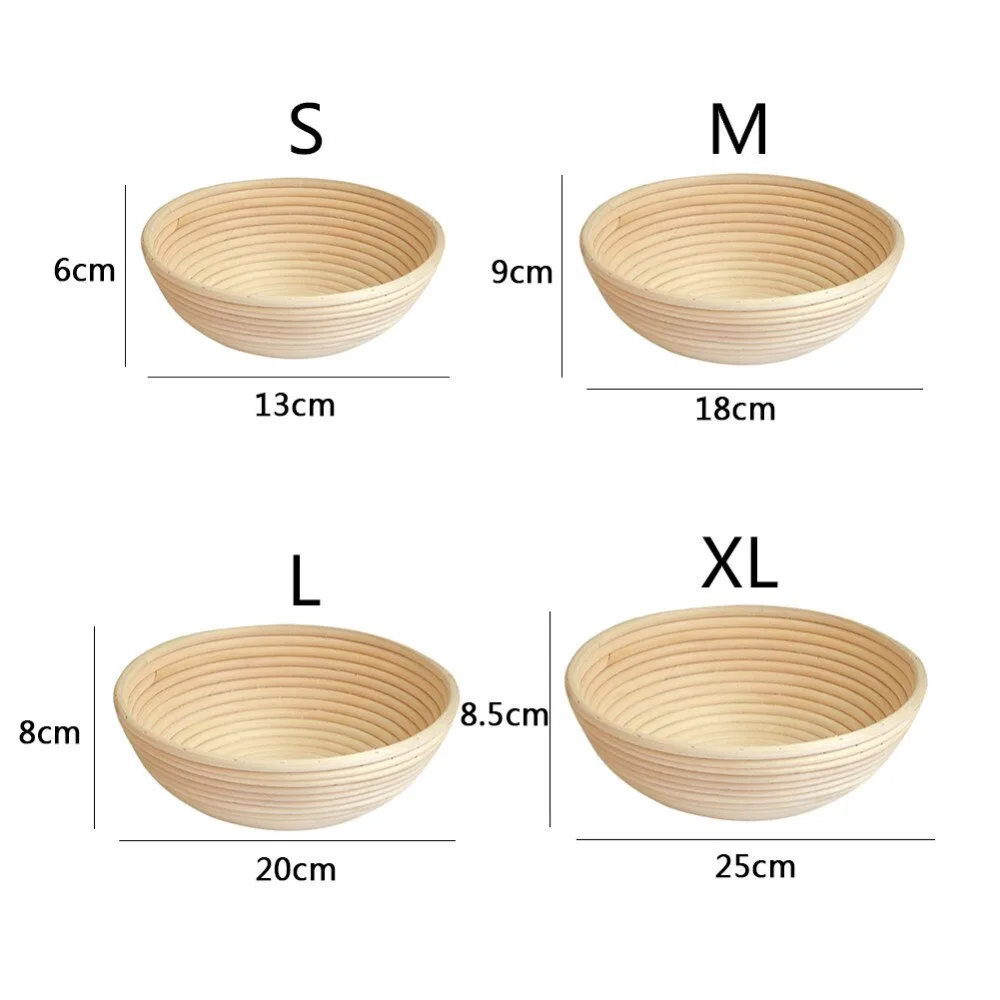
The simplest rule is this. If you have a pure rye dough, drop down one basket size from what you'd use for wheat. If you have a mix that's at least 50 percent wheat, use your normal sizing.
Round vs. Oval: Which Basket Shape Suits Your Rye Loaf?
Shape matters more than most bakers think. It's not just about looks. Your basket shape controls how the dough supports itself during the final proof.
Round Baskets Are Best for Rustic Boules
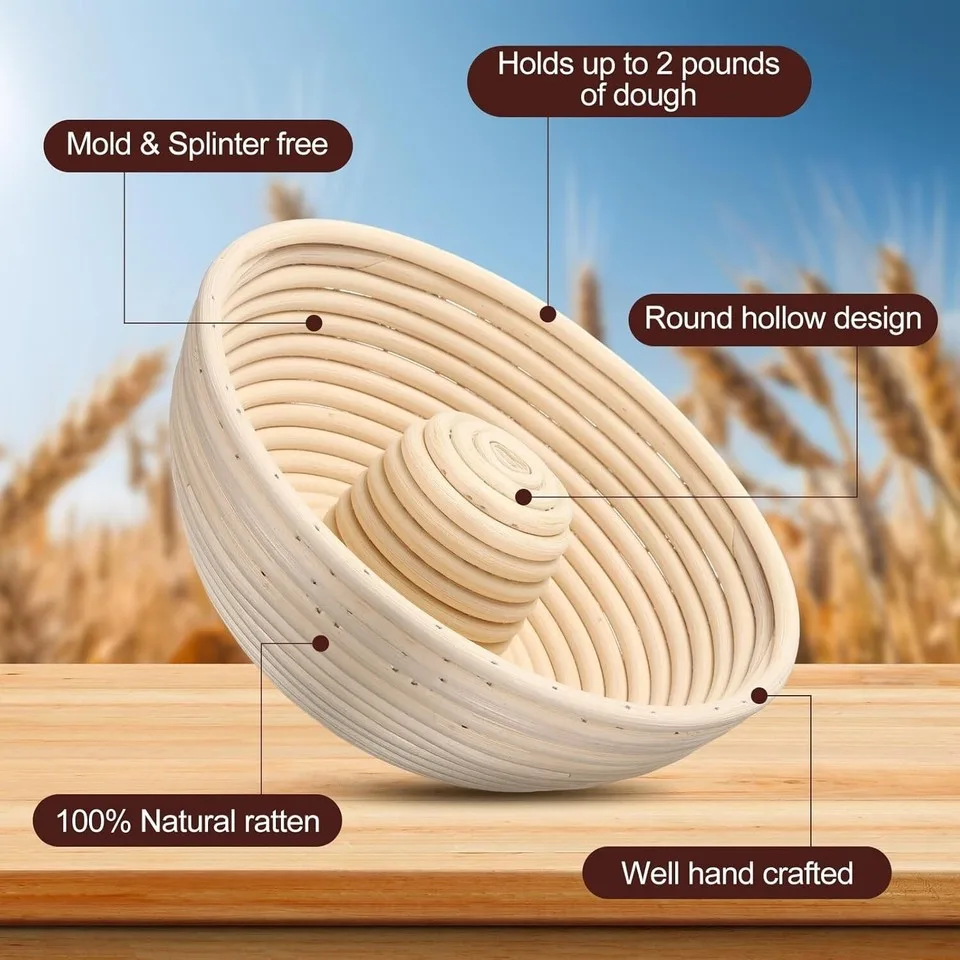
A round banneton creates a tall, circular loaf with a beautiful domed top. This shape works well for dense rye breads because the curved walls support the dough on all sides. The dough can't slump in any one direction, which helps it hold its height.
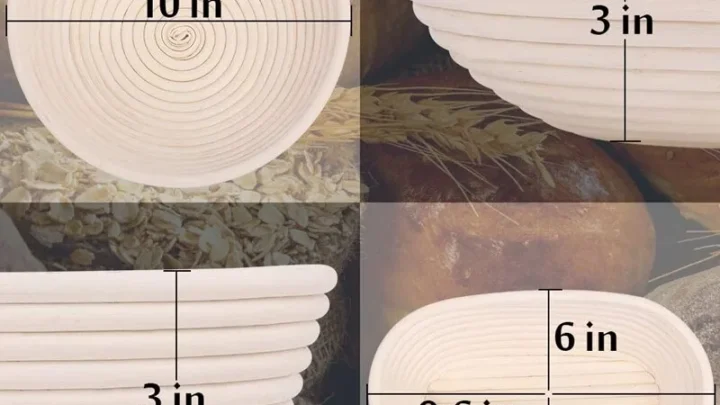
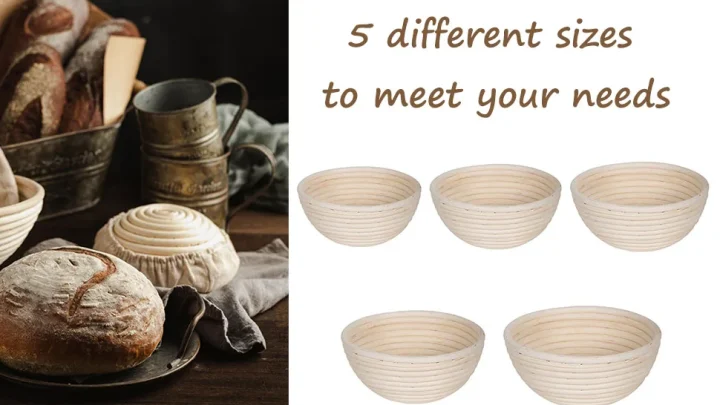
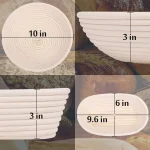
Round baskets range from about 6 inches to 12 inches in diameter. For rye, stay snug. A 1kg rye dough in a 10-inch round basket will fill it about halfway.
That's normal. The walls are doing the work.
Oval Baskets Are Better for Sandwich Loaves and Bâtards
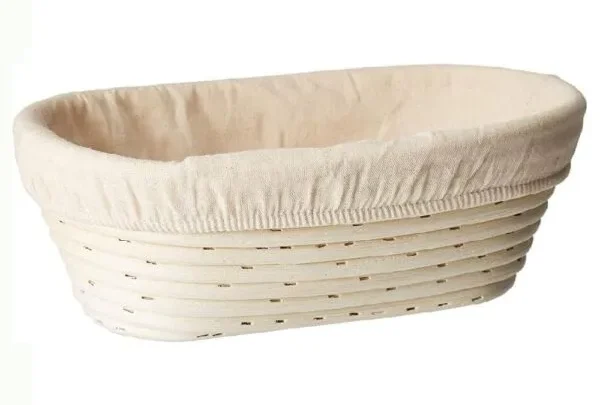
Oval baskets, sometimes called brotforms, produce a longer, lower loaf. They're ideal for German-style rye breads, Vollkornbrot, and any loaf you plan to slice for sandwiches. The wider footprint gives the dough a natural elongated shape.
An oval basket rated for 1kg will be about 12 inches long and 5 inches wide. For pure rye, that size handles about 750g comfortably. Again, go one size smaller than you would for wheat.
Match the Basket to Your Baking Setup
Consider how you'll bake. If you're using a Dutch oven, a round basket is usually easier because round loaves fit round pots. If you're baking on a stone or a peel, an oval loaf is easier to slide off and score.
Your basket shape should match your baking setup, not just your aesthetic preference.
For open baking without a Dutch oven, the right basket shape gives you extra structure. The dough holds its form during the transfer to the oven. That's the difference between a proud rye loaf and a sad, flat one.
Unlined vs. Lined Baskets: What Actually Works for Rye
The interior of your basket matters just as much as the size. Rye dough is stickier than wheat dough. The surface it proofs on can make or break your bake.
Unlined Cane Baskets
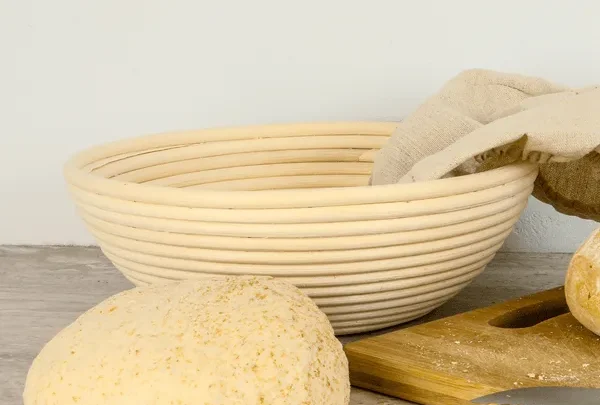
Unlined baskets have exposed spiral cane. They're traditional and they create those beautiful flour patterns on the crust. For wheat dough, they work wonderfully.
For sticky rye dough, they're riskier.
Rye dough can cling to the cane and tear when you turn it out. A torn loaf loses its shape and collapses. If you use an unlined basket, you need a generous dusting of rice flour.
Wheat flour won't cut it. Rice flour doesn't absorb into the dough the same way, so it creates a better release layer.
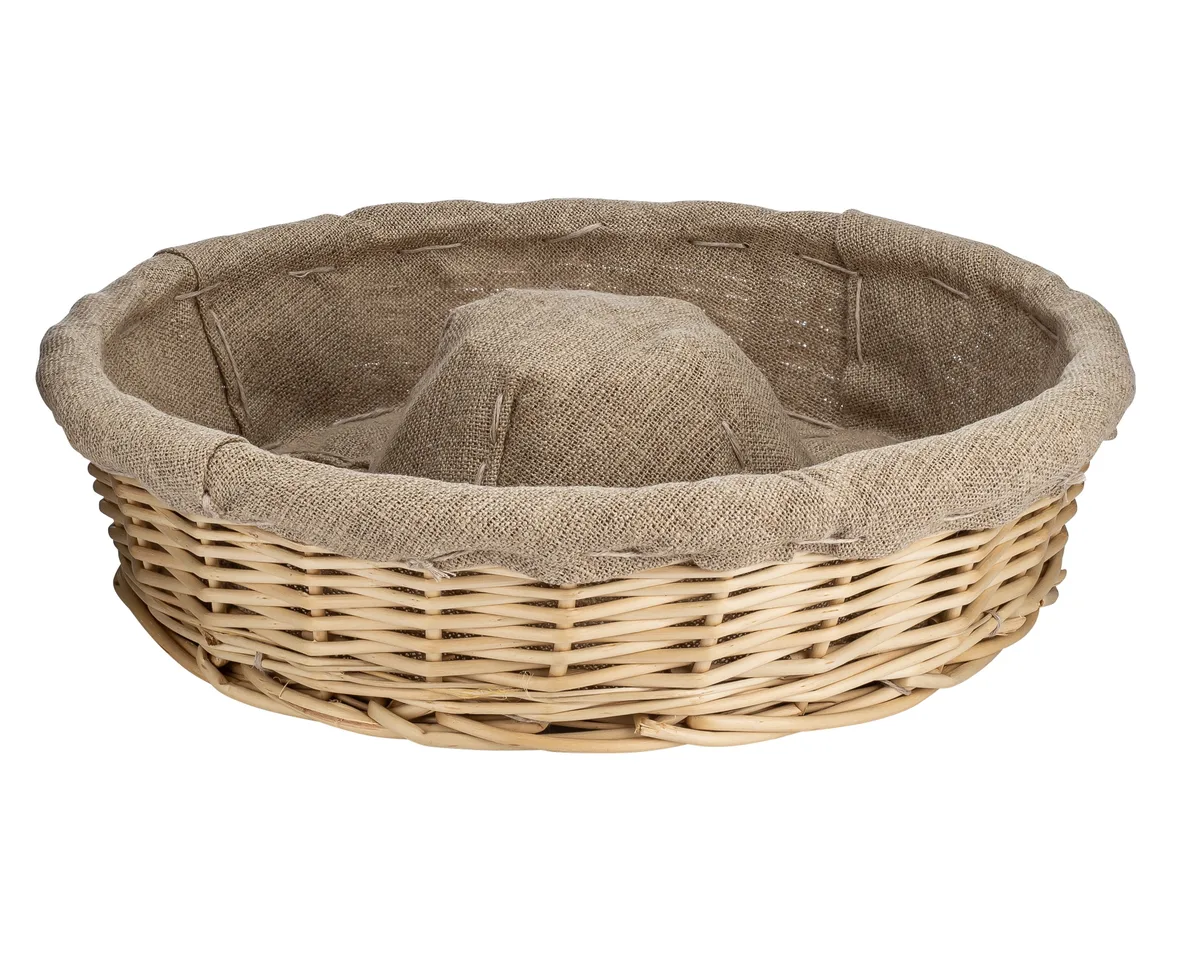
Lined Baskets with Linen
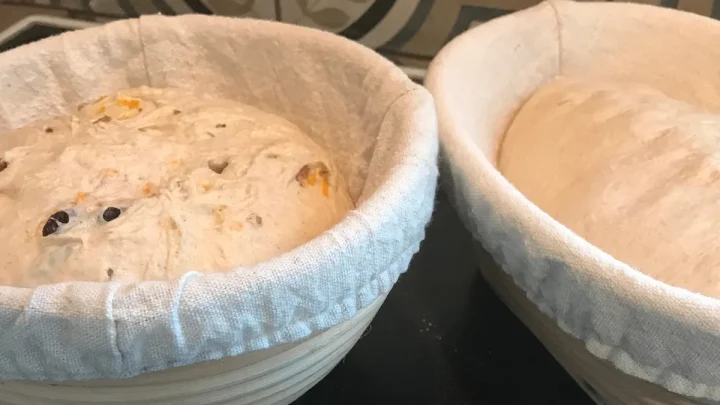
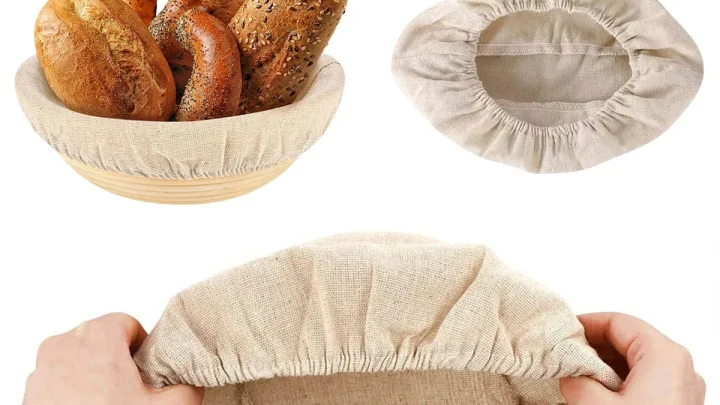
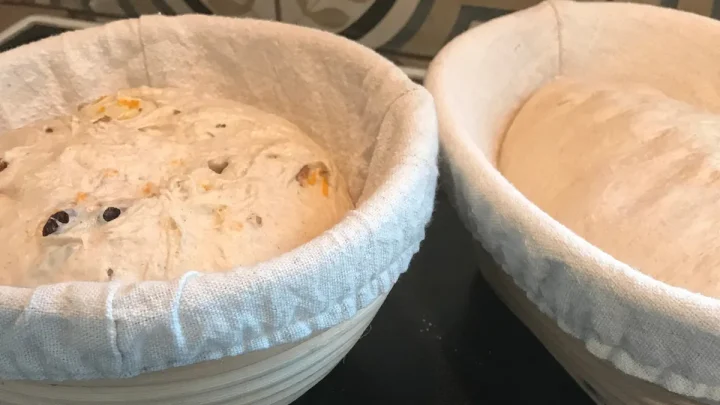
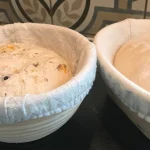
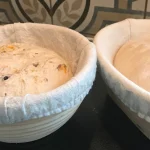
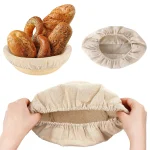
Lined baskets have a cloth liner, usually linen or a linen-cotton blend. The fabric creates a smoother surface that releases sticky dough more easily. For high-hydration rye doughs, this is the safer choice.
The liner also makes cleanup easier. You can remove it and brush off excess flour. Cane baskets require more careful maintenance.
Which One Should You Choose?
If you bake pure rye at high hydration, start with a lined basket. You'll deal with far less frustration. If you bake mixed rye-wheat doughs that hold their shape well, an unlined cane basket is fine.
Many experienced bakers eventually keep both on hand.
Step-by-Step: Proofing Rye Dough in a Basket Without Disaster
Getting the dough into the basket is only half the battle. Here's the full workflow that keeps rye dough intact from bench to oven.
Dust the Basket Well
Use rice flour for unlined baskets. Use either rice flour or rye flour for lined baskets. Dust the interior evenly, including the sides.
A light dusting isn't enough. You want a thin, even coating across every surface the dough touches.
Shape the Dough Seam-Side Up
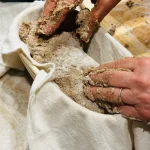
Place your shaped rye dough into the basket with the seam facing up. This is standard for proofing. When you turn the basket out later, the seam lands on the bottom and the smooth side faces up for scoring.
Cover the Basket for Proofing
Rye dough forms a skin if it's left exposed. That skin can prevent proper expansion and make the crust crack oddly. Cover the basket with a clean kitchen towel or a plastic bag.
The goal is to keep moisture in while allowing some airflow.
Proof at the Right Temperature
Room-temperature proofing, around 70 to 75°F, works for a shorter final rise of 1.5 to 3 hours. Cold proofing in the refrigerator gives you 8 to 16 hours of flexibility. Cold dough is also easier to handle and score.
That makes overnight retardation a great option for sticky rye dough.
Turn the Dough Out Cleanly
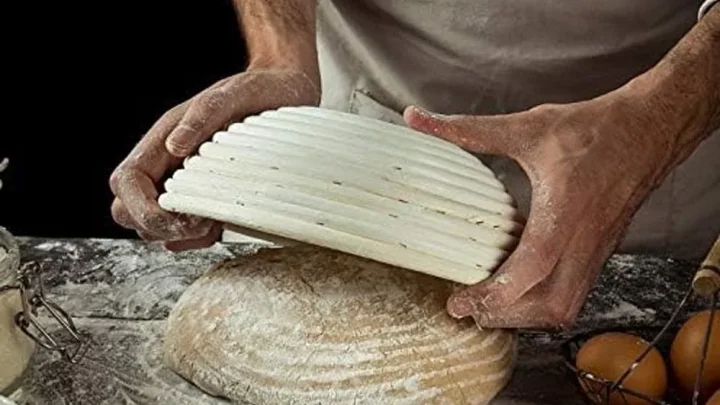
Place a piece of parchment paper over the basket. Flip the basket over quickly in one motion. Let gravity do the work.
If the dough sticks, gently coax it out with your fingers. Never pull or tear it.
Score and Bake Immediately
Once the dough is on your peel or parchment, score it right away. Rye dough won't wait. It starts spreading the moment it leaves the basket.
A single deep slash down the center works well for most rye loaves. Bake with steam for the first 15 minutes if your oven allows it.
Common Mistakes to Avoid with Rye and Proofing Baskets
Even experienced bakers make these mistakes. Here are the ones that cause the most problems.
Oversizing the Basket
The number one mistake we see is choosing a basket based on wheat dough. A too-large basket gives rye dough room to spread. The result is a flat loaf that bakes dense and wide.
Drop down one size when you're using mostly rye.
Undersizing the Basket
The opposite problem happens too. A basket that's too small pushes the dough up and over the rim. The dough dries out, sticks to the cloth cover, and collapses when you try to remove it.
Give the dough just enough room to proof.
Using Wheat Flour for Dusting
Wheat flour absorbs into the dough and becomes part of it. That's fine for wheat loaves. For sticky rye, it creates a sticky paste that glues the dough to the basket.
Rice flour is the reliable choice because it stays dry.
Skipping the Bench Rest
Rye dough needs a rest after the pre-shape. This lets the gluten relax and the surface dry slightly. Without that rest, the dough fights you during the final shape and ends up uneven.
Proofing Too Long at Room Temperature
Rye dough doesn't show the same visual signs of proofing as wheat dough. It doesn't puff up dramatically. That makes it easy to over-proof by accident.
If you're new to rye, cold proofing gives you a safer window.
Caring for Your Proofing Basket So It Lasts
A good proofing basket lasts for years if you treat it right. The main enemy is moisture. Cane and wood pulp can mold if they stay damp.
Clean Without Soaking
Never submerge a cane basket in water. The wood absorbs it and warps. Instead, brush out the excess flour after each use.
If dough is stuck, let it dry completely, then tap it out.
Dry Thoroughly
After cleaning, let the basket dry in a warm, airy spot. Don't put it away while it's even slightly damp. Mold can develop within a day.
A fully dry basket is the best prevention.
Season a New Cane Basket
A new unlined basket should be seasoned before its first use. Brush it thoroughly to remove loose fibers. Then dust it lightly with rice flour and rub it into the cane.
This creates a smoother surface that release dough more easily.
Store in a Dry Place
Keep your baskets in a cupboard or pantry away from humidity. If you live in a humid climate, add a dry cloth inside the basket during storage. Check on them periodically if you bake rarely.
Frequently Asked Questions
Can I proof rye dough in a regular bowl instead of a banneton?
Yes. A mixing bowl lined with a lint-free kitchen towel works in a pinch. Dust the towel generously with rice flour.
The result won't have the classic spiral pattern on the crust, but it will hold the dough during the final proof.
Why does my rye loaf spread even in the basket?
Your basket is probably too large, or your dough is over-proofed. Rye dough rises very little and spreads easily. Drop down one basket size and shorten your room-temperature proof.
Cold proofing will also help the dough hold its shape.
What's the maximum dough weight for a 10-inch basket?
For wheat dough, most 10-inch baskets hold about 1kg. For pure rye dough, treat the same basket as a 700 to 800g vessel. If you load it with a full kilogram of rye, the loaf may spread over the rim.
Can I use the same basket for wheat and rye breads?
Yes, but the basket will become seasoned with flour from both. That's fine. Just switch to rice flour when proofing rye dough.
Over time, the basket builds up a natural nonstick coating.
Should I buy a round or oval basket first?
Buy the shape that matches how you bake most often. If you use a Dutch oven, start with a round basket. If you bake free-form loaves on a stone, start with an oval.
For rye specifically, either works as long as the size is snug.
The Bottom Line: Finding Your Perfect Rye Basket Setup
Start with your dough weight. Weigh the dough after shaping. Match that weight to a basket one size smaller than the standard wheat chart recommends.
If you're baking pure rye, 8-inch for 500g, 9-inch for 750g, and 10-inch round or 12-inch oval for 1kg are reliable starting points.
From there, adjust for hydration and rye content. High hydration means go smaller. A rye-wheat blend means standard sizing works.
And when you're in doubt, err on the side of a snug fit. A tight basket supports a tall loaf. A loose basket guarantees a flat one.
The right basket won't fix a bad recipe. But it will give your rye dough the support it needs to bake into the tall, hearty loaf you're after.

Similar Posts