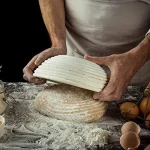
How to Choose the Right Proofing Basket for Artisan Bread
You're staring at a basket full of dough and wondering if you picked the right one. That's how most of us feel when we first get into sourdough. The shelves are packed with cane baskets, wood pulp bowls, and linen liners.
So how to choose a proofing basket for artisan bread? It comes down to three things: hydration, shape, and dough size.
As of 2026, the standard home baker works with 500g to 1kg of dough. A 9-inch round banneton covers that sweet spot. Manufacturer specs confirm capacity is measured in dough weight, not volume.
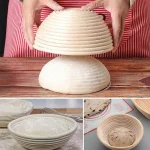
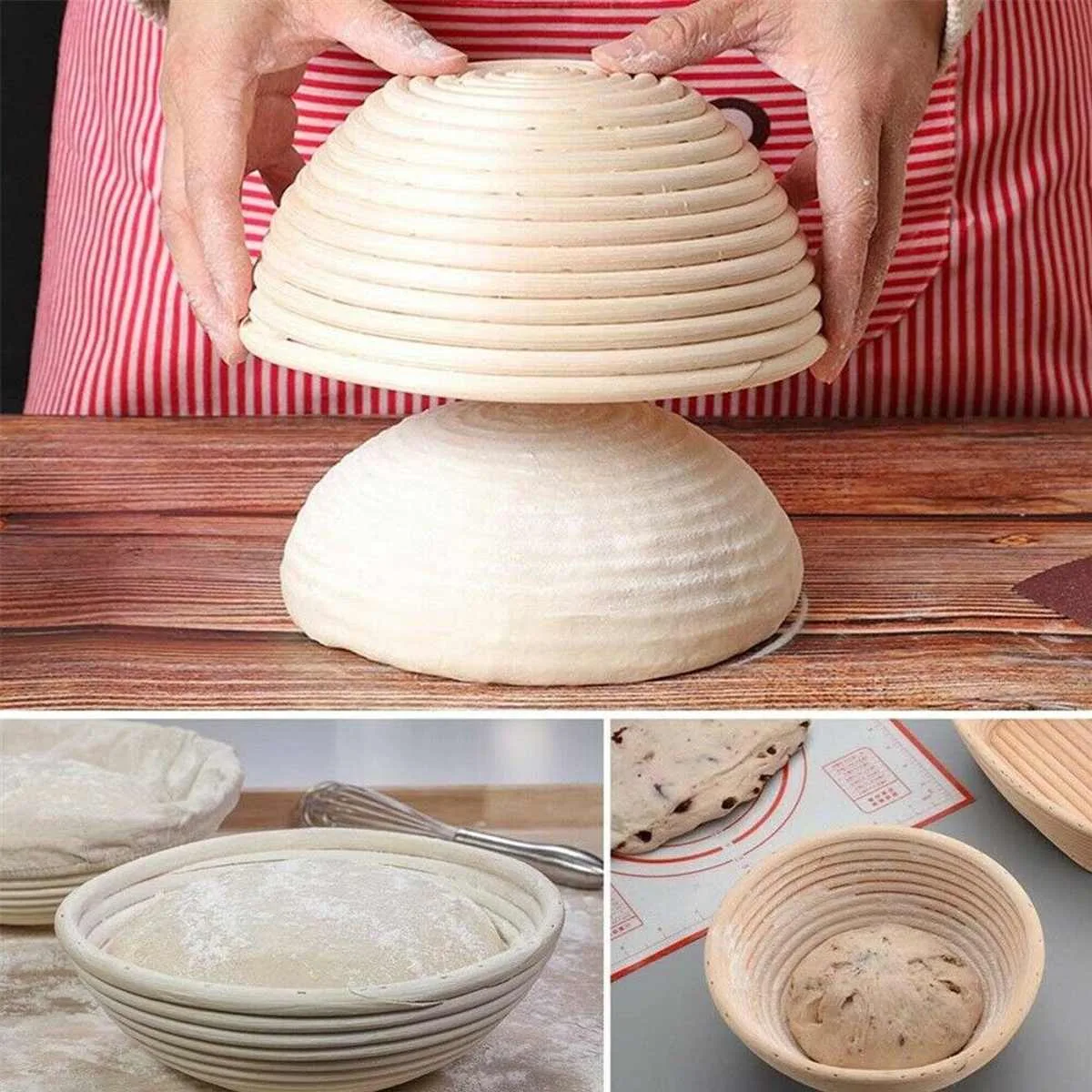
A proofing basket does more than hold dough while it rises. It absorbs surface moisture, supports a tall shape, and leaves those spiral rings behind.
Why the Right Proofing Basket Actually Matters
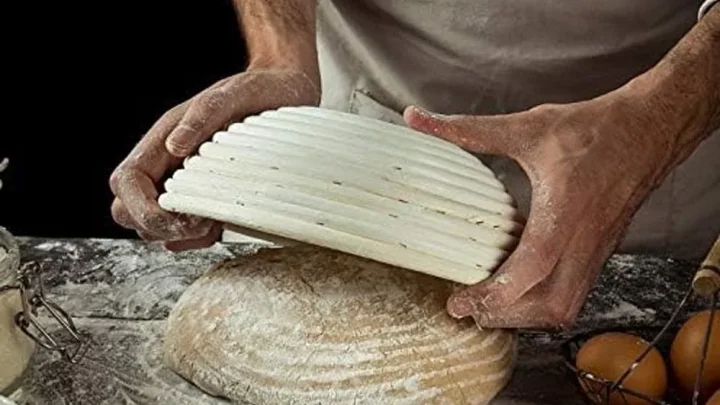
Think of a banneton as a mold for your dough. It doesn't just hold the bread, it shapes it. During the final proof, gluten relaxes and the dough expands.
If the walls aren't there, a loose wet dough slumps sideways. The result is a disc, not a boule.
The basket's material also pulls moisture away from the dough's surface. That's the secret to scoring cleanly. When the dough is still wet, your blade drags and tears.
When the surface is dry and tacky, the blade glides through. The Bread Bakers Guild of America teaches this same principle in their artisan bread courses.
A poorly sized basket causes even more trouble. Too large, and the dough spreads out like a pancake. Too small, and it mushrooms over the edge.
The right basket matches the dough's weight and the shape you want, whether that's a round boule or a long batard.
Quick Answer: What to Look for in One Sentence
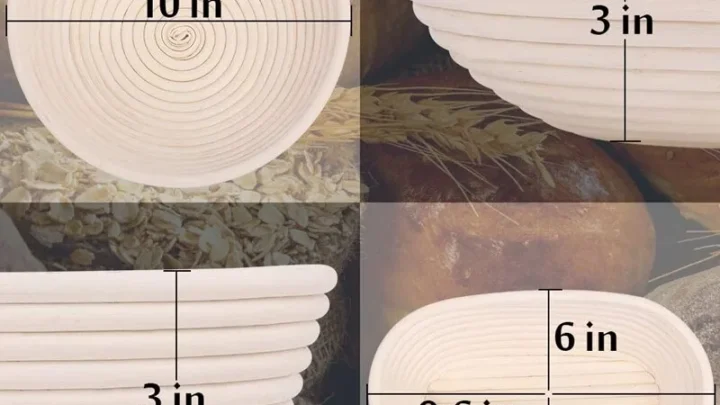
Pick a basket that matches your dough weight, desired loaf shape, and hydration level. A 500g dough fits an 8-inch round basket. A 1kg dough needs a 10-inch basket.
High-hydration doughs above 75% need a lined basket. Cane works for dry, less sticky dough. Wood pulp is a budget option.
Cane, Wood Pulp, or Lined: How the Material Changes Your Dough
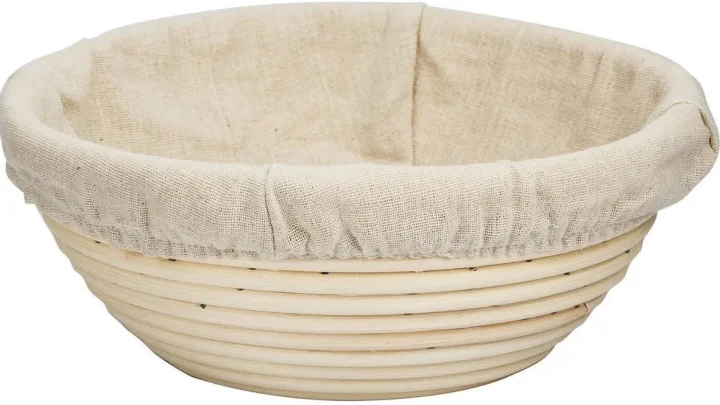
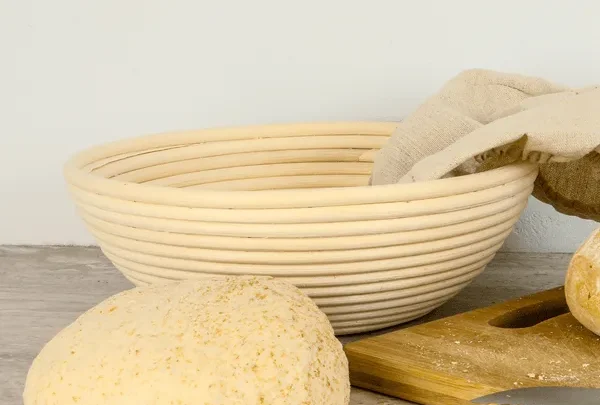
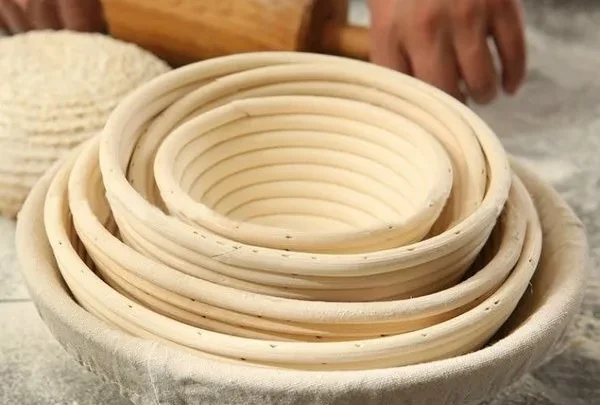
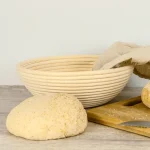
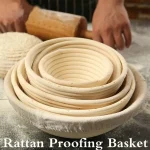
Cane and rattan are the classic choice. They're spun into a natural spiral pattern that leaves rings on the crust. They also breathe well, pulling moisture away from the dough quickly.
That makes them ideal for medium-hydration doughs, around 65% to 75%. If your dough isn't too sticky, a cane basket gives you an artisan finish without much fuss.
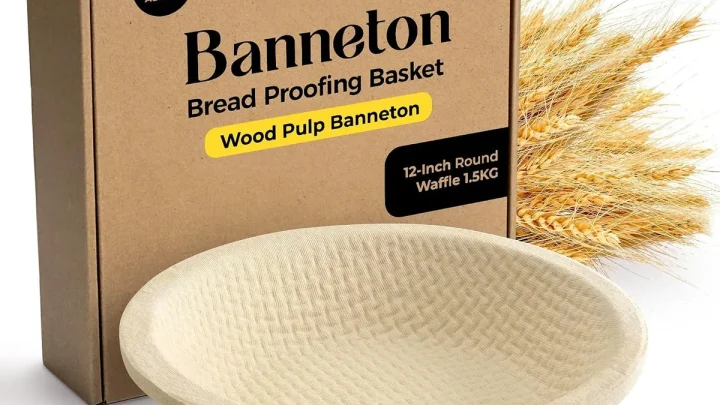
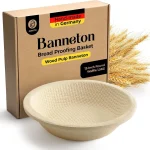
Wood pulp is pressed into a smooth bowl without coils. That means no spiral pattern on your loaf. But it's cheaper, lighter, and easier to clean.
It absorbs moisture fine, though not as aggressively as cane. For a beginner on a budget, a wood pulp banneton gets the job done.
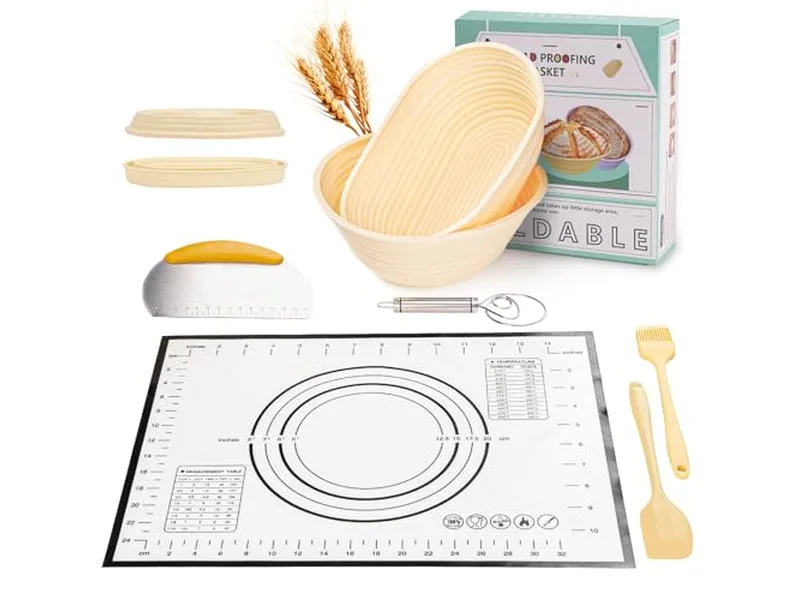
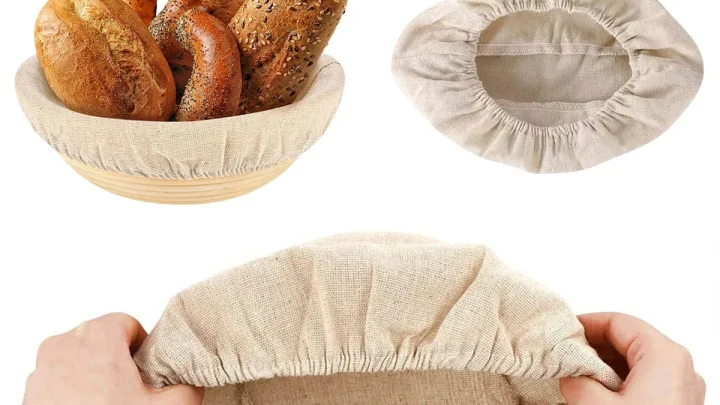
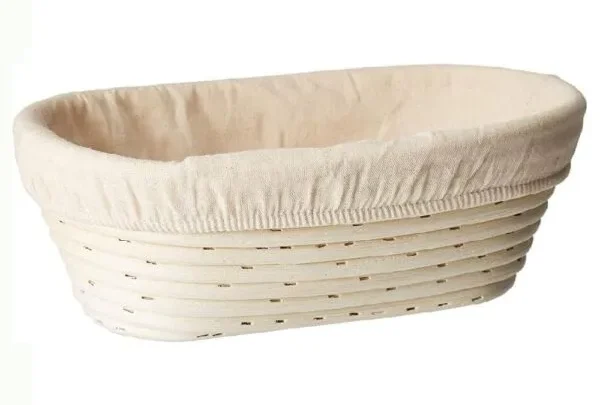
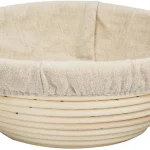
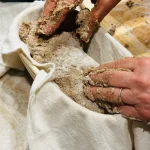
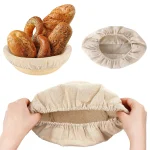
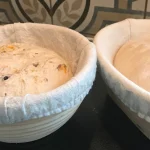
Lined baskets change the game entirely. The fabric liner sits between the dough and the basket wall. It's usually linen or cotton.
That extra layer prevents sticking, no matter how wet the dough is. For sticky sourdough recipes above 75% hydration, a lined basket is almost essential. You'll get a softer surface without deep creases from the coils.
| Material | Best Dough Hydration | Crust Pattern | Stickiness Risk | Price Range |
|---|---|---|---|---|
| Cane / Rattan | 65–75% | Spiral rings | Medium | $15–$35 |
| Wood Pulp | 65–75% | None | Low | $10–$20 |
| Lined (linen/cotton) | 75% and up | None | Very low | $15–$30 |
Round vs. Oval vs. Batard: Matching Basket Shape to Your Loaf
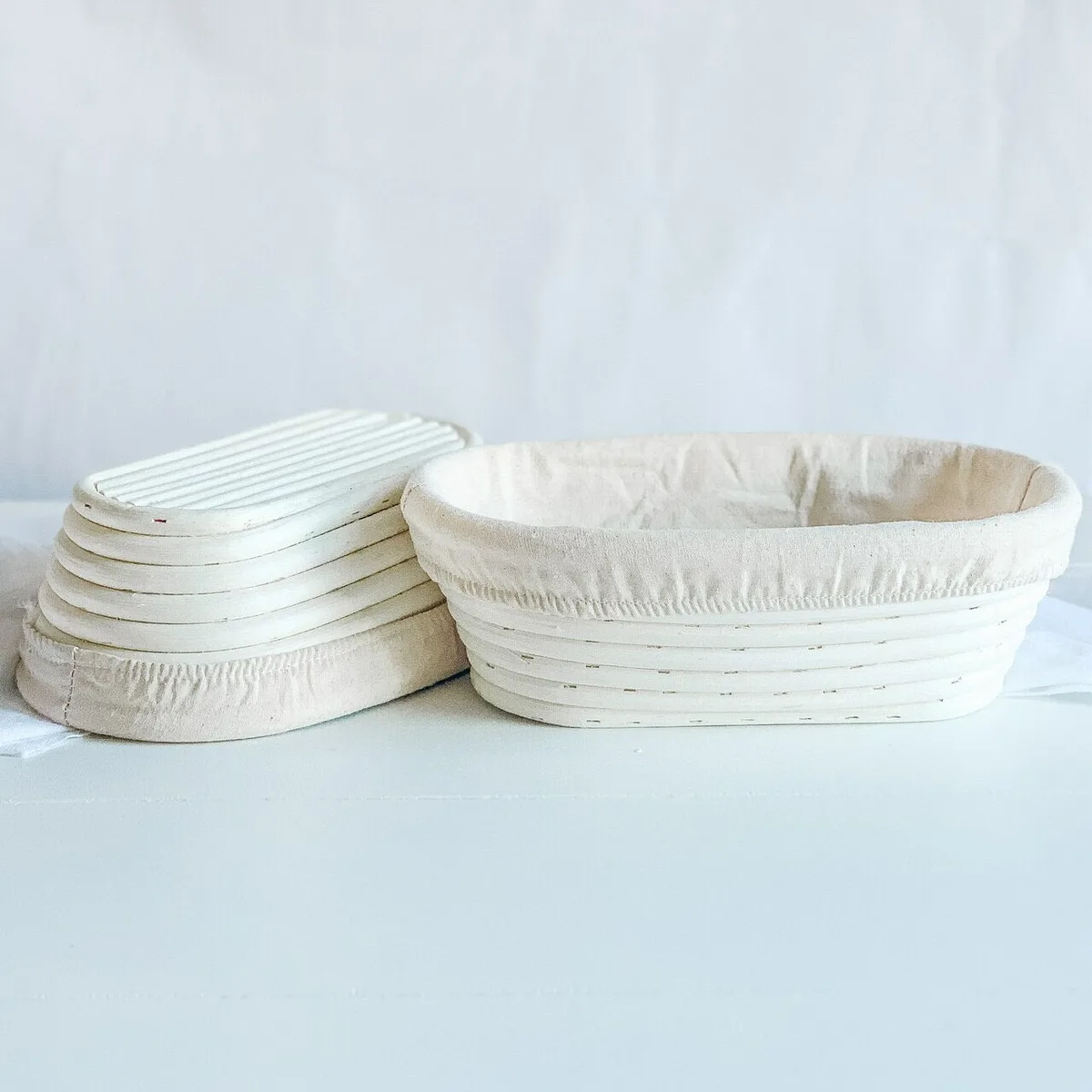
A round banneton creates a boule, a tall, round loaf perfect for crusty sourdough. This is the classic bakery shape. Oval bannetons, sometimes called batard baskets, produce a longer, narrower loaf.
Think of a rounded football. This shape gives you bigger, more even slices, which is great for sandwiches or toast.
Here's how to think about it:
- Round (boule): best for round loaves, small to medium size, classic sourdough look.
- Oval (batard): best for sandwich bread, longer loaves, easier slicing.
- Coil / oblong: a less common shape between round and oval, usually for specialty breads.
If you only get one basket, start with a round one. It's more forgiving for beginners. It's easier to shape and score.
Oval loaves look professional but require more technique.
Size Chart: Matching Basket Capacity to Your Dough Weight
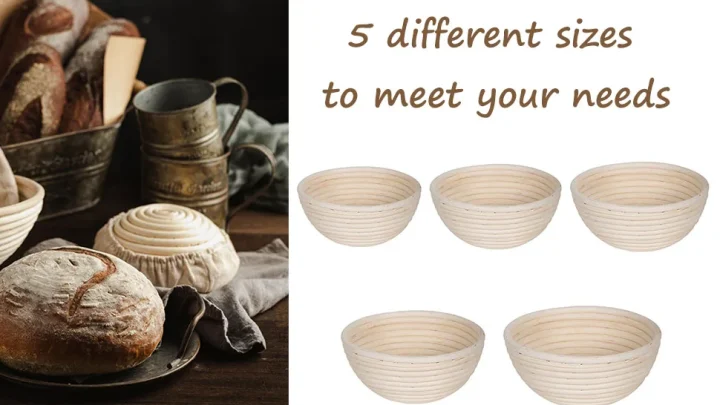
The weight of your dough, not its volume, is the number to pay attention to. A basket too small causes the dough to overflow the rim. A basket too large leaves you with a flat, shapeless loaf.
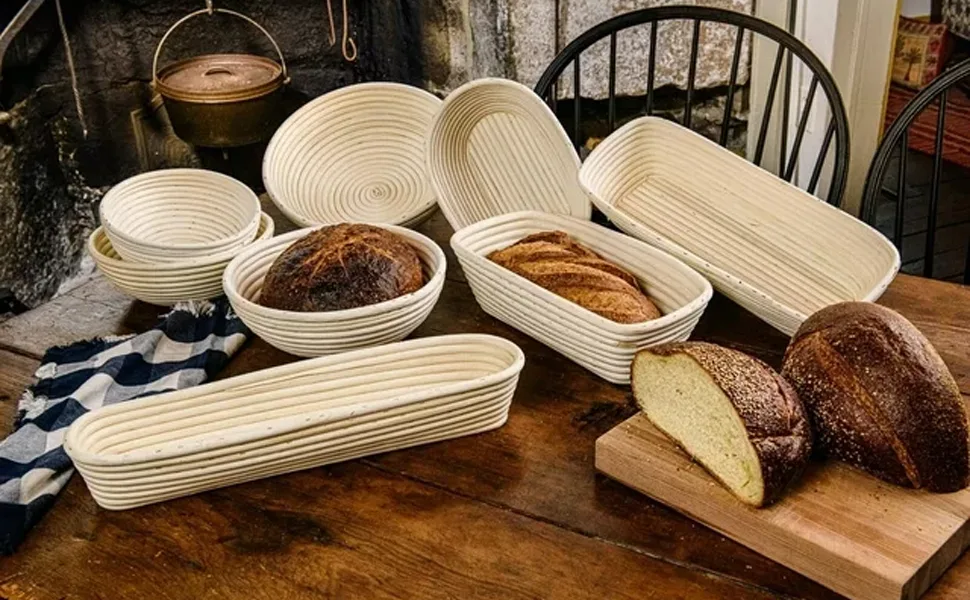
| Basket Diameter | Dough Weight Range | Resulting Loaf Size |
|---|---|---|
| 6 inches | 250–350g | Small, personal boule |
| 8 inches | 500–600g | Medium boule |
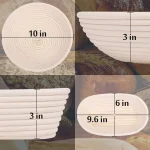
| 9 inches | 750–900g | Large boule or small batard |
| 10 inches | 1–1.2kg | Big showpiece loaf |
| 12 inches | 1.5kg+ | Bakery-style giant |
These numbers assume a standard hydration of 70% to 75%. If your dough is very wet, it will spread more. You might want a smaller basket to help it hold shape.
If your dough is stiff, around 60%, you can push the range a little higher.
Weigh your dough before shaping. That's the only reliable way to match it to a basket.
Lined vs. Unlined: The High-Hydration Rule You Need to Know
If your dough hydration is above 75%, buy a lined basket. If it's below that, unlined cane works fine. That's the line most bakers draw.
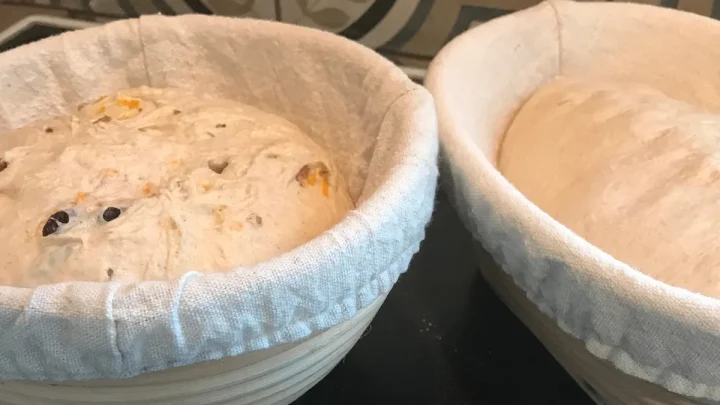
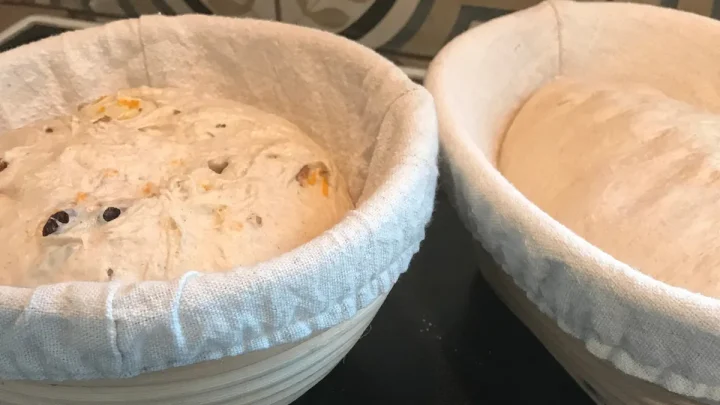
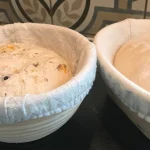
High-hydration dough is sticky. It slumps, it clings, and it tears. A linen liner creates a barrier between that wet dough and the basket coils.
Without it, the dough seeps into the gaps and gets stuck. You'll lose dough in the transfer and create a mess.
The liner also changes the crust. Unlined cane leaves tight spiral rings, which look beautiful on a crusty country loaf. Linen gives you a smooth, soft surface.
Many bakers keep both types around. Use the lined one for wet sourdough and the unlined one for stiffer dough or rye breads.
There's also the mold factor. Unlined cane soaks up moisture. If you use it repeatedly with wet dough, it never fully dries out.
A liner catches that moisture first. You can wash the liner and let the basket itself stay dry.
Side-by-Side Comparison: Material, Shape, and Liner at a Glance
| Feature | Cane / Rattan | Wood Pulp | Lined (Linen/Cotton) |
|---|---|---|---|
| Hydration range | 65–75% | 65–75% | 75% and up |
| Crust pattern | Spiral rings | None | None |
| Stick risk | Medium | Low | Very low |
| Washable | No | No | Liner yes, basket no |
| Mold resistance | Low | Medium | High |
| Price range | $15–$35 | $10–$20 | $15–$30 |
| Beginner friendly | Yes | Yes | Yes |
Cane baskets are stiff and structured. Wood pulp feels lighter and a bit more fragile. Lined baskets feel soft and forgiving on the dough.
If you're still unsure, use the old-school alternative. A mixing bowl lined with a floured tea towel works in a pinch. It won't leave rings, but it will support the dough.
Many experienced bakers start this way before buying a banneton.
Who Each Basket Is Best For: Home Bakers, Sourdough Nerds, and Cottage Bakers
A beginner baking one loaf a week has different needs than someone selling at a farmers market.
For the home baker, start with an 8-inch round unlined cane basket. It's cheap, classic, and works for standard 500g sourdough loaves. You'll learn how dough feels against cane, and you'll get nice rings on your first crust.
For the sourdough nerd making high-hydration dough weekly, invest in a lined set. A 9-inch round and a 10-inch oval cover most recipes. The liner protects the basket from moisture and keeps sticky doughs manageable.
For cottage bakers selling at markets, buy multiple baskets in one size. Consistency is the goal. A batard shape sells better for sandwiches, so oval baskets with liners are your workhorse.
Look for stackable models to save storage space.
Common Mistakes to Avoid When Buying and Using a Banneton
Buying a basket that's too small. Dough overflows the rim and sticks to the cloth. Always weigh your dough and match it to the chart.
Skipping the dusting flour. Rice flour is the gold standard because it doesn't absorb into the dough like wheat flour does. A light, even coat prevents sticking.
Soaking the basket in water. Cane and wood pulp can't handle a soak. The fibers swell, the basket warps, and mold follows. Clean with a stiff brush, not water.
Using a basket that's still damp. Even a slightly moist banneton will grab your dough. Let it air dry fully between uses.
Ignoring the seam orientation. Dough goes into the basket seam-side up. When you flip it out, the seam is on the bottom. If you forget this, your loaf can crack open during baking.
How to Condition, Clean, and Store Your Proofing Basket
New baskets need a little prep before first use. Brush out any loose fibers and dust them lightly with flour. Some bakers also toast the basket in a low oven for a few minutes to kill factory dust.
Just don't put it in hot water.
Between uses, maintenance is simple. Whisk or brush out excess flour after each bake. If dough bits are stuck, use a dry brush to scrape them off.
Let the basket sit in a dry, airy spot for a few hours. For lined baskets, wash the liner with hot soapy water and air dry it.
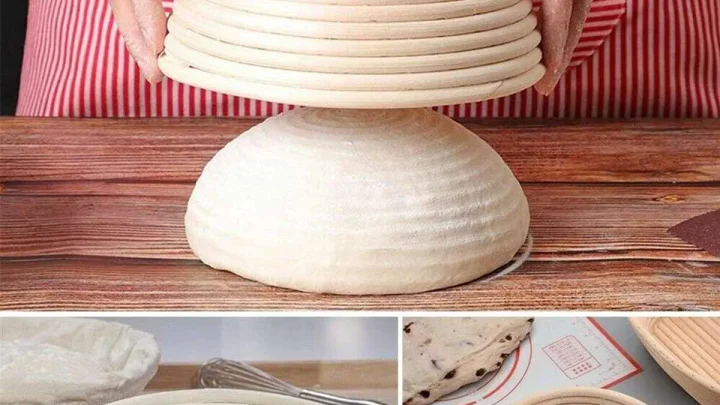
For storage, keep bannetons stacked inside each other if they're the same size. Otherwise, nest them with small ones inside big ones. A dry cabinet or pantry works fine.
In humid months, add a silica gel pack in the storage area.
A well-cared-for cane basket lasts years. The fibers tighten with use and form a better surface for dough. Treat them gently, and they'll return the favor.
What a Good Proofing Basket Costs (and When to Skip the Cheap One)
Prices for proofing baskets haven't moved much in recent years. A wood pulp basket runs $10 to $20. Cane and rattan sit between $15 and $35.
Lined versions cost about the same as cane. That's a small price for a tool that lasts years.
The cheap end is tempting. A $6 basket from an unknown brand might look fine in photos. But verified buyer feedback points to splintered cane, thin liners, and spots that harbor mold after a few uses.
A quality basket holds its shape and stays smooth.
You don't need to spend top dollar right away. A mixing bowl lined with a floured tea towel costs nothing and works better than a poor basket. Skip the cheap banneton entirely.
If your budget is tight, go for a mid-range wood pulp option from a reputable maker.
Final Recommendation: The Only Two Baskets Most Home Bakers Need
You don't need a collection. Two baskets cover almost every scenario for a home baker.
Start with an 8-inch round unlined cane basket. It handles 500g of standard hydration dough perfectly. That's your everyday boule.
Add a 9-inch round lined basket next. Use it for sticky, high-hydration doughs and long cold proofs. The liner keeps everything clean and easy to manage.
If you bake for a family or like sandwiches, swap the second round for a 9-inch oval lined basket. That gives you batard loaves with even slices. Both setups stay under $60 total.
Both use staple equipment you already own, like a kitchen scale and rice flour for dusting.
One last tip: write your dough weight on the outside of each basket with a marker. When the basket is full of flour, it's easy to forget which one holds what. A tiny label saves you from grabbing the wrong size at 11 pm while you're shaping your next loaf.
Frequently Asked Questions
What's the difference between a banneton and a brotform?
They're the same thing. Banneton is the French term, brotform is German. Both refer to the proofing basket used to shape and support dough during its final rise.
Do I need a liner for my banneton?
Only if your dough hydration is above 75%. Sticky, wet doughs grab onto unlined cane and tear during transfer. A linen or cotton liner prevents that.
For stiffer doughs, unlined cane works beautifully and leaves a classic spiral crust.
Can I use a regular bowl instead of a proofing basket?
Yes, with a floured tea towel lining the bowl. The towel prevents sticking and supports the dough. You won't get the spiral pattern, but the bread will rise fine.
This setup is great for beginners testing the waters before buying a proper banneton.
How do I keep my banneton from molding?
Keep it dry and give it airflow. Brush out excess flour after each bake. Never soak the basket in water.
Store it in a dry cabinet with a silica gel pack if you live in a humid climate. A lined basket also helps keep moisture away from the cane.
Why is rice flour better for dusting a banneton?
Rice flour stays dry and doesn't absorb into the dough the way wheat flour does. That makes it a perfect release agent. Wheat flour can form a sticky paste when it meets wet dough.
Rice flour keeps the surface slick and the loaf releases cleanly.

Similar Posts