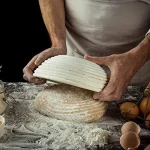
Rye Bread Proofing Baskets: How to Choose Right
If you've ever shaped a rye loaf and watched it pancake flat during proof, you already know the struggle. Learning how to choose a proofing basket for rye bread starts with one simple truth: rye dough plays by different rules than wheat. It's sticky, dense, and heavy, so it needs physical support while the yeast does its job.
Rye dough typically runs between 65% and 85% hydration, depending on the grind and recipe. At that moisture level, the dough clings to almost every surface it touches. A good proofing basket gives the loaf a breathable mold to hold its shape, wick away surface moisture, and move safely from proof to oven.
Quick Answer
Choose a proofing basket for rye bread based on your dough's hydration and your crust preference. Cane bannetons create a classic flour spiral but need careful drying. Wood pulp baskets are affordable and forgiving.
Lined baskets release sticky rye dough best. Match the basket size to your dough weight.
Why the Right Proofing Basket Matters for Rye Dough
Rye dough doesn't behave like a typical wheat sourdough. It has very little gluten-forming protein, so it can't hold its shape on its own. If you proof it in a bare bowl, the mass relaxes into a wide, flat disk.
A proofing basket changes that completely.
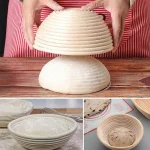
The basket gives the dough a rigid, breathable wall to lean against while it ferments. The sides support the loaf and encourage the dough to rise upward rather than outward. That's the difference between a proud, round boule and a puck-shaped brick.
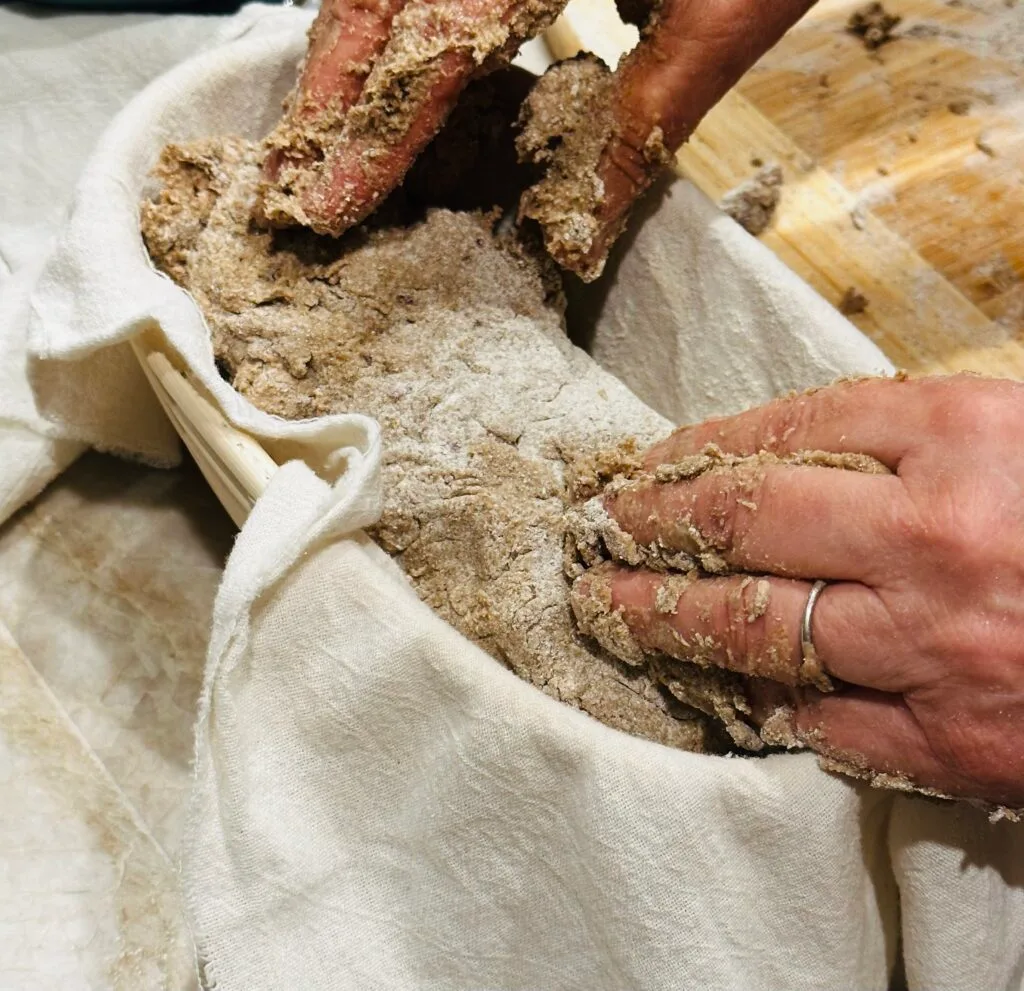
A basket also helps manage moisture. Rye dough is notoriously sticky because of pentosans, carbohydrate compounds that soak up large amounts of water. The dry cane fibers or linen liners wick away surface moisture, so the dough releases cleanly when you flip it out.
As of 2026, more home bakers are pushing rye hydration past 80%. At that point, a basket isn't a luxury. It's a necessity.
Rye Dough's Unique Behavior: Stickiness, Hydration, and Support Needs
Before choosing a basket, it helps to understand what you're working with. Rye flour contains different proteins than wheat, and they form a weak gluten network that tears easily. Rye's sticky character comes from pentosans, gummy carbohydrates that bind water aggressively.
Research from cereal science programs, including North Dakota State University, confirms that rye absorbs significantly more water than wheat.
Most rye bread recipes land between 65% and 85% hydration. Whole-grain rye absorbs even more water than light rye, so the dough can feel stiff in the bowl yet turn sticky during proof. This is where proofing baskets earn their keep.
The dough genuinely cannot hold its shape alone. It wants to flow sideways. A basket provides a breathable wall that holds the loaf while fermentation continues.
Aggregate reviews show that the simplest upgrade for rye bread quality is proofing in a properly sized basket rather than a glass bowl.
Proofing Basket Options: Cane, Wood Pulp, Plastic, and Silicone
This is where the comparison starts. You have four main material choices, and each suits a different style of baking.
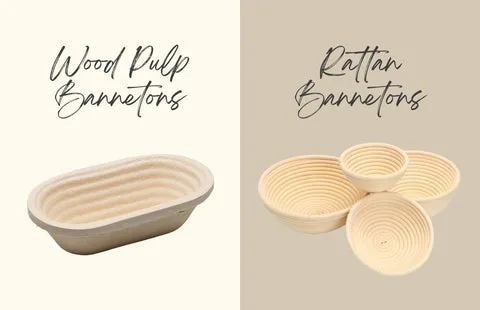
Cane / Rattan Baskets
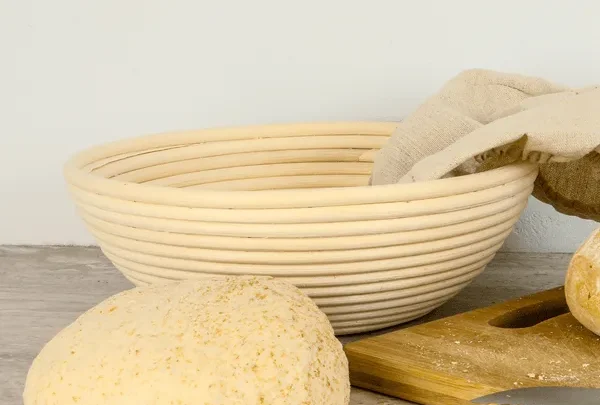
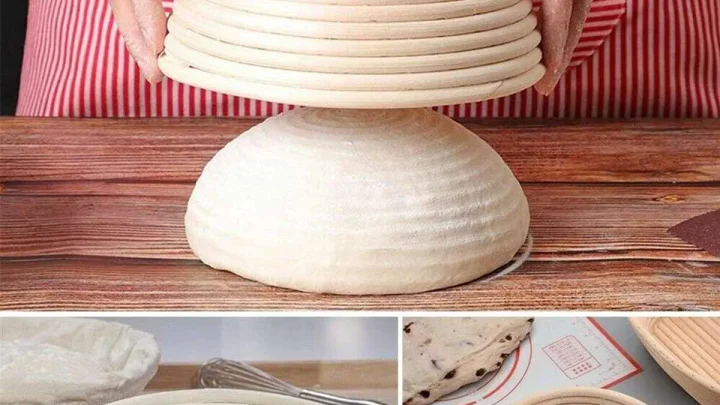
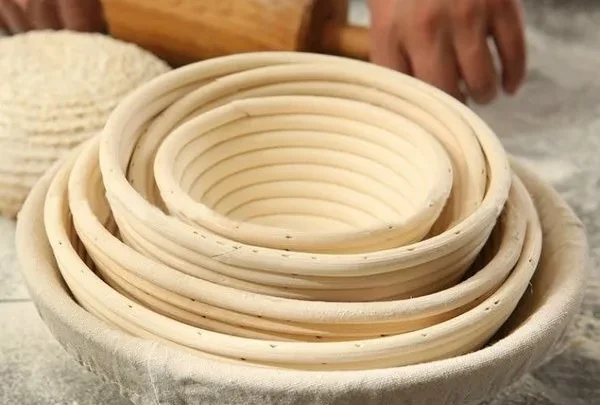
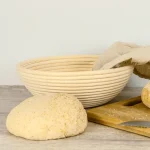
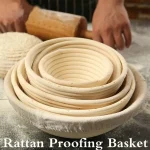
The classic banneton. It's woven from rattan cane, and the coils leave a beautiful flour-dusted spiral on the crust. Cane breathes well, wicking moisture away from the dough.
The tradeoff is maintenance.
The cane absorbs moisture and must dry completely between bakes. Brush it out after each use and let it air out. This is a small ritual, but it matters for mold prevention.
Cane bannetons are best for bakers who want an attractive crust pattern and don't mind the upkeep.
Wood Pulp Baskets
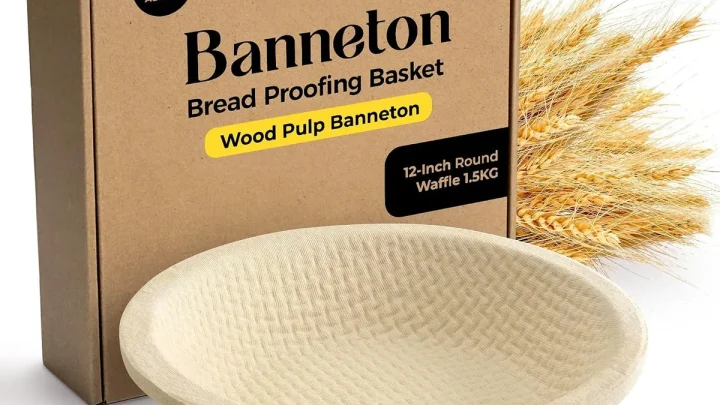
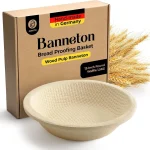
Wood pulp baskets are molded from compressed fiber and cost less than cane. They're lightweight, smooth, and don't leave a spiral pattern. They still breathe well enough for a firm crust.
For beginners and anyone baking sticky, high-hydration rye, wood pulp is the forgiving choice. If one wears out, it's cheap to replace.
Plastic Baskets
Plastic proofing baskets show up a lot in commercial bakeries. They're durable, easy to sanitize, and don't absorb moisture. But they don't breathe, which can produce condensation on the dough.
You'll almost always need a linen liner inside.
Silicone Baskets
Silicone baskets are the least traditional option. They collapse flat for storage and rinse clean in seconds. They don't breathe and won't leave any pattern.
They work fine for occasional bakers with tight cabinet space.
| Material | Breathability | Crust Pattern | Mold Risk | Cleanup | Relative Price |
|---|---|---|---|---|---|
| Cane / Rattan | Excellent | Spiral pattern | High if kept damp | Brush and air dry | $$$ |
| Wood pulp | Good | Smooth | Moderate | Brush and air dry | $ |
| Plastic | None | Smooth | Low | Washable | $$ |
| Silicone | None | Smooth | Low | Rinse or wipe | $$$ |
For most home bakers, the real decision is between cane and wood pulp.
Lined vs. Unlined: Pattern, Release, and Cleanup
Beyond the basket material, you have one more choice: lined or unlined.
Unlined baskets expose the dough directly to the basket surface. This is what creates the classic flour-dusted spiral pattern on the crust. The catch is that sticky rye can catch in the coils if you don't dust generously.
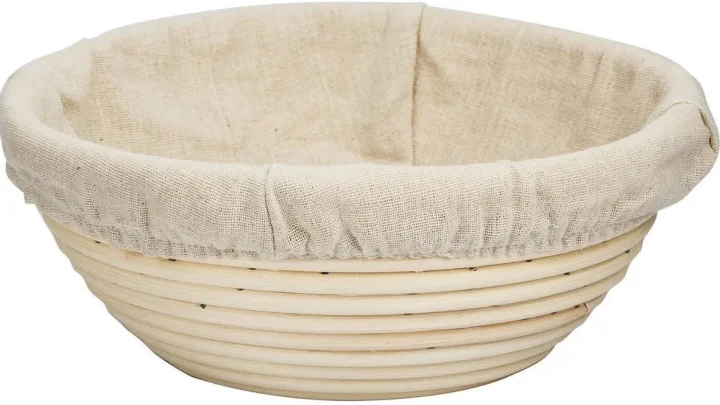
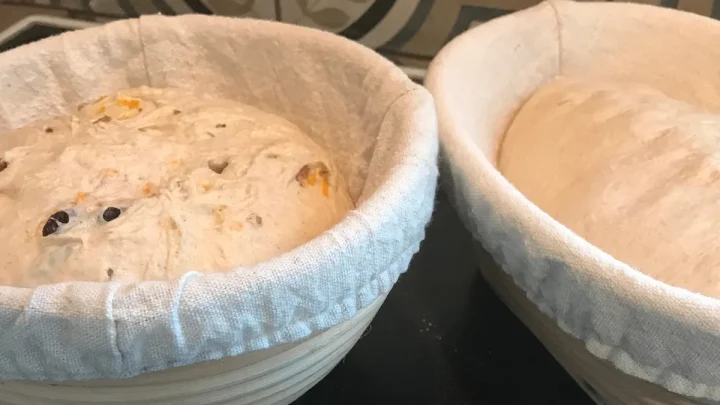
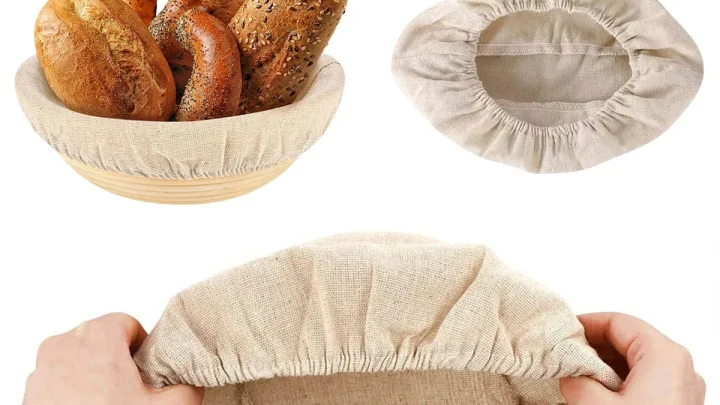
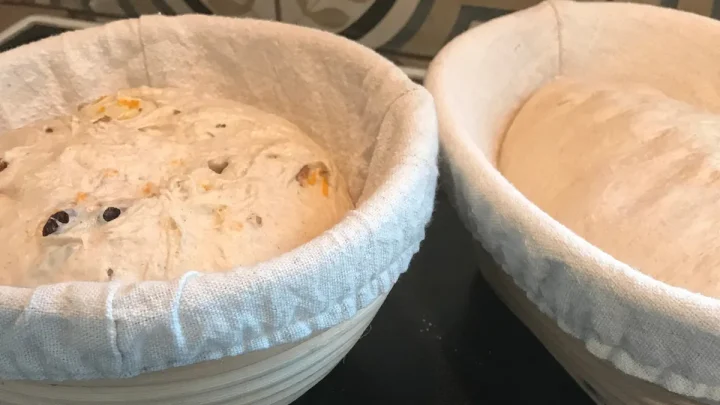
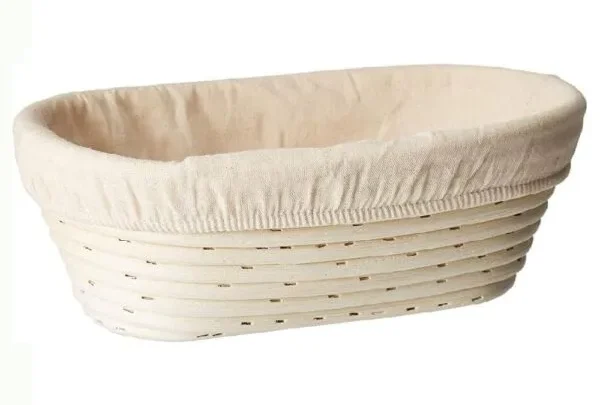
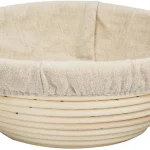
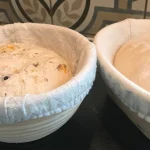
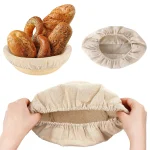
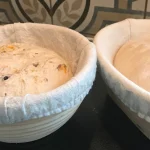
Lined baskets have a removable linen liner between the dough and the basket. The liner creates a smooth crust and releases the dough far more easily. Linen is washable, which is a huge advantage when working with sticky rye.
If you want the artisan spiral and your rye is moderate hydration, go unlined. If you're baking high-hydration rye, lined is the safer bet. Many experienced bakers keep both on hand.
Shape and Size: Round vs. Oval, and What Fits Your Dough Weight
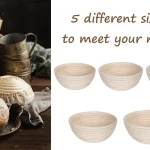
Shape is straightforward. Round baskets produce a boule. Oval baskets produce a batard.
Match the basket shape to the loaf you plan to bake.
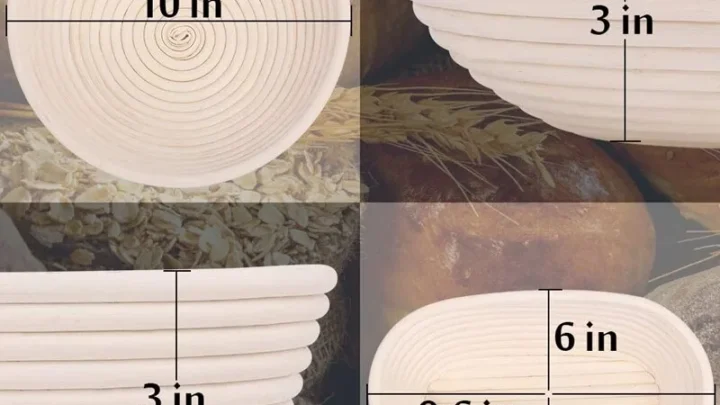
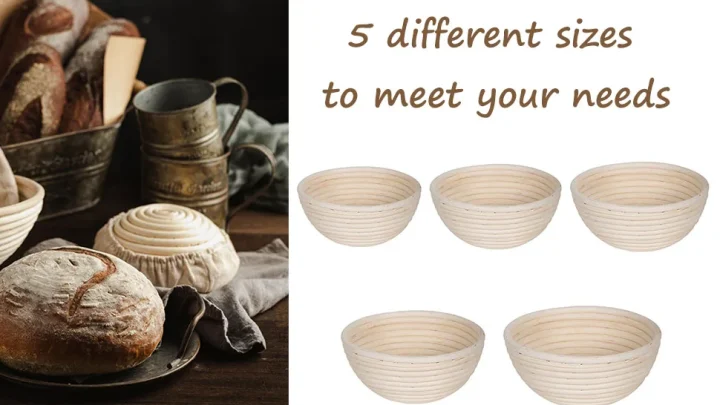
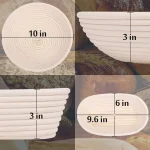
Size takes a little math. Most baskets list a diameter and a wheat-dough weight range. Rye dough is denser, so it fills the basket faster.
| Basket Diameter | Wheat Dough Capacity | Rye Dough Capacity (approximate) |
|---|---|---|
| 8 inches | 500 g | 400 g |
| 9 inches | 750 g | 600 g |
| 10 inches | 1,000 g | 800 g |
| 12 inches | 1,500 g | 1,200 g |
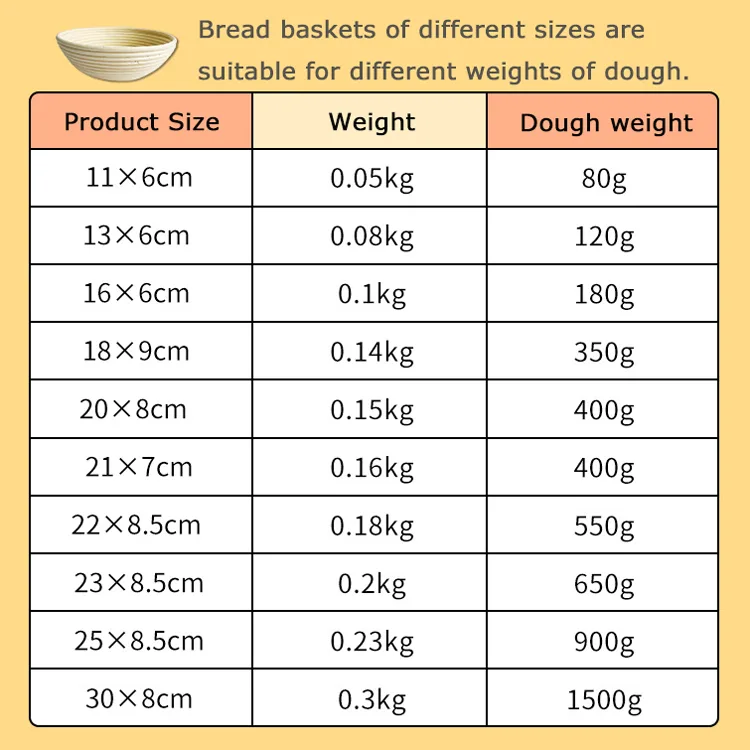
A properly filled basket is two-thirds to three-quarters full. If the dough bulges over the rim, the basket is too small. If it sits below the halfway mark, the basket is too large.
Comparing Proofing Baskets at a Glance
If you're weighing the main options side by side, the table below pulls the key differences together.
| Basket Type | Best For | Biggest Tradeoff | Rye Dough Rating |
|---|---|---|---|
| Cane / Rattan | Artisan bakers who want crust pattern | Needs careful drying | ★★★★ |
| Wood pulp | Beginners and sticky high-hydration dough | Shorter lifespan | ★★★★★ |
| Plastic | Commercial use, easy sanitation | No breathing | ★★ |
| Silicone | Occasional bakers with tight storage | No pattern, no breathability | ★★★ |
| Lined (any material) | Anyone battling sticky dough | Hides the classic spiral | ★★★★★ |
Across verified baker feedback, one pattern stands out. When rye dough is involved, lined baskets outperform unlined. A liner simplifies release, cleanup, and long-term maintenance.
Best Basket Choices by Rye Bread Type
Not all rye is the same. The style you bake changes which basket works best.
Sourdough Rye
Sourdough rye is usually high hydration. It's slack, sticky, and easy to tear during transfer, so lined baskets are the safest pick. A 9-inch wood pulp basket with a linen liner handles a 600 g loaf beautifully.
It gives the dough firm walls without creating a crust pattern you didn't ask for.
Mixed Rye Breads
Mixed rye recipes use part wheat flour, which provides more gluten structure. These doughs hold their shape better than pure rye, so you can use an unlined cane banneton if you want the classic flour spiral. A 70% rye, 30% wheat dough at moderate hydration will release cleanly with a generous rice flour dusting.
Pumpernickel / Dark Rye
Pumpernickel is built on coarse rye chops and heavy whole grains. The dough is dense and wet, and it seriously needs support. Use a deep, lined basket at 75% to 80% capacity.
If your pumpernickel sits in a plastic bucket, the loaf will spread.
How to Use a Proofing Basket for Rye Without Sticking
Getting the basket right matters less than how you prepare it. Rye dough wants to glue itself to every surface, but a few simple steps fix that.
Start with rice flour, not wheat flour. Rice flour stays dry on the dough surface, while wheat absorbs moisture and forms a pasty glue. Sprinkle a thin, even layer across the basket or liner.
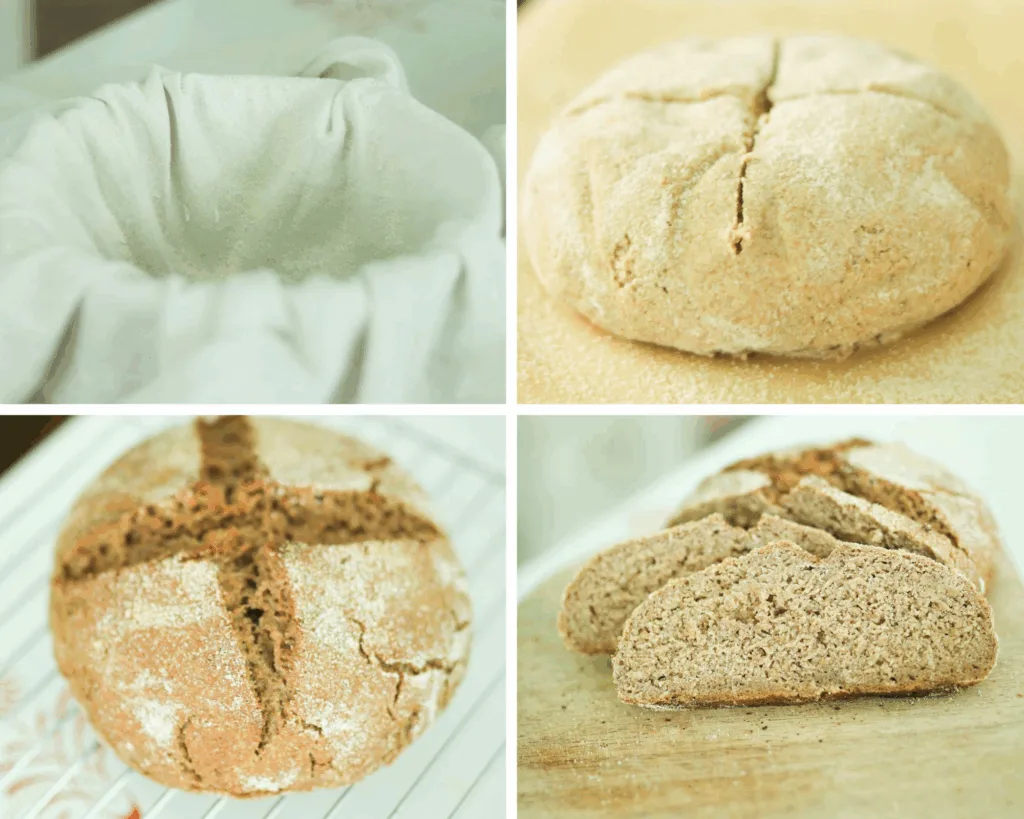
Shape the dough gently. Rye tears easily, so use a light touch. Place the dough seam-side up in the basket, smooth side facing down.
Cover the basket with a clean cloth or a plastic bag sprayed with cooking oil. This stops the surface from drying into a skin while the yeast does its work. A cold proof in the refrigerator for 8 to 16 hours is common for rye.
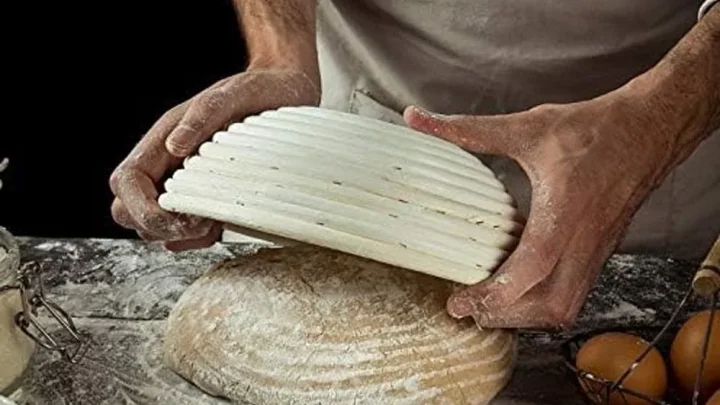
When you're ready to bake, flip the basket onto a floured peel or a sheet of parchment. Don't pull the dough. Let gravity release it.
If it resists, gently coax the edges loose with your fingers.
Common Mistakes and How to Avoid Them
Every baker hits these eventually. Knowing what they are will save you a ruined loaf or two.
- Skipping the rice flour. Wheat flour turns wet and gummy as the rye hydrates. Rice flour stays dry.
- Using the wrong basket size. A 1 kg wheat dough overflows an 8-inch basket because rye is denser. Drop down to roughly 800 g, but check your own rye.
- Over-proofing in the basket. Rye ferments faster than wheat. If it spends too long in the basket, it loses stability and sticks harder.
- Storing the basket damp. A wet cane basket is mold in progress. Let it dry fully after every bake.
- Pulling the dough out. Yanking a sticky rye loaf splits the surface. Let it fall out onto your peel or parchment.
- Dusting too much. A thick flour layer can cause a crack between the flour and the loaf during baking.
The biggest lesson from aggregate reviews is simple. A small dusting routine beats deep cleaning later.
Cleaning, Seasoning, and Mold Prevention
An unlined cane basket needs light care. After each bake, knock out the loose flour and brush the coils with a stiff dry brush. Don't wash it with water unless you have no choice.
Damp cane is a mold magnet.
Lined baskets are easier. Remove the linen liner, rinse it, and let it dry completely. This keeps the liner fresh even after sticky rye doughs.
Season a new basket before its first use. Dust the inside with rice flour, let it sit, then brush it out. This creates a smooth base layer that makes future release easier.
Check for mold often. Even careful bakers see it occasionally, especially in humid kitchens. If spores appear, brush the area, and when conditions allow, freeze the basket for 24 hours to kill active mold growth.
Research on food-safe practices confirms freezing is a practical, chemical-free option. If the mold has deeply penetrated the cane, discard the basket.
Price and Value: What to Spend
Wood pulp baskets cost around $10 to $25. Cane bannetons run $25 to $60 depending on size and brand. Linen liners add another $8 to $20.
Spending more doesn't always mean better rye bread. Research across manufacturer specs and buyer feedback shows that a $15 wood pulp basket with a liner offers the best value. Service life is decent, and the release works.
Cane only makes sense if you specifically want the decorative spiral.
Signs Your Proofing Basket Needs Replacing
Every proofing basket has a lifespan. How long it lasts depends on the material, how often you bake, and how carefully you dry it. A well-maintained cane basket can go years.
A neglected one can sour in weeks.
Watch for cracks in wood pulp baskets. These pockets catch dough and breed mold. Check the cane coils for fraying or weakened spirals that press into your loaf.
If the surface feels rough or the basket smells musty even after drying, retire it. A fresh basket costs less than a ruined loaf.
Proofing Rye Without a Basket
No basket on hand? You can still bake good rye. Use a medium mixing bowl, line it with a clean kitchen towel, and dust the towel heavily with rice flour.
Set the shaped dough seam-side up and fold the towel edges over the top.
The support is softer than a rigid basket, so expect a wider loaf. A bread pan works even better for pumpernickel-style doughs. The walls are straight and firm, and the pan goes straight into the oven.
This isn't the artisan look, but it's a solid backup.
Sizing Your Basket for Yield
Rye bakes rarely scale linearly. If you double a 500 g loaf recipe, you get 1 kg of dough, and your 9-inch basket suddenly becomes too small. Plan your basket around your largest batch, not your average one.
A 12-inch basket handles roughly 1.2 kg of rye dough. If you bake one large loaf weekly, that's a versatile size. Batch bakers often own two or three baskets so they can stagger proofing schedules without cramming an oversized dough ball into a small container.
Basket Storage Between Bakes
Keep your basket dry and breathable when it's not in use. Don't stack two baskets while one is still damp inside. Hang them or store them side by side.
Humid climates require extra care. In summer, check baskets every few weeks for hidden mold. A monthly air-out keeps things fresh.
If you're storing a basket long term, dust it lightly with rice flour and keep it in a paper bag, not a sealed plastic bin.
Quick Recommendation: The Best Choice for Most Home Bakers
If you're baking rye once in a while, it's an easy call. Get a 9-inch wood pulp basket with a removable linen liner, and pick up a small bag of rice flour while you're at it.
That combination handles sourdough rye, mixed rye, and pumpernickel without fuss. It breathes well enough, cleans in minutes, and costs under $30 with the liner included. If you later decide you want an artisan spiral, add a cane banneton then.
You'll already be a better judge of what your dough needs.
Frequently Asked Questions
Do I need a proofing basket for rye bread?
Yes, especially with high-hydration rye. The dough lacks the gluten structure to hold its shape. A basket supports the loaf during final proof and helps it transfer cleanly to the oven.
At minimum, a flour-lined bowl works in a pinch, but a basket is better.
Should I use rice flour or rye flour in a proofing basket?
Rice flour is the better choice for sticky dough. It doesn't absorb moisture from the dough, meaning it won't form a gluey paste. Rye flour works but hydrates over time and sticks more.
For trouble-free release, dust with rice flour.
Does a wooden proofing basket make rye bread more sour?
No, the basket doesn't change the flavor. Sourdough rye recipes rely on a mother starter, not proofing equipment. The basket only shapes and supports the dough.
That is purely a matter of the recipe.
How many grams of dough fit in a 9-inch banneton?
A 9-inch banneton holds about 750 g of wheat dough. Rye is denser, so it fits about 600 g. If you routinely bake 1 kg rye loaves, move up to a 10-inch basket.
Check the size against your dough weight before you buy.

Similar Posts