what size proofing basket for batard
If you're asking what size proofing basket for batard you need, you've probably already baked your fair share of slabs. A round banneton forces dough into a boule, and a towel-lined bowl doesn't give the same support. Your batard spreads out, flattens, or escapes over the rim.
The right basket size fixes all three problems.
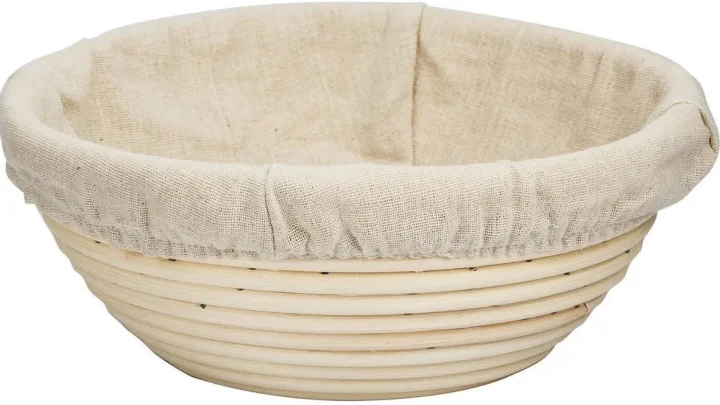
Our research points to a 10-inch or 12-inch oval banneton for most home bakers. A 10-inch basket holds 500 to 700g of dough, while a 12-inch runs 750g to 1kg. Those numbers shift with hydration and proofing time.
Here's how to match your dough to the basket instead of guessing.
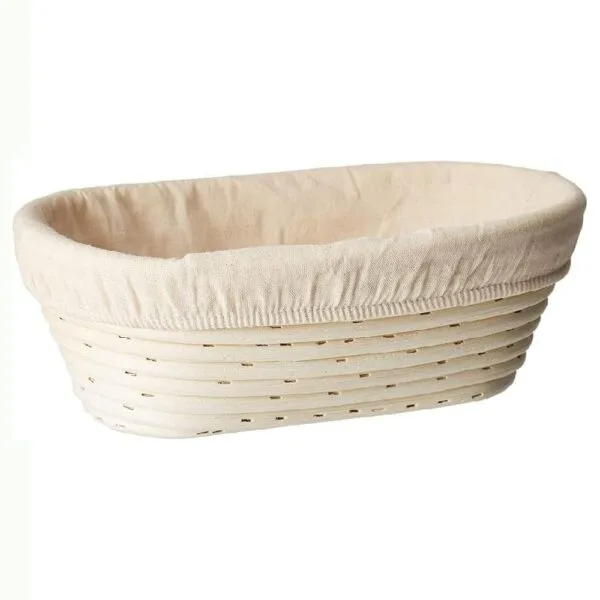
Why the Right Batard Basket Size Actually Matters
A batard is that oval loaf between a boule and a baguette. It's longer than a round loaf, but wider than a baguette. That shape needs side support during final proof.
Without it, the dough slowly flattens into a blob.
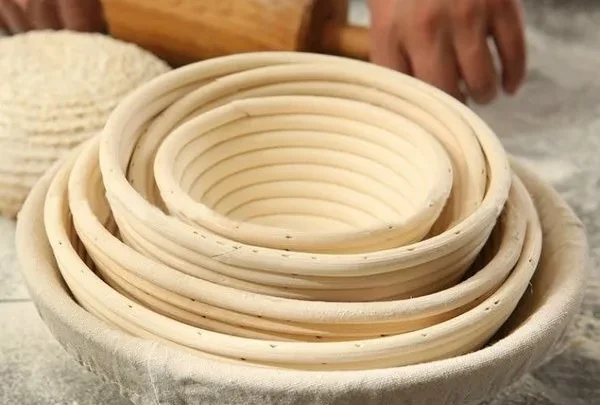
The basket does more than hold the dough. It wicks moisture from the surface, and that helps form a light skin for easier scoring. The rattan texture leaves the classic flour-dusted rings on the crust.
That look is nice, but the structure is what matters.
Too small a basket crushes the dough and forces the seam to burst. Too large a basket lets the dough relax into empty corners. The final loaf comes out wider, flatter, and nowhere near the tall batard you were hoping for.
Check the basket before you shape. If the dough mounds above the rim, you're in too small a basket. If it barely covers the bottom, you're in too big a one.
Quick Answer: How to Match Dough Weight to Basket Size
What size proofing basket for batard? For most bakers, it's a 10-inch for 500 to 700g of dough. A 12-inch fits 750g to 1kg.
Use 13-inch for 1kg to 1.25kg. Hydration and proofing time shift these ranges.
Those ranges assume a moderate hydration dough, around 68% to 75%. Wetter dough needs a smaller load in the same basket. Stiffer dough can handle the upper end of the range.
- 500g to 700g dough: 10-inch basket
- 750g to 1kg dough: 12-inch basket
- 1kg to 1.25kg dough: 13-inch basket
If you bake one standard sourdough loaf, a 12-inch basket is the safe default. It gives you room to grow without leaving the dough shapeless.
The Key Variables: Hydration, Dough Weight, and Rise
Hydration, dough weight, and rise work together. If you only look at one number, you'll end up with the wrong basket.
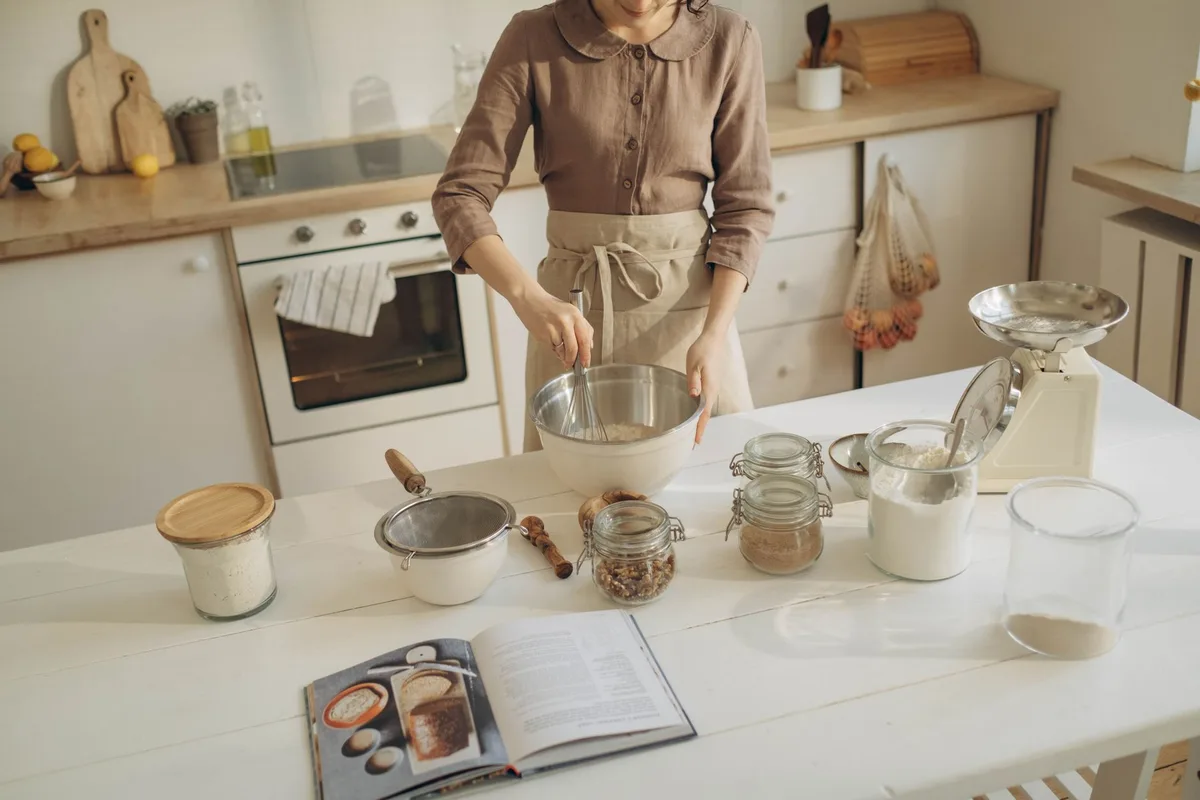
How Dough Weight Translates to Basket Capacity
Dough weight is the most reliable starting point. When you scale a recipe, the weight tells you which basket to reach for. A 500g loaf needs a 10-inch basket.
At 750g, move up to 12 inches. At 1kg, you're in 13-inch territory.
But weight alone isn't the whole story. Capacity charts assume a typical dough density. Your dough might be denser or airier depending on how you shape it.
The safest move is to weigh your dough after shaping, not before.
Why Hydration Changes How Much Space You Need
Hydration is the ratio of water to flour. A 70% hydration dough has 70 grams of water per 100 grams of flour. As hydration climbs, the dough becomes weaker and more slack.
Slack dough slumps against the basket walls. It spreads outward instead of holding its shape. So a 750g batch at 80% hydration can overflow a 12-inch basket that would hold a stiffer 800g rye loaf.
If your dough is above 75% hydration, treat it as one size category bigger.
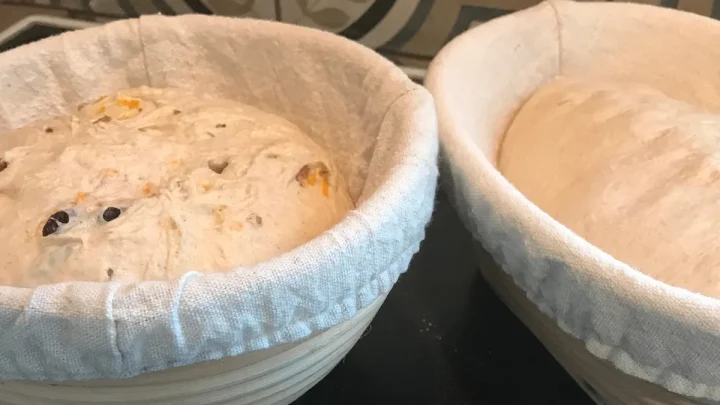
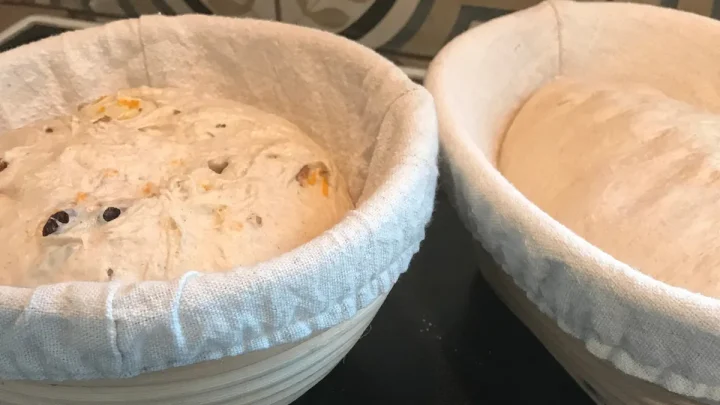
You also need to plan for rise. Dough usually grows 1.5 to 2 times its original volume during final proof. The basket should look about two-thirds full after shaping.
That leaves headroom for expansion without spilling over the rim.
Raw flour carries a small risk, so keep your banneton clean and dry between bakes. Follow the FDA's flour safety guidance and don't reuse flour that touched raw dough.
Standard Batard Banneton Sizes and Capacities
Manufacturers list banneton capacities by dough weight, but interior dimensions matter too. Elongated baskets are measured at the top rim. The bottom is slightly narrower, so the dough sits in a gentle taper.
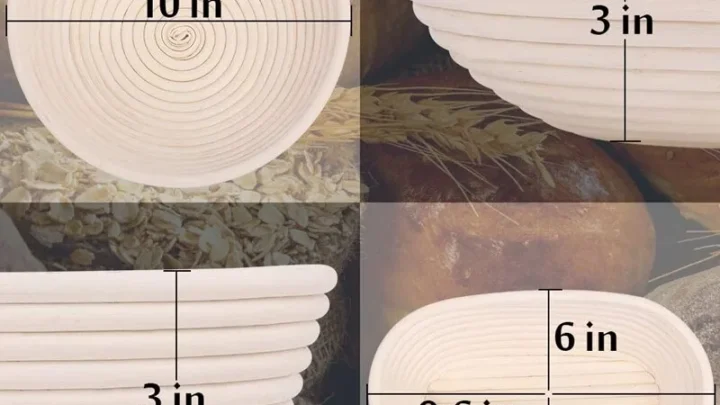
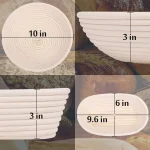
A batard banneton typically runs 10 to 13 inches long and 5.5 to 7 inches wide. Depth usually falls between 2.5 and 4 inches. Shallow baskets are harder to load because dough flops over the sides.
Deeper baskets give more support for high hydration dough.
As of 2026, most banneton listings show capacity in grams, but the numbers vary by brand. The table below reflects the common ranges across major manufacturers.
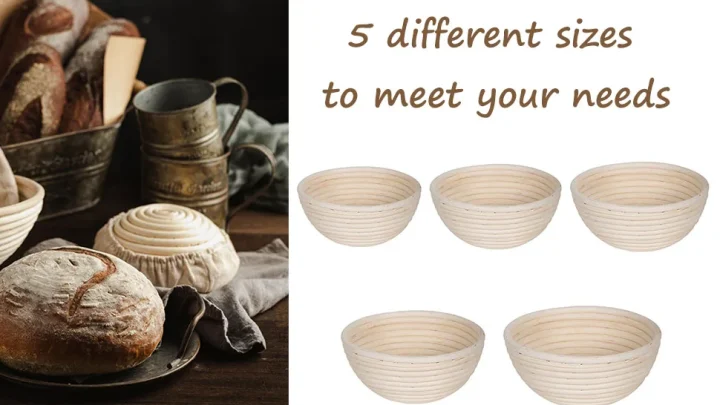
| Basket Size | Top Interior Dimensions | Dough Capacity | Best For | | 10-inch | 10" x 5.5" | 500 to 700g | One standard small loaf | | 12-inch | 12" x 6.5" | 750g to 1kg | Classic 1kg sourdough | | 13-inch | 13" x 7" | 1kg to 1.25kg | High hydration or large batches |
Those ranges assume 70% to 75% hydration. Lower hydration dough can sit at the top of the range. Higher hydration dough should stay near the bottom.
If you're between sizes, go up. A slightly larger basket is easier to correct than an overflowing one.
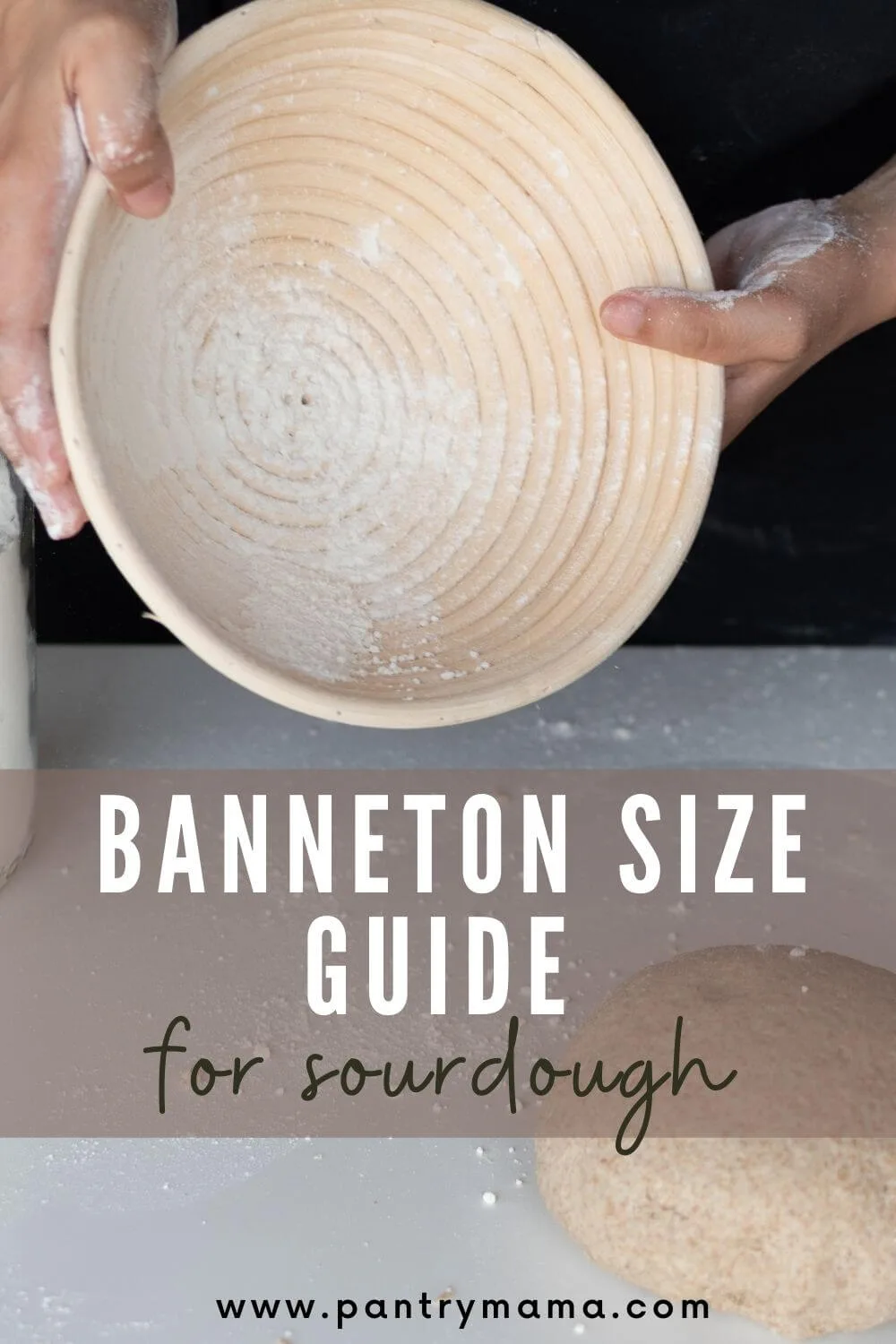
Comparing the Common Sizes: 10", 12", and 13"
The three common batard basket sizes map neatly to how much dough you're likely to bake. Here's who each one serves best.
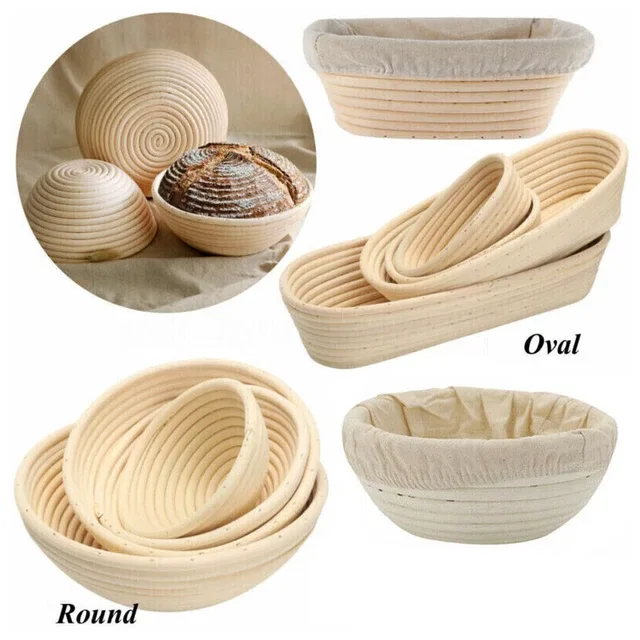
10-Inch Batard Basket
A 10-inch basket is for small batch bakers. It holds exactly one standard loaf from a 500g batch. It also suits high hydration dough at lower weights.
The compact length keeps the dough in a tight oval instead of letting it stretch too far.
12-Inch Batard Basket
A 12-inch basket is the workhorse of home baking. It handles the classic 1kg batch that most sourdough recipes produce. That translates to a loaf about 10 to 12 inches long after baking.
It's also forgiving if your dough runs a little big.
13-Inch and Larger Batard Baskets
A 13-inch basket is for heavy hitters. Use it when you bake dough above 1kg or push hydration past 80%. It also works for longer, slimmer batards that border on a short baguette.
Don't put a 500g batch in here. The dough will spread out and lose its shape.
Basket Material and Lining: Cane, Wood Pulp, or Linen?
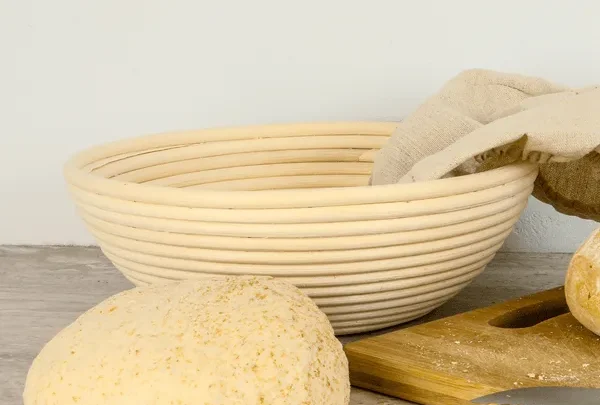
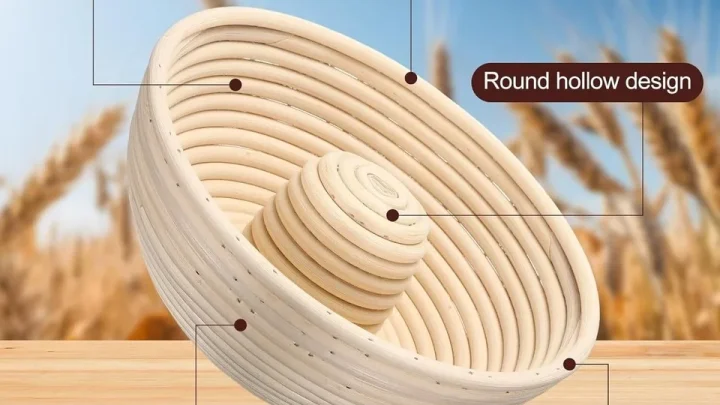
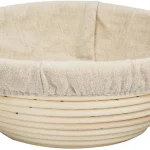
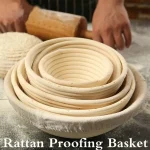
The basket material changes how the dough behaves during proof. Cane rattan is the classic choice. It's breathable, strong, and leaves those beautiful spiral marks on the crust.
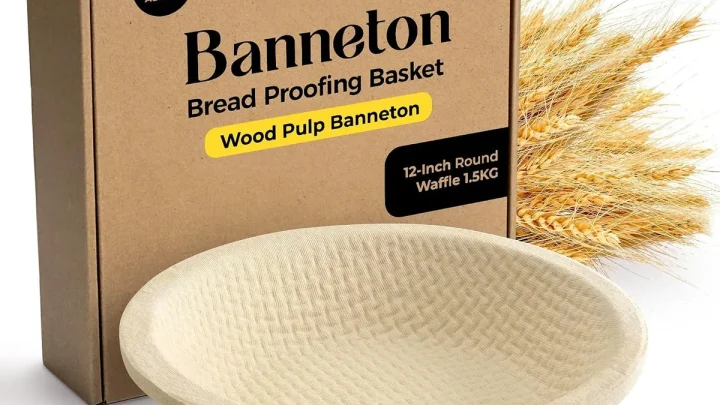
Wood pulp baskets are lighter and cheaper, but they absorb less moisture. That can leave the dough surface tackier.
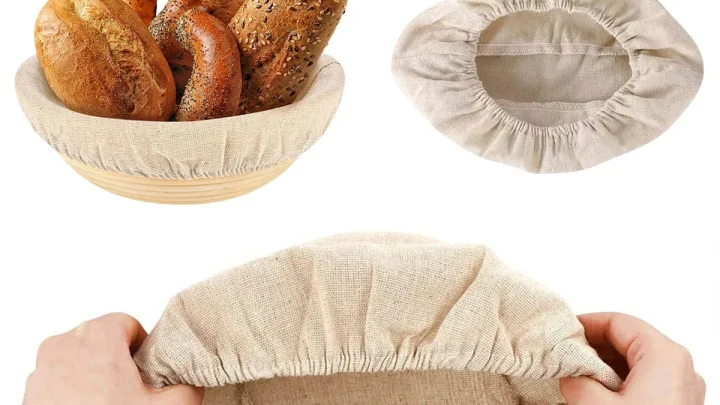
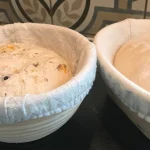
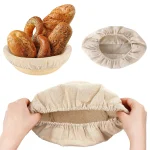
Linen liners change the game. They protect the dough from deep ridges and work well for very wet dough. If you use a liner, you give up the spiral crust pattern.
Some bakers prefer a smooth loaf, so that's not always a loss.
For batards, cane with a natural finish is the best all-around pick. It supports high hydration dough and holds up to repeated use. Just avoid machine washing.
Hand wipe, air dry, and store it somewhere dry.
Assessing Your Setup: High-Hydration Dough, Cold Proofing, and Oven Type
Your basket size isn't just about the dough. It also depends on how you bake and where you proof.
High hydration dough is weaker and spreads more. If you bake at 80% hydration or higher, choose a basket one size up. The extra wall height gives the dough more support while it relaxes.
Cold proofing changes the math too. Dough in the fridge still rises, just slowly. A basket that looks perfect at room temperature can overflow after eight hours in the chiller.
Leave a little extra headroom if you plan to retard the dough overnight.
Oven type matters for the final loaf length. A batard from a 12-inch basket needs enough room in your Dutch oven or on your baking stone. Measure your baking vessel before you commit to a 13-inch basket.
A beautiful banneton loaf won't help if it doesn't fit the pan.
The Biggest Mistakes When Sizing a Batard Basket
Most basket sizing problems come down to a few avoidable errors. Here's where bakers typically go wrong.
- Using a round banneton for a batard shape, which forces the dough into a circle.
- Choosing by flour weight in the recipe instead of total dough weight.
- Ignoring hydration and buying a basket that's too small for wet dough.
- Overfilling the basket past two-thirds full.
- Dusting with all-purpose flour when sticky dough needs rice flour.
- Leaving a new rattan basket unseasoned, so the dough sticks to the dry cane.
Each of those mistakes is easy to fix once you know how the basket works. Track your dough weight, watch your hydration, and keep a little extra room in the basket.
Distinctly Different Options: Round Bannetons, Couches, and Freeform Proofing
A batard basket isn't your only option. It's just the most convenient one.
A round banneton gives you a tall, round boule. It won't produce a batard no matter how you shape the dough. The walls push the dough into a circular pattern.
A couche, or long linen cloth, is the traditional choice for baguettes and long batards. It supports the dough from all sides using pleats. That works well for very long loaves, but it takes more practice to load and score.
Freeform proofing on a parchment-lined tray is the simplest setup. The dough spreads more, so you get a flatter loaf. It's fine for rustic bread, but you won't get that tall, defined batard shape.
A batard basket sits between those options. It's easier than a couche and more shape-friendly than freeform proofing.
Practical Setup: Dusting, Shaping, and Loading Your Batard Basket
The basket size only works if you use it correctly. Start with the right dusting flour. Rice flour is best because it doesn't absorb into the dough like wheat flour does.
Use a small sieve and coat the basket evenly.
Shape the dough into a batard on a lightly floured surface. Don't fight the dough. If it resists, let it rest for 10 minutes and try again.
Place the dough seam-side up in the basket. The seam should face you when you score, because that's how you'll turn it out later. Cover it loosely with a plastic bag or a clean cloth.
That stops a skin from forming during long proofs.
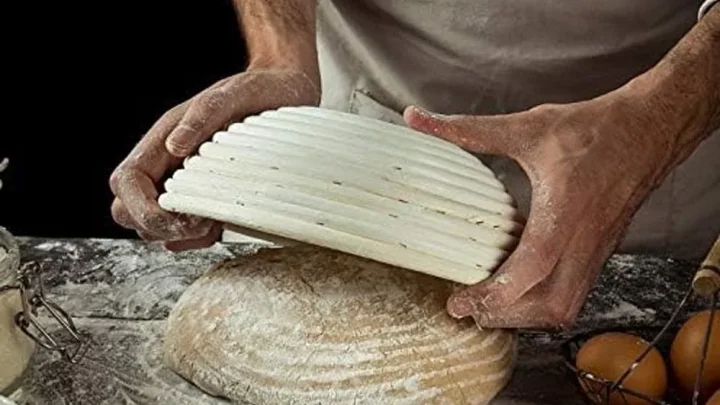
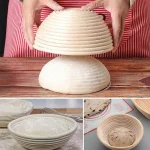
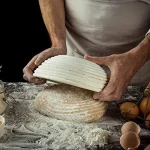
When it's time to bake, invert the basket onto parchment. The dough should drop out cleanly if you dusted well. Score it confidently and bake it hot.
Frequently Asked Questions
What size proofing basket do I need for a 500g batard?
A 10-inch batard basket handles 500g to 700g of dough. That gives you room for the rise without overflowing. Use the 10-inch size for a single small sourdough loaf.
Can I use a round banneton for a batard?
You can, but the loaf won't be a true batard. The round walls push the dough into a boule shape. If you want that oval batard look, get an elongated basket.
Should I use rice flour or all-purpose flour in a batard basket?
Rice flour is the better choice. It stays dry on the dough surface and prevents sticking. All-purpose flour absorbs into the dough and can leave gummy patches.
What happens if my dough overflows the basket?
Overflow means the basket is too small for that dough weight. The seam stretches, the crust sets unevenly, and the loaf flattens. Move up to a larger size or reduce your batch weight.
Does hydration change which basket size I need?
Yes, higher hydration dough spreads more. A slack 80% hydration dough needs a bucket one size larger than a stiffer 70% dough of the same weight.
Do I need a linen liner for a cane banneton?
Only for very wet dough. A liner prevents sticking and smooths the crust. For most batards, a well-dusted cane basket gives better support and a prettier finish.
The Final Sizing Guide: How to Choose Without Guessing
Start with your total dough weight and hydration. Pick the basket from the capacity chart, then adjust for wet dough and cold proofing. If you're between sizes, choose the larger basket.
It's easier to handle a slightly loose loaf than to scrape dough off your counter.
For most home bakers, a 12-inch oval cane banneton is the one to buy. It covers the classic 750g to 1kg batch and leaves a little room for technique mistakes. Name your dough weight, match it to the chart, and bake with confidence.

Similar Posts