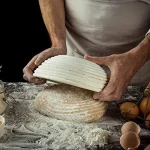
Beginner’s Guide to Choosing a Proofing Basket
Figuring out how to choose a proofing basket for beginner sourdough really comes down to three decisions: shape, material, and liner. Get those right, and your dough will hold its shape through the final rise. Get them wrong, and you'll be peeling sticky dough out of a basket while your loaf flattens.
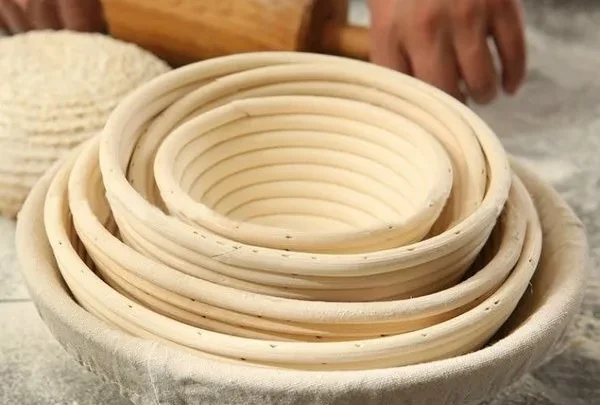
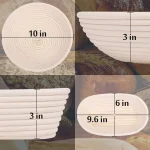
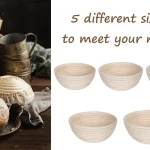
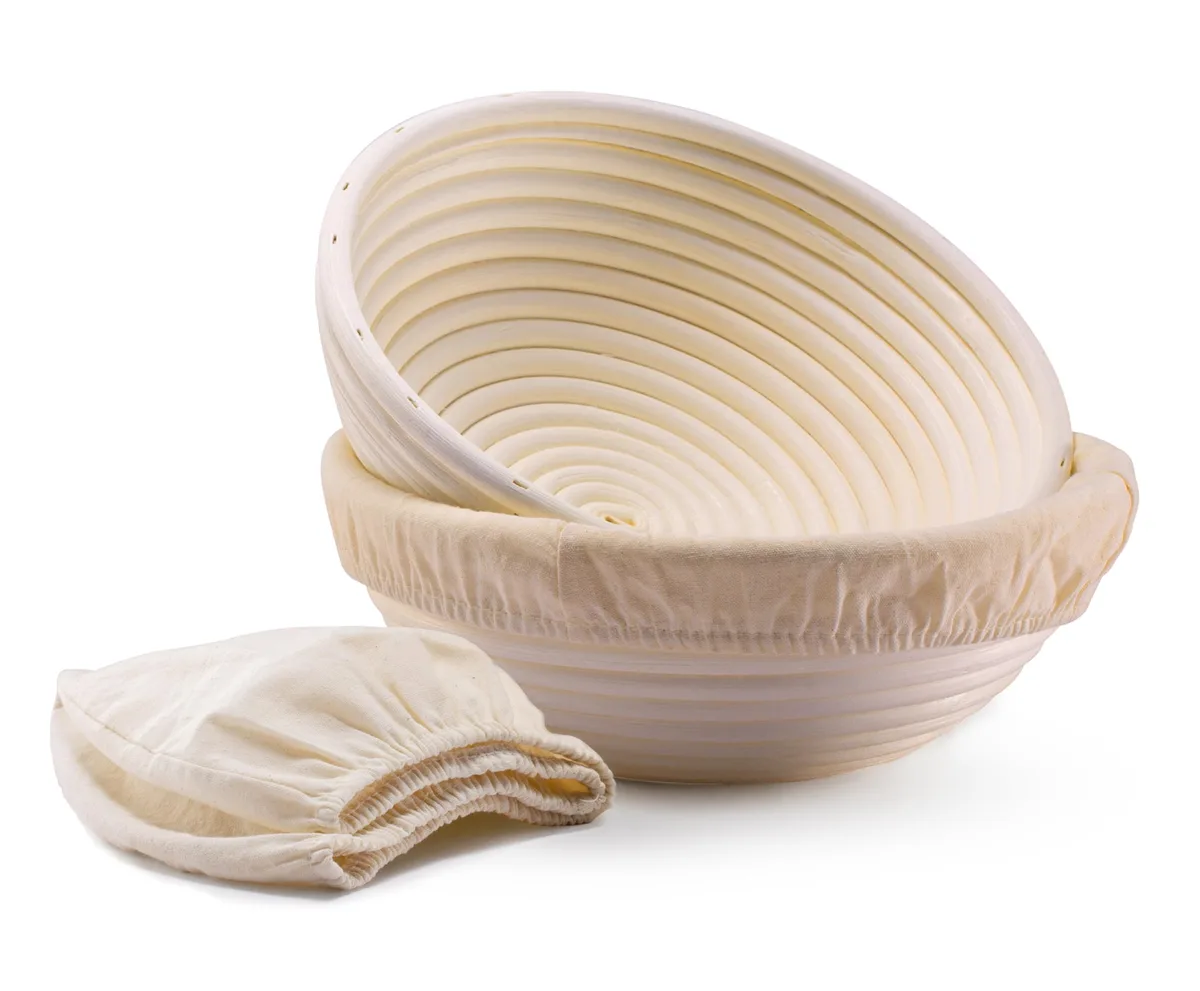
The basket, usually called a banneton, doesn't bake the bread. It supports the dough while yeast works. An 8-inch basket fits 500g of dough, a 9-inch fits 750g, and a 10-inch fits 1kg.
That size match is exactly why the basket matters more than most new bakers expect.
Why Your First Proofing Basket Actually Matters
Here's the problem. Sourdough dough is wet. A typical recipe sits at 70% hydration, which means 700g of water for every 1kg of flour.
That kind of dough spreads and slumps unless something holds it.
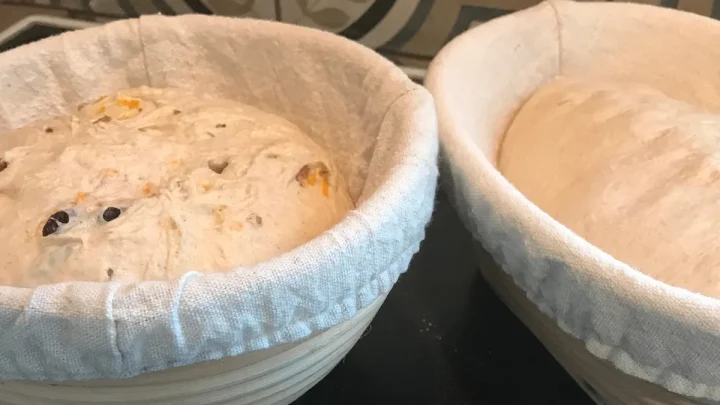
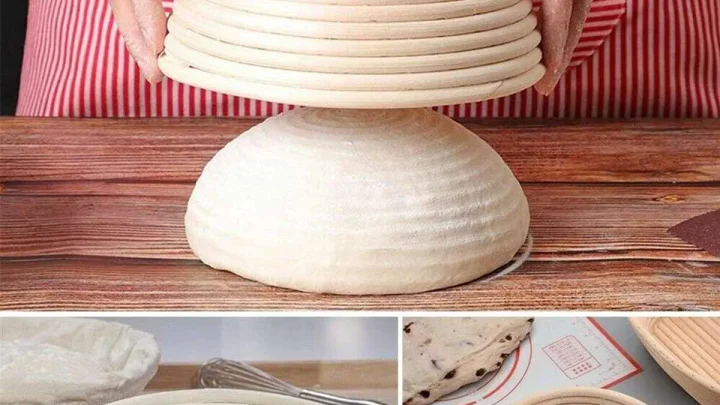
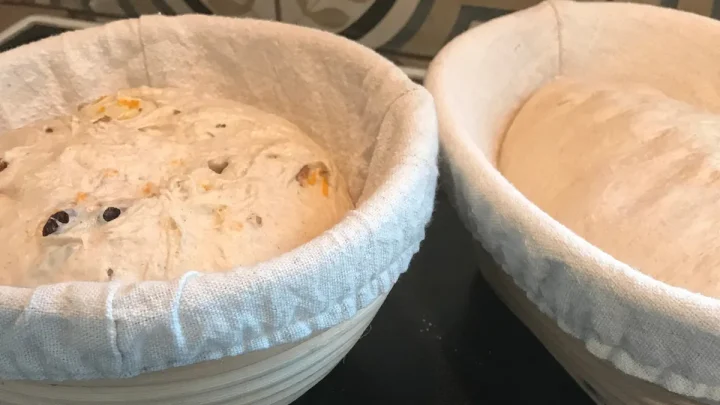
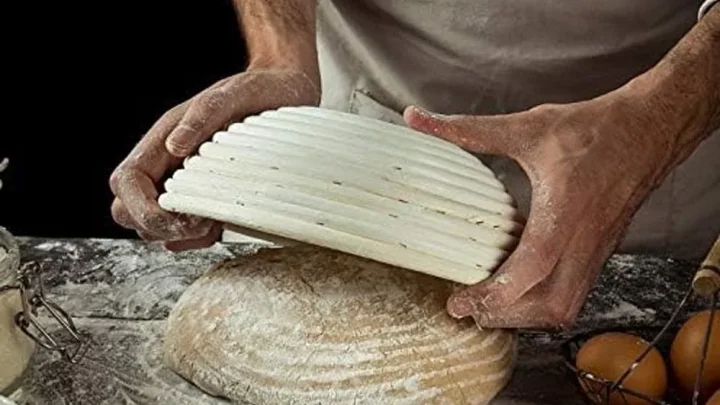
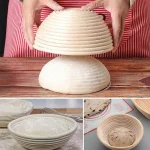
A proofing basket creates gentle, even pressure around the dough. It also lets the surface dry slightly. That dry skin is what helps the loaf hold its shape when you flip it into a hot Dutch oven.
University extension programs, including University of Nebraska-Lincoln Extension, describe fermentation as a process that depends on stable moisture and temperature. The basket is part of that environment.
What a basket actually does for you:
- Holds wet dough in a solid shape.
- Supports long cold proofing in the fridge.
- Builds surface tension so the loaf doesn't flatten.
A mixing bowl lined with a towel can work. It just won't be as forgiving. Baskets are cheap insurance, and they make the final proof much easier to read.
Quick Answer: What Should a Beginner Buy First?
Choose a 9-inch round cane banneton for your first sourdough proofing basket. It fits a standard boule for a Dutch oven. It allows cold proofing for 12 to 18 hours.
Rice flour keeps the dough from sticking. That's all you need to start.
Round vs. Oval: Which Shape Fits Your Baking Style?
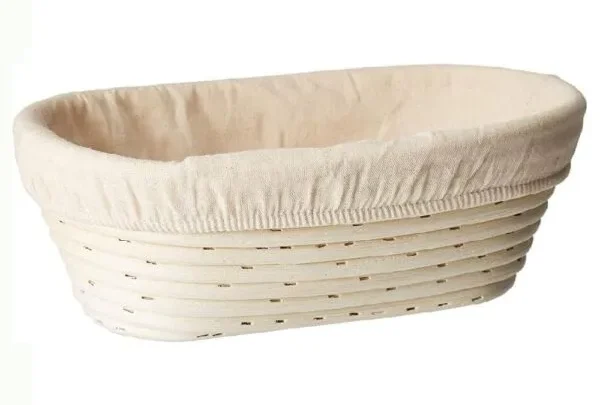
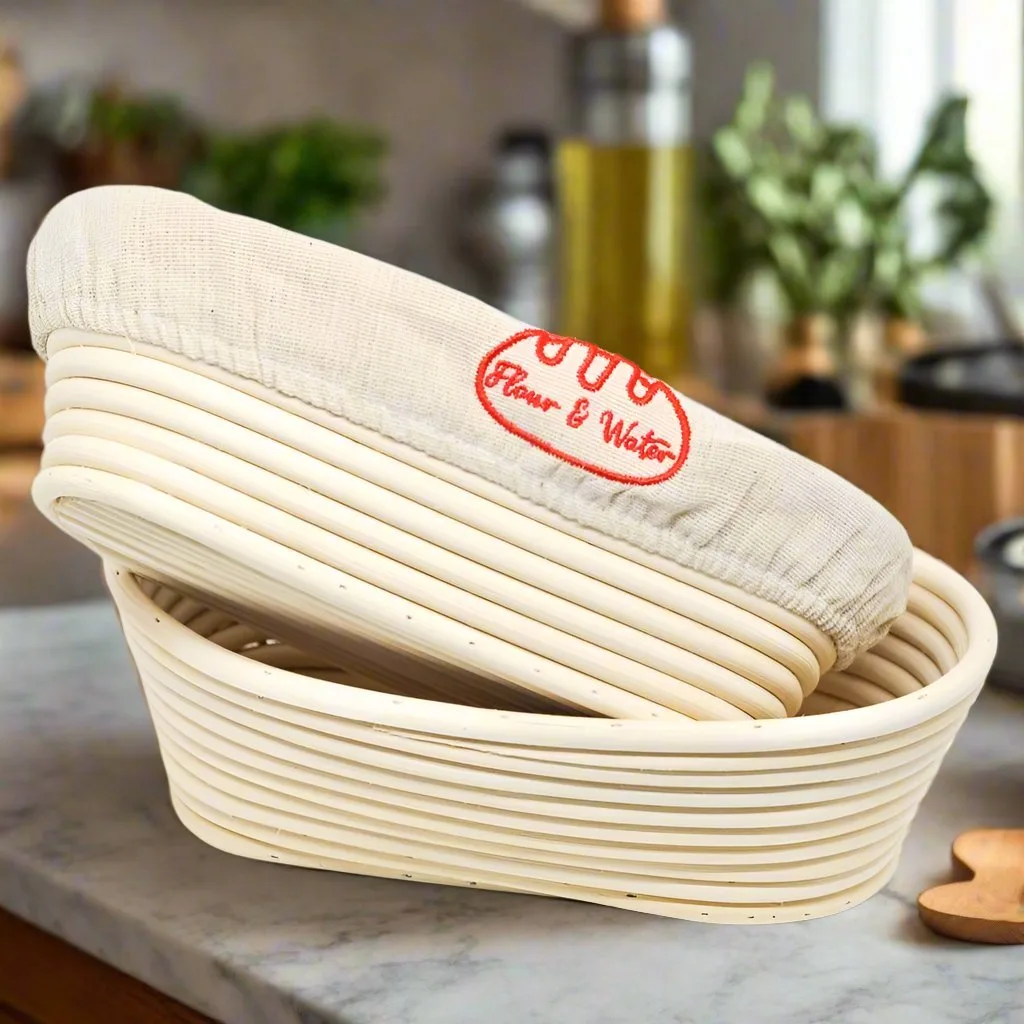
The shape of your basket should match the loaf you want and the vessel you bake in. Round baskets make boules. Oval baskets make batards.
This isn't just cosmetic. It affects how the dough bakes.
| Feature | Round banneton | Oval banneton |
|---|---|---|
| Loaf shape | Boule | Batard |
| Dutch oven fit | Fits standard round | Needs oval or freeform bake |
| Best for | Rustic country loaves | Sandwich-style slices |
| Beginner rating | Easiest | Slightly trickier |
If you bake in a round Dutch oven, go with a round basket. That's the setup most home bakers already have. An oval basket works best if you bake on a stone, use an oval cloche, or want longer slices for sandwiches.
Look for a basket that's roughly as wide as your Dutch oven's base. You want the proofed dough to transfer without colliding with the walls. A 9-inch round banneton matches a 5.5-quart Dutch oven.
For smaller 4-quart ovens, an 8-inch basket is a safer pick. As of 2026, round baskets remain the default choice for most home bakers.
Cane Rattan vs. Wood Pulp: The Material Breakdown
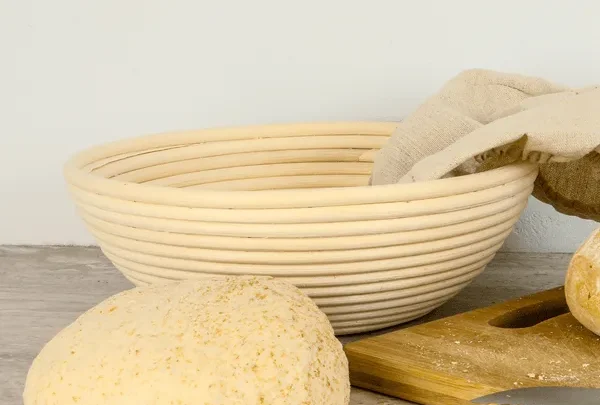
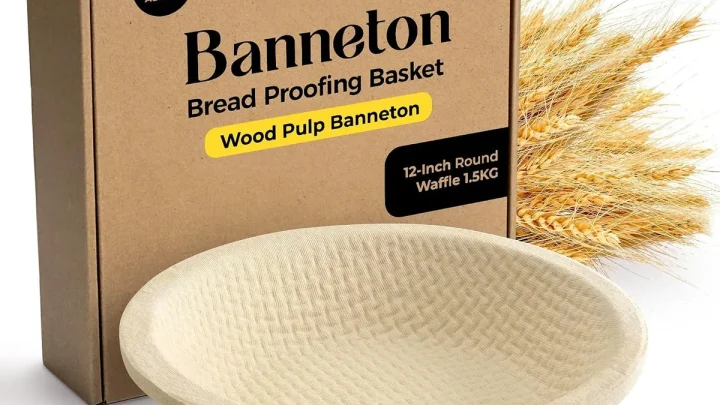
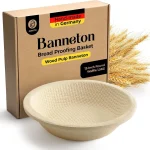
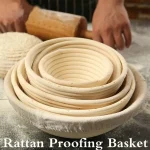
These are the two materials you'll actually see for sale. Cane rattan is a natural vine woven into a spiral. Wood pulp is pressed paper fiber that forms a smooth, rigid bowl.
Both are food-safe when untreated.
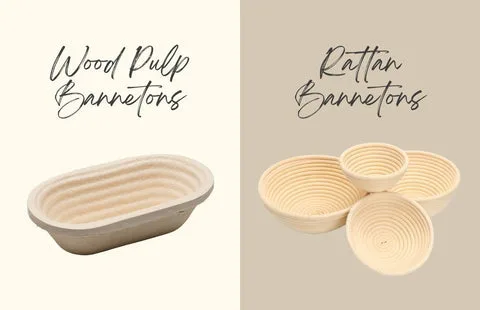
Manufacturer specifications indicate cane baskets are light and extremely breathable. That airflow is what helps form a crisp, flour-dusted crust. Wood pulp baskets are heavier and less reactive.
They hold their shape even when the dough is especially slack.
| Material | Breathability | Sticking risk | Washability | Best for |
|---|---|---|---|---|
| Cane rattan | High | Needs rice flour | Never soak | Spiral-marked crusts |
| Wood pulp | Medium | Lower with a liner | Never soak | Beginners using liners |
Neither material is safe to wash with water. Soaking can cause mold and cracking. The standard cleaning method is to brush out flour after use and let the basket air dry completely.
In our research, the biggest reason baskets wear out is moisture, not dough.
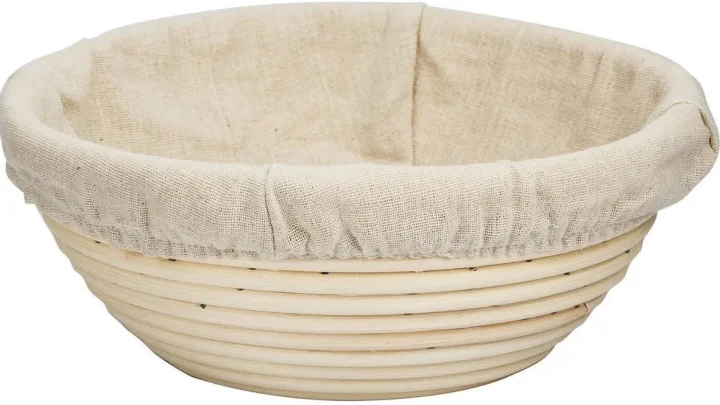
For a new baker, the best value is a cane basket with a liner. The cane is forgiving, and the liner gives you extra protection while you're still learning how much flour to use.
Lined vs. Unlined: Do You Want Spiral Marks or Zero Stress?
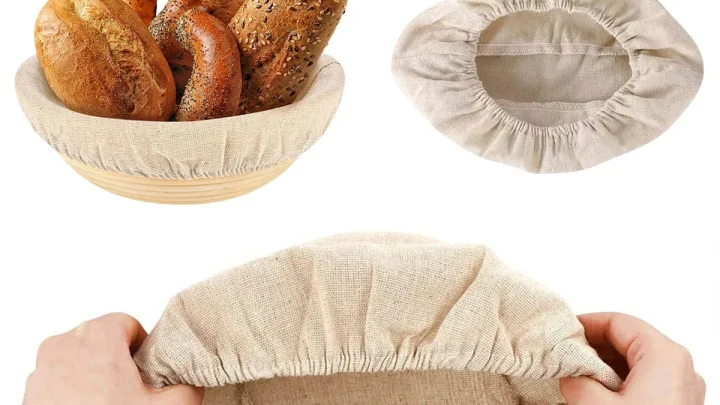
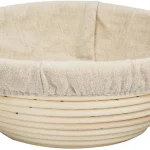
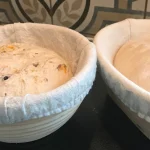
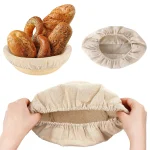
A lined basket has a removable fabric liner, usually linen or cotton. An unlined basket is just bare woven cane. The choice affects how your crust looks and how easily the dough releases.
Unlined baskets leave those beautiful flour-dusted spiral rings on your loaf. They also demand more rice flour. If you dust wrong, you'll be scraping dough out of the weave.
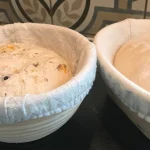
Lined baskets produce a smooth, classic artisan look. The fabric peels away cleanly. Cleanup is simpler too, since you can remove the liner, brush it, and let it dry separately.
| Liner type | Crust look | Sticking risk | Cleaning |
|---|---|---|---|
| Lined | Smooth | Very low | Brush liner, let dry |
| Unlined | Spiral rings | Requires good flour dusting | Brush only, no water |
For a beginner, lined is the safer bet. The margin for error is much wider. You can always remove the liner later and use the bare cane basket once your shaping and flouring skills improve.
Once you've sorted this out, the next question is size. That's where most beginners actually trip up.
Side-by-Side Comparison: Key Specs at a Glance
Still juggling all four choices at once? Here's the quick reference. This table sums up what each decision means for your first basket.
| Decision | Option | Typical price | Sticking risk | Best for | Care |
|---|---|---|---|---|---|
| Shape | Round | $12-$25 | Low | Boules in a Dutch oven | Brush dry |
| Oval | $15-$30 | Low | Batards, sandwich loaves | Brush dry | |
| Material | Cane rattan | $10-$25 | Medium | Crispy, flour-dusted crusts | Brush only |
| Wood pulp | $12-$28 | Low with liner | Smooth loaves, beginners | Brush only | |
| Liner | Lined | +$5-$10 | Very low | Beginners | Remove and brush |
| Unlined | $10-$20 | High without care | Spiral marks | Brush only |
In our research, a lined cane basket in the $18-$22 range offers the most forgiving start for a beginner. You get airflow, an easy release, and no special flouring technique yet. That's the smart first buy.
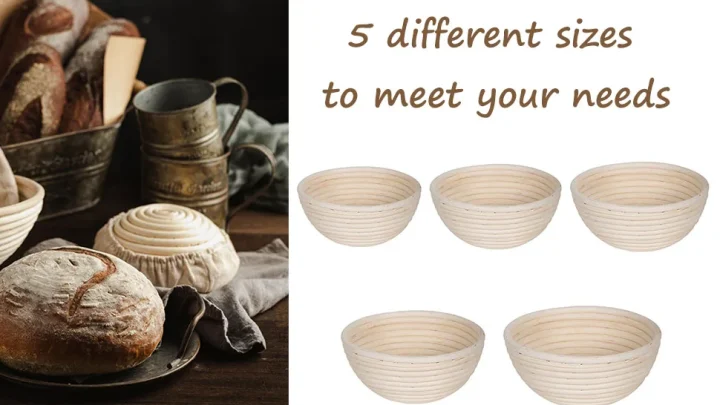
Sizing Guide: Matching Basket Size to Your Dough Weight
Most baskets list a diameter in inches. What they don't list is how much dough they actually hold. That measurement matters more than how the basket looks.
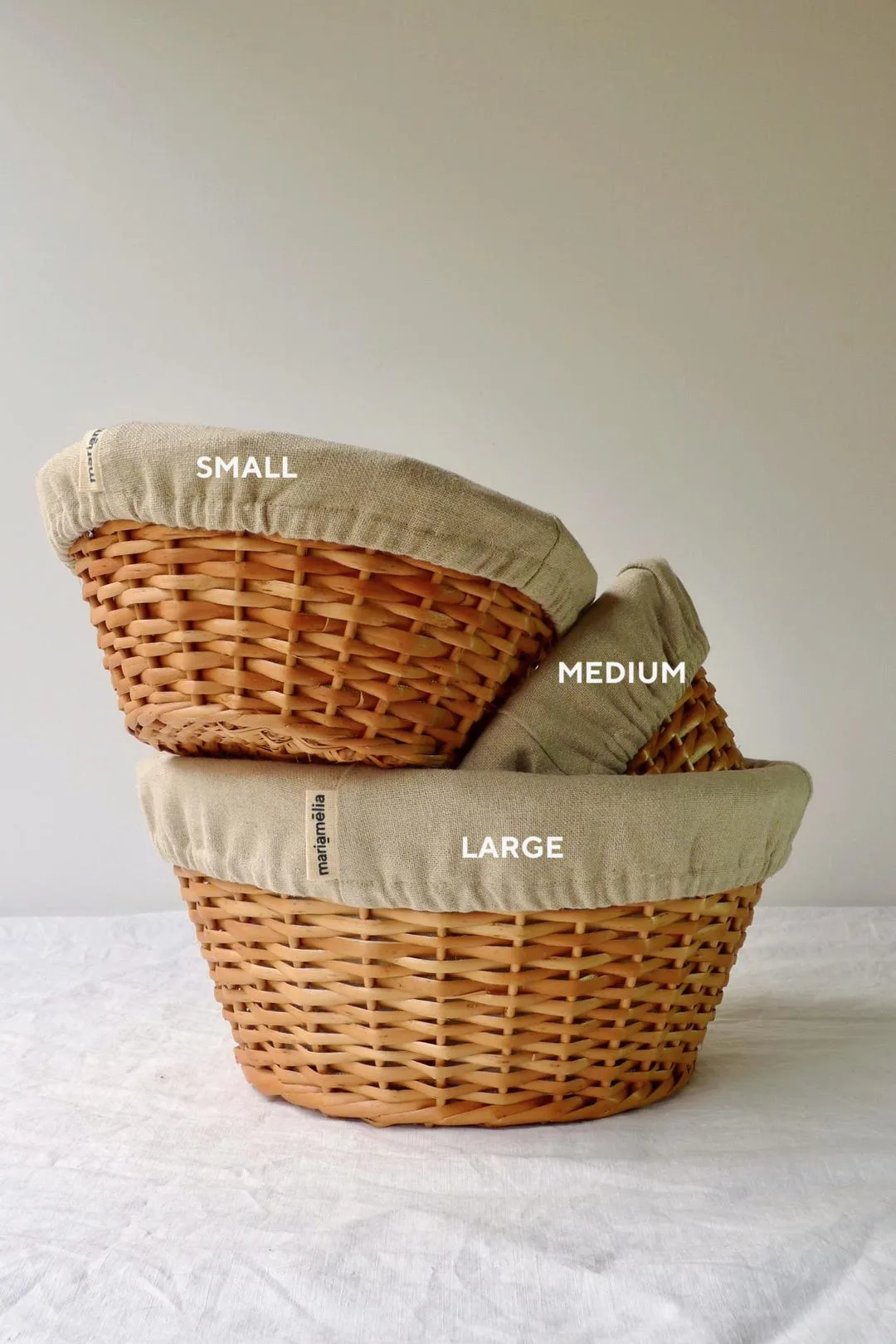
Verified buyer feedback and manufacturer specs support these ranges:
| Basket diameter | Dough weight | Typical flour amount | Best for |
|---|---|---|---|
| 8 inches | 400-500g | 250g-300g | 4-quart Dutch oven |
| 9 inches | 500-750g | 300g-400g | 5.5-quart Dutch oven |
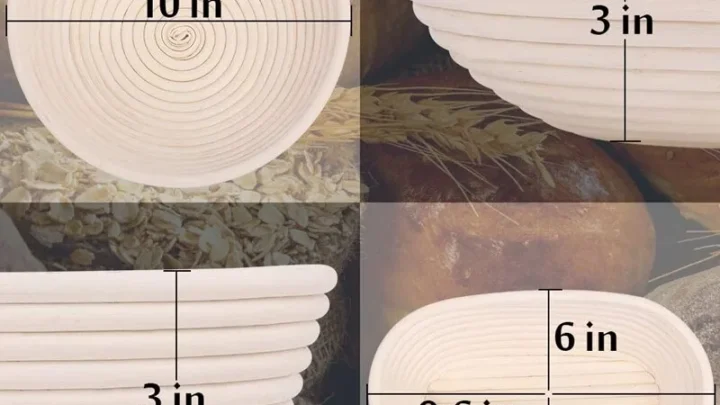
| 10 inches | 750g-1kg | 400g-500g | Large boules or batards |
A 9-inch basket is the sweet spot for classic recipes like a 500g boule. If your recipe calls for 1kg of dough, an 8-inch basket will overflow. A 10-inch basket will leave dough too shallow to hold tension.
Best Use Cases: Round Basket, Oval Basket, or Skip the Basket?
Let's be practical. Your choice depends on how you bake.
Round basket is the default. If you bake in a round Dutch oven, want rustic boules, or prefer the easiest learning curve, start here. It handles 500g to 750g dough batches without complaint.
Oval basket suits specific setups. If you bake on a stone, use an oval cloche, or want longer slices for sandwiches, go oval. It holds the same dough weights in a longer shape.
Skip the basket entirely if you bake in a loaf pan or Pullman pan. Pan bread doesn't need structural support from a basket. The pan does that job.
For everyone else, get the round basket. One size covers a huge range of recipes.
Common Beginner Mistakes (And How to Avoid Them)
The mistakes here are predictable because nearly everyone makes them. Here's how to dodge each one.
- Buying a basket too big for the recipe. Dough spreads instead of rising tall.
- Using all-purpose flour for dusting. Wheat flour absorbs moisture and turns gummy. Rice flour stays dry.
- Soaking the basket in water. This causes mold and cracks. Brush it out instead.
- Overproofing in the basket. Dough looks fine but collapses when flipped. Track time, not just volume.
- Forgetting to flour the liner. Even lined baskets need a light dusting.
- Storing a damp basket. Always air dry completely before putting it away.
Each fix is simple. The pattern is the same. A little more care than you think you need.
How to Care for Your Proofing Basket So It Lasts Years
Care is simple but strict. No water. That's the golden rule for both cane and wood pulp.
After each bake, tap out excess flour. Use a stiff brush to remove dough bits. Let the basket air dry for a few hours in a dry spot.
Once fully dry, store it in a breathable bag or on an open shelf.
If dough sticks, don't scrub. Let it dry completely, then brush. Stubborn bits crumble off once hardened.
Avoid the dishwasher at all costs. Avoid soaking entirely. A well-cared-for cane basket lasts years of weekly baking.
Pricing Reality: What Do You Really Need to Spend?
A solid beginner proofing basket will cost between $12 and $25. That's the honest range for a basket that works well and lasts.
Cheap baskets under $10 often have rough edges, thin weaves, or flimsy liners. They can splinter or flex under heavy dough. In our research, verified buyer feedback shows these rarely survive a full year of weekly baking.
| Basket type | Price range | What you get |
|---|---|---|
| Basic cane, unlined | $10-$15 | Bare basket, no liner, needs careful flouring |
| Cane with linen liner | $15-$25 | Basket plus liner, best beginner value |
| Wood pulp with liner | $12-$28 | Smooth finish, easy release, slightly heavier |
| Premium or imported | $25-$40 | Thicker weave, better craftsmanship, longer life |
Skip the $40 basket for now. The difference won't improve your first few loaves. Spend the savings on good rice flour and a bench scraper.
Expert Tip: The Rice Flour Trick That Saves Every Loaf
Rice flour is the single most important tool for using a proofing basket. It doesn't absorb moisture the way wheat flour does.
White rice flour stays dry on the dough's surface. That dry barrier is what stops the dough from fusing to the cane or the liner. All-purpose flour, by comparison, mixes with the dough's moisture and turns into a paste.
How to apply it correctly:
- Add 1 to 2 tablespoons of rice flour to the basket.
- Dust the sides, not just the bottom.
- Shake the basket to coat the entire surface.
- Tap out the excess before placing your dough.
Apply a fresh dusting before every proof. This applies whether you use a liner or go unlined. A lined basket reduces the risk, but it doesn't eliminate the need.
If you don't have rice flour, brown rice flour or rye flour works as substitutes. They're a bit coarser, so use less. White rice flour remains the most reliable choice.
FAQs: Last-Minute Questions Before You Buy
How do I know if my basket is too small for my recipe?
Weigh your dough after shaping. If it exceeds the basket's capacity by more than 15%, you'll notice overflow. The dough may also press against the liner too firmly, creating a misshapen loaf.
Use the sizing chart above as a baseline.
Can I use a regular bowl instead of a proofing basket?
Yes, but it's riskier. Use a bowl that's the same shape as your loaf and line it with a lint-free towel. Flour the towel heavily with rice flour.
This works in a pinch, but it offers less airflow and less structural support.
How many baskets do I need as a beginner?
Start with one 9-inch round basket. A single basket handles one loaf at a time. Buy a second only when you bake two loaves at once or want to try an oval batard shape.
What's the best way to clean a banneton without ruining it?
Never soak it. Use a dry brush to remove flour and crumbs. Allow it to air dry completely before storing.
If you see mold, discard the basket and start fresh.
Should I season a new basket before first use?
Manufacturer specifications vary. Some baskets are ready to use right away. Others benefit from a light dusting of rice flour before the first proof.
When in doubt, dust and go.
Final Verdict: The Smartest First Basket for a Beginner Sourdough Baker
The smartest first basket is a 9-inch round cane banneton with a linen liner. It fits the most common recipe sizes, matches a standard Dutch oven, and gives you the easiest release.
If you want to keep costs lower, choose an 8-inch unlined cane basket and master your rice flour technique. Both approaches work.
Here's the logic:
- Shape: round, for the classic boule.
- Material: cane rattan, for breathability and lightness.
- Liner: lined, to reduce sticking while you learn.
- Size: 9 inches, for 500g to 750g dough batches.
- Price: $15 to $25, for a basket that lasts.
That setup will carry you from your first loaf through months of refining your sourdough routine. When you're ready, add an oval basket or go unlined. For now, keep it simple.

Similar Posts