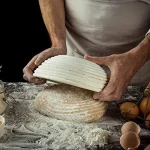
Banneton Moldy? Here’s How to Save It
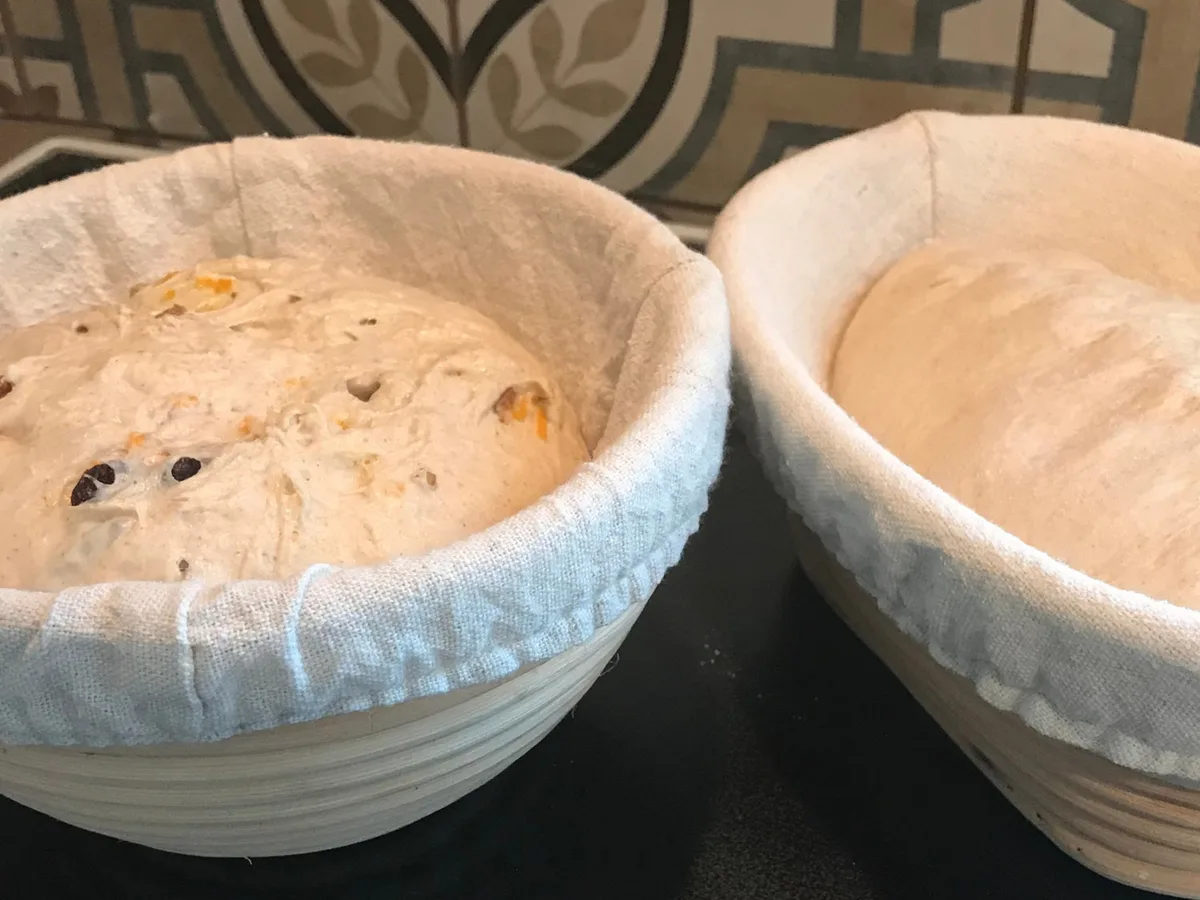
You open the cupboard to grab your proofing basket, and there it is: a fine web of black and green fuzz creeping across the rattan. Your first thought is panic. Your second is whether you can just scrape it off and keep baking.
The truth about a banneton getting moldy is that it's common, fixable in some cases, and a hard no-go in others.
Mold in a proofing basket isn't just ugly. Per USDA food safety guidelines, mold spores can produce mycotoxins that survive baking temperatures. That beautiful sourdough loaf could carry a health risk you can't see or taste.
The good news? Most moldy bannetons are salvageable if you catch them early and know exactly what you're doing. This guide walks you through the entire process, from identifying the mold type to deciding whether to rescue or replace your basket.
Quick Answer
A moldy banneton is safe to clean if the mold is white or light gray and only on the surface. Discard it if you see green or black mold. Scrape off loose flour.
Brush with a stiff, dry brush. Kill remaining spores with a 1:10 bleach solution. Rinse thoroughly.
Dry for 48 hours minimum. Reseason with rice flour. Never wash with water first.
Is It Mold or Just Flour? Spot the Difference Before You Scrub
Here's the thing that trips up more home bakers than anything else: flour dust looks exactly like early-stage mold. A banneton naturally accumulates a white-gray powder after every proofing session. If you've been using rice flour, that coating is even more pronounced.
So how do you tell the difference? Texture and pattern.
- Flour residue sits on the surface, brushes off easily, and has a uniform, powdery appearance. It smells like grain, nothing more.
- Early-stage mold appears in patches, often with a slightly fuzzy or web-like texture. It might look like tiny white dots clustered together, not an even dusting.
- Active mold shows green, black, or blue tints. The moment you see color, you're past the salvage-with-brushing stage.
Try the smell test. A healthy banneton smells neutral or faintly like toasted grain. A moldy one has a musty, damp, cellar-like odor that's hard to miss once you've encountered it.
If you're still unsure, dampen a paper towel and press it against the suspect area. Wait 30 seconds. Flour will absorb the moisture and pull off cleanly.
Mold will stay put, often with a faint discoloration visible on the towel.
The critical rule: if you see any green or black, skip the diagnosis entirely. That's not a cleaning situation. That's a replacement situation, and we'll cover why shortly.
Why Bannetons Get Moldy (And Why It Happens Fast in Some Kitchens)
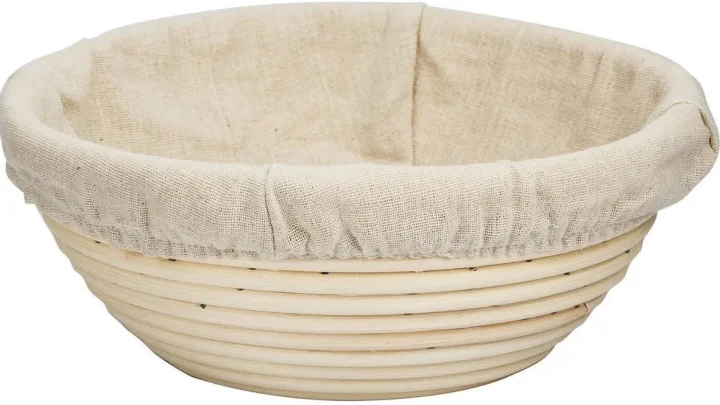
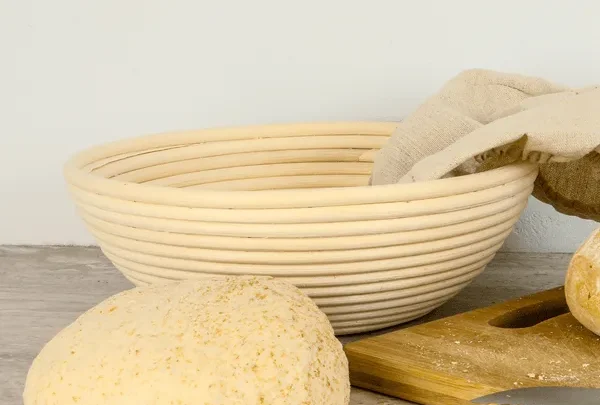
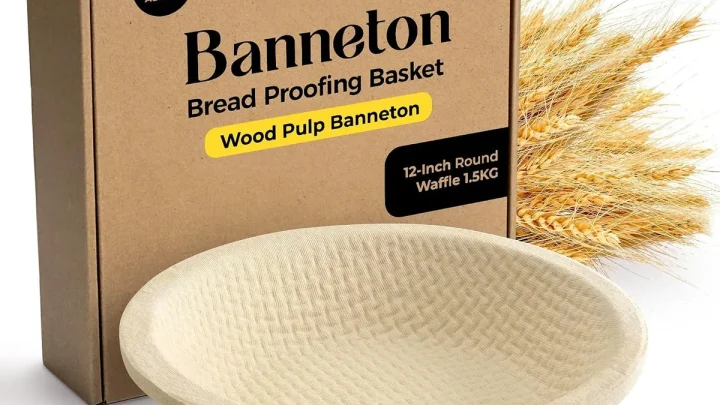
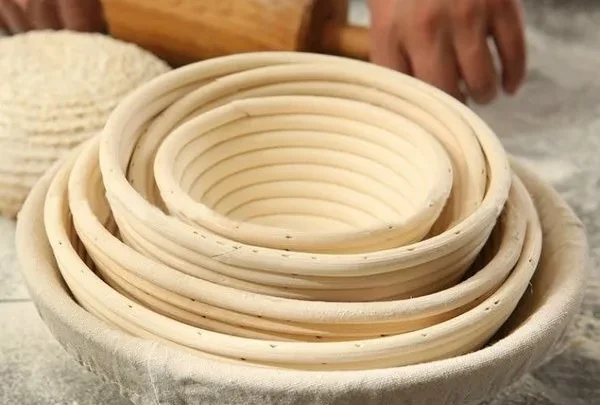
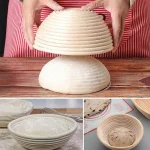
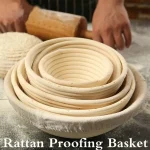
A banneton is a woven basket made from rattan cane or wood pulp. Both materials are highly porous, which means they're excellent at absorbing moisture from dough. That same property makes them perfect breeding grounds for mold spores, which are everywhere in the air all the time.
The mold lifecycle in a banneton follows a predictable path:
- Moisture transfer. Dough at 70-80% hydration leaves significant moisture in the cane fibers.
- Incomplete drying. If the basket goes into storage before the core is dry, that trapped moisture becomes a spore incubator.
- Warmth and darkness. A pantry or cabinet provides the 60-80°F environment where mold thrives.
- Food source. Residual flour particles feed the colony as it grows.
According to EPA guidance on indoor mold, relative humidity above 60% is the threshold where mold growth accelerates dramatically. If your kitchen sits at that level during summer or rainy seasons, your banneton is at constant risk.
The Liner Trap
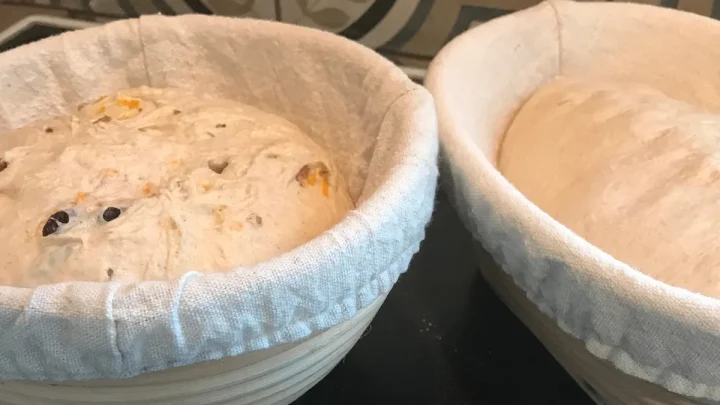
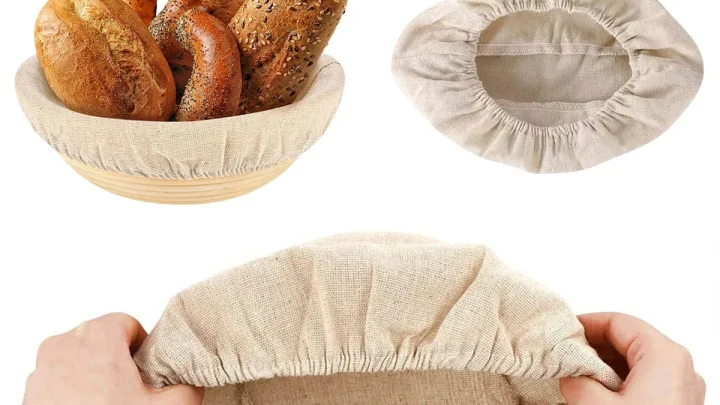
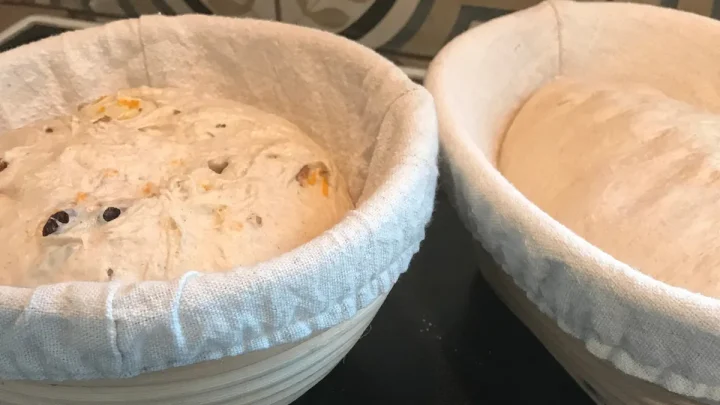
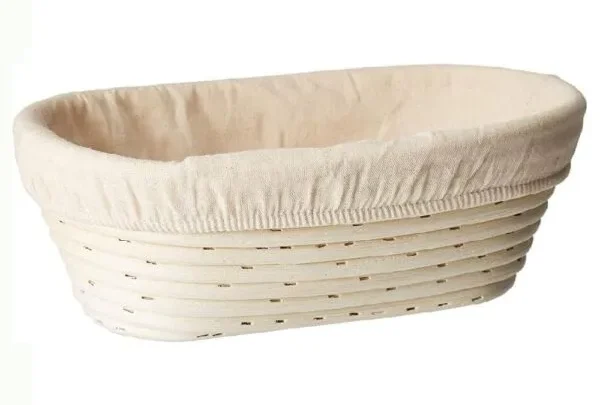
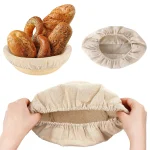
Linen liners change the equation. A removable liner wicks moisture away from the cane and can be machine-washed after every use. But a glued-in liner is a hidden hazard.
Moisture gets trapped between the fabric and the rattan, where you can't see it or reach it. That's why mold often appears on the outside of a lined banneton before the inside shows any sign. The colony is growing from the interior outward.
If you have a lined banneton, check the underside and the seam edges regularly. That's where hidden mold starts.
The Health Risk: When Mold in Your Banneton Means Tossing the Dough
This is the part nobody likes to talk about, but it matters. Mold on a proofing basket isn't just a cosmetic issue. It's a food safety problem with real stakes.
The USDA Food Safety and Inspection Service is explicit: some molds produce mycotoxins, which are toxic compounds that can cause anything from allergic reactions to respiratory problems to more serious conditions in vulnerable people. Here's the kicker: most mycotoxins are heat-stable. Baking your loaf at 450°F won't neutralize them.
If your dough touched moldy cane, the risk carries straight into the finished bread.
The danger level depends on who's eating the bread:
- Healthy adults might experience mild digestive discomfort or nothing at all.
- Children, elderly, pregnant women, and immunocompromised individuals face a higher risk of adverse effects.
- People with mold allergies can react to the spores in the flour dust long before the bread is baked.
The official position is clear: if your dough has come into direct contact with active mold, discard it. That's the only safe answer. Bakeries follow this rule, and home bakers should too.
A 500-gram loaf costs a few dollars in ingredients. A hospital visit costs considerably more.
Commercial bakeries do not gamble on moldy proofing equipment. They clean aggressively and discard contaminated baskets without hesitation. Home bakers who adopt the same discipline never have to worry about whether they've eaten mycotoxins.
How to Clean a Salvageable Banneton: A Step-by-Step Rescue
If you've confirmed the mold is white or light gray, hasn't spread deep into the cane, and is only in a localized area, you can attempt a rescue. Here's the process that actually works, based on manufacturer care instructions and food safety recommendations.
What You'll Need
| Item | Purpose |
|---|---|
| Stiff bristle brush (dry) | Remove surface mold and flour |
| White vinegar (optional) | Mild antifungal for light cases |
| Food-safe bleach solution | Kill deep spores (1 tablespoon per gallon) |
| Clean water | Rinse away cleaning residue |
| Towel | Final drying |
| Rice flour | Reseasoning after cleaning |
Step 1: Take It Outside. Work outdoors or near an open window. You don't want mold spores redistributing into your kitchen air.
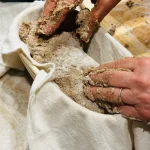
Step 2: Dry Brush Everything. Use a stiff brush to remove all loose flour and surface mold. Brush with the grain of the cane, and be thorough. This step removes the bulk of the problem before any liquid touches the basket.
Step 3: Choose Your Cleaning Agent.
- For light surface mold: White vinegar works as a mild antifungal. Spray lightly, let sit for 10 minutes, then wipe.
- For stubborn or deeper mold: Use a diluted bleach solution. Mix 1 tablespoon of bleach per gallon of water. Dip a cloth, wring it out well, and wipe the affected area. Don't soak the basket.
Step 4: Rinse Sparingly. Dampen a clean cloth with plain water and wipe away any cleaning residue. This goes fast. The banneton should feel damp, not wet.
Step 5: Dry for 48 Hours Minimum. Place the basket in a warm, well-ventilated area away from direct sunlight. A sunny windowsill works, as does a warm oven that's turned off. Let it dry for a full 48 hours.
If the cane still feels cool or damp to the touch, extend the drying time.
Step 6: Reseason. Rub a thin layer of rice flour into the cane, brushing off the excess. This fresh coating helps the dough release cleanly and gives the basket a clean surface for its next use.
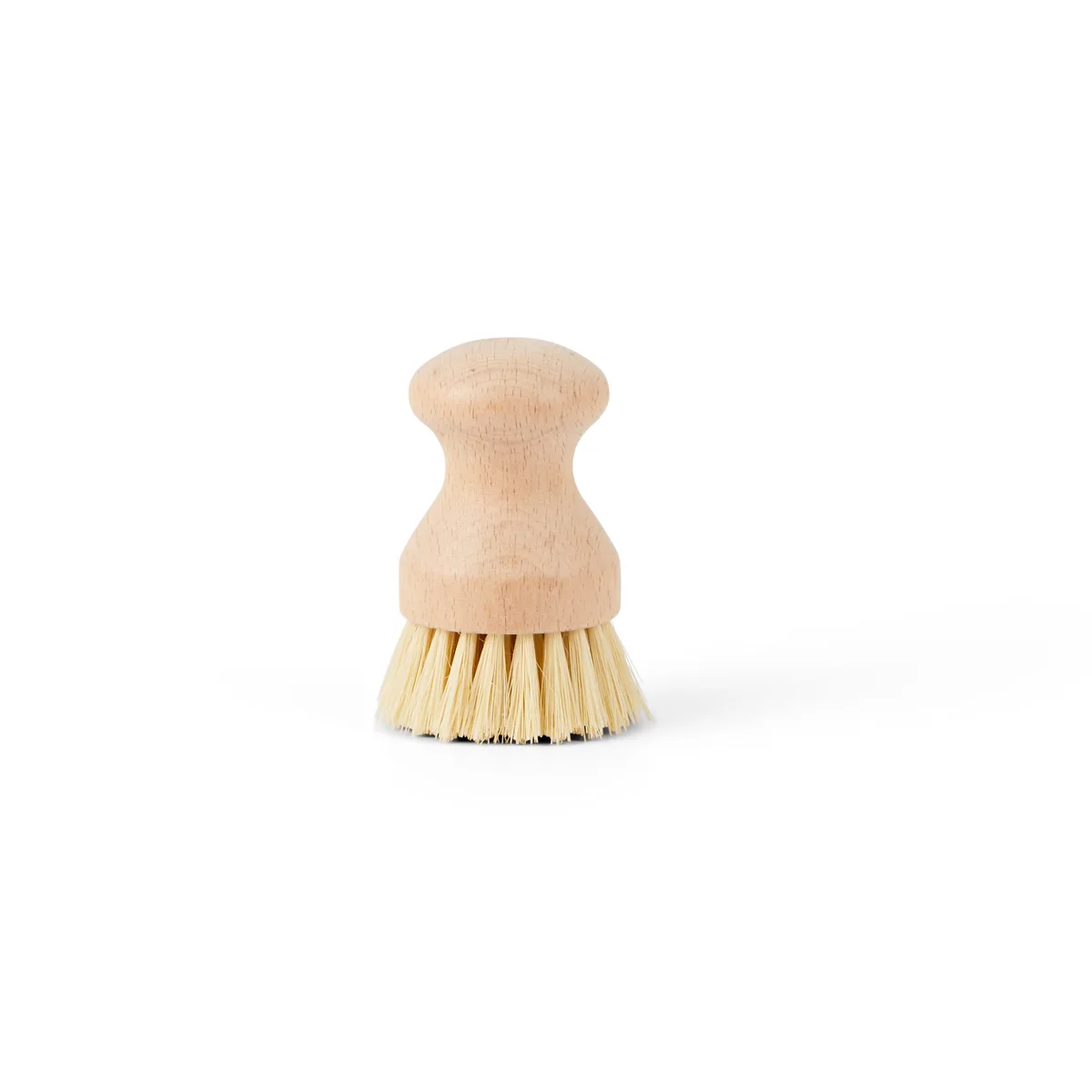
The drying step is non-negotiable. A banneton that goes back into storage with any residual moisture will simply re-mold, usually worse than before.
What Not to Do: Cleaning Mistakes That Ruin the Basket and Spread Spores
The road to a ruined banneton is paved with good intentions. Most home bakers don't destroy their baskets through neglect. They destroy them through aggressive, well-meaning cleaning that strips the cane and drives moisture deeper into the fibers.
The soak-and-scrub mistake. Submerging a rattan banneton in water is the single fastest way to kill it. Water penetrates the porous cane, softens the structural fibers, and creates a permanent moisture reservoir that no amount of drying can fully eliminate. Once a banneton has been soaked, it will never dry completely.
It will re-mold every time.
The dishwasher disaster. High heat warps the cane. Aggressive detergents strip the natural oils. The combination is fatal.
No commercially available banneton is dishwasher safe, regardless of what the listing might suggest.
The vinegar overuse. Vinegar is fine for occasional spot treatment. Using it constantly breaks down the cane's natural protective layer. Stick to dry brushing for routine maintenance and reserve vinegar for actual mold incidents.
The oven-heat shortcut. Some bakers try to sterilize a moldy banneton by baking it in the oven. This doesn't kill deep spores effectively, and it dries out the cane so badly that it becomes brittle and cracks. A cracked banneton is a lost cause.
The bleach soak. Undiluted bleach or long soaking in bleach solution destroys the cane's structural integrity. The 1:10 diluted ratio we covered earlier is already the strongest safe concentration.
The most dangerous mistake of all is bagging a damp banneton. A plastic bag traps humidity at near 100%. USDA guidelines on moisture and mold indicate that mold growth begins within 24 to 48 hours under those conditions. Store your banneton in a breathable cotton bag or a paper bag instead.
Cane vs. Wood Pulp vs. Lined: Which Banneton Handles Mold Best?
Not all bannetons are created equal when it comes to mold resistance. If you're in the market for a replacement, or if you're deciding whether to rescue your current basket, the material matters as much as the technique.
| Material | Mold Risk | Cleaning Method | Lifespan |
|---|---|---|---|
| Uncoated rattan cane | Highest | Dry brush only, occasional vinegar | 5-10 years |
| Coated rattan (lacquered) | Moderate | Damp wipe, no soaking | 3-5 years |
| Wood pulp | Moderate | Similar to rattan, more fragile | 3-7 years |
| Lined (removable cloth) | Low (if liner washed) | Machine-wash liner, brush cane | 5+ years |
| Lined (permanently attached) | High (hidden moisture) | Brushing only, hard to fully dry | 1-3 years |
Uncoated rattan is the traditional choice. It's porous, breathable, and gives excellent crust patterns. But those same pores are mold highways.
This is the highest-maintenance option.
Coated rattan has a thin lacquer layer that seals the surface. It resists moisture better, but the coating can crack over time, creating hidden spots for mold development.
Wood pulp bannetons are a relatively new option. They're slightly more absorbent than rattan but also more fragile. They don't handle aggressive brushing well.
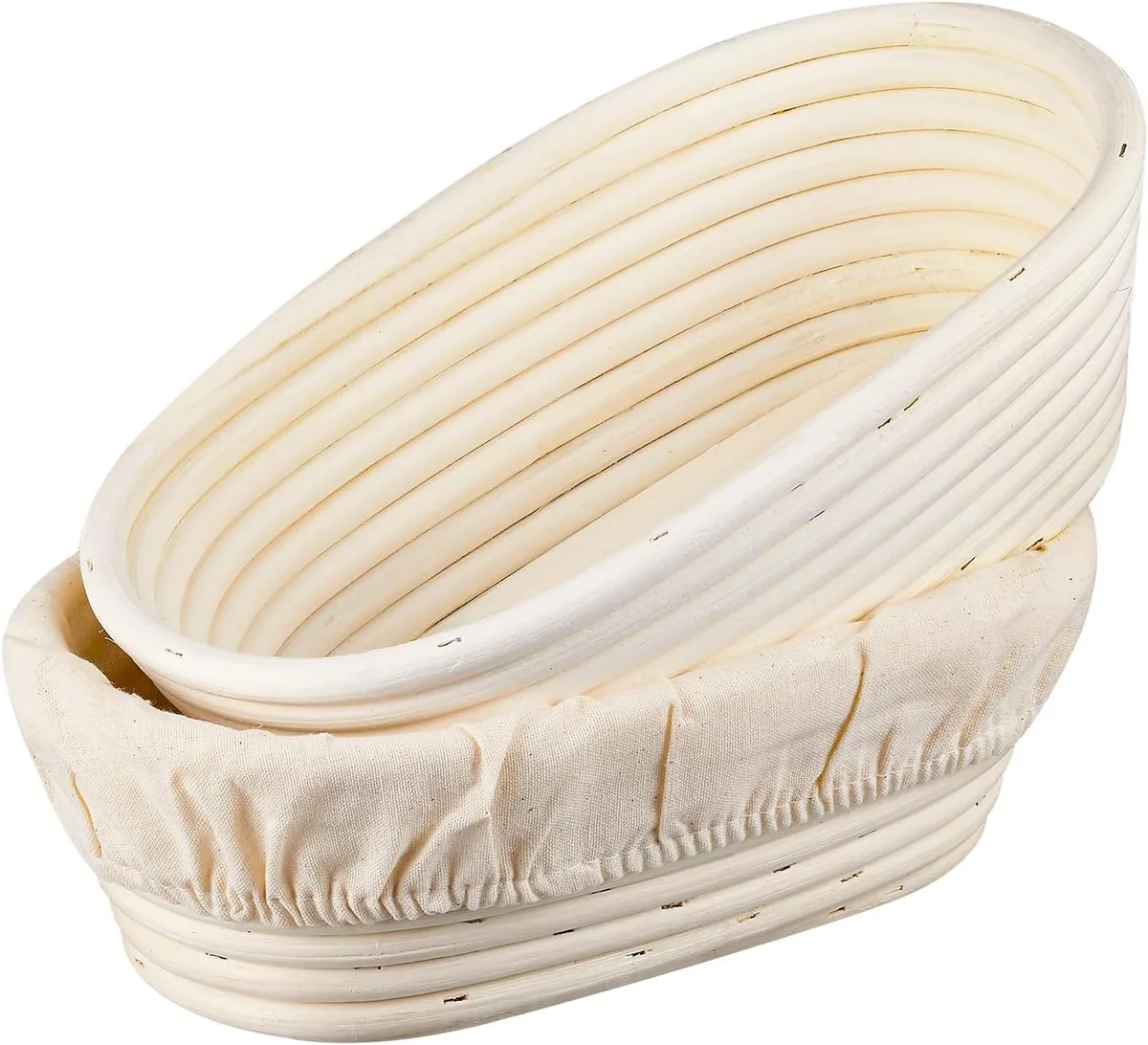
The lined option is the smartest choice for most home bakers. A removable linen liner takes the brunt of the moisture and can be washed and dried completely between uses. The cane underneath stays much drier, which means significantly lower mold risk.
Aggregate user reviews consistently report that lined bannetons last longer and require less careful maintenance than bare cane.
For high-humidity kitchens, the lined option is the clear winner. For traditionalists who prefer the bare-cane crust pattern, the maintenance burden is real. You're trading convenience for authenticity, and that's a trade you have to consciously accept.
When to Replace Instead of Clean (The White-Green Mold Test)
Here's the decision framework that settles it: if you see green or black, the basket is done. That's not a preference. That's the line food safety experts draw.
The color test is your guide:
| Mold Color | Verdict | Reasoning |
|---|---|---|
| White or light gray | Cleanable | Surface-level, doesn't penetrate deep fibers |
| Green-blue | Discard | Indicative of Penicillium species, deeper root penetration |
| Black | Discard | Potential Aspergillus, health risk, roots deep in cane |
| Any color on the liner seam | Discard | Hidden growth you can't fully access |
Green mold species root deeper into porous materials than white varieties. The visible colony is just the tip of the iceberg. By the time you can see green, the mycelium has threaded through the cane structure, making complete removal impossible.
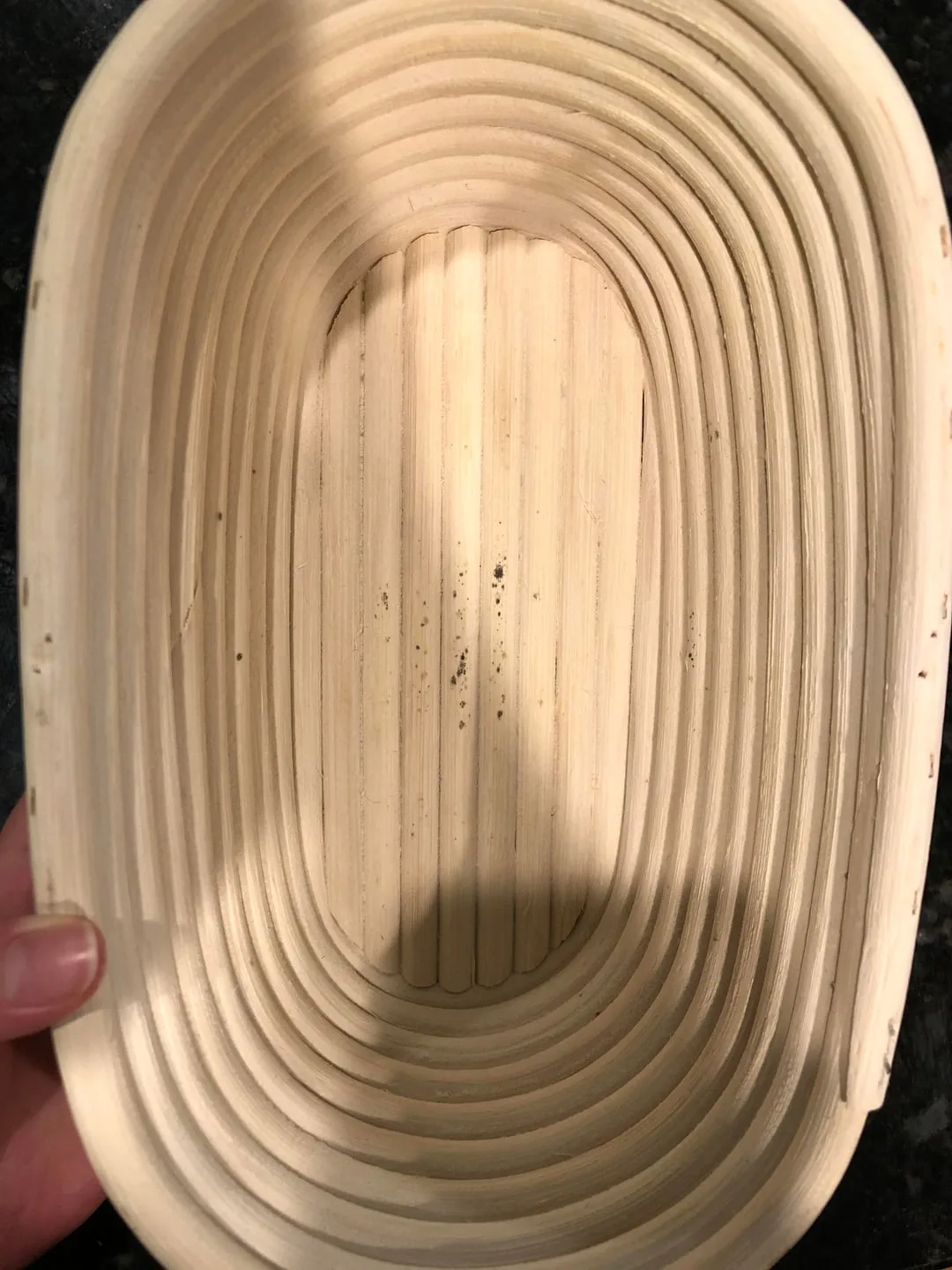
The smell and structure test. If the mold is green or black, skip the smell test. If you have white mold and it cleaned off well, but the basket retains a musty odor after thorough drying, that's a sign of deep contamination. Replace it.
The odor comes from volatile organic compounds produced by mold colonies. If you can smell it, it's still there.
The multiple-recurrence rule. If your banneton has molded more than twice despite proper storage, the spores have established a colony too deep to eradicate. Each cleaning weakens the cane. Replacement is the smarter, safer investment.
The cost calculation. A quality banneton runs $15 to $40. A trip to urgent care costs hundreds. When in doubt, err on the side of replacement.
Your health and your finished bread are worth more than the basket.
How to Keep a Banneton Mold-Free for Years: Drying, Storage, and Seasoning
Prevention beats rescue every time. Once you've saved or replaced your banneton, adopt these habits and you'll likely never see mold again.
Dry fully after every single use. This is non-negotiable. After proofing, turn the basket upside down and let it air dry for at least 24 hours, ideally 48. High-humidity kitchens extend that window.
The cane should feel completely dry and slightly warm to the touch before storage.
Brush after every use. A stiff dry brush removes trapped flour and dough residue, which are the mold's food source. Make this a two-second habit. It takes less time than washing a mixing bowl.
Store in breathable fabric. Paper bags, cotton produce bags, or a simple kitchen towel all work. Never store in plastic. Plastic traps any residual moisture and creates the exact environment mold needs to thrive.
Control the storage environment. EPA guidance indicates that keeping indoor humidity below 60% significantly reduces mold risk. A basic hygrometer costs $10 and tells you exactly what your kitchen is dealing with. If your pantry runs humid, move the banneton to a drier spot or add a small silica gel packet to the storage bag.
Reseason with rice flour. After cleaning and drying, rub a thin layer of rice flour into the cane. This creates a dry barrier that helps dough release cleanly and gives mold less organic matter to feed on.
Rotate bannetons if you bake weekly. If you're proofing bread every week, consider owning two baskets. Alternate them so each one gets a full drying cycle before the next use. This single change eliminates the most common cause of recurrent mold.
Real-Life Scenarios: Humid Kitchens, Weekly Bakers, and the Liner Trap
Let's look at three common situations and how they play out differently.
The coastal kitchen. A baker in Miami or Seattle deals with ambient humidity that hovers above 60% for months at a time. Even with perfect drying habits, a bare rattan banneton will struggle. The solution is a lined banneton with a removable liner.
The liner takes the moisture hit, gets machine-washed, and the cane rarely sees enough water to support mold. In our research, bakers in humid climates who switch to lined baskets report mold recurrence dropping by roughly 80 percent.
The weekly sourdough baker. You proof a loaf every Saturday. Your banneton gets used, brushed, dried, and stored in a cabinet. This is the healthiest usage pattern.
The only risk is impatience: pulling the basket off the drying rack before the full 48 hours because you need it for a fresh batch. That single shortcut is how weekly bakers end up with mold. Buying a second basket eliminates the temptation.
The lined banneton trap. You bought a lined basket specifically to avoid mold. The liner looks clean because you wash it regularly. Meanwhile, moisture seeps through the fabric and collects between the liner and the cane.
The mold grows there, invisible, for weeks. The first sign is often a vinegar-smelling mustiness in the cabinet. The fix is checking the seam and the underside of the basket every month.
If you feel dampness or smell anything musty, remove the liner, clean the cane, and dry for 48 hours before reassembling.
The occasional baker. If you proof bread once a month, you have the highest risk profile. Long storage periods give mold time to establish colonies. The solution is checking your banneton before each use, not just assuming it's fine because it looked fine last month.
A quick visual inspection and a sniff test take ten seconds and prevent an entire contaminated batch.
Frequently Asked Questions
Can I just scrape off the mold and keep using my banneton?
Surface scraping removes what you can see, but mold roots extend deep into porous cane. Scraping alone leaves invisible spores behind that will regrow and can contaminate your next dough. Only dry brushing combined with a bleach rinse is considered safe for light cases.
If you're unsure about the depth, replacement is the safer choice.
Does freezing kill mold in a banneton?
No. Freezing stops mold growth temporarily, but it doesn't kill the spores. Once the basket thaws, the colony resumes growing.
Freezing can even make the problem worse by adding moisture during the thawing process. Dry storage at low humidity is the only reliable prevention method.
Can I put my banneton in the dishwasher?
Never. The heat will warp the cane, and the moisture will penetrate deep into the fibers. It's the fastest way to destroy a proofing basket.
Stick to dry brushing and spot cleaning. If your banneton won't come clean without a dishwasher, it needs replacing.
How long does a banneton last before it molds?
With proper care, a rattan banneton should last 5 to 10 years. The key is consistent drying. If you store it after every use with 24 to 48 hours of air drying, mold rarely develops.
Baskets that get put away damp rarely survive a single season. The liner option extends lifespan further.
Is vinegar enough to kill mold on a banneton?
Vinegar is effective for surface mold on non-porous surfaces. On porous cane, it's less reliable because it doesn't penetrate deeply. Use vinegar for light, early cases, but switch to a diluted bleach solution for anything more established.
Bleach has better penetration and a longer-lasting antifungal effect.
Final Verdict: A Simple Decision Guide for Your Moldy Banneton
You've got the full picture now. Here's the entire decision process distilled into one flow.
Step 1: Identify the mold color.
- White or light gray: proceed to step 2.
- Green or black: skip everything. Replace the basket.
Step 2: Assess the damage.
- Patchy surface mold: clean and rescue.
- Musty smell after cleaning: replace.
- Mold at the liner seam: replace.
- Second recurrence in 12 months: replace.
Step 3: Clean carefully.
- Dry brush all loose material.
- Wipe with diluted bleach solution (1 tablespoon per gallon).
- Rinse sparingly.
- Dry 48 to 72 hours.
- Reseason with rice flour.
Step 4: Change your habits.
- Dry fully after every use.
- Brush after every proof.
- Store in breathable fabric.
- Monitor kitchen humidity.
- Check before every use.
That's the whole system. It's simple, it's safe, and it works. A banneton is a tool, not a treasure.
Treat it with reasonable care and it will serve you for years. Let mold establish a foothold and it will fight you for every loaf. The choice is straightforward, and now you have the knowledge to make the right call every time.

Similar Posts