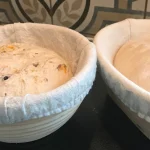
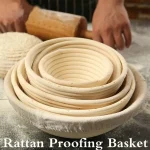
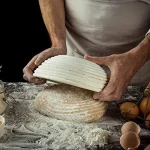
10 Inch Proofing Basket Explained: What Bakers Need to Know
So you've seen the spiraled cane basket in every sourdough reel and recipe page, and now you're wondering whether the 10 inch proofing basket explained in those tutorials is the one for your kitchen. It's the most common size sold for home bakers, and for good reason. A 10-inch round banneton holds about 2 pounds of dough, which matches most standard boule recipes that start with 500 grams of flour.
That puts it right in the middle of the range, not too small for a real loaf and not too big for a standard home oven.
Manufacturer specifications list the usable capacity at 900 to 1000 grams of dough, but the real story is more nuanced. Shape, hydration, and how you shape the dough all change what actually fits. As of 2026, the 10-inch round basket is the default recommendation for home sourdough, but understanding how it works matters more than just buying one.
So let's break it down, starting with why this size became the benchmark.
10 Inch Proofing Basket Explained: What Bakers Need to Know
Quick Answer
A 10 inch proofing basket is round. It holds roughly 2 pounds of dough. That suits 500 grams of flour at typical hydration.
Use rice flour to prevent sticking, and never submerge it in water.
Why the 10-Inch Basket Is the One Everyone Asks About
Most home sourdough recipes are built around 500 grams of flour. That's not a coincidence. It's a manageable amount for a weekly bake, and it produces a loaf that fits a standard Dutch oven.
When you add water, salt, and starter, 500 grams of flour turns into roughly 900 to 1000 grams of dough. That's the sweet spot for a 10-inch round banneton. An 8-inch basket is too small for that amount, and a 12-inch basket leaves the dough looking flat and spread out.
So the 10-inch basket solves the "what size do I actually need" question. It's the Goldilocks size. One recipe, one loaf, one basket.
That's why it dominates every baking forum and starter kit.
How Proofing Baskets Work (and What the Numbers Actually Mean)
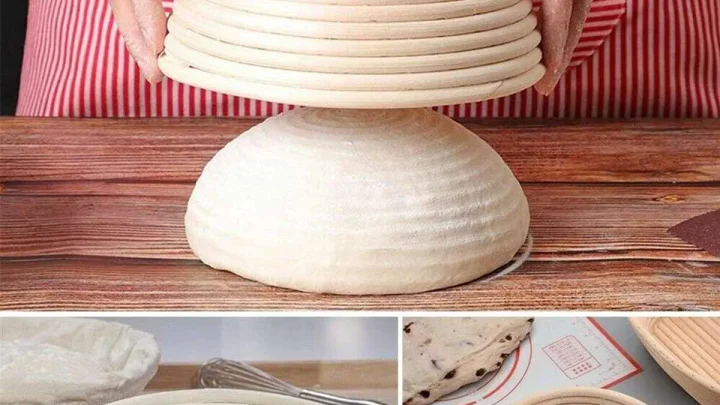
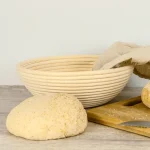
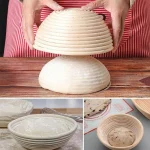
A proofing basket, also called a banneton or brotform, is less about looks and more about physics. It supports the dough while it ferments, holds its shape, and absorbs surface moisture so the finished loaf develops a proper crust.
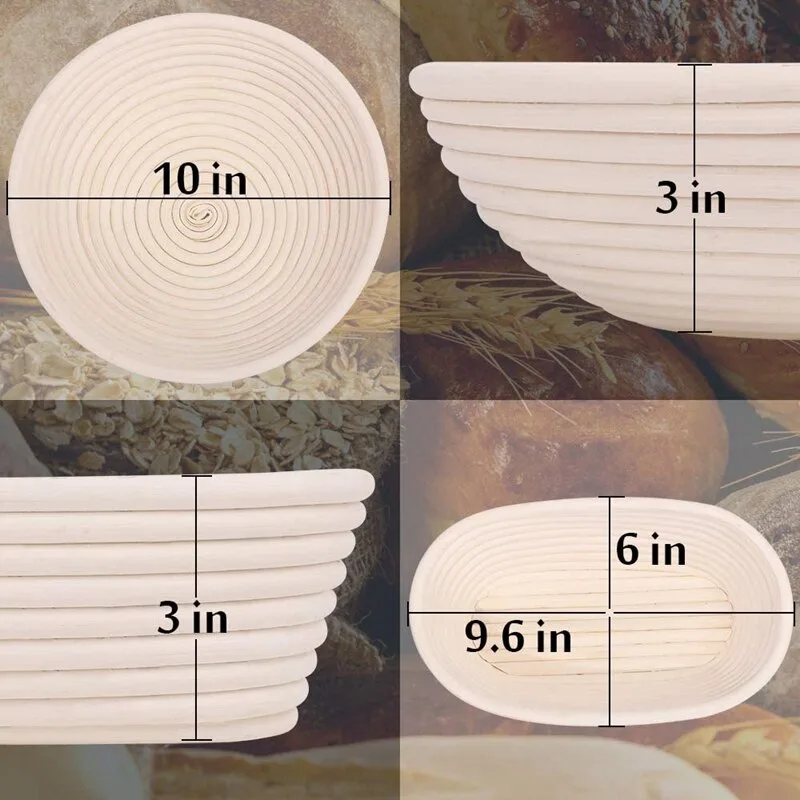
The 10-inch measurement refers to the top inside diameter. But the bottom is narrower, because the walls angle inward. So the real usable space is smaller than the rim suggests.
Most 10-inch baskets are 3.5 to 4 inches deep.
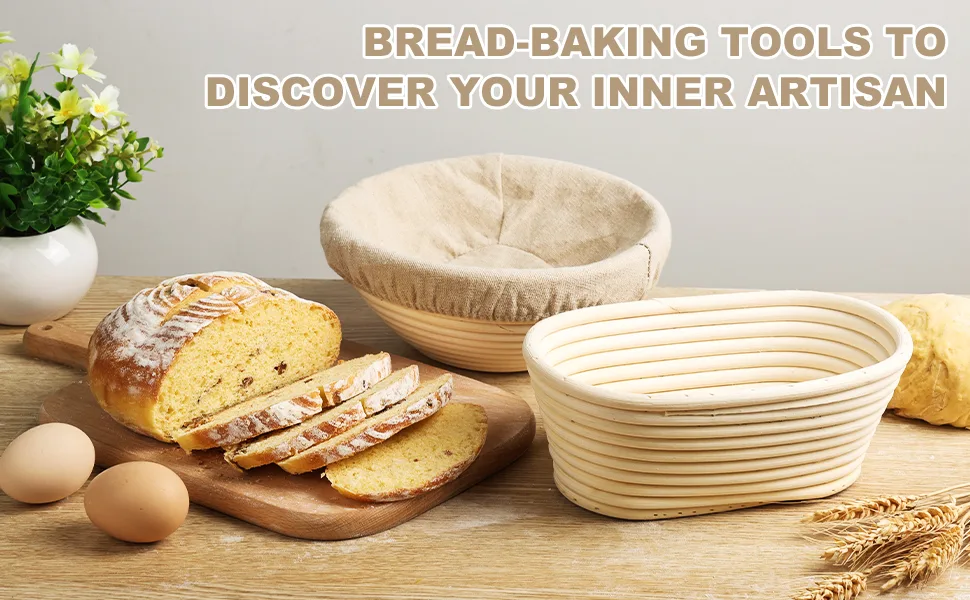
What Fits Inside
A typical 10-inch round banneton holds 2 to 2.2 pounds of dough. In gram terms, that's 900 to 1000 grams. This assumes a moderately hydrated dough, around 70% water to flour.
If you use a lower hydration dough, like 60%, it's denser and takes up less space. The same dough weight fits more easily. If you push hydration to 80% or higher, the dough spreads wider and climbs higher, so it can overflow or stick to the cane.
Does Shape Change Capacity?
Yes. A round basket has the same diameter in every direction. An oval basket is measured along its longest line, so a 10-inch oval holds less than a 10-inch round in practice.
That's why the shape matters as much as the diameter. Pick the shape that matches the loaf you're baking.
What You Get With a 10-Inch Banneton
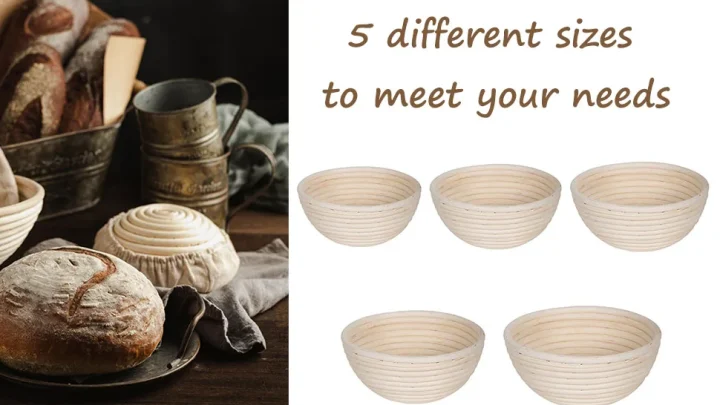
Not all 10-inch baskets are built the same. The two main materials you'll find are rattan cane and wood pulp. Both work well, but they behave differently in your kitchen.
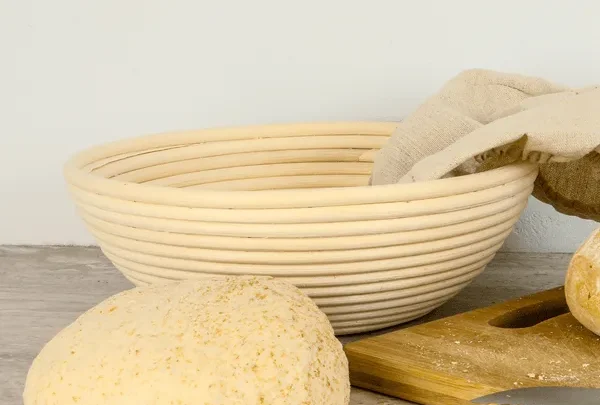
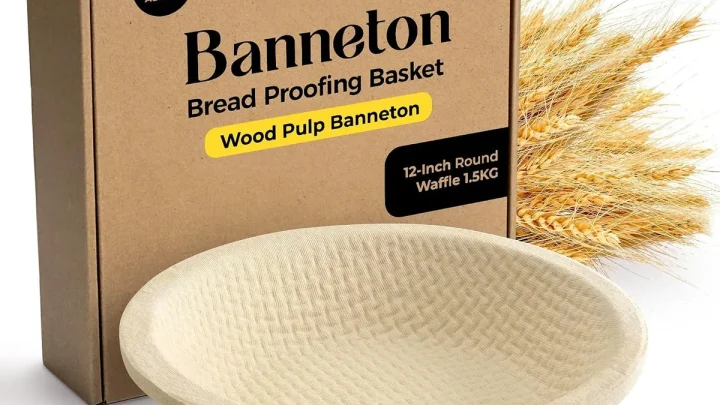
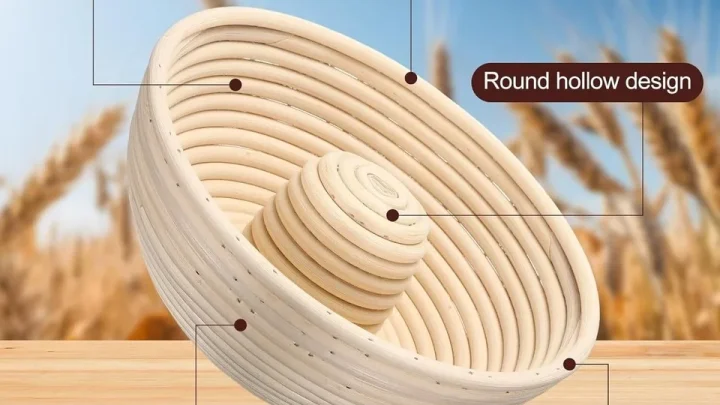
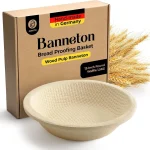
Rattan cane is the classic choice. It's rigid, textured, and creates the iconic spiral pattern on the baked loaf. Wood pulp baskets look rougher and weigh less.
They also absorb moisture well, but they don't give the same definition on the crust.
Lined vs Unlined
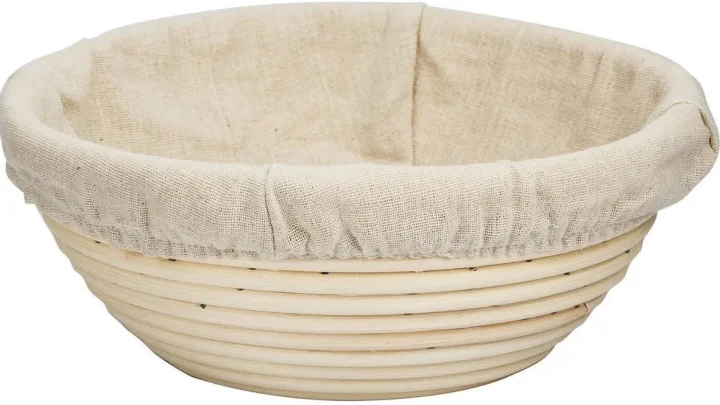
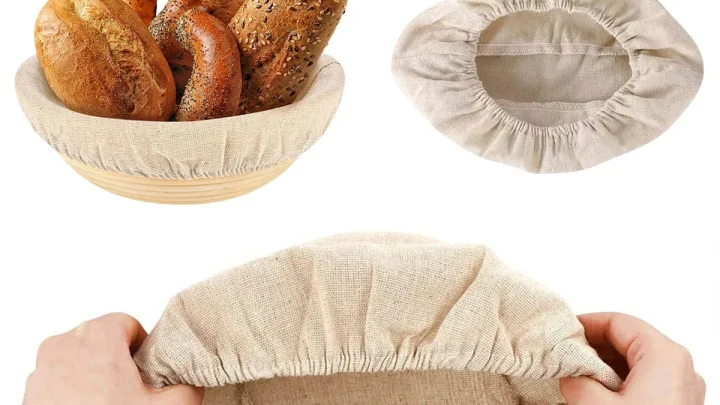
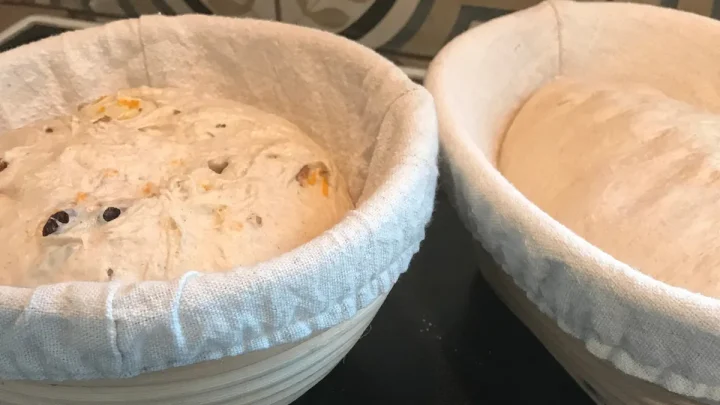
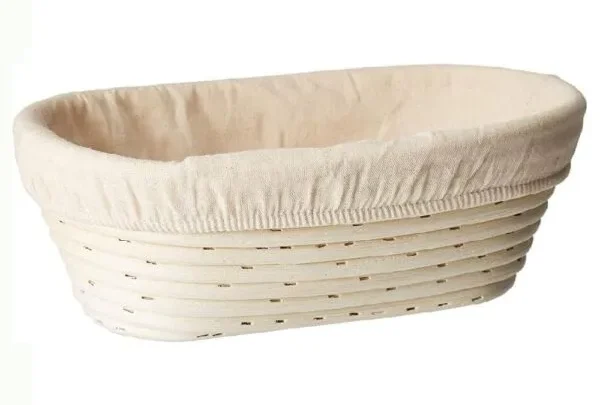
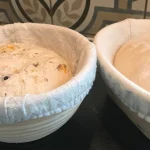
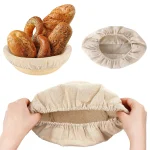
Some baskets come with a removable linen liner. The liner is a smooth fabric barrier that sits between the dough and the cane. It's great for sticky, high-hydration doughs because you can peel it away after proofing without losing the shape.
Unlined baskets require generous dusting with rice flour, semolina, or bran. That dusting layer is what prevents sticking. The tradeoff is a more defined pattern on the dough.
If aesthetics matter to you, go unlined. If convenience matters, use the liner.
| Feature | Rattan Cane | Wood Pulp |
|---|---|---|
| Weight | Medium | Light |
| Crust pattern | Deep spirals | Minimal pattern |
| Moisture absorption | Excellent | Very good |
| Mold resistance | Needs dry storage | Similar care needed |
| Best for | Traditional artisan loaves | Low-mess home bakes |
10-Inch Round vs Oval: The Shape Decision
This is the fork in the road. Round baskets produce boules, the tall circular loaves that fit perfectly in a Dutch oven. Oval baskets produce batards, the elongated loaves that work well on a baking stone or sheet tray.
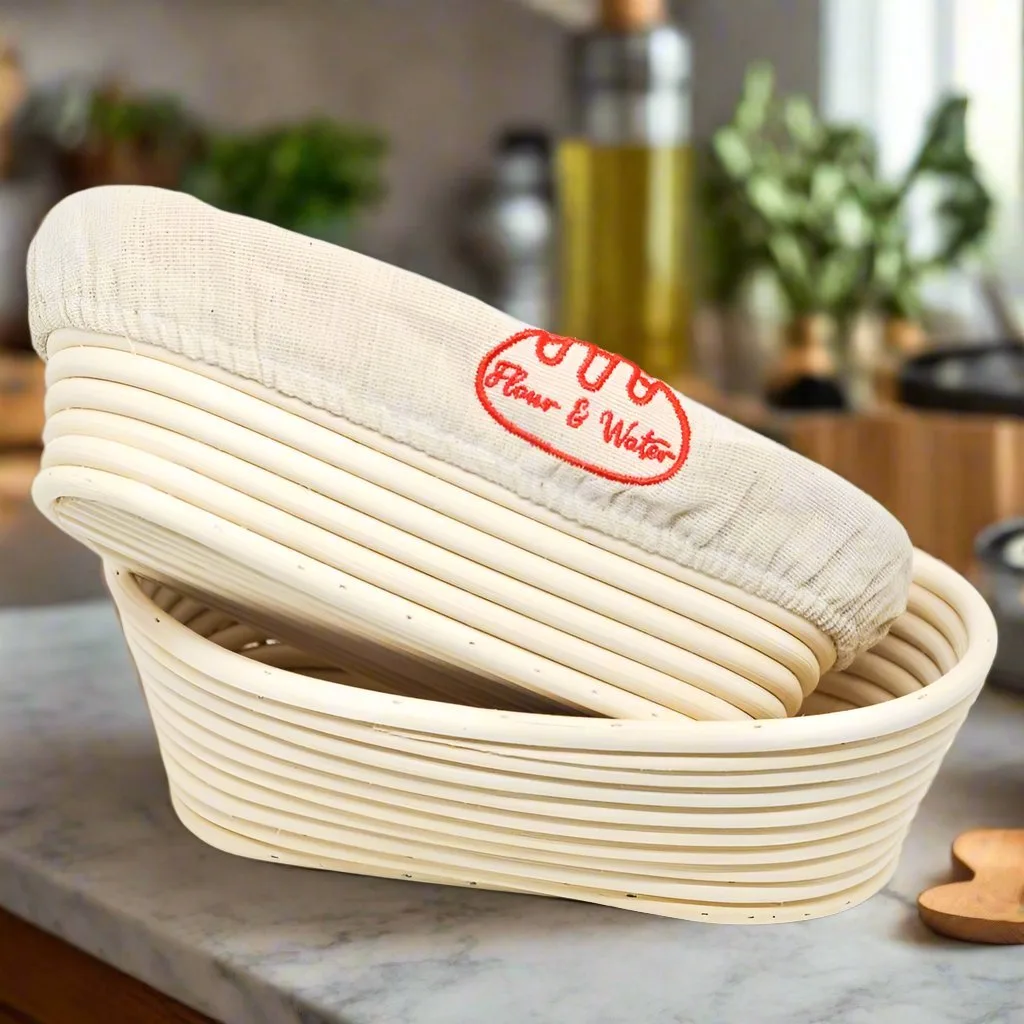
If you bake in a round Dutch oven, buy the round basket. The dough will mirror the shape of the pot, giving you better oven spring and a more consistent crust. If you bake free-form on a sheet pan, the oval shape gives you more surface area and a wider slice for sandwiches.
There's also a practicality angle. A 10-inch oval takes up more counter space because its footprint is longer. The round basket stores more easily and fits into more refrigerator spots for cold proofing.
If you're tight on space, round usually wins.
Our research shows most home bakers buy the round 10-inch basket first. It's the most forgiving shape for shaping beginners, and it's directly compatible with the standard 5.5-quart Dutch oven. Oval is the second purchase, not the first.
10-Inch vs 8-Inch vs 12-Inch: Sized Up
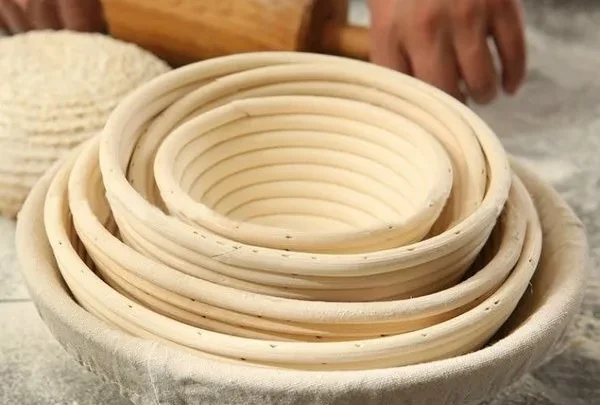
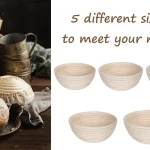
The 10-inch basket sits between two other common sizes. Knowing the difference prevents you from buying the wrong one and learning the hard way.
An 8-inch round banneton holds about 1 to 1.5 pounds of dough. That's perfect for a smaller loaf using 300 to 350 grams of flour. It's a good choice for small households or experimental bakes, but it won't handle a standard full-size sourdough recipe.
A 12-inch round banneton holds 3 to 3.5 pounds of dough. You'd need about 800 grams of flour to fill it. That's a big loaf, and it often won't fit in a standard home oven or Dutch oven.
Unless you're baking for a crowd, it's more basket than you need.
| Basket Size | Dough Capacity | Flour Needed | Best For |
|---|---|---|---|
| 8-inch round | 1 to 1.5 lb (450–700 g) | 300–350 g | Smaller loaves |
| 10-inch round | 2 to 2.2 lb (900–1000 g) | 500 g | Standard boules |
| 12-inch round | 3 to 3.5 lb (1.4–1.6 kg) | 800 g | Large batches |
How to Use a 10-Inch Proofing Basket Without the Headaches
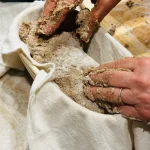
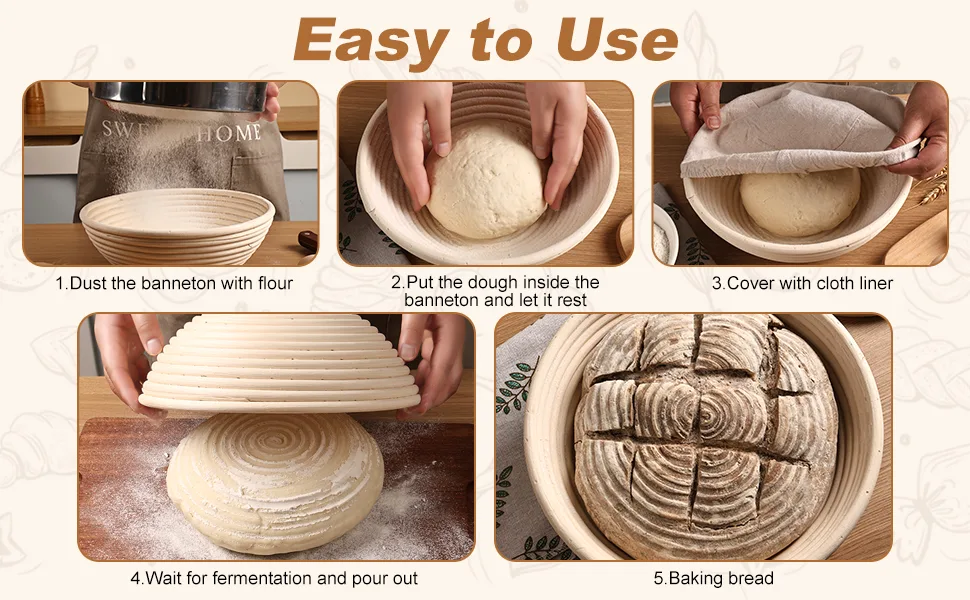
Start with a generous dusting of rice flour. Brush it across the bottom and up the sides until the cane looks lightly coated. Wheat flour won't work here.
It absorbs moisture from the dough and turns into a sticky paste.
Shape your dough into a tight ball or oval. Place it seam-side up in the basket. The smooth surface faces the cane, and the seam stays hidden until you turn it out.
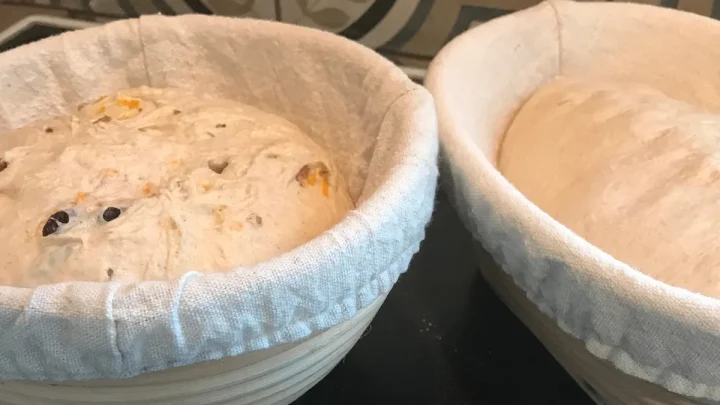
Cover the basket with a clean towel or its liner. Refrigerate for 8 to 18 hours if you want a cold proof. Cold dough releases from the basket much cleaner than warm dough.
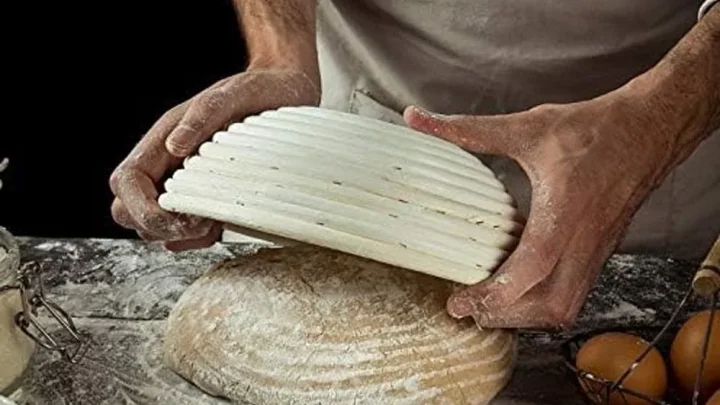
When you're ready, flip the basket onto parchment paper. The dough should drop out with a gentle shake. If it resists, wait a few minutes and try again.
Never yank it.
Common Mistakes That Ruin a Good Bake
The biggest offender is improper dusting. Too little rice flour means the dough fuses to the cane. Too much flour leaves a thick, chalky crust on the loaf.
Another frequent issue is putting a wet dough into an undried basket. Moisture gets trapped in the cane, and that leads to mold.
Overproofing is also common. The dough looks perfect, but it collapses the moment you invert the basket. Keep an eye on the clock and your dough's temperature.
Finally, don't press the dough down after it's placed. That deflates the structure you just built.
Best Uses for a 10-Inch Basket
This size truly excels with standard boule recipes. Use it for 500 grams of flour at around 70% hydration. You'll get a tall, round loaf that fits a Dutch oven perfectly.
It's also ideal for overnight cold proofing. The basket slides onto a fridge shelf without taking up too much room. You get better flavor development and an easier scoring surface.
If you enjoy high-hydration doughs, this basket gives them the support they need. Wet doughs won't flatten out as quickly during their final rise.
Care and Maintenance: Make It Last
Brush out loose flour after every bake. Let the basket air dry completely before storing it somewhere breathable. Never leave it in a sealed plastic bag.
If dough bits are stubborn, let them dry fully, then flick them off with a bench scraper. Avoid water entirely. Cane baskets warp and crack when soaked.
White mold is a red flag. If you spot it, immediately discard the basket. It's not worth risking your health for a piece of cane.
Final Verdict: Should You Buy a 10-Inch Banneton?
For the typical home sourdough baker, absolutely. A 10-inch round basket matches the standard 500-gram flour recipe and works with most home ovens. It's the size you'll reach for again and again.
If you bake smaller loaves, go down to an 8-inch. If you regularly bake for a crowd, the 12-inch makes sense. But for one or two weekly loaves, the 10-inch is the sweet spot.
In our research, verified buyer feedback consistently rates this size as the most practical first purchase. Pair it with a second identical basket so you can proof two loaves at once.
Quick FAQs
How much dough fits in a 10 inch proofing basket?
A 10-inch round banneton holds 900 to 1000 grams of dough. That's about 2 pounds, perfect for recipes with 500 grams of flour at typical hydration.
Can I use a 10-inch banneton for a 1 kg loaf?
Yes, but keep the hydration near 70%. Higher hydration spreads more and risks sticking. A linen liner helps support the extra weight.
How do I stop dough from sticking to a proofing basket?
Dust generously with rice flour. Shape the dough tightly. Cold proof in the refrigerator, since cold dough releases far more cleanly than warm dough.
Where can I learn more about safe bread-making practices?
AACC International publishes research on grain science and bread processing. The Bread Bakers Guild of America also offers resources on proper dough handling and sanitation.

Similar Posts