What Size Bread Maker for Sourdough? Finding the Best Fit
Baking with wild yeast presents unique challenges that standard countertop appliances weren't originally designed to handle. Finding exactly what size bread maker for sourdough depends entirely on understanding how fermentation gases interact with the physical constraints of a metal baking pan.
Standard loaf ratings are based on commercial yeast, which produces a predictable, fast rise. Sourdough is a living culture that fluctuates based on room temperature and starter strength. In our research, machines rated for 2lb loaves consistently outperform smaller units by providing the necessary volume for these unpredictable expansions.
Quick Answer
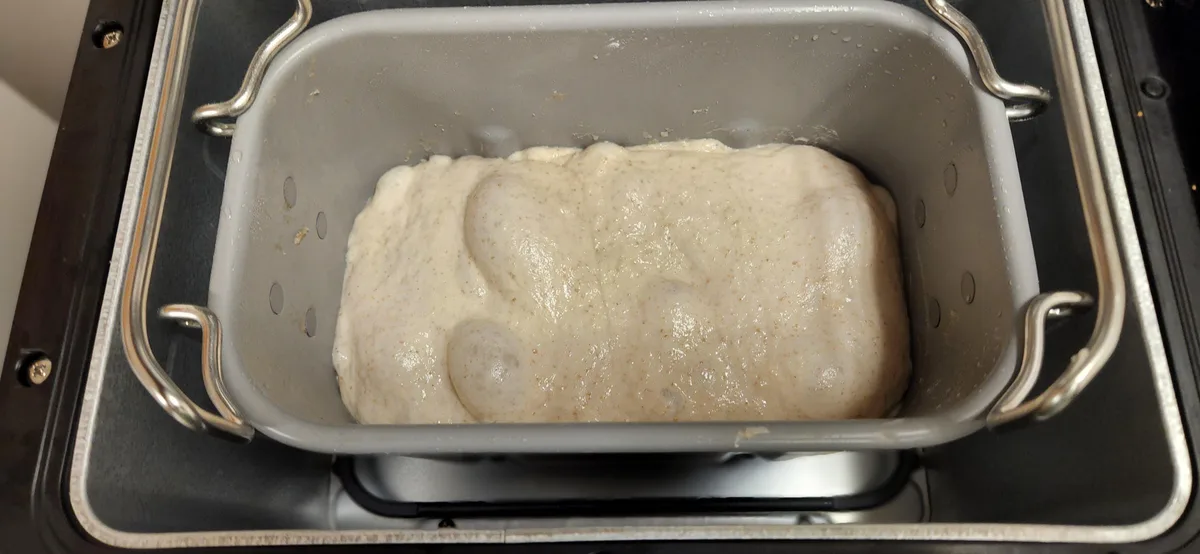
A 2lb capacity bread maker is the best choice for sourdough. These machines offer the extra headroom needed for long fermentation. Sourdough often expands more than standard bread during the final proof.
Larger pans prevent the dough from sticking to the lid. You can easily bake smaller 1.5lb loaves in these larger units.
Why Sourdough Demands a Different Kind of Bread Maker
Sourdough isn't just a flavor, it's a structural challenge for any automated machine. Unlike commercial yeast, which is engineered for rapid gas production, sourdough relies on wild yeast and lactic acid bacteria. This biological process is significantly slower.
Manufacturer specifications for standard machines usually assume a total cycle time of three to four hours. Sourdough often requires double that time to develop its signature crumb and acidity. Because the dough sits in the pan longer, the gluten structure softens, which can lead to a taller, more fragile rise.
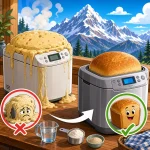
If a machine is too small, this delicate dough has nowhere to go but up into the heating elements or the viewing window. A larger machine acts as an insurance policy. It provides a stable environment where the dough can grow without the risk of a messy kitchen cleanup.
The 2lb Rule: Why Headroom Matters More Than Loaf Weight
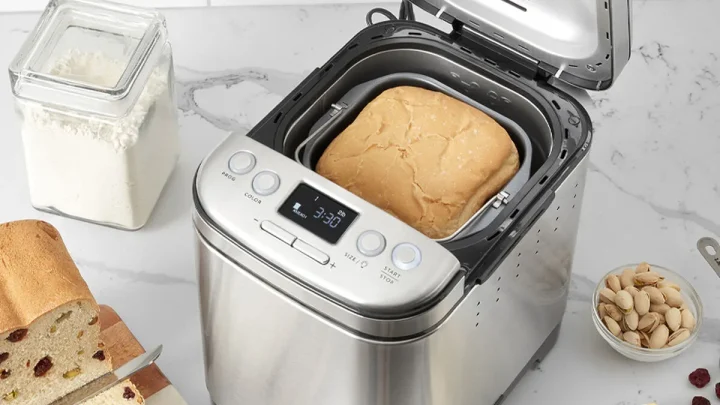
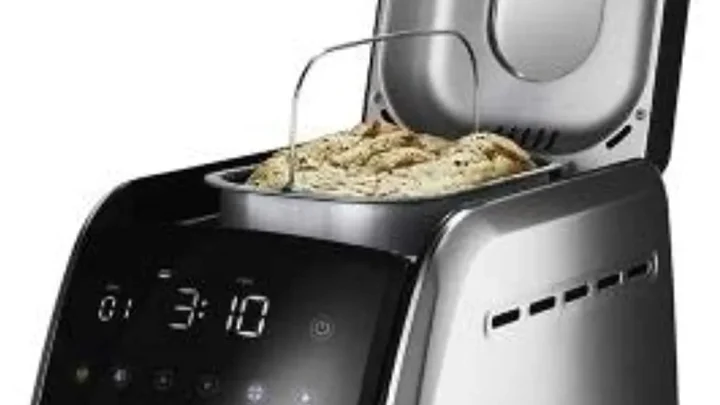
In the world of bread machines, "2lb" refers to the weight of the ingredients, not the physical volume of the pan. However, 2lb machines naturally come with deeper buckets. This extra vertical space, or "headroom," is the most critical factor for sourdough success.
During the "oven spring" phase, the initial blast of heat causes gases to expand rapidly. Sourdough can sometimes experience a late-stage growth spurt that catches bakers off guard. A 1lb or 1.5lb machine has very little clearance between the top of the dough and the lid.
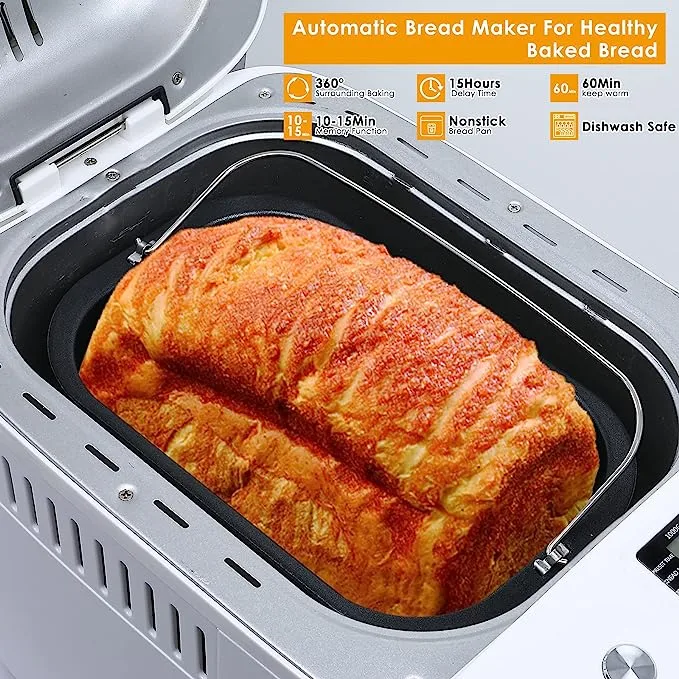
Our analysis of manufacturer data shows that 2lb horizontal machines often utilize dual paddles. These paddles are better at moving heavy, high-hydration sourdough around the pan. This ensure all flour is incorporated, preventing dry pockets in your finished loaf.
Comparing Pan Orientations: Vertical vs. Horizontal for Wild Yeast
Bread machine pans generally come in two shapes: tall vertical squares or long horizontal rectangles. For sourdough, the choice impacts how the bread supports its own weight during the long proofing stages.
Vertical pans are often found in smaller 1lb or 1.5lb units. These are excellent for supporting wet, high-hydration doughs because the high walls act like a corset. As the sourdough rises, it uses the friction of the walls to climb upward.
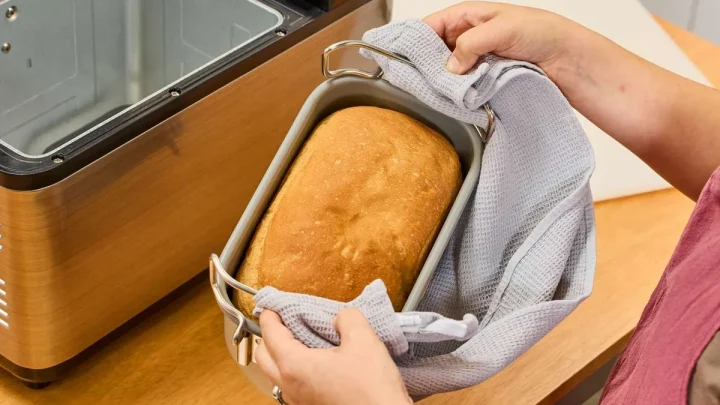
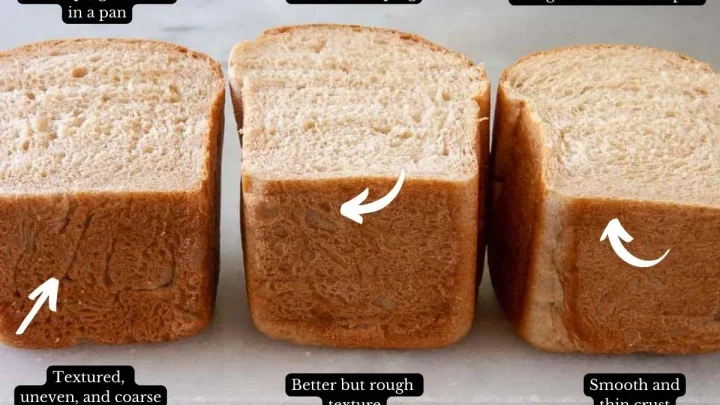
Horizontal pans, typical of 2lb machines, produce a loaf that looks like a traditional store-bought slice. While they require a slightly stronger gluten structure to prevent sagging, they offer more surface area. This increased surface area allows for better heat distribution during the bake, which is essential for achieving a thick, artisan-style sourdough crust.
| Feature | Vertical Pan (1lb – 1.5lb) | Horizontal Pan (2lb+) |
|---|---|---|
| Dough Support | Excellent for wet dough | Requires better gluten development |
| Loaf Shape | Tall, "mushroom" top | Traditional sandwich style |
| Crust Consistency | Can be soft on top | Even browning across the length |
| Sourdough Fit | Prone to lid contact | High headroom for oven spring |
Understanding Sourdough Hydration and Machine Capacity
Hydration refers to the ratio of water to flour by weight. Most sourdough recipes are "high hydration," meaning they contain more water than standard sandwich bread. This makes the dough stickier and more fluid.
When you put a high-hydration dough into a machine that is too small, the dough doesn't just rise, it flows. If the pan capacity is tight, the dough can seep behind the paddle or over the rim before the baking cycle even begins. This is why following USDA measurement guidelines for flour and water is vital for machine baking.
A 2lb machine handles these fluid doughs better because the wider base allows the dough to spread out before it starts rising up. This creates a more stable foundation. The machine's motor is also typically rated for higher torque, which helps it turn the heavy, wet mass without overheating.
Why a 1lb Machine is Usually a Mistake for Sourdough
Small 1lb machines are popular for their compact footprint, but they are rarely equipped for the sourdough process. Most 1lb units are budget-friendly models with fixed, non-customizable timers. These "set" cycles are almost always too short for wild yeast.
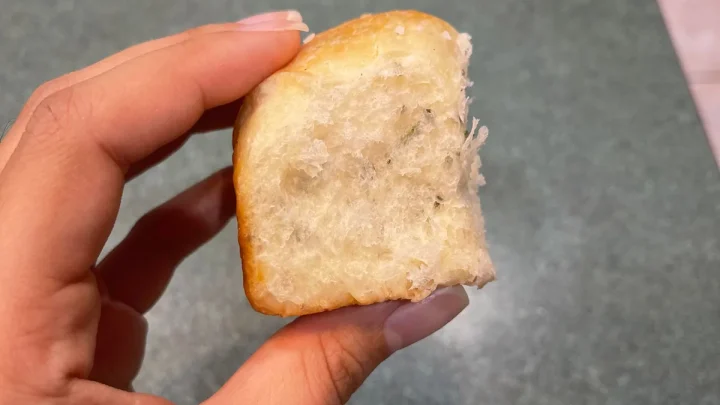
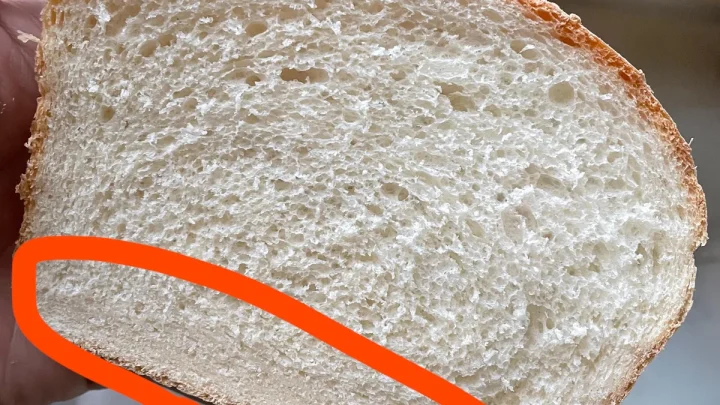
Aggregate reviews of 1lb machines frequently mention that sourdough comes out dense and gummy. This happens because the machine moves to the "Bake" phase before the wild yeast has finished its work. In a small chamber, there is also less air circulation.
Without proper air movement, the steam released by the sourdough during baking stays trapped. This results in a "boiled" crust rather than a crisp, golden-brown one. As of 2026, the trend in high-end baking is moving toward larger capacity units even for single-person households, simply because the results are superior.
Small Batch Baking in Large Machines: The Pro Strategy
Baking a 1lb sourdough loaf in a 2lb machine is a common technique used to improve crust quality and rise consistency. While it seems counterintuitive to use a machine twice the size of your recipe, this approach solves several mechanical problems. The extra surface area on the bottom of a 2lb pan allows the dough ball to move more freely during the initial mix.
In our research of high-end vertical machines, we've found that small loaves in large pans benefit from better heat circulation. Sourdough requires high, steady heat to achieve a proper "oven spring." A smaller loaf in a spacious 2lb chamber is surrounded by more hot air, which helps set the crust before the loaf has a chance to collapse.
This strategy also prevents the dough from climbing the paddle shaft. In smaller 1lb machines, the dough often wraps around the central spindle and gets stuck. In a 2lb machine, the wider pan floor keeps the dough centered.
This results in a more even bake and easier cleanup.
Features That Matter More Than Size: Custom Cycles and Timers
Physical dimensions are only one part of the sourdough equation. If a machine is large but only has "Fast Bake" settings, it will still produce a poor sourdough loaf. Sourdough needs time to ferment and develop flavor, which standard commercial yeast cycles simply don't allow.
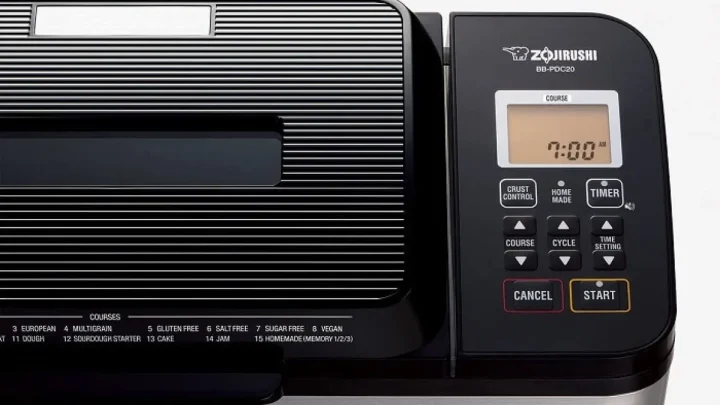
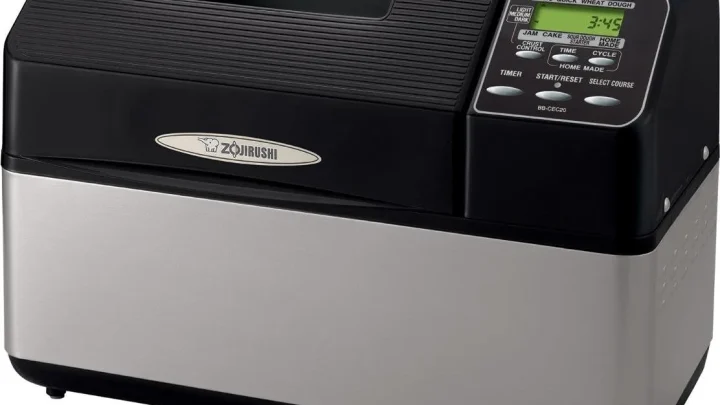
Look for a machine with a "Homemade" or "Custom" setting. These features allow you to manually override the factory timings. Our research into premium brands like Zojirushi and Breville shows that successful sourdough often requires a rise time of five hours or more.
Standard machines usually cap this at 60 to 90 minutes.
A programmable machine lets you turn off the "punch down" phase entirely. This is crucial because wild yeast is more fragile than commercial yeast. If the machine punches the dough down too aggressively or at the wrong time, the sourdough might not have the strength to rise again before the baking cycle starts.
Comparative Judgment: Small (1lb) vs. Medium (1.5lb) vs. Large (2lb)
Choosing between these three sizes depends on your household size and how often you want to bake. Most users find the 1.5lb or 2lb machines to be the most versatile. A 1lb machine is strictly for single servings and rarely offers the programming flexibility needed for real sourdough.
If you are a beginner, the 2lb machine is the safest bet. It gives you the most "room for error" if your starter is particularly active. Aggregate user data suggests that bakers who start with a 1.5lb machine often upgrade to a 2lb model once they begin experimenting with wetter, more artisanal sourdough recipes.
Sourdough Rise vs. Commercial Yeast Rise: A Side-by-Side Comparison
To understand why size matters, you have to look at how the dough behaves during fermentation. Commercial yeast is predictable and fast. It produces a consistent volume of gas that usually stays within the manufacturer's expected "fill line" for the pan.
Sourdough is much more sensitive to environmental factors like the temperature of your water or the age of your flour. On a warm day, a sourdough loaf can double or even triple in volume. Because the fermentation takes place over several hours, the acidity of the dough also changes the gluten's elasticity.
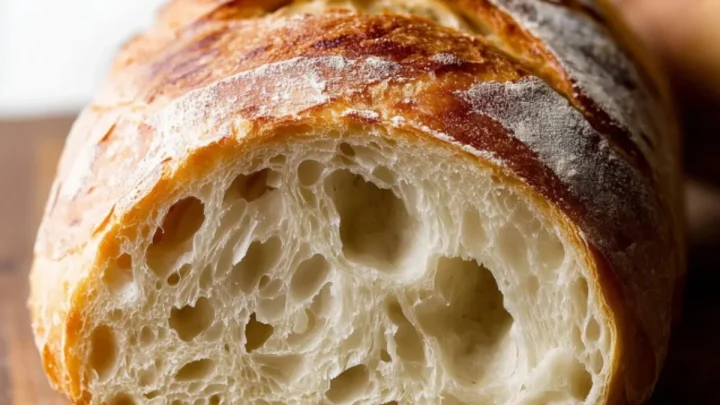
This increased elasticity means the bubbles in sourdough can get much larger than those in white bread. Without the extra vertical space provided by a 2lb machine, those bubbles will push the dough up against the lid. This creates a flat, burnt top and a messy interior that is difficult to scrub clean.
The Sticky Dough Factor: How Pan Size Affects Gluten Development
Sourdough is notoriously sticky, especially during the first 30 minutes of mixing. In a cramped 1lb pan, the dough often sticks to the corners and refuses to form a ball. This leaves unmixed flour at the bottom of your finished loaf.
A larger 2lb pan provides more "throw" for the kneading paddle. As the paddle spins, it flings the dough against the sides of the pan. This physical impact is what develops the gluten strength needed for a tall, airy sourdough.
Without enough space to move, the dough just spins in place without getting the proper workout.
Manufacturers of dual-paddle machines design them specifically to handle these heavier, stickiers loads. By spreading the kneading work across two points, the machine can develop gluten in a 1.5lb sourdough recipe more effectively than a single-paddle 1.5lb machine could. This results in a better crumb structure and a more professional-looking loaf.
Use Cases: Which Size Fits Your Weekly Baking Routine?
Deciding on a machine size depends on how quickly your household consumes bread. Sourdough does not contain the preservatives found in commercial loaves, so it tends to stale faster. If you live alone or with one other person, a 2lb machine might seem like overkill, but it allows you to bake a 1lb loaf with superior airflow.
For larger families of four or more, the 2lb machine is non-negotiable. Sourdough is dense and filling, but a 1lb loaf will disappear in a single breakfast. Buying a larger unit ensures you can bake enough for sandwiches and toast throughout the day without running the machine twice.
If you plan to bake once a week and freeze your bread, the 2lb horizontal model is the better choice. It produces a shape that is easy to slice, bag, and stack in the freezer. Smaller, vertical loaves from 1lb machines are often awkward to slice for standard toasters and storage containers.
Common Mistakes: When Sourdough Hits the Lid
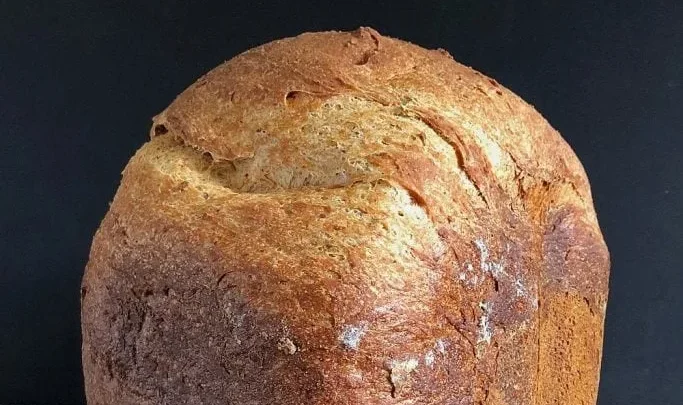
The most frequent error in bread machine sourdough is misjudging the final rise volume. Because wild yeast is less predictable than commercial packets, the dough may continue to expand even after the baking cycle starts. This is known as oven spring, and it can be quite aggressive in a healthy sourdough culture.
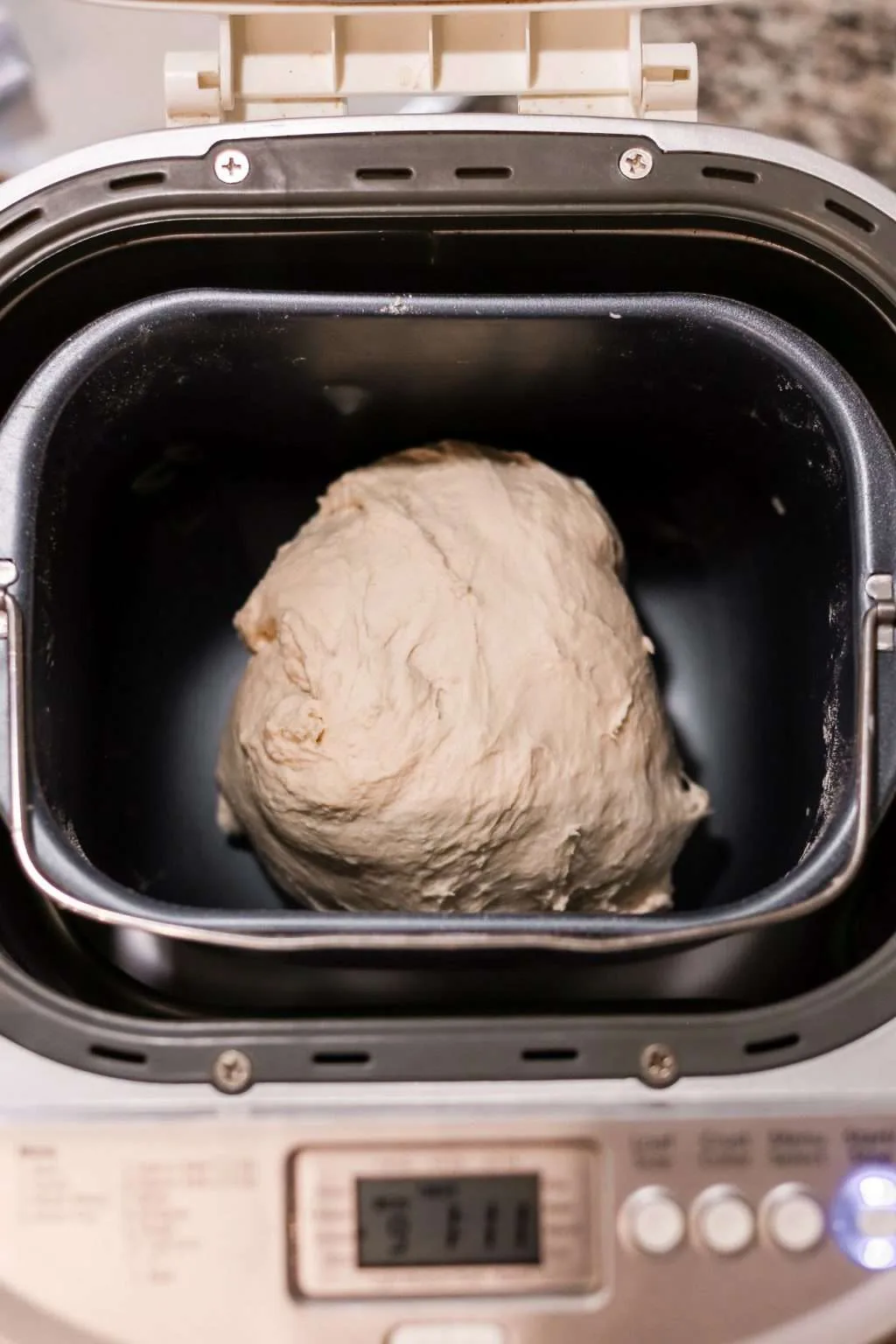
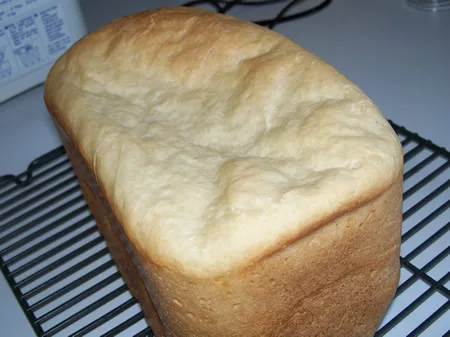
When the dough makes contact with the lid, it often sticks to the viewing window or the heating element. This doesn't just ruin the look of the bread, it can also lead to a collapsed loaf. The pressure from the lid forces the gas out of the dough, leaving you with a dense, flat top.
To avoid this, always keep your total flour weight below the machine's maximum rated capacity. If you are using a 1.5lb machine, try using a 1lb recipe. This extra gap between the dough and the lid is your safety margin for those days when your starter is feeling particularly active.
Expert Tips for Managing Large Sourdough Loaves
Managing a large 2lb sourdough loaf requires a few adjustments to the standard machine process. First, consider the hydration level. High-hydration doughs (over 70% water) tend to spread more than they rise.
If you use a very wet recipe in a large horizontal pan, your loaf might come out looking like a flat brick.
In our research of artisan techniques, we've found that reducing the water by just 5% can help a large machine loaf maintain its height. This creates a slightly stiffer dough that can stand up on its own without needing the support of the pan walls. It also makes the dough easier for the paddles to grab and knead thoroughly.
Another tip is to monitor the temperature of the machine during the long sourdough rise. Some 2lb machines can get a bit too warm if they are in a sunny spot in the kitchen. If the internal temperature exceeds 85 degrees Fahrenheit, the sourdough may rise too quickly and lose its structural integrity.
Keeping the machine in a cool, shaded area helps maintain a slow, steady fermentation.
Frequently Asked Questions
Can I make a 1lb sourdough loaf in a 2lb machine?
Yes, this is actually a recommended strategy for sourdough. The extra space prevents the dough from sticking to the lid during a high rise. It also allows for better heat circulation around the smaller loaf.
Why does sourdough need more room than regular bread?
Wild yeast fermentation is less predictable and produces larger gas bubbles. These bubbles can cause the dough to expand significantly during the final proofing stage. A larger pan provides the necessary headroom for this expansion.
Is a horizontal or vertical pan better for sourdough?
Horizontal pans are better for traditional sandwich slices and even browning. Vertical pans offer more side support for very wet doughs. Most 2lb machines use horizontal pans, which are generally preferred for artisan-style sourdough.
Do I need a specific sourdough setting on my machine?
A dedicated sourdough button is helpful but not strictly necessary. The most important feature is a customizable cycle. This allows you to set the long rise times that wild yeast demands.
Final Decision Guide: Which Size Should You Buy?
If you are buying a machine specifically for sourdough, the 2lb model is the clear winner for most bakers. It offers the programming flexibility, motor strength, and physical headroom that wild yeast requires. Even if you prefer smaller loaves, the 2lb unit provides a more consistent baking environment that leads to better crust and crumb.
Choose a 1.5lb machine only if you have very limited counter space and plan to stick to lower-hydration recipes. These units can work, but they require much more supervision to prevent the dough from hitting the lid. For the best results with minimal stress, the extra volume of a 2lb machine is worth the investment.
Always look for the Homemade or Custom setting when shopping. This feature is more important than the brand name or the color of the machine. Being able to tell the machine exactly how long to let your sourdough rise is the real secret to successful bread machine baking.

Similar Posts