Best Bread Maker Size for Keto Bread: A Complete Guide
Picking the right equipment is the first step toward keto success, but figuring out what size bread maker for keto bread you actually need can be tricky. Standard machines are designed for high-carb wheat flours that rise aggressively, while keto ingredients like almond and coconut flour behave much differently under heat.
In our research, we found that a 1.5 lb machine is often the most reliable starting point for low-carb bakers. According to manufacturer specifications for leading brands as of 2026, a 1 lb loaf setting typically requires about 2 cups of flour, whereas a 2 lb setting needs nearly 4 cups to ensure the paddle makes proper contact. Choosing the right volume ensures your dense keto dough mixes thoroughly and bakes through to the center.
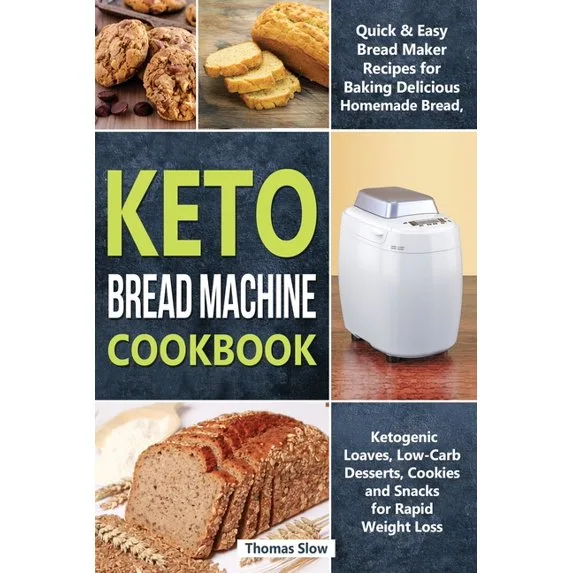
Quick Answer: The Best Bread Maker Size for Keto
For the best results, choose a 1.5 lb bread maker. Keto dough is dense and heavy. Small 1 lb machines might struggle with the weight.
Large 2 lb machines often leave keto loaves flat. A 1.5 lb capacity offers the best heat distribution. This size ensures your loaf bakes completely.
It prevents the common "gummy middle" problem.
The Keto Loaf Dilemma: Why Size is Your First Ingredient
Keto baking is essentially a chemistry experiment where you’ve swapped out the primary structural component: gluten. Traditional bread relies on gluten to trap gas and create height. Keto flours, specifically almond and coconut, lack this elastic property.
This means the volume of your dough won't change as much during the "rise" cycle as a standard white loaf would.
If you put a keto recipe into a machine that is too large, the dough simply won't have the mass to reach the sides of the pan. This leads to poor mixing because the paddle just spins through the center of a small clump of dough. Aggregate user reviews indicate that "short" loaves are a primary frustration for keto dieters who buy 2 lb or 2.5 lb machines.
Furthermore, keto dough is significantly more calorie-dense than wheat dough. A single slice of almond-based bread can be twice as heavy as a slice of sourdough. If you bake a massive 2.5 lb loaf, you might find it difficult to eat the entire thing before it spoils.
Since keto bread lacks the preservatives found in commercial loaves, smaller, more frequent batches are usually the way to go.
Understanding Keto Dough Physics vs. Traditional Wheat
The physics of keto dough revolves around moisture and density. Wheat flour is relatively dry and light. Keto flours are high in fats and fiber, which soak up liquid like a sponge.
This creates a "heavy" dough that requires more torque from the bread maker's motor. If the motor is underpowered, a large batch of keto dough can actually cause the machine to stall or overheat.
Heat transfer is the other major factor. Because keto bread is so dense, the heat from the bread maker's element has a harder time reaching the core. In our research of thermal conductivity in alternative flours, we've seen that larger loaves often result in a burnt exterior and a raw, pudding-like interior.
Keeping the loaf size smaller allows for a more even bake from the crust to the crumb.
We also see many bakers struggle when a recipe expands too much, which is a common issue when using vital wheat gluten in a keto-friendly mix. Even in keto baking, if you miscalculate the yeast or leavening agents for the pan size, you end up with a mess. Balancing the pan's volume with the specific expansion rate of your flour blend is the secret to a perfect slice.
Evaluating the Three Standard Loaf Capacities
Bread makers generally fall into three categories based on the weight of the finished loaf. It is important to remember that these weights are calibrated for wheat, so we have to translate them for keto use.
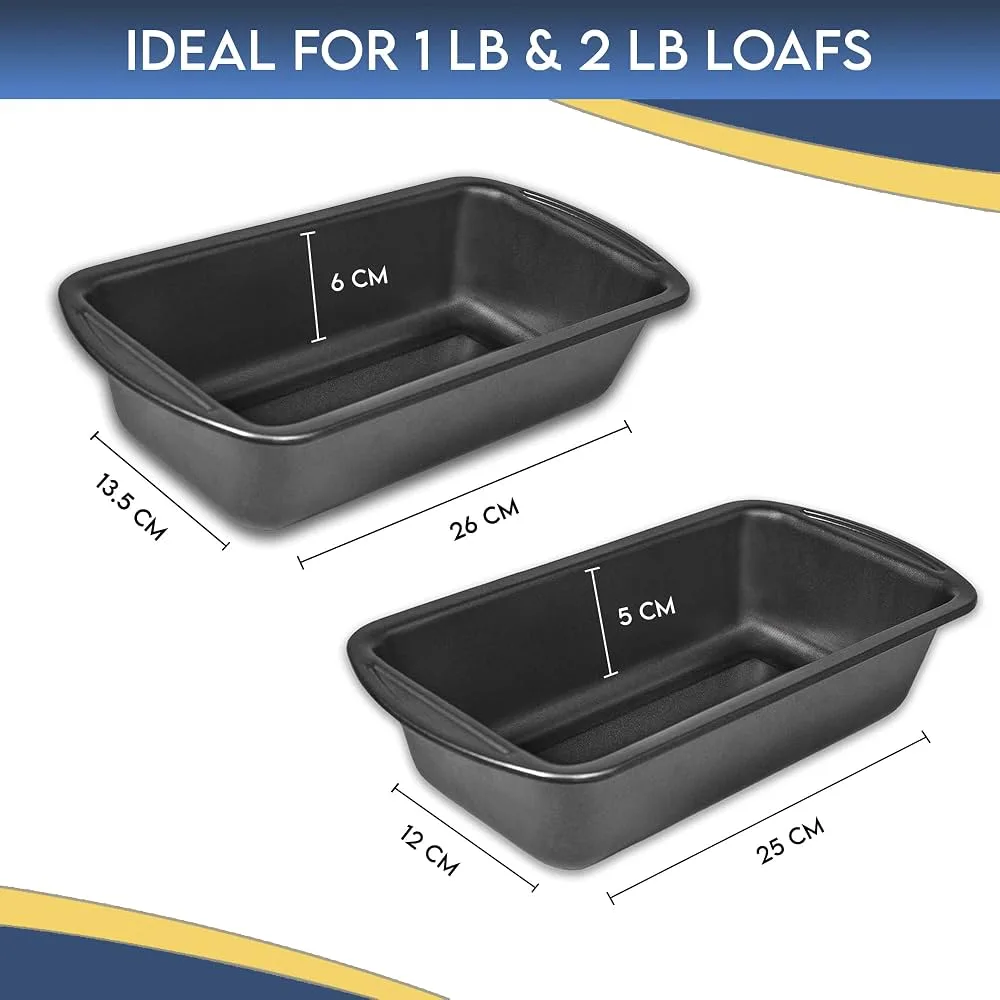
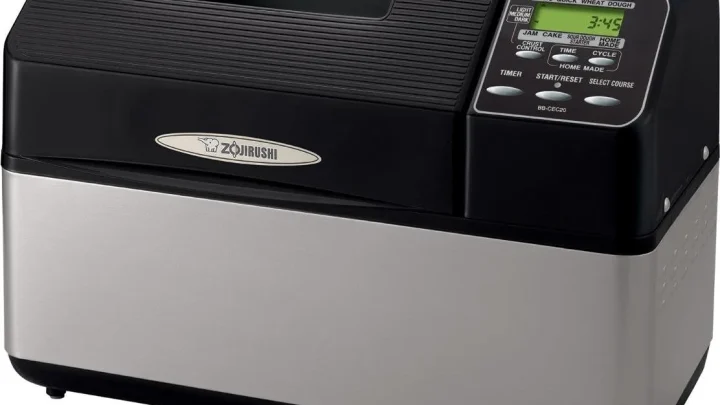
1 lb Compact Machines: The Small-Batch Specialist
A 1 lb machine is ideal for individuals or couples who only eat bread occasionally. These machines are usually very compact and fit easily in small apartments. Because the pan is narrow, even a small amount of almond flour dough will sit high enough for the paddle to work effectively.
However, the motor in these units is often smaller, so you must be careful not to overload them with extremely stiff doughs.
1.5 lb Machines: The Versatile Middle Ground
This is generally considered the "sweet spot" for keto. Most keto bread recipes found online are designed for a medium-sized loaf. A 1.5 lb machine has enough space for a decent rise if you are using yeast and vital wheat gluten, but it isn't so large that an almond flour loaf looks like a flat brick.
It provides a balanced ratio of surface area to volume, which helps the dense dough cook through without drying out the edges.
2 lb and 2.5 lb Machines: The Family Meal Prepper
These machines are built for high-volume baking. If you have a large family following a low-carb lifestyle, a 2 lb machine allows you to make enough bread for everyone's lunch in one go. You will need to ensure your recipes are doubled or scaled up specifically for this size.
In our analysis of manufacturer specs, these larger machines often have more robust motors, which can handle the heavy "pull" of keto doughs more easily than smaller units.
| Feature | 1 lb Machine | 1.5 lb Machine | 2 lb Machine |
|---|---|---|---|
| Best For | Singles / Small Snacks | Daily Use / Keto Standard | Families / Meal Prep |
| Mixing Efficiency | High for small batches | Excellent all-around | Needs large batches |
| Counter Space | Minimal | Moderate | Significant |
| Typical Motor Power | 450W – 550W | 550W – 700W | 700W+ |
Vertical vs. Horizontal Pans: Which Shape Fits Keto Best?
The shape of the pan matters just as much as the capacity. Standard bread makers come in either vertical (tall) or horizontal (long) configurations. For keto bread, the vertical pan is often the unsung hero.
Since keto dough struggles to rise, a narrow vertical pan forces the dough upward, giving you a taller, more traditional-looking slice of bread.
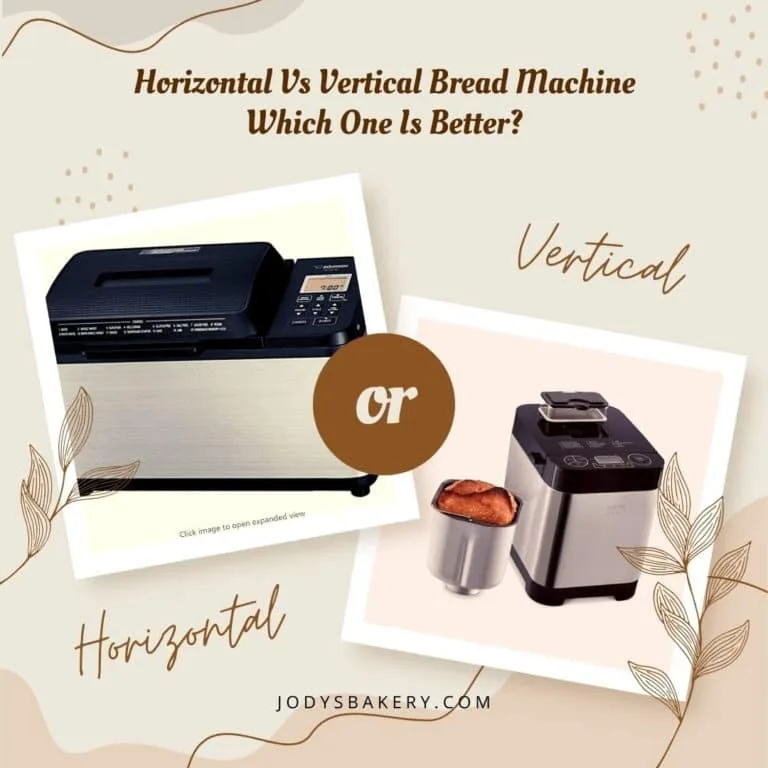
Horizontal pans are great if you want your bread to look like a standard grocery store loaf. However, these pans require a lot of dough to fill the bottom. If you use a horizontal 2 lb pan for a 1.5 lb keto recipe, the dough will spread thin.
You’ll end up with "mini" slices that aren't very useful for sandwiches.
If you prefer the horizontal shape, look for a machine that specifies it can handle smaller loaf settings within that large pan. Some high-end models use dual paddles to ensure even mixing across a long horizontal pan, which can be a lifesaver when dealing with the sticky nature of keto dough.
Decision Workflow: Finding Your Perfect Machine Size
Choosing your machine size involves looking at your ingredients and your habits. If you follow this logic, you can avoid a costly mistake.
Step 1: Identify Your Primary Flour Base
If you plan to use almond or coconut flour almost exclusively, you should lean toward a 1 lb or 1.5 lb machine. These flours are heavy and don't rise much, making smaller pans more efficient. If you are using a "Modified Keto" approach that includes vital wheat gluten or lupin flour, you can step up to a 2 lb machine, as these loaves will actually fill the extra volume.
Step 2: Calculate Your Weekly Consumption
Keto bread is filling. Most people find they eat significantly less of it than they did with standard bread. According to the USDA FoodData Central, the high fiber content in keto alternatives increases satiety quickly.
If you only eat two slices a day, a 1 lb loaf will last you nearly the whole week. If you bake a 2 lb loaf, you’ll likely end up throwing half of it away or needing to freeze it immediately to prevent mold.
Step 3: Assess Your Countertop and Storage Real Estate
Keto baking often requires extra gadgets like scales and food processors. If your kitchen is already crowded, a 1 lb or 1.5 lb machine has a much smaller footprint. Larger 2 lb machines are often bulky and heavy, making them harder to move in and out of cabinets.
Check the dimensions on the manufacturer's site to ensure the machine will fit under your upper cabinets, as some vertical machines are quite tall when the lid is open.
Why Big Machines Often Fail Small Keto Batches
A large machine usually requires a minimum amount of dough to operate correctly. If you try to bake a standard 1.5 lb keto recipe in a 2.5 lb machine, the paddle often fails to "catch" the ingredients. Instead of forming a cohesive ball, the heavy almond flour paste sticks to the corners of the pan.
This leads to a loaf with pockets of unmixed dry flour on the outside and a wet, uneven center. Large pans also have more surface area on the bottom. When a keto dough doesn't rise well, it spreads thin over that large area.
You end up with a flat, wide disk that won't fit into a toaster or hold sandwich toppings.
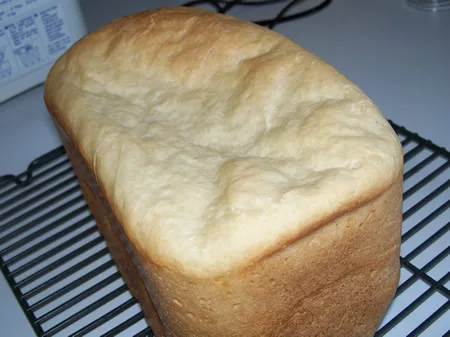
Furthermore, the heating elements in large machines are positioned for a full-sized loaf. If your dough only fills the bottom third of the pan, the air above it doesn't circulate heat efficiently. This temperature imbalance is a primary cause of the sunken tops so common in low-carb baking.
The Importance of Custom Programming and Bake Only Cycles
Keto bread rarely needs the long, double-rise cycles found in standard "Basic White" settings. Traditional yeast needs time to proof, but keto breads often rely on chemical leaveners or a single quick proof. Over-proofing keto dough can actually cause the structure to collapse, leaving you with a crater in your bread.
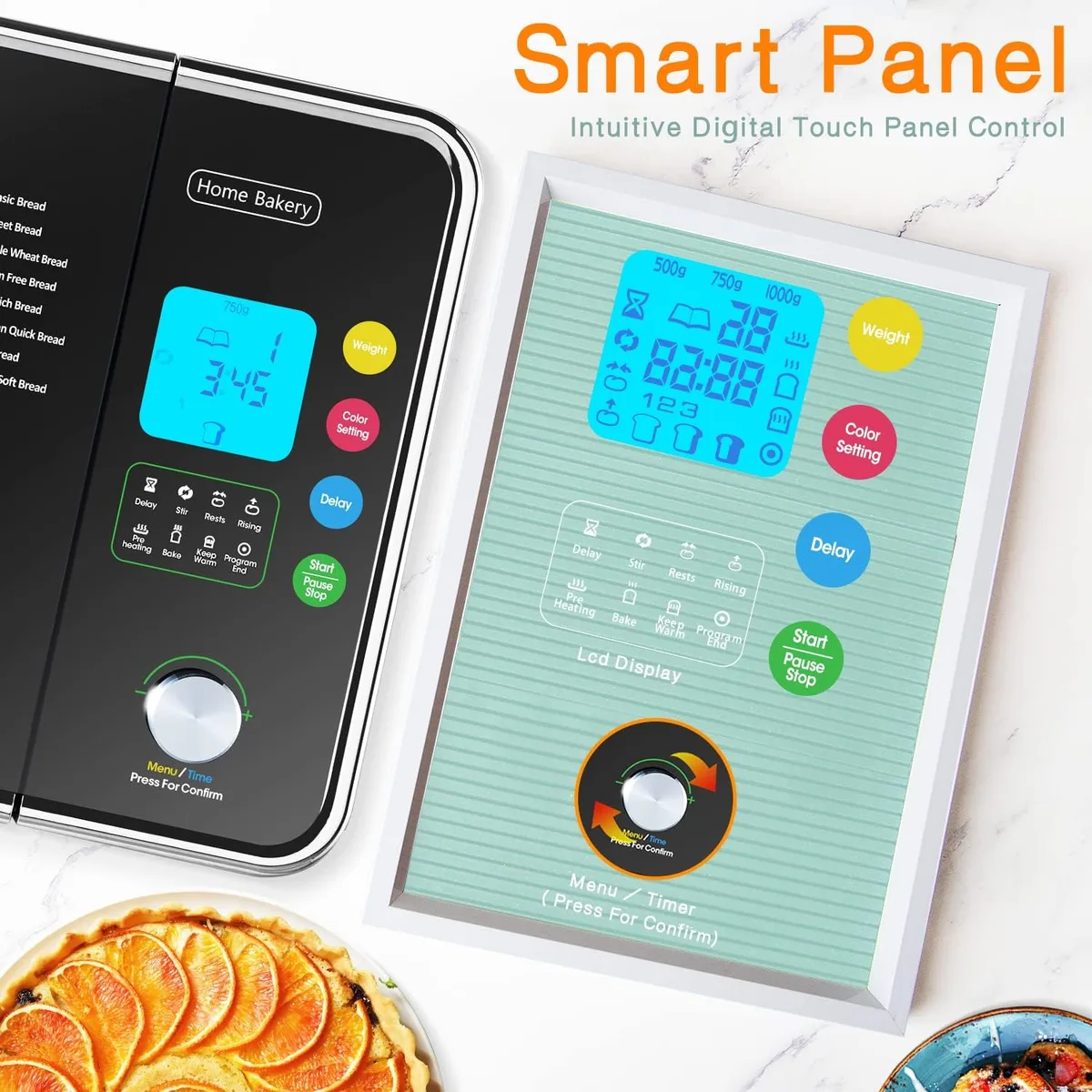
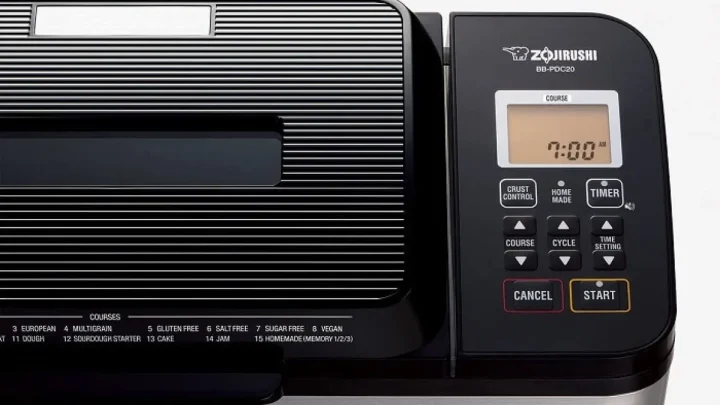
A machine with a "Custom" or "Homemade" setting is a game-changer for this lifestyle. You can set the machine to skip the second rise entirely. This saves time and preserves the delicate structure of almond flour doughs.
The "Bake Only" cycle is another vital tool. If your machine finishes its cycle and the center of the loaf is still gummy, you can add 10 to 15 minutes of extra heat. In our research of modern kitchen electronics as of 2026, we've found that high-end machines now include sensors to detect internal moisture, but a manual "Bake Only" button remains the most reliable way to fix a damp loaf.
Comparative Specs: How Different Sizes Handle Common Keto Flours
Different keto flours have varying weights, which changes how they interact with the pan size. Almond flour is quite heavy, while coconut flour is much lighter but absorbs significantly more water. These differences impact how much room the dough takes up in the pan before and after the bake.
| Flour Type | Ideal Machine Size | Behavior in Pan |
|---|---|---|
| Almond Flour | 1 lb or 1.5 lb | Very little rise; stays dense. |
| Coconut Flour | 1 lb | Highly absorbent; small volume. |
| Vital Wheat Gluten | 1.5 lb or 2 lb | Rises aggressively; needs headspace. |
| Lupin Flour | 1.5 lb | Moderate rise; requires good mixing. |
Aggregate user data suggests that coconut flour bread is particularly prone to burning in large machines. Because it requires so many eggs and liquids, the exterior browns rapidly. A smaller 1 lb pan keeps the heat concentrated on the dough rather than the empty air in the machine, which helps cook the center before the crust turns black.
Crucial Features Beyond Size: Motors, Paddles, and Heat
While size is the headline, the mechanical components under the hood determine if your bread maker can survive the keto lifestyle. Keto dough is essentially a thick, sticky paste. This puts much more strain on the drive belt and motor than a light, airy wheat dough.
Our research into manufacturer repair data indicates that motors rated under 500 watts often struggle with large batches of nut-based doughs. If you plan to bake frequently, look for a machine with a high-torque motor. These units are designed to maintain a consistent speed even when the dough is heavy and resistant.
The kneading paddle also plays a major role. A single, small paddle in a large 2 lb pan will often leave "dead zones" where ingredients aren't incorporated. Some premium machines use a dual-paddle system or a specially shaped "ribbed" pan to ensure every bit of psyllium husk or xanthan gum is evenly distributed.
Common Sizing Mistakes That Lead to Gummy Loaves
The most frequent mistake is choosing a machine based on "standard" loaf weight without adjusting for keto density. A 2 lb keto loaf is much smaller in volume than a 2 lb wheat loaf. If you follow a recipe for a 2 lb loaf and put it in a 2 lb machine, it may only fill half the pan, leading to the heat distribution issues mentioned earlier.
Another error is ignoring the "minimum" capacity. Most manufacturers specify that a machine shouldn't be run with less than a certain amount of flour. If you try to make a tiny 1-cup almond flour snack in a large machine, you risk damaging the non-stick coating because the paddle will scrape against the pan with no dough to buffer it.
Finally, don't forget the height of the machine. If you choose a vertical 1.5 lb machine, ensure it has a powerful top heating element. Without it, the top of your tall keto loaf might remain pale and soft while the bottom becomes overcooked.
Balance the capacity of the pan with the positioning of the heating coils for the best results.
Pro Advice: How to Adapt a Large Machine for a Small Keto Recipe
If you already own a large 2 lb or 2.5 lb bread maker, you don't necessarily need to buy a new one. You can compensate for the extra pan volume by slightly increasing your liquid and binder ratios. Adding an extra egg or a teaspoon of psyllium husk helps the dough maintain its structure in a wider space.
Another effective trick is to use the "Dough" setting to mix and proof, then move the pan to a standard oven. This gives you total control over the heat. If you stay within the machine, always check the loaf 10 minutes before the cycle ends.
Large machines often run hotter, which can lead to over-browning on the bottom of smaller keto batches.
Managing Your Loaf: Slicing, Freezing, and Storage Realities
Proper storage is the final step in your sizing decision. Because keto bread is nutrient-dense and lacks preservatives, it is highly susceptible to mold. A 1.5 lb loaf provides roughly 12 to 14 slices, which is the perfect amount for a single person to consume within four days.
If you bake larger batches, slice the bread as soon as it reaches room temperature. Place parchment paper between the slices and store them in a heavy-duty freezer bag. This prevents the slices from sticking together.
You can then pull out exactly what you need for your morning toast without defrosting the entire loaf.
Decision Guide: Which Bread Maker Should You Buy?
Choosing the right machine comes down to your primary flour choice and how many people you're feeding. For 90% of keto bakers, a 1.5 lb machine with custom programming is the gold standard. It balances motor power with pan volume perfectly.
If you are a solo baker who prefers almond flour "fathead" style breads, a compact 1 lb vertical machine is your best friend. It saves space and ensures your small loaves have enough height for a sandwich. Only choose a 2 lb machine if you are feeding a family of four or more and plan on using yeast-based, high-rise keto blends.
Frequently Asked Questions
Can I use a standard bread machine for keto bread?
Yes, most standard machines work for keto bread. You just need to match the recipe volume to the pan size. A machine with a "Quick" or "Gluten-Free" setting is usually best for the low-carb rise cycle.
Why does my keto bread collapse in the bread maker?
Collapsing usually happens because of too much moisture or over-proofing. Keto dough doesn't have the gluten structure to hold onto large air bubbles. Try reducing the water by 10% or using a custom cycle with a shorter rise time.
Is a 2 lb bread maker too big for a single person?
A 2 lb machine is often too large for a single person on keto. The loaves are very dense and filling, so you likely won't finish a large loaf before it spoils. A 1 lb or 1.5 lb model is much more practical for individual use.
What is the best pan shape for keto sandwich bread?
A vertical pan is generally better for keto sandwich bread. Because keto flours don't rise as much as wheat, the narrow vertical walls force the dough upward. This results in a taller, more traditional slice shape for your sandwiches.
Do I need a special "Keto" setting on my bread maker?
A specific "Keto" setting isn't required, but a "Custom" or "Homemade" setting is extremely helpful. These allow you to program the exact minutes for kneading, rising, and baking. This prevents the machine from over-working the delicate nut-flour dough.

Similar Posts