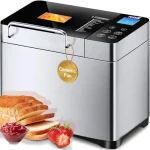
How to Choose the Best Bread Maker for Perfect Banana Bread
Selecting a machine that handles heavy fruit-based mixtures is the first step toward perfect results. Knowing how to choose a bread maker for banana bread requires understanding that these dense batters behave differently than elastic yeast doughs. Standard machines often struggle with the weight and high sugar content of a classic banana loaf.
In our research of manufacturer specifications for 2026 models, we’ve found that heating element placement and cycle timing are the two biggest factors in success. Most standard cycles are designed for a 190°F internal temperature, but dense quick breads often need more time to reach a safe, non-gummy state. Getting the right hardware prevents the common sunken middle syndrome.
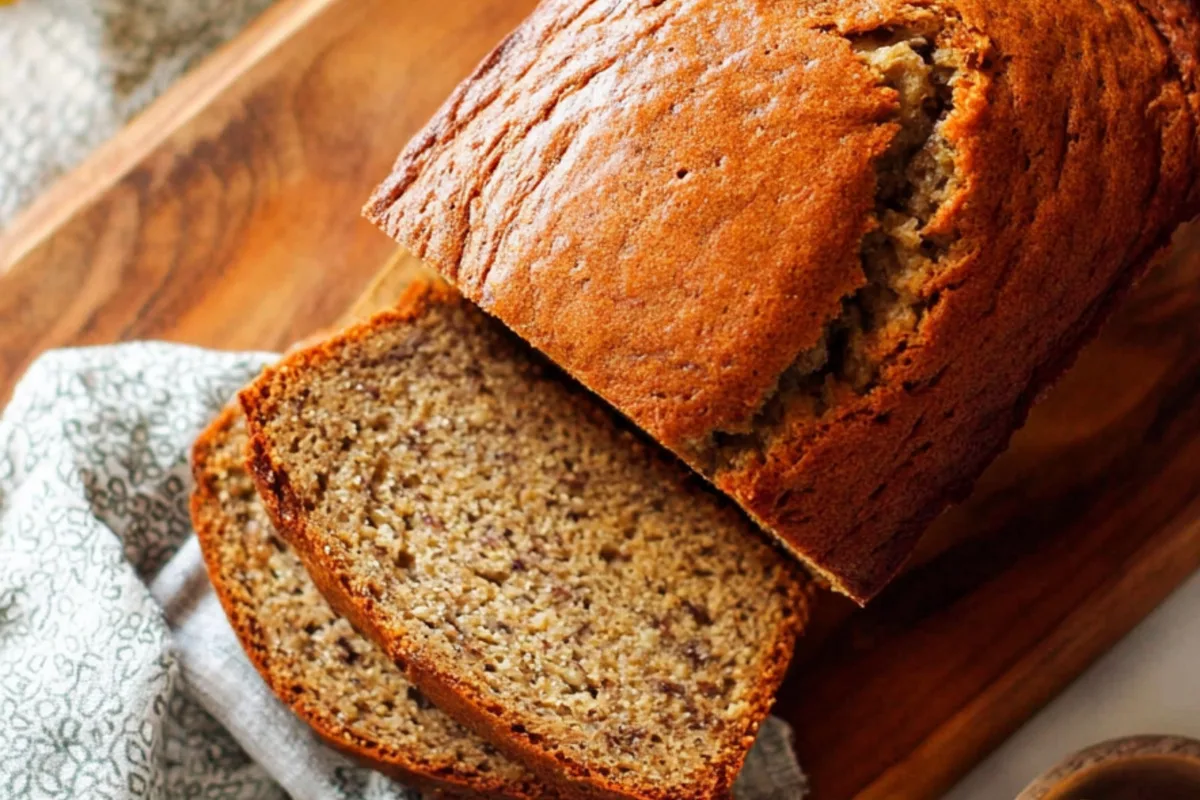
Quick Answer
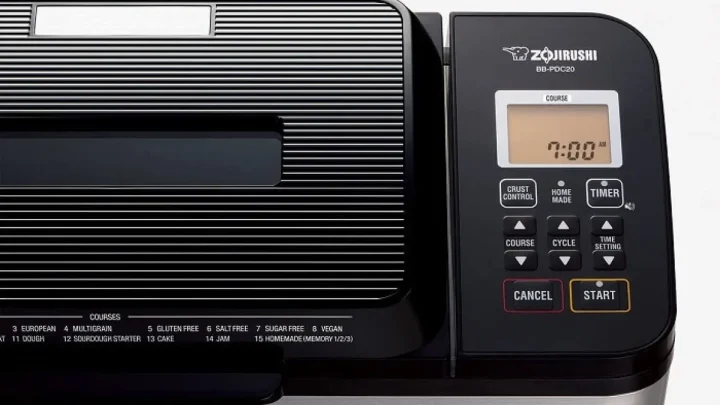
To choose a bread maker for banana bread, prioritize a machine with a dedicated Cake or Quick Bread setting. These cycles bypass yeast-rising phases to prevent over-mixing. Select a horizontal pan for even heat distribution.
Dual kneading blades are best for heavy batter. Ensure the machine offers a bake-only mode for extra timing control.
Why Banana Bread Requires a Specific Type of Bread Maker
Banana bread is technically a quick bread. This means it relies on chemical leaveners like baking soda instead of biological yeast. This distinction changes everything about how a machine should operate.
Yeast dough needs time to rest and rise. Banana batter needs to be mixed quickly and baked immediately.
If you use a standard bread cycle, the machine will stir the batter and let it sit for an hour. This process destroys the bubbles created by your baking soda. Our analysis of gluten development shows that over-working a chemically leavened batter results in a rubbery, tough texture.
Banana bread is also incredibly dense. This density makes it harder for heat to reach the center of the loaf. Without a specialized cycle, you often end up with a burnt crust and a raw center.
Choosing a machine that understands these physics is the only way to get consistent results.
The Difference Between Yeast Cycles and Cake Cycles
The primary difference between these cycles is the rise time. A standard yeast cycle includes a long period where the machine stays warm but the paddle remains still. This allows the yeast to produce carbon dioxide and expand the dough.
A Cake or Quick Bread cycle eliminates these pauses. It typically features a short, intensive mixing period of about 10 to 15 minutes. Once the mixing is done, it moves directly into the bake phase.
This speed is vital for preserving the lift in your loaf.
Some high-end machines even allow you to program custom cycles. In these cases, you can set the exact number of minutes for mixing and baking. This level of control is excellent if you have a trusted family recipe that is particularly thick or wet.
Horizontal vs. Vertical Pans: Which Shape Bakes Best?
Pan shape is one of the most overlooked factors when selecting a new appliance. Many budget-friendly bread makers use a tall, vertical bucket. While these are great for saving counter space, they are often a poor choice for heavy banana batters.
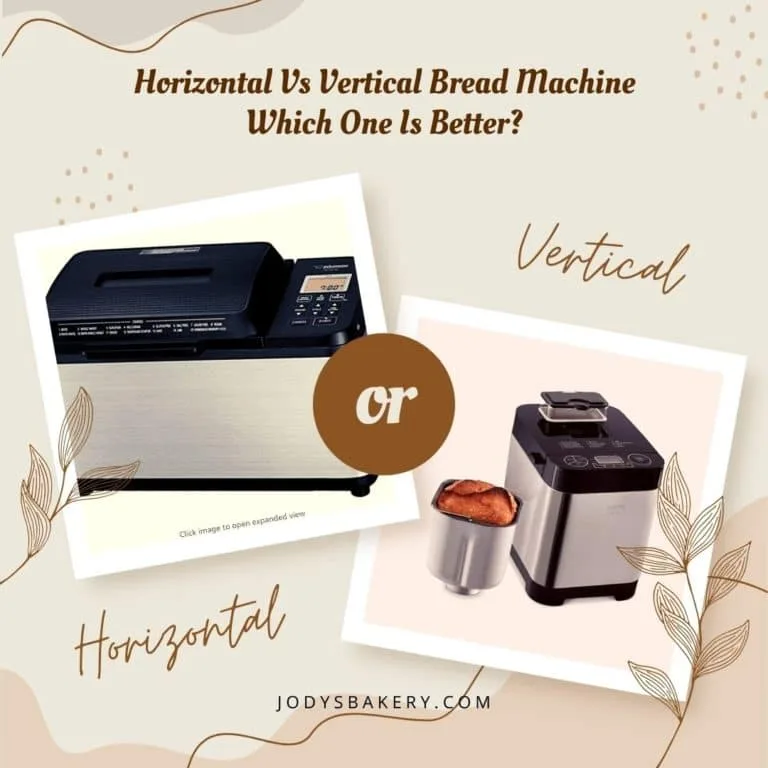
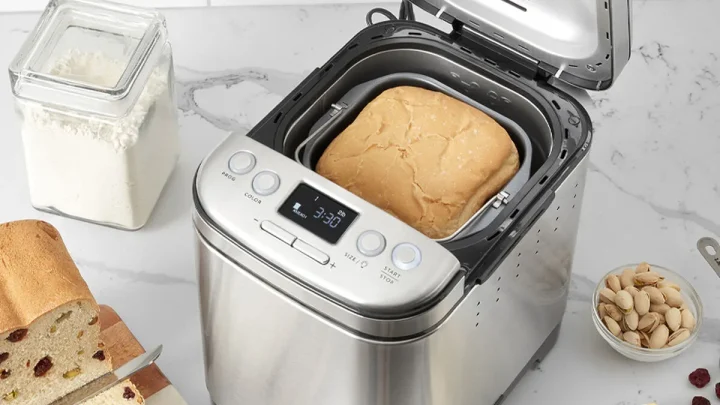
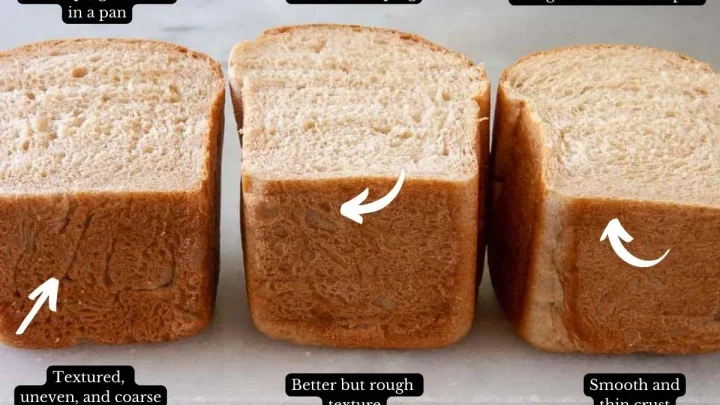
Horizontal pans resemble a traditional 9×5-inch loaf tin. This shape provides more surface area for the heating element to work. Because the batter is spread thinner, the heat reaches the core much faster than it would in a deep, vertical bucket.
Vertical pans often suffer from thermal lag in the center. By the time the middle is fully cooked, the outside edges have been exposed to heat for too long. This results in a thick, dark crust that can taste bitter.
For the most reliable crumb, the horizontal layout wins every time.
Single vs. Dual Kneading Paddles for Heavy Batters
The motor and paddle configuration determine how well your ingredients are incorporated. Most small machines use a single paddle located in the center of the pan. While this works for round balls of dough, it can struggle with the viscous, sticky nature of mashed bananas.
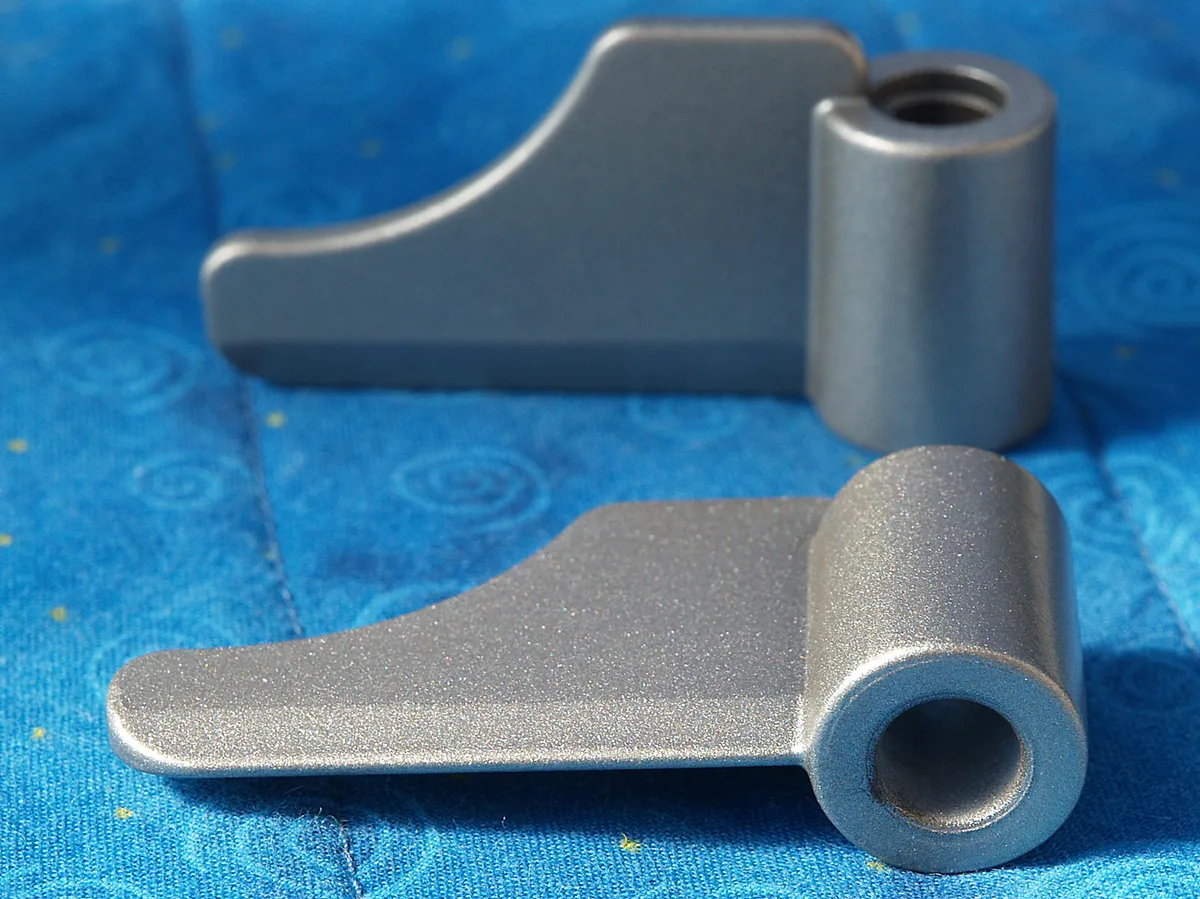
Dual kneading blades are typically found in larger, horizontal machines. These two paddles work in tandem to move the batter back and forth. This motion is far more effective at picking up dry flour from the corners.
It ensures a uniform mixture without dry pockets.
| Feature | Single Paddle | Dual Paddles |
|---|---|---|
| Mixing Power | Better for soft doughs | Ideal for heavy, dense batters |
| Corner Access | Often leaves dry flour pockets | Excellent corner-to-corner reach |
| Hole in Loaf | One small hole at the bottom | Two holes at the bottom |
| Machine Size | Compact / Vertical | Large / Horizontal |
If you plan on making 2lb loaves, dual paddles are almost a necessity. For smaller 1lb loaves, a single paddle can work. However, you may still need to intervene manually with a spatula.
Why Bake-Only Mode is Your Best Safety Net
A bake-only mode allows you to run the heating element without any mixing or rising. This is the most important hidden feature to look for. Banana bread is notorious for being unpredictable due to varying moisture levels in the fruit.
Sometimes the preset Cake cycle finishes, but a toothpick test shows the middle is still gooey. If your machine only has automatic cycles, you’re stuck with a raw loaf. With a bake-only setting, you can simply add another 10 or 15 minutes of heat.
According to the U.S. Department of Agriculture guidelines for food safety, ensuring dense baked goods are fully cooked is essential. Having that extra manual control ensures your bread is both delicious and safe to eat every time.
Comparative Breakdown: Entry-Level vs. High-End Machines for Quick Bread
Choosing the right tier depends on how often you plan to bake these heavy fruit loaves. Most entry-level machines are designed for high-frequency yeast baking. They might struggle with the torque required to stir thick banana mash.
Budget-friendly models usually feature a single paddle and a vertical pan. While they often include a Quick Bread setting, the motor may run hot if the batter is too dry. Our research into motor specifications shows that lower-wattage machines can stall when dealing with the viscosity of four or five large bananas.
High-end machines offer a more robust experience with specialized heating elements. These models typically use dual paddles and horizontal pans to mimic a traditional oven-baked loaf. They also offer more granular control over the crust.
This is helpful since the sugar in bananas tends to brown quickly.
Best Machines for Specialty Diets: Gluten-Free and Low-Sugar Banana Bread
If you are baking for specific dietary needs, your machine requirements become even more specific. Gluten-free banana bread is notoriously difficult because the batter is stickier than wheat-based versions. It needs a machine that does not over-knead.
Look for a machine with a dedicated Gluten-Free cycle. This setting has been calibrated for unique flour blends. Many 2026 models now include secondary heating sensors to ensure the bread does not collapse.
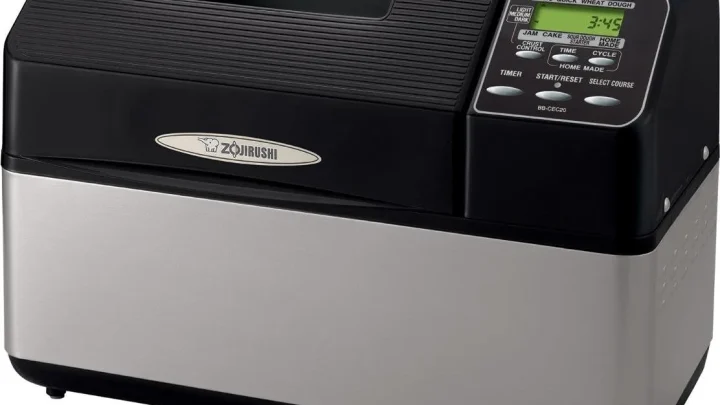
Manufacturers like Zojirushi or Panasonic often provide specific recipes in their manuals optimized for their internal sensors.
Low-sugar recipes present a different challenge. Sugar helps the crust caramelize. When you remove it, the bread can look pale even if it is cooked through.
A machine with dark crust settings can help provide that classic golden-brown look without the extra calories.
Common Problems: Why Your Machine Bread is Gummy or Unmixed
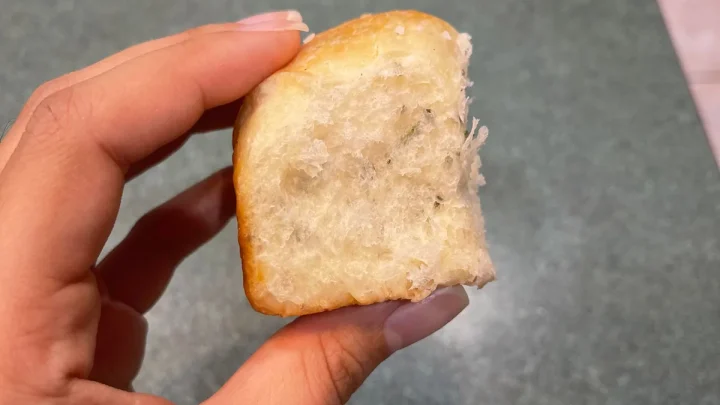
The most frequent complaint is a gummy texture in the center. This usually happens because the machine stopped the bake cycle too early. Because the moisture content in bananas varies by ripeness, a standard timer is not always accurate.
Another common issue is dry flour pockets. If the paddle does not reach the corners of the pan, you will find chunks of unmixed flour in your finished loaf. This is a common failure in single-paddle machines that lack a tapered pan design.
If your loaf is sinking in the middle, you likely have too much moisture. Large bananas add significant weight. If the machine's Cake cycle includes too much stirring, it can knock the air out of the batter before the heat sets the structure.
Mistakes to Avoid When Loading Your Bread Maker
Order of operations is everything when using an automated machine. Most people make the mistake of throwing everything in at once. For the best banana bread, you must separate your wet and dry ingredients effectively.
Always put your liquids and mashed bananas in first. Then add your dry flour, sugar, and leaveners on top. This keeps the flour from clumping at the bottom before the paddle starts moving.
It also ensures the baking soda does not activate too early.
- Don't use whole fruit: The machine paddle is not a blender. Always mash your bananas to a smooth consistency before adding them.
- Don't ignore the add-in beep: If you want walnuts or chocolate chips, wait for the signal. Adding them too early results in a grey batter and crushed nuts.
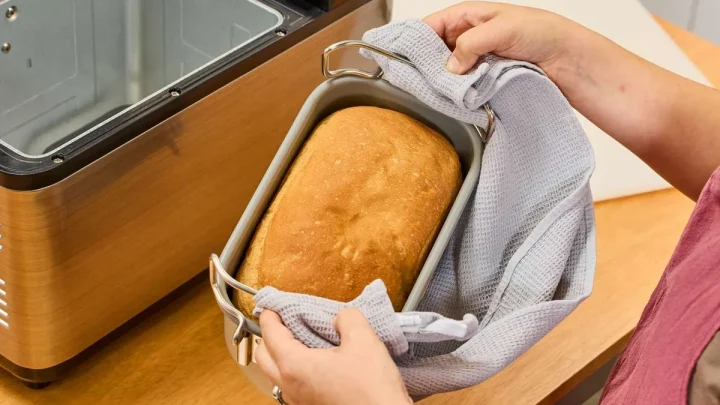
- Don't leave the loaf in the pan: Once the bake cycle ends, remove the pan immediately. Steam trapped in the pan will make the crust soggy within minutes.
Expert Tips for Perfect Crumb and Crust Consistency
To get a professional result, you have to treat the machine like a partner. One trick is to use room temperature ingredients. Cold eggs or chilled butter can cause the batter to clump.
This makes it harder for the machine to create a smooth emulsion.
If you find your crust is always too thick, try the light crust setting. The high sugar content in banana bread means it will brown faster than white bread. Using a lighter setting prevents the edges from becoming hard before the middle is done.
Finally, consider the altitude where you live. High-altitude baking requires less leavening and more liquid. If you're above 3,000 feet, you might need to reduce your baking powder by about 25 percent.
This prevents the bread from rising too fast and then crashing.
For those who find their machines are struggling to finish the bake, checking the heating element functionality can help. Consistent heat is the secret to a perfect crumb.
The Importance of High-Quality Non-Stick and Ceramic Coatings
A high-quality non-stick coating is vital. Banana bread has a much higher sugar content than standard white bread. As the loaf bakes, the sugars caramelize and create a sticky bond with the pan.
If your coating is thin or scratched, the loaf will tear when you remove it.
Ceramic coatings are becoming the preferred choice for many bakers in 2026. They provide a slicker surface than traditional PTFE finishes. They are also more resistant to the high temperatures required for dense quick breads.
A ceramic pan also tends to provide a more even, golden-brown crust.
When comparing machines, look for pans that feel heavy and substantial. Thicker walls retain heat better. This is crucial for getting that center-core temperature up.
If the pan feels like a lightweight soda can, it likely won't provide the thermal stability you need.
When to Use the Manual Spatula Trick During the Mix Cycle
The spatula trick involves manually scraping the corners of the pan during the initial mixing phase. Even the most advanced dual-paddle machines can occasionally miss small pockets of dry ingredients. This is especially true with banana bread because the batter is so thick.
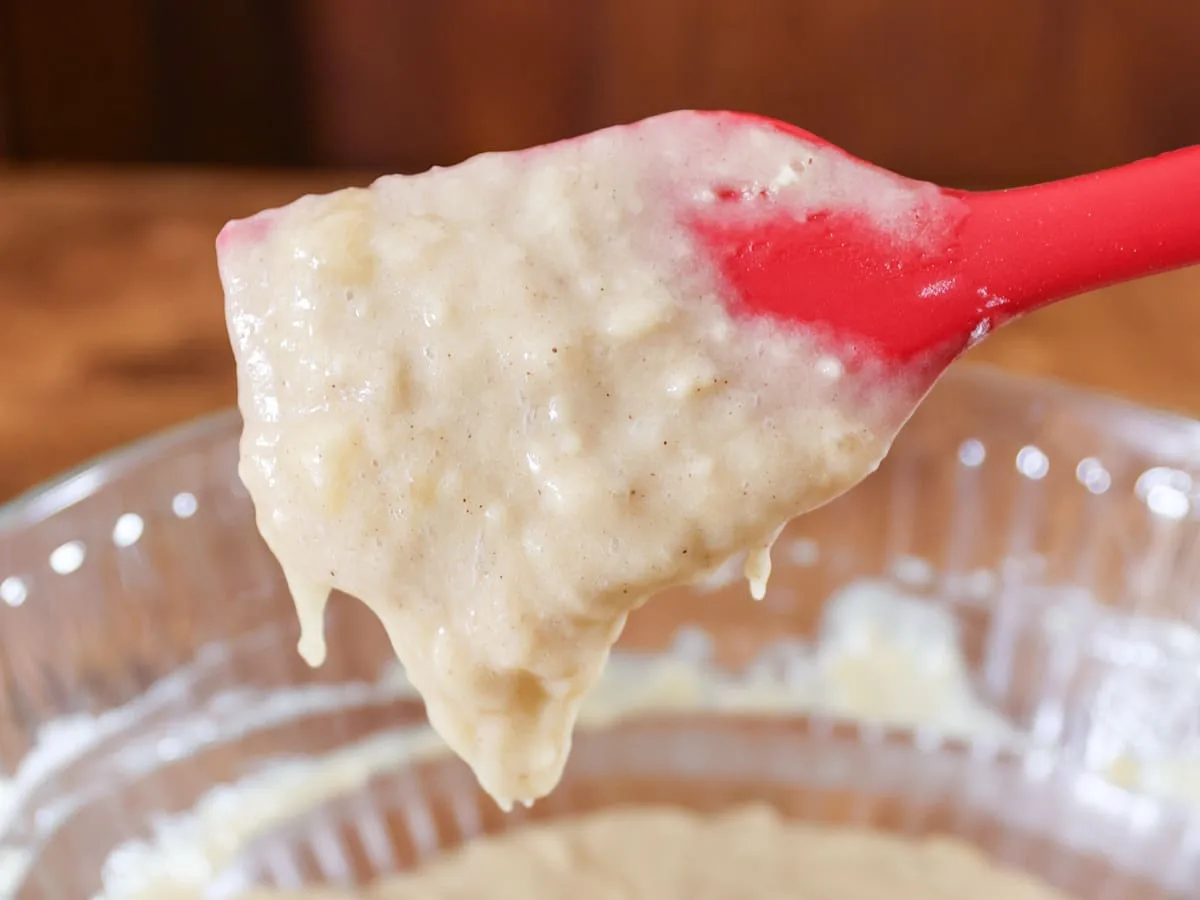
Watch the machine for the first five minutes of the Cake or Quick Bread cycle. Use a heat-resistant silicone spatula to gently push any flour clinging to the corners back into the center. Be careful to stay away from the moving paddles to avoid damaging the tool or the motor.
This simple intervention prevents those unsightly white streaks of raw flour on the sides of your finished loaf. It also ensures that your leavening agents are fully distributed. If the baking soda stays clumped in a corner, your bread won't rise evenly.
Essential Metrics: Loaf Size, Wattage, and Internal Temperature
Understanding the technical specs of a machine helps you predict performance. Wattage is a primary indicator of motor strength. A motor rated at 500 watts or higher will generally handle the resistance of thick mashed bananas more effectively than a 300-watt budget unit.
Loaf size also dictates the pan dimensions and heating element reach. If you frequently bake for a large family, a 2lb capacity machine is necessary. However, larger loaves are harder to cook through to the center.
Smaller 1lb or 1.5lb loaves often have a better, more consistent crumb because the heat has less distance to travel.
Internal temperature is the ultimate metric for success. According to food safety standards, banana bread is properly cooked when it reaches an internal temperature of 190°F to 200°F. Use a digital probe thermometer to check the very center of the loaf immediately after the cycle ends.
Final Verdict: Choosing the Right Machine Based on Your Baking Frequency
Your final decision should be based on how often you plan to bake quick breads. If banana bread is a weekly staple, investing in a premium horizontal machine with dual paddles is worth the extra cost. These models provide the most consistent results and the best crust quality.
For those who only bake banana bread occasionally, a mid-range machine with a dedicated Cake cycle will suffice. You may need to use the spatula trick more often, but the machine will still save you significant time compared to traditional oven baking.
If you are on a strict budget, look for a single-paddle machine that includes a bake-only mode. This feature acts as your safety net. If the automatic cycle fails to cook the center, you can manually add more time.
This flexibility is the most important factor in preventing wasted ingredients.
Frequently Asked Questions
Can I use a regular bread setting for banana bread?
No, you should not use a standard yeast bread setting. Regular cycles include long rise times that will over-process the batter. This will kill the leavening bubbles from the baking soda.
Always use the Cake, Quick Bread, or Batter setting for the best results.
Why does my banana bread always have a hole in the bottom?
The hole is caused by the kneading paddle staying in the pan during the bake cycle. Because banana bread batter is liquid, you cannot remove the paddle before the bake starts like you can with yeast dough. Some high-end machines have collapsible paddles to minimize this.
Why is the top of my banana bread cracked?
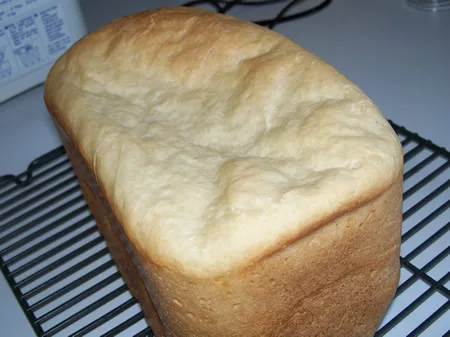
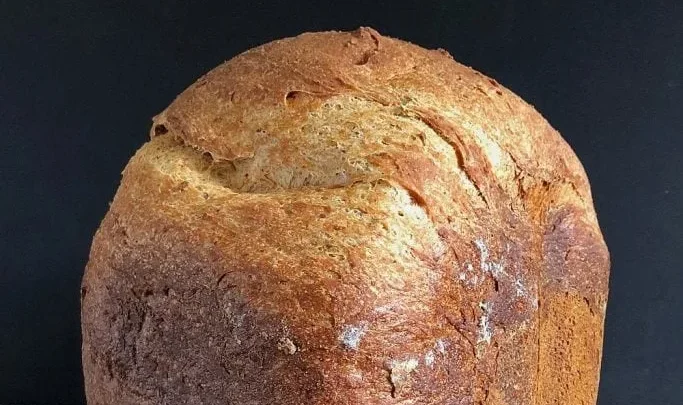
A cracked top is actually a sign of a good quick bread. It happens when the outer crust sets before the center has finished rising. As the inside expands, it bursts through the top.
This is a classic characteristic and does not mean anything is wrong with your machine.
How do I prevent the paddle from getting stuck in the loaf?
Before you add your ingredients, you can lightly coat the paddle and the post with a tiny bit of vegetable oil. This helps the paddle slide out of the bread more easily when you shake the finished loaf out of the pan.
What is the best way to clean a bread pan after making banana bread?
Never use abrasive scrubbers on the non-stick surface. Let the pan soak in warm, soapy water for 15 minutes to loosen any caramelized sugar. Most paddles can be pulled off for separate cleaning.
Make sure the pan is completely dry before storing it to prevent oxidation.

Similar Posts