Best Bread Maker Size for Perfect Artisan Loaves
Choosing the right equipment for a rustic loaf often feels like a guessing game. If you are wondering what size bread maker for artisan bread is best, the answer depends entirely on your recipe's hydration level and the "oven spring" of your dough.
Standard machine ratings of 1 lb or 2 lb refer to the total weight of a finished, dense loaf. However, artisan doughs are typically wetter and airier than basic white bread, meaning they need more physical space to expand without making a mess. As of 2026, many modern machines include specific settings to help manage these unique volume requirements.
Quick Answer
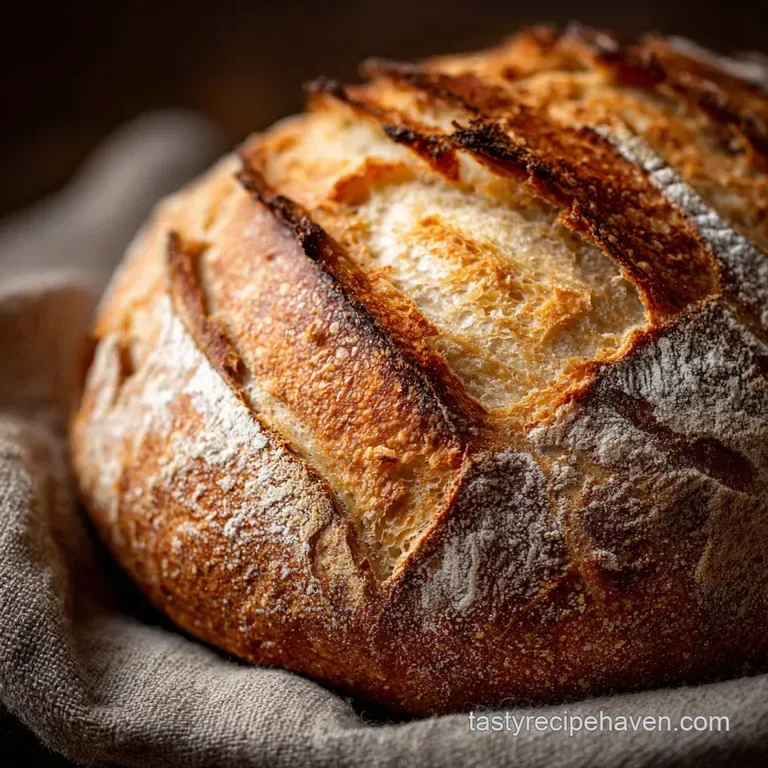
The ideal size for most artisan bread is a 2 lb machine with a horizontal pan. Artisan doughs have high hydration and rise aggressively during the baking cycle. A 2 lb capacity provides necessary headroom for a 1.5 lb artisan loaf.
This prevents the dough from touching the lid. Smaller 1 lb machines are best for dense, specialty rye breads.
Why Machine Size Matters for Artisan Loaves
Machine size is about more than just how much bread you can eat. For artisan baking, the size of the bread pan dictates the heat distribution and the final texture of the crust. If the pan is too small for your dough, the bread becomes compressed.
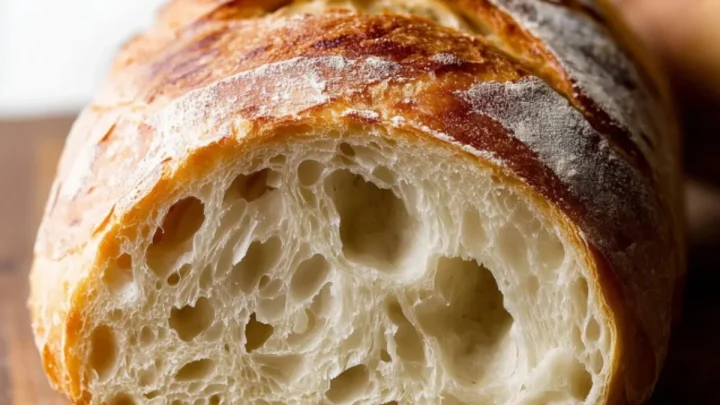
This ruins the "open crumb" structure that defines a true rustic loaf.
In our research, we've found that artisan recipes often use a higher ratio of water to flour. This extra moisture turns into steam during the baking process. That steam creates a massive internal expansion known as oven spring.
A machine that is too small for the volume of steam generated will produce a loaf with a collapsed top or a gummy interior.
Manufacturer specifications for a "2 lb machine" usually assume a standard, dense sandwich dough. When you swap that for a sourdough or a French boule, the physical volume can increase by 20% to 30%. Selecting a machine with a larger capacity ensures the heating elements can circulate air around the entire loaf.
This circulation is what gives artisan bread its signature thick, golden-brown exterior.
The Headroom Rule: Capacity vs. Rise
The most common mistake is matching your recipe weight exactly to the machine's rated capacity. If you have a 1.5 lb sourdough recipe, do not use a 1.5 lb machine. You should instead look for a machine rated for 2 lbs or more.
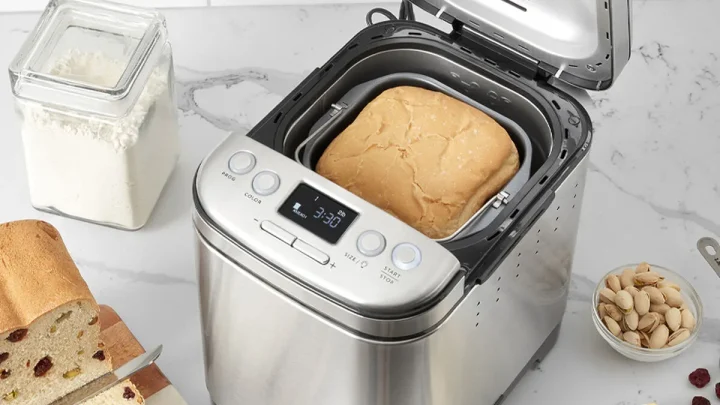
This extra space between the top of the dough and the lid is what we call "headroom."
When artisan dough lacks headroom, it can press against the viewing window or the lid. This causes the top of the bread to stay pale and doughy while the bottom burns. It can also lead to a catastrophic mess inside your appliance if the dough escapes the pan entirely.
Our analysis of user feedback suggests that at least three inches of clearance is ideal for high-growth loaves.
Headroom also affects the Maillard reaction, which is the chemical process that browns the crust. Without enough air space, the heat from the top element cannot reach the surface evenly. A larger machine allows the top of the bread to develop those dark, flavorful blisters that artisan enthusiasts crave.
1 lb Machines: Best for Small-Batch Sourdough
A 1 lb bread maker is the most compact option. These are designed for individuals or couples who want fresh bread without leftovers. In terms of artisan baking, these machines are specialized tools.
They excel at making smaller, denser loaves like pumpernickel or heavy seeded rye.
Because the pan in a 1 lb machine is narrow, it provides excellent support for doughs that lack a strong gluten structure. If you are working with ancient grains like spelt or einkorn, a smaller pan prevents the dough from spreading too thin. These grains often struggle to hold their shape, so the confined space acts like a support system.
However, you must be careful with standard artisan sourdough in these units. Most sourdough starters are very active. A 1 lb machine simply does not have the vertical space to accommodate a standard starter-based rise.
If you choose this size, you will need to scale your recipes down significantly, often using no more than 2 cups of flour total.
1.5 lb Machines: The Versatile Middle Ground
The 1.5 lb bread maker is the most common size found in home kitchens. It strikes a balance between a small counter footprint and a functional baking capacity. For the casual artisan baker, this size is sufficient for standard French bread cycles or basic rustic white loaves.
Manufacturer data from brands like Panasonic suggests that 1.5 lb pans are optimized for even heat distribution. This size is large enough to handle a decent amount of steam but small enough that the heating element can maintain a very consistent temperature. This consistency is vital for developing a uniform crumb throughout the loaf.
If you plan to use your machine mainly for the "Dough" setting, a 1.5 lb unit is a smart choice. It can knead a substantial amount of dough that you can then finish in a traditional oven. It provides enough power for a medium-sized batch without taking up the massive amount of space required by heavy-duty 2 lb models.
2 lb Machines: Why Bigger is Often Better for High Hydration
For serious artisan enthusiasts, a 2 lb machine is the gold standard. These machines are built with more powerful motors and larger baking chambers. The increased power is necessary because artisan dough can be quite heavy and sticky, putting a strain on smaller motors during the kneading phase.
High-hydration doughs, which have a high water-to-flour ratio, are particularly well-suited for 2 lb machines. These doughs are very "bubbly" and prone to massive expansion. The 2 lb capacity provides a safety net, ensuring the dough has plenty of room to grow.
This size is also much more likely to feature dual kneading paddles, which are better at incorporating flour into wet dough.
According to research from the Wheat Foods Council, proper gluten development in large loaves requires consistent mechanical action. A 2 lb machine offers a wider pan base, allowing the paddles to stretch and fold the dough more effectively. This results in the "chewy" texture that defines high-quality artisan bread.
Horizontal vs. Vertical Pans: Shaping the Artisan Crust
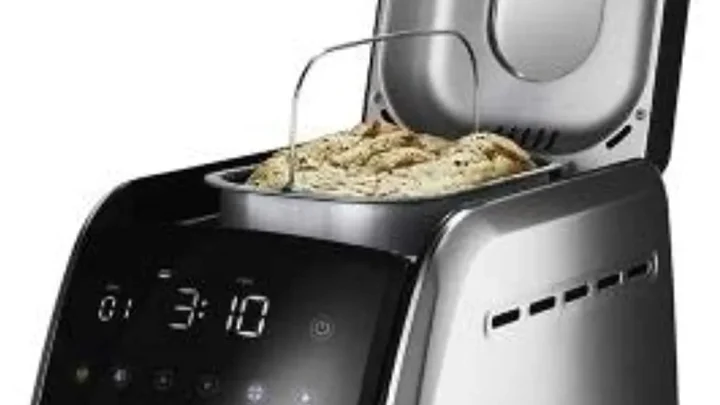
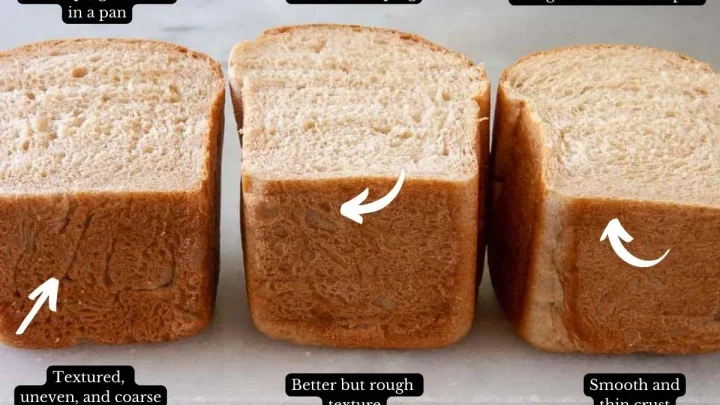
The orientation of the baking pan is just as important as its weight capacity. Bread makers come in two styles: vertical (tall and square) or horizontal (long and rectangular). For artisan bread, the horizontal pan is almost always the superior choice.
Vertical pans produce a loaf that looks like a tall block. While this is fine for a quick sandwich loaf, it creates an unnatural shape for artisan styles. The depth of a vertical pan can also lead to uneven baking.
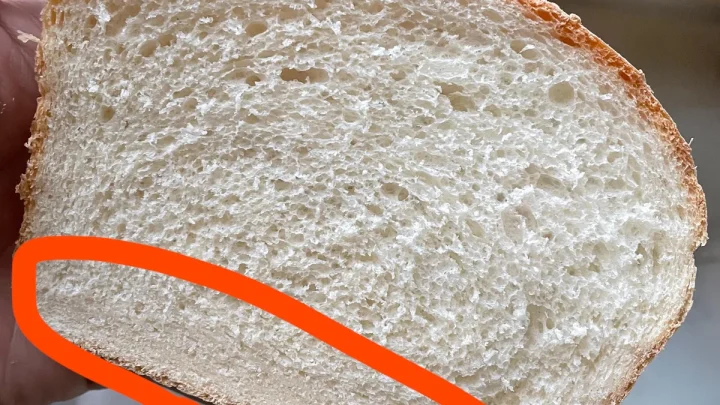
The bottom of the loaf is often much more compressed than the top because of the weight of the dough pressing down on itself.
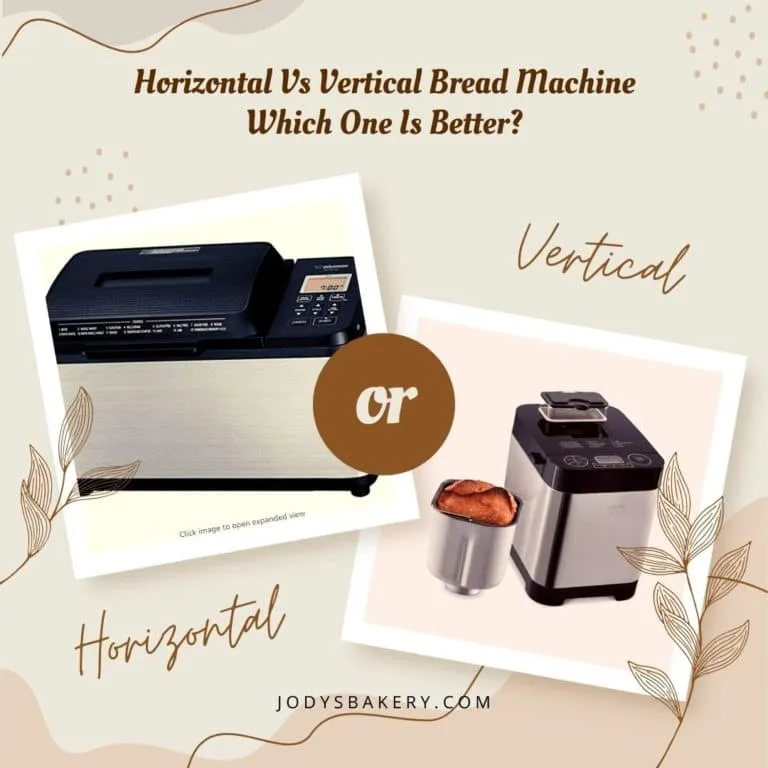
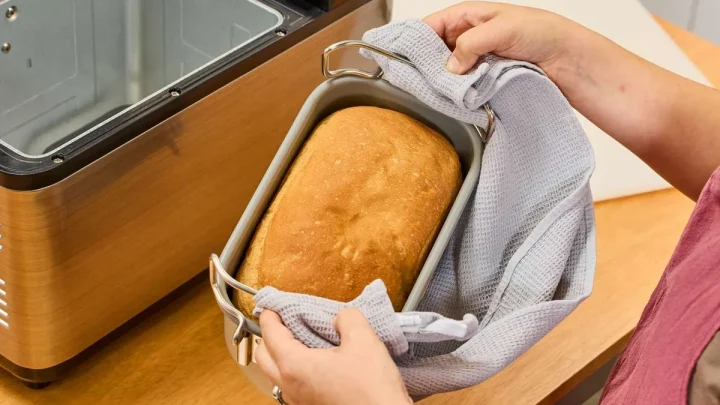
Horizontal pans mimic the shape of a professional bakery loaf. This shape allows for a greater surface area on the top of the bread, which means more area for a beautiful, crispy crust to form. Because the dough is spread out over a longer distance, the heat can penetrate the center of the loaf more efficiently.
Side-by-Side: Machine Capacities and Flour Limits
Understanding the physical limits of your machine helps prevent mechanical failure. Each size has a maximum amount of flour it can safely process. Exceeding these limits can burn out the motor or cause the machine to "walk" across your counter.
| Machine Size | Max Flour Capacity | Best Artisan Use |
|---|---|---|
| 1 lb | 2 Cups | Dense rye, gluten-free boules |
| 1.5 lb | 3 Cups | Standard sourdough, herb bread |
| 2 lb | 4 to 5 Cups | High-hydration Ciabatta, large French loaves |
When calculating your recipe, remember to include the volume of your sourdough starter. A cup of active, bubbly starter takes up more room than a cup of flat flour. Always check the manufacturer manual for the specific dry-cup limit to avoid overtaxing the drive belt.
The Hydration Factor: How Wet Dough Changes Your Size Choice
Hydration refers to the weight of water relative to the weight of flour. Most sandwich breads are around 60% hydration. Artisan breads, however, frequently climb to 70% or even 80%.
This wetness makes the dough incredibly stretchy and prone to rising very quickly once the heat hits it.
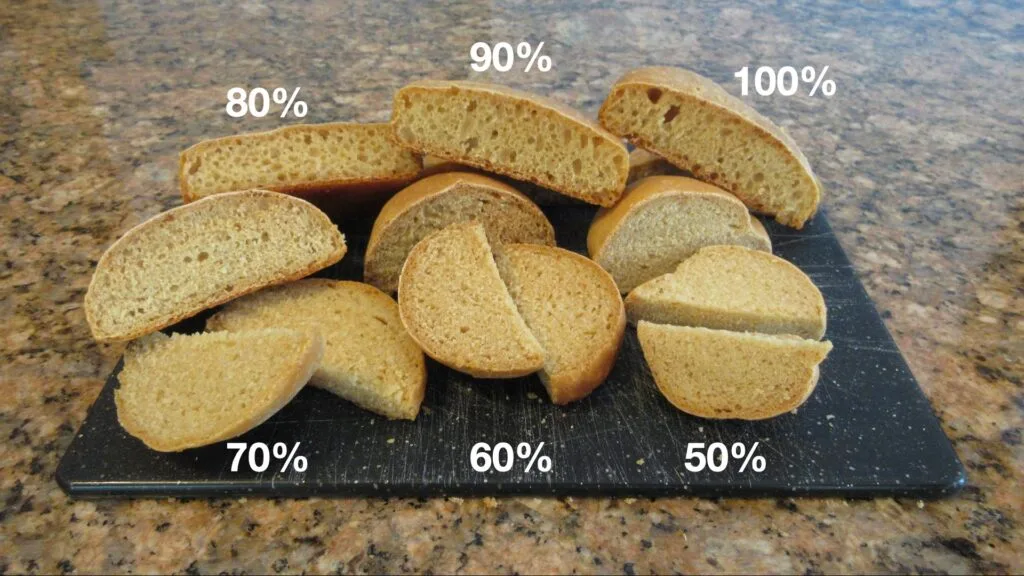
If you are a fan of "no-knead" style artisan bread, you are dealing with very high hydration. In our analysis of baking physics, wet doughs produce larger steam pockets. In a small machine, those pockets have nowhere to go but up.
This is why a 2 lb machine is the safest bet for high-hydration experiments. It accommodates the expansion without risk of an overflow.
Wetter doughs also tend to be stickier. A larger pan gives the dough more room to move during the kneading phase. In a cramped 1 lb pan, a wet dough might just spin in circles around the paddle rather than being properly stretched.
This prevents the development of the strong gluten network needed for a rustic texture.
Single vs. Dual Paddles for Heavy Rustic Doughs
The number of paddles in your bread maker influences how well it handles the heavy flours often used in artisan baking. Whole wheat, rye, and ancient grains are much harder to mix than refined white flour.
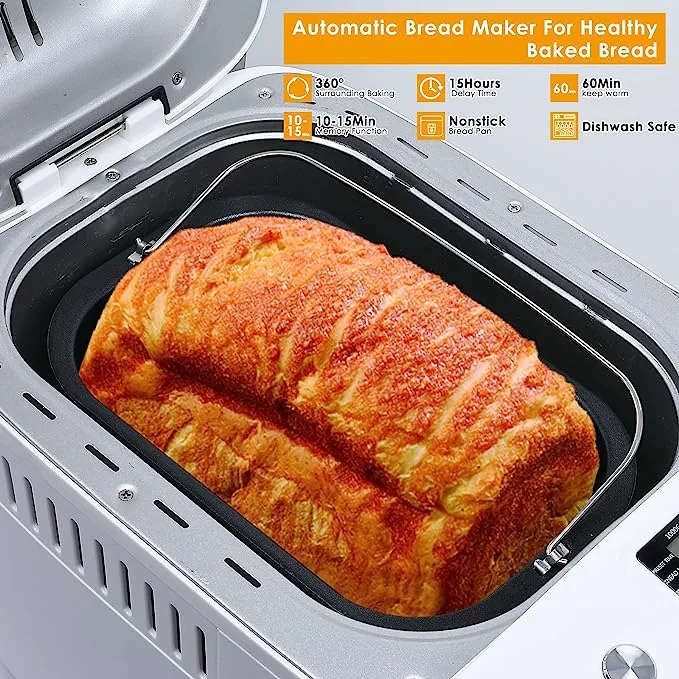
Single-paddle machines are common in 1 lb and 1.5 lb sizes. They work by swirling the dough around a central point. This is usually fine for lighter doughs.
However, for a 2 lb artisan loaf made with heavy flour, a single paddle can struggle to incorporate all ingredients from the corners of the pan. You might find pockets of dry flour in the finished bread.
Dual-paddle machines are typically found in 2 lb horizontal models. These paddles move in tandem to stretch the dough back and forth, much like a professional baker's hands. This kneading action is superior for developing the elastic structure required for artisan bread.
Custom Cycles and Manual Programming for Long Fermentation
Size is the physical constraint, but the software is the functional constraint. True artisan bread relies on time. Most standard bread maker cycles are too fast.
They force the dough to rise in an hour or less using high heat and a lot of yeast. This results in bread that lacks flavor and has a soft, unappealing crust.
To get the most out of your machine size, look for models that offer custom programming. This allows you to extend the rise times. For example, you could set a three-hour "cool" rise before the bake begins.
This long fermentation allows the enzymes in the flour to break down, creating the complex flavors found in bakery-quality loaves.
When using custom cycles, the machine's insulation becomes important. Larger, high-end machines often have better thermal retention. This helps maintain a stable temperature during those long, slow rises.
If the machine is too small or poorly insulated, the internal temperature may fluctuate, leading to an unpredictable rise.
Common Sizing Mistakes: Overflow and Mushroom Loaves
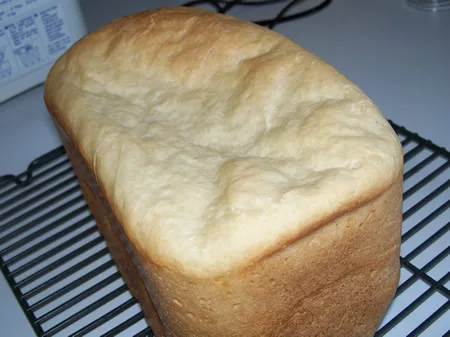
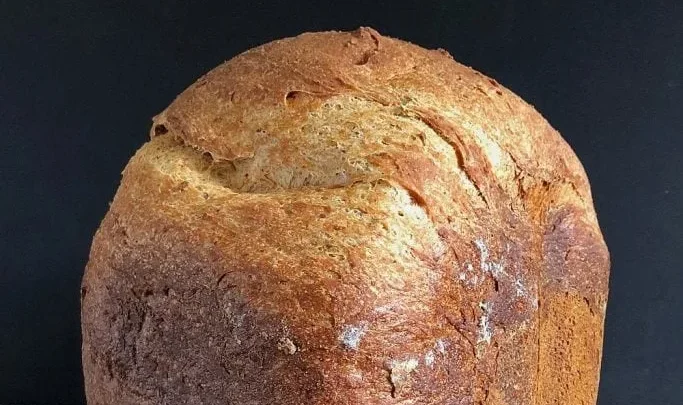
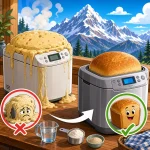
One of the most frustrating experiences is waking up to a "mushroom" loaf. This happens when the dough rises so much that it spills over the sides of the pan and expands into the baking chamber. It creates a flat, wide top that makes the bread difficult to remove.
This is almost always a sizing error. If you find your bread machine is frequently overflowing, you are likely trying to make a 2 lb artisan loaf in a 1.5 lb machine. Artisan yeast is sensitive to temperature and can rise faster than expected in a warm kitchen.
To avoid this, always start with a smaller batch than the machine's maximum rating. If you have a 2 lb machine, try a recipe using 3.5 cups of flour rather than the full 5-cup maximum. This provides a buffer zone for those days when your yeast is particularly active.
When to Use the Dough Only Setting
If you want a professional look, the size of the machine's baking pan may eventually feel limiting. Many artisan bakers use the machine primarily as a dedicated kneading and proofing station. This is often called the "Dough Only" or "Manual" setting.
In this scenario, machine size dictates how much dough you can prepare at once. A 2 lb machine can easily knead enough dough for two standard baguettes or one large boule. After the first rise, you pull the dough out, shape it by hand, and bake it in your home oven.
Baking in a conventional oven, especially inside a preheated Dutch oven, allows for a much better crust. The machine is still vital because it maintains the perfect, draft-free temperature for that critical first rise. A larger machine gives you the flexibility to bake various sizes and shapes of bread.
Best Machine Sizes for Specific Artisan Styles
Not all artisan breads behave the same way in the pan. Depending on your favorite style, one machine size may serve you better than others.
- Sourdough: Requires a 2 lb horizontal machine for its long fermentation and active expansion.
- Ciabatta: Needs a 2 lb machine with dual paddles to handle extremely wet, sticky dough.
- Rye and Pumpernickel: These are dense and don't rise much. A 1.5 lb vertical machine is sufficient here.
- French Bread: A 2 lb horizontal machine is best for a more traditional loaf shape.
Regardless of the style, check the motor's wattage. Artisan doughs are taxing on the gears. A 2 lb machine usually has a motor between 600W and 800W, which is better equipped to handle heavy rye or sticky sourdough than a budget 400W model.
Pro Tips for Managing Large Loaves in Small Pans
If you already own a 1.5 lb machine, you can still succeed with a few adjustments. The key is controlling the rise so it does not outgrow the pan.
First, reduce the yeast. Cutting the yeast by 25% slows down the rise. This gives the bread more time to develop flavor while preventing it from hitting the lid.
Second, use cold water. Starting with cold ingredients keeps the dough temperature lower, which prevents the yeast from going into overdrive too early.
Finally, keep an eye on the hydration. If a recipe calls for a very high water content, try reducing it by a tablespoon or two. This makes the dough slightly firmer and more likely to hold its shape within the smaller pan.
Final Verdict: Which Size Should You Buy?
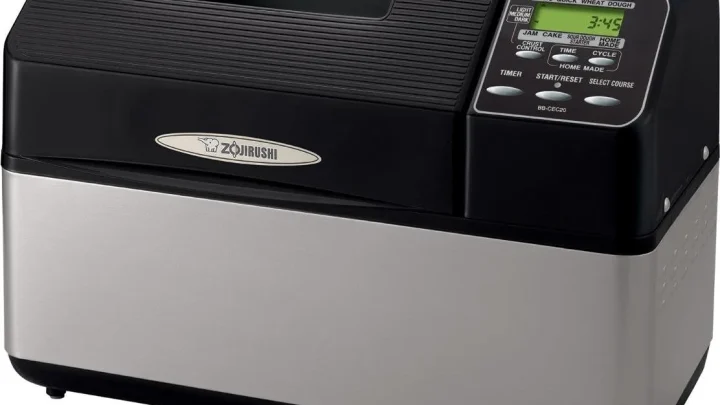
When choosing a machine, the 2 lb horizontal model is the clear winner for most home bakers. It provides the necessary volume for high-hydration doughs and the power to knead heavy grains. It also offers the shape required for a proper crust.
If you are tight on space, a 1.5 lb machine can work if you scale down your recipes. Avoid 1 lb machines for artisan bread unless you specifically want to make small, dense specialty loaves.
Investing in a slightly larger machine than you think you need is the best way to ensure success. The extra headroom and motor power will give you the freedom to experiment with sourdough starters and wet ciabatta doughs without fear of a kitchen mess.
Frequently Asked Questions
Can I use a 2 lb bread machine recipe in a 1.5 lb machine?
No, this will likely cause the dough to overflow and potentially damage the heating elements. Artisan recipes rise significantly more than standard bread. Always ensure your recipe volume is at least 25% less than the maximum rated capacity of your machine.
Does the shape of the pan affect the taste of artisan bread?
The shape affects the texture and crust development, which indirectly impacts the flavor profile. Horizontal pans allow for more top-surface browning and a more even crumb, resulting in a more authentic artisan experience compared to the compressed texture of vertical pans.
Why does my artisan bread always hit the lid of my machine?
This usually happens because the machine is too small for the recipe's hydration level or the yeast is too active. Try reducing the yeast amount or using a 2 lb machine for a 1.5 lb recipe to provide more headroom for the oven spring.
Is a 2 lb machine too big for a single person?
Not necessarily. You can bake smaller 1 lb or 1.5 lb loaves in a 2 lb machine without any issues. The extra space won't hurt the smaller loaf, but the extra power and headroom provide much-needed versatility for different bread styles.
Do I need dual paddles for artisan bread makers?
While not strictly required, dual paddles are highly recommended for 2 lb machines. They are much more efficient at kneading wet, sticky artisan doughs and ensuring that all flour is fully incorporated from the corners of a horizontal pan.

Similar Posts