Proofing Basket Too Big for Dough? Easy Fixes
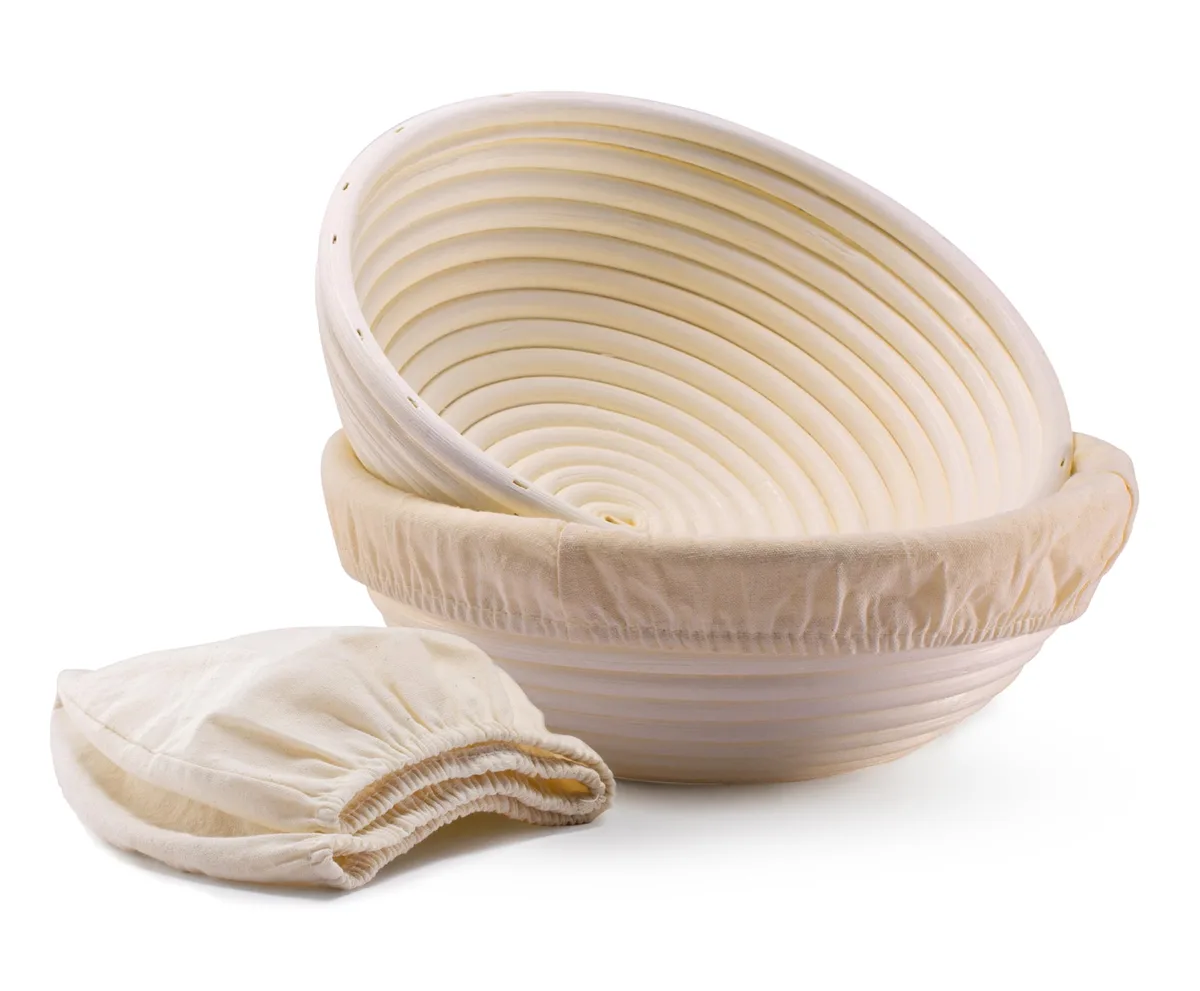
If your proofing basket is too big for dough, you've probably noticed the signs. Flat, wide loaves. Weak oven spring.
A crumb that's dense instead of airy. The problem isn't your recipe. It's the geometry of your proofing setup.
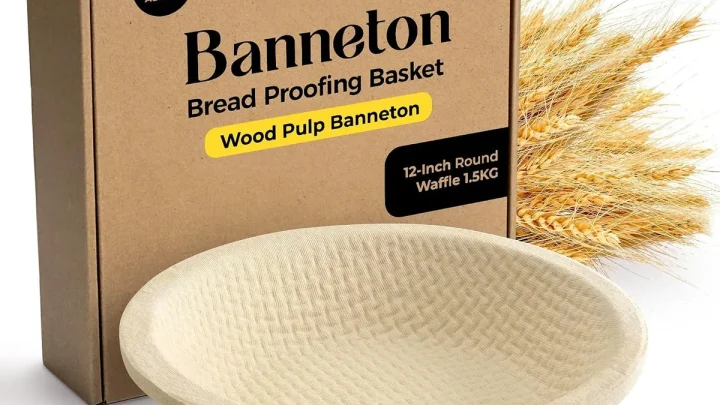
Here's the short version: a banneton is sized by flour weight, not dough weight. A 1kg basket is designed for a recipe using 1kg of flour, which produces roughly 1.8-2kg of finished dough. When you drop a 600g loaf into that same basket, the dough relaxes sideways instead of rising.
That kills your loaf before it hits the oven.
Quick Answer
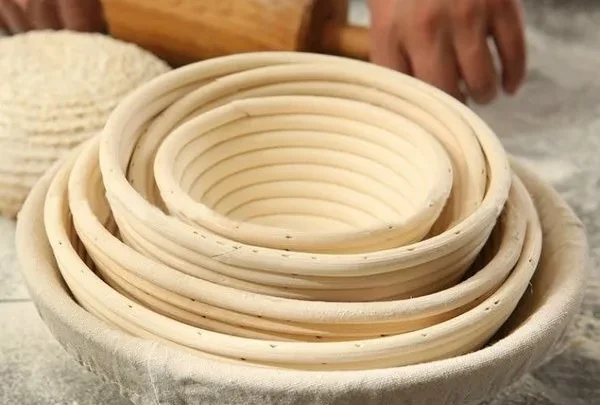
Use a basket matched to your dough weight. A 500g loaf needs a 7-inch basket. A 1kg loaf needs a 9-inch basket.
If you're stuck with a bigger basket, reduce hydration and cold-proof overnight. Stiffer, colder dough holds its shape better in extra space.
Why the Basket Size Matters More Than You Think
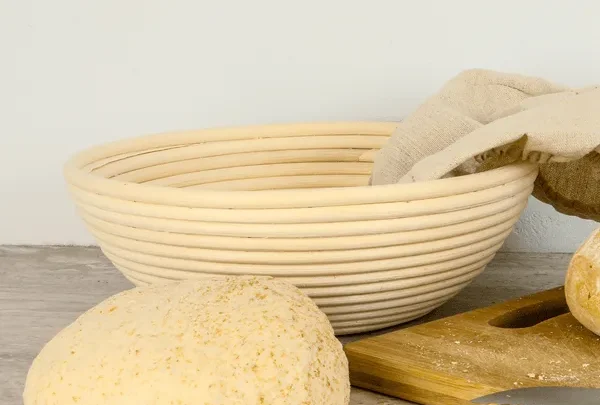
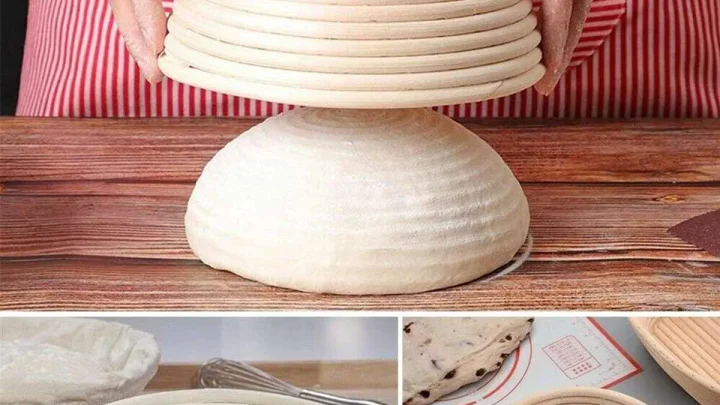
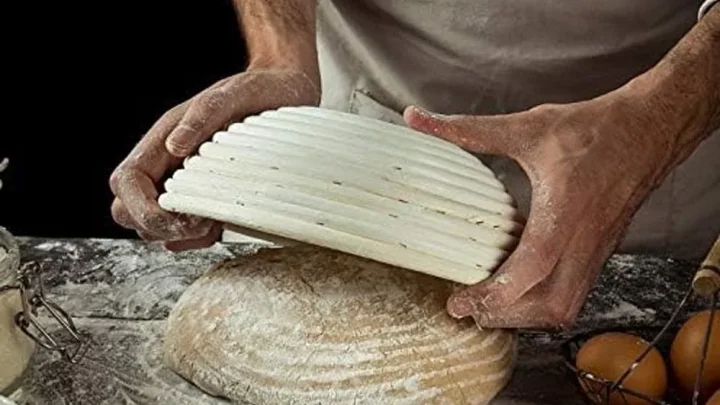
Your proofing basket isn't just a container. It's a mold. It holds the dough in a tight, vertical shape during the final proof.
The walls of the basket provide gentle resistance, which helps the dough build structure. That structure translates directly into oven spring.
When the basket is too big, the dough sinks to the bottom. The sides of the dough never touch the basket walls. There's nothing to push against, so the dough spreads horizontally.
By the time you flip it onto parchment, you're working with a slack, wide disc instead of a tall, round boule.
That shape problem continues in the oven. A taut, tall loaf gets explosive oven spring. A flat, relaxed loaf just spreads.
The crust sets early, the interior doesn't lift, and you get a dense crumb with a squat profile.
There's also a fermentation angle worth understanding. A too-big basket gives dough room to spread before it actually over-ferments. This makes the dough look over-proofed when it isn't.
Many bakers respond by waiting longer, which causes real over-proofing on top of the size mismatch.
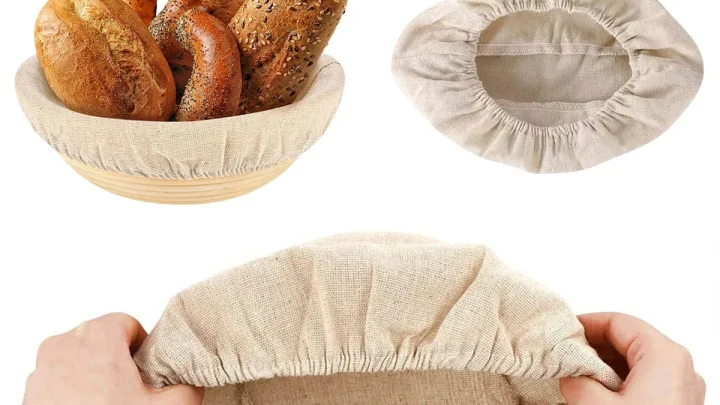
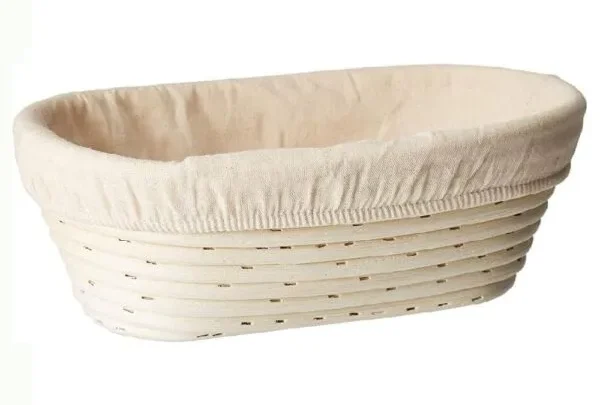
The basket material matters too. Spiral cane bannetons allow airflow, which forms a light skin on the dough. Linen-lined baskets trap more moisture.
Neither fixes a size problem. They just change the surface texture of the final loaf.
The Quick Answer: What to Do Right Now
Let's get you baking a better loaf today. Start by checking your dough weight against your basket size.
Here's a quick reference for round baskets:
| Basket Diameter | Ideal Dough Weight | Best Hydration Range |
|---|---|---|
| 7 inches (18 cm) | 400-500g | 65-75% |
| 8 inches (20 cm) | 600-750g | 65-75% |
| 9 inches (23 cm) | 800-1000g | 65-75% |
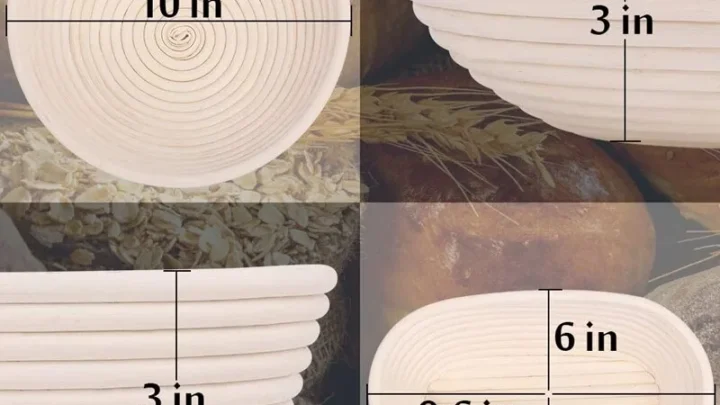
| 10 inches (25 cm) | 1100-1300g | 65-70% |
These are starting points. Higher hydration doughs are stickier and spread more, so they need a tighter fit. Lower hydration doughs are stiffer and hold shape better, giving you a little more flexibility.
If you don't know your dough weight, buy a digital kitchen scale. They cost about $10-15 and are the single best investment for consistent bread baking.
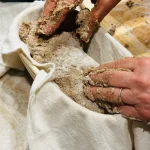
If you're mid-bake and stuck with a too-big basket, here's a rescue technique. Place the dough in the basket, then cover it with a damp towel. The moisture keeps the surface elastic.
Right before baking, re-shape the dough using a bench scraper to pull the sides under and create tension. It's not perfect, but it helps.
How to "Look" at Dough: Visual Cues You Need to Know
This is where most home bakers go wrong. They rely on time, not visual cues. But dough doesn't care about your schedule.
It cares about temperature, hydration, and structure.
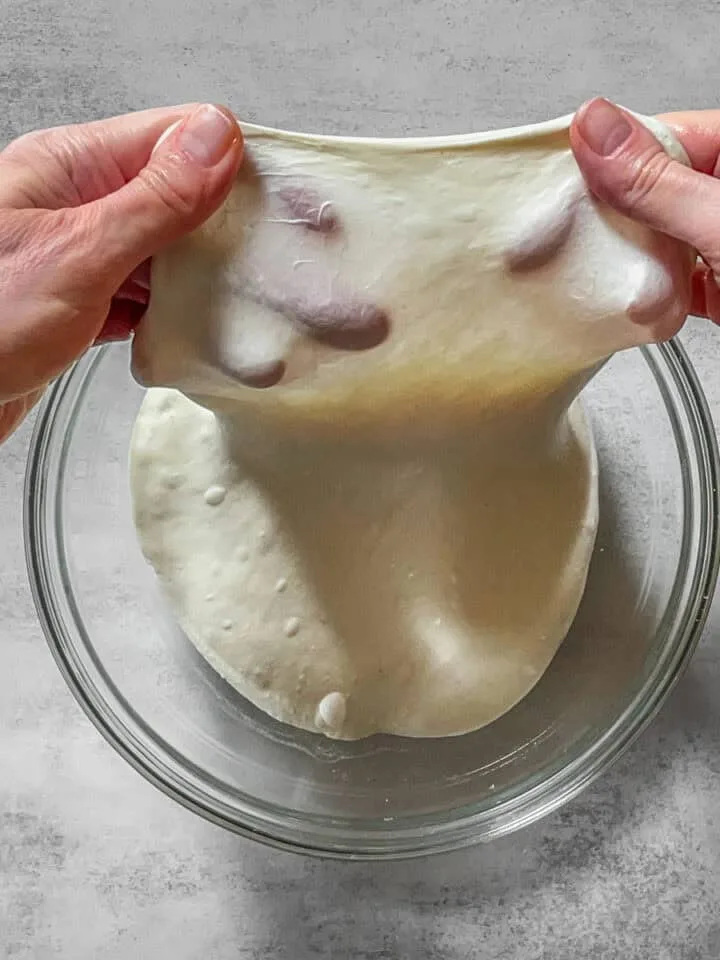
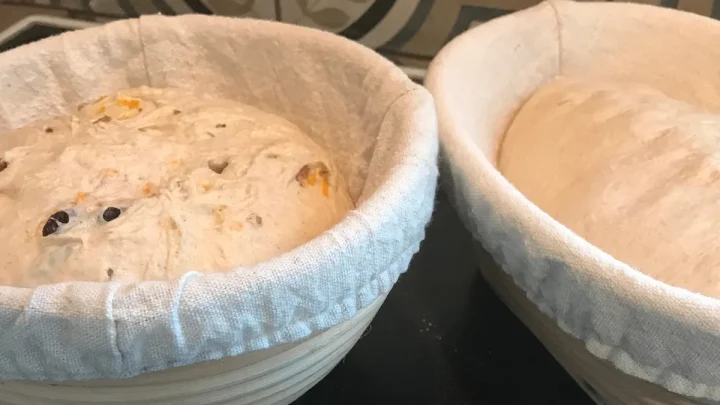
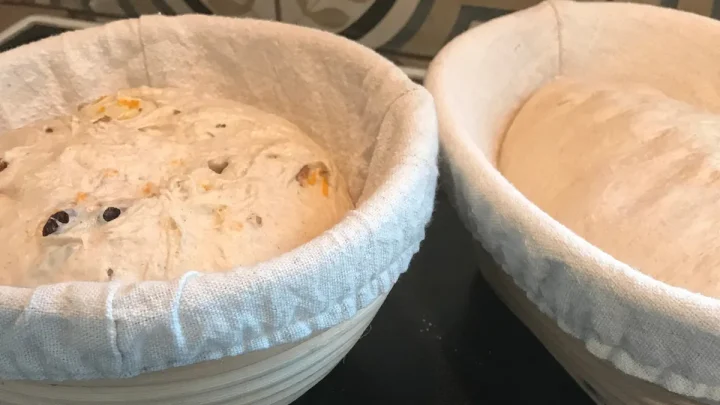
A properly sized basket shows the dough filling about 70-80% of the volume after shaping. The dough should sit against the basket walls evenly, with no major gaps. As the proof progresses, the dough rises toward the rim.
It should look like it's growing into the basket, not sinking into it.
Here are the visual signs that your basket is too big:
- The dough sits low, leaving a large gap between the surface and the rim.
- The dough spreads into a flat disc rather than a rounded dome.
- The edges of the dough never touch the basket walls.
- A gentle poke leaves a slack indent that doesn't spring back.
- After flipping onto parchment, the dough immediately spreads further.
A properly proofed dough in a correctly sized basket feels pillowy but resilient. Press a finger into the side. It leaves a shallow indent that slowly springs back.
If the indent stays and the dough feels deflated, you're either over-proofed, or the basket is too big. Often, it's both.
Here's what a healthy dough looks like at different stages:
| Stage | Correct Basket | Too-Big Basket |
|---|---|---|
| After shaping | Fills 70-80%, rounded top | Fills 50% or less, flat top |
| Mid-proof | Rises toward rim, edges touch walls | Spreads outward, edges pull away |
| Ready to bake | Dome above rim by 20-30% | Barely reaches rim, wide base |
| After scoring | Clean slash, dough holds shape | Slash tears, dough spreads flat |
Measuring Your Dough-to-Basket Ratio at Home
You don't need fancy tools for this. Just a scale and a ruler.
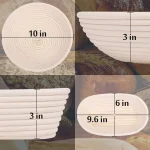
First, weigh your dough after shaping. Then check your basket. Most manufacturers stamp the capacity on the bottom or label.
If not, measure the diameter across the top. You can also fill the basket with water and measure how many liters it holds. One liter equals roughly one kilogram of dough volume.
As of 2026, the standard sizing recommendations haven't changed. Most banneton makers rate their baskets by flour weight. A "1kg banneton" means it's made for a recipe using 1kg of flour, not 1kg of finished dough.
That finished dough weighs closer to 1.8-2kg.
Let's run a real example. A standard sourdough recipe with 500g flour, 375g water, and 100g starter gives you about 975g of dough. That belongs in a 9-inch basket.
Put it in an 8-inch basket, and you'll get a tall, poofy mushroom that overflows. Put it in a 10-inch basket, and you'll get a flat disc.
Scaling down is easy. Cut the recipe in half. 250g flour, 188g water, 50g starter. That gives you about 488g of dough, which fits perfectly in a 7-inch basket.
If you're baking 750g of dough and your basket holds 1.5 liters, you're at the edge of the acceptable range. You might get away with it if your dough is stiff. But a sticky 80% hydration sourdough will spread almost immediately.
Here's the key takeaway. Weigh your dough every time. Match it to the basket.
Check the visual cues during proof. These three habits solve the problem permanently.

Similar Posts