How to Use a Proofing Basket for Perfect Rye Bread
Rye dough is sticky, slack, and stubborn. Learning how to use a proofing basket for rye bread is the difference between a flat pancake and a tall, crackly loaf. If you've ever watched wet rye dough slump out of a bowl, you already know the frustration.
A banneton fixes that.
Most rye recipes hover around 75 to 85 percent hydration as of 2026. That's a lot of water for dough with very little gluten. A proofing basket, also called a banneton, gives the dough structure while it rises.
It also pulls surface moisture away, which means a crisper crust and a loaf that actually holds its form.
Why Rye Dough Needs a Proofing Basket (and What Wheat Bakers Get Wrong)
Wheat dough builds a strong gluten network. You can knead it, shape it tight, and let it rise without much drama. Rye dough doesn't give you that confidence.
It's sticky, dense, and slack because rye contains less gluten and more gum-like compounds called pentosans. Those pentosans trap water, which is exactly why the dough feels so tacky.
Treating rye like wheat is the number one mistake we see in baking forums. Bakers try to form a tight, elastic ball the way they would with wheat sourdough. It doesn't work.
Rye wants a lighter touch. If you force it, you degas what little structure it has, and the loaf spreads as soon as it hits the basket.
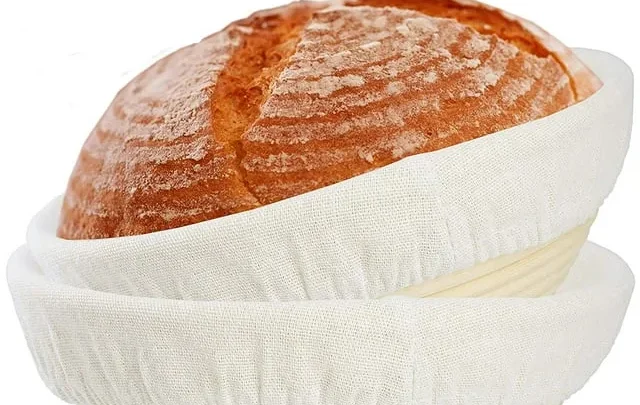
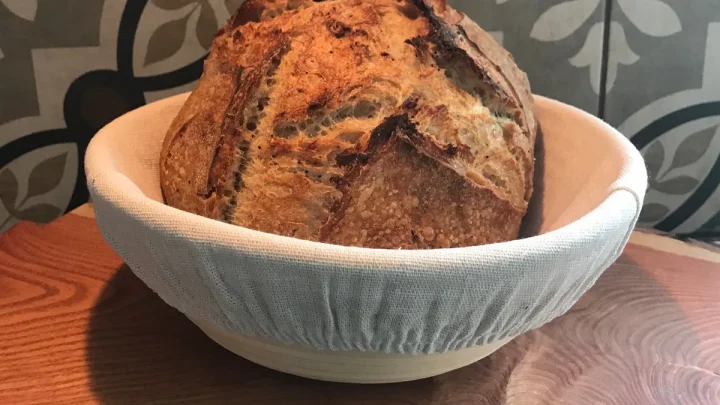
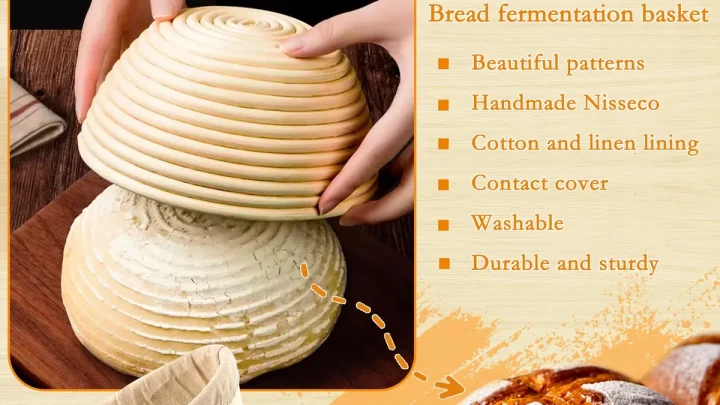
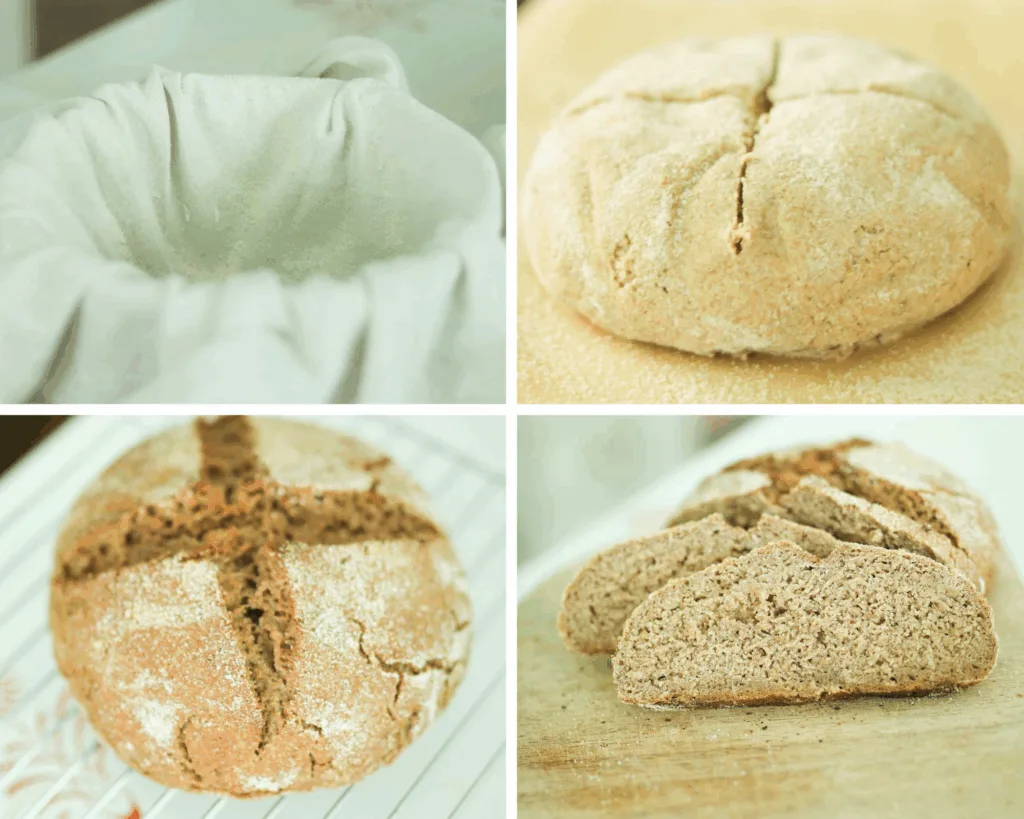
A banneton solves this by providing a firm, curved wall around the dough. It supports the dough during the final rise so the loaf sets into the basket's shape. The weave also allows airflow, which helps dry the surface slightly.
The result is a loaf that holds its height and slices cleanly.
Food safety matters here too. The USDA's food safety guidance recommends keeping high-moisture doughs chilled when you're proofing overnight. That tip matters for rye, because the dough is wet enough to ferment quickly.
Quick Answer: The 30-Second Visual Workflow
Here's how to use a proofing basket for rye bread: Dust the basket with rice flour. Shape the dough gently. Place it seam-side up.
Cover and proof until it's nearly doubled. Invert the basket onto a peel. Score the loaf.
Bake with steam. Use rice flour, not wheat flour.
Choosing the Right Basket for Rye: Shape, Size, and Lining
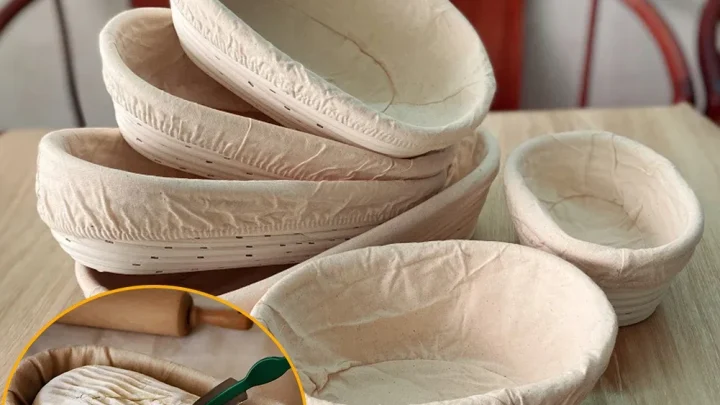
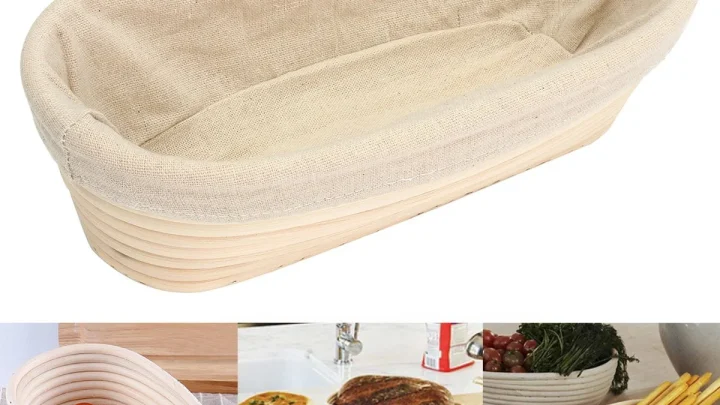
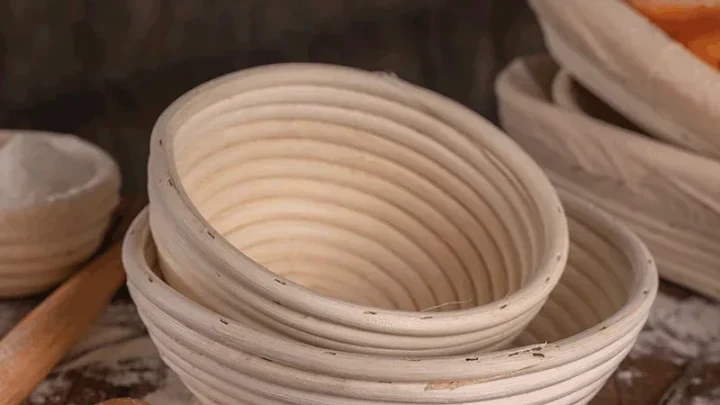
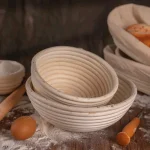
Round baskets are for round loaves, called boules. Oval baskets hold long loaves, called batards. For rye, both work well.
The real choice comes down to the shape you want on the table.
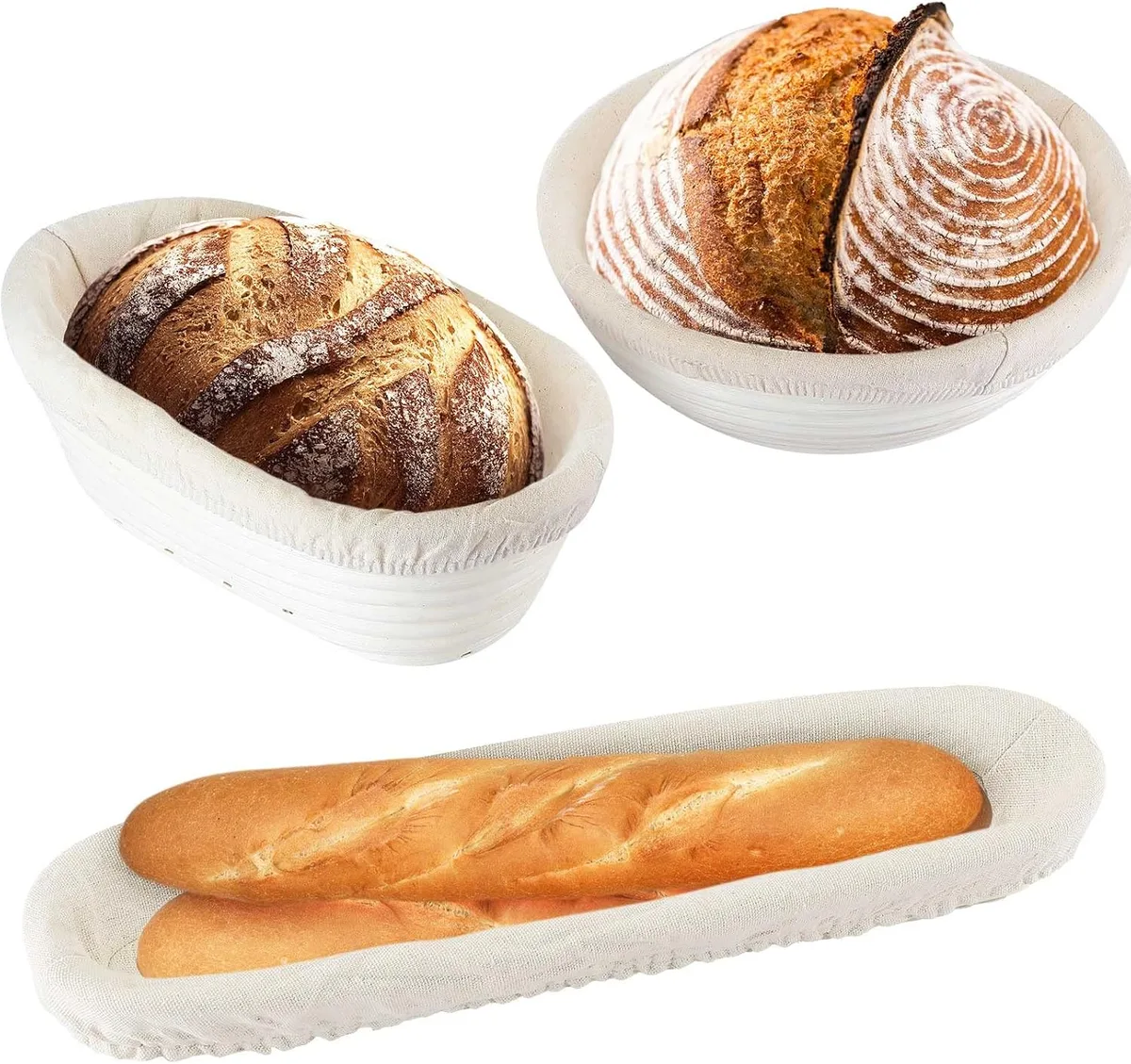
Manufacturer specs indicate that an 8-inch round banneton suits about 500 grams of dough. A 9-inch holds roughly 750 grams to 1 kilogram. A 10-inch is room for bigger batches, around 1.2 to 1.5 kilograms.
If you overstuff the basket, the dough will mushroom over the rim.
| Basket diameter | Ideal dough weight | Best for |
|---|---|---|
| 8-inch | 500 grams | Small boule |
| 9-inch | 750 grams to 1 kilogram | Medium boule |
| 10-inch | 1.2 to 1.5 kilograms | Large family loaf |
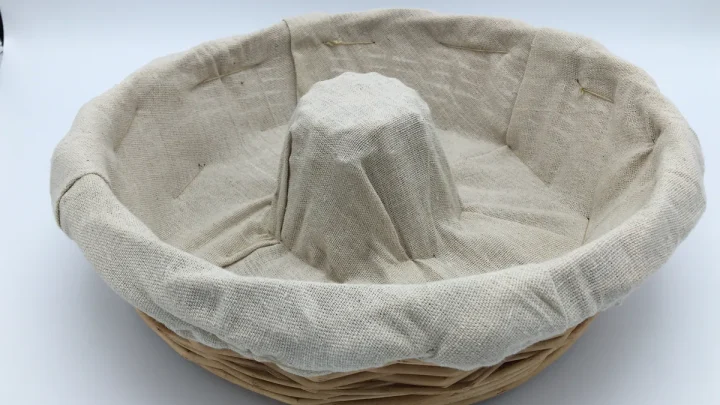
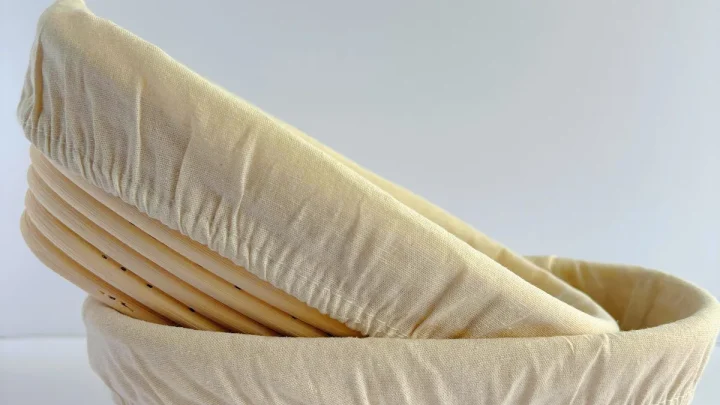
Cane bannetons with a linen liner are the easiest starting point for rye. The cloth adds an extra barrier between the sticky dough and the basket's grooves. Unlined cane baskets are beautiful, but they need a much heavier dusting.
Many rye bakers prefer the liner and skip the hassle.
Prepping the Basket: What "Well-Floured" Actually Looks Like
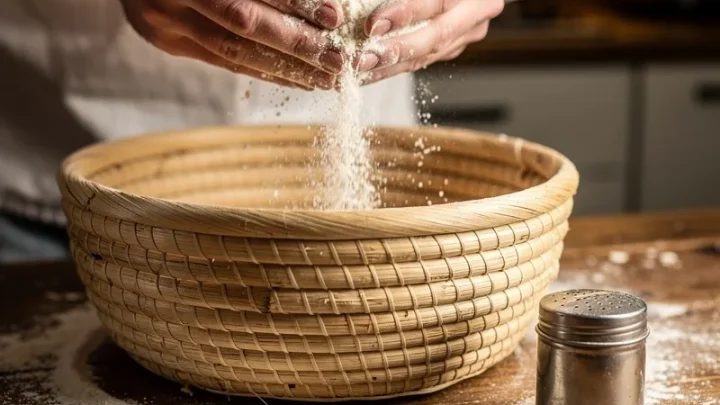
Think of the basket like a nonstick pan. If the surface isn't ready, the dough will find every tiny gap and stick there. The solution is a heavy, even coat of rice flour.
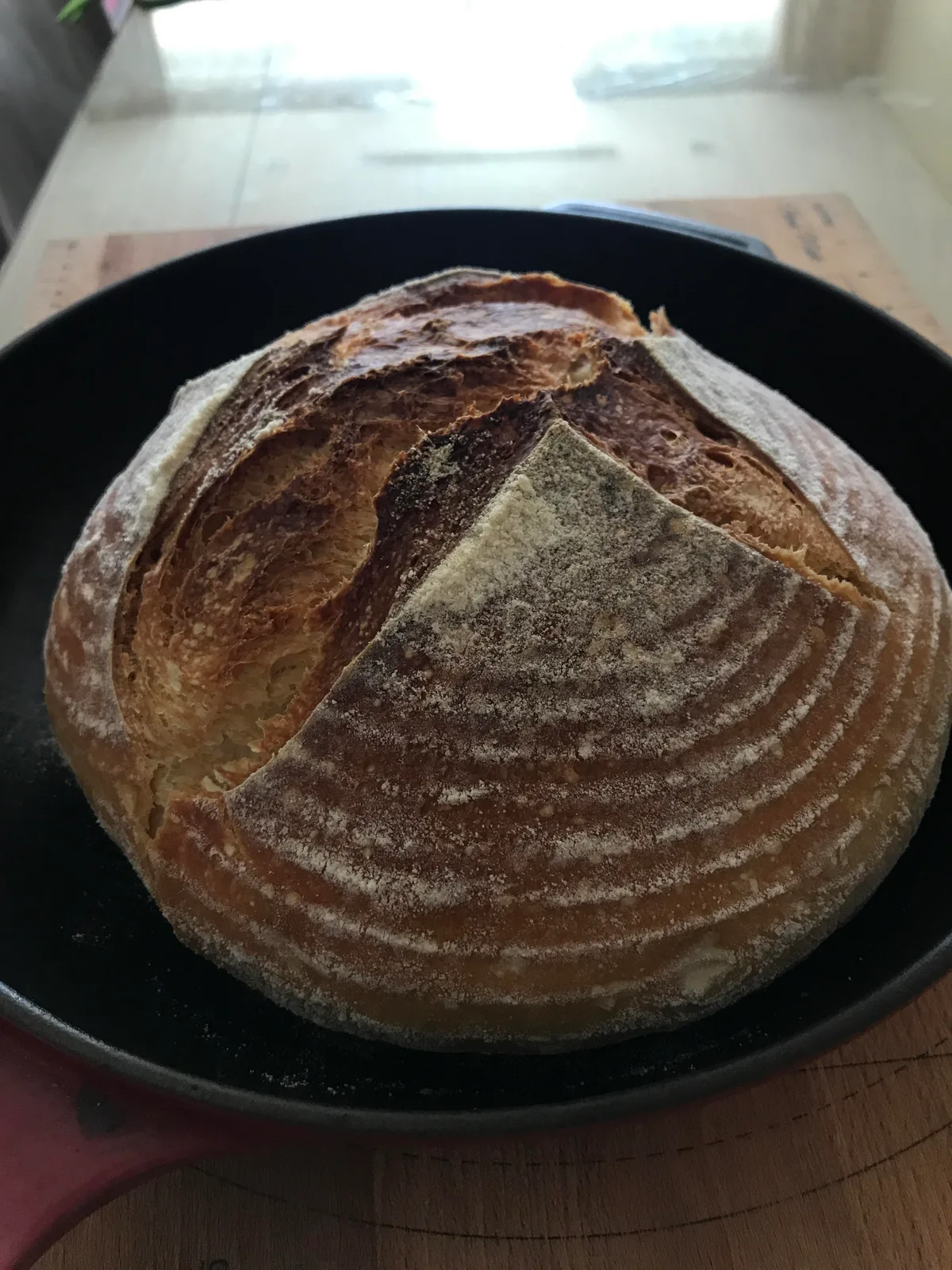
Why rice flour? Wheat flour contains gluten. It turns into a paste when it meets moisture.
Rice flour doesn't. It stays dry and powdery on the dough's surface, which is exactly what you want.
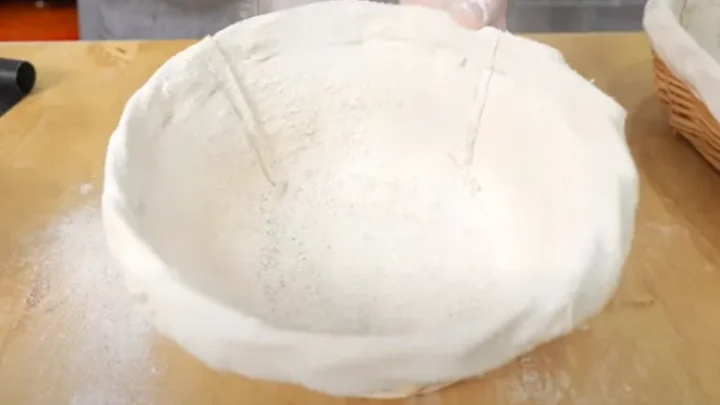
How much is enough? You should see a thin, even layer of white covering every groove, like powdered sugar on a cake. If you can see cane through the flour, add more.
For a 9-inch basket, 1 to 2 tablespoons usually does the job.
Shaping Rye Dough for the Basket: Visual Cues for Slack, Sticky Dough
Once your basket is ready, turn to the dough. Rye dough is easiest to handle when it comes straight from a slightly chilled bulk fermentation. Warm, over-fermented rye is almost impossible to shape.
Lightly dust the counter with rice flour. Then work quickly and gently:
- Scrape the dough out of its proofing container with a bench scraper.
- Fold the edges toward the center, one section at a time.
- Flip the dough so the seam side is down.
- Cup your hands around it and rotate it into a loose round or oval.
- If it resists, let it rest for 10 minutes and try again.
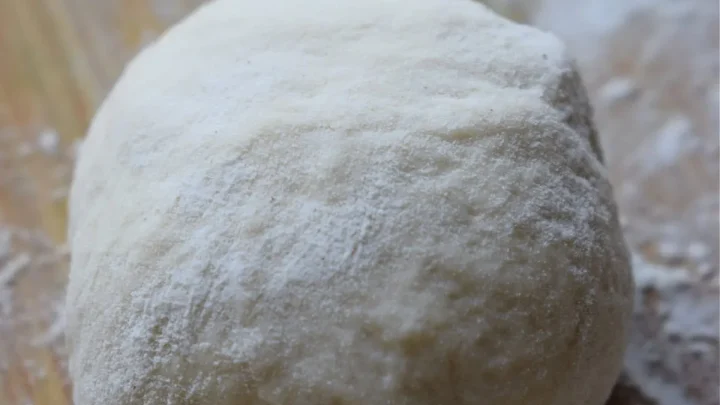
The dough should look like a soft, rounded pillow, not a tight drum. Your fingers will stick slightly when you press in. That's normal.
If it flattens immediately, let it rest for 10 minutes and reshape. Once it holds a gentle mound, it's ready for the basket.
Placing the Dough Correctly: Seam-Up vs. Seam-Down
For rye bread in a banneton, the standard move is seam-side up. That means the folded, pinched edges of the dough face you. The smooth, rounded surface touches the rice flour coating.
Why does this matter? When you invert the basket onto a baking peel, the seam becomes the bottom of the loaf. The smooth top greets the oven's heat first.
That gives a beautiful, even crust and allows the loaf to expand naturally as it bakes.
If you place the dough seam-side down, the seam stays on top. That's not wrong, but you'll need to slash deeper to prevent the loaf from bursting randomly. For sticky rye, a deep slash can deflate the dough.
So keep the seam up unless you're specifically chasing a rustic, torn-ear look.
Proofing Rye in a Basket: What to Watch For (Time, Temp, and Volume)
Room temperature proofing for rye usually takes 2 to 4 hours. That depends on your starter's strength and how warm your kitchen runs. At 75°F, you'll land on the faster end.
At 68°F, expect closer to 4 hours.
Cold fermentation changes the game. Pop the covered basket in the fridge for 8 to 16 hours. The dough ferments slowly, which builds flavor and makes the surface less sticky to handle.
Many rye bakers swear by the overnight method.
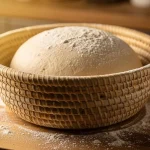
What should you look for? The dough should fill the basket and dome slightly above the rim. It should feel pillowy, not like a deflated balloon.
If the edges are already spilling over the basket's coils, you've let it go too long.
The Poke Test and Other Doneness Cues for Rye
The poke test works for rye, but it feels different from wheat dough. Rye is denser, so the dough springs back more slowly. Here's what to feel: moisten your finger, press gently into the dough's edge, then pull away.
If the indentation springs back slowly and leaves a small dent, the dough is ready. If it snaps back instantly, it needs more time. If the dent stays flat and doesn't recover, the dough is overproofed.
That's when the structure starts to break down.
Another visual cue is the basket itself. As the dough proofs, it pushes outward. The sides become rounded and the top turns slightly domed.
A flat, spreading top is a warning sign that the dough has lost its tension.
Turning Out the Loaf: How to Avoid Tears and Sticking
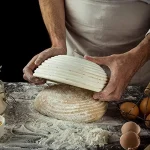
The moment of truth is inverting the basket. Place a sheet of parchment paper over the basket. Set a baking peel or large cutting board on top, then flip everything over in one smooth motion.
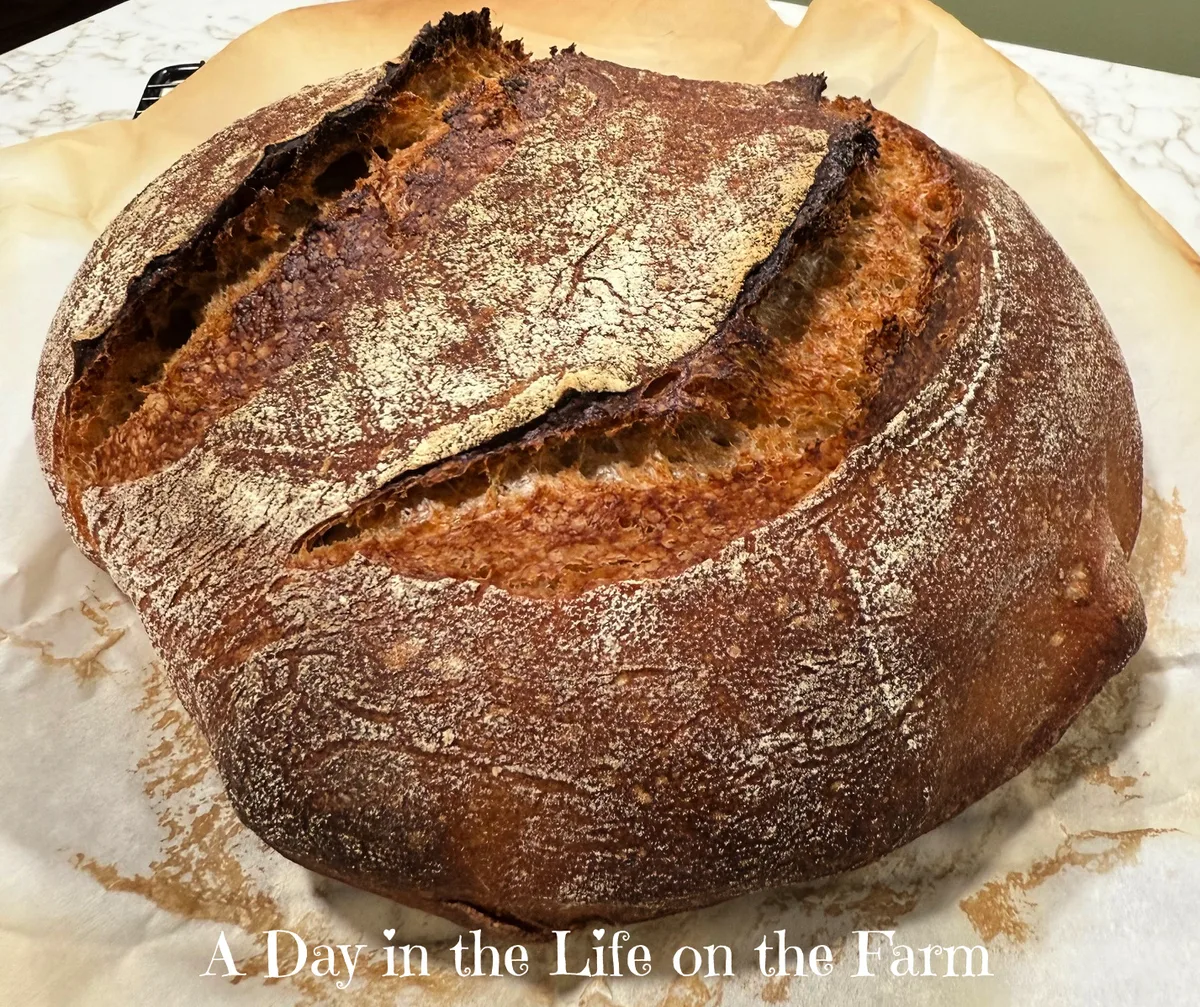
The dough should release with a soft thud. If it sticks, don't yank. Gently pry around the edges with your fingers or a bench scraper.
Once you lift the basket off, you'll see the perfect rice flour pattern on the loaf's top.
If the dough tears, look at your flour. You probably used wheat flour instead of rice flour. Or you didn't dust the basket heavily enough.
Go back through the visual checklist: every groove of the basket should look snowy white.
Scoring Rye Bread: Shallow Cuts, Shaggy Dough, and What Works
Rye dough doesn't score like wheat dough. It's slack and sticky, so the blade can drag. Use a very sharp lame or a straight razor blade.
Lightly wet the blade before the first cut.
Aim for one clean slash, about a quarter to a half inch deep. For a round boule, a single crescent cut across the top works well. For an oval loaf, one long diagonal slash down the center is classic.
Don't score twice in the same spot, the cut will catch and tear.
The visual goal is a clean, shallow wound. In the oven, the cut should open just slightly, forming a simple ear. If you're nervous, score shallower than you think.
A dry, cracked top can be charming on rye, so it's better to under-score than to deflate the dough entirely.
Common Visual Mistakes and How to Fix Them
If your rye loaf looks wrong, the evidence is right there on the crust. Learn to read it. Here are the visual problems we see most often in baking forums, plus the fix for each.
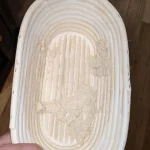
Sticking to the basket. The dough clings to the coils and tears when you flip it. That's almost always a rice flour problem. Either you used wheat flour, or you didn't dust heavily enough.
A basket should look snowy white before the dough goes in.
Flat, spreading loaf. The dough didn't hold its shape after you turned it out. That points to overproofing. The gluten structure collapsed during the final rise.
Shorten your proofing time next batch, or move the basket to a cooler spot.
Large side burst on the crust. The loaf split along one edge while baking. That's a seam placement issue. The seam wasn't sealed properly or it ended up on the side instead of the bottom.
Press the seam tightly when shaping, and place the dough seam-up in the basket.
Dusty, pale top after baking. Too much rice flour on the surface. It's harmless, but it looks like powdered sugar. Brush the raw dough gently before scoring to remove the excess.
| Visual problem | Likely cause | Quick fix |
|---|---|---|
| Dough stuck to basket | Too little rice flour | Dust generously, re-flour mid-proof |
| Loaf spread flat | Overproofed | Reduce proof time by 30 minutes |
| Side burst | Unsealed seam | Pinch the seam firmly |
| Pale, dusty crust | Excess rice flour | Brush dough before scoring |
Quick Reference Guide: Basket Size, Rice Flour Amounts, and Proofing Times
This is the section to bookmark. It pulls all the key numbers into one place so you don't have to scroll back through the article.
| Basket diameter | Dough weight | Rice flour | Room temp proof | Cold ferment |
|---|---|---|---|---|
| 8-inch round | 500 grams | 1 to 2 tablespoons | 2 to 3 hours | 8 to 12 hours |
| 9-inch round | 750 grams to 1 kilogram | 1 to 2 tablespoons | 2 to 4 hours | 8 to 16 hours |
| 10-inch round | 1.2 to 1.5 kilograms | 2 to 3 tablespoons | 3 to 4 hours | 8 to 16 hours |
A few reminders to keep you out of trouble:
- Use rice flour only. Wheat flour forms a gluey paste on contact with wet rye dough.
- Keep the dough seam-up in the basket until you're ready to bake.
- If the dough mushrooms over the rim, your portion is too big. Drop the weight by 100 grams next time.
- Cold proofing makes everything easier. Chilled rye dough releases from the basket far more cleanly.
Frequently Asked Questions
Why does my rye dough stick to the banneton even after dusting?
You're likely using wheat flour instead of rice flour. Wheat flour turns into a sticky paste when it meets a wet dough. Rice flour stays dry because it doesn't absorb moisture the same way.
Refrigerate the dough for 15 minutes before shaping to firm it up, then re-dust the basket right before placing.
Can I use a proofing basket for very dark rye like pumpernickel?
Yes, but expect more stickiness. Dark rye flours have higher pentosan content, which means they hold even more water. Use a linen liner, add an extra dusting of rice flour, and proof in the fridge for 12 hours.
The cold dough will release much more easily.
How do I clean and store a banneton without ruining it?
Brush out every trace of flour after each use. Never wash a cane banneton with water, it will warp and crack. If mold appears, scrape it with a stiff brush and leave the basket in direct sunlight for a few hours.
Store it in a dry, ventilated spot.
Can I use a proofing basket for rye, or do I need a loaf pan?
You can absolutely use a loaf pan. It gives the dough structure with zero risk of spreading. A banneton is for free-form loaves with a rustic look.
For beginners working with very wet rye, a loaf pan is the safer choice. For confident bakers, the banneton produces a more beautiful loaf.

Similar Posts