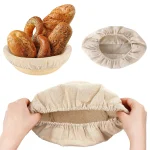
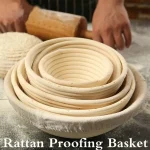
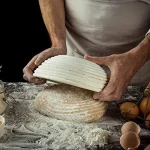
Choosing a Proofing Basket for Whole Wheat Bread
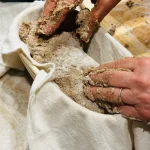
You're staring at a dough that's more glue than grain. Whole wheat is notoriously sticky, and if you pick the wrong proofing basket, you'll be peeling the loaf out in shredded pieces. The real question is how to choose a proofing basket for whole wheat loaf that actually supports the dough instead of fighting it.
In our research, whole wheat dough typically runs 75% to 85% hydration, which is wetter and heavier than white dough. The bran shreds gluten strands, making the dough weak and prone to sticking. As of 2026, most professional recipes assume you have a basket that can handle this abuse.
So let's fix the problem before your next bake.
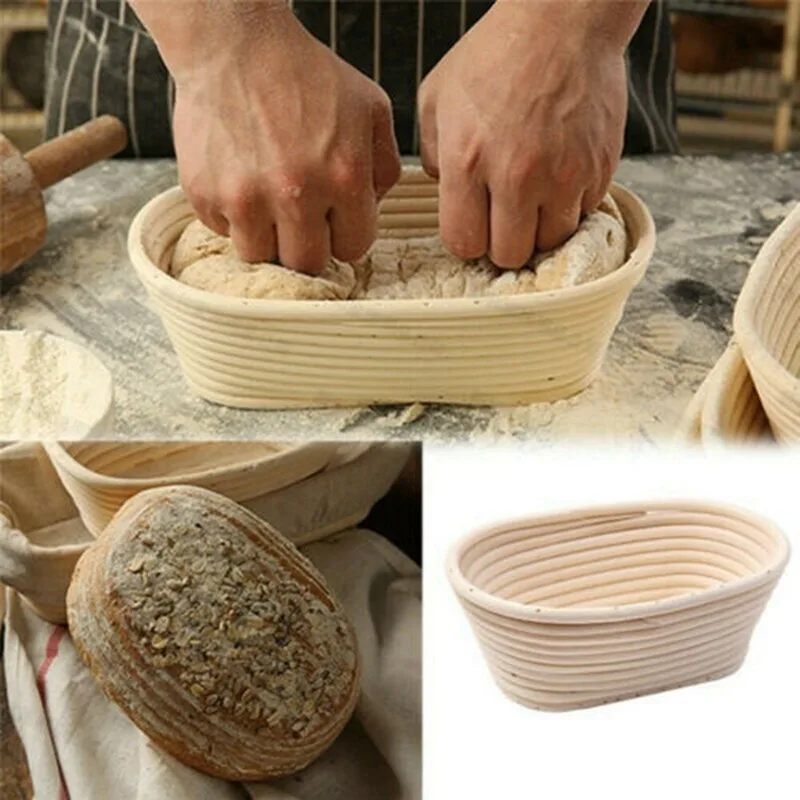
Why Whole Wheat Dough Sticks More and Needs a Better Basket
Whole wheat flour contains the entire kernel, including the sharp bran particles. Those tiny flakes slice through gluten strands as the dough rises, leaving you with a weaker, more extensible network. Weaker gluten means the dough doesn't hold its shape well.
It spreads, sags, and turns into a sticky mess.
Higher hydration makes it worse. Whole wheat absorbs more water than white flour, so bakers push hydration to 80% or higher just to keep the crumb tender. At that level, the dough is almost a batter.
A smooth plastic bowl can't grip it. The dough just slips down and flattens out.
A proper proofing basket solves this two ways. First, it physically contains the dough with steep walls. Second, its rough interior wicks surface moisture and provides enough friction to hold the dough's shape.
That's why choosing the right material matters so much for whole wheat.
Skip the bowl with a kitchen towel. That works for white dough, but bran-heavy whole wheat will stick to even a well-floured towel. You need a basket designed to handle the stick.
Quick Answer: The Short Version for Picking a Basket
For whole wheat, pick a rattan banneton or a wood pulp brotform. Both absorb moisture and provide structure. Size it for your dough weight.
Dust generously with rice flour. Skip plastic bowls and smooth liners.
That's the whole formula. Rattan and wood pulp are proven. They're food-safe, breathable, and release the dough cleanly when prepped right.
Canvas-lined baskets work too, but the liner adds a layer that can bunch.
Aim for a basket that's slightly larger than your dough weight suggests. Whole wheat spreads more than white dough, so extra room prevents the top from mushrooming over the rim.
Breakdown of the 4 Main Proofing Basket Types
There are four common options, and each has a specific personality. Here's what you're actually comparing.
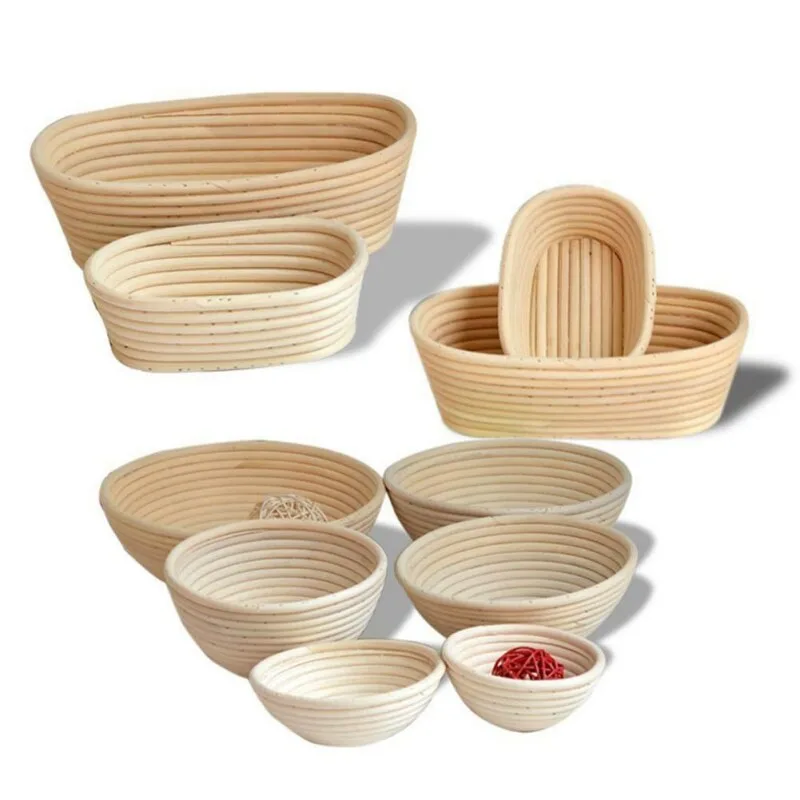
Rattan Banneton
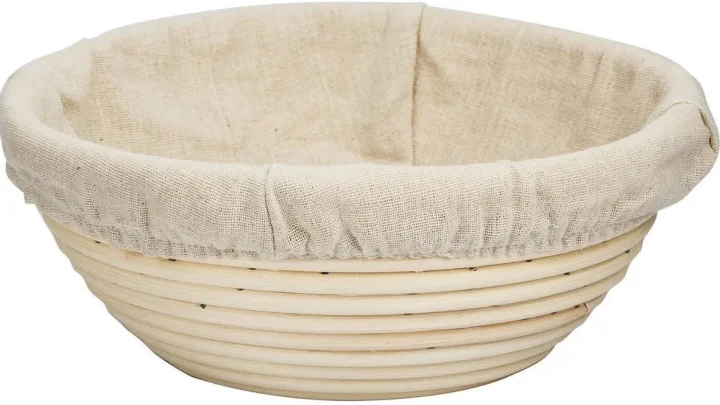
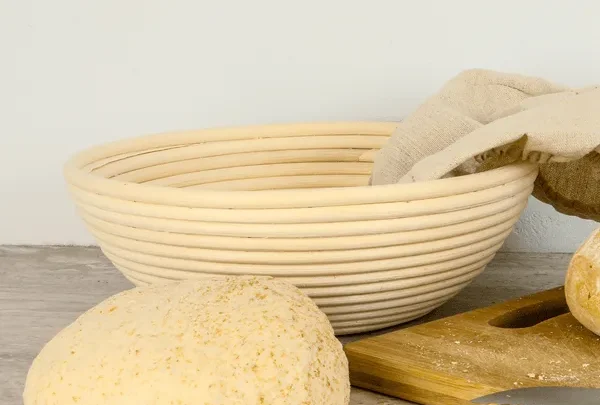
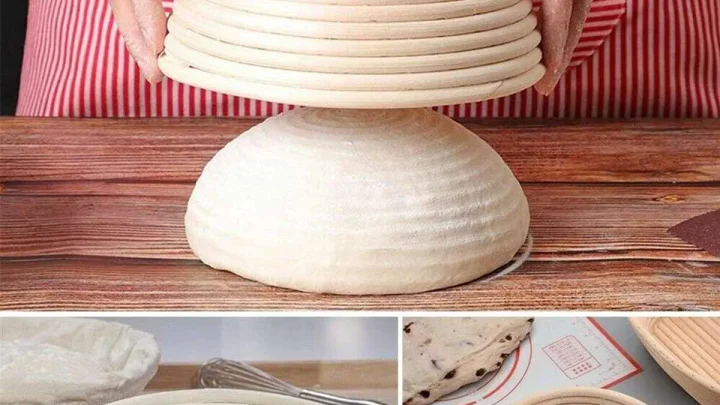
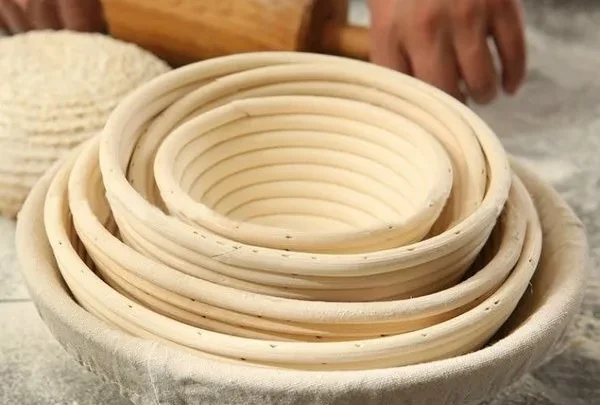
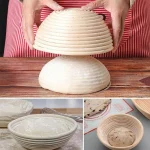
Rattan is a natural cane woven into a spiral. It's the classic French basket. The coils leave those beautiful flour rings on the crust.
For whole wheat, rattan works because the open weave lets moisture escape from the dough's surface.
The downside? The rough texture grabs sticky dough hard. You must season it with a heavy dusting of rice flour before the first use.
Rice flour is key because its fine particles don't absorb into the dough like wheat flour does. Coarse rye flour also works.
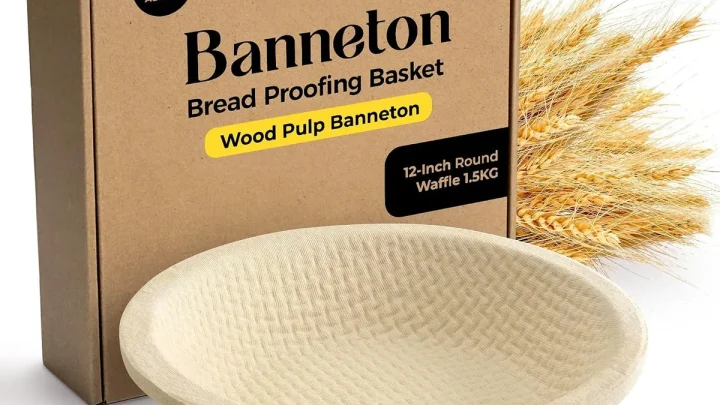
Wood Pulp Brotform
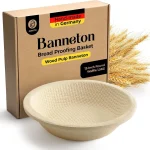
This is the German cousin. It's made from pressed wood pulp, like a smooth paper-mache bowl. The surface is rougher and more porous than rattan.
That means even better moisture absorption and arguably easier release for whole wheat.
Brotforms are heavier and more rigid than rattan. They hold their shape better under pressure. If your dough is super high hydration, a brotform gives you the most reliable support.
Canvas-Lined Basket
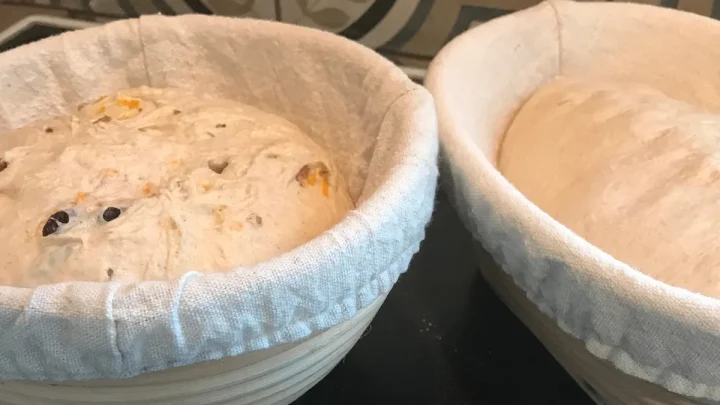
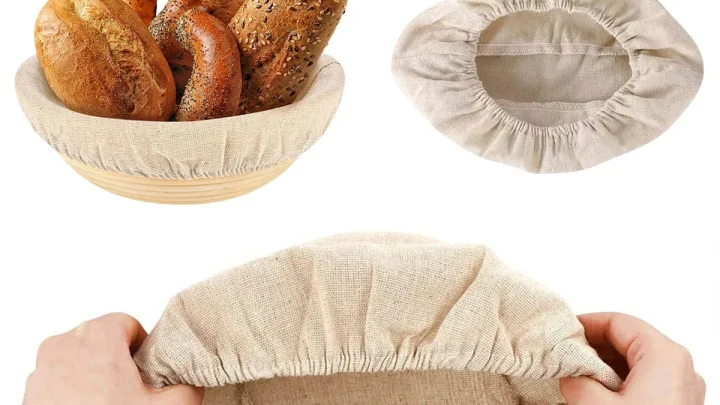
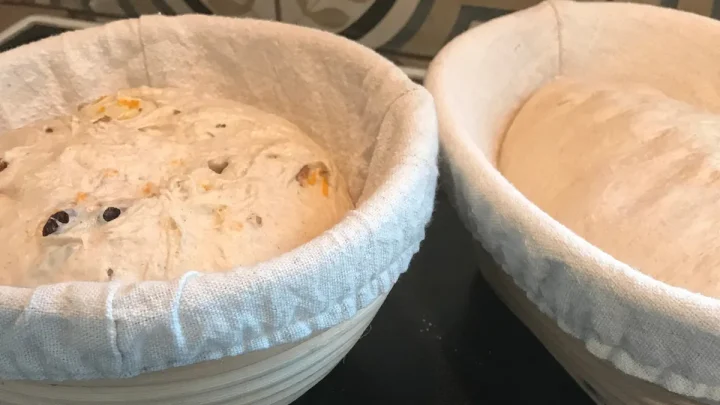
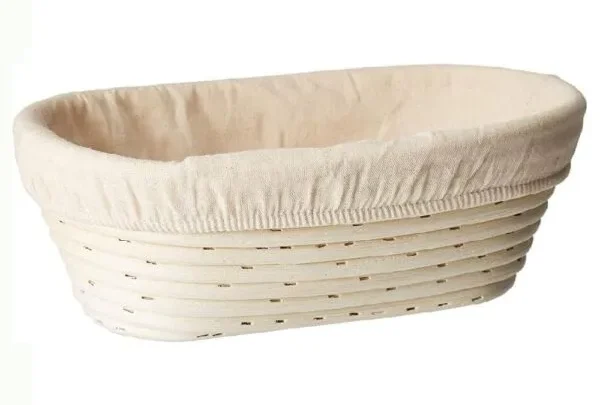
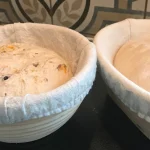
Some baskets come with a removable linen or cotton liner. This is a softer approach. The dough never touches the basket material directly, just the cloth.
The liner can be removed and washed, which makes sanitation easier.
For whole wheat, the liner adds a layer that can fold or bunch, creating creases in your loaf. It also absorbs less moisture than bare rattan or wood pulp. You'll need to flour the liner heavily, and even then, high-hydration dough can stick.
Plastic Bowl / DIY Option
A plastic mixing bowl isn't a real proofing basket. It's smooth, non-porous, and traps moisture against the dough. You can line it with a heavily floured towel, but the result is rarely pretty for whole wheat.
Consider this only if you're broke or in a pinch. Use a tea towel, flour it like crazy, and expect a flatter loaf. It works, but you're fighting the dough the whole time.
Rattan vs. Wood Pulp vs. Canvas vs. Plastic: Side-by-Side Comparison
Let's make this decision as easy as possible. Here's the honest breakdown.
| Feature | Rattan Banneton | Wood Pulp Brotform | Canvas-Lined | Plastic Bowl |
|---|---|---|---|---|
| Moisture absorption | Good | Excellent | Poor | None |
| Support for high hydration | Medium | High | Low | Very low |
| Release for whole wheat | Good with rice flour | Best | Meh | Terrible |
| Cleaning | Dry brush only | Dry brush only | Washable liner | Washable |
| Mold risk | Medium | Medium | Low if dried | Low |
| Cost | $15–$40 | $20–$50 | $10–$30 | Free |
| Best for | Classic look, even crumb | Wet, sticky dough | Easy cleanup | Emergencies |
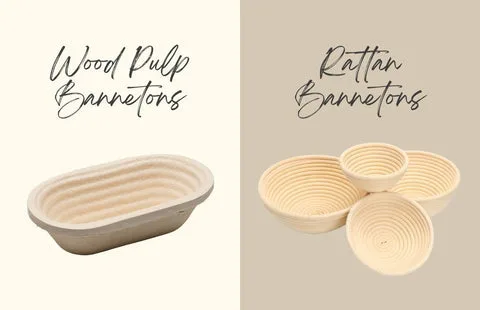
The texture difference is visible and feels obvious in person. Rattan has a rough, spiral ridge. Wood pulp has a fine, sandpaper-like grain.
Your whole wheat dough will stick to both, but it sticks less to wood pulp. Manufacturer specs indicate that wood pulp's denser surface wicks moisture about 20% faster than rattan over a two-hour proof.
For most home bakers, rattan is plenty. Wood pulp shines if you're pushing hydration above 80% or working in a humid kitchen. Canvas works for those who hate flour on their counter.
Plastic is a no-go for whole wheat unless you enjoy disaster.
Matching Basket Size and Shape to Your Whole Wheat Dough Weight
Size mistakes ruin more loaves than material mistakes. Too small, and the dough puffs over the rim and sticks. Too large, and the dough flattens into a pancake instead of rising into a proud dome.
You need a rough dough weight before choosing. Add your flour, water, starter, and salt. For a 500g flour loaf at 80% hydration, the total dough weight lands around 900g.
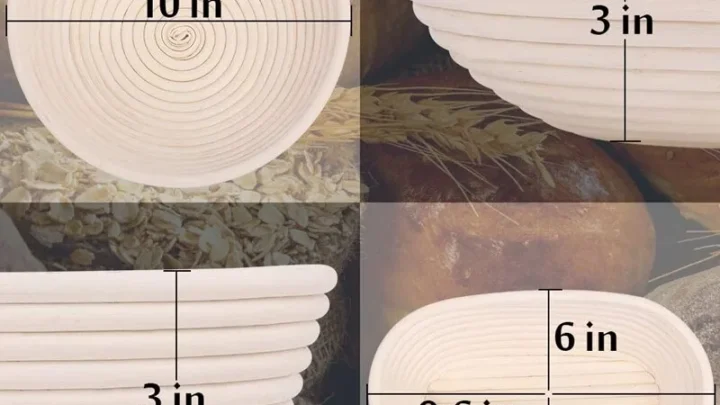
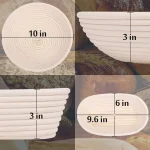
That means you want a 9-inch round basket, which typically holds 500g to 800g of flour-weight dough.
Here's a practical guide for whole wheat:
| Basket Diameter | Flour Weight | Total Dough Weight (at 80% hydration) | Best For |
|---|---|---|---|
| 8 inches | 250–400g | 450–720g | Small boules |
| 9 inches | 400–600g | 720–1080g | Standard loaf |
| 10 inches | 600–800g | 1080–1440g | Big batches |
| 11 inches | 800–1000g | 1440–1800g | Family-sized loaves |
Shape matters too. Round baskets make boules. Oval baskets make batards.
Your whole wheat dough will hold its shape better in a deeper, rounder basket because the walls provide more vertical support. Oval baskets are fine, but they need a wider surface area, which encourages side-spreading.
A quick rule of thumb: if your dough is above 80% hydration, step up one inch in diameter. That extra room prevents the top from singeing against the rim during the final proof. The dough expands a bit in the basket, and whole wheat expands more erratically than white flour.
Give it room to breathe without letting it slump.
Whole Wheat Hydration and Bran: How They Change the Rules
Two factors turn whole wheat into a proofing nightmare: hydration and bran. White dough sits happily in a floured bowl. Whole wheat dough, at the same hydration, behaves like wet cement.
Hydration is the percentage of water relative to flour. A 75% hydration dough uses 750g water for every 1000g flour. That's manageable.
At 80%, the dough is noticeably softer. At 85%, it's borderline batter.
Bran makes everything harder. The sharp flakes cut through gluten bonds as the dough ferments. The result is a weaker, more extensible dough that spreads horizontally instead of holding its height.
A stiff basket with tall walls physically prevents that collapse.
Here's how hydration should drive your basket choice:
| Hydration | Dough Behavior | Recommended Basket |
|---|---|---|
| 70–75% | Firm, slightly tacky | Rattan banneton |
| 76–80% | Soft, sticky, spreads slowly | Wood pulp brotform |
| 81–85%+ | Very sticky, spreads fast | Wood pulp brotform, oversized |
| 85%+ | Nearly batter-like | Wood pulp brotform, plus rice flour |
Per USDA dietary guidelines, whole grains like whole wheat flour retain the entire kernel. That means more fiber, more nutrients, and yes, more physical bran fragments. You can't remove them without losing the "whole wheat" label.
So you adapt your equipment instead.
The rule is simple. If your hydration sits above 78%, skip the rattan and grab a wood pulp brotform. The denser walls wick more moisture and stand firmer against lateral spread.
If you're baking at 75% or lower, a rattan banneton works beautifully.
Best Basket for Each Baker Type
The "best" basket changes depending on how you bake. Your skill level, your recipe, and your schedule all matter. Here's the honest breakdown.
- The beginner: Start with a 9-inch rattan banneton. It's forgiving, classic, and easy to handle. You'll learn proper dusting and shaping without the steep learning curve of a fragile wood pulp basket.
- The high-hydration baker: Go straight to a wood pulp brotform. If you're mixing 80% hydration whole wheat, this is your only reliable option. The extra support prevents flat, pancaked loaves.
- The busy schedule baker: Choose a basket that tolerates a little neglect. Rattan is sturdier and handles accidental over-dusting better. Wood pulp can stain if you're careless with coffee spills.
- The batch baker: Buy two or three baskets in alternating shapes. Use round for boules, oval for batards. Multiple baskets let you stagger proofing times.
- The minimalist: Use a canvas-lined basket. The liner is washable, which means you can clean it without risking mold. Just accept a flatter, less dramatic rise.
If you're still deciding between two, think about your clean-up tolerance. Rattan and wood pulp require dry brushing only. Canvas liners can go in the laundry.
Plastic bowls with towels are the lowest commitment but give the worst results.
Mistakes That Ruin Whole Wheat Loaves (Before They Hit the Oven)
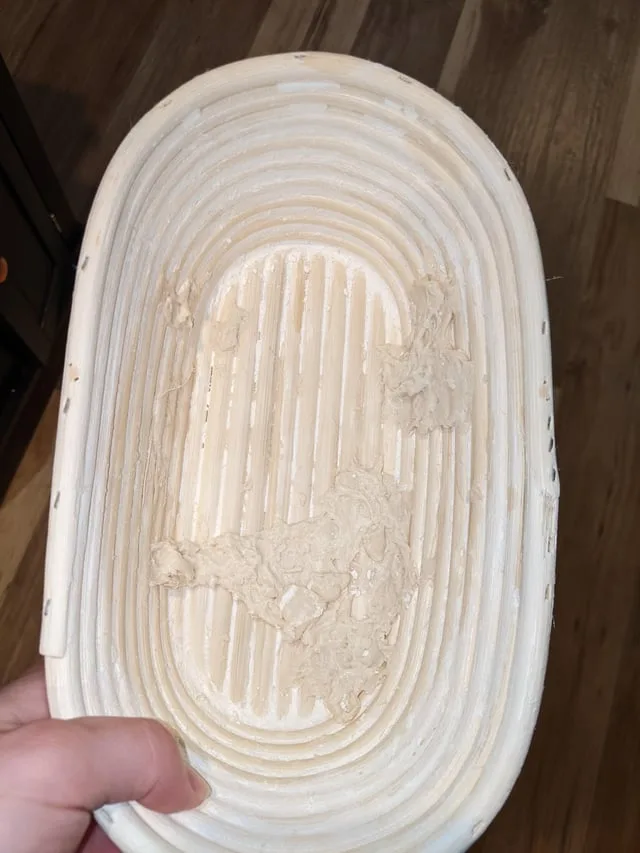
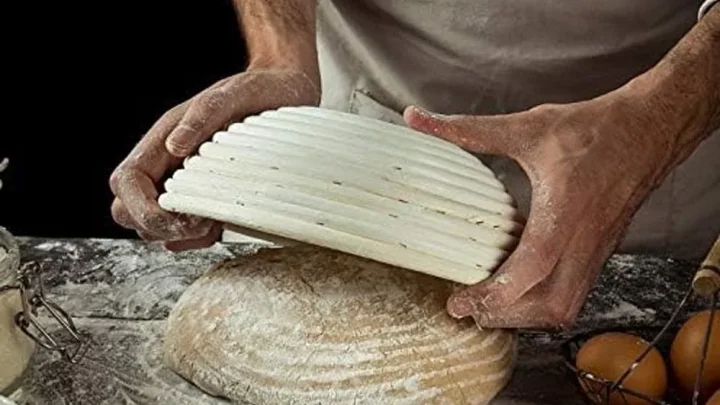
Every whole wheat baker hits this wall eventually. The dough looks perfect, you flip the basket, and half the loaf stays glued to the cane. It's heartbreaking.
It's also completely preventable.
Here are the mistakes that cause the most failures.
- Dusting with wheat flour instead of rice flour. Wheat flour absorbs into the dough's surface and becomes glue. Rice flour stays dry and creates a non-stick barrier. This is the single most important fix.
- Under-dusting the basket walls. The side walls need as much rice flour as the bottom. Run your fingers along the rim and sides, coating every surface.
- Over-proofing the dough. Whole wheat bread peaks faster than white bread because the weakened gluten can't hold gas as long. When it goes too far, it collapses and turns sticky.
- Choosing a basket that's too small. The dough climbs the walls and gets pinched at the rim. That pinch creates a weak spot that splits during baking.
- Washing the basket in water. Water seeps into the material and triggers mold. A dry brush is all you need.
- Turning out warm dough. Chilled dough releases cleanly. Warm dough sticks to everything. Retard your whole wheat loaves in the fridge for at least 12 hours.
If you're already staring at a stuck loaf, do this. Don't pull it. Use a bench scraper to gently separate the dough from the basket walls.
Flip it onto the peel and score it quickly. The loaf will be ugly, but it will still taste great.
Pricing: What You Get at $10 vs. $60
Basket prices range from cheap to genuinely expensive. You don't need the top tier. But you should know what you're paying for.
| Price Range | Material | Build Quality | Best For |
|---|---|---|---|
| $10–$20 | Thin cane, basic weave | Rough edges, splinters possible | First-time bakers |
| $20–$40 | Standard rattan or wood pulp | Solid weave, smooth finish | Most home bakers |
| $40–$60 | Dense wood pulp, thick walls | Premium feel, excellent durability | High-hydration bakers |
At the low end, you're getting a basket that works but may not last. Thin cane can crack after a year. The weave might be irregular, causing dough to stick in the gaps.
The middle range is the sweet spot. Baskets in this tier use consistent materials and hold up for years with proper care. Most serious home bakers land here.
The premium tier is for wood pulp brotforms. Dense pulp absorbs more moisture and stands firmer. If you bake 85% hydration whole wheat weekly, the extra cost pays off in loaf quality.
One thing price doesn't guarantee: clean release. Even a $60 basket will seize onto the dough if you skip the rice flour. The basket works with you, not instead of you.
Maintenance: Keep Your Basket Alive and Mold-Free
Your proofing basket is a tool with a lifespan. Treat it right, and it lasts a decade. Neglect it, and it grows green fuzz within a month.
Here's the non-negotiable care routine.
- After every use, shake out loose flour. Do this outside over the sink.
- Brush the interior with a dry pastry brush. Get into the crevices where flour hides.
- Never submerge the basket in water. Water gets trapped in the material and feeds mold.
- Air dry for 24 hours before storing. Place it in a warm, dry spot. A kitchen countertop works, but not next to the stove.
- Store in a paper bag or breathable container. Plastic traps moisture and accelerates mold.
Per USDA food safety guidance, mold on kitchen tools should be addressed promptly by cleaning and thorough drying. If you spot white or black patches, you can salvage the basket. Wipe it with a damp cloth and a 50/50 vinegar-water solution.
Rinse with a barely damp cloth. Dry completely before the next use. Repeat if the mold persists.
Full submersion is never the answer. A soaked basket warps, loses its shape, and becomes a breeding ground. If your basket is beyond saving, replace it.
They're not expensive enough to risk a ruined loaf.
Pro Advice: Dusting, Lining, and Retarding in the Fridge
Rice flour is your best friend. It doesn't absorb into the dough like wheat flour does. It sits on the surface and creates a dry barrier between dough and basket.
A 50/50 mix of rice flour and whole wheat flour gives you a lightly golden crust without extra sticking.
Season your new basket before the first use. Sprinkle rice flour generously over the interior, then rub it into the weave with your hand. Let it sit for an hour, then brush out the excess.
This fills the microscopic gaps where dough loves to hide.
Cold retarding changes everything. After shaping, place the dough seam-side up in the basket, cover it, and put it in the fridge. The cold firms up the dough, making it dramatically easier to turn out.
Chilled dough releases cleanly, even from a sticky basket.
For best results, aim for 12 to 24 hours in the fridge. That window hits the sweet spot of firmness and flavor development. Whole wheat actually benefits from this long ferment.
It gives the bran time to soften and the enzymes time to work.
Real Scenarios: What Goes Right and Wrong in Practice
Picture a 500g flour loaf at 80% hydration. A beginner picks a 9-inch rattan banneton, dusts it lightly with regular flour, and proofs at room temperature for 4 hours. The dough over-proofs, sticks to the weave, and tears on release.
The baker blames the basket.
Now the same loaf with the same basket. The baker uses rice flour, dusts the walls thoroughly, and retards the dough overnight. The dough releases perfectly.
The crust shows beautiful flour rings. The loaf bakes up tall and proud.
The basket wasn't the problem. The technique was.
Another common scenario involves the 10-inch basket. A baker buys one because it looks roomy. They shape their 500g loaf, place it inside, and the dough flattens out.
The loaf bakes as a wide, shallow disk instead of a tall boule. The basket was too large for the dough weight.
Match your basket to your dough. When in doubt, go slightly smaller rather than bigger. A snug fit gives better vertical support.
FAQs: Whole Wheat Proofing Basket Questions
Why does my whole wheat dough stick to the banneton?
The bran shreds gluten and creates a tackier dough surface. Add more rice flour and dust the basket walls evenly. Cold retarding for 12 or more hours also helps a great deal.
Can I wash my proofing basket with water?
No. Water gets trapped inside the material and triggers mold. Use a dry pastry brush after each bake.
For stubborn residue, wipe with a barely damp cloth and dry thoroughly.
Should I use a larger basket for whole wheat?
Yes, if your hydration is above 80%. Whole wheat spreads more than white dough, so that extra inch prevents mushrooming over the rim. For standard 75% hydration, stick to the normal size.
What's the difference between a banneton and a brotform?
Both are proofing baskets. Bannetons are woven rattan with a spiral pattern. Brotforms are pressed wood pulp with a smoother, denser surface.
For sticky whole wheat, brotforms generally release better.
How much rice flour do I need to dust a basket?
About two tablespoons for a 9-inch basket. Coat the bottom and walls evenly. Tap out the excess after placing the dough inside.
Final Verdict: The Best Basket for Your Whole Wheat Loaf
For 90% of home bakers, a 9-inch rattan banneton is the right call. It's affordable, durable, and forgiving. Dust it with rice flour, retard your dough in the fridge, and you'll get clean releases every time.
If you push hydration above 80% or bake multiple loaves weekly, upgrade to a wood pulp brotform. The extra moisture absorption and rigid support are worth the higher price. Keep both in your rotation and you'll never fight a stuck loaf again.
The basket is only half the equation. Proper dusting, shaping, and cold fermentation matter just as much. Master those, and your whole wheat loaves will rise tall, release clean, and slice beautifully.

Similar Posts