Brotform Proofing Basket Explained: Tips for Perfect Bread
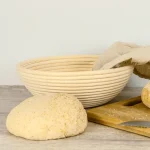
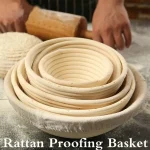
If you've ever watched a sourdough video and wondered why the baker places the dough in a swirl-patterned basket, you're in the right place. A brotform proofing basket explained in plain language is simple: it's a woven support system that gives wet, floppy dough shape while it ferments. No more puddles of dough on a baking sheet.
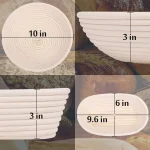
In our research, most standard bannetons measure 9 to 10 inches across and hold about 500 grams of dough. They're made from breathable rattan cane that pulls surface moisture away from the dough, which helps create that crackly, blistered crust bakers love. As of 2026, this remains one of the most essential tools for serious home bakers.
Quick Answer
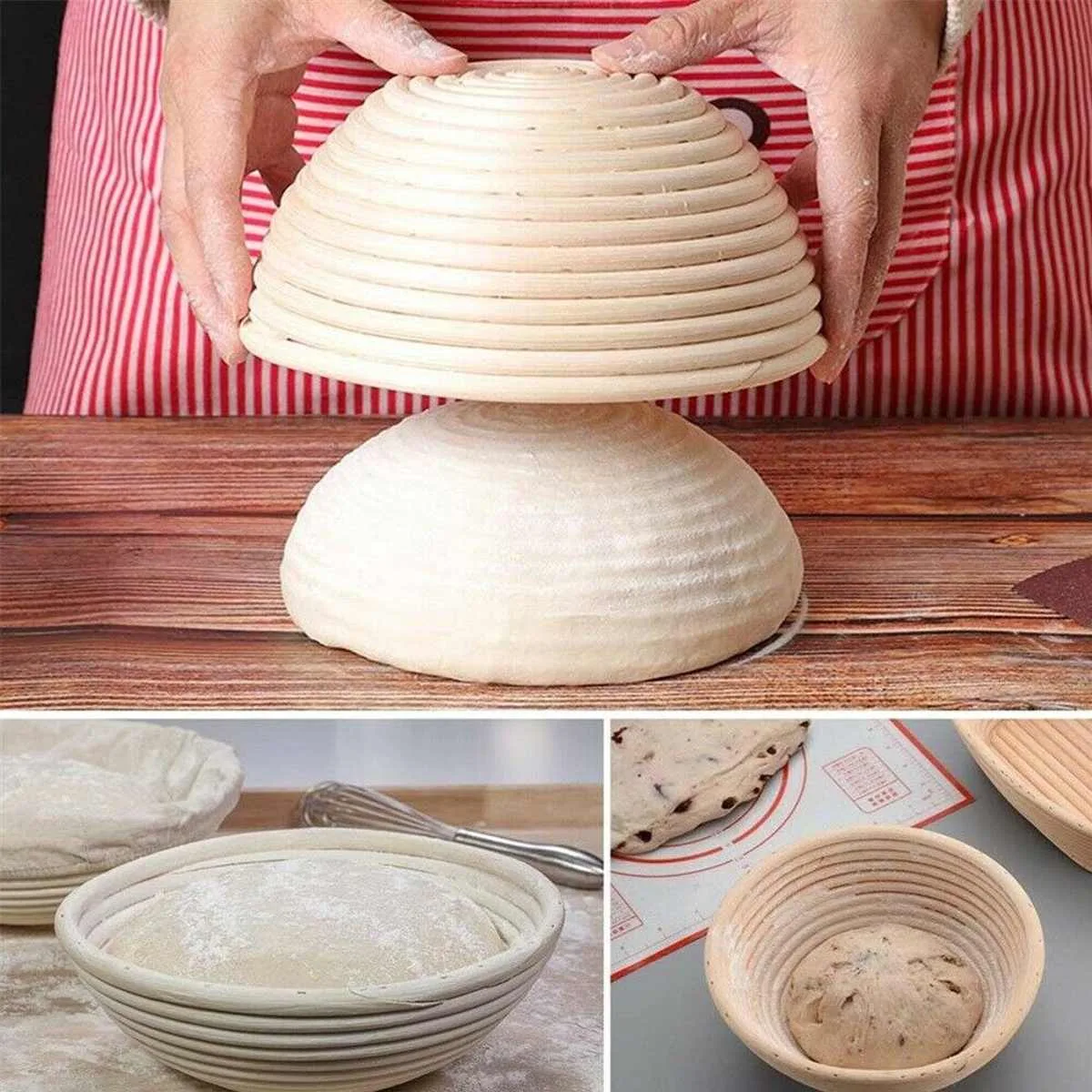
A brotform is a proofing basket made of rattan cane. It supports wet dough during fermentation. You dust it with rice flour, then place the dough inside.
Let it rise until doubled. Turn it out and bake.
What Is a Brotform? (And Why It's Not Just a Fancy Bowl)
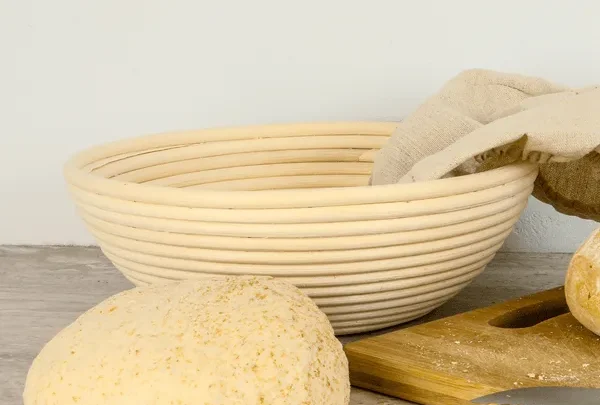
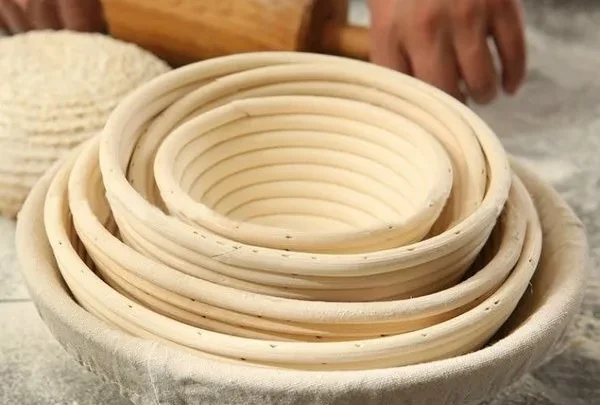
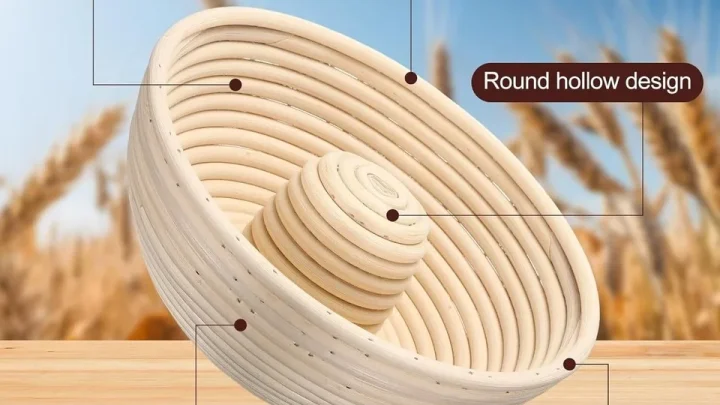
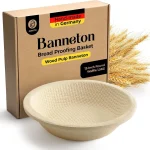
Brotform is the German name. Banneton is the French name. Both refer to the same thing: a rigid basket woven from spiral coils of rattan.
The open weave lets air circulate around the dough, which dries the surface and improves oven spring.
It's not just a pretty container. The basket's walls hold the dough in shape while it proofs, especially when hydration is high. The result is a taller loaf with better structure.
Key traits to know:
- Breathable rattan walls
- Seam-side-up proofing orientation
- Flour-releasing surface when dusted
- Available in round and oval forms
If you're just starting, the Bread Bakers Guild of America offers solid resources on dough handling and hydration ratios.
Visual Guide: Round vs. Oval Banneton Shapes
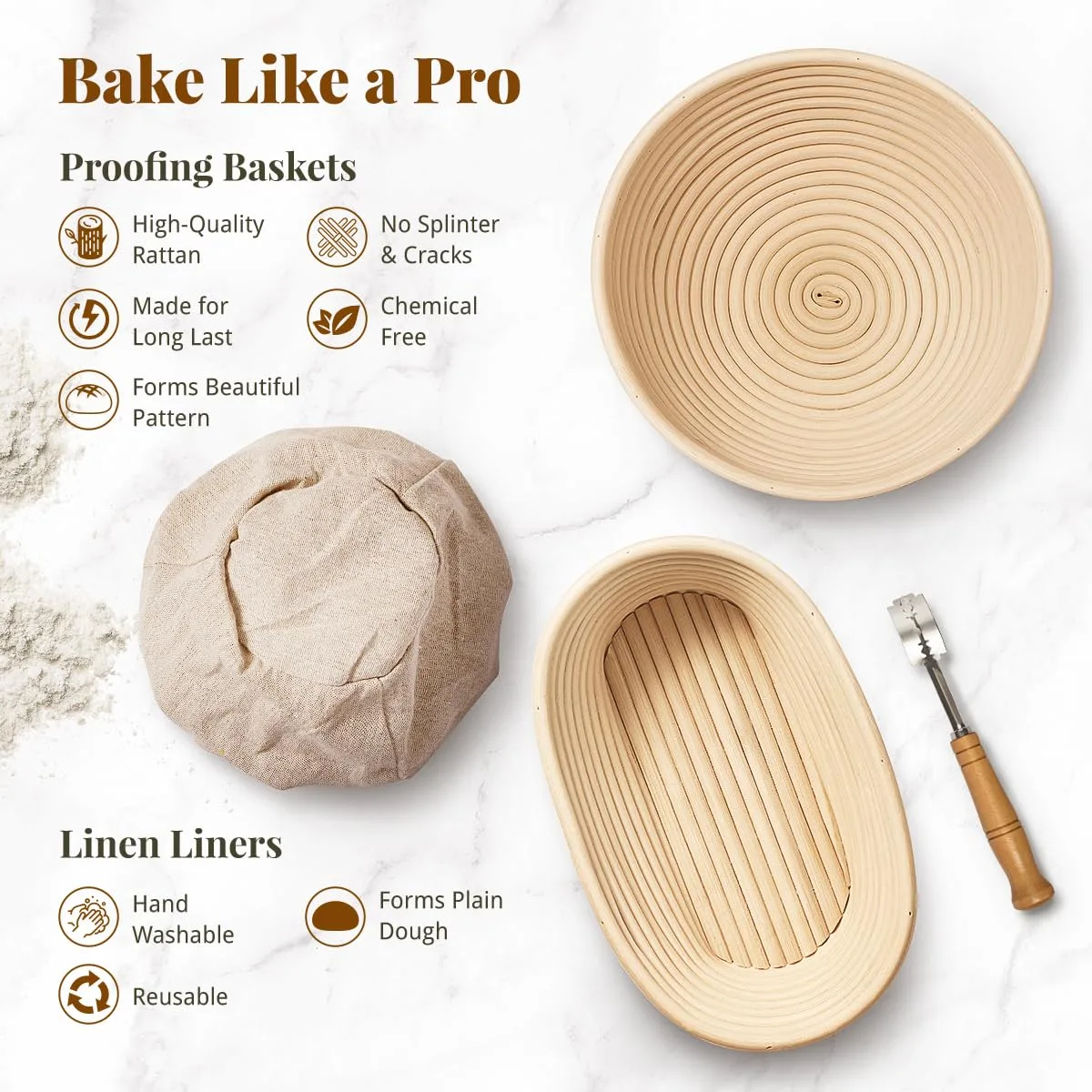
The shape of your basket determines the shape of your loaf. It's that simple.
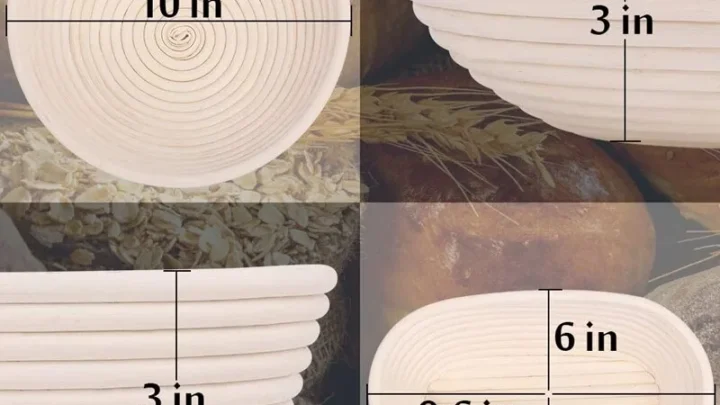
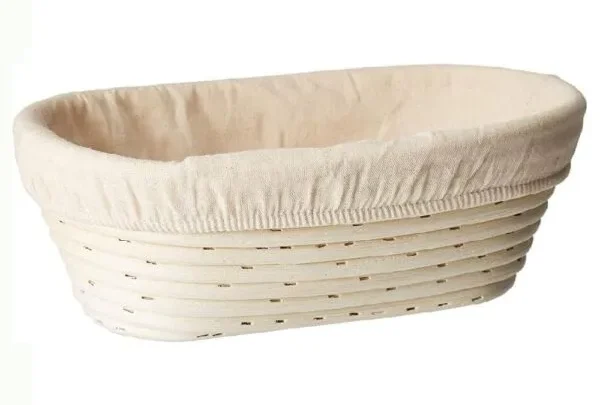
Round baskets, typically 9 to 10 inches wide, hold a boule. That's the classic rustic loaf you see at farmers' markets. Oval baskets, often 12 inches long, produce a batard, which is elongated and easier to slice into even sandwich pieces.
Here's the quick breakdown:
| Basket Shape | Best Loaf Type | Typical Size | Ideal For |
|---|---|---|---|
| Round | Boule | 9-10 inches | Rustic, round sourdough |
| Oval | Batard | 10-12 inches | Sandwich loaves, even slices |
If you bake a mix of styles, many bakers own one of each. If you're buying your first, think about how you slice bread. Round loaves are beautiful but trickier for toast.
Oval loaves fit into standard toasters.
Why the Shape and Liner Matter
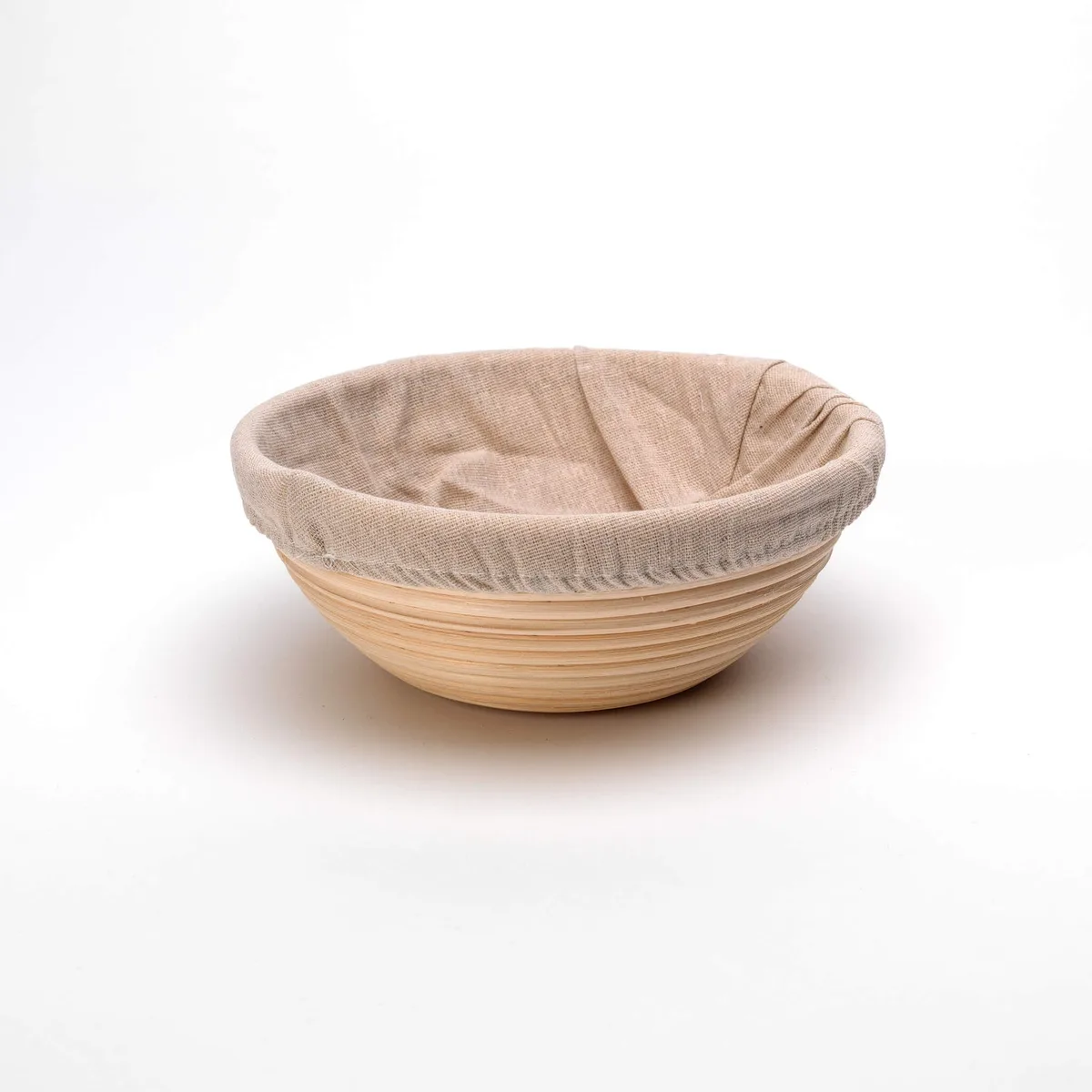
Look closely at the inside of any brotform. There are two surface options.
The exposed rattan coils leave a beautiful spiral pattern on the finished loaf. That's the swirl you see on artisan bread. But exposed cane needs a generous dusting of rice flour, or the dough will glue itself to the basket.
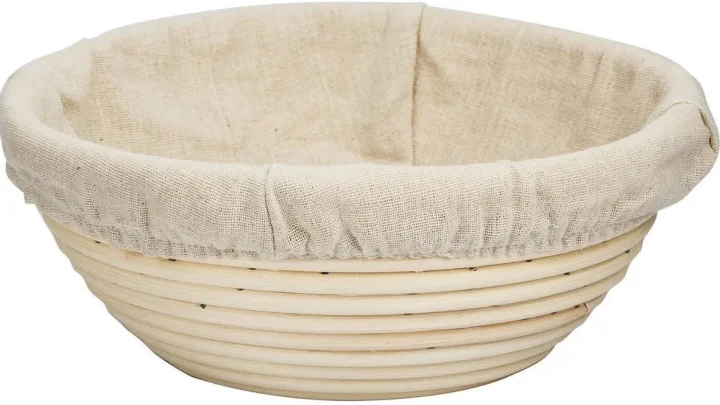
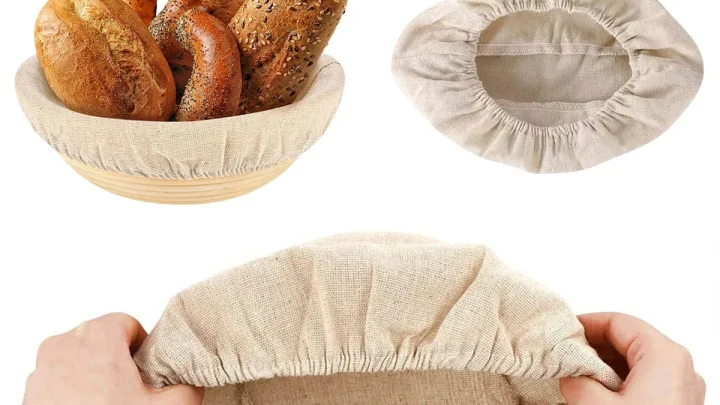
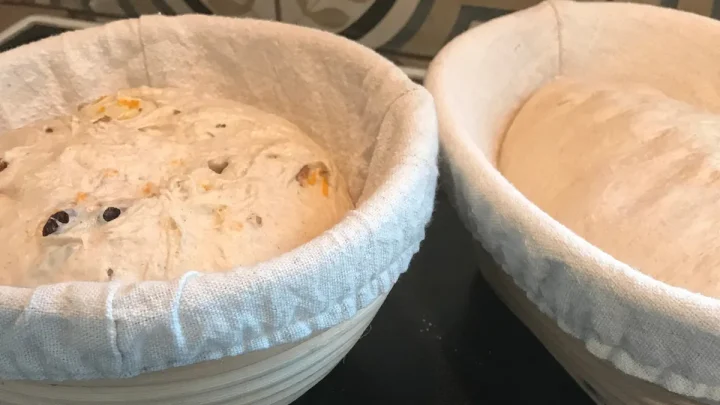
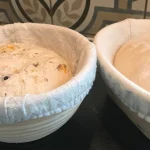
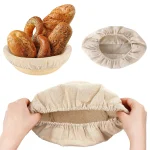
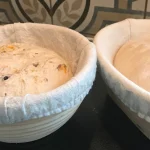
A linen liner is the second option. It sits inside the basket, covering the coils. The fabric prevents sticking and gets washed separately after each use.
The trade-off? You lose the decorative spiral pattern.
Here's a quick comparison:
| Surface | Visual Pattern | Sticking Risk | Maintenance |
|---|---|---|---|
| Exposed rattan | Swirl marks | Higher | Brush out and dry |
| Linen liner | Smooth top | Lower | Washable cloth |
Your choice comes down to aesthetics versus convenience. Many bakers switch between both depending on the dough's hydration.
Choosing the Right Size: Grams, Inches, and Dough Types
Size matters more than you'd think. A basket that's too big lets the dough spread out. One that's too small causes overflow and tearing.
Most recipes specify a dough weight, and your basket should match. Here's the general rule:
| Basket Diameter | Dough Capacity | Good Hydration Range | Best For |
|---|---|---|---|
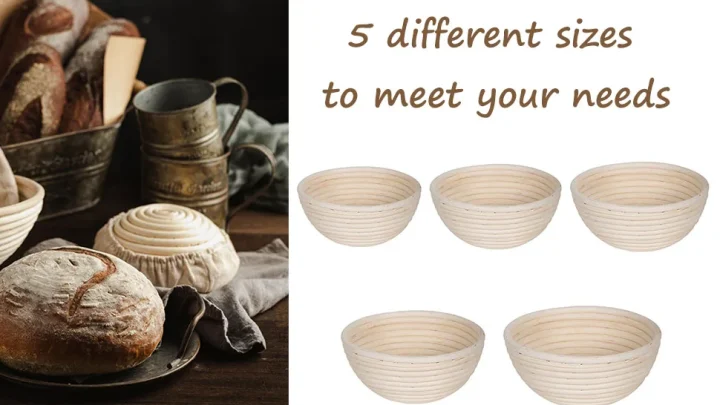
| 8 inches | 400-500g | 65-75% | Single small loaf |
| 9 inches | 500-700g | 70-80% | Standard sourdough |
| 10 inches | 700-900g | 70-80% | Large country loaf |
| 12 inches (oval) | 1kg+ | 70-85% | Long batards |
As of 2026, the 9-inch round is the most common size sold in the US. It fits a typical 500g sourdough recipe perfectly.
Check hydration too. Wet dough spreads more, so it needs a snug basket. A 75% hydration dough in a 10-inch basket might flatten out.
Drop it to a 9-inch and it holds its shape beautifully. If you're baking rye or whole wheat, those doughs are stickier, so err on the smaller side.
Rattan vs. Bowl: A Visual Comparison
Before you buy a brotform, you might wonder if a mixing bowl with a towel works just as well. It can, but there are real differences.
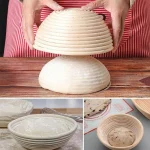
A bowl has sloped sides that barely support dough. The cloth liner bunches up and leaves wrinkles baked into the crust, unless you carefully tighten it. A brotform's walls are rigid and angled, which means more support for slack dough.
Here's the side-by-side:
| Factor | Mixing Bowl + Towel | Brotform |
|---|---|---|
| Side support | Minimal | Rigid, angled walls |
| Surface | Wrinkles from cloth | Even spiral pattern |
| Moisture wicking | Low | High via rattan |
| Price | Free (already own) | $15-$40 |
| Longevity | Towel can be replaced | 5-10 years with care |
For a beginner, the bowl method works in a pinch. For consistent, repeatable results, the brotform wins every time.
Step-by-Step: How to Use a Brotform (From First Dust to Oven)
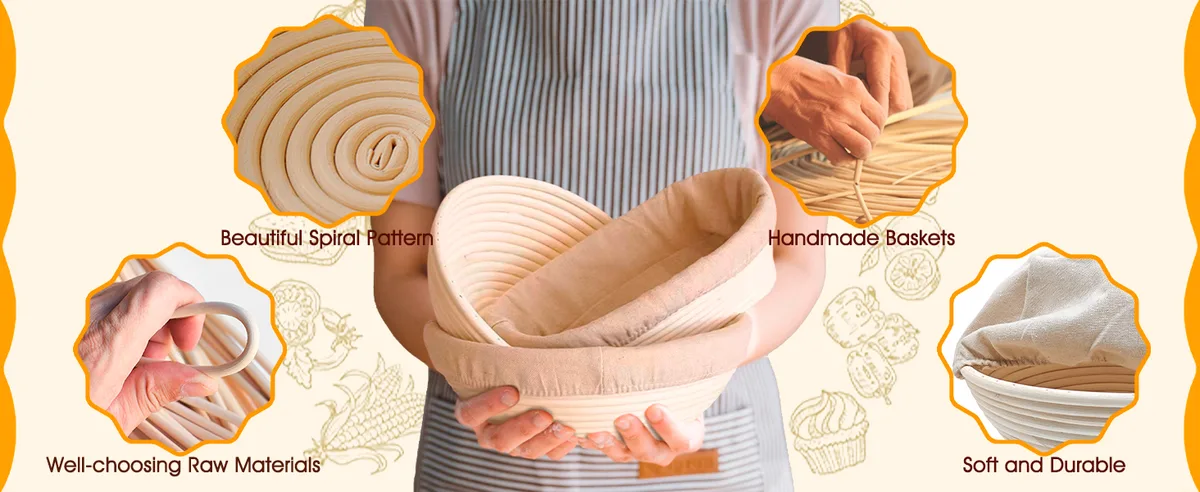
Let's walk through the full workflow from first use to oven.
Season a New Basket
Brand new rattan baskets need one prep step. Lightly dampen the interior with water using a spray bottle. Then dust generously with rice flour.
Let it sit for an hour, then brush out the excess. This seals the tiny gaps where dough can catch.
Dust With Rice Flour
Rice flour is non-negotiable. Wheat flour absorbs moisture and turns into paste, which makes dough stick. Rice flour stays dry.
The visual cue: every coil seam should look powdery white. If you see bare wood, add more flour.
Shape and Place the Dough
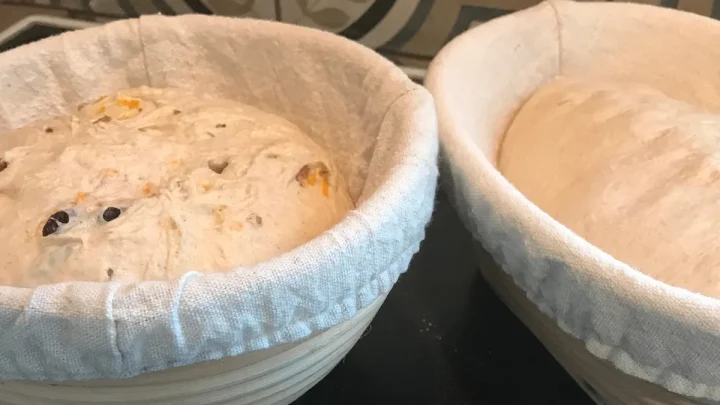
Shape your dough into a tight ball or batard. Place it seam-side up into the basket. The smooth, taut surface faces down.
The seam side is where the dough will split naturally during baking, and it goes against the basket's pattern.
Cover and Proof
Cover the basket with plastic wrap or a shower cap. This keeps the dough from drying out.
Two timing options:
- Room temperature: 1 to 2 hours, depending on your dough's strength
- Cold proof (fridge): 12 to 18 hours for deeper flavor
Turn Out and Score
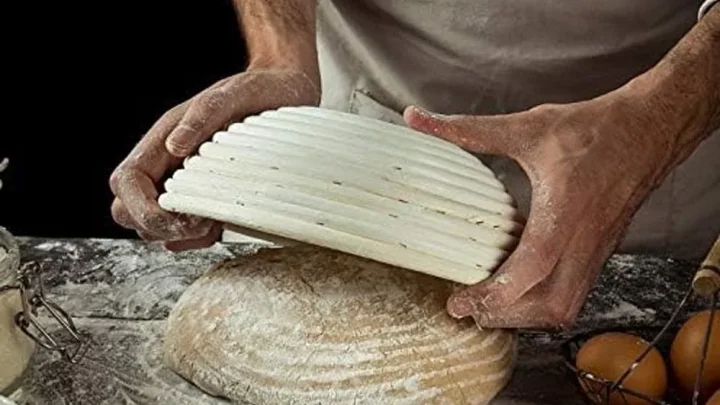
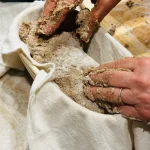
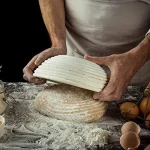
Flip the basket onto parchment paper or a floured peel. The dough should release with a gentle shake. If it sticks, use light fingers to coax it away from the cane.
Then score the dough immediately. Make a single slash with a lame or sharp knife. Get it into the oven right away.
Common Visual Mistakes to Avoid
Bakers of every level make these consistent errors. Here's how to spot and fix them.
Under-Flouring
If your dough sticks to the cane, it's usually under-floured. The visual cue is a dough that tears away in patches when you turn it out. Fix it by dusting more aggressively next time.
Over-Flouring
Too much flour is less common, but it creates a dry, chalky crust. You'll see unabsorbed white powder on the finished loaf. Shake off excess before placing the dough.
Ignoring the Liner
A wrinkled linen liner is a set-up for disaster. The folds create pressure points and leave creases in the dough. Smooth the liner flat before every use.
Proofing Too Long
Watch for a dough that doesn't spring back when gently poked. It means the gluten structure has weakened. The loaf will flatten in the oven, no matter how good your basket is.
Troubleshooting: Sticking, Mold, and Other Real-World Frustrations
Let's be honest. Stuff goes wrong. Here's what to do when it does.
| Problem | Likely Cause | Solution |
|---|---|---|
| Dough sticks to cane | Not enough rice flour | Season the basket, dust heavily next time |
| Mold or musty smell | Stored while damp | Brush out, air dry, store dry |
| Liner keeps slipping | Liner is too large | Tuck edges tightly, use a smaller liner |
| Permanent white stains | Flour buildup | Brushing, not washing, is the fix |
For mold, inspect the basket carefully. If the mold is on the surface, brush it off and let it bake in the sun for a few hours. If it's deep in the cane, replace the basket.
Mold spores in dough are not worth the risk.
Cleaning and Maintenance: Making the Basket Last for Years
Never submerge a brotform in water. Rattan soaks up moisture like a sponge, and it will warp or crack.
Here's the routine after every bake:
- Brush out all loose flour with a dry pastry brush
- Let the basket air dry completely
- Store in a dry spot, stacked or hanging
For the linen liner, hand wash it in mild soap and water. Rinse thoroughly and air dry. Never use bleach.
It breaks down the natural fibers.
With this simple routine, a quality brotform easily lasts a decade or more. That's why it's a worthwhile investment, not a trendy gadget.
Is a Brotform Worth It? Honest Pros and Cons
Every tool has trade-offs. Here's a fair picture.
Pros
- Holds shape for high-hydration doughs
- Wicks surface moisture for a crispy crust
- Leaves beautiful spiral marks
- Lasts years with minimal care
- Makes consistent loaves reproducible
Cons
- Adds a learning curve
- Needs careful dusting every time
- Cannot be washed in water
- Takes up cabinet space
- Costs $15 to $40 upfront
For anyone baking sourdough regularly, the pros win. For occasional yeast bread bakers, it's an optional upgrade.
Best For: Who Should (and Shouldn't) Buy One
This tool isn't for everyone, and that's fine.
This Is Your Tool If You're:
- Baking sourdough weekly
- Working with dough at 70% hydration or higher
- Frustrated by flat, spreading loaves
- Wanting professional-looking results
Skip It If You're:
- Baking bread in a machine
- Using dry, stiff doughs that hold shape anyway
- Short on storage space
- Baking only occasionally
The brotform shines specifically with slack, wet doughs. That's its specialty.
Final Verdict: What to Buy and Where to Start
If you're ready to make the purchase, here's the practical recommendation.
Start with a 9-inch round basket. It's the most versatile size, and it matches nearly every standard sourdough recipe. Buy one with an exposed rattan surface if you want those signature spiral marks.
Buy one with a linen liner if you want easier release and less fuss.
The price range for a good starter basket runs about $15 to $40. You don't need premium brands. You need solid rattan, a snug shape, and patience for the learning curve.
One final reminder: the basket is a tool, not a magic trick. Good dough, proper shaping, and correct proofing still matter. The brotform just makes the final result dramatically better.
Frequently Asked Questions
Do I really need a linen liner?
No. The liner is only necessary if you want to avoid the spiral pattern. Many professional bakers use unlined baskets exclusively.
Just dust the exposed cane well with rice flour and you'll be fine.
Can I use wheat flour to dust the basket?
Yes, but you'll likely regret it. Wheat flour contains moisture-loving proteins. It turns sticky, and the dough will cling to the cane.
Rice flour stays dry and provides a clean release. It's worth buying a bag just for this purpose.
How long can dough stay in the banneton in the fridge?
The safe range is 12 to 18 hours. Beyond 20 hours, the dough may over-ferment and lose its strength. You'll get a slack, flat loaf.
Set a timer so you don't forget about it overnight.
Can I wash a brotform with soap and water?
No. Rattan absorbs water and will warp, crack, or grow mold. Dry brushing and air drying is the only safe routine.
For serious contamination, let the basket sun-dry for a few hours instead.
Why does my dough stick to the basket when I dusted it well?
You likely placed the dough while it was too wet. A 75% hydration dough needs a very generous dusting plus a dry surface. Also check if your basket is new.
Fresh rattan has a microfiber surface that grabs dough until it's seasoned through repeated use.

Similar Posts