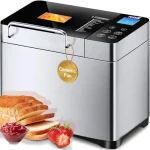
Bread Machine Not Kneading? 5 Easy Ways to Fix It Fast
It can be incredibly frustrating to find your bread machine not kneading when you are expecting a fresh loaf. Usually, this means the motor is running but the paddle isn't moving, or the machine has gone completely silent.
In our research, the most common mechanical failure is a worn drive belt or a seized pan bearing. According to manufacturer specifications for many leading brands as of 2026, these machines are designed for roughly 500 to 1,000 loaves before a belt replacement is needed.
Quick Answer
A bread machine not kneading is usually caused by a slipped drive belt or a seized pan bearing. If you hear the motor humming but nothing moves, the belt has likely snapped or stretched. If the paddle is physically stuck and won't turn by hand, the bearings in the pan are rusted.
Check the paddle seat and the pan lock first for a simple fix.
The What Do You Hear Diagnostic Tree
Fixing your machine starts with listening to the sounds it makes during the kneading cycle. If the machine is totally silent, you likely have an electrical issue. This could be a blown thermal fuse or a dead control board.
If you hear a distinct whirring or motor hum, the electrical system is working. This sound means the motor is spinning, but that motion isn't reaching the paddle. You are likely dealing with a broken rubber belt or a loose pulley.
| Sound | Potential Cause | Fix Category |
|---|---|---|
| Heavy Humming | Broken or slipped drive belt | Internal Repair |
| Grinding / Squealing | Seized pan bearings or dry spindle | Maintenance / Replacement |
| Complete Silence | Blown fuse or faulty motherboard | Electrical Repair |
| Normal Sound | Loose paddle or heavy dough mass | Mechanical / Recipe |
If you hear a grinding noise, the motor is struggling. This often happens when the bread pan bearings have started to fail. The friction becomes too much for the motor to overcome, which can eventually lead to a burnt-out motor if ignored.
Common Culprits: Why Bread Machines Stop Kneading
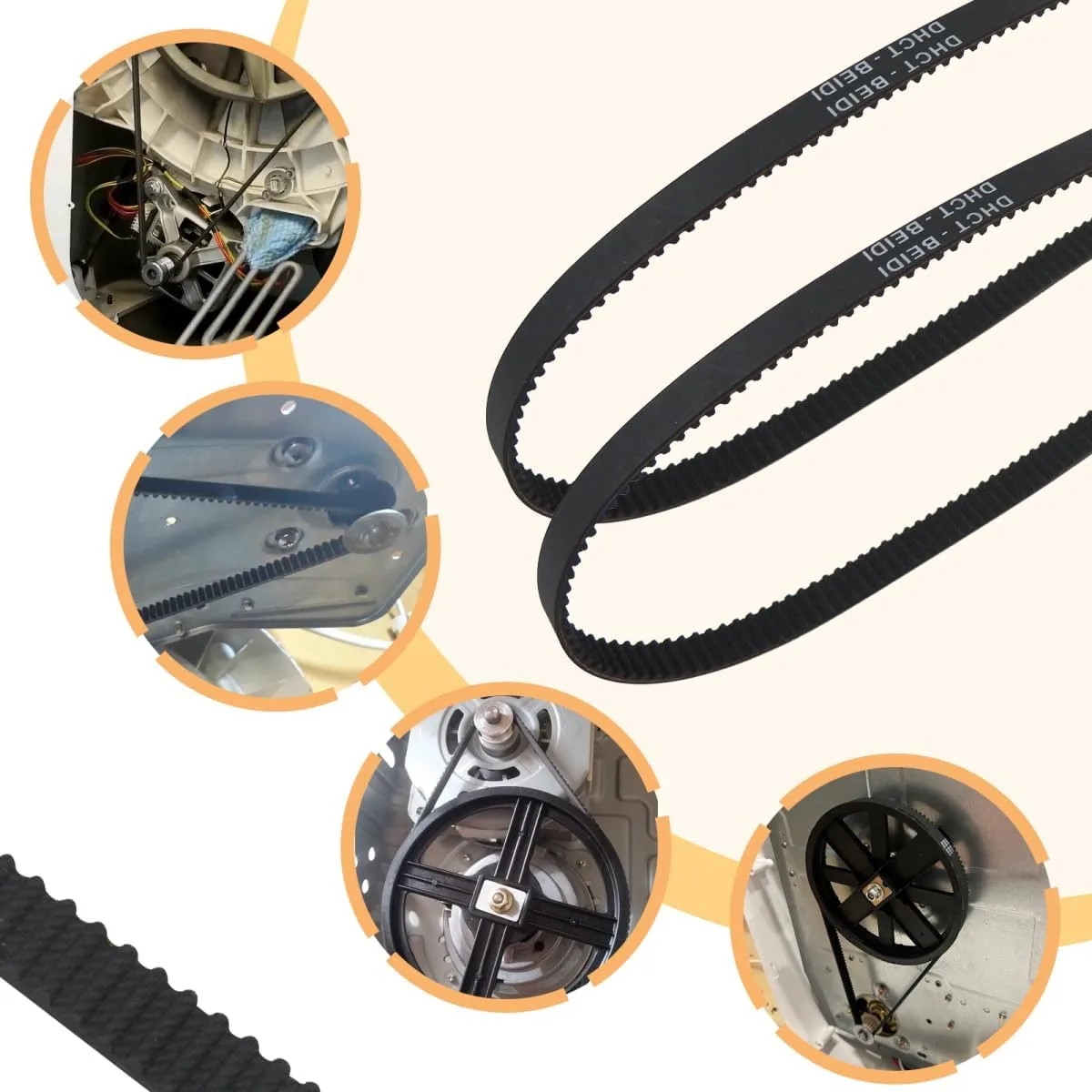
Mechanical fatigue is the most frequent reason for a breakdown. Most consumer-grade machines use a small rubber belt to transfer power. Over time, heat and friction cause this rubber to stretch or crack.
Another common issue is paddle float. This happens when ingredients get under the kneading blade. If the paddle isn't locked onto the shaft, it will just spin in place without moving the dough.
This is similar to how a loose component can cause a mess during the rising cycle.
Sometimes the problem is the dough itself. If the flour-to-liquid ratio is wrong, the motor may stall. Our research into USDA standards for grain products shows that flour density varies by humidity.
Extremely dry dough creates massive resistance that stops the paddle from turning.
The Pan Test: Seized Bearings vs. Drive Issues
You can narrow down the problem quickly by testing the pan separately from the machine. Remove the bread pan from the baking chamber. Look at the bottom where the drive coupler is located.
Try to turn the drive wing on the bottom of the pan with your fingers. It should turn with a small amount of resistance but feel smooth. If you cannot move it at all, the bearings have seized.
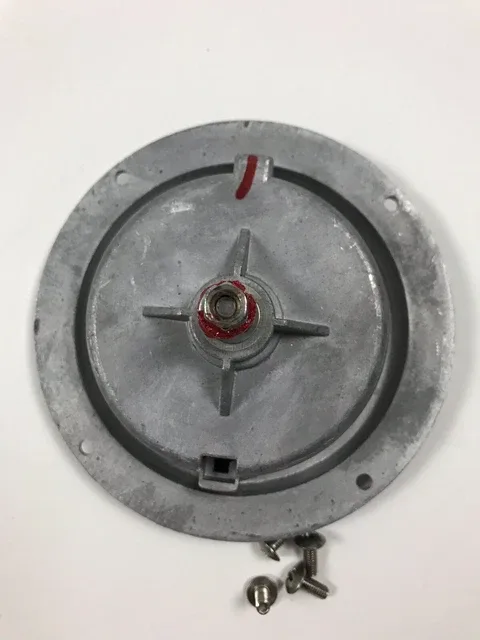
If the bottom wing spins but the paddle inside doesn't move, the shaft has snapped. This usually requires a full pan replacement. Manufacturer documentation from brands like Zojirushi suggests that pan assemblies are the most frequently replaced wear-and-tear part.
If the pan turns perfectly, the issue lies inside the machine's base. This means the motor or the belt is at fault. Identifying this early saves you from buying a new pan when you actually just need a $10 belt.
Inspecting the Kneading Paddle and D-Shaft Seat
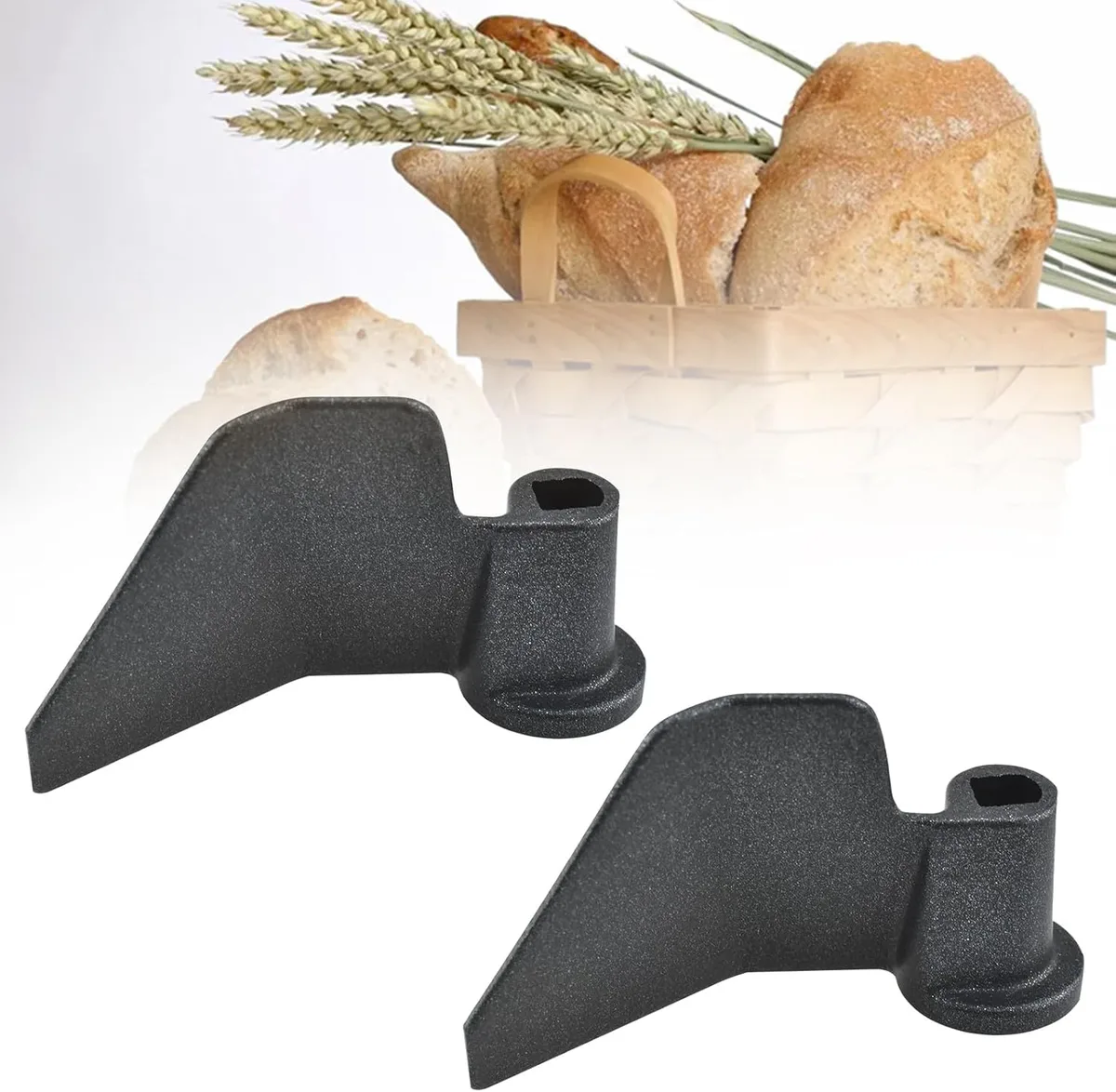
The kneading paddle sits on a metal post called a D-shaft. This shaft has one flat side that matches a flat side inside the paddle hole. If either of these surfaces wears down, the shaft will spin while the paddle stays still.
Remove the paddle and look inside the mounting hole. If the hole looks perfectly round instead of D-shaped, the paddle is stripped. This is a cheap and easy fix.
You simply need to order a new paddle.
Check the shaft for any buildup of baked-on crust. Even a tiny amount of residue can prevent the paddle from seating fully. If it sits too high, it won't engage the drive mechanism properly.
Clean the shaft with a firm toothbrush and warm water. Do not use metal scrapers as they can nick the metal. A clean connection ensures the motor's torque is transferred directly to the dough.
How to Access and Replace a Slipped or Broken Drive Belt
If your motor hums but the spindle doesn't turn, you need to look at the belt. Start by unplugging the machine and turning it over. Most machines have screws hidden under rubber feet or plastic caps on the bottom.
Once the bottom plate is off, you will see a large pulley and a small motor pulley. If the belt is lying in the bottom of the case, it has slipped off. If it is in pieces, it has snapped from old age or stress.
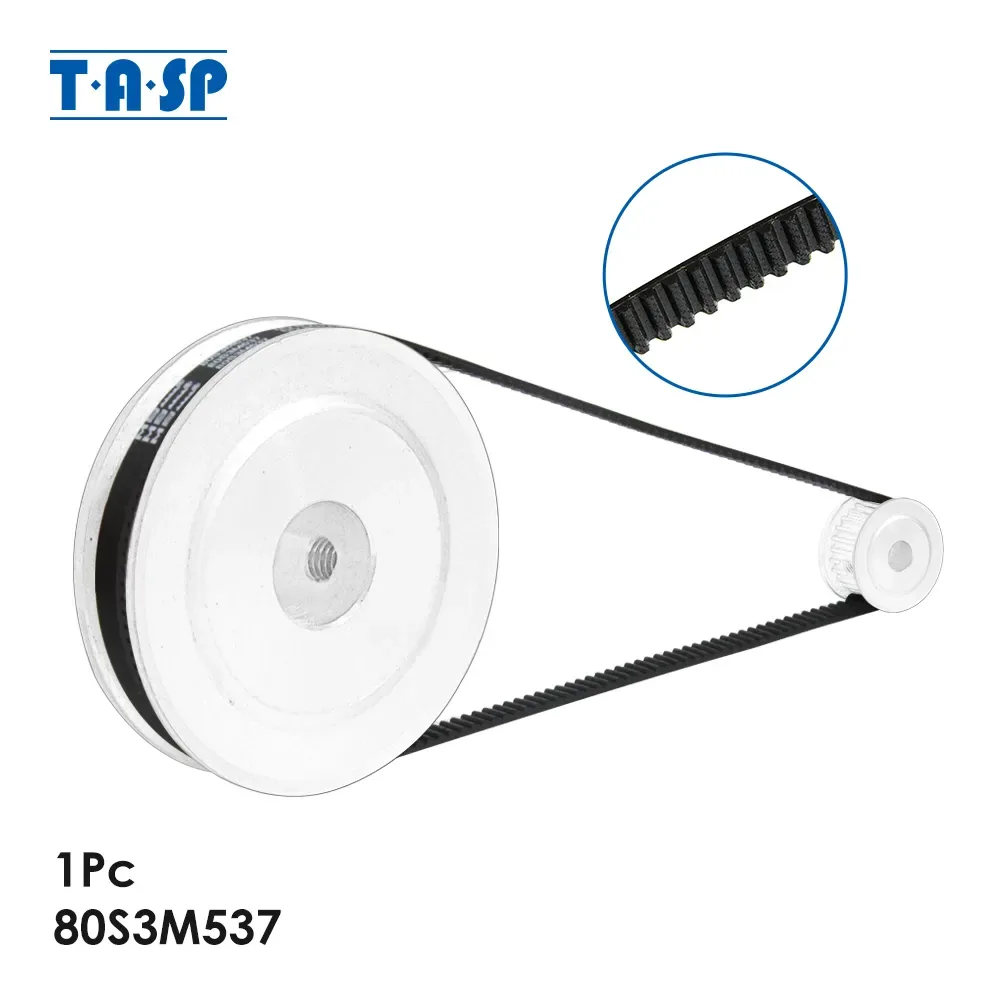
To replace it, loop the new belt around the small motor pulley first. Then, stretch it over the edge of the large pulley. Rotate the large pulley by hand to walk the belt into the center of the track.
Clean the pulleys with rubbing alcohol before finishing. Any oil or flour dust on the metal will cause the new belt to slip immediately. This simple step can double the life of your repair.
Identifying Motor Failure: When the Humming Stops
If your machine is completely silent during the kneading stage, the motor itself may have failed. While a broken belt causes a humming sound, a dead motor provides no audio feedback at all.
Our research into electrical failure rates suggests that the starting capacitor is often the true culprit behind a dead motor. This small cylinder provides the electrical jolt needed to get the motor spinning. If the capacitor leaks or bulges, the motor will sit still and get hot.
You can check for a burnt motor by using your sense of smell. A failed motor usually emits a sharp, acrid scent of ozone or scorched plastic. If you smell this, the internal copper windings have likely melted, which means the machine is beyond a simple home repair.
Understanding Drive Pulleys and Stripped Gears
The connection between the motor and the belt relies on two pulleys that must be perfectly aligned. In many modern budget machines, these pulleys are made of high-density plastic rather than aluminum.
Over time, the teeth on a plastic drive pulley can wear down or strip. When this happens, the belt may still be intact, but it cannot find the grip it needs to turn the shaft. You will hear a rhythmic slipping or clicking sound as the belt jumps over the smooth spots.
Check the large drive pulley for wobble. If the central nut holding the pulley has loosened, the pulley will tilt. A tilted pulley throws the belt off the track within seconds of the motor starting.
Tightening this central nut can often restore full function immediately.
The Impact of Dough Hydration on Motor Torque
Dough consistency plays a massive role in whether your machine can complete a kneading cycle. Motor torque is the rotational force required to move the paddle through a thick mass of flour and water.
If your dough is too dry, it acts like a brake on the motor. Many bread machine motors are equipped with a thermal overload protector. If the dough is too stiff, the motor works harder, generates excess heat, and the protector shuts the system down to prevent a fire.
Finding the Sweet Spot
- Low Hydration: Stiff doughs, like bagels, put the highest strain on drive belts and gears.
- Optimal Hydration: A tacky, soft ball of dough allows the paddle to move at its designed RPM.
- High Hydration: Very wet doughs, like focaccia, are easy to knead but can leak through the pan seals.
If you notice the machine struggling, add one tablespoon of water at a time. This reduces the friction against the side of the pan. Reducing this drag can prevent your machine from developing other issues related to motor strain.
When to Repair vs. When to Replace Your Machine
Determining if a repair is worth the investment depends on the cost of parts and the age of the unit. As of 2026, the price of a mid-range bread machine has stabilized, making some repairs less economical than they used to be.
If the repair is a belt or a paddle, it is almost always worth fixing. These parts are inexpensive and easy to install. However, if the main control board or the heating element has failed alongside the kneading mechanism, a replacement is usually the smarter choice.
| Component | Estimated Part Cost | Repair Difficulty |
|---|---|---|
| Drive Belt | $8 – $15 | Easy |
| Kneading Paddle | $12 – $20 | Very Easy |
| Replacement Pan | $30 – $60 | Moderate |
| Main Motor | $50 – $90 | Difficult |
Consider the condition of the baking chamber. If the non-stick coating is peeling or the lid hinges are cracked, don't pour money into a mechanical repair. A new machine will offer better energy efficiency and updated programming for modern flour types.
Critical Safety: Avoiding Electric Shock During DIY Repairs
Working on the internal components of a kitchen appliance requires strict safety protocols. The most important step is to physically unplug the machine from the wall outlet. Simply turning it off via the button is not enough to prevent a shock.
Bread machines contain capacitors that can hold an electrical charge even after the power is cut. If you are opening the base to inspect the motor, avoid touching any electrical terminals with bare hands. Use insulated tools whenever you are poking around near the circuit board.
Be careful with the edges of the metal housing once the plastic shell is removed. These internal frames are often stamped steel and can be incredibly sharp. Wearing a pair of thin work gloves will protect your hands from cuts while you are reaching for the drive belt or pulleys.
Always reassemble the machine completely before testing it.
Essential Maintenance: The No-Soak Rule for Pan Longevity
Protecting the mechanical integrity of your bread pan is the best way to prevent kneading failures. The most common mistake users make is submerging the entire bread pan in a sink full of soapy water.
The spindle at the bottom of your pan relies on factory-packed lubricant and a tight rubber seal to turn smoothly. When you soak the pan, water travels up through the bottom assembly and flushes out that grease. Once the grease is gone, the metal bearings begin to rust and eventually seize solid.
Instead of soaking, only fill the inside of the pan with water to loosen stuck dough. Keep the exterior and the bottom drive wings completely dry. If the paddle is stuck, a ten-minute soak of just the interior usually releases it without risking the life of the bearings.
Where to Source Specific Replacement Belts and Paddles
Finding the right part for your specific model can feel like a scavenger hunt. Most generic belts and paddles sold on major marketplaces are sized by millimeters rather than model names.
You should first check the manufacturer's official website for a parts catalog. Brands like Panasonic often stock replacement pans and paddles for several years after a model is discontinued. If the official store is out of stock, look for the part number stamped directly on your old belt.
Most drive belts are standard timing belts with specific tooth pitches like 3mm or 5mm. If you can't find a direct match, measuring the total length and width of your broken belt allows you to buy a generic industrial replacement. This is often cheaper than buying a branded part.
Troubleshooting Guide: Silence, Grinding, or Spinning Without Motion
To resolve your kneading issue, match the behavior of your machine to the specific mechanical failure. This structured approach helps you decide whether to grab a screwdriver or a credit card for a new purchase.
If the machine is silent but the timer is counting down, your motor or thermal fuse has likely failed. If the machine makes a rhythmic thumping without moving the dough, your drive belt is probably slipping or missing teeth.
Diagnostic Checklist
- Paddle spins but slips: Check for a stripped D-shaft on the paddle.
- Motor runs but spindle is dead: Inspect the drive belt for breaks or stretching.
- Spindle is physically stuck: Replace the bread pan or the internal bearings.
- Machine stops mid-cycle: Check for an overheated motor caused by dry dough.
For machines that spin but fail to incorporate flour, verify that you haven't exceeded the capacity of the pan. Overloading the machine creates a dead zone where the paddle spins underneath a bridge of dry ingredients.
Frequently Asked Questions
Can I lubricate a seized bread pan?
You can sometimes revive a stiff pan by applying a single drop of food-grade silicone lubricant to the shaft. Do not use WD-40 or standard machine oil, as these are toxic and not safe for food contact. If the shaft still feels crunchy after lubrication, the internal bearings are likely too damaged to save.
Why does my machine only knead in one direction?
Most bread machines are designed to only spin in one direction during the kneading phase. If your specific model is supposed to reverse but doesn't, the issue is usually an electronic relay on the control board. This is a complex repair that typically requires a new motherboard.
How long should a drive belt last?
Under normal conditions, a drive belt should last between three and five years. If you bake heavy whole-grain or rye breads daily, the belt will wear out much faster due to the increased heat and tension. Replacing the belt every few years is a standard part of owning a high-use machine.
Can I use a different brand's kneading paddle?
Kneading paddles are rarely interchangeable between brands. Even if the paddle fits onto the shaft, the height and sweep of the blade are calibrated to the specific dimensions of that pan. Using the wrong paddle can leave unmixed flour in the corners or even scratch the non-stick coating.
Is a grinding noise always a death sentence for the machine?
Not necessarily, but it requires immediate attention. A grinding noise usually indicates that the belt is misaligned or the motor mount screws have vibrated loose. If you tighten the internal hardware before the gears are stripped, you can often silence the machine and extend its life for years.

Similar Posts