Is a 1 lb Bread Maker Right for You? The Complete Guide
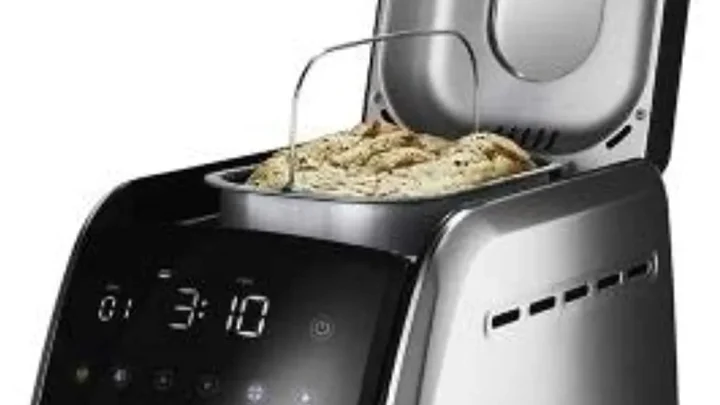
Many home bakers struggle with standard machines that produce massive loaves destined to go stale. Finding a 1 lb bread maker explained is the first step toward reducing kitchen waste while still enjoying fresh, homemade crusts every morning. These compact appliances are specifically designed for smaller households where counter space and portion control are top priorities.
Manufacturer specifications indicate that these units typically use about half the ingredients of a traditional machine. Aggregate reviews report that a 1 lb machine is roughly the size of a standard four-slice toaster. As of 2026, these models remain a staple for apartment dwellers and RV enthusiasts who value efficiency.
Quick Answer
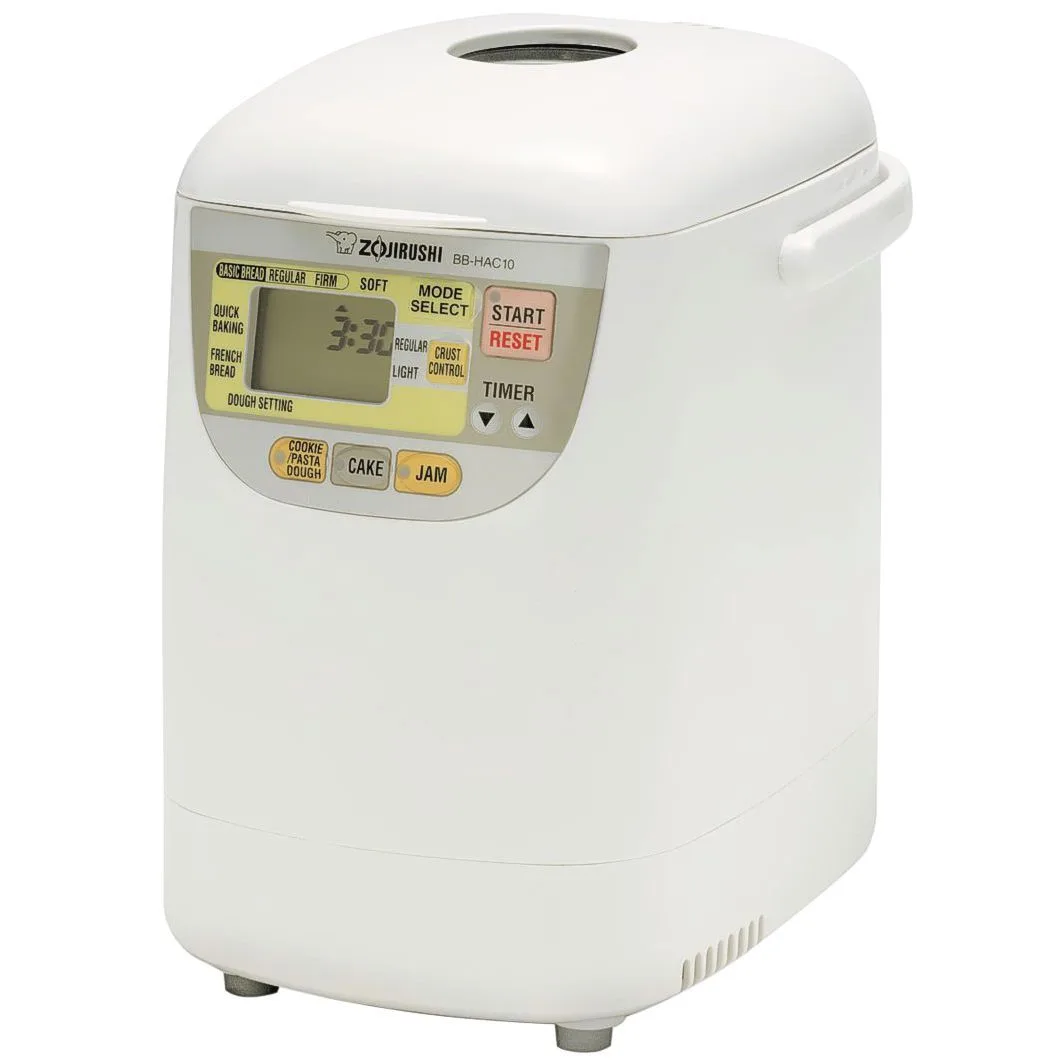
A 1 lb bread maker is a compact appliance. It produces small loaves weighing 16 ounces. These machines use about two cups of flour.
The finished loaf yields eight to ten slices. Most models feature a vertical baking pan. This design saves significant counter space.
It is ideal for one or two people.
Why Loaf Size Matters More Than You Think
The size of your bread machine dictates more than just the height of your sandwich. Homemade bread lacks the chemical preservatives found in commercial grocery store loaves. Our research into grain science shows that without these additives, the crumb begins to firm up and lose moisture within 24 to 48 hours.
If you live in a small household, a standard 2 lb loaf often becomes bird food before you can finish it. A 1 lb machine ensures you consume the entire loaf while it is at peak freshness. This eliminates the need for freezing half the batch or throwing away moldy ends.
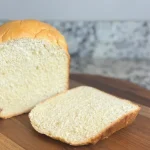
Beyond waste, the physical size of the loaf affects your daily routine. A smaller loaf is easier to slice uniformly by hand. The slices are typically more substantial and dense.
This makes them perfect for hearty toast or open-faced sandwiches. If you often find yourself dealing with messes in the kitchen, a smaller capacity machine is much easier to manage.
1 lb vs. 2 lb Machines: The Side-by-Side Comparison
Choosing between these two sizes requires looking at your kitchen habits. A 2 lb machine is the industry workhorse, but it requires a dedicated "parking spot" on your counter. In contrast, the 1 lb models are lightweight and highly portable.
| Feature | 1 lb Bread Maker | 2 lb Bread Maker |
|---|---|---|
| Flour Capacity | ~2 Cups | ~4 Cups |
| Typical Dimensions | 8" x 11" | 11" x 14"+ |
| Loaf Shape | Tall / Vertical | Long / Horizontal |
| Kneading Blades | Single small blade | Single or Dual blades |
| Average Wattage | 450W | 600W – 800W |
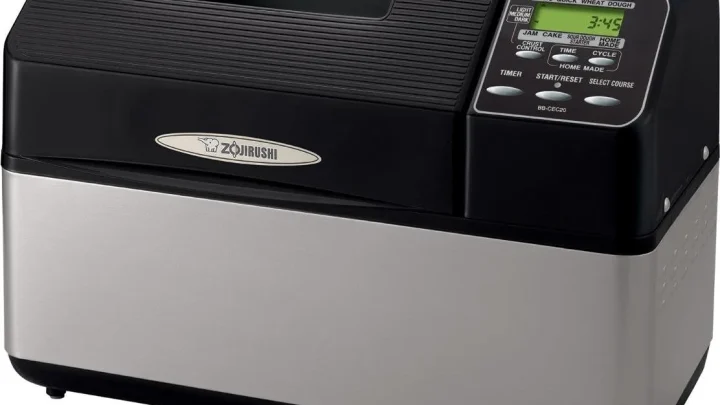
According to manufacturer data from brands like Zojirushi, the smaller heating chamber in 1 lb models allows for more rapid temperature adjustments. However, the 2 lb machines offer more versatility for making large batches of dough for rolls or pizza. If you bake for a crowd, the small machine will feel like a bottleneck.
Who Should Choose a 1 lb Bread Maker?
These machines are not just for people with small kitchens. They are specialized tools for specific lifestyles. In our analysis of user demographics, three groups benefit the most from the 1 lb format.
First, single professionals and couples find these machines ideal. A 1 lb loaf provides exactly enough bread for two people to have toast for breakfast and a sandwich for lunch. There are no leftovers to manage.
Second, the RV and tiny home community prizes these units. When every inch of counter space is spoken for, a 1 lb machine can be tucked into a drawer. Its lower wattage also places less strain on portable power systems or solar arrays.
Third, experimental bakers love the smaller scale. If you want to test a new rye or sourdough recipe, a 1 lb batch uses fewer expensive ingredients. This lowers the "cost of failure" if a new experiment doesn't rise quite right.
Understanding the "Vertical Loaf" Phenomenon
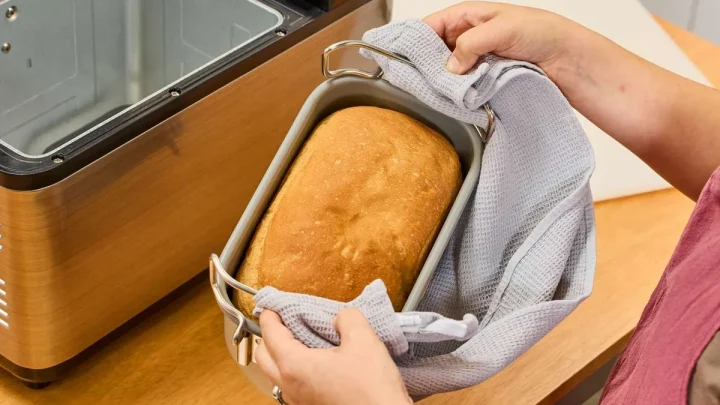
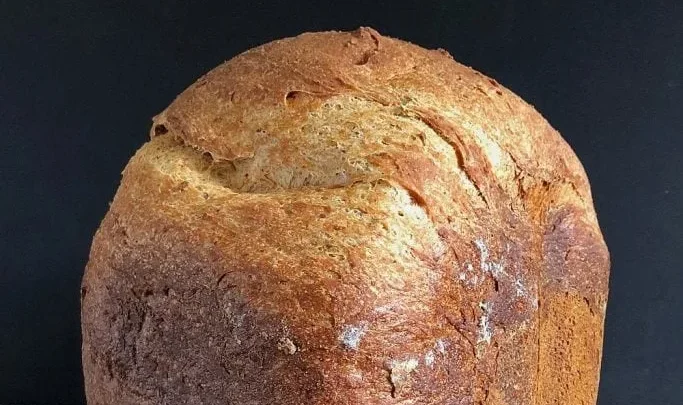
Most 1 lb bread makers do not produce the long, rectangular loaf you see at the store. Instead, they use a tall, narrow pan. This creates a "vertical" loaf.
The footprint of the machine stays small because the bread grows upward rather than outward.
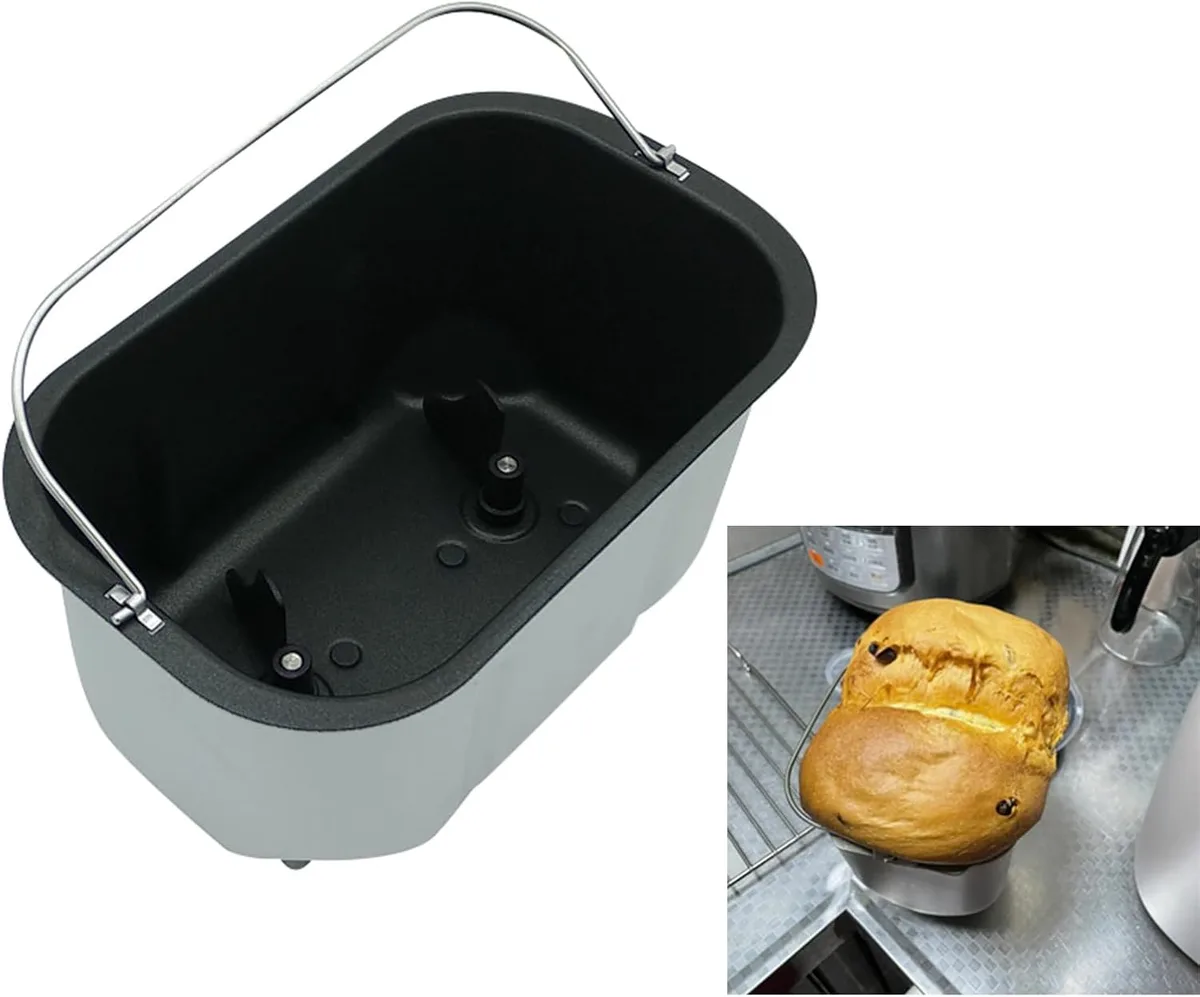
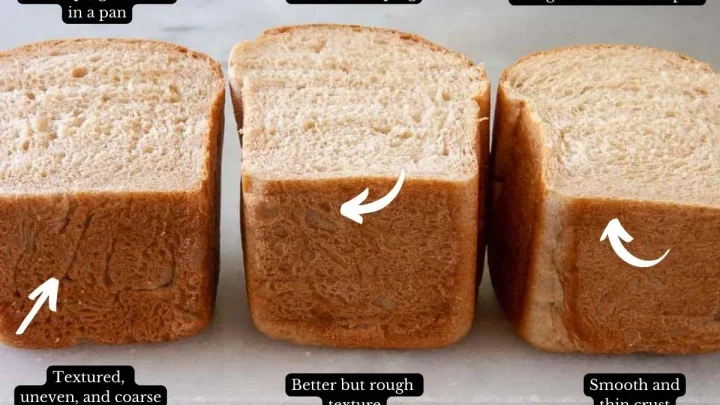
The vertical design has a specific impact on the bread's texture. Because the dough is confined to a narrow space, the steam escapes differently during the bake. This often results in a slightly thicker side crust.
Many users find this desirable for French or Italian style breads.
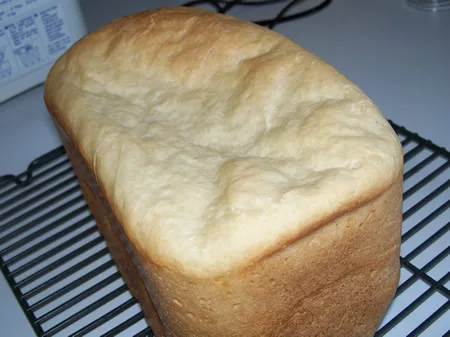
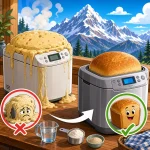
One thing to watch for is the "mushroom top." If the dough rises too much, it can spill over the edges of the narrow pan. This is usually caused by using too much yeast or sugar. Proper scaling is critical in these tight quarters to avoid cleaning up a sticky overflow.
The Capacity Trap: Flour Volume vs. Finished Weight
New bakers often get confused by the 1 lb label. It is important to remember that this refers to the weight of the baked bread, which includes the heavy water content. In terms of raw ingredients, you are usually looking at a maximum of 2 to 2.25 cups of flour.
If you attempt to use a recipe designed for a 1.5 lb machine, you will likely encounter mechanical issues. The motor in a 1 lb machine is sized specifically for that smaller dough ball. Overloading it can cause the belt to slip or the motor to overheat.
Always check the internal markings on your bread pan. Most manufacturers include a "max fill" line or provide a specific measuring cup. Sticking to these limits ensures the heating element can reach the center of the loaf.
This prevents the dreaded "raw middle" that occurs when small machines are pushed beyond their intended capacity.
Core Features to Look for in a Compact Machine
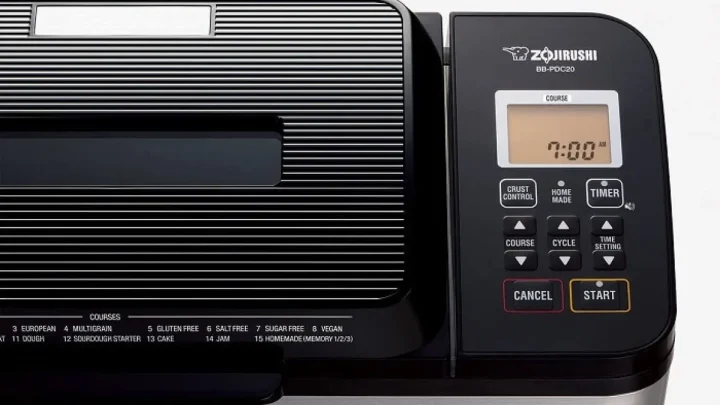
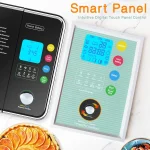
When shopping for a 1 lb bread maker, the interface and build quality matter more than a long list of fancy settings. Manufacturers often focus on a "less is more" philosophy for these smaller units. You want a machine with a dedicated "Dough" cycle.
This allows you to mix and rise in the machine but bake in your standard oven for things like rolls or pizza crusts.
A viewing window is another essential feature. Because small dough balls are more sensitive to moisture changes, you need to see if the dough is sticking to the sides without opening the lid. Opening the lid during the rise cycle lets heat escape.
This can cause a small loaf to collapse instantly.
Check the quality of the non-stick coating on the bread pan. Our research shows that ceramic coatings tend to last longer and offer better heat distribution than traditional Teflon. If the coating is thin, the bread might stick, causing the tall, narrow loaf to tear when you try to shake it out.
The Crust-to-Crumb Ratio: Why Small Loaves Taste Different
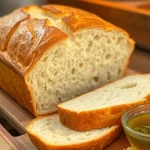
A 1 lb loaf has a higher surface-area-to-volume ratio than a larger loaf. This means you get more crust in every bite compared to the soft, airy middle. If you are a fan of crunchy, well-developed crusts, these machines are a dream.
The heating element is closer to the dough, which often leads to a more consistent Maillard reaction.
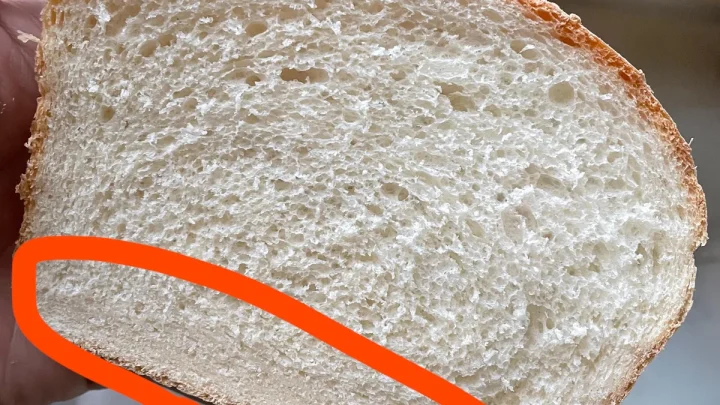
The texture of the crumb in a small machine is typically denser. In a 2 lb machine, the large volume of dough creates its own internal pressure, pushing the air bubbles outward. In a 1 lb pan, there is less room to expand.
This produces a sturdy slice that holds up well to heavy toppings like avocado or thick jam.
Some users report that small loaves stay moist longer because the thick crust acts as a natural seal. However, if the machine runs too hot, the crust can become overly thick or hard. Look for units with Light and Dark crust settings to fine-tune the finish to your preference.
Common 1 lb Baking Mistakes and How to Avoid Them
The most frequent error is miscalculating the yeast. In a small machine, a tiny measurement error is magnified. If a recipe calls for 1 teaspoon and you accidentally use 1.5, the dough will likely hit the lid.
This creates a burnt, sticky mess that is difficult to clean from the heating elements.
Another common pitfall is using ingredients that are too cold. Small machines have shorter preheat phases than larger models. If you use milk or eggs straight from the fridge, the yeast might not activate quickly enough.
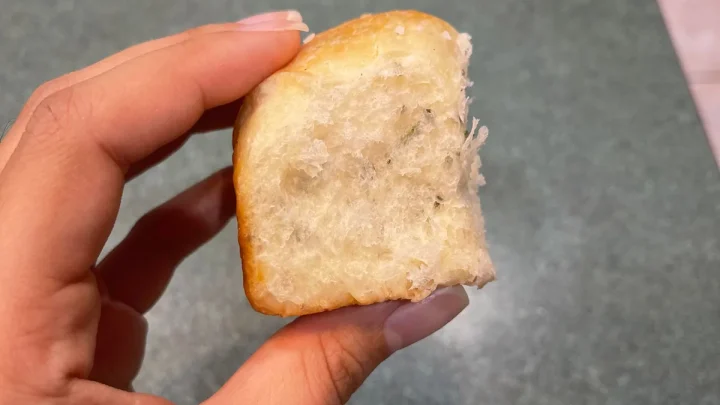
This results in a short, dense "brick" of bread. Always aim for room temperature liquids.
Humidity also plays a massive role in small-batch baking. If you live in a damp climate, you may need to reduce the water by a tablespoon. A dough that is even slightly too wet will fail to climb the walls of the vertical pan.
It will instead sit at the bottom, creating a gummy, unbaked center.
Scaling Down: Converting Standard Recipes for Mini Machines
You can adapt your favorite bread machine recipes, but you must be precise with the math. Most standard bread machine cookbooks are written for 1.5 lb or 2 lb loaves. To scale a 2 lb recipe down for a 1 lb machine, you generally divide every ingredient by two.
- Flour: Reduce from 4 cups to 2 cups.
- Water: Reduce from 1.5 cups to 0.75 cups.
- Yeast: Reduce by exactly half.
- Salt: Keep a slightly higher ratio for flavor, but never exceed 1 teaspoon.
Never guess these measurements. Using a digital kitchen scale is the most reliable way to ensure success. Measure in grams rather than cups for the most consistent results.
Small variations in how you pack a measuring cup can lead to a loaf that overflows the pan.
The Real Estate Factor: Counter Space and Storage
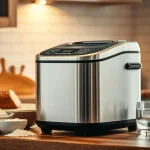
For many, the 1 lb bread maker is a solution to the "appliance graveyard" problem. A standard bread machine takes up roughly the same space as a large microwave. A 1 lb unit, however, usually has a footprint of about 8 by 11 inches.
This makes it small enough to stay on the counter without getting in the way.
If you prefer to store your appliances, the lightweight nature of these units is a major plus. Most weigh between 7 and 9 pounds. You can easily lift them to a high shelf or a deep pantry without straining your back.
This portability also makes them popular for camping trips or long-term stays in hotels.
Consider where the vent is located on the machine. Many compact models vent steam from the back or top. If you place the machine directly under low-hanging cabinets, the moisture could damage the wood over time.
Pull the machine forward during the baking cycle to give it plenty of breathing space.
Ingredient Order and the "Yeast Well" Technique
The order in which you add ingredients is a critical factor for a successful rise. Most manufacturers recommend adding liquids first, followed by dry ingredients, with yeast at the very top. This prevents the yeast from activating prematurely before the kneading cycle begins.
In a 1 lb pan, the "yeast well" technique is particularly useful. After adding your flour and smoothing the surface, use a spoon to make a small indentation in the center. Place your yeast inside this dry pocket.
This ensures it stays away from the salt and water until the paddle starts turning.
If you are using a delayed start timer, this method is non-negotiable. Salt is a natural yeast inhibitor. If the salt and yeast sit together in a damp environment for hours, your bread will fail to rise.
Keeping them separated ensures the chemical reaction only happens when the machine is ready.
Maintenance and Longevity of Small-Batch Motors
While compact, these machines house precise internal components that require specific care. The most common point of failure is the drive belt or the seal at the bottom of the bread pan. Our research into consumer feedback suggests that soaking the bread pan in water can eventually corrode the internal bearings.
To clean the pan, simply wipe the interior with a soft, damp cloth. Avoid abrasive sponges that could scratch the non-stick coating. If the kneading paddle is stuck, fill the pan with warm water and let it sit for ten minutes rather than prying it off with a tool.
Check the motor for signs of strain by listening to the machine during the first five minutes of kneading. A high-pitched squeal or a thumping sound usually means the dough ball is too dry. This places undue stress on the motor and can shorten the lifespan of your appliance significantly.
Frequently Asked Questions
Can I use a 1 lb machine just to make dough?
Yes, most compact models include a dedicated Dough or Manual setting. This cycle mixes and proofs the dough without baking it. It is an excellent way to prepare small batches of fresh pasta, dinner rolls, or individual pizza crusts.
Are these machines suitable for gluten-free bread?
Some models feature a specific gluten-free setting, which is vital because gluten-free dough does not require a second rise. Because these doughs are often heavier and stickier, a 1 lb machine can actually be more efficient at mixing them. The small pan forces the thick batter toward the paddle.
How do I prevent the paddle hole in a small loaf?
Since a 1 lb loaf is small, the hole left by the paddle can seem large. To avoid this, wait until the final rise cycle begins, which is usually signaled by beeps. Remove the dough with floured hands, take out the paddle, and place the dough back in the pan to finish baking.
Can I bake cakes or jams in a small bread maker?
Many units come with Cake and Jam settings. The constant stirring motion of the paddle is perfect for making small batches of preserves without standing over a stove. Just be careful not to exceed the fill line, as boiling jam can be extremely difficult to clean if it overflows.
Final Verdict: Small Machine or Traditional Oven?
The choice to use a 1 lb bread maker comes down to your desire for convenience versus your need for volume. If you value the "set it and forget it" nature of automated baking but only need a few slices a day, these compact units are unbeatable. They save energy and reduce waste significantly.
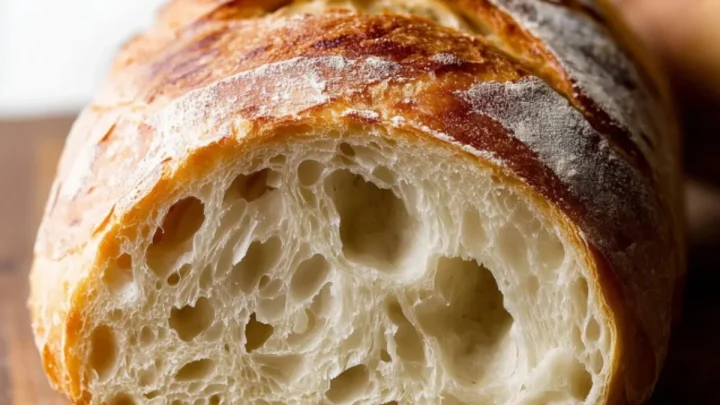
However, if you enjoy the process of shaping loaves or need to feed a large family, you might find the 1 lb limit frustrating. The vertical loaf shape is also a polarizing factor. It makes great toast, but it will never look like a rustic sourdough boule from a professional bakery.
For most apartment dwellers and small households, the 1 lb bread maker is the smartest way to enjoy high-quality bread without the footprint of a full-sized appliance. As of 2026, the technology in these mini-machines has caught up to their larger cousins, making them a reliable staple for any modern kitchen.

Similar Posts