The Right Proofing Basket for Whole Wheat Loaves
Whole-wheat dough is sticky, fragile, and full of bran. So what proofing basket for whole wheat loaf you should use isn't a luxury question. It's the difference between a beautiful open crumb and a deflated disk.
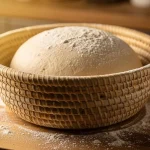
Whole-wheat dough behaves differently than white flour dough. Its bran particles cut through gluten strands, which makes it less elastic and more prone to sticking. In our research, a lined cane banneton dusted with rice flour gives the most reliable release, even at 75% hydration.
That's the setup we'll dig into first.
Quick Answer
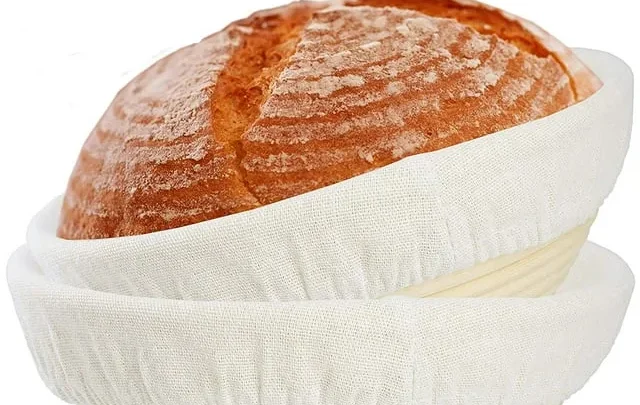
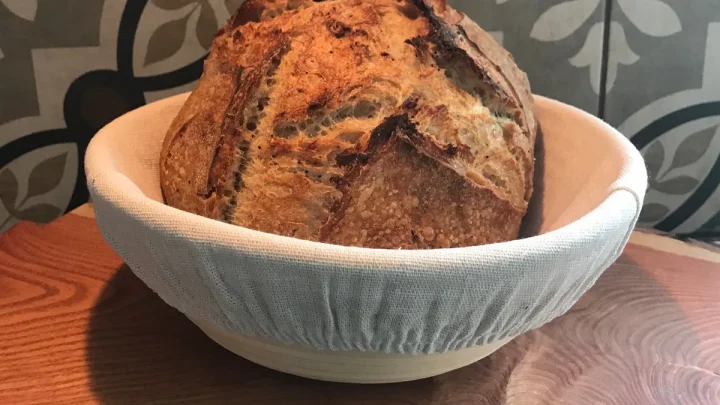
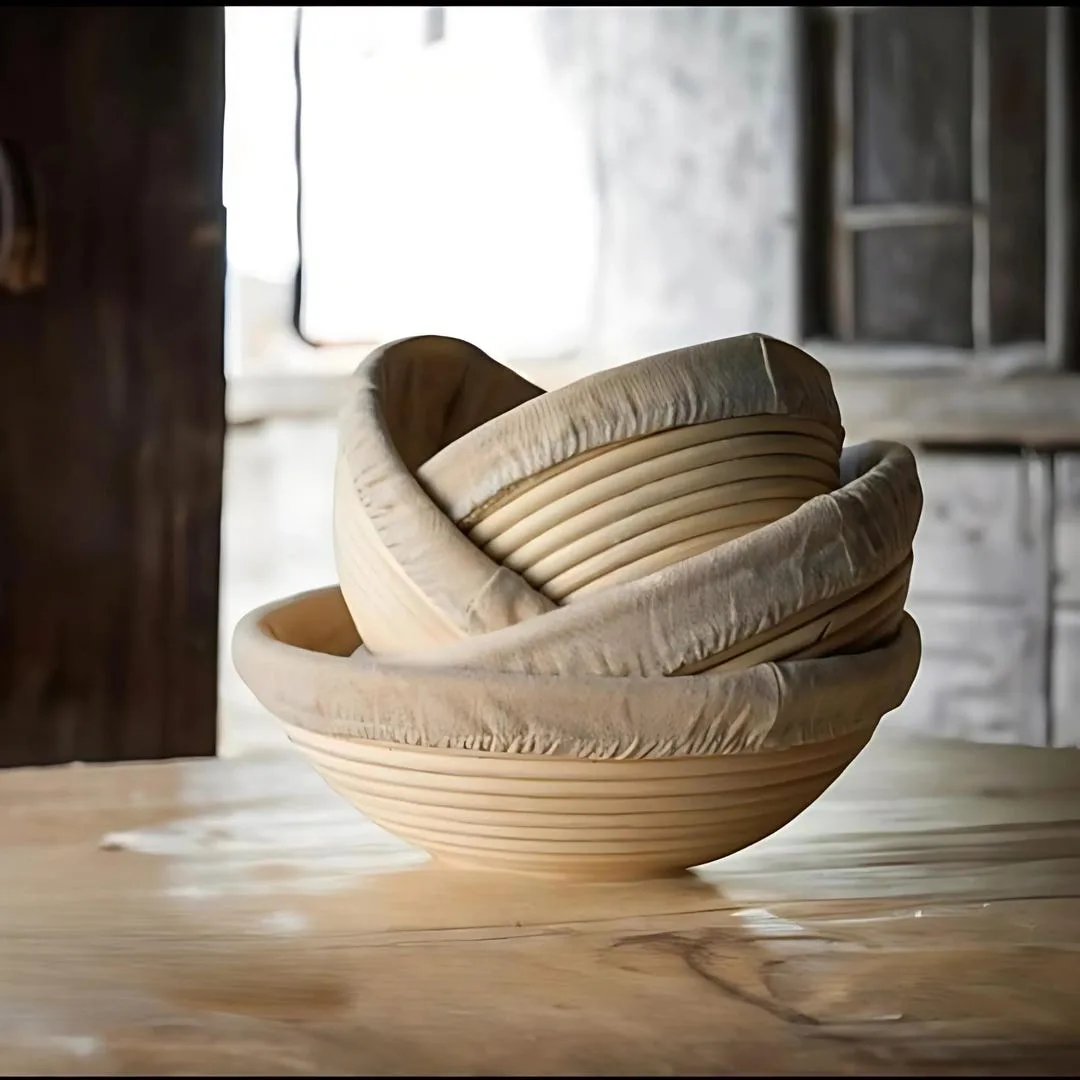
The best proofing basket for whole wheat loaf is a lined round banneton. Linen stops sticky dough from clinging. Use a 9-inch basket for a 1.5-pound loaf.
Dust with rice flour. Cold proof for 8 to 16 hours for a clean turn-out.
Why the Basket Matters for Whole-Wheat Dough
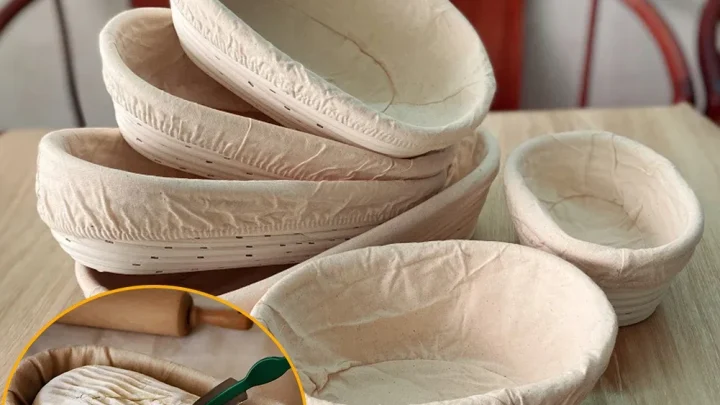
A proofing basket, often called a banneton, holds dough during its final rise. For white loaves, it's mostly a convenience. For whole-wheat loaves, it's nearly essential.
The Difference Between Whole-Wheat and White Flour Dough in Proofing
White flour dough has abundant gluten. That gluten forms long, elastic strands that trap gas and hold shape. Whole-wheat dough has the same gluten, but the bran acts like tiny knives.
Every time the dough moves, those bran particles cut the gluten strands.
Whole-wheat flour also absorbs more water than white flour because bran soaks up moisture. Many whole-wheat doughs sit at 70% to 80% hydration. That extra water makes the dough heavier and more prone to sticking.
That changes what the basket has to do. With white dough, the basket is mostly about shaping and pattern. With whole wheat, it's doing real structural work.
The USDA Agricultural Research Service publishes ongoing research on whole-wheat flour's effect on dough strength, and university extension programs like University of Minnesota Extension cover whole-grain dough handling in practical detail.
What Happens When You Use the Wrong Basket
Use the wrong basket and you'll spot it at turn-out. The dough sticks to the cane, you tug it loose, and the surface shreds. You lose the taut top.
The loaf comes out lopsided.
The more common failure is a basket that's too big. Whole-wheat dough doesn't have the strength to fill a large basket. It spreads to the edges, proofs too thin, and bakes into a flat, wide loaf.
A basket that's too small causes the other problem. The dough rises above the rim and over-proofs. When it bakes, it collapses.
Lined vs. Unlined: The First Big Decision
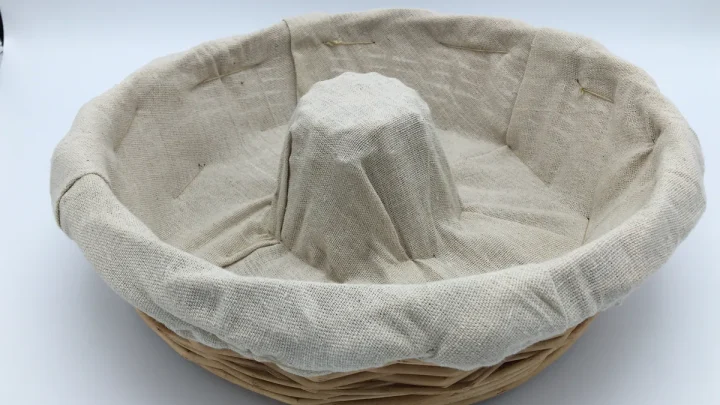
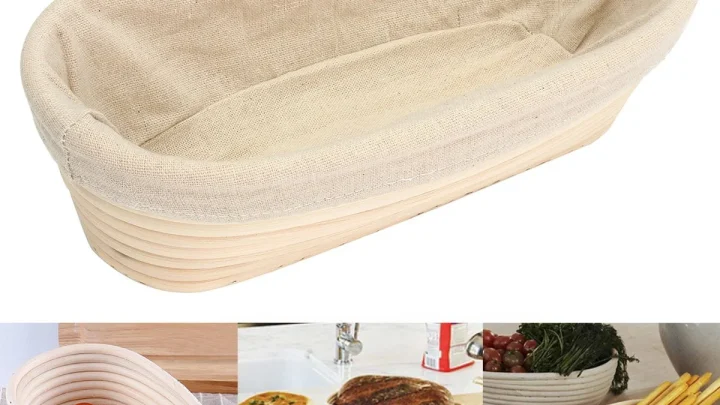
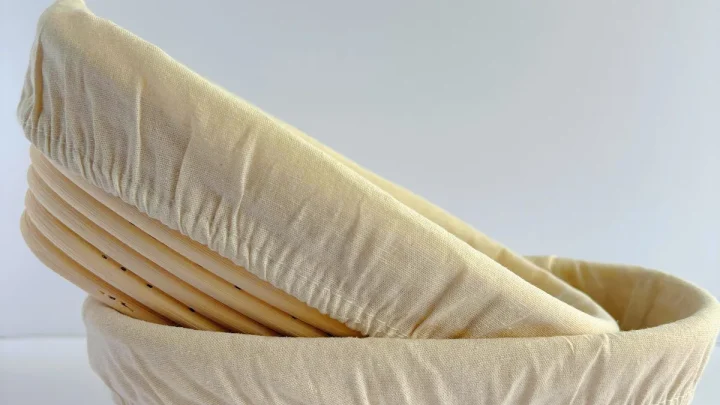
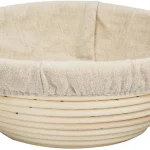
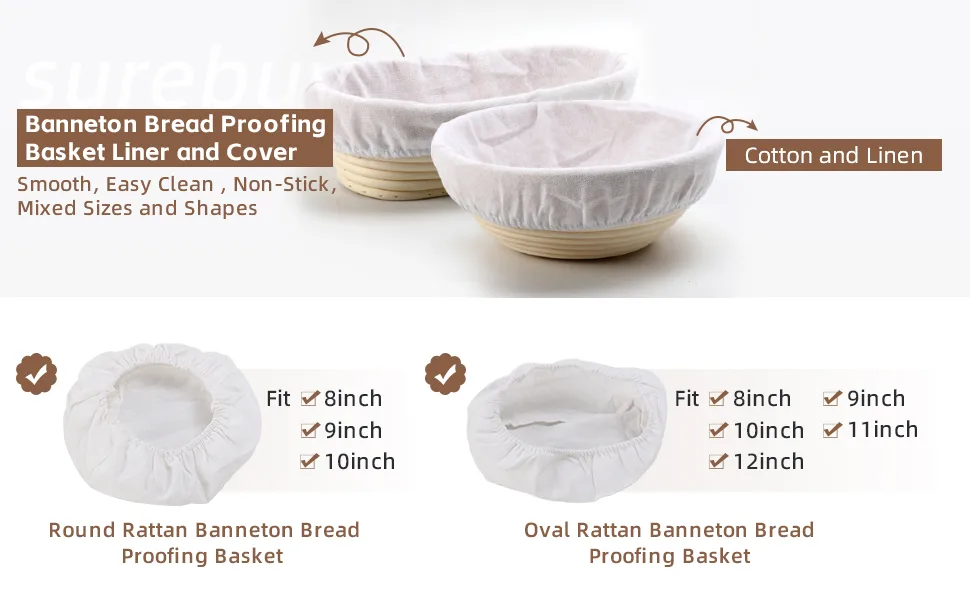
A lined basket is a cane frame with a fitted linen or cotton liner. The dough never touches the rattan. The fabric smooths out the surface, so no texture presses into the dough.
The dough slides out easily.
This is the safer choice for whole-wheat dough. The bran weakens the dough's structure. It also tends to be wetter.
A rough cane surface grabs at those weak points.
Linen-Lined Baskets for Sticky, High-Hydration Dough
Lined baskets are forgiving. The liner presses flat against the cane, creating a smooth surface. Sticky dough doesn't wedge into gaps or catch on rough edges.
The liner also absorbs surface moisture. That helps form a thin skin on the dough, which holds its shape and makes scoring easier. When you turn the loaf out, the cloth peels away instead of pulling at the dough.
Unlined Cane Baskets for Confident Shaping
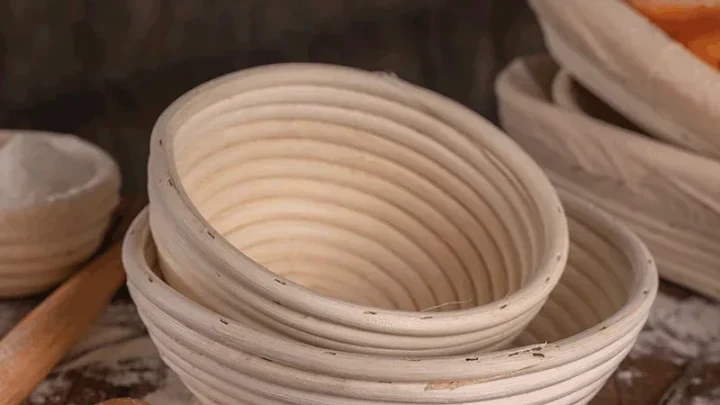
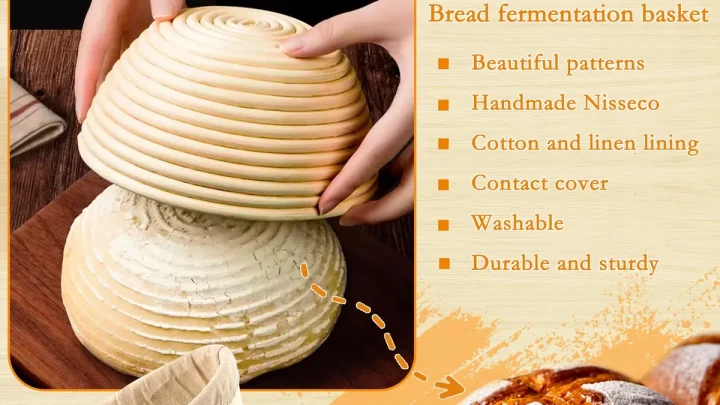
Unlined baskets are the classic banneton look. Natural rattan spirals leave a flour-dusted pattern on the crust. For white, sturdy dough they work great.
With whole-wheat dough, unlined baskets can still work. You just need a strong shape and lower hydration. Once the dough relaxes into the cane, it can wedge between the coils.
That's when you get sticking and tearing.
When Each One Wins
| Situation | Lined basket | Unlined basket |
|---|---|---|
| Hydration above 70% | Strong choice | Risky |
| Hydration 60-68% | Works fine | Works great |
| Classic spiral crust | No | Yes |
| Beginner bakers | Yes | Avoid |
| Cold overnight proof | Yes | Yes, with heavy dusting |
Basket Materials Compared: Cane, Wood Pulp, and Plastic
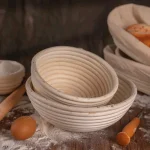
The material changes how the basket behaves. Cane and rattan breathe well. Wood pulp is smoother and lighter.
Plastic is easy to clean but traps moisture.
For whole-wheat dough, breathability matters a lot. The dough surface needs to dry slightly during proof. That's what prevents sticking and builds a better crust.
Rattan and Cane
Rattan is the classic choice. It wicks moisture away from the dough, helps form a light skin, and lasts for years. It's also the least forgiving if you forget to dust.
Whole-wheat dough can sink into the rough surface.
Wood Pulp and Paper Mâché
Wood pulp baskets are pressed and molded. They're cheaper, lighter, and smoother than rattan. That smoothness works well for whole wheat because there are no gaps for dough to grab.
The tradeoff is that they absorb more flour and moisture, so they wear out faster.
Plastic and Composite
Plastic baskets have a smooth, non-porous surface. They're easy to clean and store. But they don't wick moisture, so whole-wheat dough stays wet against the surface.
That makes it stickier. Use plastic only with a well-floured dough or a liner.
How Material Choice Affects Whole-Wheat Dough
The material controls two things: stickiness and moisture wicking. Cane pulls moisture away well. Wood pulp does a decent job.
Plastic pulls almost none.
For whole-wheat dough, prioritize moisture wicking. That pushes most bakers toward cane or wood pulp, with a liner whenever hydration climbs above 70%.
Round, Oval, or Something Else?
Shape matters less than lining and material, but it still affects your loaf. Round baskets are the default. Oval baskets give you sandwich-friendly slices.
Pick the shape that matches how you bake.
Boule Baskets (Round)
Round baskets support a freeform round loaf. Whole-wheat dough naturally spreads, so the round walls help hold it in a tidy circle. Most home bakers start here.
It's the easiest shape to handle for sticky dough.
Batard Baskets (Oval)
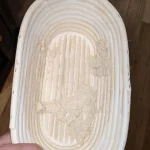
Oval baskets make batards, or elongated loaves. They're great for even slices and for fitting into an oval Dutch oven. Shaping an oval whole-wheat loaf takes a bit more care.
The dough needs to be sealed well or it will sag in the middle.
Which Shape Suits a Whole-Wheat Loaf Best
Round for beginners. It's simpler to shape, easier to dust, and more forgiving at turn-out. Oval if you want uniform sandwich slices or bake in an oval Dutch oven.
Both work with whole wheat. Choose based on your current bake.
Basket Sizing and Dough Weight: Matching Them Correctly
Getting the size right matters as much as the lining. A basket that's too big lets whole-wheat dough slump into a flat disc. A basket that's too small forces the dough to balloon above the rim.
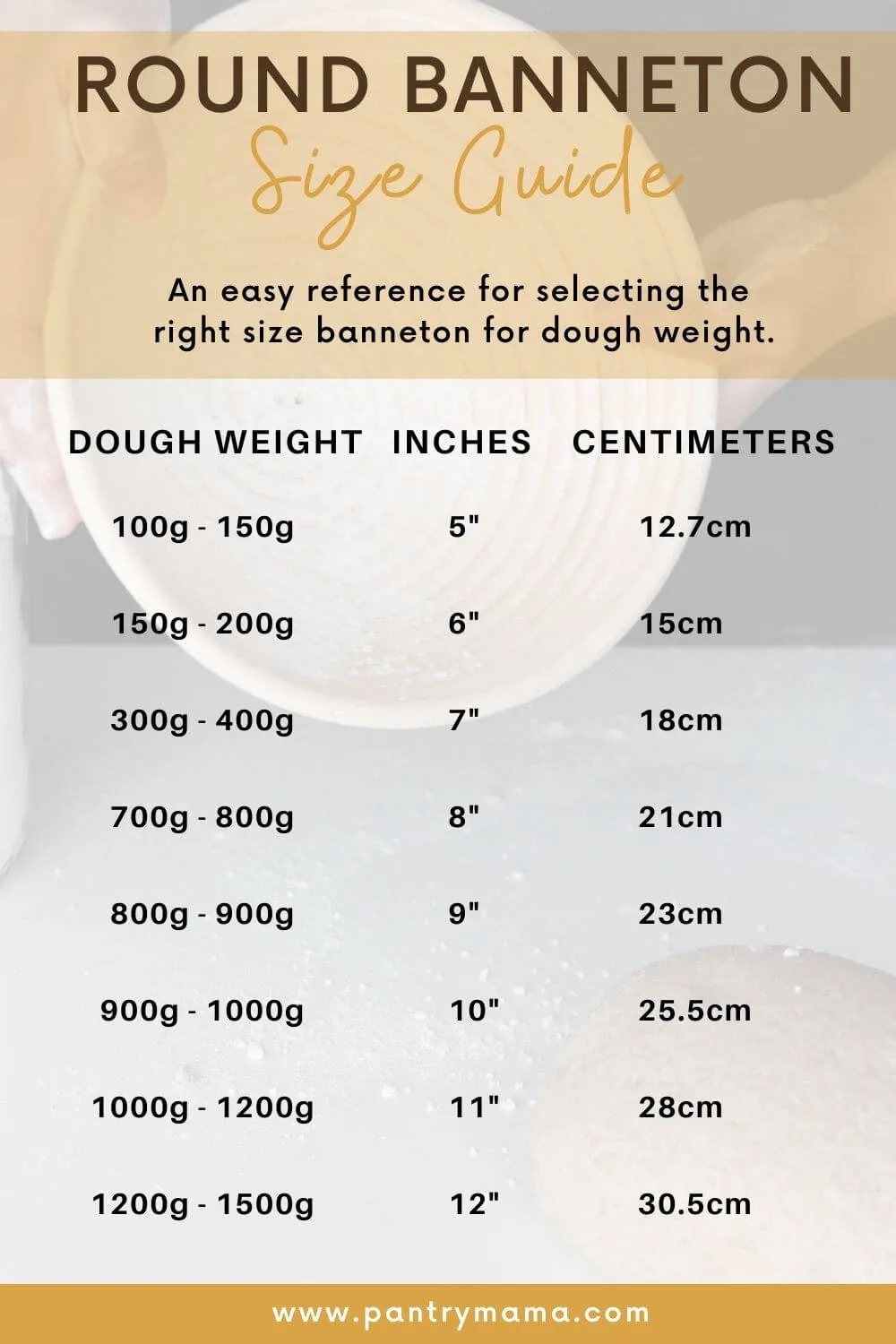
Size Guide by Dough Weight
The table below is based on typical home baker portions.
| Dough weight | Round basket diameter | Oval basket size |
|---|---|---|
| 1 lb (450 g) | 8 inches | 10 inches |
| 1.5 lb (680 g) | 9 inches | 10-12 inches |
| 2 lb (900 g) | 10-12 inches | 12 inches |
Check your basket's actual interior width. Some baskets taper inward at the base. What matters is the opening at the top.
Why Oversized Baskets Ruin Whole-Wheat Loaves
Whole-wheat dough has less structural strength than white dough. Drop that dough into a cavernous basket and it spreads to fill the space. The result is a wide, shallow loaf that bakes flat.
Small Baskets and the Over-Proofing Pitfall
A small basket has its own dangers. The dough rises above the rim, but the unsupported section can expand too quickly. That leads to over-proofing at the top while the base stays dense.
If your dough reaches the rim sooner than expected, shape it into a tighter ball. Or switch to a basket that gives it room to double.
Pros and Cons at a Glance
Here's a fast reference when you're deciding between options.
Lined vs. Unlined — Side-by-Side
| Factor | Lined | Unlined |
|---|---|---|
| Stickiness | Low, dough slides out | High with whole wheat |
| Crust pattern | Smooth | Spiral marks |
| Care | Liner must be fully dried | Careful brushing |
| Best for | High-hydration whole wheat | Low-hydration or white dough |
| Price | Slightly higher | Lower |
Cane vs. Wood Pulp vs. Plastic — Side-by-Side
| Factor | Cane | Wood pulp | Plastic |
|---|---|---|---|
| Breathability | Excellent | Good | Poor |
| Durability | Long-lasting | Moderate | Very long |
| Cost | Mid-range | Budget | Budget |
| Stickiness | Moderate | Low | High |
| Best for | Classic bakers | Beginner bakers | Travel or storage |
Cost, Durability, and Stickiness Ratings
Cane baskets with liners cost a bit more, but they're the best overall value for whole-wheat bakers. Wood pulp baskets are great for starters, but they absorb flour and wear faster. Plastic baskets rarely need replacing, but they turn sticky dough into a mess.
How to Prep a Whole-Wheat Dough Basket (Step by Step)
Preparation is where whole-wheat loaves are won or lost. The basket can't save you if it's dry, dusty, or holding yesterday's flour. Follow this order every time.
Dusting Properly — Why Rice Flour Beats White Flour
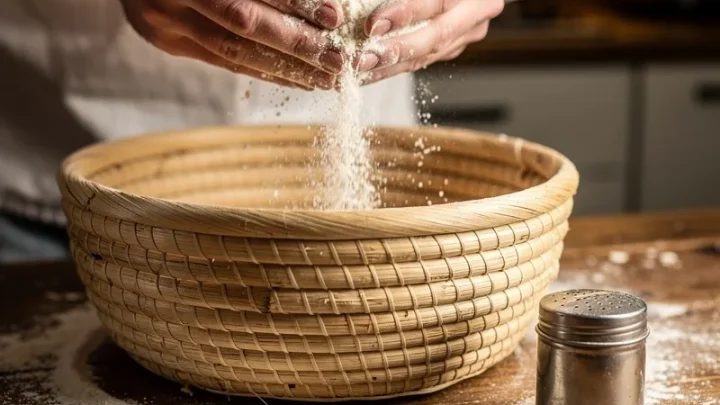
Rice flour stays dry. Wheat flour gets hydrated by the dough's surface moisture and turns into a sticky paste. That paste locks the dough to the liner.
So use fine rice flour, never all-purpose.
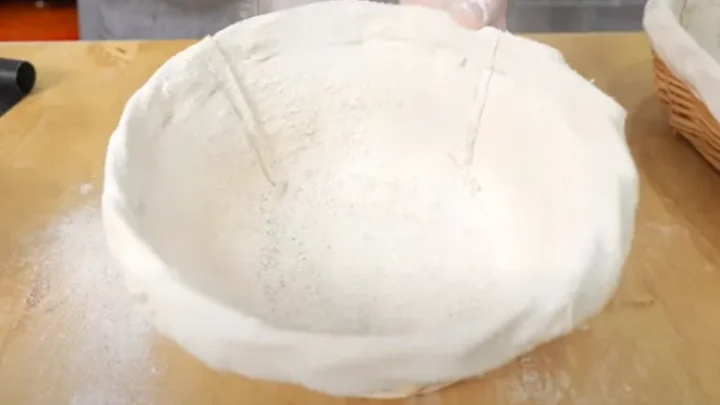
Sprinkle a generous, even layer over the liner. Shake the basket so the flour coats all surfaces. Then tap out the excess.
You want a thin, dry barrier, not a snowbank.
Shaping and Placing the Dough Seam-Side Up
Shape your whole-wheat dough into a tight ball or batard. Pinch the seam closed so it won't burst during proofing. Place the dough into the dusted basket seam-side up.
That way, when you turn it out, the seam lands on the bottom and the smooth top faces up for scoring.
If you're cold proofing, cover the basket with a shower cap or plastic bag. Never let the dough's surface dry out entirely or the crust will thicken.
Cold Proofing vs. Room-Temperature Proofing
Room-temperature proofing works, but whole wheat moves fast. At 75°F, a small loaf might be ready in one to two hours. Cold proofing is more forgiving.
The dough firms up, becomes less sticky, and turns out cleaner.
The cold also slows fermentation down. That develops more flavor while giving you a wider window to bake. Cold proofing for 8 to 16 hours is the best routine for whole-wheat loaves.
Turning Out Without Tearing the Dough
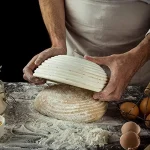
Place a sheet of parchment paper over the basket. Put one hand gently on top, then flip quickly. The dough should drop out on its own.
Don't pull on it.
If the dough sticks, stop and press lightly around the basket's sides. Most tears happen when bakers yank a half-release loaf. Let gravity do the work.
Common Basket Mistakes That Wreck Whole-Wheat Loaves
The most common failures in baker forums and verified product reviews come down to a few habits. Here's what to avoid.
Over-Dusting and Under-Dusting
Over-dusting leaves a thick white coating on the crust. It bakes into an unappealing, chalky layer. Under-dusting leaves your dough glued to the liner.
Use a moderate, even dusting and accept that some flour on the crust is normal.
Using a Basket That's Too Big (or Too Small)
Whole-wheat dough needs the basket walls to hold it upright. If the dough spreads because the basket is too big, the proofing time doubles and the loaf collapses. If it's too small, the dough squishes against the rim.
Ignoring Dough Hydration Before Choosing a Basket
Hydration is the single biggest factor in basket choice. Under 68% hydration, an unlined basket works fine. Above 70%, use a lined basket and rice flour.
At 80% and beyond, you need extra care or the dough will weld to any surface.
Cleaning the Basket the Wrong Way
Never submerge a cane or wood pulp basket in water. Soaking breaks down the fibers and opens cracks. Instead, brush out flour after each use and let it air dry.
Plastic baskets can be wiped with a damp cloth, but make sure they're fully dry before storing.
Pricing and Long-Term Care: What You're Really Paying For
A good basket isn't a fancy expense. It's a tool that lasts for years. The price difference between a cheap and mid-range basket shows up in durability and release.
Realistic Budgets for Good Baskets
As of 2026, most home bakers can expect to spend $10 to $30. A plain wood pulp basket starts around $8. A cane banneton with a removable linen liner costs $20 to $35.
Custom or artisan baskets can go higher, but you're paying for aesthetics, not function.
How Long a Basket Should Last
Lined cane baskets, with proper care, easily last five to ten years. The liner may need replacement every couple of years. Wood pulp baskets often break down within a year or two.
Plastic baskets last indefinitely, but you'll trade off dough quality.
Cleaning, Drying, and Preventing Mold
Always clean your basket while it's empty. Brush out dry flour after every bake. If the liner is removable, wash it on a gentle cycle and air dry.
Never store a basket that's even slightly damp.
Mold is the only real dealbreaker. Whole-wheat flour retains more moisture than white flour, so the risk is slightly higher. If you see pink, black, or green spots, discard the basket.
There's no safe fix.
Best Basket for Your Baking Style
Your routine decides the right basket. Match the basket to how you bake.
- Beginners: a lined 9-inch round banneton. It forgives mistakes and releases clean.
- High-hydration bakers: a lined cane basket with rice flour. That combo handles 75% hydration without sticking.
- Low-hydration bakers: an unlined wood pulp basket. It's cheaper and leaves a nice pattern.
- Sourdough purists: a lined batard for cold fermentation. The oval shape suits longer slack doughs.
Frequently Asked Questions
Can I Use a Regular Bowl and a Tea Towel Instead?
Yes, but the towel wrinkles and holds moisture. A basket gives consistent shape and airflow. If you're just starting out, a bowl works for one bake.
For a reliable whole-wheat loaf, use a real basket.
Do I Really Need a Liner for Whole-Wheat Dough?
Above 70% hydration, yes. Below that, a well-floured unlined basket works. The liner is your insurance against sticky dough.
It's the difference between a clean turn-out and a torn loaf.
How Much Flour Should I Put in the Basket?
Enough to coat the liner evenly. Shake the basket to distribute it, then tap out the excess. A thin, even barrier is all you need.
Rice flour works best because it stays dry.
Is a Plastic Proofing Basket Worth It?
Only for travel or storage. It traps moisture and makes dough stick. For whole-wheat dough, breathability matters too much to give up.
Final Recommendation: My Straight Answer
Buy a 9-inch lined round banneton. That's the starting point for most whole-wheat bakers. Pair it with rice flour and cold proofing for reliable turn-out.
Upgrade to an oval basket only if you bake sandwich-style loaves.

Similar Posts