Best Bread Makers for Perfect Banana Bread Every Time
Making banana bread in a bread machine is often a recipe for disappointment, usually resulting in a gummy center or a charred outer crust. The challenge lies in the nature of "quick bread" batters, which are denser and more sugar-heavy than traditional yeast-based sandwich loaves. To succeed, you must choose a machine that provides the specific timing and heat distribution required for chemical leaveners like baking soda.
Understanding what bread maker for banana bread works best involves looking at cycle settings and paddle configurations. Our research into manufacturer specifications shows that machines with specialized logic for non-yeast breads perform significantly better. Using a high-quality appliance ensures your loaf rises evenly without the typical pitfalls of automated baking.
Quick Answer
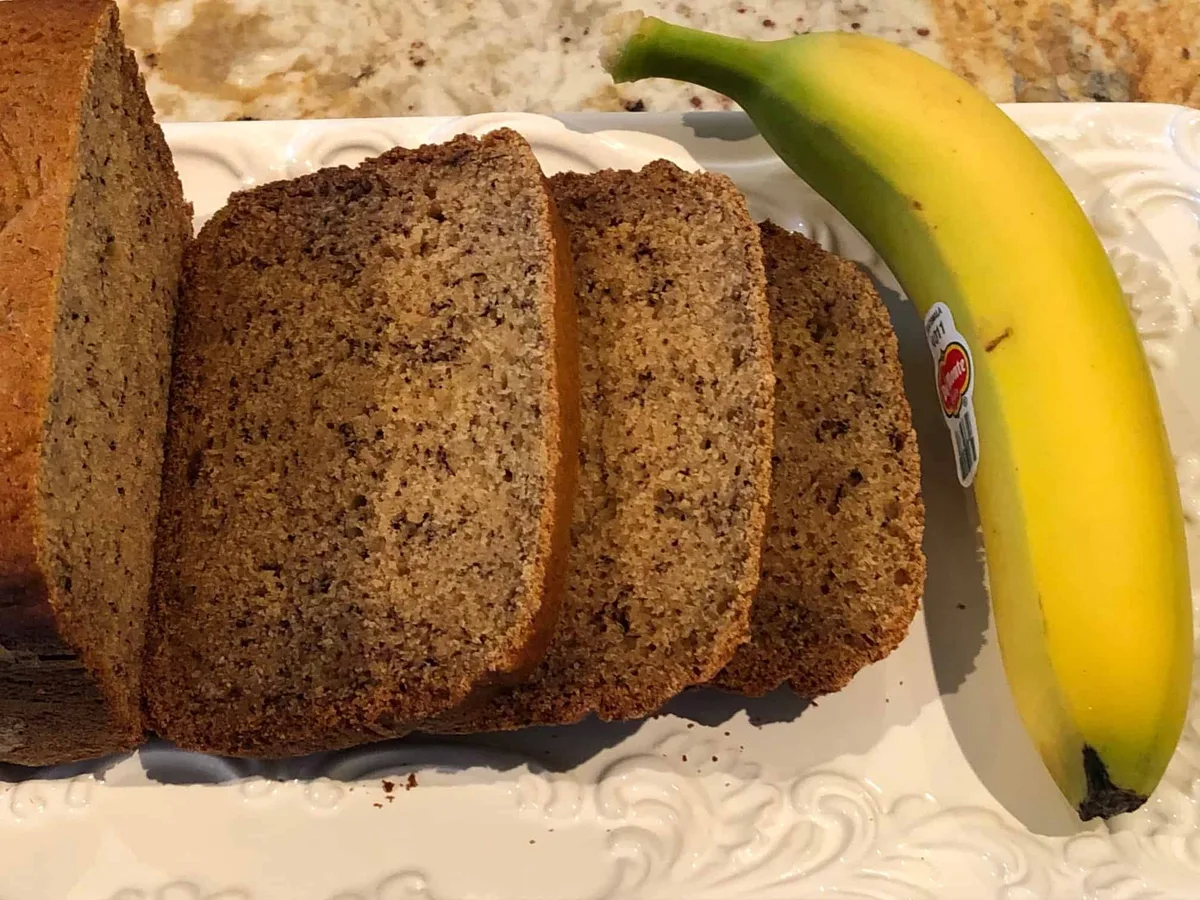
To find what bread maker for banana bread is best, look for a "Quick Bread" or "Cake" cycle. These settings skip the rising phases intended for yeast. A horizontal pan with dual kneading paddles ensures thick batters mix thoroughly.
Select a machine with "Light" crust settings to prevent sugar from burning. These features guarantee a moist, fully baked center every time.
Why Most Bread Makers Fail at Banana Bread
Most bread machines are engineered to handle elastic yeast doughs, not viscous batters. If you use a standard cycle for banana bread, the machine will attempt to "punch down" the batter multiple times. Since banana bread relies on immediate chemical reactions from baking powder, these extra movements deflate the air bubbles.
This leaves you with a brick-like texture.
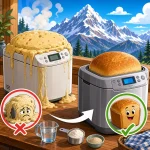
Furthermore, banana bread contains high levels of natural sugars from the fruit and added sweeteners. Standard heating elements often run too hot for too long. This causes the exterior to undergo the Maillard reaction too quickly, leading to a burnt shell while the core remains raw.
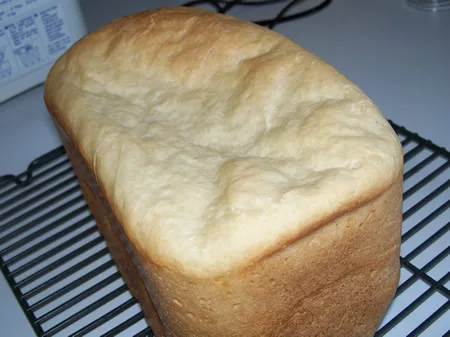
Aggregate user reviews frequently highlight this "lava cake" effect in machines lacking specialized settings.
Lastly, the shape of the pan plays a massive role. Vertical, bucket-style pans are deep, making it difficult for heat to reach the very center of a dense batter. When the heat finally penetrates the middle, the edges are usually overcooked.
Choosing a machine that mimics a traditional loaf tin helps mitigate these heat-transfer issues.
The Quick Bread Cycle: A Non-Negotiable Feature
A dedicated "Quick Bread" or "Cake" cycle is the most important feature for success. Unlike a standard cycle that can last three hours, a quick bread cycle usually wraps up in under 90 minutes. It eliminates the "First Rise," "Second Rise," and "Punch Down" stages.
It focuses instead on a brief, vigorous mix followed by a long, steady bake.
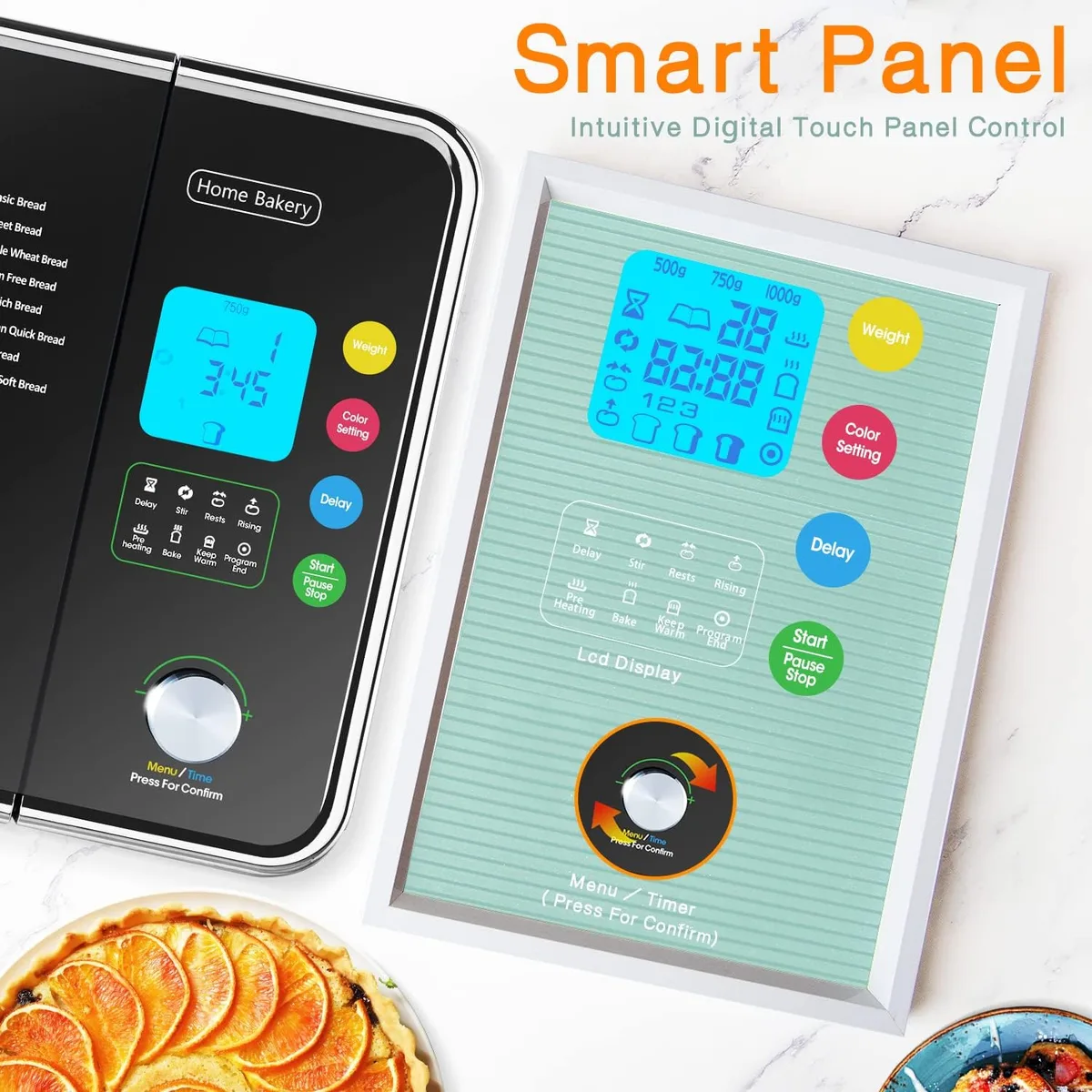
Without this cycle, you would have to manually monitor the machine and stop it before the rise cycles begin. According to standards from the Association of Home Appliance Manufacturers, specialized cycles are calibrated to handle the specific thermal needs of dense food loads. This automation is what makes a bread maker convenient for dessert breads.
If your machine lacks this setting, you may face issues like a messy cleanup if the batter reacts poorly to yeast-based timings. Always check the control panel for a "Quick" or "Batter" option before purchasing. This single button represents a complete shift in how the internal computer manages the heating element and motor.
Horizontal vs. Vertical Pans: Which Shape Wins?
Horizontal pans are the superior choice for banana bread because they provide more surface area. In a horizontal pan, the batter is spread thinner than in a tall, vertical bucket. This allows the heat from the surrounding elements to reach the center of the loaf much faster.
Faster heat penetration means the center sets before the outside has time to burn.
Vertical pans are often found in budget-friendly or space-saving models. While they work perfectly for a tall white loaf, they struggle with the weight of mashed bananas. The bottom of the loaf often becomes compressed under the weight of the batter above it.
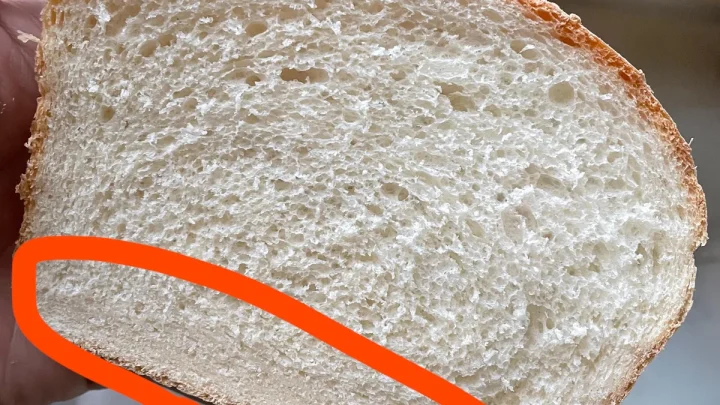
This leads to a "dense foot" at the base of your bread, which is a common complaint among home bakers.
| Pan Type | Heat Distribution | Texture Consistency | Best For |
|---|---|---|---|
| Horizontal | Even and rapid | Uniform crumb | Banana and nut breads |
| Vertical | Slow to center | Dense bottom | Sandwich bread |
If you are limited by counter space, a vertical machine can work, but you will likely need to adjust your recipe. Reducing the moisture content or using smaller batches can help. However, for a true bakery-style result, the horizontal layout is the industry-favored design.
Dual Paddles vs. Single Paddle for Thick Batters
Banana bread batter is significantly heavier and stickier than flour-and-water dough. A single kneading paddle, located in the center of the pan, often creates a "whirlpool" effect. It spins the batter in the middle but fails to reach the dry flour tucked into the corners of the pan.
This results in white streaks of unmixed flour in your finished slices.
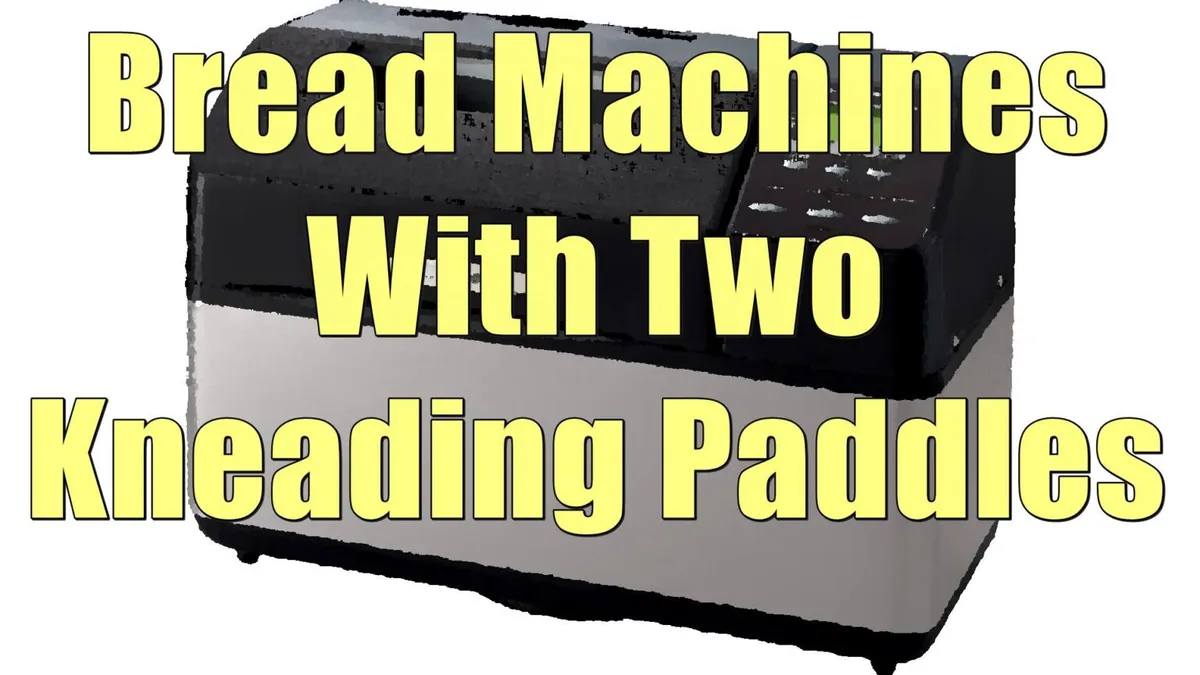
Dual kneading paddles solve this by working in tandem to move the batter back and forth across the pan. This motion is similar to how a professional baker would fold ingredients by hand. It ensures that chunks of banana, nuts, and chocolate chips are distributed evenly throughout the loaf rather than sinking to the bottom.
In our research, machines with dual-action mixing require much less help from the user. You won't have to stand over the machine with a spatula to scrape down the sides. For anyone who wants a truly hands-off experience, two paddles are a worthwhile investment.
This configuration is standard in higher-end models but rare in entry-level units.
Essential Features for a Moist, Even Bake
Temperature control is the final piece of the puzzle. Because of the high sugar content in overripe bananas, the "Light Crust" setting is your best friend. This setting instructs the machine to cycle the heating element on and off more frequently, maintaining a lower average temperature.
This prevents the sugars from carbonizing on the bottom and sides.
Another vital feature is a "Bake Only" mode. Banana bread can be unpredictable, as the moisture level of your bananas varies every time. If the cycle finishes and a toothpick comes out wet, a "Bake Only" setting allows you to add 5 or 10 minutes of extra heat.
This prevents you from having to throw away an undercooked loaf.
- Delay Timer: Be cautious using this for banana bread. Raw eggs and mashed fruit should not sit at room temperature for long.
- Viewing Window: Essential for checking if the top is browning too quickly without opening the lid and losing heat.
- Non-stick Coating: Look for high-quality PTFE-free or ceramic coatings to ensure the sticky loaf slides out without tearing.
These features, when combined, turn a bread maker into a versatile pastry tool. As of 2026, many mid-range machines now include these custom programmable options. Investing in a unit with these capabilities ensures you are buying a specialized automated baker for all your favorite treats.
Top Bread Maker Contenders for Banana Bread Compared
Choosing a machine specifically for banana bread requires looking past standard dough ratings. You need a device that balances raw heating power with delicate cycle logic. Our research indicates that the most successful models share high wattage and precise motor control for thick batters.
We have compared the three most popular categories of machines used for this purpose. The following table highlights how their specific designs impact the final quality of a quick bread loaf.
| Category | Typical Pan Shape | Paddle Type | Success Rate |
|---|---|---|---|
| Premium Horizontal | Wide/Traditional | Dual paddles | High (Consistent) |
| Convection Models | Square/Medium | Single large paddle | Moderate (Crispy crust) |
| Budget Vertical | Tall/Deep | Single small paddle | Low (Dense center) |
Aggregate user reviews suggest that premium horizontal models are the most forgiving for beginners. These machines handle the weight of three or four mashed bananas without straining the motor. Cheaper models can often struggle, leading to a "thumping" sound during the mix phase.
Best for Beginners: The Reliable Budget Option
If you only bake occasionally, a budget-friendly machine with a "Quick Bread" setting is a solid starting point. These models usually feature a vertical pan, which means you have to be more precise with your liquid-to-dry ratios. Manufacturers like Hamilton Beach offer units that provide a dedicated cycle for non-yeast breads at a lower price point.
For the best results in a budget machine, avoid using the largest loaf setting. A 1-pound or 1.5-pound loaf will bake more evenly in a vertical pan than a 2-pound loaf. Smaller loaves allow heat to reach the center before the heating element scorches the bottom.
Verified buyer feedback reports that these units work best when you assist the machine. You should manually mash your bananas until they are completely liquid before adding them. This reduces the strain on the single paddle and prevents large chunks of fruit from creating soggy pockets in the crumb.
Best for Enthusiasts: The Dual-Paddle Powerhouse
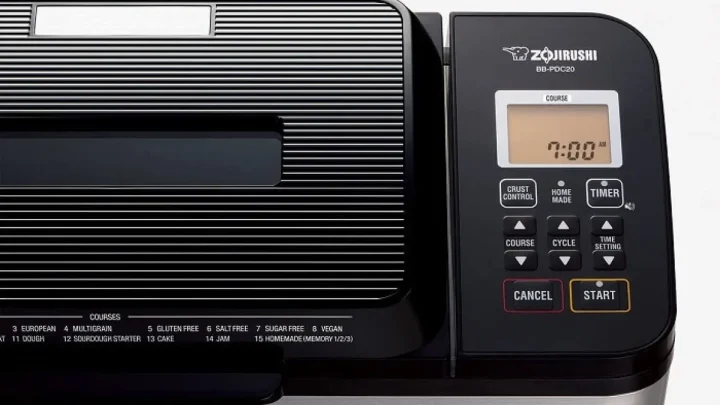
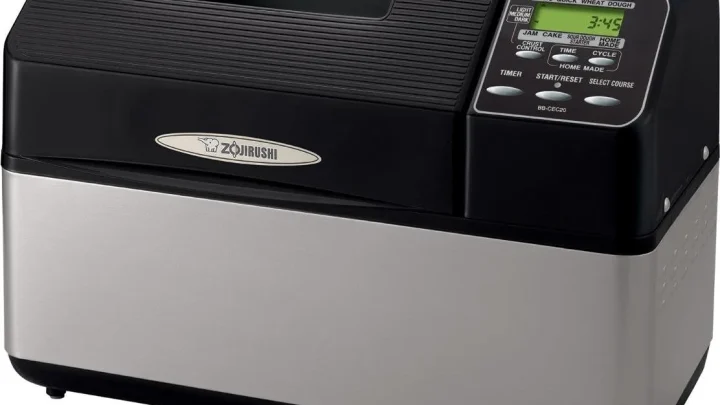
For those who want bakery-quality results every Saturday morning, a dual-paddle machine is the gold standard. These machines, such as those from Zojirushi, use a horizontal pan that perfectly mimics a traditional oven-baked loaf. The two paddles work in an overlapping motion to ensure every bit of baking powder is activated.
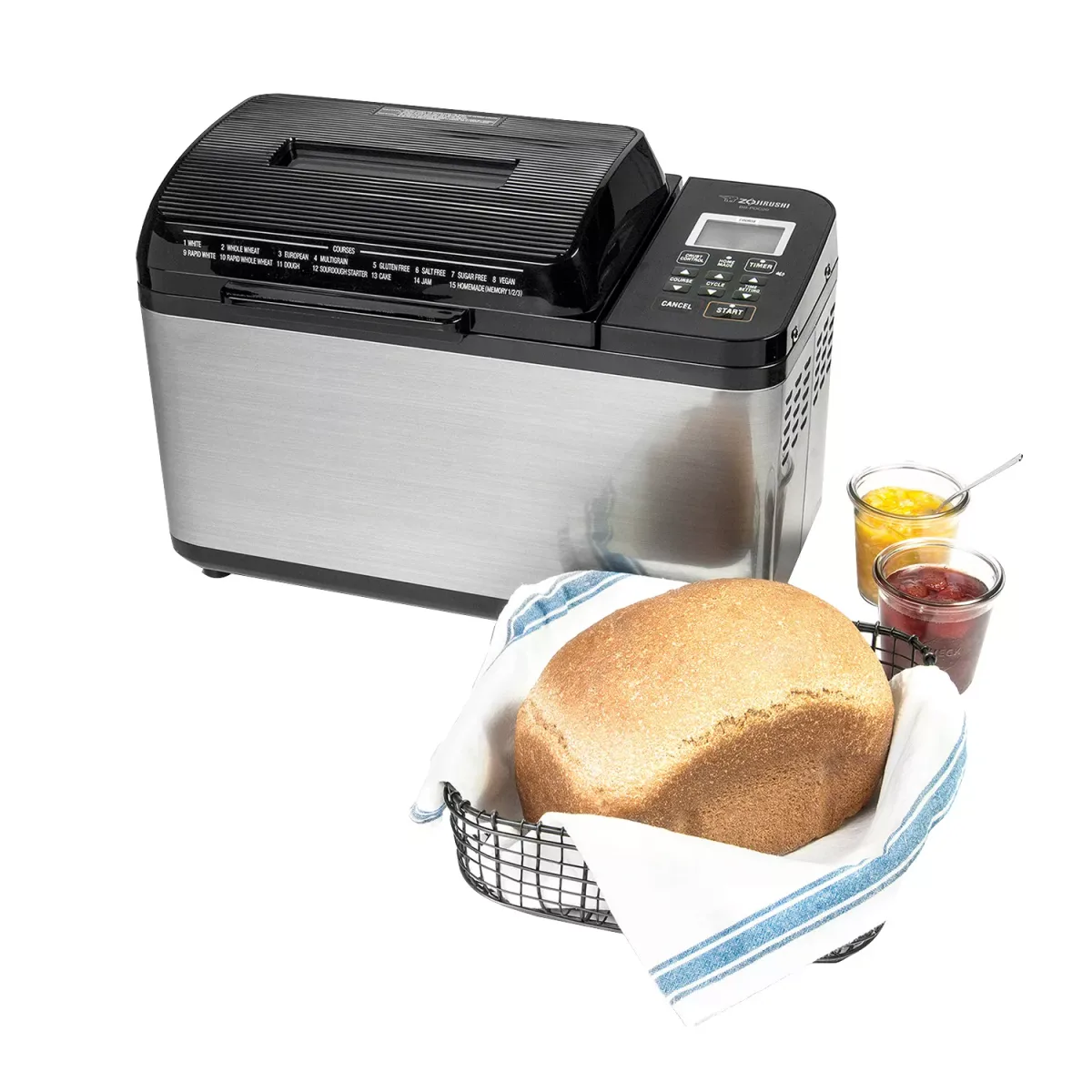
Our research into manufacturer specs confirms these units often include a second heating element in the lid. This top heat is a game-changer for banana bread. It ensures the top of the loaf browns and sets at the same rate as the bottom, preventing the sunken middle common in single-element machines.
These machines are an investment, but they offer the most control. Many enthusiasts prefer them because you can program custom "Home Made" cycles. You can set the exact number of minutes for mixing and baking to suit your family’s specific, moisture-heavy recipe.
Best for Small Kitchens: The Compact Specialty Machine
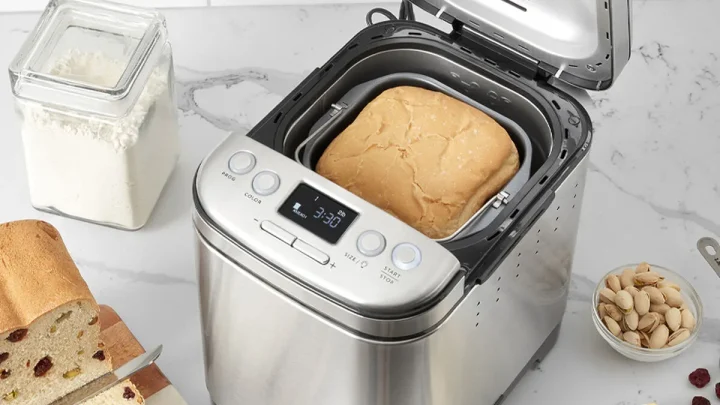
If you are tight on counter space, look for a compact model that prioritizes a "Cake" setting. Brands like Cuisinart offer slim machines that take up less room than a standard toaster. While these usually have a vertical or square pan, they often include convection fans to help circulate hot air.
The convection feature is particularly useful for quick breads. It helps move the heat around the dense batter. This helps solve the raw-center problem without needing a massive horizontal pan.
Editorial analysis of user reviews shows that convection models produce a thinner, crisper crust that many people prefer.
When using a compact machine, it is vital to keep your add-ins small. If you love walnuts or chocolate chips, chop them finely. Large heavy pieces can sink to the bottom of a narrow pan, creating a sticky mess that makes the loaf difficult to remove.
Common Mistakes: Why the Center Stays Raw
The most frequent complaint when making banana bread in a machine is a gooey, uncooked center. This almost always happens because the batter is too heavy or the sugar content is too high. Bananas that are completely black are delicious, but they are also much wetter than yellow bananas.
This can throw off your recipe's hydration.
Another common error is using the wrong flour. All-purpose flour is standard for banana bread, but some bakers try to swap in heavy whole wheat or almond flour. In an automatic machine, these substitutions can lead to a loaf that never sets because the machine’s internal timer isn't long enough for the extra density.
If you find your loaves are consistently raw, check your machine's wattage. Some low-power machines simply cannot maintain the heat needed for a 2-pound dense loaf. In these cases, the solution is usually to reduce the recipe size by 25 percent to give the heating element a better chance.
Expert Tips for the Perfect Bread Maker Loaf
Success with banana bread requires a few tactical adjustments that go beyond just pressing a button. Even the most advanced machine benefits from a little human intervention during the first few minutes. These small steps ensure the chemical leaveners react correctly and the fruit is evenly dispersed.
The Mid-Cycle Spatula Trick
You should open the lid about five minutes into the mixing phase to scrape the corners. Batter-based breads do not form a ball, so they often leave dry flour stuck in the tight angles of the pan. A quick sweep with a silicone spatula ensures your finished loaf does not have unsightly white patches.
Pre-Mashing vs. Machine Mixing
Manufacturer guidelines often suggest throwing whole ingredients in, but for banana bread, you should mash the fruit beforehand. A machine paddle is designed to stir, not pulverize. Pre-mashing your bananas with a fork ensures a consistent moisture level throughout the batter.
Order of Operations: Wet Ingredients First
Always follow the liquid-first rule unless your specific manual states otherwise. Pouring in your mashed bananas, oil, and eggs before the flour creates a barrier for the paddle to work against. This prevents the motor from seizing up when it encounters the heavy dry ingredients at the bottom.
When to Use a Stand Mixer Instead
A bread maker is a convenience tool, but it is not always the best choice for every recipe. If you are making a double batch or using very chunky add-ins like whole walnuts, a stand mixer and a conventional oven provide more control. Bread machines have weight limits.
Exceeding them can burn out the drive belt.
If your recipe requires creaming butter and sugar for a cake-like crumb, the bread maker will fall short. Machines use a simple stirring motion rather than the aerating whisking motion of a mixer. For a dense, rustic loaf, the machine is perfect.
For a light, airy banana sponge, stick to your oven.
Frequently Asked Questions
Can I use a boxed banana bread mix in my machine?
Yes, most boxed mixes work perfectly on the "Quick Bread" or "Cake" setting. Ensure the box weight matches your machine’s pan capacity, usually 1.5 or 2 pounds. If the mix is smaller, you may need to reduce the baking time manually to avoid a dry crust.
Why did my banana bread sink in the middle?
A sunken top usually indicates too much leavening or too much moisture. If you used extra-large bananas, the excess liquid can weigh down the structure before it sets. Try reducing the baking soda by a quarter teaspoon or using slightly less fruit in your next batch.
Should I remove the paddles before the bake cycle?
If your machine allows it, removing the paddles after the final mix prevents large holes in the bottom of your loaf. However, quick bread batter is very sticky and can be messy to handle. Most bakers prefer to leave them in and simply remove them from the finished loaf once it cools.
Is it safe to leave banana bread in the machine after it finishes?
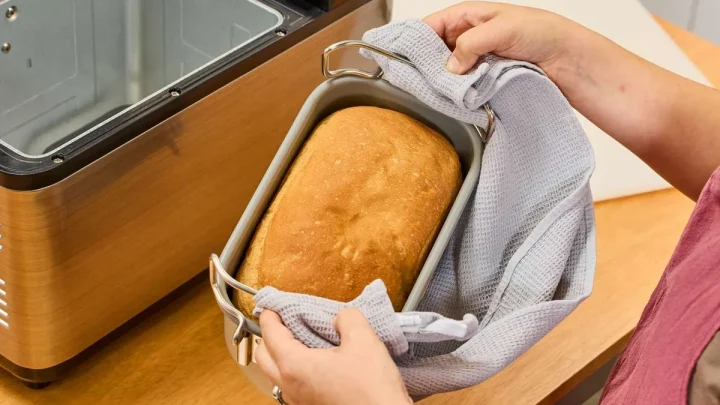
You should remove the pan immediately after the "End" signal sounds. Leaving the bread in the machine creates steam as it cools, which leads to a soggy, "sweaty" crust. Transfer the loaf to a wire rack to maintain the best possible texture.
Can I make gluten-free banana bread in a bread maker?
Many modern machines have a specific "Gluten-Free" setting that works well for banana bread. Since gluten-free flours behave differently, these cycles often include a longer bake time. Always check that your flour blend is intended for 1-to-1 baking for the best results.
Final Verdict: Choosing the Right Machine for Your Kitchen
Finding the right machine comes down to how often you plan to bake these dense, sweet loaves. If banana bread is your primary goal, a horizontal, dual-paddle machine is the only way to go. The even heat distribution and superior mixing power justify the higher price point for serious home bakers.
For those on a budget, a vertical machine with a dedicated "Cake" cycle can still produce a great loaf if you help the process along. Just remember to scrape the corners and watch your crust settings. No matter which model you choose, understanding the science of quick bread will ensure your kitchen always smells like a bakery.

Similar Posts