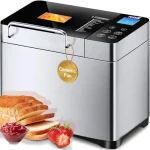
Why Choose a Stainless Steel Bread Maker? Everything to Know
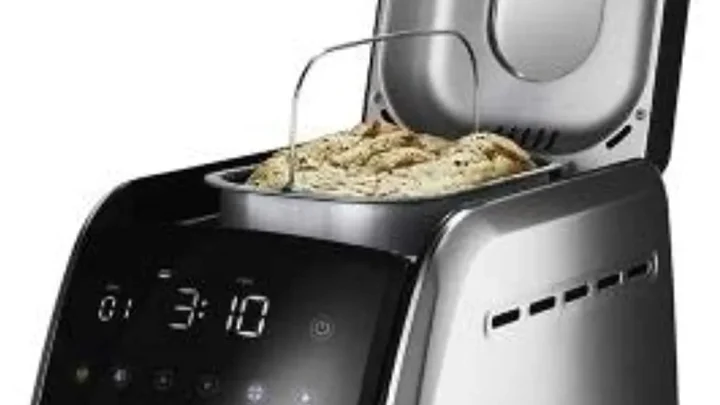
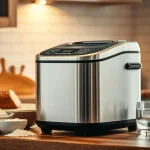
Finding the right appliance often feels like a balancing act between style and substance. If you have been looking for a way to upgrade your kitchen, you have likely seen a stainless steel bread maker explained as the gold standard for modern baking. These machines promise a sleek look that matches other high-end appliances while offering a level of durability that cheaper plastic models simply cannot touch.
Our research into manufacturer specifications for 2026 shows that the term "stainless steel" covers a wide range of build qualities. Some units only use thin decorative panels, while others utilize heavy-duty 304-grade steel for the entire chassis and baking chamber. Understanding these differences helps you avoid overpaying for a machine that might not actually meet your performance needs.
Quick Answer
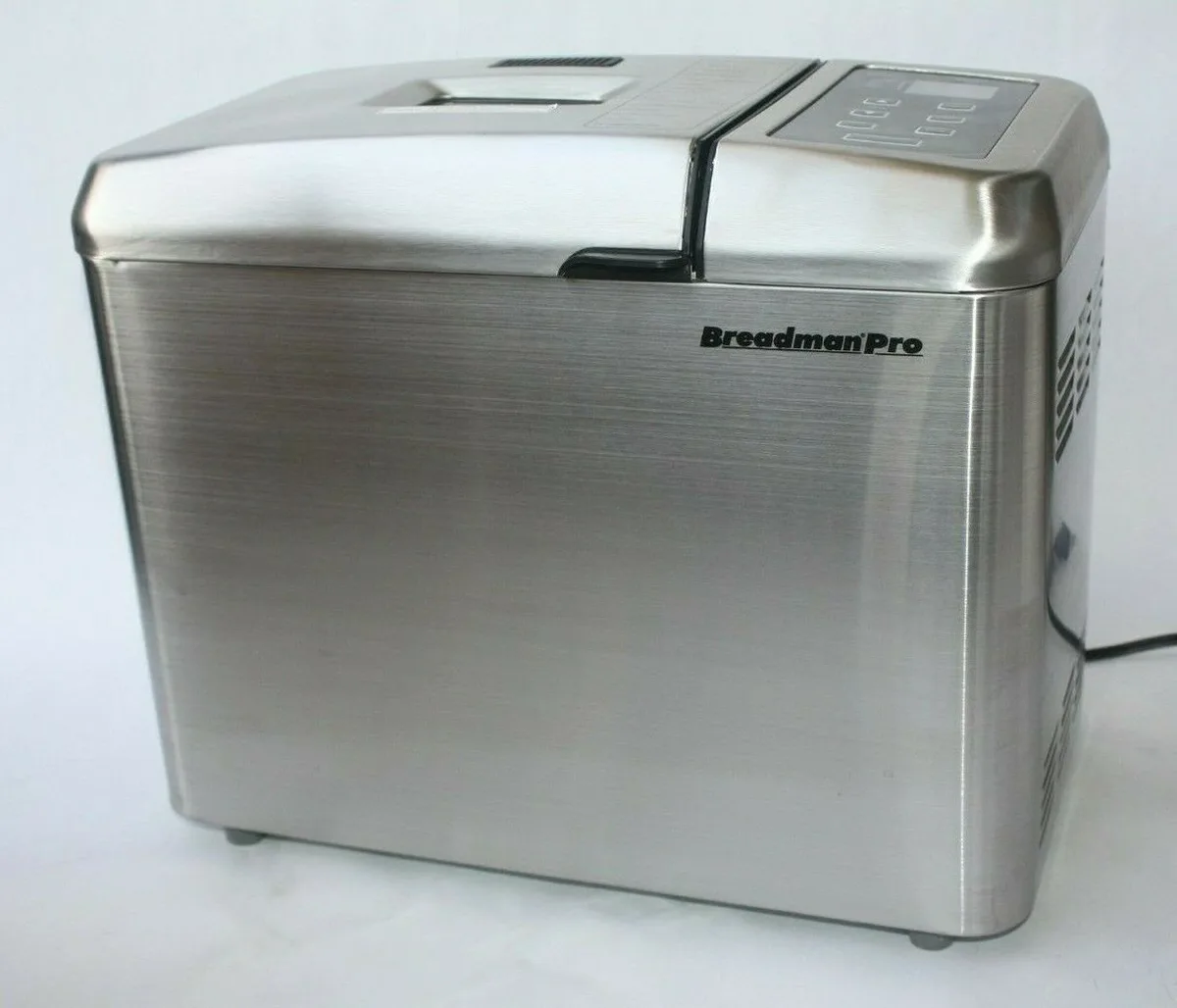
A stainless steel bread maker uses metallic housing for durability. Many premium models also feature stainless steel baking pans. These machines resist warping and avoid synthetic non-stick coatings.
They offer superior heat retention for better crusts. Most users choose them for longevity and food safety.
Why the "Stainless Steel" Label Can Be Misleading
When you see a machine marketed as "stainless steel," it is rarely an all-encompassing description. Manufacturer documentation often uses this term to describe the exterior shell, which is purely for aesthetics and easier cleaning. In many mid-range models, the internal components, including the motor mounts and the bread pan itself, are still made from plastic or coated aluminum.
Research-based analysis of entry-level appliances reveals that thin steel veneers are sometimes wrapped over plastic frames. This can lead to heat loss during the proofing stage, which is a common reason for dough issues like collapsed centers or uneven rises. You want to look for "brushed stainless steel" or "heavy-duty" labels that indicate a thicker gauge of metal.
Truly high-end machines are built with a full metal chassis. This provides a stable base that prevents the machine from "walking" across your counter during a heavy kneading cycle. If the machine feels light when you pick it up, it likely uses a high percentage of plastic internal parts despite its shiny silver exterior.
Quick Answer: Stainless Housing vs. Stainless Pans
The biggest point of confusion for buyers is the difference between the outer box and the inner pan. The housing is the silver part you see on your counter. While it looks professional, it has zero impact on the flavor or safety of your bread.
Its primary job is to resist stains and provide a wipe-clean surface.
The baking pan is where the real difference happens. Most standard machines use an aluminum pan coated with PTFE or ceramic. A true stainless steel pan is a solid piece of food-grade metal.
According to manufacturer specs from brands like Tribest, these pans are sought after by those who want to avoid synthetic coatings entirely.
If you are buying for health reasons, verify the pan material before checking out. It is very common for a machine to have a beautiful steel exterior but a standard non-stick interior. You will often pay a significant premium for that specialized interior pan, but for many, the trade-off in peace of mind is worth the cost.
The Case for Stainless Steel: Durability and Health Benefits
Stainless steel is prized in professional kitchens because it is non-reactive. This means it won't leach metallic flavors into your food, even if you are making highly acidic recipes like sourdough or tomato-basil bread. Per FDA guidelines on food contact substances, 300-series stainless steel is considered one of the safest materials for long-term food preparation.
Durability is the second major pillar. Plastic housings can become brittle over time due to the repeated heating and cooling cycles of the baking process. We have seen reports of plastic lids cracking or hinges failing after just two years of frequent use.
Steel does not suffer from this fatigue. A well-built steel machine is designed to be a "buy it once" appliance.
Beyond the physical toughness, there is the benefit of chemical stability. Standard non-stick coatings can begin to flake or scratch after dozens of loaves, especially if you use metal utensils to nudge a stuck loaf. Stainless steel pans don't have a coating to lose.
They can be scrubbed, soaked, and used for decades without losing their structural integrity.
How Material Choice Affects Your Loaf’s Crust and Crumb
The material of your bread maker acts as an insulator. Stainless steel has a higher thermal mass than plastic or thin aluminum. This means that once the machine reaches its baking temperature, it holds that heat more steadily.
A stable temperature is critical for the Maillard reaction, which is the chemical process that gives bread its golden-brown color and complex flavor.
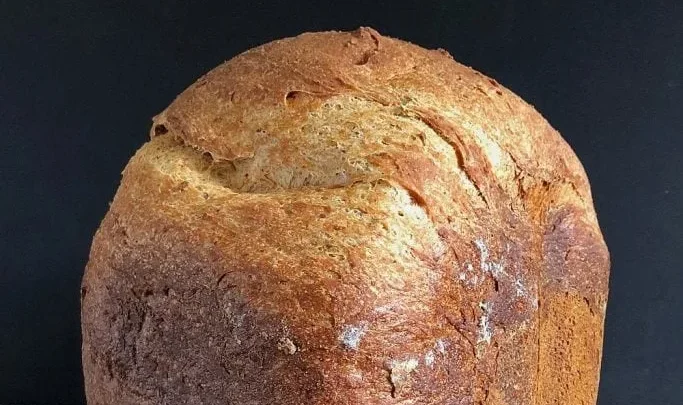
Manufacturer testing indicates that steel machines often produce a thicker, crunchier crust. If you prefer soft, sandwich-style bread, you might actually find the steel's heat retention to be too aggressive. However, for those who enjoy rustic, artisan-style loaves, the radiant heat from a metal chamber mimics the environment of a professional deck oven much better than plastic.
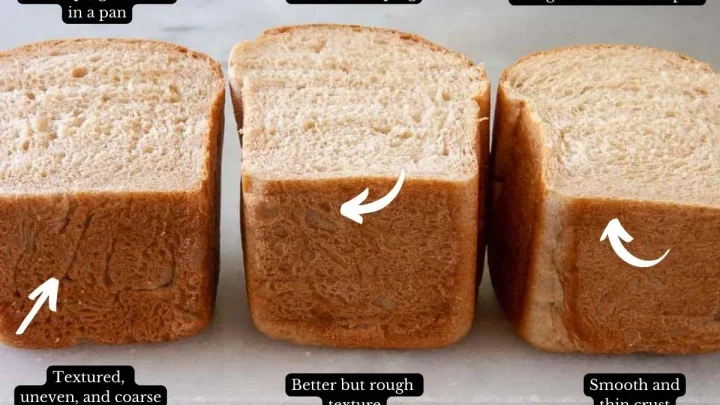
Crumb structure is also influenced by how the machine handles the proofing stages. Steel housings provide a more consistent internal climate, shielding the dough from drafts in a cool kitchen. This consistency leads to more predictable yeast activity.
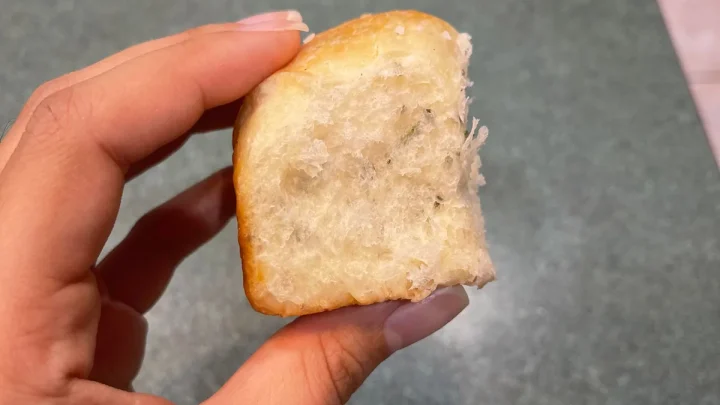
You end up with a more uniform crumb and fewer large air pockets that can ruin a slice of toast.
Side-by-Side: Stainless Steel vs. Non-Stick Aluminum Pans
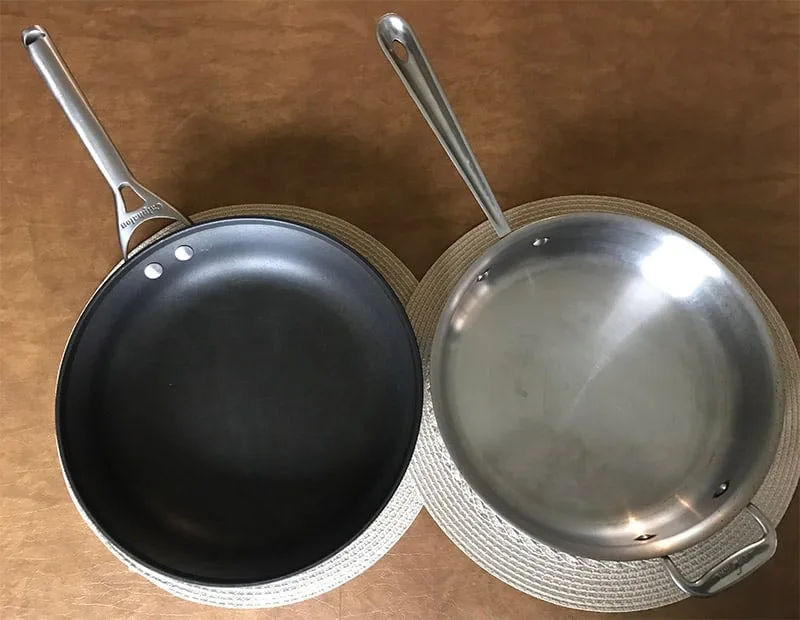
Choosing between these two materials usually comes down to a trade-off between convenience and longevity. Aluminum is an excellent conductor of heat, which is why it is used in almost 90% of household bread machines. It heats up fast and cools down quickly, giving the manufacturer more control over the specific timing of the bake cycle.
| Feature | Stainless Steel Pan | Non-Stick Aluminum Pan |
|---|---|---|
| Heat Distribution | Even, but slower to react. | Fast and very responsive. |
| Ease of Release | Requires oiling/seasoning. | Loaf usually slides right out. |
| Lifespan | Can last a lifetime. | Coating usually fails in 3-5 years. |
| Cleaning | Dishwasher safe (usually). | Hand wash only to protect coating. |
The main hurdle with stainless steel is the "stick factor." Because it lacks a synthetic coating, you must be diligent about greasing the pan and the kneading paddle. However, many users find that the slight extra effort is a fair price to pay for a pan that will never peel or require replacement. In our research, we found that as of 2026, the demand for these "forever pans" has driven more boutique brands to enter the market.
Comparing the Top Stainless Steel Bread Maker Brands
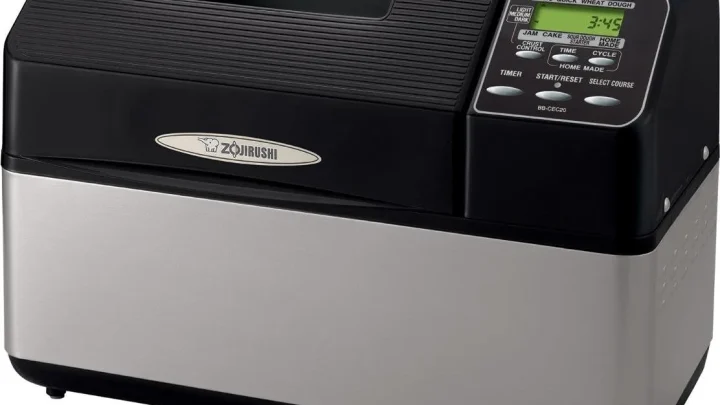
The premium market is dominated by a few manufacturers that prioritize metal construction over cost-cutting plastics. Our editorial analysis of verified buyer feedback shows that Zojirushi remains the benchmark for horizontal, dual-paddle machines. Their Virtuoso line uses a brushed stainless exterior that resists fingerprints better than polished models.
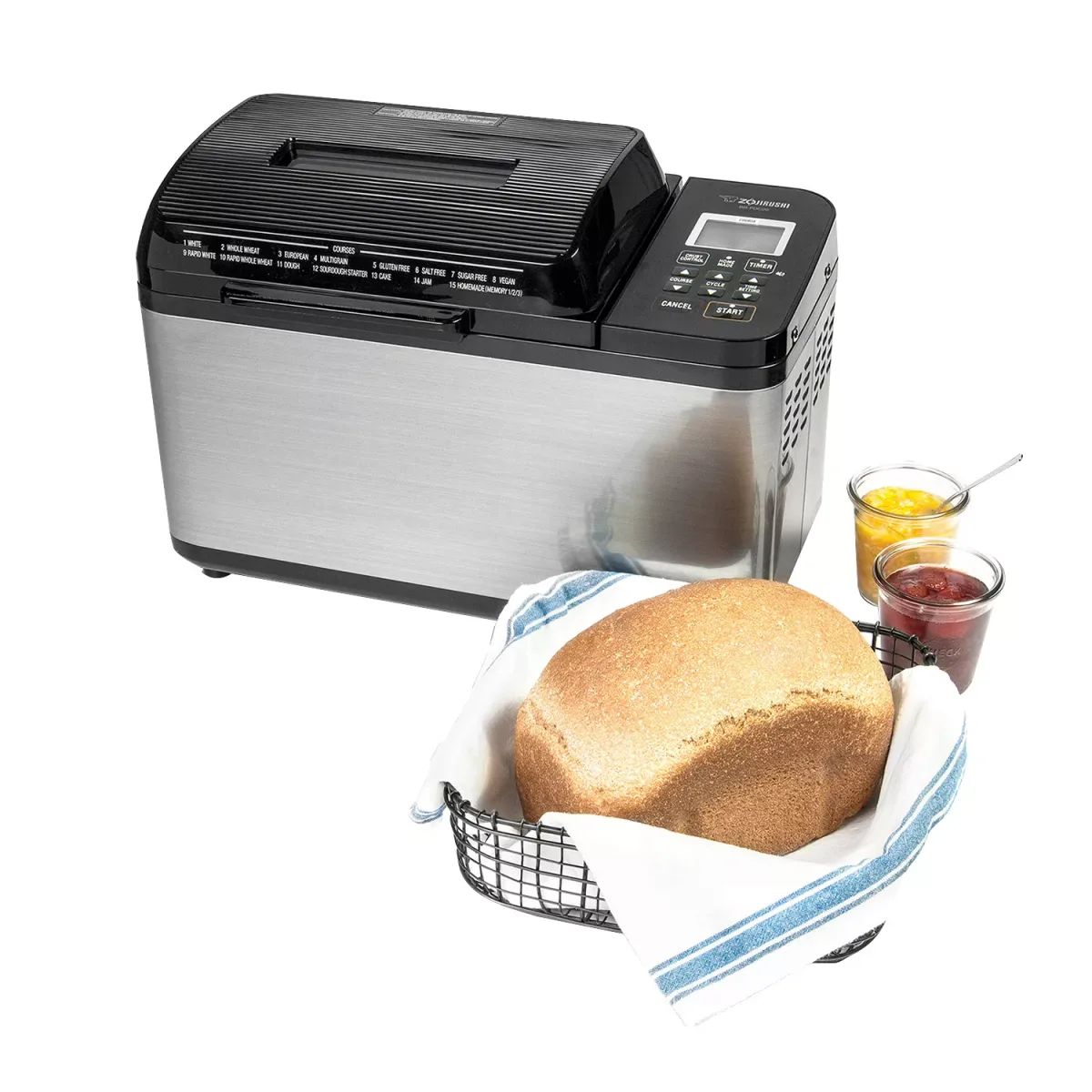
Breville is another major player, often praised for its "Custom" cycle features and collapsible kneading paddle. This specific feature helps minimize the large hole typically left in the bottom of the loaf. Manufacturer specs confirm these units use a high-torque motor designed to handle heavy whole-grain doughs without overheating.
If you are looking for a machine that offers a completely non-toxic interior, Tribest is a frequent recommendation. Unlike the bigger brands, they offer models with specialized glass or stainless steel pans. While these machines have a steeper learning curve, they are the go-to choice for health-conscious households.
Best For: High-Volume Bakers and Toxin-Free Kitchens
A stainless steel unit is best for anyone who bakes more than three times a week. The mechanical stress of kneading takes a toll on the internal frame of an appliance. Research into appliance longevity suggests that steel-chassis machines maintain their alignment longer than plastic-framed ones.
Families focusing on a "clean" kitchen environment also fall into this target audience. If you have already swapped your non-stick skillets for cast iron or clad steel, a stainless pan bread maker is the logical next step. It eliminates the risk of PTFE fumes or coating flakes entering your daily bread.
Finally, these machines are ideal for those who live in humid or coastal climates. Salt air and high moisture can cause cheaper coatings to bubble or peel prematurely. The corrosive resistance of 304-grade steel ensures the appliance looks and performs the same way in year five as it did on day one.
The Hidden Drawbacks: Sticking, Weight, and Heat Management
The most common frustration with stainless steel pans is the tendency for dough to grip the metal surface. Without a synthetic non-stick layer, the bread forms a mechanical bond with the tiny pores in the steel. You must be prepared to use more fat, like butter or oil, to ensure a clean release.
Weight is another practical consideration you should not overlook. A full-size stainless machine can weigh between 15 and 25 pounds. If you don't have permanent counter space for it, moving it in and out of a pantry can be a genuine chore.
The heavy-duty components that make it durable also make it a "stationary" appliance for most users.
Heat management in these units is also more intense. Because steel holds heat so effectively, the machine stays hot for a long time after the cycle ends. If you leave the bread inside for even ten minutes after the "done" beep, the residual heat can dry out the crust.
You need a disciplined routine of removing the loaf immediately.
Deciphering the Specs: 18/8 Steel, Wattage, and Loaf Size
When reading a spec sheet, look for the term "18/8 stainless steel," which refers to the chromium and nickel content. This specific ratio, often labeled as 304 grade, provides the best balance of strength and rust resistance. Manufacturer documentation for premium units usually highlights this to justify the higher price point.
Wattage is a key indicator of how well the machine handles dense doughs. A machine with 600 to 800 watts of power is standard for a 2-pound stainless model. Lower wattage machines may struggle with the friction of kneading, leading to a clogged intake or motor strain over time.
Loaf size flexibility is the final technical hurdle. Most stainless machines offer 1.5-pound and 2-pound settings. However, because steel pans are often thicker, they may not bake a small 1-pound loaf as evenly.
The radiant heat works best when the pan is at least two-thirds full of dough.
Avoiding the "Sticky Loaf" Syndrome in Stainless Pans
You can prevent sticking by "seasoning" your stainless steel pan before the first use. This involves coating the interior with a high-smoke-point oil and heating it briefly. This process creates a natural, microscopic barrier that mimics a non-stick surface without the chemicals.
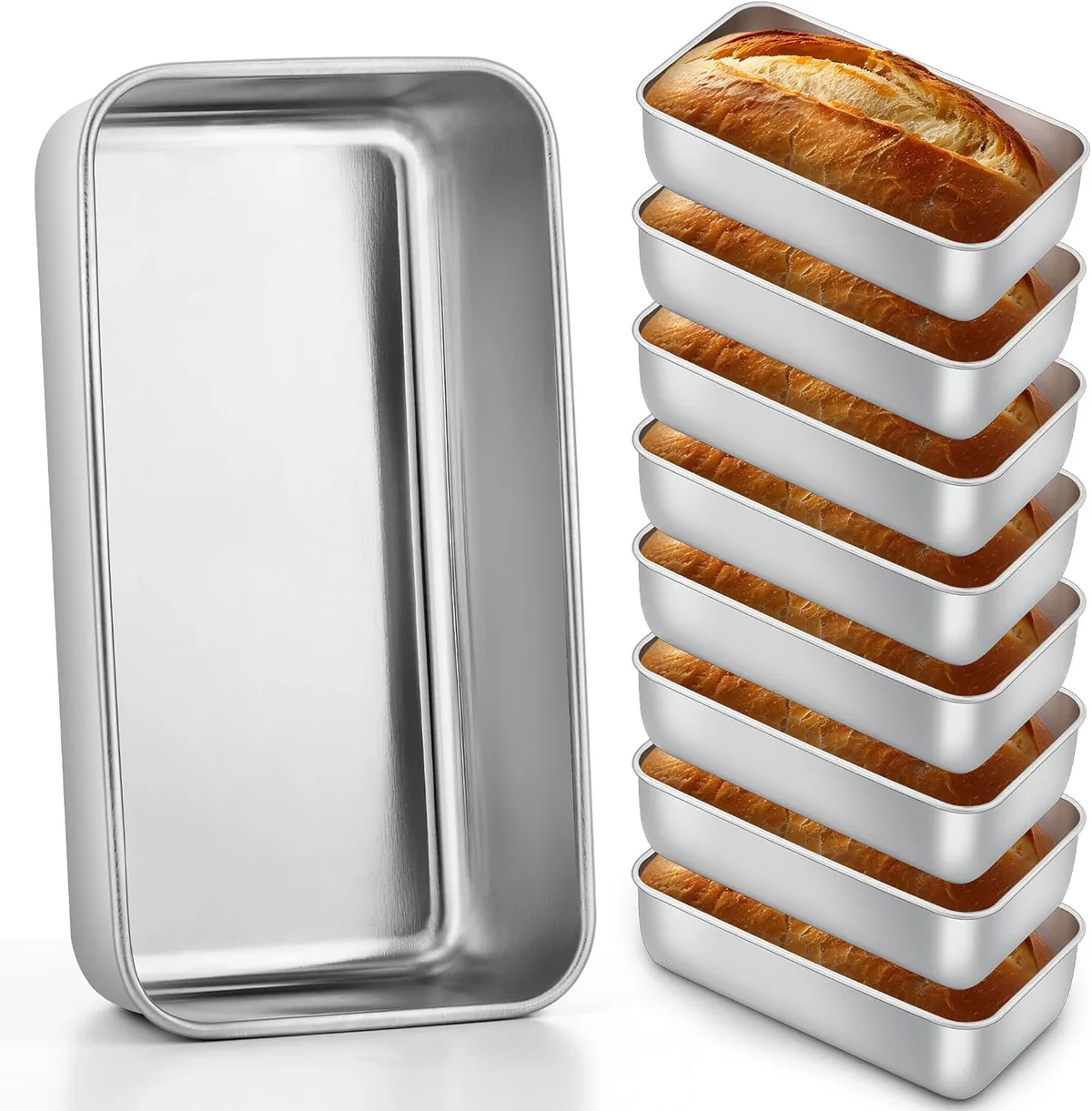
Another expert trick is the "cold water shock" method. If your bread feels stuck after the bake, wrap a damp, cold towel around the outside of the hot pan for one minute. The quick temperature change causes the metal to contract slightly, often popping the loaf free from the sides.
Lastly, pay attention to your correct fluid level and hydration ratios. Dough that is too wet will almost always stick to a steel pan. Aim for a slightly firmer dough ball that clears the sides of the pan during the final minutes of the kneading cycle.
Maintenance Tips for Keeping Steel Smudge-Free and Shiny
Stainless steel stays looking new only if you use the right cleaning tools. Avoid using steel wool or abrasive scouring pads, as these will leave permanent scratches on a polished finish. A simple microfiber cloth dampened with warm, soapy water is usually enough to remove flour dust and fingerprints.
For stubborn water spots, a solution of one part white vinegar to three parts water works wonders. Spray it on the exterior and wipe in the direction of the metal grain to prevent streaks. This routine upkeep ensures your appliance remains a centerpiece rather than an eyesore.
If you have a stainless pan, never use sharp metal objects to dig out a stuck loaf. Even though the metal is tough, deep gouges can create new sticking points for future batches. Use a silicone or wooden spatula if you need to nudge the bread along the edges.
Common Mistakes to Avoid When Upgrading to Metal Interiors
One frequent error is treating a stainless pan exactly like a non-stick one. You cannot simply dump ingredients in and expect the bread to pop out perfectly every time. If you skip the greasing step, you will likely end up tearing the bottom of your loaf when trying to extract it.
Another mistake is ignoring the thermal properties of the metal during the cooling phase. Because steel retains heat so effectively, it can continue cooking the bread even after the machine shuts off. Aggregate user reviews suggest that leaving the pan inside the machine for too long results in a soggy bottom due to trapped steam.
Finally, don't rush the cleaning process by putting a hot pan into cold dishwater. Rapid temperature shifts can cause the metal to warp slightly, which might affect how the pan seats onto the heating element. Let the pan reach room temperature naturally before you start scrubbing away at any baked-on residue.
Pricing Breakdown: Is the Premium Build Worth the Investment?
A stainless steel bread maker typically costs between $150 and $450. In contrast, basic plastic models often retail for under $100. The price difference reflects the cost of high-grade raw materials and the more robust motors required to move heavier metal components.
| Price Tier | Expected Construction | Target Lifespan |
|---|---|---|
| $60 – $120 | Plastic shell, thin aluminum pan. | 2–4 years. |
| $150 – $250 | Steel exterior, standard non-stick pan. | 5–8 years. |
| $300 – $450+ | All-steel chassis, heavy-duty pan. | 10+ years. |
When calculating the value, consider your frequency of use. If you bake daily, the "cost per loaf" over a ten-year period is significantly lower with a premium steel machine. You avoid the recurring cost of replacing a cheaper unit every few years when the motor burns out or the coating fails.
Final Verdict: Which Machine Should You Actually Buy?
If you are a casual baker who just wants the modern look of stainless steel, choose a mid-range model with a steel exterior and a ceramic-coated pan. This gives you the aesthetic benefits and easier cleaning without the steep learning curve of a raw metal interior. It is the best balance of style and everyday convenience.
However, if you are an enthusiast or someone with chemical sensitivities, the investment in a high-end machine with a 304-grade stainless pan is clearly the right move. The durability and safety benefits outweigh the initial cost and the extra minute spent greasing the pan. You are buying a professional-grade tool that won't need to be tossed in a landfill in three years.
For those stuck in the middle, look for a refurbished unit from a top-rated brand like Zojirushi. This allows you to get a high-torque motor and a durable chassis at a price point closer to the mid-range competition. It is a smart way to get pro-level performance on a more modest budget.
Frequently Asked Questions About Stainless Steel Bread Makers
Do stainless steel bread makers produce better crust?
Yes, the superior heat retention of a metal chamber allows for a more consistent bake. This environment helps develop a thicker, crispier crust compared to plastic-housed units. You might need to adjust your settings to "Light" if you prefer a softer exterior.
Is a stainless steel pan harder to clean?
It can be if the bread sticks, but generally, it is easier to maintain long-term. Unlike non-stick pans, you can soak a stainless pan or scrub it more vigorously without worrying about ruining a delicate coating. Most are even dishwasher safe, though hand-washing is usually recommended.
Why is my bread sticking to the stainless steel pan?
Sticking usually happens because the pan wasn't properly greased or the dough was too wet. Make sure to use a thin layer of oil or butter before adding your ingredients. Ensuring the pan is clean and dry before each use also helps prevent the bread from bonding to the metal.
Are all stainless steel bread makers PTFE-free?
Not necessarily. Many machines have a stainless steel outer body but still use a non-stick (PTFE) coating on the internal baking pan. You must check the specific material of the pan if your goal is to have a completely chemical-free baking process.

Similar Posts