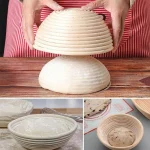
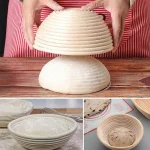
Why Your Rattan Proofing Basket Sticks and How to Fix It
If you've ever wrestled a dough-covered banneton or tossed a basket because it smelled like a swamp, you know the frustration. Rattan proofing basket problems usually come down to three causes: overly wet dough, the wrong dusting flour, or poor storage habits.
In our research, the basket itself is rarely the villain. Manufacturer guidance from King Arthur Baking Company points to rice flour as the best release agent, and CDC guidance on mold highlights how porous materials need complete drying to stay safe. As of 2026, those two facts solve most of the headaches people blame on their banneton.
Quick Answer
Rattan proofing basket problems are usually sticking, mold, broken weaves, and flat loaves. Use rice flour instead of all-purpose flour. Air-dry the basket fully after every use.
Season a new banneton over five to ten bakes. Replace molds with deep growth or sharp splinters.
What a Rattan Proofing Basket Actually Does (And When It's Not the Problem)
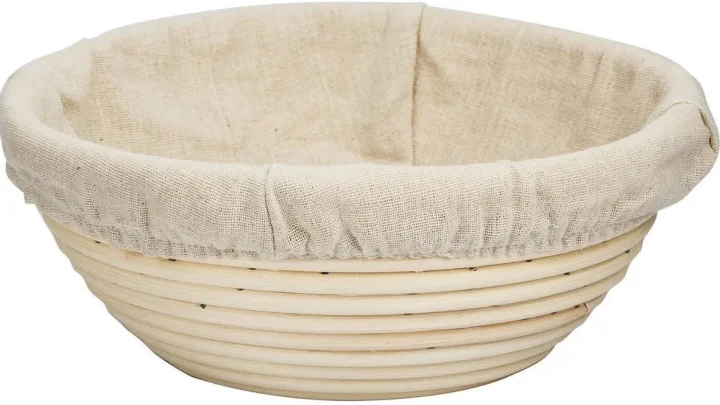
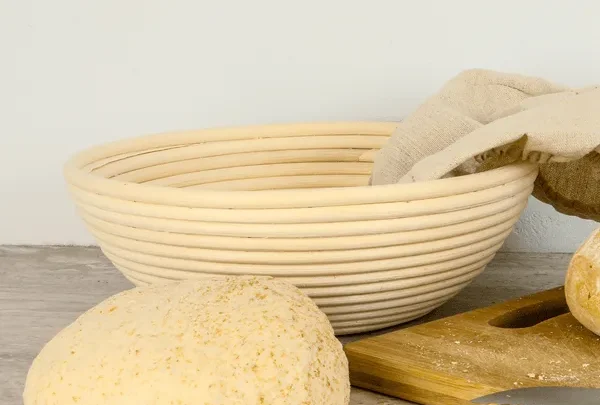
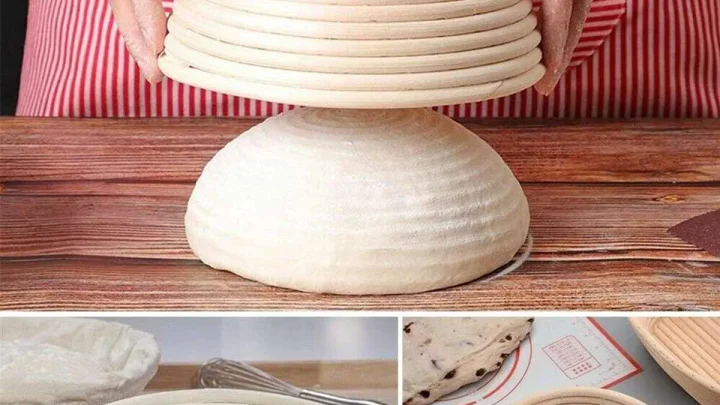
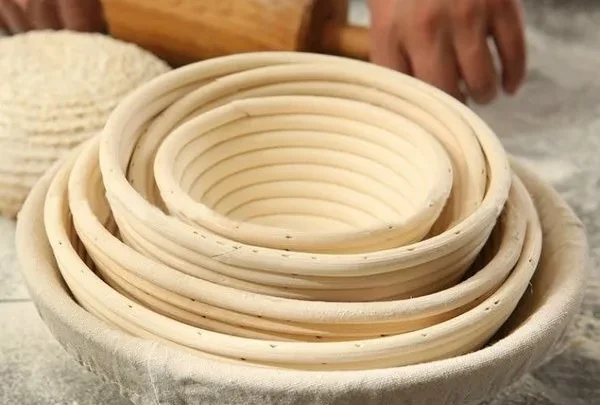
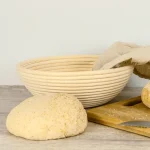
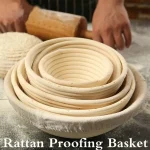
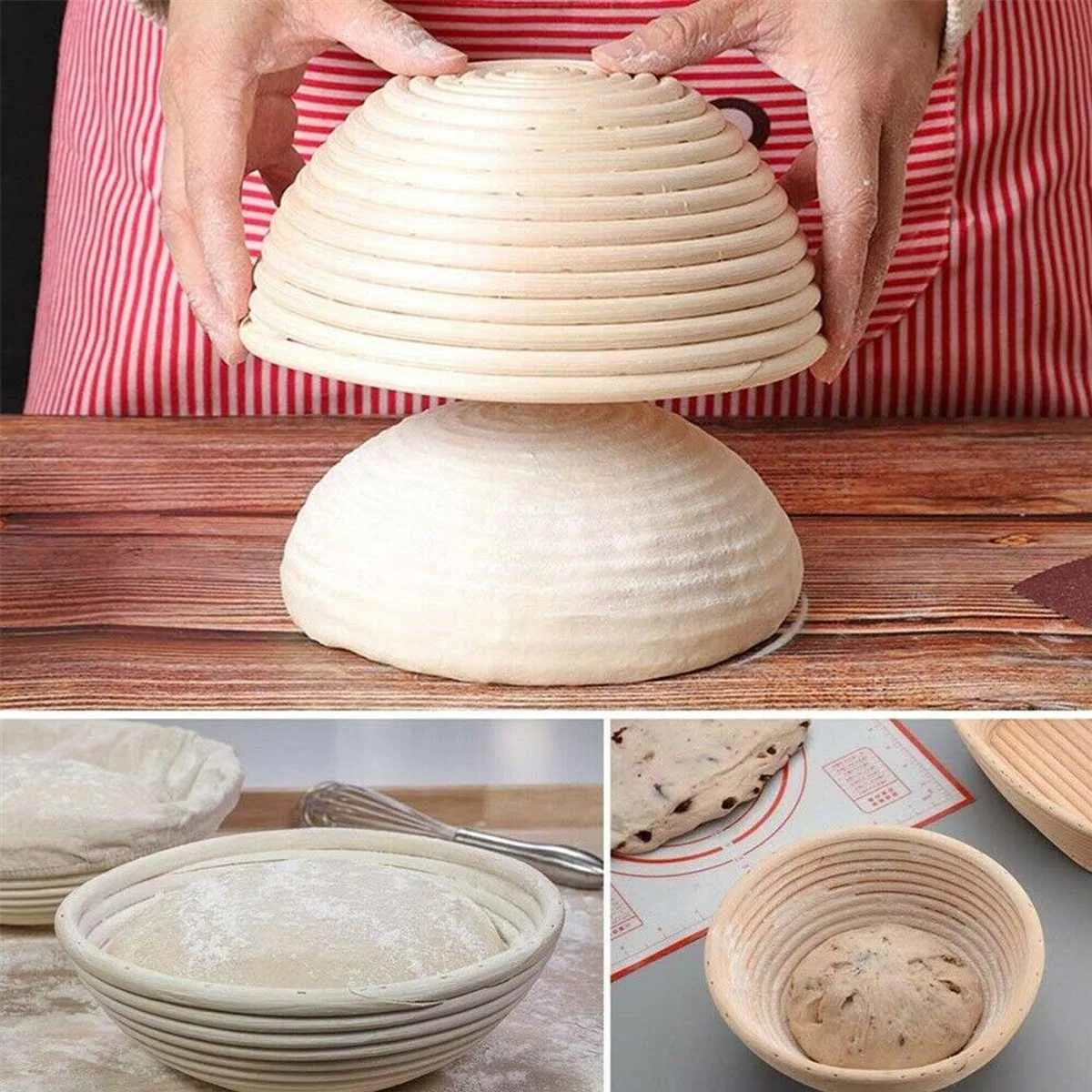
A banneton isn't a bread pan. It's a shaping mold and a breathable support. The rattan walls hold dough in a round or oval form while the yeast finishes its rise.
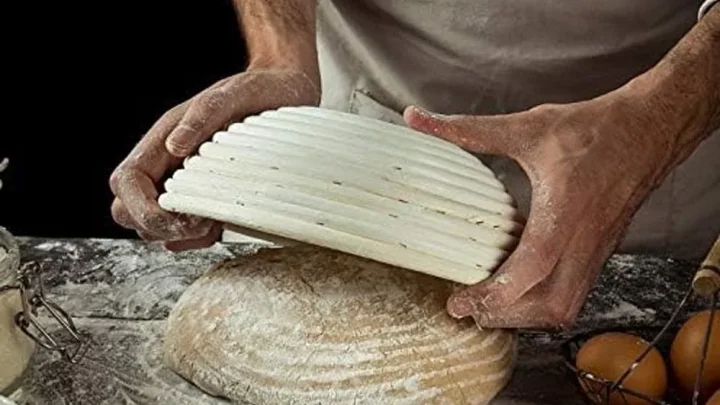
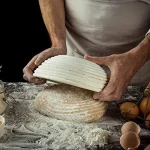
The weave lets air reach the dough's surface. That airflow helps form a thin, dry skin on the outside of the dough. That skin is what lets high-hydration dough hold its shape when you flip it out.
Here's the catch. Many problems blamed on the basket are actually dough problems. If your dough is at 80% hydration, the basket won't fix that.
If it over-proofed overnight, the rattan was just a bystander.
| What a banneton does | What it doesn't do |
|---|---|
| Supports the structure of rising dough | Fixes over-proofed or sticky dough |
| Wicks moisture away to help form a surface skin | Raises hydration tolerance above 75% |
| Adds a patterned flour finish to the crust | Holds a weakly shaped loaf in place |
Check the dough first. If it's slack or over-proofed before it reaches the basket, no amount of rattan will save it.
The Big Pain Point: Dough Sticking to the Banneton
Sticking happens for one of three reasons. Your dough is too wet. The flour you used was wrong.
Or the basket hasn't been broken in.
High-hydration dough is naturally tacky. Moisture migrates into the weave, and the dough bonds to the rough rattan surface. The result is a loaf that refuses to let go.
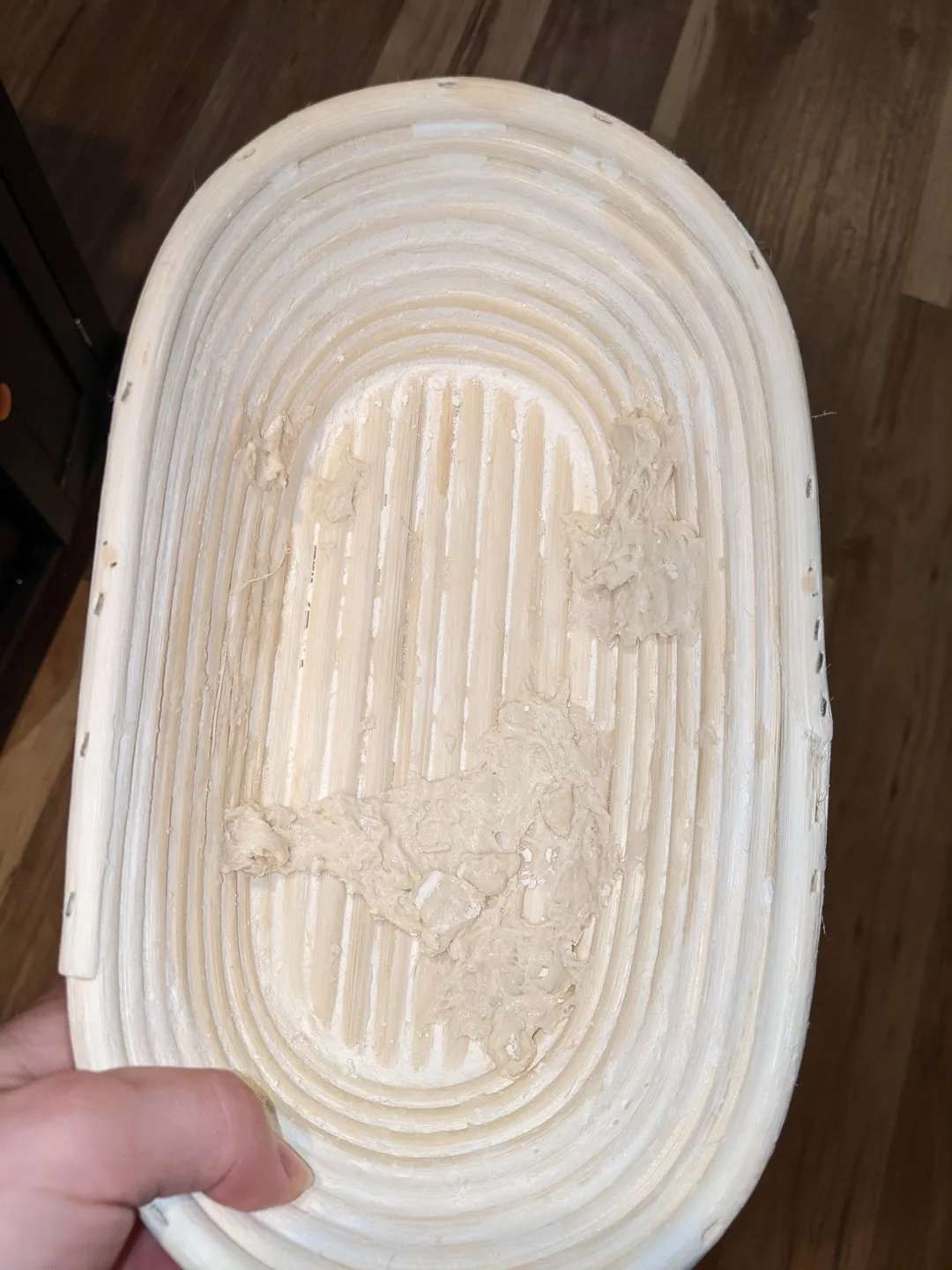
The fix starts with flour. All-purpose flour absorbs moisture and turns into paste. That paste glues dough to the basket.
Rice flour solves this. It has no gluten, so it doesn't form paste. It stays dry and powdery even in direct contact with damp dough.
| Flour type | Release performance | Best for |
|---|---|---|
| Rice flour | Excellent, stays dry | All dough, especially high-hydration |
| Rye flour | Good, adds texture | Low-hydration rustic loaves |
| All-purpose flour | Poor, forms paste | Not ideal inside a banneton |
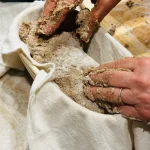
Use a dry pastry brush to apply an even coat across the sides and bottom. Pay extra attention to the seams where the rattan coils meet. Those grooves grab dough first.
The temperature detail
Cold dough straight from the fridge is easier to handle. It's stiffer and less sticky. But it also condenses moisture when it hits warm room air.
Wetting the basket surface makes sticking worse. Flour the dough well right before it goes into the basket.
Mold, Musty Smell, and the "Is It Ruined?" Panic
Mold is the second most common issue, and it's almost always a storage problem.
Rattan is natural material. It absorbs water from the air and stays damp long after you've put it away. If it doesn't dry out completely within 24 to 48 hours, mold spores take hold.
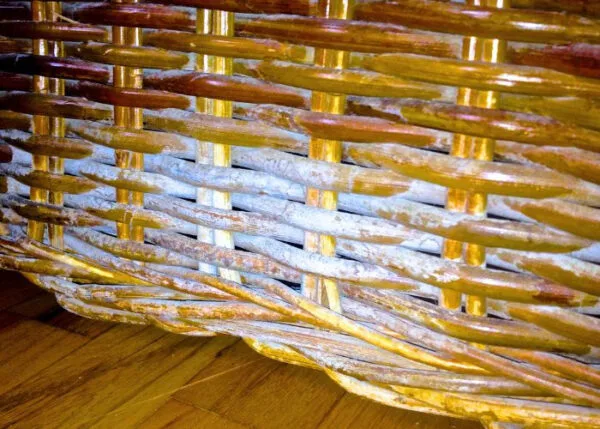
How to tell flour from mold
Flour is white, powdery, and brushes off easily. Mold shows up as dark specks, grey or green fuzz, or a powdery layer that stays put after brushing. A musty or sour smell that lingers after the basket is dry is another warning sign.
The dry-brush rescue
Take the basket outside. Brush out all the old flour with a stiff brush. Leave it in direct sunlight for four to six hours, then bring it in and let it cool.
Repeat the dry-out over two days if the smell lingers.
When to throw it away
If the mold has soaked into the weave and the dark spots won't brush away, toss the basket. Baking with a moldy basket risks mycotoxin exposure in your food. The CDC is blunt about porous materials holding on to mold growth.
Prevention is simple. Brush out leftover flour after every bake. Air-dry the basket completely before storage.
Keep it in a dry cupboard, not a humid cabinet near the stove or dishwasher.
Lopsided Loaves and Floppy Dough: Shape Problems That Aren't the Basket's Fault
A flat, misshapen loaf is a diagnosis problem, not a basket problem.
The most common cause is over-proofing. The dough runs out of structure. By the time it's tipped out, it can't hold itself up.
No basket can fix that.
Here's how to tell what went wrong:
- Over-proofed dough fills the basket completely, even spilling over the edges. It turns out flat, wide, and sticky.
- Under-proofed dough stays tight and small. It doesn't reach the sides of the basket, so the final loaf turns out dense.
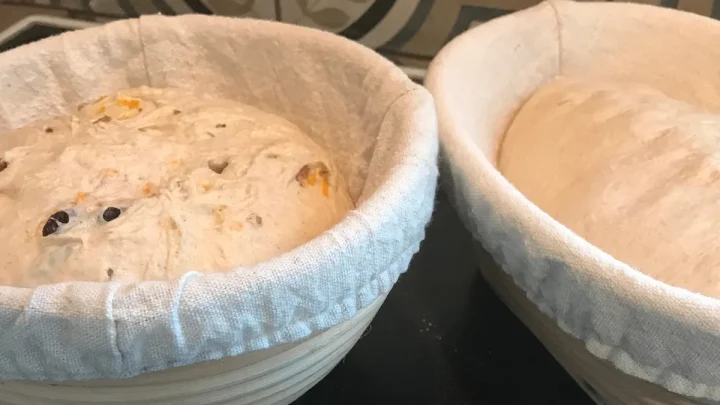
- Properly proofed dough fills about 75 to 80% of the basket and springs back slowly when poked.
Over-flouring is another trap. Too much bench flour during shaping makes the dough's outer layer lose its grip on itself. Seams split, and you get a lopsided baker.
Hydration plays a role too. Dough above 80% hydration genuinely struggles in a bare rattan basket. The weave digs in and leaves deep ridges.
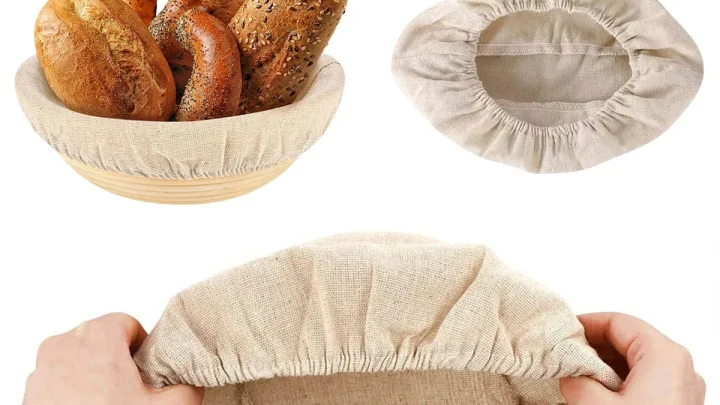
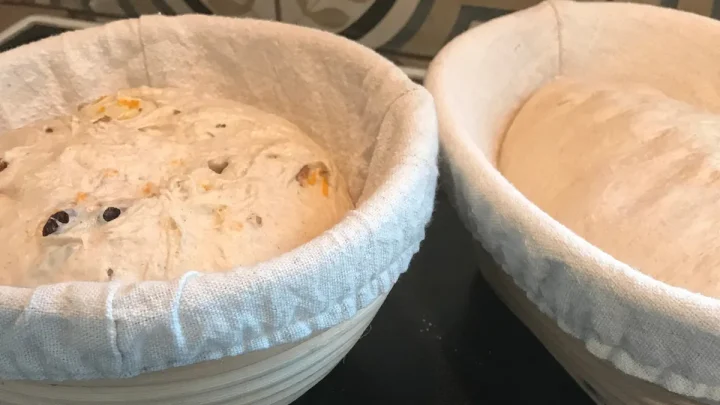
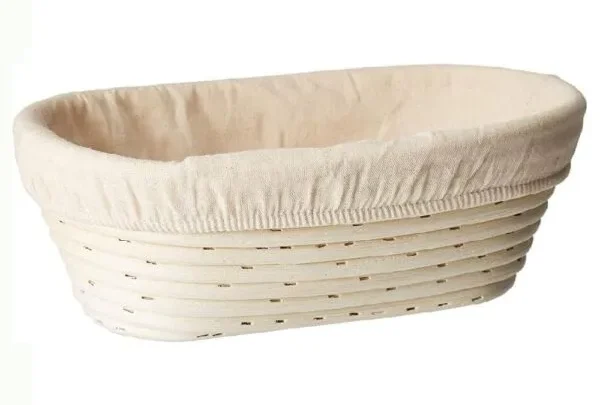
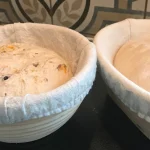
A cloth liner smooths the surface and adds a non-stick layer. At that hydration level, use a liner.
Basket size matters as well. Dough that fills only half the basket doesn't get the side support it needs. Match the basket's diameter to your normal dough weight.
Broken Weave, Splinters, and the Basket That's Falling Apart
Rattan baskets can last for years. They just don't survive water.
Submerge a banneton in water and the rattan swells. As it dries, it shrinks unevenly, and the weave cracks. You should never soak a banneton.
No hot water baths. No soapy sponge scrubs.
If you need to spot-clean, use a slightly damp cloth, then let the basket dry completely. That's it.
More specific signs of damage: raised splinters, loose binding tethers, and coils that don't sit flush against each other. You feel the damage when you run a finger along the inside.
Splinters in the dough are a hard stop. If you're pulling slivers out of the loaf, the basket isn't safe to use. The same goes for a weave so loose that dough sinks between the coils.
A few loose binding strands can be glued down with food-safe glue. But if the basket has wide cracks or the weave is coming apart, replace it. Old crevices trap moisture, and moisture brings mold back.
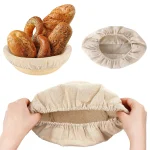
One more option: if the basket frame is okay but the cloth liner is stained or torn, just replace the liner. It's a small fix compared to the cost of a new basket. Look at how the old liner was tied and copy the pattern.
The Cloth Liner: Friend or Enemy?
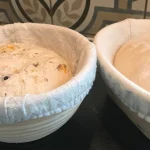
The liner exists to make life easier. It keeps sticky dough from touching the rattan directly and helps you clean up faster.
But the liner can hide problems. Mold can grow underneath the cloth where you can't see it. Always lift the liner and check the basket's walls before you store it.
Cleaning a liner
Dough remnants get brushed out after use. If the liner is genuinely dirty, remove it and wash it by hand with plain hot water. Skip the soap, because soap residue can cause sticking later.
Let the liner air-dry flat, then put it back in the basket.
A liner is your best friend for high-hydration dough. For low-hydration dough around 65%, an unlined basket works fine. The distinction is simple.
Wet dough gets a liner. Dry dough doesn't need one.
Mistakes to Avoid That Cause 80% of Banneton Problems
Most banneton failures follow the same predictable patterns. Here's what you should stop doing.
- Soaking the basket in water
- Washing it with dish soap
- Storing it while still damp
- Using all-purpose flour as the only dusting flour
- Proofing in a basket that's too large for the dough
- Covering the basket with a wet towel that touches the rim
- Drying the basket next to a hot oven, which cracks the weave
- Ignoring mold spots until the basket smells
Avoid those and your basket will outlast your starter phases.
Which Basket Should You Buy (Or Save Money On)?
If you're shopping for a replacement or a first basket, think about your dough first.
Bare rattan creates those beautiful flour rings on the crust. It also sticks more with wet dough. Cloth-lined bannetons are friendlier for beginners and high-hydration bakers.
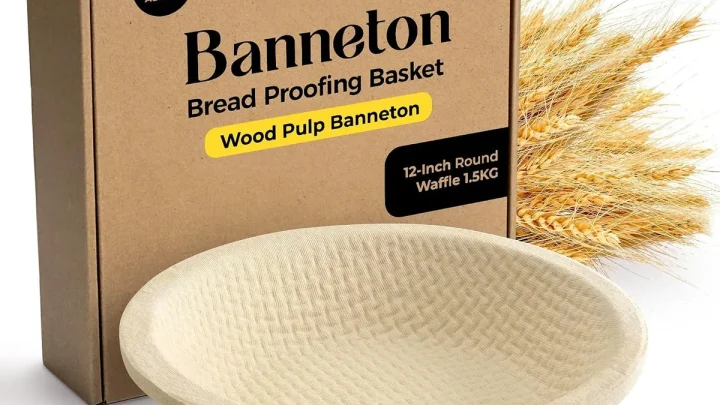
Wood pulp baskets are cheaper but less breathable. They tend to hold moisture longer.
| Basket type | Best for | Price range |
|---|---|---|
| Bare rattan | Low-hydration dough, visual crust | $15 to $30 |
| Cloth-lined rattan | Sticky dough and beginners | $18 to $35 |
| Wood pulp | Budget builds | $10 to $18 |
Round bannetons suit boules. Oval bannetons suit batards. The size should match your Dutch oven or baking stone.
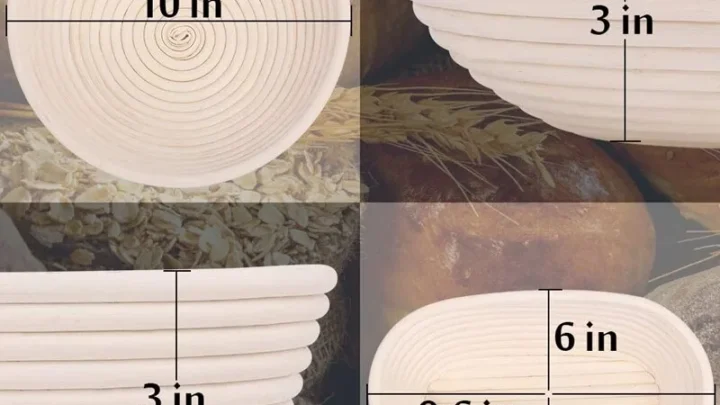
A 9-inch round basket typically fits a 750-gram to 1000-gram loaf. Go smaller if you bake under 500 grams of flour.
Recovery Plan: How to Revive a Neglected Banneton
You can bring most dry but neglected baskets back. The goal is simple: dry them out, brush them clean, and build a fresh flour coating.
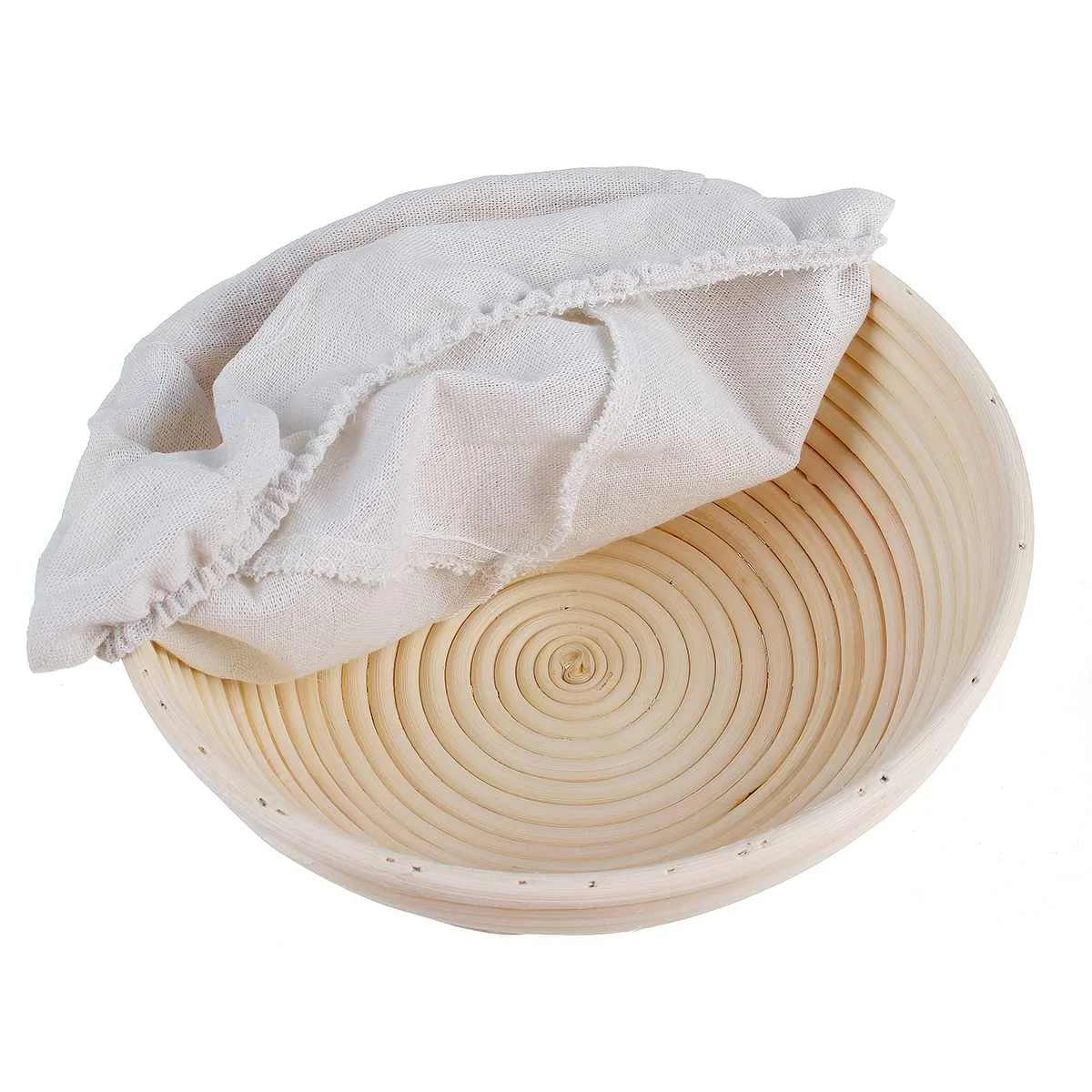
- Brush out all loose flour with a stiff pastry brush.
- Let the basket air-dry in a warm, dry spot for 24 hours.
- If the basket smells musty, leave it in direct sunlight for a few hours.
- Dust the inside generously with rice flour.
- Rub the flour into the weave with your fingertips.
- Tap out the excess and store the basket in a dry cupboard.
Repeat this before every bake for the next few uses. The flour builds up in the weave and creates a non-stick layer. A basket treated this way becomes more reliable with time.
When to Toss It and Start Fresh (Safety and Sanity)
Some baskets can't be saved. Don't let sunk cost ruin your baking.
Look for dark mold specks that stay after brushing. That means the mold has infiltrated the rattan, not just the surface flour. Toss the basket at that point.
Look for cracks that split the weave. A cracked basket can't support dough evenly. Look for splinters that catch on your finger.
Those will end up in your bread.
If the basket has a permanent sour smell after drying, it's done. Replace it with a fresh one and start the seasoning process over. Cheap baskets work as well as expensive ones for this.
Just make sure they're made of unfinished rattan.
Am I the Only One With This Problem? Real Scenarios
You're not alone. These situations pop up constantly in baking communities.
The 80% hydration sourdough nightmare
A baker uses a bare rattan basket for a 80% hydration dough. It sticks hard. The fix is rice flour plus a cloth liner.
At that hydration, the liner is non-negotiable.
The overnight cold-proofing surprise
Dough stays in the fridge for 14 hours. The basket develops a strange smell. The cause is condensation from the fridge plus a damp cover.
The fix is to reduce the cover's contact and dry the basket out after the bake.
The "I washed my banneton with soap" moment
Someone soaks the basket to remove caked flour. The weave loosens and the basket loses its shape. If the rattan hasn't cracked, a re-seasoning routine might save it.
If it's cracked, replacement is the only answer.
Frequently Asked Questions
Can you proof dough in a bowl with a towel instead?
Yes. A metal or plastic bowl lined with a floured cloth works fine. You just won't get the same airflow or the decorative flour pattern that a rattan basket leaves.
Do you need a banneton for regular yeast bread?
Not really. Standard sandwich bread is shaped in a loaf pan. A banneton is most useful for high-hydration sourdough and free-form artisan loaves.
How do you get flour off a banneton without using water?
Use a stiff dry brush. Brush the basket out while holding it upside down. Store it dry afterward.
That's all a banneton needs between bakes.
Can you bake directly in a banneton?
No. Rattan can't handle direct oven heat. The basket is a proofing tool only.
Turn the dough out onto parchment paper or a baking peel before baking.
Why does my dough always stick in the middle?
The middle of the basket tends to get less flour than the walls. Dust more heavily in the center and press the flour into the weave. That first layer matters the most.
The Quick Decision Guide: What's Wrong and What to Do Next
| Symptom | Likely cause | Next step |
|---|---|---|
| Dough sticks to the sides | Wrong flour or missing liner | Coat with rice flour, add a liner |
| Dark mold specks | Damp storage | Brush outside in sunlight, then buy new if spots remain |
| Musty smell | Moisture trapped in the weave | Dry fully, bake nothing until it passes the sniff test |
| Lopsided loaf | Over-proofing | Shorten the final rise, check fill level |
| Splinters in dough | Worn basket | Replace immediately |
| Dough flattens on turn-out | Over-proofed or too-large basket | Use a smaller basket and reduce proof time |
| Cracked weave | Soaking or heat damage | Replace the basket |
Appendix: For Those Who Want More
Hydration math and basket performance
Dough at 65% hydration is dry enough for a bare basket. Dough at 75% needs rice flour. Dough at 80% or higher needs a cloth liner.
That rule covers most sourdough recipes.
Tools that make life easier
A digital scale keeps hydration accurate. A plastic bench scraper releases stuck dough without tearing the loaf. A lame or razor blade scores the proofed loaf cleanly.
A proofing cover made of fabric lets the dough breathe while protecting the surface.
Common terms you'll see on bread forums
A banneton is the same thing as a proofing basket. A couche is a floured linen cloth used to proof multiple loaves side by side. Rice flour is the non-gluten dusting that keeps the dough from bonding.
An over-proofed loaf has risen too long and lost its strength. An under-proofed loaf hasn't risen enough and bakes up dense.

Similar Posts