How to Choose the Best Bread Maker for French Bread
Finding the perfect loaf often feels like a balancing act between science and art. When you are learning how to choose a bread maker for french bread, you quickly realize that standard sandwich settings just won't cut it for that specific artisan texture.
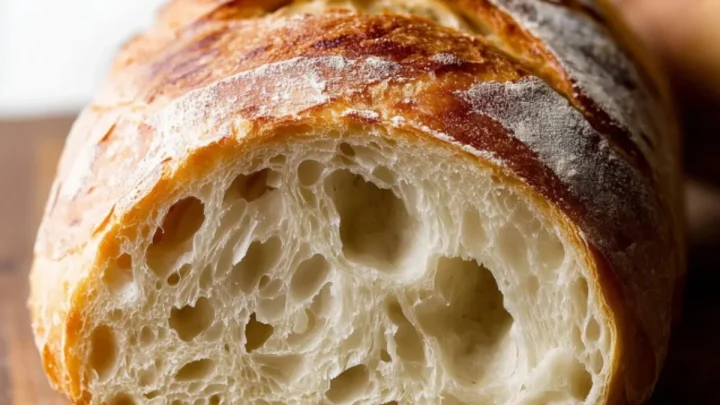
French bread requires a unique environment to develop its characteristic airy interior and thin, crackly exterior. Based on manufacturer specifications and baking science, as of 2026, the best machines are those that can mimic the long, cool fermentation process of a traditional bakery.
Quick Answer
To choose a bread maker for French bread, prioritize a dedicated French cycle. This setting ensures longer rise times for lean dough. Select a machine with dark crust control for a crisp finish.
Dual heating elements provide the most even browning. Ensure the machine has a high-torque motor for elastic dough. Programmable cycles offer the best results for artisan loaves.
Why French Bread is the Ultimate Test for a Bread Maker
French bread is a "lean dough," meaning it contains only four ingredients: flour, water, salt, and yeast. Unlike standard white bread, it lacks sugar to feed the yeast and fats like butter or oil to tenderize the crumb. This simplicity makes it much harder for a machine to process correctly.
Our research into baking mechanics shows that without these additives, the dough relies entirely on time and temperature to develop flavor. If a machine kneads too aggressively or heats up too fast, the bread ends up dense and tasteless. A high-quality machine must be gentle enough to preserve the delicate gas bubbles that create the iconic "holey" texture.
The lack of sugar means the crust won't brown as easily. In a standard oven, bakers use steam to achieve that golden, shattering finish. Since most home bread makers don't have steam injectors, the machine must use precise radiant heat to caramelize the starches in the flour.
The Lean Dough Problem: Why Standard Settings Often Fail
If you use a "Basic" or "Quick" setting for French bread, you will likely be disappointed. Basic cycles are designed for enriched doughs that rise fast. When a lean French dough is forced through a short cycle, it often results in a heavy, brick-like loaf that hasn't fermented properly.
Aggregate reviews from baking enthusiasts indicate that "Basic" cycles usually run for about three hours. True French bread needs closer to four or even six hours to develop its structural integrity. Without that extra time, the gluten doesn't relax enough, leading to a tough or rubbery loaf.
Temperature control is the other major hurdle. Standard settings often proof dough at a higher temperature to speed things up. For an authentic French loaf, a cooler, slower rise is essential for producing the organic acids that provide that signature bakery smell and sourdough-lite tang.
Key Features That Distinguish a French Bread Specialist
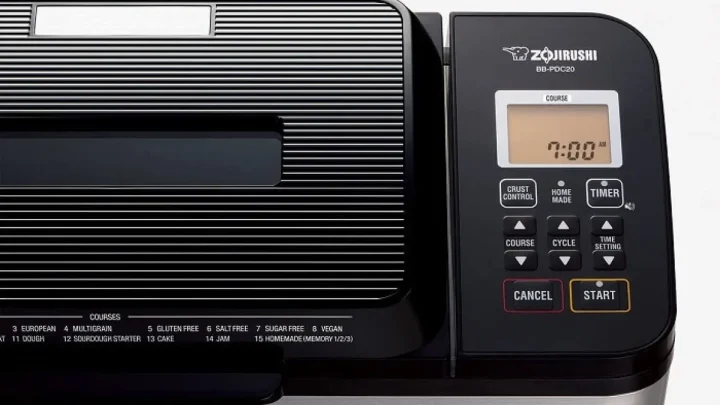
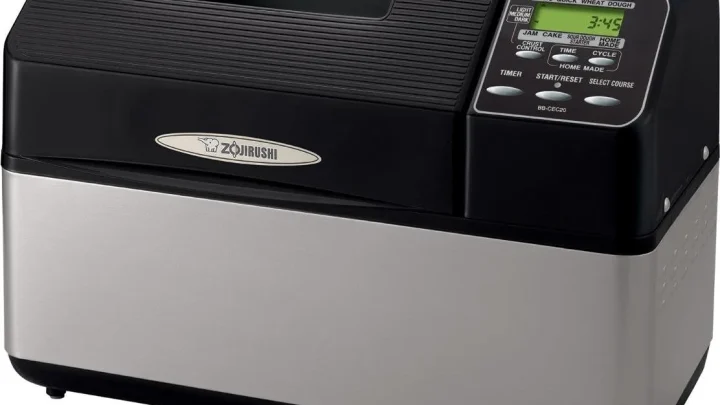
When evaluating different models, look beyond the number of presets and focus on the internal hardware. A specialist machine will offer specific technical advantages that cater to the needs of lean dough. Manufacturer specifications from brands like Zojirushi emphasize the importance of consistent heat distribution.
- Customizable Time Blocks: Look for machines that let you manually extend the "Rise 2" and "Rise 3" phases.
- High-Torque Motors: French dough is stiffer than sandwich dough and requires a motor that won't strain or overheat during a 20-minute knead.
- Non-Stick Ceramic Pans: These handle the higher temperatures required for French crusts better than thin Teflon-coated alternatives.
- Sensors: Internal thermometers that adjust the cycle based on room temperature ensure the dough doesn't over-proof on a hot day.
Having these features prevents common issues where the dough fails to expand. If the machine cannot handle the resistance of a low-hydration dough, the motor may skip, leading to uneven mixing and a lumpy final product.
Comparing Machine Styles: Horizontal vs. Vertical vs. Programmable
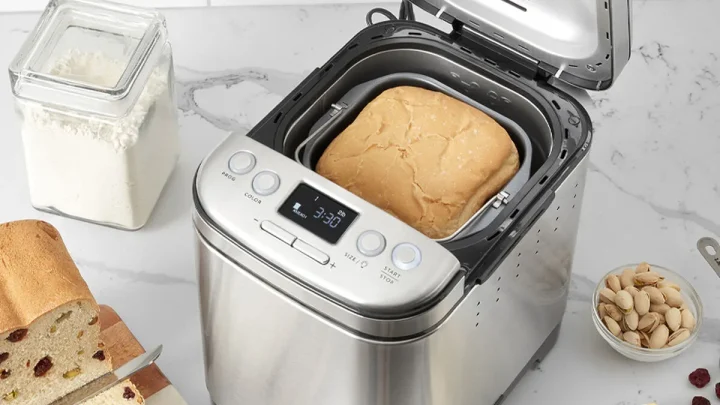
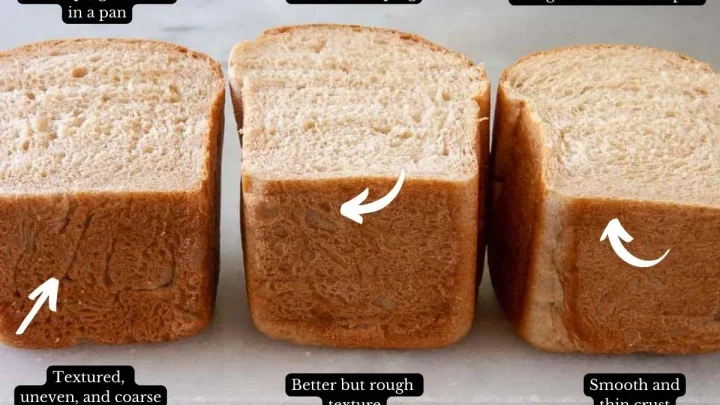
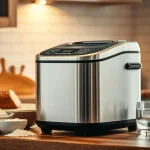
The shape of your bread maker’s pan significantly impacts the final texture and "oven spring" of your French loaf. Most machines fall into two categories, but a third, programmable option is often the secret favorite of serious bakers.
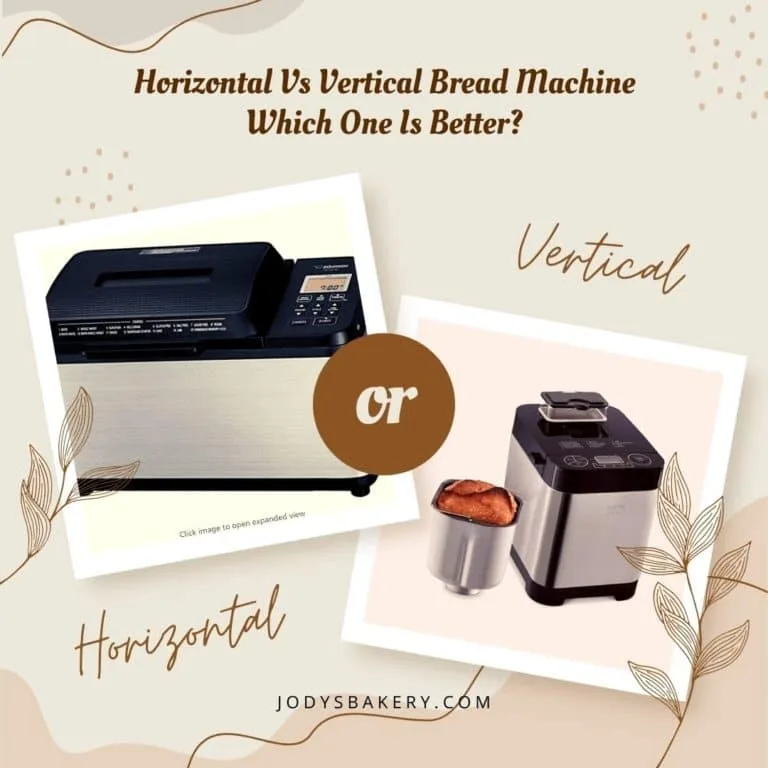
| Machine Type | Best For | French Bread Pros | French Bread Cons |
|---|---|---|---|
| Horizontal | Traditional Loaves | Mimics a real bread tin, dual paddles knead better. | Takes up more counter space. |
| Vertical | Small Kitchens | Compact footprint, usually more affordable. | Can lead to "mushroom" tops and uneven crust. |
| Programmable | Artisan Enthusiasts | Full control over every minute of the cycle. | Steeper learning curve for beginners. |
In our editorial analysis, horizontal machines with dual paddles are generally superior for French bread. The two paddles work together to stretch the gluten in a way that mimics hand-folding. This stretching is what creates the "stretch and fold" strength needed for a high rise without chemical conditioners.
The Essential Role of the Dedicated French Cycle
The most important factor in your decision should be the presence of a dedicated "French" preset. This setting is programmed with a specific logic that differs from every other button on the machine. It typically starts with a longer "Rest" period to allow the flour to fully hydrate before the kneading begins.
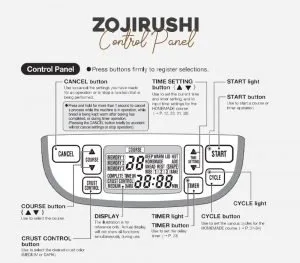
During a French cycle, the kneading is often intermittent. This prevents the dough from getting too warm from the friction of the paddle. According to professional baking standards, keeping the dough between 75°F and 78°F during mixing is ideal for gluten development.
The baking phase of a French cycle is also unique. It often starts at a lower temperature to allow for a final "oven spring" (the last burst of rising) before cranking up the heat to harden the crust. This two-stage baking process is the only way a machine can get close to the results of a professional stone deck oven.
For more on how these cycles affect dough, you can research King Arthur Baking's guides on machine-aided fermentation.
Crust Control: Achieving the Shattering Maillard Reaction
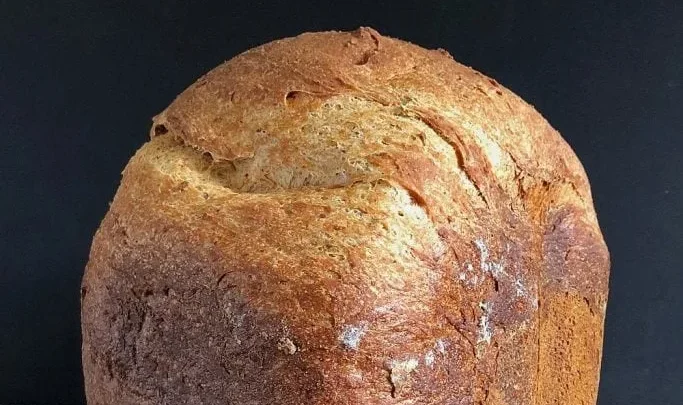
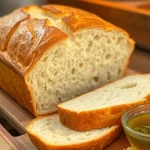
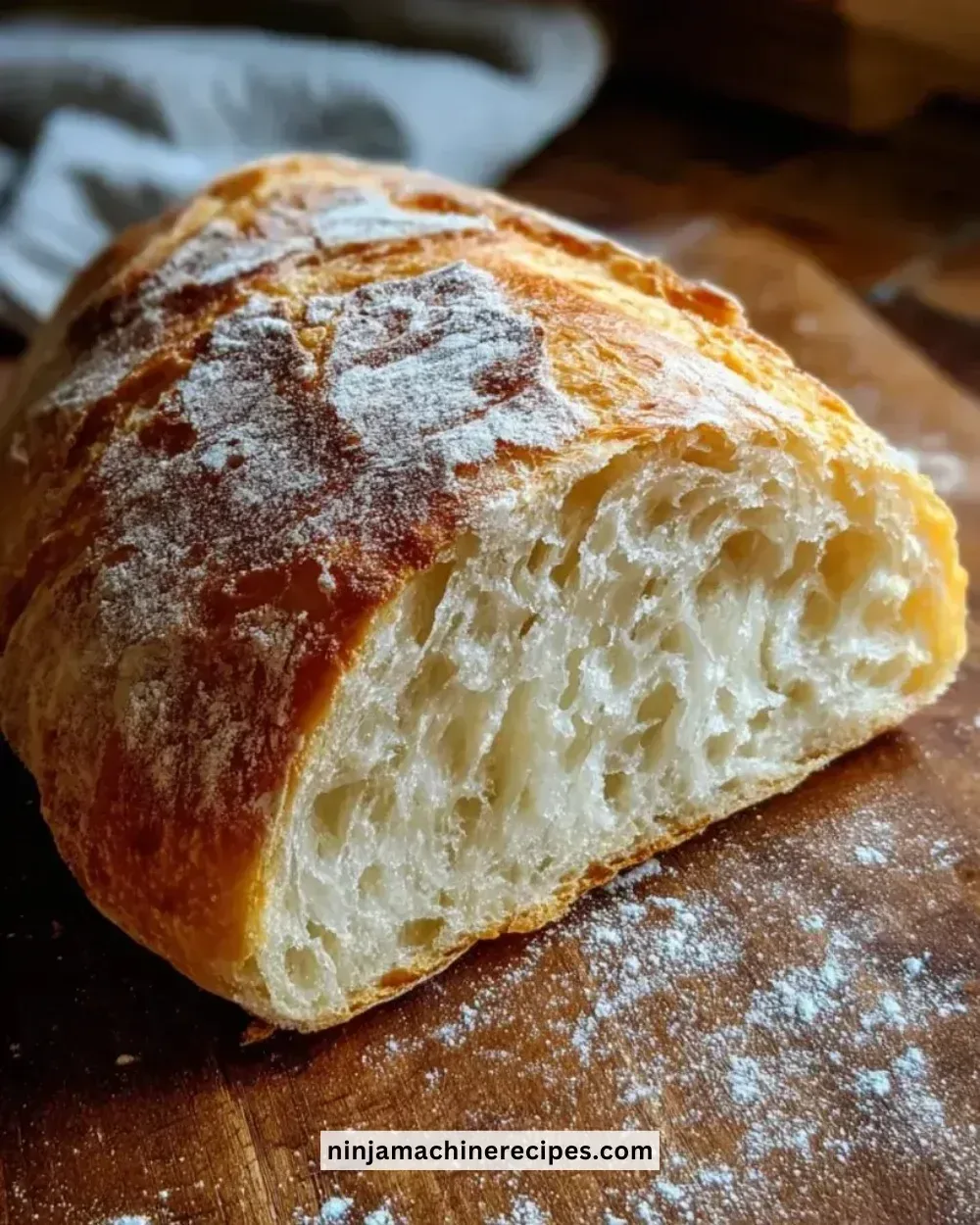
The hallmark of a great French loaf is a crust that crackles when you squeeze it. This texture comes from the Maillard reaction, which is the chemical interaction between amino acids and reducing sugars under high heat. In our research, we found that machines with a dedicated "Dark" crust setting are far better at triggering this reaction in lean dough.
Without added sugar or milk to aid browning, the bread maker has to rely on raw heat. Look for models that specify a baking temperature of at least 300°F (150°C) or higher. Higher temperatures ensure the exterior hardens into a protective shell while the interior stays moist and airy.
If the machine only offers a "Medium" setting, your French bread might come out looking pale and feeling soft like a dinner roll. For the most authentic result, select the darkest setting available. This compensates for the lack of browning agents in the traditional four-ingredient recipe.
Understanding Hydration and Motor Torque for Artisan Doughs
French bread dough is notoriously difficult for budget motors to handle because it can vary wildly in hydration. High-hydration doughs are sticky and heavy, while lower-hydration "pain ordinaire" is stiff and resistant. Manufacturer specs suggest that a motor with at least 500 to 600 watts of power is needed to maintain a consistent speed during the knead.
If a motor is underpowered, you will hear it straining or "clunking" as the paddle tries to turn. This struggle can lead to a clumped dough ball that never develops a smooth gluten structure. A high-torque motor ensures the paddle moves at a constant RPM, which is vital for stretching the gluten fibers without tearing them.
In our analysis of technical teardowns, the drive belt quality also matters. Look for machines with reinforced belts or direct-drive systems. These are less likely to slip when the dough reaches its maximum elasticity during the second kneading phase.
Side-by-Side: Budget Compacts vs. High-End Custom Machines
Choosing between a $60 compact unit and a $300 specialized machine depends on how much control you want over the final crumb. Budget compacts are designed for "set it and forget it" convenience. They usually have one fixed heater at the base and a single paddle.
High-end custom machines often feature "DIY" cycles. These allow you to set specific durations for the pre-heat, knead, rise, and bake stages. This is a game-changer if you want to use a poolish or overnight starter.
You can program the machine to sit idle for hours while the starter develops flavor before the main knead begins.
The Dough Only Workflow for Traditional Baguettes
Many enthusiasts prefer to use their bread maker solely as a high-tech mixing and proofing station. This is often the best way to get "real" French bread shapes that a rectangular pan simply can't provide. In our research, the "Dough Only" cycle is praised for its ability to maintain a perfectly humid 80°F environment for the first rise.
Once the machine beeps at the end of the first fermentation, you remove the dough and shape it into long baguettes or round boules. You can then bake them on a pizza stone or a specialized baguette tray in your kitchen oven. This gives you the best of both worlds: the ease of machine kneading and the aesthetic of hand-shaping.
Crucial Specs: Dual Heaters and Convection Fans
Heat distribution is the biggest challenge in a small, enclosed bread maker. Most entry-level models have a single heating element that wraps around the bottom of the pan. This often results in a loaf that is dark on the bottom and sides but pale and "steamed" on top.
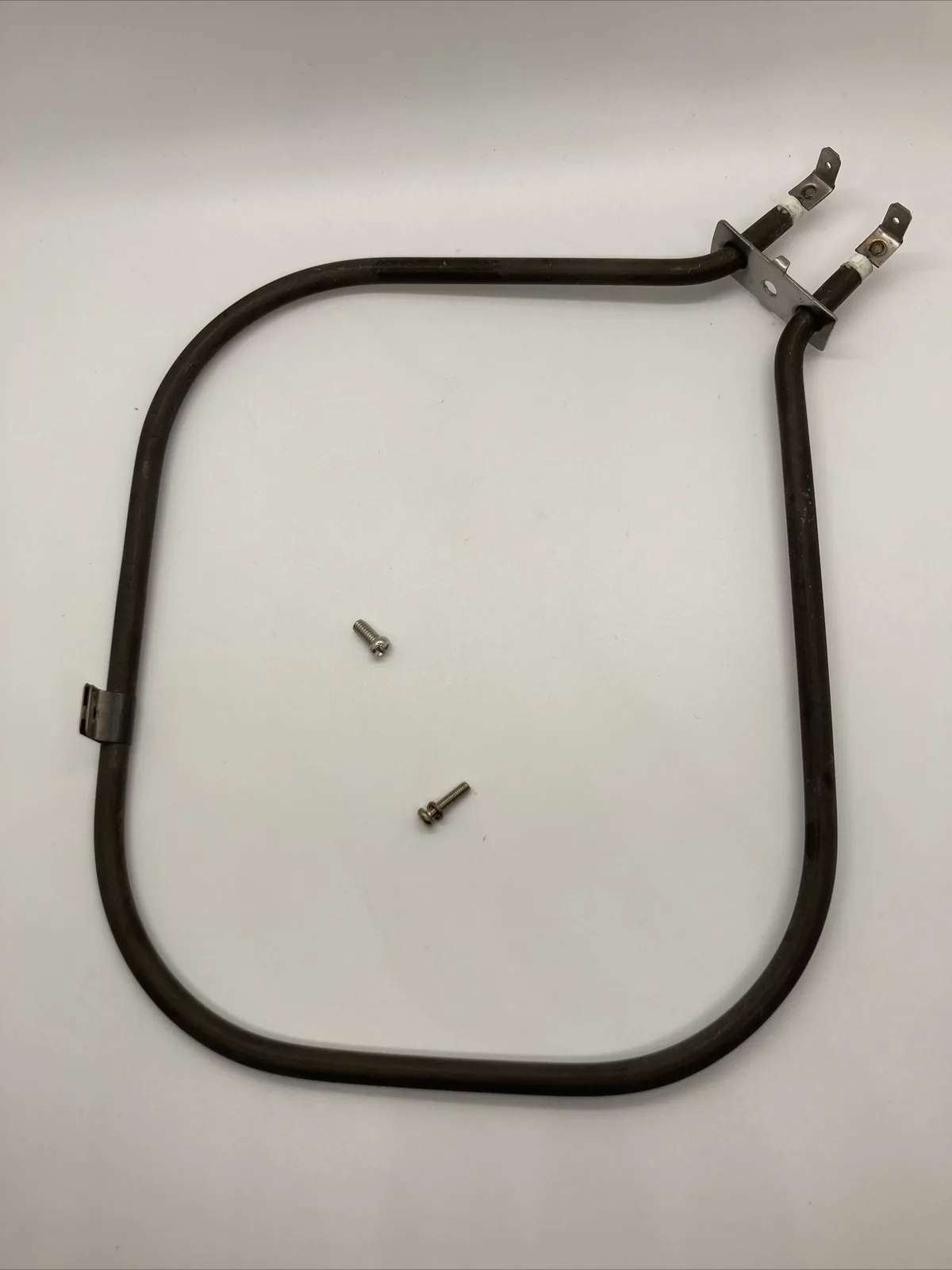
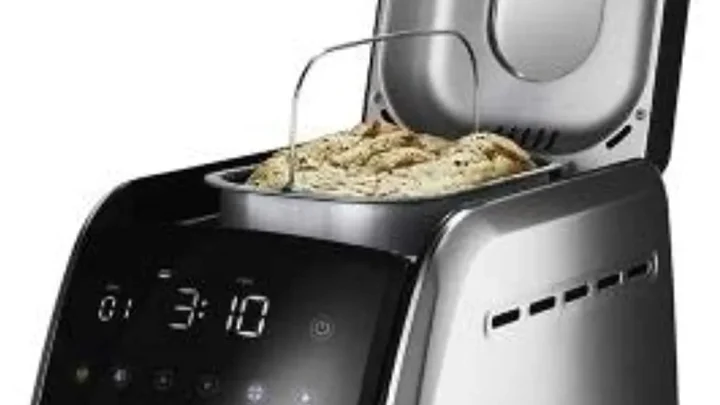
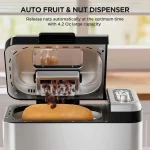
To solve this, higher-end models use dual heating elements. One sits at the base, and a second one is built into the lid or upper rim. This creates a surround-sound heat effect that mimics a professional convection oven.
It ensures the top of your French loaf is just as crispy as the base.
Some modern machines also include a small convection fan. This fan circulates hot air around the pan to remove moisture from the surface of the dough. For French bread, this is a massive advantage.
Removing that surface moisture early in the baking process is what allows the crust to become thin and brittle.
Common Mistakes: Why Your Crust is Soft or Your Crumb is Dense
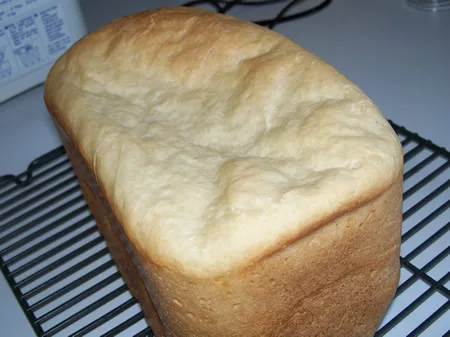
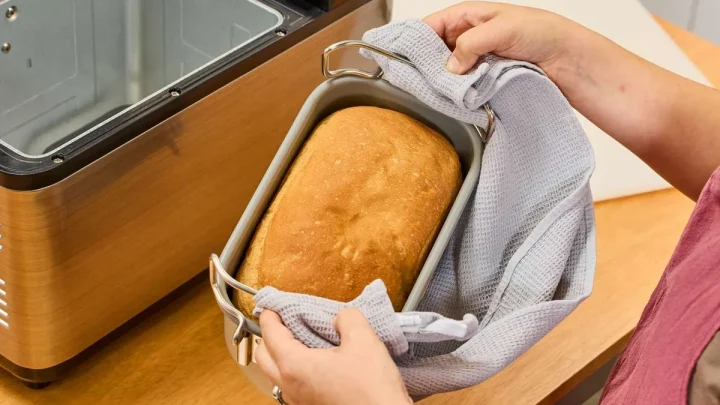
Most soft crust issues stem from leaving the loaf in the machine after the baking cycle ends. As the bread cools, steam trapped inside the pan migrates to the surface, turning a crisp crust soggy in minutes. Research into home baking mechanics shows that removing the loaf immediately and placing it on a wire rack is the only way to preserve the crunch.
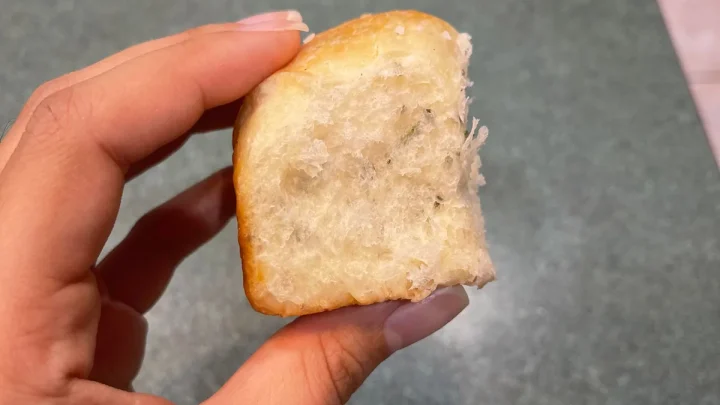
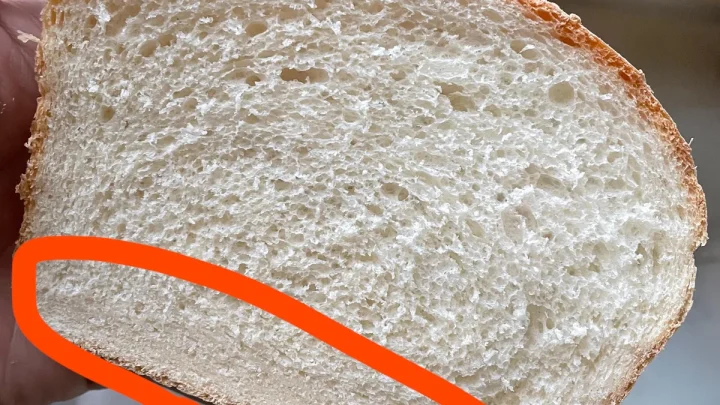
A dense crumb usually happens when the dough hasn't proofed long enough to develop large air pockets. If you skip the French setting or use too much salt, you inhibit the yeast. Salt is a yeast regulator.
Too much of it kills the fermentation, while too little leads to a loaf that overflows its pan.
Temperature also plays a role in crumb structure. If your water is too hot, it kills the yeast instantly. If it is too cold, the machine's internal heater might not have enough time to bring the dough to the ideal fermentation temperature during a standard cycle.
Best For: Matching the Machine to Your Baking Goals
If you want a daily loaf with zero effort, a mid-range vertical machine with a reliable French preset is your best bet. These models are designed for consistency and take up very little counter space. They are perfect for users who value the "set it and forget it" lifestyle.
For those who want to experiment with hydration levels and long-fermented starters, a high-end programmable horizontal machine is the right choice. These machines give you the granular control needed to mimic professional bakery schedules. You can fine-tune every rise and rest period to match your specific flour and yeast type.
- The Casual Enthusiast: Stick to machines with clear, one-touch French presets.
- The Artisan Maker: Prioritize customizable cycles and dual heating elements.
- The Baguette Fan: Choose any machine with a high-quality dough-only cycle and a robust motor.
Expert Tips for Using Starters and Pre-Ferments in a Machine
Using a poolish or a biga can elevate a machine-made French loaf from "good" to "artisan." A poolish is a mixture of equal parts flour and water with a tiny pinch of yeast, left to ferment overnight. Adding this to your machine during the initial cycle adds a complex, nutty flavor that 3-hour cycles simply cannot produce.
Manufacturer specs for high-end machines often mention a "rest" or "soak" phase. Use this time to let your poolish sit with the other ingredients before the motor starts. This helps the flour fully hydrate, which strengthens the gluten and leads to a taller, more open loaf.
If your machine doesn't have a programmable delay, you can still use a starter. Simply reduce the total yeast in your main recipe by about half a teaspoon. The active yeast in your starter will do the heavy lifting, providing a more natural and less "yeasty" aftertaste.
Maintaining Your Machine for High-Heat Baking
The high temperatures used for French bread cycles can be tough on a machine over time. One common issue is the degradation of the non-stick coating on the baking pan. To extend its life, never use metal utensils to pry a loaf out.
A gentle shake should release the bread once it has cooled for exactly 60 seconds.
Kneading paddles also require regular maintenance. Flour can get trapped in the hole where the paddle connects to the drive shaft, causing it to seize up. After every few loaves, soak the pan and paddle in warm, soapy water to ensure no dried dough remains in the mechanism.
Check the drive belt annually if you bake French bread several times a week. The high-torque required for these doughs can cause belts to stretch or fray. If you notice your machine getting louder or the kneading becoming erratic, a simple belt replacement can often save the whole unit.
Final Verdict: How to Choose Your French Bread Maker
Choosing the right machine comes down to prioritizing the "French" logic over generic features. A machine with 20 settings is useless for this specific task if none of those settings allow for a long, cool rise. Focus on the core components: a dedicated cycle, dark crust control, and a motor that won't quit on stiff dough.
If you have the budget, dual heaters are the single best investment for a better crust. They eliminate the "pale top" syndrome common in cheaper units and ensure a professional finish. However, even a budget machine can produce great results if you use the "Dough" setting and finish the bread in your kitchen oven.
Ultimately, the best bread maker is the one that gives you the most control over time and temperature. French bread is a slow-motion process that requires patience. By picking a machine built for that pace, you can enjoy bakery-quality baguettes in your own kitchen every morning.
Frequently Asked Questions
Can I make French bread in a machine without a French setting?
Yes, but you will need a machine with a "Manual" or "Home Made" mode. You must manually program a longer rise time, usually adding 45 to 60 minutes to the standard rising stages. Without this adjustment, the bread will likely be too dense.
Why does my French bread look like a regular sandwich loaf?
This usually happens if the machine is using a standard white bread cycle. French bread needs more time to rise and no added sugar. Ensure you are using the specific French setting and that your recipe doesn't include fats or sweeteners.
Is bread machine flour the same as all-purpose?
Not exactly. Bread flour has a higher protein content, usually between 12% and 14%. This extra protein is what allows the dough to stretch and hold those big air pockets that characterize French bread.
All-purpose flour often results in a flatter, denser loaf.
Can I leave the bread in the machine overnight?
You should never leave a finished loaf in the machine. The "Keep Warm" setting will eventually cause the crust to become tough and leathery. Set a timer so you can remove the bread as soon as the baking cycle ends for the best possible texture.
How do I get a more sour flavor in my French bread?
The easiest way is to use a "Biga" or a small amount of sourdough starter. If your machine allows it, use a longer rise setting at a lower temperature. This slower fermentation allows the yeast to produce more organic acids, giving you that tangy flavor.
Do dual paddles make a difference for French bread?
Yes, dual paddles are much better at stretching the dough across the entire length of a horizontal pan. This mimics the hand-kneading process and helps ensure that the gluten is developed evenly throughout the entire loaf.

Similar Posts